
At a glance
Eleven days is a tight fit for a mountain trek and a Serengeti safari. The workable version has a careful mountain schedule first, then only a few wildlife days. It is not the right itinerary for every family. Anyone planning to climb to high altitude needs to consider age restrictions, fitness, and their own health before reserving flights. Family members who will not trek can plan separate activities around Moshi. Families also need to separate a genuine mountain ascent from a short Kilimanjaro foothills walk: the age requirements, altitude exposure and physical effort are not interchangeable. When children or relatives are not climbing, plan suitable activities and accommodation for them rather than assuming everyone can follow the mountain party. Capable Africa Tours will organise the services included in the agreed family itinerary, with the safari scheduled around the mountain portion and the recovery time that your group needs.
The main decision is how much recovery time the group will need after Kilimanjaro. Coming down from Kibo is tiring, even when everything has gone well. Moving straight into a long drive the next morning may suit some adults, but families with children or mixed abilities often prefer a rest night. That changes the number of days available for Serengeti; it is better to be clear about this now than discover it midway through the trip.
Do not book an eleven-day itinerary assuming that children of every age can summit Kilimanjaro. Park requirements and operator age policies must be checked, and a guide has to be satisfied that each climber is prepared for the route. When younger family members are traveling, we can design a lower-altitude day hike or other activity while adults trek.
Start by checking the route and altitude considerations in the Kilimanjaro family planning and altitude guide alongside the Serengeti safari alternatives. These are different ways to plan the same type of holiday; choose the one whose daily route matches your available days rather than relying only on the package name.
How this trip works
Combining a Kilimanjaro trek with Serengeti in eleven days is possible only for a family whose ages, health, mountain experience and travel schedule suit a demanding itinerary. Kilimanjaro is not an ordinary family walk: high altitude and summit-night conditions make it inappropriate for some children and adults, and mountain park age rules must be checked before considering a booking. The mountain section consumes most of the available days, leaving relatively little time for a relaxed wildlife safari. Families who chiefly want the Serengeti experience may be happier with a shorter low-altitude activity near Kilimanjaro and more nights in the parks.
Arrangements with Capable Africa Tours
Capable Africa Tours coordinates the family’s confirmed mountain guides and support crew, park procedures, gate transfers, accommodation and subsequent safari vehicle, guide and park nights where suitable. We discuss each traveler’s age, fitness and travel dates before proposing the climb. The mountain guide and applicable park rules determine what is safe and permitted; the itinerary is never a promise that every family member will reach the summit.
Think about the day after the mountain rather than only the summit day. Feet may be sore and everyone may need proper sleep and time to clean equipment. A long drive into Serengeti immediately after descending can be exhausting. Depending on the family, a domestic flight or a longer total holiday may be a more sensible decision.
Who is this itinerary really for?
It may suit active families with appropriately aged teenagers or adult children who have trained for the mountain and understand that summit success is never guaranteed. A family with small children will usually be happier with a shorter mountain hike and a longer, less rushed safari. A child who enjoys nature walks at home may still find cold nights, unfamiliar food and long mountain stages difficult; ask about a separate activity plan rather than assuming everyone will climb.
We discuss age, previous walking experience, health, medications, room arrangements and the whole family’s tolerance for early mornings before proposing mountain dates. This is not a one-size-fits-all family departure. The conversation should also cover what family members who do not climb will do in Moshi, and how everyone will meet again before the safari.
The route split and the recovery problem
A six-day Marangu route gives a hut-based mountain option, followed by several safari days. Eleven total days leave no spare international arrival or recovery day if all days are counted as activities. We strongly recommend adding pre-climb and post-climb hotel time whenever possible. That extra rest matters when a family is combining a physically demanding climb with long vehicle journeys.
If you cannot extend the holiday, consider shortening the mountain objective or making the safari local to Arusha and Ngorongoro. It is better to have a real rest day than to drive toward Serengeti immediately after an exhausting descent. For some families, fewer park changes mean more time to enjoy the trip and less frustration from tired children.
Day-by-day itinerary
The mountain and safari parts have different rhythms. Trekking days start early and are built around safe walking and acclimatization. Safari days depend on road distances, park access and where you sleep. Treat the programme below as an example of how to divide the time, and allow an extra day if your flight schedule is not flexible.
Day 1 — Meet in Moshi and equipment review
The group meets in Moshi for a proper conversation about the mountain, not just a quick equipment handover. Check boots, warm layers, headlamps and any rented items while there is still time to correct a problem. If you arrive late in the evening, schedule this preparation separately rather than rushing directly to the gate.
Day 2 — Marangu Gate to Mandara Hut
After breakfast, travel to Marangu Gate for registration and meet the mountain support team. The first walking stage passes through forest, where damp ground and rain are possible even in a dry month. Settle into Mandara Hut and use the evening to discuss the next day’s pace and how everyone is feeling.
Day 3 — Mandara to Horombo Hut
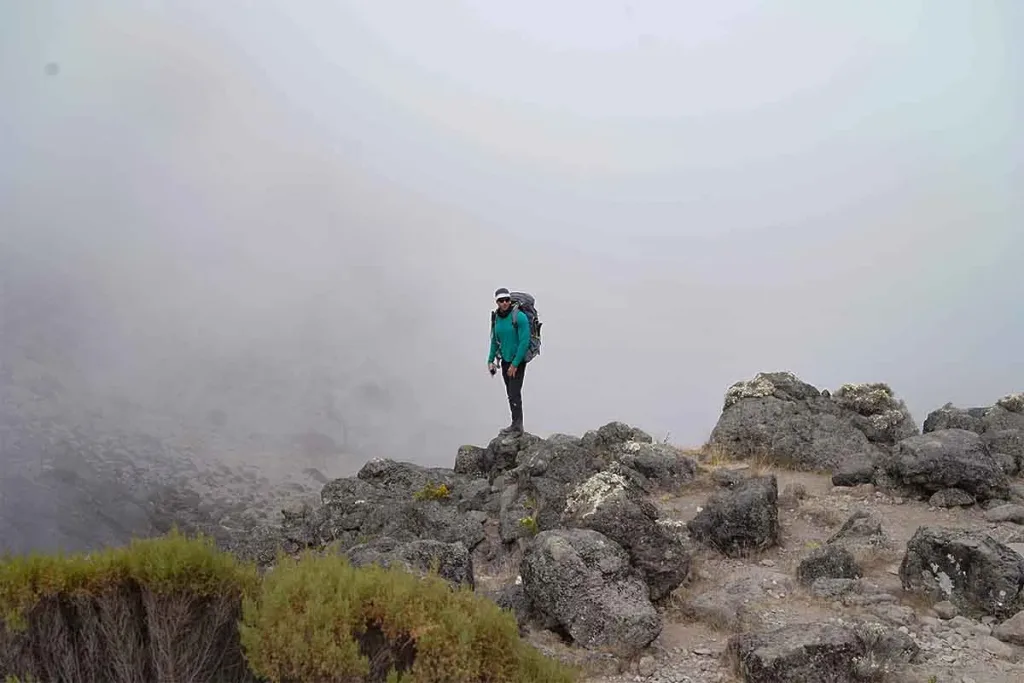
The trail climbs out of the thicker forest into more open vegetation on the way to Horombo Hut. It may feel cooler and more exposed than the previous day. Walk at a pace the slowest member can sustain and tell the lead guide promptly about headaches, nausea or unusual tiredness.
Day 4 — Acclimatization around Horombo
This day is set aside for acclimatization rather than rushing straight toward Kibo. Depending on the guide’s assessment, the family may take a controlled walk above Horombo and return to sleep at the hut. There is time to eat, rest and discuss honestly whether everyone should continue higher.
Day 5 — Horombo to Kibo Hut
Move toward Kibo Hut across increasingly bare, high-altitude ground. Walking may feel harder here despite a steady pace. After arrival, prepare warm clothing, water and headlamps for the night ascent, and rest as much as possible. The guide will assess whether a summit attempt is appropriate for each climber.
Day 6 — Kibo to summit attempt and Horombo
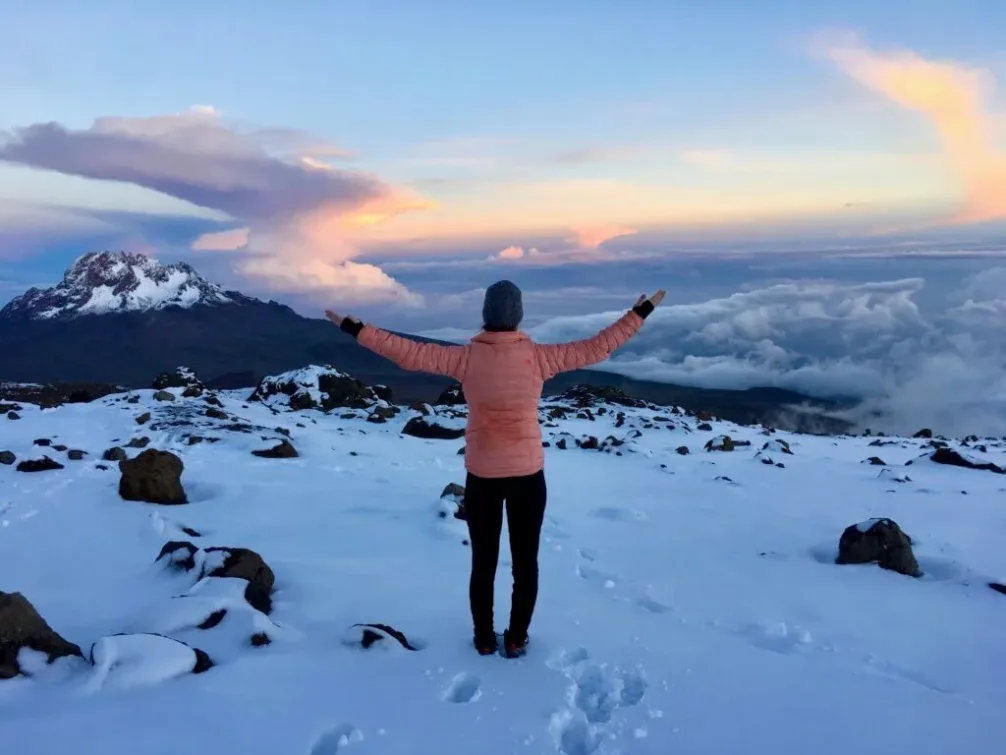
The summit attempt usually starts in darkness and involves steep, cold walking at high altitude. The guide sets the pace and may turn any family member back if conditions or symptoms warrant it. After the highest safe point reached, the team descends toward Horombo; the descent is still a demanding part of the day.
Day 7 — Horombo to Marangu Gate
Follow the trail down from Horombo toward Marangu Gate, complete the park exit formalities and return to Moshi. Legs may be tired and clothing may need drying or washing. A quiet meal and proper sleep are more useful than planning a late-night transfer on the same day.
Day 8 — Travel toward Serengeti
Leave Moshi for the next part of the holiday only after considering how everyone has recovered from the trek. A drive toward Serengeti takes a substantial part of the day, while a domestic flight may be an alternative if the route and schedules fit. Accommodation and the overnight location should be chosen around this transfer.
Day 9 — Serengeti game drives
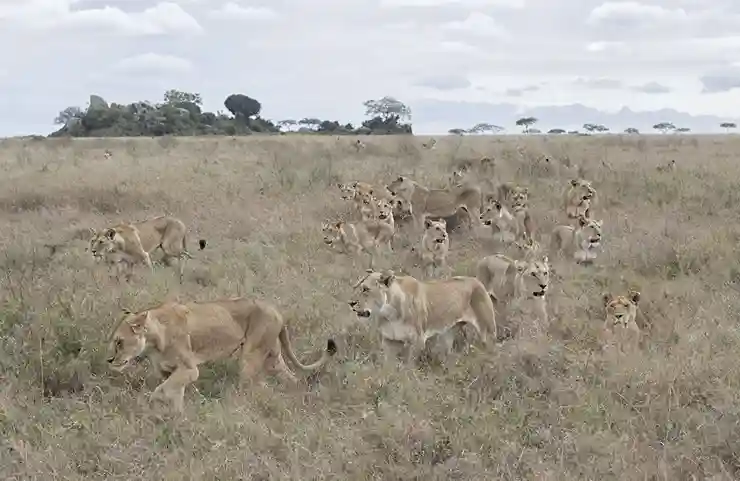
Spend the day on the Serengeti plains with a guide who can adjust the stops to the family’s energy and interests. Some time may be spent watching a single pride or herd rather than constantly driving. Take meal and comfort breaks, especially if anyone is still recovering from Kilimanjaro.
Day 10 — Continue safari toward highlands
Enjoy wildlife viewing where time permits before travelling toward the Ngorongoro highlands or the agreed exit point. This is a transfer day as well as a safari day, so avoid promising a full morning and afternoon of driving in the park. The route and overnight stay depend on the final accommodation plan.
Day 11 — Ngorongoro or Arusha return
An early Ngorongoro Crater visit may be possible if the family is already sleeping in the right area and onward travel allows sufficient time. Otherwise the day is better used for a safe return to Arusha or the departure airport. The exact plan should be settled around confirmed flight times, not left to chance.

How to keep the safari enjoyable
Children and tired climbers usually appreciate shorter wildlife drives, a comfortable lodge and fewer accommodation changes. A private safari makes it easier to stop for bathrooms, snacks and quiet moments. We can plan the drive around one or two wildlife interests rather than a long checklist that keeps the vehicle moving all day.
The Serengeti road transfer is significant. A flight could help, but check how many flights are required, baggage limits and how the schedule fits the end of the trek. After a summit attempt, ask each person whether they would rather drive for hours or have a slower first safari morning.
Sleeping, food and safety
Mountain hut or tent arrangements depend on the chosen climb; safari lodges have separate family-room and child policies. Ask for actual room configurations for each night. Two adjoining rooms and one family room are not the same arrangement, so this needs to be clear before accommodation is selected.
The trekking crew needs to know dietary restrictions and any medical issues relevant to safe planning. Guides are responsible for altitude monitoring and may stop an ascent for health reasons. No published itinerary should pressure a climber to summit. It is reasonable for one family member to descend while others continue, provided the operator has an appropriate supervised plan.
Travel arrangements at a glance
| Planning detail | What to expect |
|---|---|
| Mountain requirement | Climber eligibility and age rules checked before route selection |
| Mountain nights | Huts on this Marangu-based example |
| Safari pace | Private route with realistic travel and recovery needs |
| Extra nights | Arrival and recovery nights recommended outside the 11-day activity window |
What is included and what should be checked?
The quotation for this Kilimanjaro trek should make clear what is paid for in the main price and what remains optional. Mountain crew, park fees, safari guiding and the transfer between the two parts need separate attention.
Usually arranged when quoted
- Professional mountain guiding and the support crew listed in the itinerary
- Park access and accommodation charges listed in the quotation
- Mountain meals, drinking-water arrangements and camp or hut provisions as agreed
- Scheduled transfers between the hotel and route gate
Commonly separate
- International flights and passport/visa costs
- Personal clothing, boots and sleeping equipment unless included
- Travel and medical insurance appropriate for high altitude
- Tips, personal purchases and additional hotel nights
This combination uses a mountain guide for the climb and a separate safari guide for the wildlife days. The plan must allow the mountain team to adjust or end an ascent if altitude symptoms become concerning.
Questions travelers ask
Can children climb Kilimanjaro?
Minimum ages, permits and operator suitability rules must be checked. Not every child should attempt a summit trek.
Does this include eleven full days plus arrival?
No. This sample shows why eleven days becomes tight; arrival and recovery nights may need to be added.
Can a non-climbing family member join the safari?
Yes. A separate lower-altitude program and reunification point can be planned.
Is the safari guaranteed to see the Big Five?
No. Species are wild, and sightings vary with timing and conditions.
Plan around your travel dates
Tell us who in your family hopes to climb, their ages, previous multi-day hiking experience and the time you have between the mountain and your flight home. Those details determine whether this eleven-day outline is realistic. A family-friendly plan may split the group for the climb and bring everyone together for a gentler safari.
You can also compare this route with kilimanjaro routes and safety or about the six-day marangu route. The best choice depends on how much time you have and what matters most on your trip.
Enquire about this trip
Tell us who intends to climb and who would prefer to stay at lower altitude. Ages, previous hiking experience and flight dates are particularly important for this combination. With those details we can discuss whether eleven days is realistic or whether the mountain and Serengeti deserve separate trips.