
6-Day Kilimanjaro Climb via Rongai Route | Trekking Adventure 2026/2027
The 6-Day Kilimanjaro Climb via Rongai Route offers a unique approach from the mountain’s northern side, providing a quieter and less-crowded trekking experience. This route is known for its gentle slope, making it ideal for beginners and those seeking a steady acclimatization. Starting near the Kenyan border, the trail passes through pine forests, open moorlands, and rugged alpine terrain before reaching the summit at Uhuru Peak. The Rongai Route combines scenic beauty with a high success rate, giving climbers a practical balance of adventure, comfort, and gradual ascent over six memorable days on Africa’s highest mountain.
Book Your Trek NowRongai Route Kilimanjaro Trek Highlights
- Duration: 6 Days, 5 Nights
- Destination: Mount Kilimanjaro (5,895m), Uhuru Peak
- Main Focus: Trekking, scenic northern slopes, summit ascent
- Tour Style: Guided trek, small groups (2–12 people)
- Best Time: January–March, June–October for optimal weather
- Ideal For: Beginners, adventure seekers, nature lovers
- Success Rate: 85–90% summit success with acclimatization
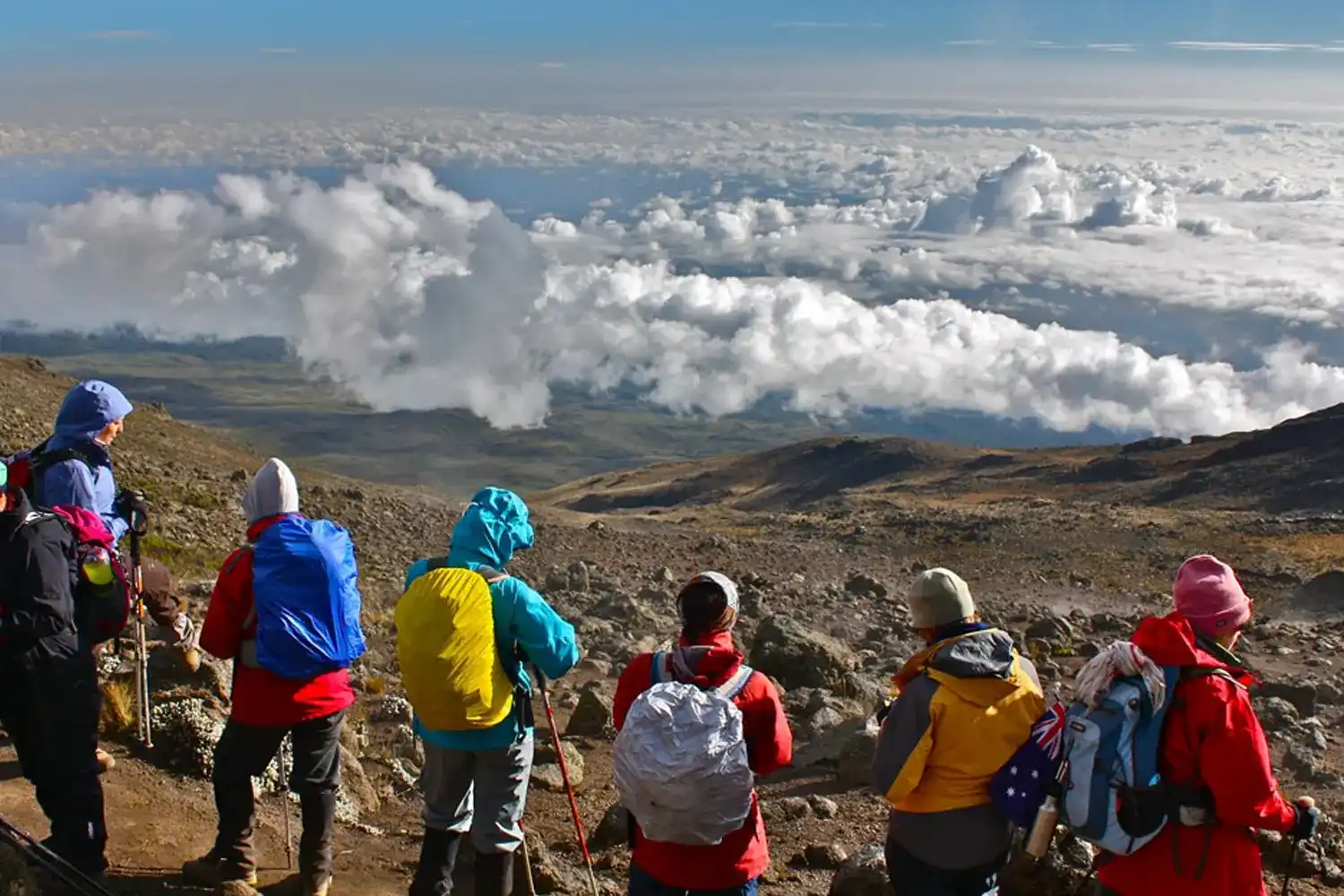
Who This Six-Day Trip Suits—and Why
The 6-day Kilimanjaro climb via Rongai Route is a premier Tanzania trekking adventure package, offering a less crowded and scenic ascent to Uhuru Peak. Starting from the northern slopes near the Kenya border, this route features gradual inclines, diverse landscapes, and quieter campsites compared to the busier Marangu Route. With Capable Africa Tours, you’ll trek with experienced guides and porters, ensuring safety and a high Kilimanjaro summit success rate. This itinerary is perfect for those seeking an affordable Kilimanjaro climbing package with a balance of challenge and comfort.
Our guided Kilimanjaro tours in Tanzania include all Kilimanjaro National Park permits, quality camping equipment, and meals tailored for high-altitude trekking. The Rongai Route’s unique descent via the Marangu Route also offers stunning views of both sides of the mountain, making this a top choice for 2026 adventurers.
Best Rongai Route Itinerary 2026: Day-by-Day Breakdown
This 6-day Rongai Route Kilimanjaro trek is designed to maximize acclimatization and summit success while showcasing the mountain’s northern beauty. Below is a detailed itinerary for your 2026 trekking adventure.
Day 1: Arusha to Rongai Gate & Simba Camp
Your 6-day Kilimanjaro climb via Rongai Route begins in Arusha with a transfer to Rongai Gate (1,950m). Trek through lush rainforests to Simba Camp (2,600m), enjoying views of the northern slopes and spotting colobus monkeys. Your guide will brief you on Mount Kilimanjaro altitude and acclimatization techniques.
- Trekking Time: 3–4 hours
- Distance: 6.7 km
- Highlights: Rainforest, wildlife, first camp setup
- Meals: Lunch, dinner
- Accommodation: Simba Camp (tented)
Day 2: Simba Camp to Second Cave
Trek from Simba Camp to Second Cave (3,450m), passing through moorland with stunning views of Kibo Peak. This gradual ascent aids acclimatization, crucial for a successful Kilimanjaro climb for beginners. Enjoy a hot lunch at camp and rest for the next day’s trek.
- Trekking Time: 3–4 hours
- Distance: 5.8 km
- Highlights: Moorland landscapes, Kibo Peak views
- Meals: Breakfast, lunch, dinner
- Accommodation: Second Cave (tented)
Day 3: Second Cave to Kikelewa Camp
Continue to Kikelewa Camp (3,600m), trekking through heath and moorland zones. The trail offers panoramic views of the eastern slopes and distant Kenyan plains. This day focuses on acclimatization, with your Kilimanjaro guide and porters team ensuring a steady pace.
- Trekking Time: 3–4 hours
- Distance: 6.6 km
- Highlights: Heath zone, scenic vistas
- Meals: Breakfast, lunch, dinner
- Accommodation: Kikelewa Camp (tented)
Day 4: Kikelewa Camp to Mawenzi Tarn
Trek to Mawenzi Tarn (4,330m), a stunning campsite beneath Mawenzi Peak. The alpine desert landscape offers dramatic scenery, and this shorter day allows time for rest and acclimatization, critical for the Uhuru Peak trekking experience.
- Trekking Time: 3–4 hours
- Distance: 3.7 km
- Highlights: Mawenzi Peak views, alpine desert
- Meals: Breakfast, lunch, dinner
- Accommodation: Mawenzi Tarn (tented)
Day 5: Mawenzi Tarn to Kibo Hut
Cross the lunar-like Saddle to Kibo Hut (4,700m), preparing for the summit push. The trek offers breathtaking views of Kibo and Mawenzi peaks. Rest early at Kibo Hut to conserve energy for the midnight summit attempt.
- Trekking Time: 4–5 hours
- Distance: 8.9 km
- Highlights: Saddle crossing, summit preparation
- Meals: Breakfast, lunch, dinner
- Accommodation: Kibo Hut (tented)
Day 6: Kibo Hut to Uhuru Peak & Descent to Horombo Hut
Begin the summit ascent at midnight, reaching Gilman’s Point (5,681m) by sunrise, then Uhuru Peak (5,895m). Celebrate your achievement before descending via the Marangu Route to Horombo Hut (3,720m) for your final night on the mountain.
- Trekking Time: 12–15 hours (ascent and descent)
- Distance: 20.8 km
- Highlights: Uhuru Peak, sunrise views, Marangu descent
- Meals: Breakfast, lunch, dinner
- Accommodation: Horombo Hut (tented)
Day 7: Horombo Hut to Marangu Gate & Arusha
Descend through moorland and rainforest to Marangu Gate (1,860m), completing your 6 days on Mount Kilimanjaro. Receive your summit certificate and transfer back to Arusha for a well-earned rest or onward travel.
- Trekking Time: 5–7 hours
- Distance: 19.7 km
- Highlights: Summit certificate, rainforest descent
- Meals: Breakfast, lunch
- Accommodation: Transfer to Arusha hotel or airport
Rongai vs Marangu Route Comparison
Choosing between the Rongai and Marangu routes? The 6-day Kilimanjaro climb via Rongai Route is quieter, with tented camps and a gradual ascent, ideal for those seeking solitude and scenery. The Marangu Route, known as the “Coca-Cola Route,” offers hut accommodations but is busier. Rongai’s northern approach provides unique views and better acclimatization, making it a top pick for 2026 trekkers aiming for a high summit success rate.
See the Landscapes, Camps and Wildlife Along This Route
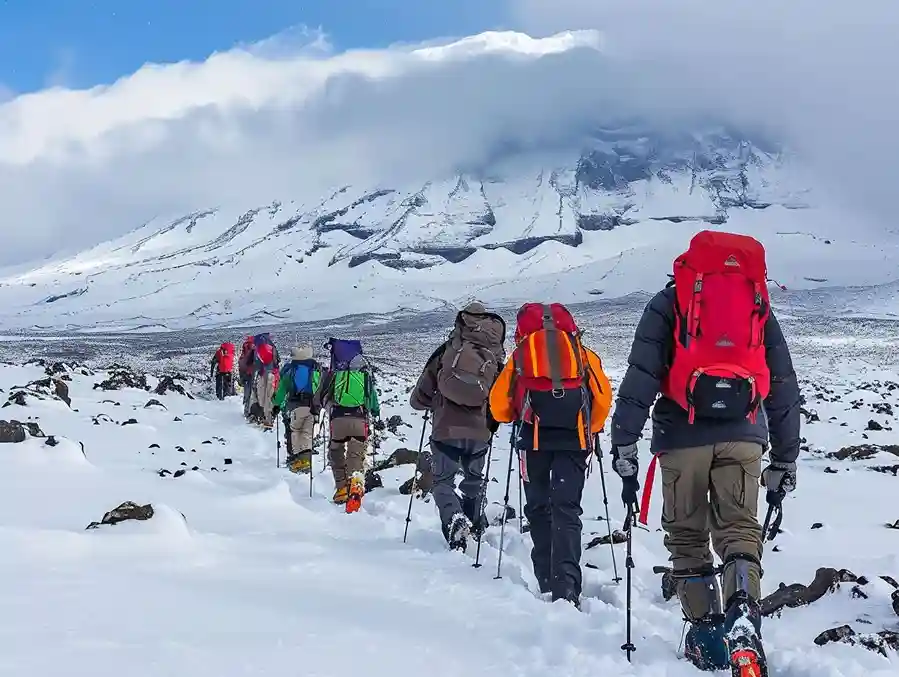
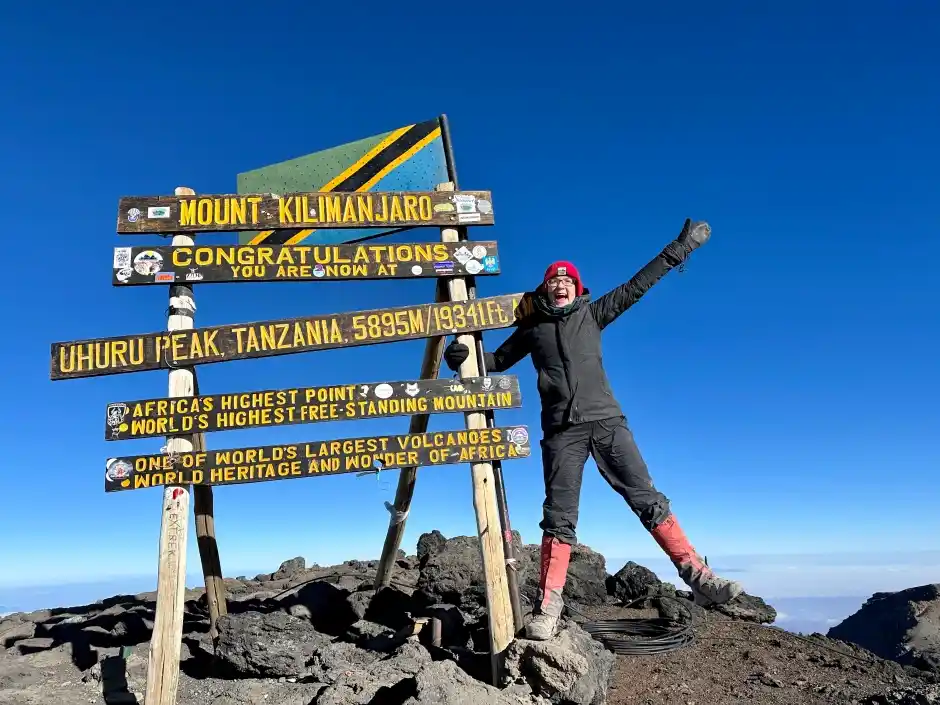
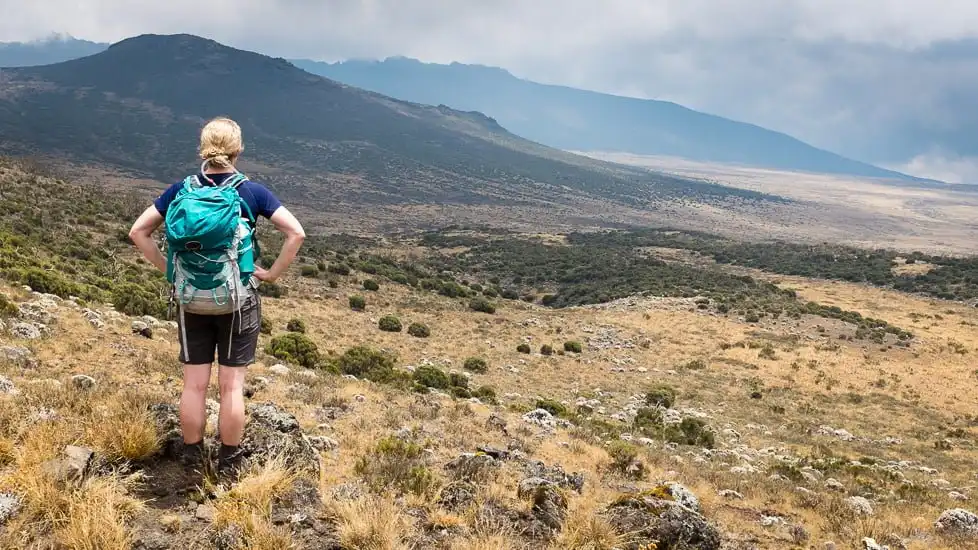
What to Expect from Mornings, Travel Days and Evenings
Watch the beauty of a 6-day Kilimanjaro trek via Rongai Route unfold, from northern slope trails to the Uhuru Peak summit, with Capable Africa Tours.
What to Pack for the Actual Route and Season
Preparing for your 6-day Kilimanjaro climb via Rongai Route requires the right gear. Pack lightweight, warm clothing for high altitudes, sturdy hiking boots, and a quality sleeping bag. Below is a detailed Kilimanjaro equipment and packing list to ensure comfort and safety on your trek.
- Hiking Boots: Waterproof, broken-in boots with ankle support.
- Warm Layers: Fleece, insulated jacket, and thermal base layers for cold nights.
- Sleeping Bag: Rated for -10°C for overnight camps on Rongai Route.
- Trekking Poles: Adjustable poles for stability on steep sections.
- Headlamp: With extra batteries for the midnight summit push.
- Water Bottle/Bladder: 3L capacity for hydration at high altitudes.
- Sunscreen & Sunglasses: SPF 50+ and UV-protective glasses.
- Personal Medications: Include altitude sickness prevention if advised.
Kilimanjaro Climbing Cost 2026
The Kilimanjaro climbing cost for 2026 starts at $2,200 per person for our 6-day Rongai Route package, covering permits, guides, porters, meals, and camping equipment. Prices vary based on group size and season, with private treks slightly higher. Contact us for a personalized quote and start planning your Tanzania trekking adventure!
Check These Inclusions Before You Compare Quotes
Our 6-day Kilimanjaro climb via Rongai Route includes Kilimanjaro National Park permits, expert guides, and quality camping gear. Exclusions typically cover international flights and personal gear. Below is a detailed breakdown of what’s included and excluded in your Rongai Route Tanzania climbing package.
Price Inclusions
- Round-trip transfers from Arusha
- Professional Kilimanjaro guide and porters team
- All Kilimanjaro National Park permits
- Full-board meals during the trek
- Tents and camping equipment
- Bottled water and hot drinks
- Summit certificate upon completion
Price Exclusions
- International flights to Tanzania
- Travel or medical insurance
- Tips for guides and porters (~$15–20 pp/day, optional)
- Personal trekking gear (e.g., sleeping bags, boots)
- Alcoholic beverages
- Pre/post-trek accommodation in Arusha
Mount Kilimanjaro Altitude and Acclimatization
Climbing Mount Kilimanjaro to 5,895m requires careful acclimatization to prevent altitude sickness. The 6-day Rongai Route itinerary includes gradual ascents and rest days to help your body adjust. Our experienced guides monitor your health, provide hydration tips, and ensure a safe pace to maximize your chances of reaching Uhuru Peak.
Is This Six-Day Trip the Right Choice for You?
Join Capable Africa Tours for a 6-day Kilimanjaro trek via Rongai Route in 2026. Experience the northern slopes, scenic camps, and the thrill of summiting Uhuru Peak with expert guides and a high success rate.
- 85–summit outcomes vary by route, acclimatisation, weather and individual response with acclimatization
- Expert-guided treks with small groups
- Quality tented camps and full-board meals
- Support for local porters and conservation
- Scenic northern slope route with fewer crowds
Limited spots for this 2026 Rongai Route Kilimanjaro trek—book now to secure your adventure!
Book This Trek NowRequest a Tailored Six-Day Itinerary
How the Experience Changes from Morning to Evening
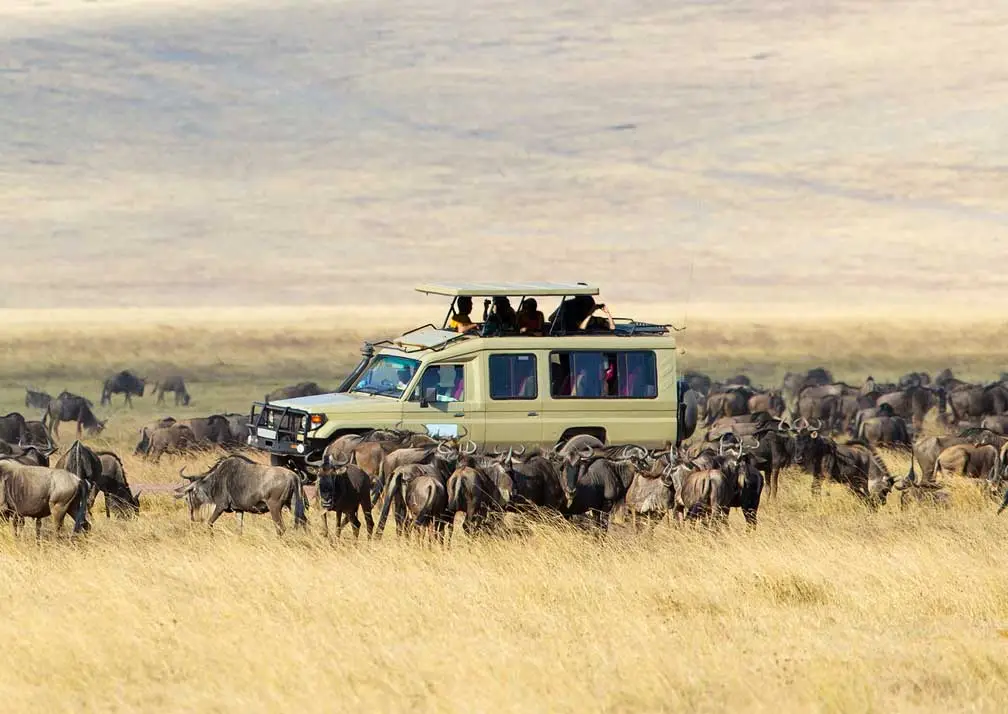
Great Migration Safaris
Experience one of nature’s greatest spectacles with our Great Migration safari packages, timed for river crossings or calving.
View Package →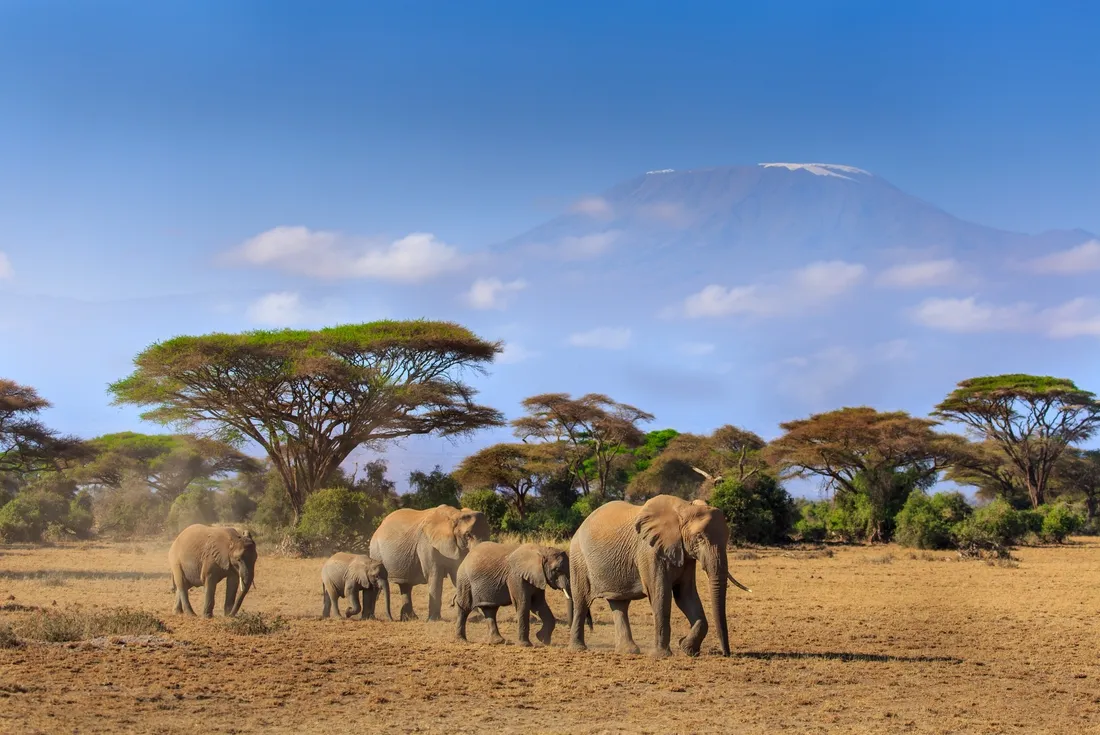
Serengeti & Kilimanjaro Trek
Combined safari and trekking tours offer wildlife adventures and Kilimanjaro climbs.
View Package →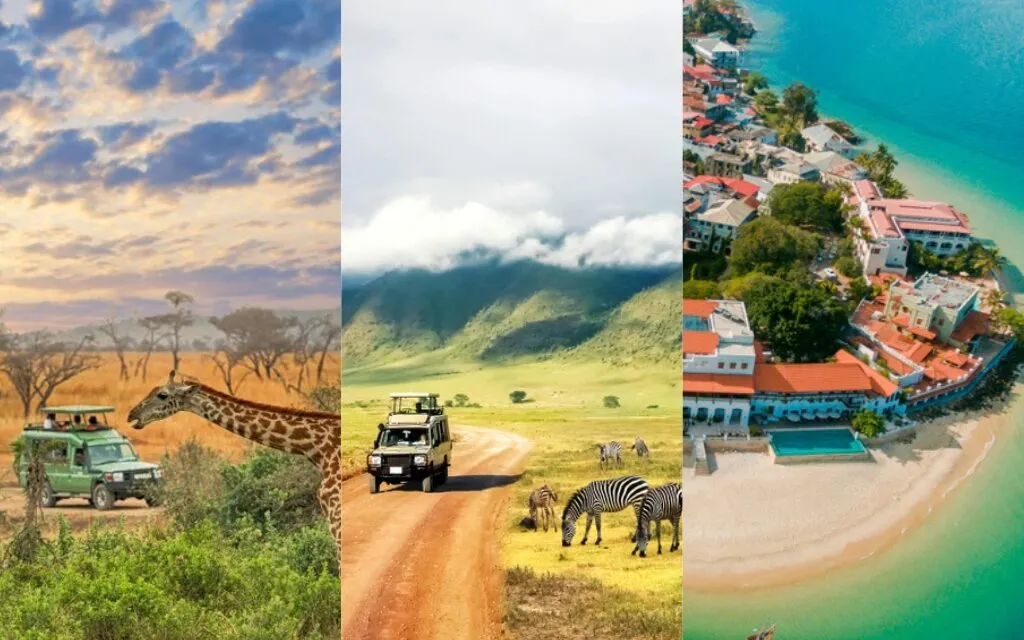
Serengeti & Zanzibar Tours
Luxury Tanzania safari & beach packages with the Great Migration and pristine beaches.
View Package →