10-Day Serengeti Safari & 6-Day Machame Route Kilimanjaro Climb 2026/2027
A compressed combination of a flight-assisted Serengeti and Ngorongoro safari with the six-day Machame Route, intended for fit travelers who accept limited recovery time.
Book This Package10-Day Serengeti & Kilimanjaro Package — Key Facts
- Duration: 10 days (4-day safari, 6-day Kilimanjaro Machame Route climb)
- Destinations: Serengeti National Park, Ngorongoro Crater, Kilimanjaro National Park
- Summit: Uhuru Peak, 5,895m — Africa's highest point
- Starting Price: From $3,900 per person (group of 5+); from $4,500 pp (private 1–2)
- Best Season: June–October (dry season); January–February also reliable
- Summit Success Rate: 85% with Capable Africa Tours (industry average ~65%)
- Fitness Required: Moderate to high — regular hiking preparation recommended
- Group Size: 2–12 people; private departures available
- Included: All permits, park fees, meals, accommodation, guides, and porters
How the Route Works: Pace, Nights and Transfer Days
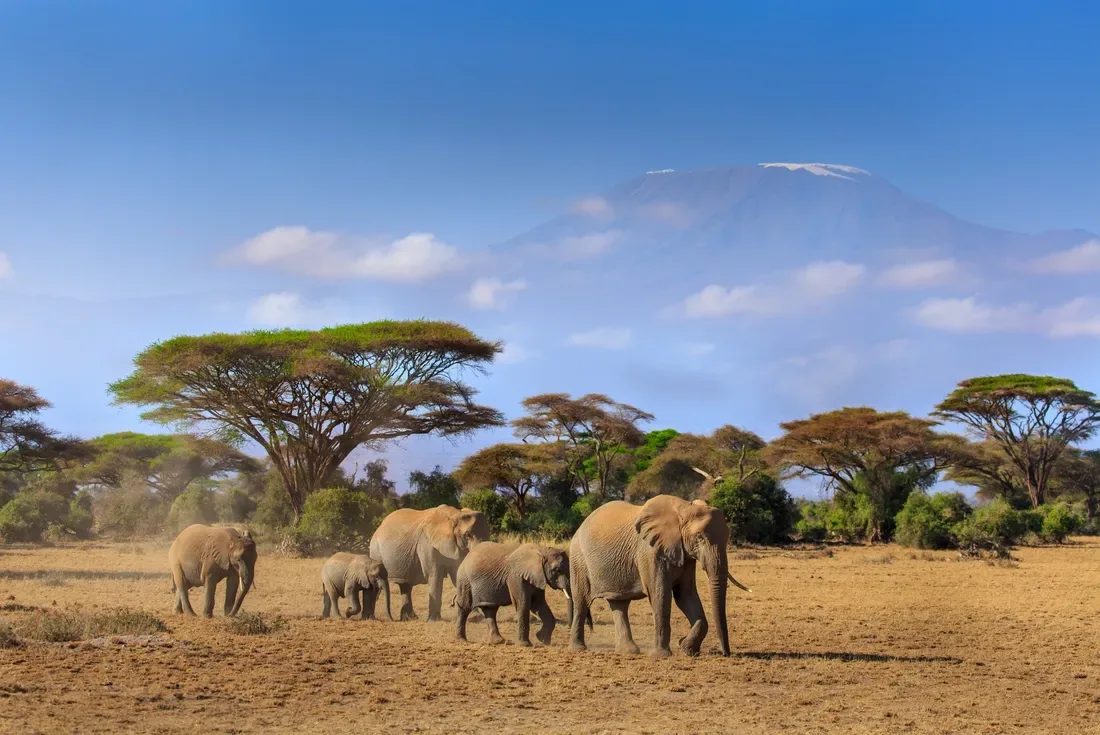
Most travellers choose either a Tanzania safari or a Kilimanjaro climb. This itinerary combines both — and the order matters. We begin with four days in the Serengeti and Ngorongoro Crater, where the pace is relaxed and the altitude manageable. Then, having adjusted to East Africa's climate and light, you transfer to Kilimanjaro for the six-day Machame Route ascent.
The Machame Route is the most popular Kilimanjaro route for good reason. Its acclimatisation profile — particularly the Lava Tower day at 4,600m before descending to sleep at 3,950m — gives your body more time to adjust than shorter routes, which is the primary driver behind higher summit success rates. The route also passes through a wider variety of altitude zones: rainforest on day one, open moorland, the dramatic Shira Plateau, and the final alpine desert approach to the summit crater.
The Serengeti section covers the central and southern zones, where the permanent wildlife populations are most dense, with a half-day in the Ngorongoro Crater — one of the best places in Africa to see black rhino in the wild. This is a structured itinerary, not a rushed one: four days gives enough time for two full game drive days with positioning drives on arrival and departure.
Who This Package Is Best For
- Travellers who want both experiences in one trip — rather than returning to Tanzania twice, this itinerary covers its two signature experiences back to back.
- First-time Kilimanjaro climbers — the Machame Route is well-suited to climbers without mountaineering experience, and our guide ratio means you are never unsupported on the mountain.
- Small groups and pairs — private departures for 1–4 people and shared group departures for 5–12. Both options include a dedicated guide.
- Couples celebrating a milestone — summitting Kilimanjaro and watching a lion hunt in the Serengeti within the same ten days is a fairly significant combination of things to share.
- Experienced safari travellers adding a Kilimanjaro climb — if you have done the Serengeti before but not the mountain, we can also rebalance the itinerary toward more Kilimanjaro preparation days.
Who This Package May Not Suit
- Travellers with significant heart or respiratory conditions — Kilimanjaro at 5,895m is not suitable without medical clearance.
- Those with very limited time — 10 days is the minimum for this combination to feel manageable. Attempting it in 8 days is not advisable.
- Families with young children — Kilimanjaro climbing regulations set a minimum age of 10, and the physical demands are significant even for adults.
Day-by-Day 10-Day Serengeti Safari and Machame Route Kilimanjaro Climb Itinerary for 2026/2027
The itinerary below follows our recommended sequence: Serengeti safari first, Kilimanjaro climb second. This order gives your body time to acclimatise to the region before the high-altitude demands of the mountain. Exact camp placements and game drive routes are confirmed at booking and adjusted based on current wildlife movements and mountain conditions.
Day 1: Arrival in Arusha
Arrive at Kilimanjaro International Airport (JRO) and transfer to your lodge in Arusha. Your lead guide meets you for an evening briefing covering the full 10-day plan: current Serengeti wildlife movements, Kilimanjaro route conditions, gear check for the mountain, and any final itinerary adjustments. This briefing is practical rather than ceremonial — we use it to ensure your gear is correct before you need it.
- Accommodation: Arusha lodge
- Meals: Dinner
- Altitude: ~1,400m
Day 2: Fly to Serengeti — Afternoon Game Drive
An early morning charter or scheduled flight from Arusha to one of Serengeti's internal airstrips (Seronera or Grumeti, depending on current wildlife distribution) puts you in the park by mid-morning. Your safari guide collects you at the airstrip and heads directly into the plains. Afternoon game drives in the Central Serengeti consistently produce lion, elephant, giraffe, and zebra. The Seronera Valley is one of the most reliable areas in Africa for leopard sightings — look in the acacia trees along the riverlines.
- Transport: Charter flight Arusha → Serengeti (~45 min)
- Accommodation: Tented camp, Central Serengeti
- Meals: Breakfast, lunch, dinner
- Highlights: Arrival game drive, Seronera Valley leopard habitat
Day 3: Serengeti — Full Game Drive Day
Your first full day in the Serengeti. Your guide plans the route based on where predator activity was reported overnight — radio communication between camps and guides means positioning decisions are made with current information rather than fixed routes. Morning drives (6:00–10:30am) and afternoon drives (3:30–6:30pm) bracket a midday rest at camp. The Serengeti's ecosystem at this time of year: the Great Migration herd is in one of four positions depending on season, and your guide will know which zone is most active for crossings or calving.
- Accommodation: Tented camp, Central Serengeti
- Meals: Breakfast, packed lunch, dinner
- Highlights: Big Five tracking, cheetah on kopjes, hippo pools, predator activity
- Optional: Hot-air balloon safari at dawn (additional cost — book well in advance for peak season dates)
Day 4: Ngorongoro Crater — Game Drive & Transfer to Rim Lodge
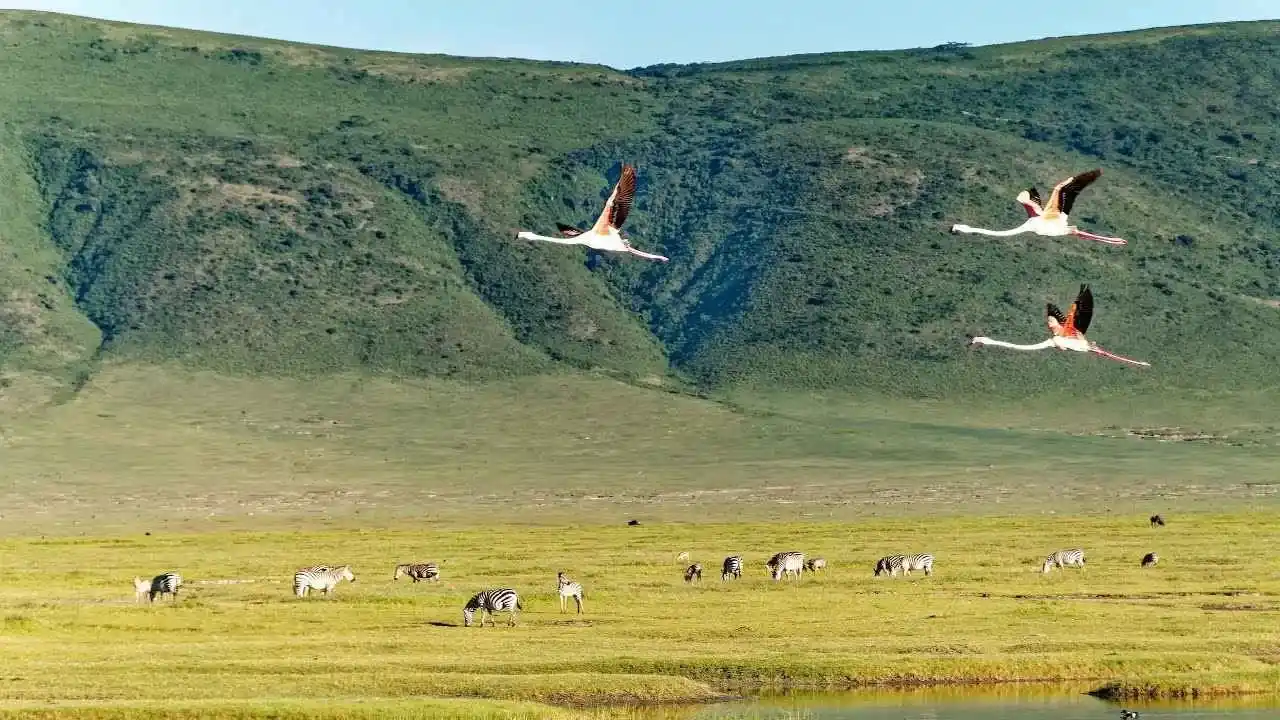
Drive from the Serengeti toward the Ngorongoro Conservation Area. The Ngorongoro Crater is a 260 km² collapsed volcanic caldera supporting approximately 25,000 animals within a self-contained ecosystem — one of the densest wildlife concentrations in Africa. Descend into the crater for a half-day game drive. The crater floor is one of the most reliable places in Tanzania to see black rhino, and the flamingo-edged soda lake at the centre adds a distinctive visual layer to the game drive. Ascend to the crater rim by late afternoon and check in to your rim lodge with crater views.
- Transport: Overland from Serengeti (~3 hours)
- Accommodation: Crater rim lodge
- Meals: Breakfast, lunch in the crater, dinner
- Highlights: Black rhino, flamingos, lion prides, vast crater panorama
Day 5: Transfer to Kilimanjaro — Trek Begins (Machame Gate → Machame Camp, 2,850m)
After breakfast, drive from Ngorongoro to Kilimanjaro National Park — approximately 3 hours. Gear check and registration at Machame Gate (1,640m), then begin the trek into the montane rainforest. The first day's hiking (5–6 hours, ~11 km) is moderate and well-shaded, passing through dense forest where colobus monkeys, blue monkeys, and many bird species are active. Arrive at Machame Camp (2,850m) in the late afternoon for dinner and your first night on the mountain.
- Start: Machame Gate (1,640m)
- Camp: Machame Camp (2,850m)
- Hiking: ~11 km, 5–6 hours, moderate
- Highlights: Montane rainforest, colobus monkeys, birdlife
- Meals: Breakfast, packed lunch, hot dinner in camp
Day 6: Machame Camp → Shira Camp (3,840m)
Today the vegetation transitions from forest to open heath and moorland. The trail climbs steadily, and the Shira Plateau opens ahead — a vast high-altitude plain that was once a separate volcanic cone before Kilimanjaro's main peak grew to dominate the landscape. Shira is one of the highest plateaus in Africa and the views across to the Western Breach and the summit glaciers are striking on clear afternoons. Arrive at Shira Camp (3,840m) for a rest and acclimatisation afternoon.
- Start: Machame Camp (2,850m)
- Camp: Shira Camp (3,840m)
- Hiking: ~8 km, 5–6 hours, moderate–strenuous
- Highlights: Shira Plateau, first summit glacier views, heathland wildlife
- Meals: Breakfast, packed lunch, hot dinner in camp
Day 7: Shira Camp → Lava Tower (4,600m) → Barranco Camp (3,950m)
This is the most important acclimatisation day on the Machame Route, and a key reason this route produces better summit success rates than shorter alternatives. You hike up to Lava Tower at 4,600m — higher than you will sleep for the next two nights — then descend to Barranco Camp at 3,950m. The principle is "climb high, sleep low": your body produces more red blood cells in response to the higher altitude exposure, which then aids performance on summit night. You will feel the altitude at Lava Tower. This is normal and expected. Descend steadily, eat well, and rest.
- Start: Shira Camp (3,840m)
- High point: Lava Tower (4,600m)
- Camp: Barranco Camp (3,950m)
- Hiking: ~10 km, 6–7 hours, strenuous
- Highlights: Lava Tower rock formation, giant groundsels, first serious altitude experience
- Meals: Breakfast, packed lunch, hot dinner in camp
Day 8: Barranco Camp → Barafu Camp (4,670m) via Barranco Wall
The day begins with the Barranco Wall — a steep, scrambling ascent that is the most technical section of the Machame Route. Hands are needed on the rock in places, but it is not a technical climb. Your guide leads the way and the crew assists. Once above the wall, the trail traverses high above the clouds across the southern flanks of the mountain to Barafu Camp (4,670m) — the summit base camp. Arrive in the early afternoon, eat a substantial meal, and rest as much as possible. Summit attempt begins at midnight.
- Start: Barranco Camp (3,950m)
- Camp: Barafu Camp (4,670m)
- Hiking: ~9 km, 6–7 hours, strenuous
- Highlights: Barranco Wall scramble, high-altitude cloud-top traverse, summit camp views
- Meals: Breakfast, packed lunch, early dinner before rest
Day 9: Summit Night — Uhuru Peak (5,895m) & Descent to Mweka Camp (3,100m)
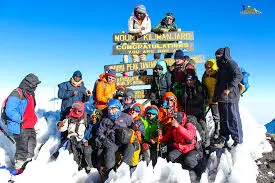
Departure from Barafu Camp at around midnight. Summit night on Kilimanjaro is the hardest section — cold (typically -10°C to -20°C at the summit), dark, and slow. Your guide sets a pace that feels almost uncomfortably slow at first. Trust it. The Machame Route summit trail switchbacks up steep scree and volcanic ash to Stella Point (5,739m) on the crater rim, then traverses the rim to Uhuru Peak (5,895m). Reaching the summit at sunrise — the moment the sun clears the cloud layer below you and illuminates the glaciers — is why people describe this experience the way they do. After photographs and a proper moment at the summit, begin the long descent back to Barafu Camp for a meal and a rest, then continue down to Mweka Camp (3,100m) for your final night on the mountain.
- Departure: ~12:00 AM from Barafu Camp
- Summit: Uhuru Peak (5,895m), typically reached at sunrise
- Final camp: Mweka Camp (3,100m)
- Hiking: ~18 km (ascent and descent combined), 12–16 hours total
- Highlights: Summit sunrise, glacier views, summit certificate
- Meals: Midnight snack before departure, hot meal at Barafu on return, dinner at Mweka Camp
Day 10: Descent to Mweka Gate and Transfer to Moshi or Arusha
Complete the final descent, sign out at Mweka Gate and transfer to the hotel. Plan the international departure for the following day because descent, gate and road timings vary.
- Descent: Mweka Camp (3,100m) → Mweka Gate (1,640m), ~3–4 hours
- Transfer: Mweka Gate to Arusha (~2 hours)
- Highlights: Summit certificate collection, crew tips, Arusha transfer
- Meals: Breakfast, farewell lunch
Where the Itinerary Creates Time—and Where It Feels Busy
A few design decisions in this package deserve explanation, because they directly affect your experience and summit chances.
- Safari first, Kilimanjaro second. Starting in the Serengeti at 1,500m and Ngorongoro Crater rim at ~2,300m gives your body three days of moderate altitude exposure before the climb begins. This matters more than most travellers expect.
- Machame Route over Marangu for a 6-day climb. The Marangu Route (also 6 days) uses the same huts up and down, which reduces its acclimatisation profile. The Machame Route's Lava Tower detour builds in altitude exposure without sleeping at altitude — a clinically documented improvement to summit success rates.
- Domestic flight to the Serengeti rather than road transfer. Driving from Arusha to Central Serengeti takes a full day each direction. The charter flight takes 45 minutes and gives you the full four days actually in the park rather than spending two of them in a vehicle.
- Ngorongoro on day 4 rather than as a separate destination. The crater is a logical geographic bridge between the Serengeti and Kilimanjaro, and positioning it here avoids a backtrack. The rim lodge night also provides better accommodation than most central Serengeti options for a final pre-mountain rest.
Key Package Facts
| Detail | Specification |
|---|---|
| Serengeti National Park area | 14,750 km², home to over 2 million animals |
| Ngorongoro Crater floor | 260 km², approximately 25,000 resident animals |
| Kilimanjaro summit elevation | 5,895m (Uhuru Peak) — highest point in Africa |
| Machame Route total trekking distance | ~62 km round trip |
| Summit success rate (Capable Africa Tours) | 85% (overall Kilimanjaro average: ~65%) |
| Guide-to-climber ratio | Minimum 1:2 certified guides, plus dedicated cook and porters |
| Group size | 2–12 people; private tours available |
| Traveller satisfaction | 4.9/5 based on 500+ verified reviews |
See the Parks, Camps and Landscapes Along the Route
Serengeti, Ngorongoro & Kilimanjaro — Route Map
This map shows the geographic relationship between the three destinations covered in this itinerary — Serengeti National Park in the northwest, Ngorongoro Crater in the highlands, and Kilimanjaro on Tanzania's northeastern border with Kenya.
Local Expert Tips for This Package
- Do not underestimate summit night. Climbers who have done marathons and Himalayan treks describe summit night on Kilimanjaro as one of the hardest things they have attempted. The combination of altitude, cold, darkness, and fatigue is unlike most other physical experiences. Accept that it will be hard. Go slow. Trust your guide.
- Book your hot-air balloon safari for day 3 — not day 2. Balloon safaris require pre-booking. If your day 2 flight is delayed for any reason, day 3 is a better safety buffer. The Serengeti Balloon Safaris team operates at dawn from Seronera and the experience of watching sunrise over the plains from altitude, then landing for a champagne breakfast, is worth the early start.
- The Ngorongoro Crater floor is colder than expected. Despite being at a lower altitude than the rim, the crater floor is often misty and chilly in the morning. Pack a fleece for the game drive even if the rim lodge felt warm the night before.
- Drink two to three litres of water per day on Kilimanjaro. Altitude dehydration is a major contributing factor to AMS and summit failure. Your guides will remind you, but hydration during the day — not just at camp — makes a real difference.
- Tip your porters before you descend from Mweka Camp. Porters finish their job at Mweka Gate and disperse from there. Tipping at the gate is logistically harder. The Kilimanjaro Porters Assistance Project (KPAP) recommends $20–25 USD per porter per trip as a benchmark.
- The Barranco Wall is not as scary as it looks. Every first-time Machame climber worries about it the night before. It is steep and requires hands on rock, but it is well-footed and your guide leads every step. By the time you are 20 minutes up, you have stopped worrying.
Altitude Sickness on Kilimanjaro — What You Need to Know
Acute Mountain Sickness (AMS) is the primary reason climbers do not summit Kilimanjaro, and it should be understood before you book rather than discovered on the mountain. This is not a reason to avoid the climb — it is information that helps you prepare properly.
AMS typically begins above 2,500m and is more likely to affect people who ascend quickly. Symptoms include headache, nausea, loss of appetite, fatigue, and disturbed sleep. Mild AMS is common at Shira and Barranco camps and is manageable with rest, hydration, and a slow pace. Severe AMS — confusion, loss of coordination, persistent vomiting — requires immediate descent. Our guides are trained to assess AMS symptoms daily and carry supplemental oxygen. We do not allow climbers to push through severe symptoms.
We recommend consulting your doctor before the trip about Diamox (acetazolamide), which can reduce AMS symptoms. It is available by prescription in most countries. We also strongly recommend travel insurance that covers high-altitude helicopter evacuation — not because it is likely to be needed, but because if it is needed, the cost without insurance is significant.
Best Time for This 10-Day Safari & Kilimanjaro Package
This itinerary runs year-round, but your experience varies meaningfully by season.
- June–October (Long Dry Season) — Best overall window. Kilimanjaro trails are drier and summit conditions clearer. Serengeti wildlife concentrates near water sources, making Big Five sightings more predictable. The July–September window also coincides with Mara River crossings in the Northern Serengeti (though this itinerary uses Central Serengeti). This is peak season — book 6+ months in advance.
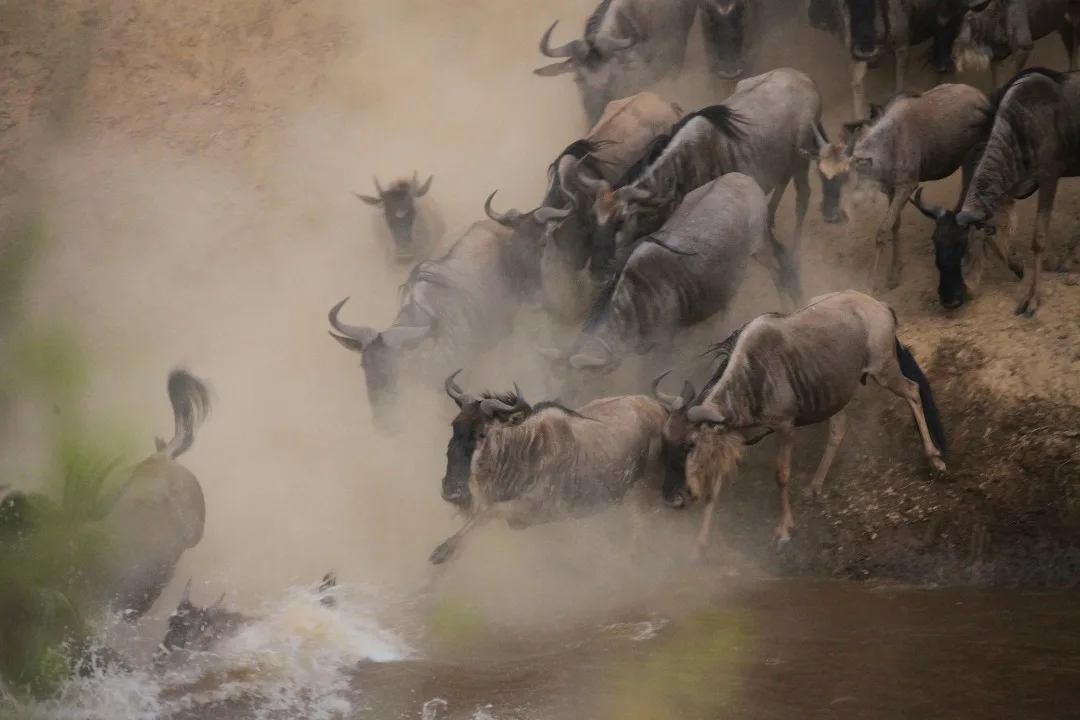
- January–February (Short Dry Season) — Excellent alternative. Good conditions on both Kilimanjaro and in the Serengeti. January is calving season in the Southern Serengeti, which brings its own drama: thousands of wildebeest calves born in a two-week window, and the predator activity that follows. This period is less crowded than July–September.
- November–December (Short Rains) — Operable with caveats. Light and intermittent rain in November makes Kilimanjaro muddier and the Serengeti roads softer. December improves significantly. This is a green season with fewer crowds and better rates. Not the primary recommendation but a workable option for flexible travellers.
- March–May (Long Rains) — Not recommended. Heavy rain makes Kilimanjaro trails genuinely difficult — wet rock, flooded camps, limited summit visibility. The Serengeti is passable in April and May but roads can become impassable after heavy rain. We still run trips during this period for those with fixed dates, but we advise against it for a first visit.
What to Pack for Both Safari and a Six-Day Machame Climb
This trip has two distinct phases with different gear requirements. You will want to organise your kit so that safari clothing stays accessible during the first four days while mountain gear is packed separately. We can arrange secure storage in Arusha for any bags you do not want to carry up the mountain.
Safari Phase (Days 1–4)
- Neutral clothing (khaki, beige, olive): Lightweight and layerable for cool mornings and warm afternoons on game drives.
- Fleece or light down jacket: Dawn and dusk game drives, especially at Ngorongoro rim altitude, can be cold.
- Binoculars (8x42 minimum): Essential for the Serengeti — most wildlife is seen at distance first.
- Camera with 200mm+ zoom lens: Leopards in trees and cheetahs on kopjes reward a long lens.
- Sunscreen SPF 50+ and wide-brimmed hat: The equatorial sun is intense in open vehicles.
Kilimanjaro Phase (Days 5–10)
- Insulated down jacket and waterproof outer shell: Summit night temperatures reach -10°C to -20°C. Both layers are essential.
- Sturdy waterproof hiking boots (broken in before travel): New boots on Kilimanjaro cause blisters that can end a climb. Wear them for several weeks beforehand.
- Thermal base layers (top and bottom): Merino wool or synthetic — not cotton, which retains moisture.
- Trekking poles (highly recommended): Particularly useful on the Barranco Wall and the long summit descent. Adjustable poles that pack down are ideal.
- Warm gloves and a balaclava: For summit night. Summit gloves should be windproof and insulated — liner gloves plus outer mitts are the most versatile combination.
- Headlamp with spare batteries: Summit night departure is at midnight. A good headlamp is non-negotiable. Batteries deplete faster in cold — carry spares in an inner pocket to keep them warm.
- Sleeping bag rated to -10°C or lower: We provide sleeping bags on the mountain, but if you prefer your own, -10°C rated is the minimum for summit camp comfort.
- Gaiters: For keeping scree out of your boots on the summit ascent.
- Reusable insulated water bottle and hydration bladder: Standard water bottles freeze at Barafu Camp temperature. Insulated bottles keep water liquid longer and hydration bladder hose needs to be kept inside your pack.
- High-calorie snacks: Nuts, dried fruit, chocolate, energy gels — appetite often diminishes at altitude, and snacks you actually want to eat make a difference.
We provide a full kit list PDF at booking and can advise on rentals for sleeping bags, trekking poles, and gaiters if you do not want to travel with your own.
What Changes the 2026/2027 Package Price?
Pricing is per person and varies by group size because vehicle, guide, and logistics costs are shared across the group. All prices include everything detailed in the inclusions section below — there are no additional park or permit costs at the gate.
1–2 People (Private Tour)
From $4,500 per person
- Fully private safari vehicle and dedicated mountain guide team
- Flexible itinerary pacing — drive routes and rest stops adapted to you
- All meals, permits, park fees, and accommodation included
- Highest staff-to-guest ratio on the mountain
3–4 People
From $4,200 per person
- Private safari vehicle for your group
- Dedicated mountain guides and porter team
- All meals, permits, park fees, and accommodation included
- Group flexibility on pace and schedule
5+ People
From $3,900 per person
- Best per-person value for larger groups
- Private vehicle(s) and mountain crew for the group
- All-inclusive — meals, permits, fees, and accommodation
- Flexible scheduling for group travel needs
Optional Add-Ons
- Hot-air balloon safari over the Serengeti at sunrise (from $500 pp — book in advance)
- Maasai village cultural visit en route to Kilimanjaro gate
- Extra acclimatisation day on Kilimanjaro — adds one night at Shira or Barranco, improves summit chances further
- Zanzibar beach extension post-summit (3–5 nights from $800 pp)
- Wildlife photography coaching session with a specialist guide
Send us a WhatsApp message for a full quote based on your group size and preferred dates.
What the Written Quotation Should Include—and What Costs Extra
Price Inclusions
- Domestic flights within Tanzania (Arusha → Serengeti airstrip)
- All Serengeti, Ngorongoro, and Kilimanjaro National Park fees
- Kilimanjaro climbing permit (KINAPA)
- Professional safari guide and KINAPA-licensed mountain guides
- Mountain cook and porters (1 porter per climber minimum)
- Mountain camping equipment (tents, sleeping pads, dining tent, toilet tent)
- Sleeping bags for the mountain (or bring your own)
- Safari tented camp accommodation (Serengeti) and rim lodge (Ngorongoro)
- All meals throughout — safari and mountain phases
- Bottled water, hot drinks, and soft drinks on game drives and in camp
- Private 4WD safari vehicle with pop-up roof for game drives
- All road transfers within Tanzania
- Kilimanjaro summit certificate (KINAPA)
- Emergency supplemental oxygen carried on the mountain
Price Exclusions
- International flights to Tanzania (Kilimanjaro International Airport)
- Travel and medical insurance (required — must cover high-altitude evacuation)
- Tanzania tourist visa (~$50 USD, applied online before travel)
- Tips for safari guide, mountain guides, porters, and lodge staff (see tipping guide in booking documentation)
- Alcoholic beverages
- Personal expenses and souvenirs
- Optional add-ons (balloon safari, Zanzibar extension, photography workshop)
- Diamox or other medication (consult your doctor before travel)
Confirm Dates, Flights and Accommodation Before Booking
This is the most comprehensive Tanzania itinerary we run. It requires preparation, reasonable fitness, and a willingness to push through summit night. In return, you cover the Serengeti, the Ngorongoro Crater, and Africa's highest summit within ten days — and leave with experiences that are genuinely difficult to replicate elsewhere.
- Big Five and Great Migration game drives in the Serengeti
- Ngorongoro Crater — one of Africa's highest wildlife densities
- Kilimanjaro summit via the Machame Route — experienced route planning
- All permits, meals, guides, and accommodation included
- Private or small group — no large bus tours
- KINAPA-licensed mountain crew with strong local track record
Peak season (June–October) dates fill 4–6 months in advance. Confirm your availability now.
Book This PackageBook Your 10-Day Serengeti Safari & Kilimanjaro Climb
Explore More Tanzania Safari & Kilimanjaro Options
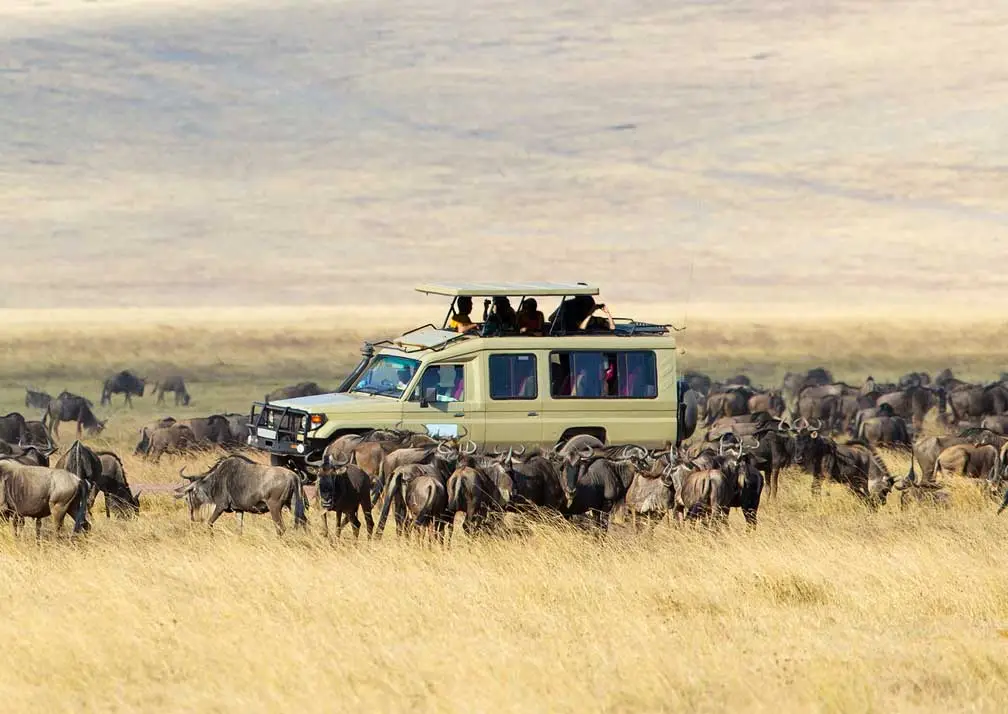
5-Day Luxury Serengeti & Ngorongoro Safari
The pure safari version of this package — five days through the Serengeti and Ngorongoro Crater with no Kilimanjaro component. Ideal for travellers who want more game drive time or are visiting Tanzania primarily for wildlife.
View Package →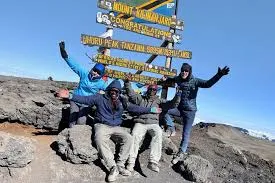
6-Day Kilimanjaro Machame Route Climb
The Kilimanjaro-only version — the same 6-day Machame Route itinerary without the Serengeti component. Better suited for climbers who have already done a Tanzania safari or are visiting specifically to summit.
View Package →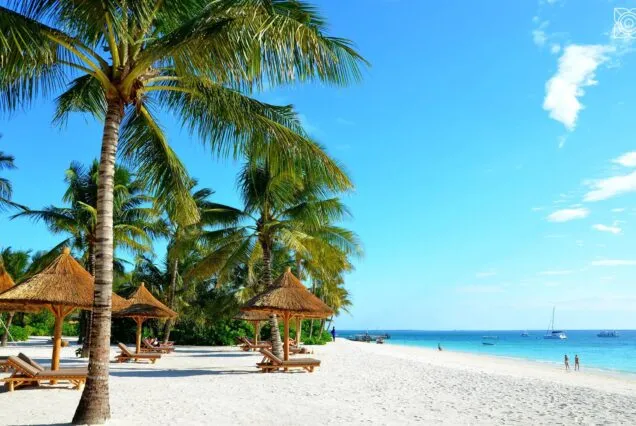
Zanzibar Beach Extension (Post-Summit)
Three to five days in Zanzibar immediately after completing the Kilimanjaro climb. The most popular post-summit add-on — beach, food, and Indian Ocean snorkelling are a natural counterpoint to 10 days of altitude and game drives.
View Package →Why 10 Days Works—and the Decisions That Matter Most
| Duration | 10 days / 9 nights |
|---|---|
| Core route | arrival in Arusha, two Serengeti safari days, Ngorongoro, then a six-day Machame Route ending at Mweka Gate |
| Best suited to | fit adults with prior hiking preparation who want both safari and a summit attempt in a short total trip |
| Main trade-off | This is a demanding schedule with no spare weather or recovery day; the six-day Machame climb is more compressed than the seven-day version and altitude response cannot be predicted. |
| Price changes with | private safari vehicle, bush flight, mountain crew, park and rescue fees, hotel nights, equipment rental, group size and any extra acclimatisation or contingency night |
The confirmed itinerary should name every overnight location, room or tent category, transport sector and included activity. A lodge, camp or flight shown on the page remains a recommendation until availability, operating dates and price are confirmed in writing.
Season, Transport and Accommodation Decisions That Change the Trip
Understand Why the Schedule Is Compressed
The itinerary protects two Serengeti days and a crater visit, leaving six mountain days. That is a recognised Machame duration, but it offers less acclimatisation and recovery time than a seven-day route.
Keep the Final Night After the Mountain
Day 10 should end with descent to Mweka Gate and transfer to Moshi or Arusha. An international departure on the same day is risky because descent time, gate procedures, road travel and fatigue vary.
Separate Summit Planning from Summit Promises
Good pacing, hydration, trained guides and an appropriate route support safe decision-making, but no operator can guarantee a summit. Travelers should disclose medical concerns, carry suitable insurance and accept that guides may turn a climber around for safety.
Common Planning Mistakes—and Better Alternatives
- Treating the six-day Machame climb as easy because the whole trip is short.
- Flying internationally on the same day as mountain descent.
- Skipping equipment checks and acclimatisation discussions.
- Expecting safari rest days to replace mountain preparation.