
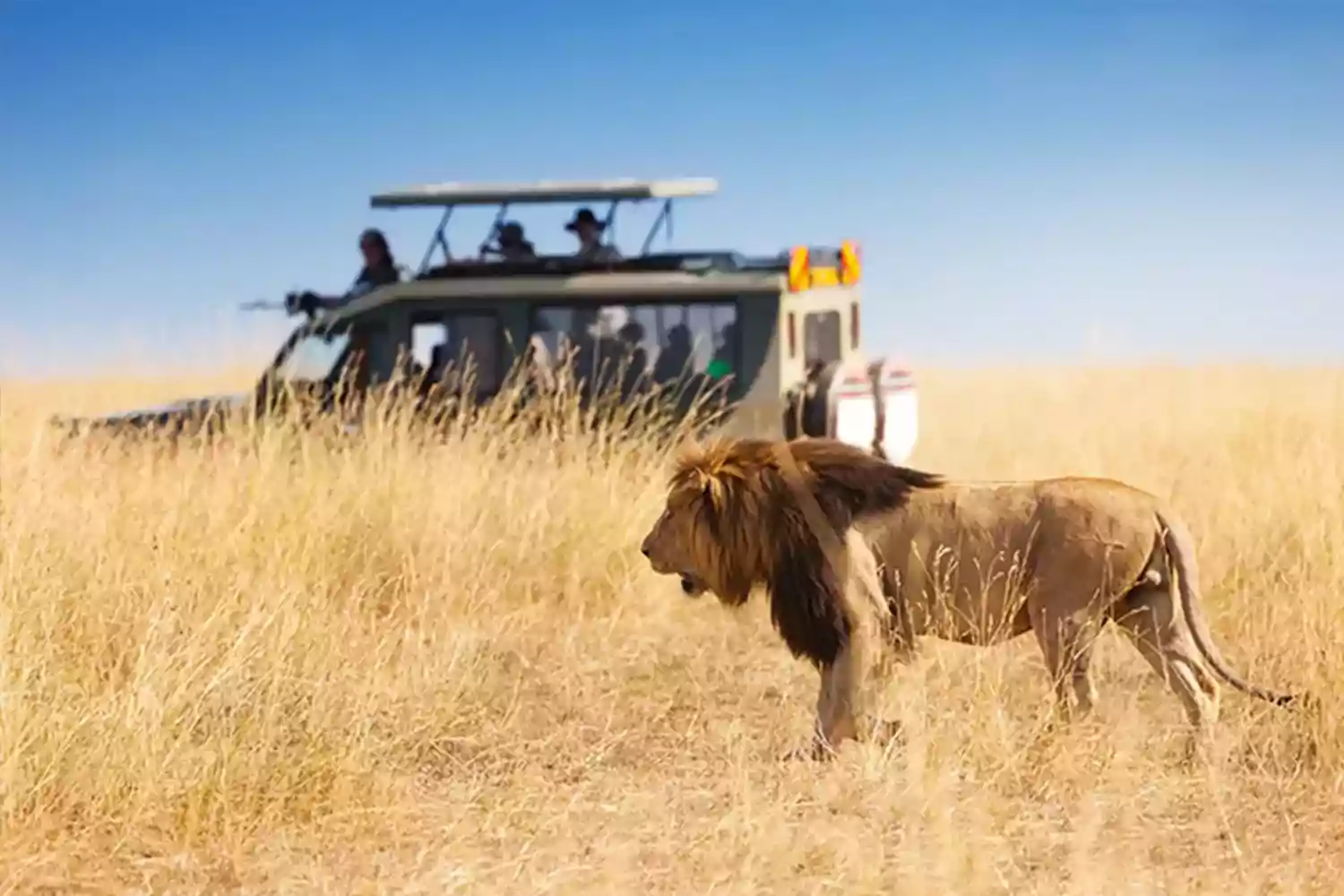
Northern Tanzania Safaris
The Serengeti, Ngorongoro Crater, Tarangire and Lake Manyara, all reached by road from Arusha. The best choice for a first safari and the Great Migration.
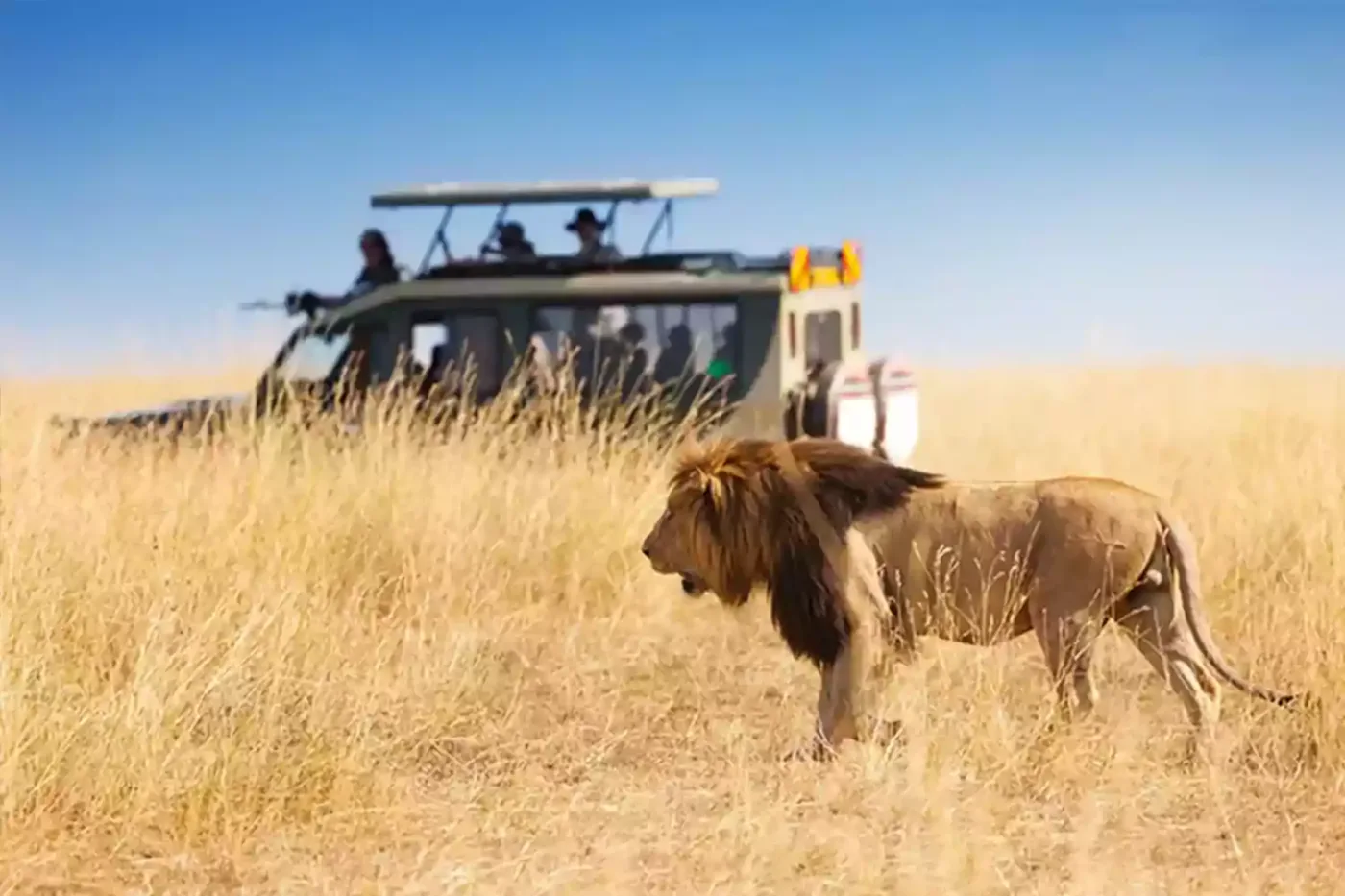
Tanzania safaris
A Tanzania safari takes you to some of Africa’s best wildlife parks: the Serengeti, the Ngorongoro Crater, Tarangire and Lake Manyara in the north, and wilder, less visited parks in the south and west. This page helps you choose a region, a length and a style, and shows what each costs. Every price includes airport transfers, park fees, a 4x4 vehicle with a driver-guide, accommodation and meals.
Packages
Each region page lists its packages with day-by-day itineraries and prices.
The Serengeti, Ngorongoro Crater, Tarangire and Lake Manyara, all reached by road from Arusha. The best choice for a first safari and the Great Migration.
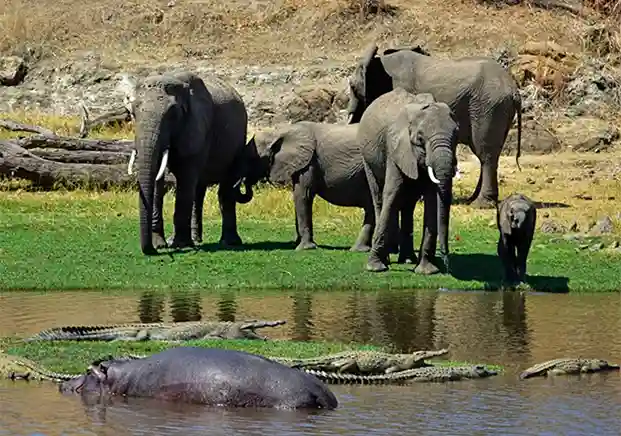
Nyerere (Selous) and Ruaha: boat safaris, wild dogs and big, quiet parks, reached from Dar es Salaam.
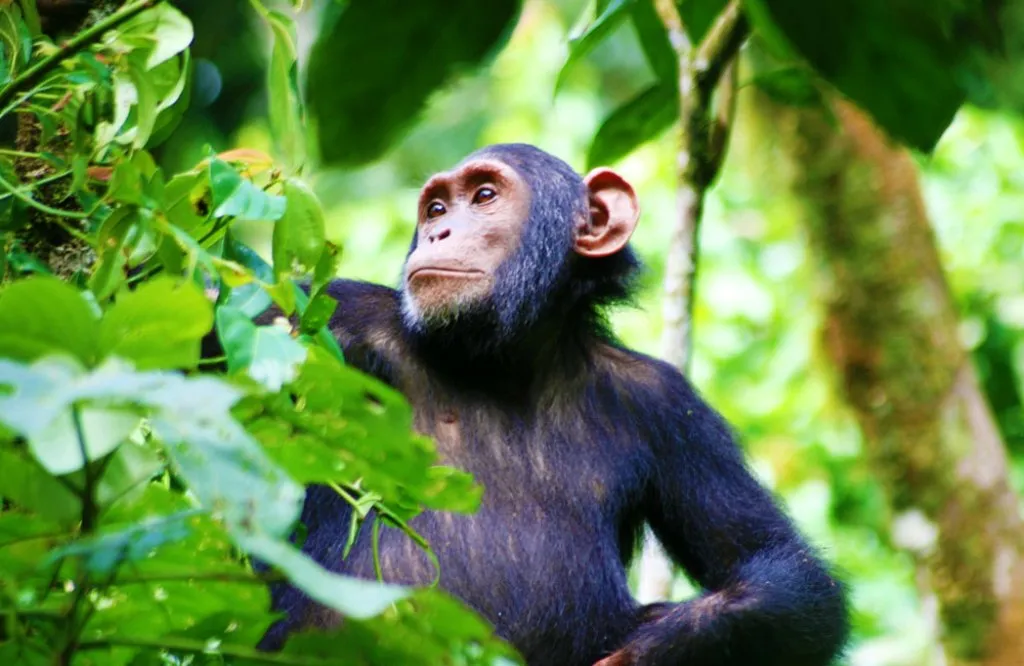
Katavi and the Mahale Mountains on Lake Tanganyika: chimpanzee trekking and remote wilderness, reached by air.
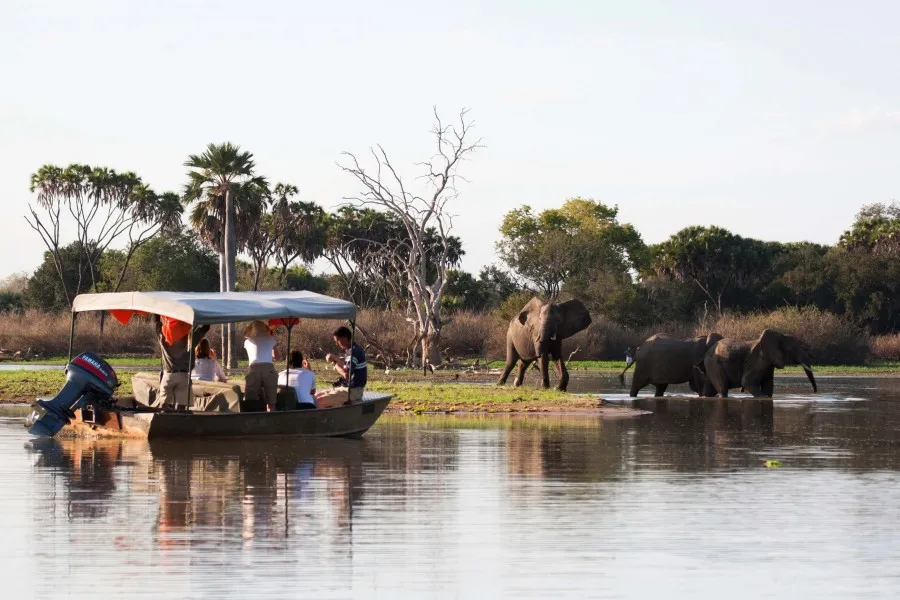
Saadani and Mikumi, short safaris that combine well with Zanzibar and the coast.
Tanzania has four safari regions. Most first safaris stay in the north, where the main parks are a few hours apart by road. The south and west need domestic flights and suit a second visit or a longer trip.
| Region | Main parks | Getting there | Best for |
|---|---|---|---|
| Northern | Serengeti, Ngorongoro Crater, Tarangire, Lake Manyara | Road from Arusha | First safaris, the Great Migration, 2–10 days |
| Southern | Nyerere (Selous), Ruaha, Mikumi | Flight or road from Dar es Salaam | Boat safaris, wild dogs, fewer vehicles |
| Western | Katavi, Mahale Mountains, Gombe | Charter or scheduled flights | Chimpanzee trekking, remote wilderness |
| Eastern and coast | Saadani, Mikumi, Zanzibar | Road from Dar es Salaam or a short flight | Short safaris combined with the beach |
The northern circuit is where we run most of our safaris. A typical route starts in Arusha, visits Tarangire for its elephants and baobabs, drives up to the Ngorongoro highlands, crosses into the Serengeti and returns via the crater floor.
Every style uses the same parks and the same kind of 4x4 vehicle. What changes is where you sleep and whether you share the vehicle. Accommodation is the biggest single difference in price.
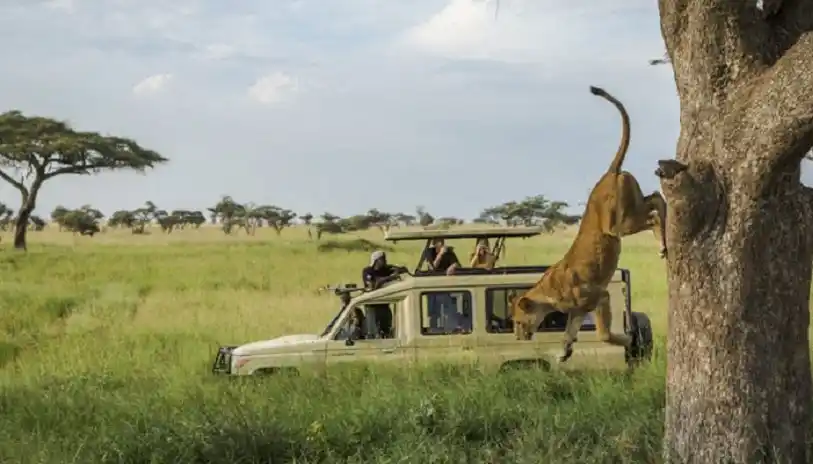
Public campsites or simple lodges, the same parks and vehicle. The lowest price per person.
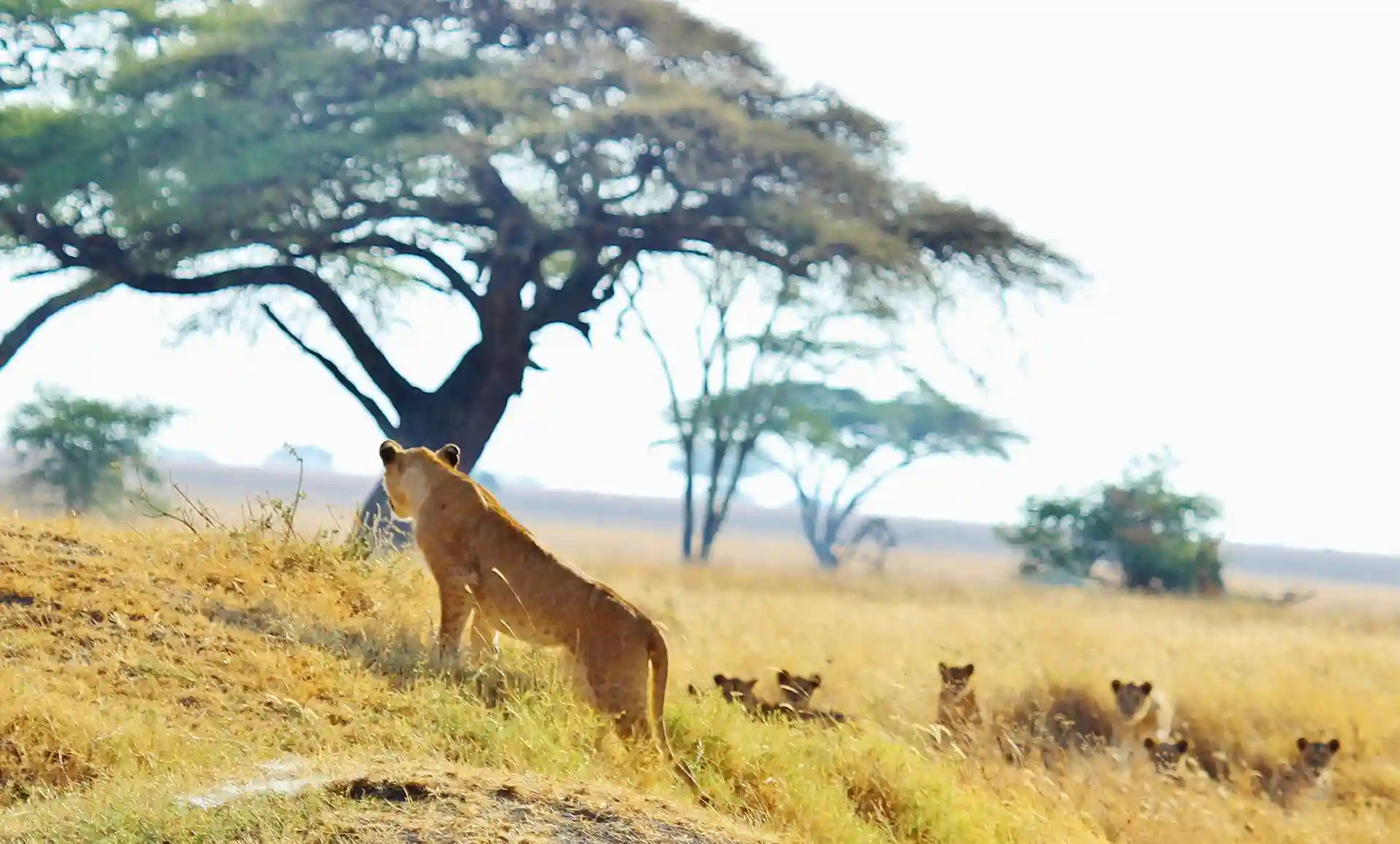
Lodges and tented camps inside or on the edge of the parks, closer to the wildlife.
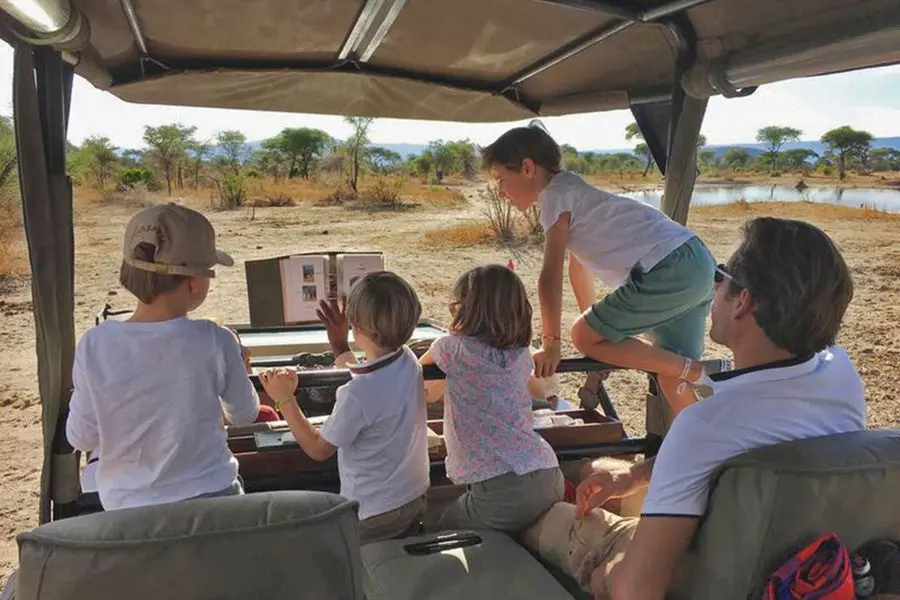
A vehicle and guide for your group only, on your dates and at your pace.
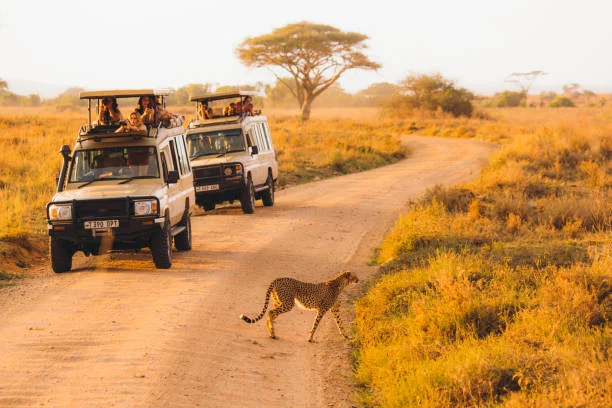
Share a vehicle with other travellers on fixed departures to cut the cost for solo travellers.
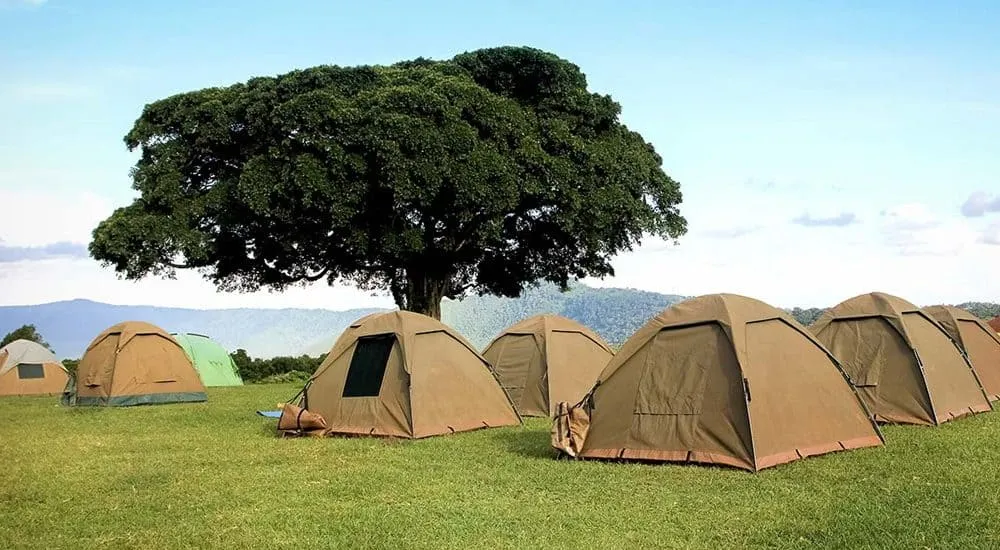
Sleep in tents at public campsites in the parks, with a cook preparing meals.
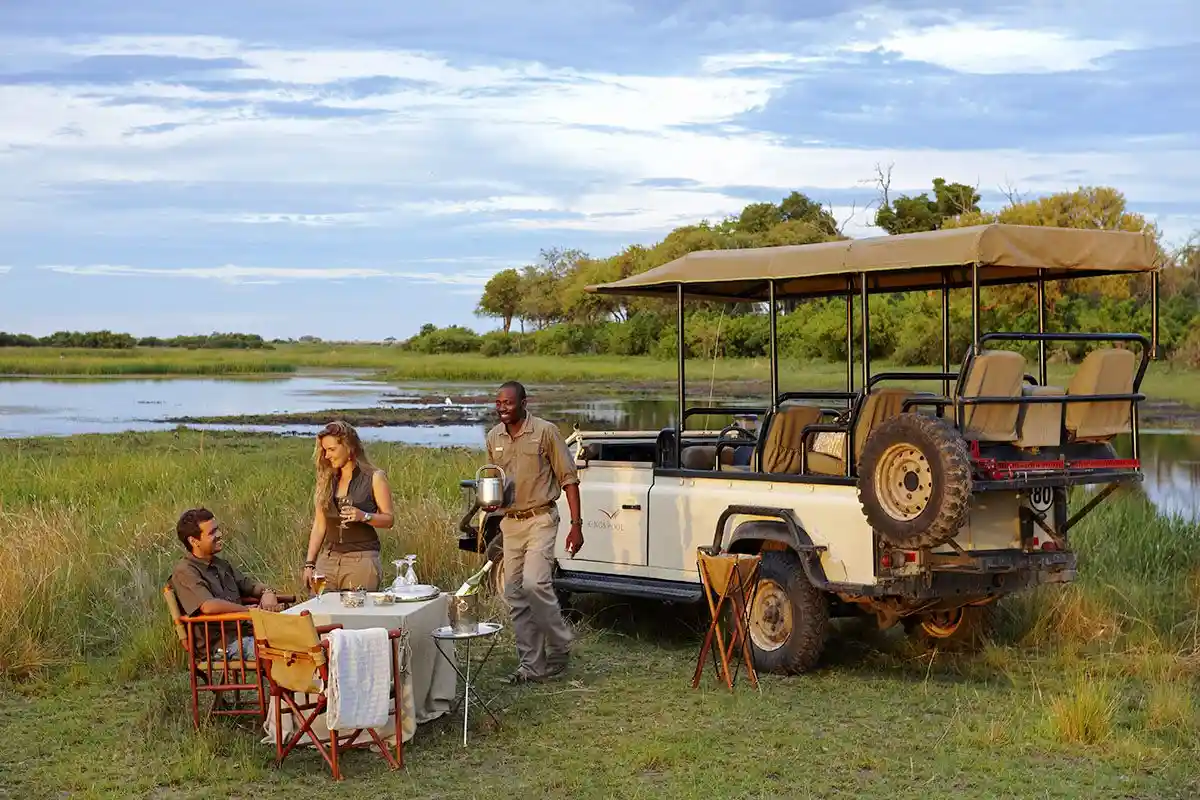
Private safaris for couples, often finished with a few days on a Zanzibar beach.
Not sure whether to share a vehicle? Read private vs group safaris.
| Length | Typical route | Suits |
|---|---|---|
| 2 days | Tarangire and Ngorongoro Crater, or Lake Manyara | A short break before or after a climb |
| 3 days | Tarangire, Lake Manyara and Ngorongoro Crater | A first taste without the Serengeti |
| 4 days | Two nights in the Serengeti and the Ngorongoro Crater | The shortest trip with a full Serengeti day |
| 5 days | Tarangire, two nights in the Serengeti, Ngorongoro | Most first-time visitors |
| 6 days | Adds Lake Manyara or a third Serengeti night | More time in the parks, fewer long drives |
| 7 days | All four northern parks with three Serengeti nights | Following the migration, photography |
| 8 days | Adds the northern or southern Serengeti for the migration | Migration season, unhurried travel |
The Serengeti is a full day’s drive from Arusha, so trips under four days usually leave it out. Five days is the length we suggest most often: two nights in the Serengeti give you a full day of game drives there, and the crater fits on the way back.
These are our current prices per person for two people sharing, for three example northern safaris. Each includes airport transfers, an Arusha night on arrival, park and crater fees, the vehicle and guide, accommodation and meals.
| Example safari | Budget | Mid-range | Luxury |
|---|---|---|---|
| 3 days: Tarangire, Lake Manyara, Ngorongoro | $1,275 | $1,595 | $2,290 |
| 5 days: Tarangire, Serengeti, Ngorongoro | $2,105 | $2,835 | $4,645 |
| 7 days: Tarangire, Lake Manyara, Serengeti, Ngorongoro | $2,945 | $4,095 | $6,660 |
The price per person falls as the group grows, because the vehicle, guide and crater fee are shared. This is the 5-day mid-range safari by group size:
| Travellers | 1 | 2 | 3 | 4 | 5 | 6 |
|---|---|---|---|---|---|---|
| Price per person | $4,020 | $2,835 | $2,500 | $2,420 | $2,300 | $2,280 |
What moves the price most:
Hotels named in a package are examples; the exact lodges are confirmed in your written quotation. Prices are the same through the year unless a lodge you choose charges a high-season rate.
| Months | Season | What to expect |
|---|---|---|
| Late June–October | Long dry season | Easiest game viewing, short grass and animals near water. Mara River crossings in the northern Serengeti, most years from July. |
| November–mid-December | Short rains | Afternoon showers, green landscapes and fewer visitors. The herds move south. |
| Mid-December–March | Short dry spell | Calving in the southern Serengeti and Ndutu, usually peaking in February, with many predators. |
| April–May | Long rains | Heavy rain, some camps close and roads can be muddy; the lowest visitor numbers. |
Wildlife is resident all year in Tarangire (best from June to October), Lake Manyara and the Ngorongoro Crater. Only the migration moves. See our month-by-month safari calendar and the Great Migration safaris.
Every package lists its own inclusions. In general:
Most days start with breakfast around 6:30 and a morning game drive, when animals are most active. In the Serengeti you often stay out all day with a packed lunch; elsewhere you may return to the lodge at midday. Afternoon drives end before the park gates close around 18:00, and dinner is at your lodge or camp.
Your driver-guide plans each drive around where animals have been seen, and the pop-up roof lets everyone stand to watch and take photos. Driving between parks takes two to six hours on some days, which the itineraries show day by day.
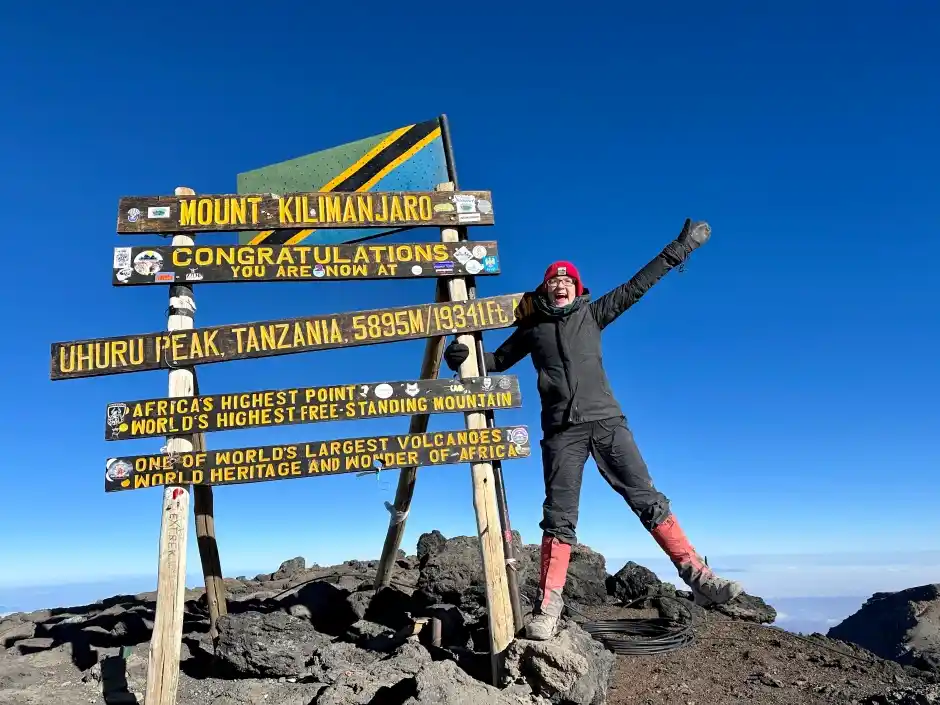
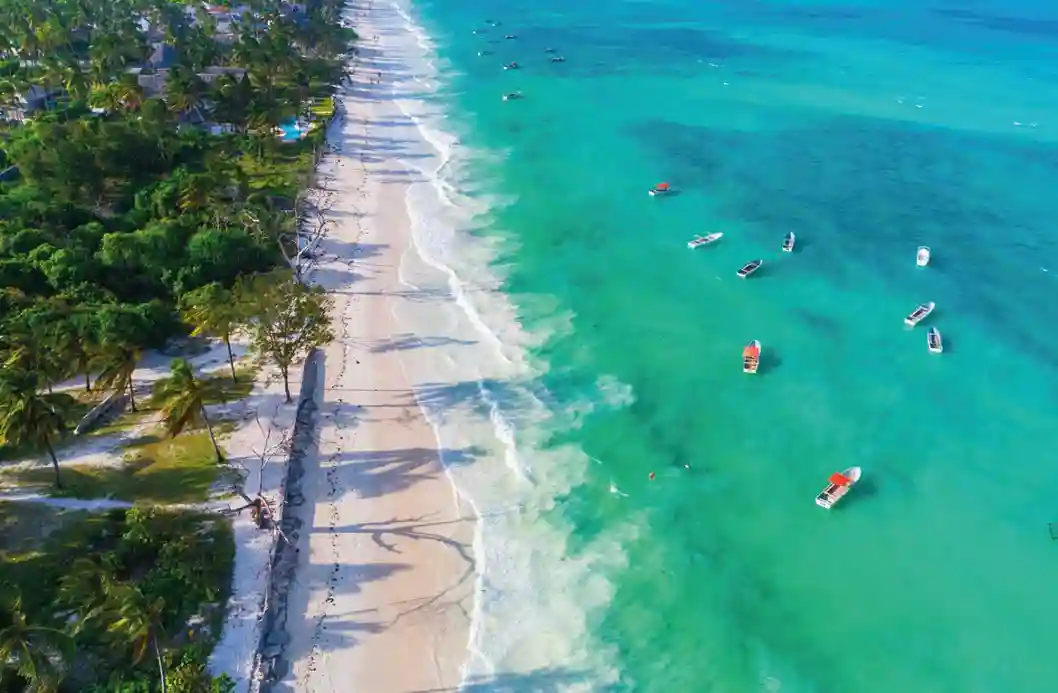
Both start and finish at Kilimanjaro International Airport, so a safari fits easily before or after a climb. Many travellers also fly from Arusha or the Serengeti to Zanzibar for a few days on the beach.
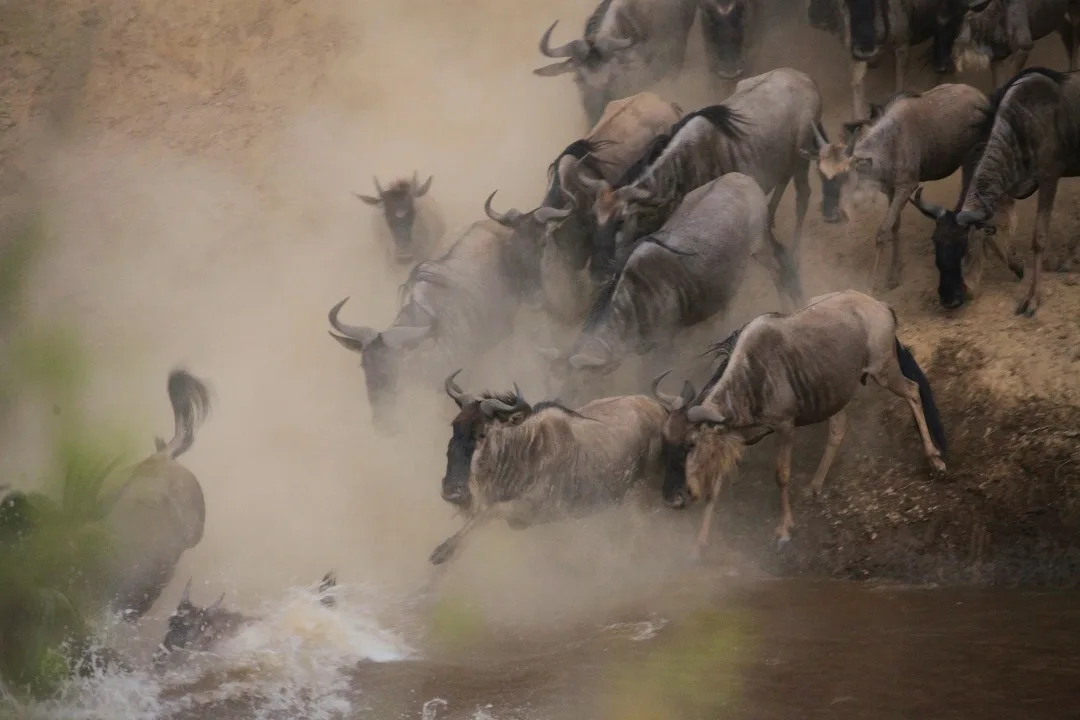
Tell us your dates, group size, preferred parks and accommodation level. We reply with an itinerary and an itemised quotation.
Our example prices per person for two sharing are $1,275 (budget), $1,595 (mid-range) or $2,290 (luxury) for 3 days, and $2,105, $2,835 or $4,645 for 5 days, including transfers, park fees, vehicle, guide, accommodation and meals.
Five days is enough for Tarangire, two nights in the Serengeti and the Ngorongoro Crater. Four days is the minimum that includes the Serengeti; three days covers Tarangire, Lake Manyara and the crater.
Late June to October is the dry season with the easiest game viewing. January and February bring calving in the southern Serengeti. April and May are the wettest months.
The northern circuit: Tarangire, Lake Manyara, the Ngorongoro Crater and the Serengeti. They are linked by road from Arusha, so no flights are needed.
For two or more travellers the difference is small, because the vehicle cost is split. Group joining safaris save the most for solo travellers.
A 4x4 safari vehicle with a pop-up roof, driven by an English-speaking driver-guide.
Yes. Safaris start and end near Kilimanjaro International Airport, so you can add one before or after a climb, or fly to Zanzibar for a beach stay.
Most visitors do, and you can apply online before travelling. Check the requirements for your nationality before you book flights.