3-Day Tanzania Birdwatching Safari 2026/2027

A 3-day Tanzania birdwatching safari is most rewarding when it combines contrasting habitats and uses a guide comfortable with identification, calls and patient stops. Tarangire, Lake Manyara and the Ngorongoro highlands are practical from Arusha. The goal should be quality observation and habitat variety rather than an inflated species count.

Request a Quote

Is 3 Days Enough for a Birdwatching Safari?

Direct answer: Three days can add Ngorongoro highlands and crater habitat to Manyara and Tarangire.

A birdwatching safari should prioritize habitat diversity and slower game drives. Lake Manyara, Tarangire, Ngorongoro and Serengeti can be combined according to season, road conditions and target species.

Best for: birders, nature photographers, repeat visitors, green-season travelers and guests who enjoy detailed natural-history interpretation.

3-day Tanzania birdwatching safari

Best Parks and Habitats for a Birdwatching Safari

Lake Manyara National Park

Groundwater forest, lake-edge and woodland habitats create useful variety, although water levels and access change.

Tarangire National Park

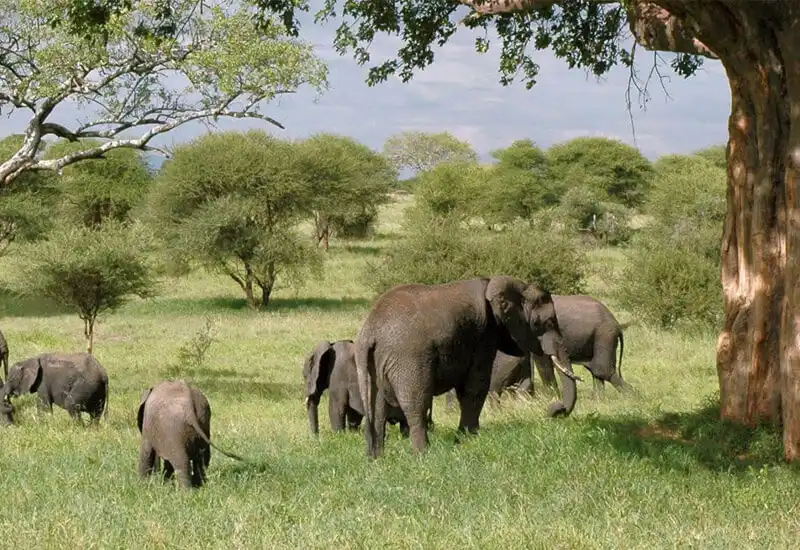
Excellent habitat diversity with woodland, river, swamp and open-country species.

Ngorongoro highlands and crater

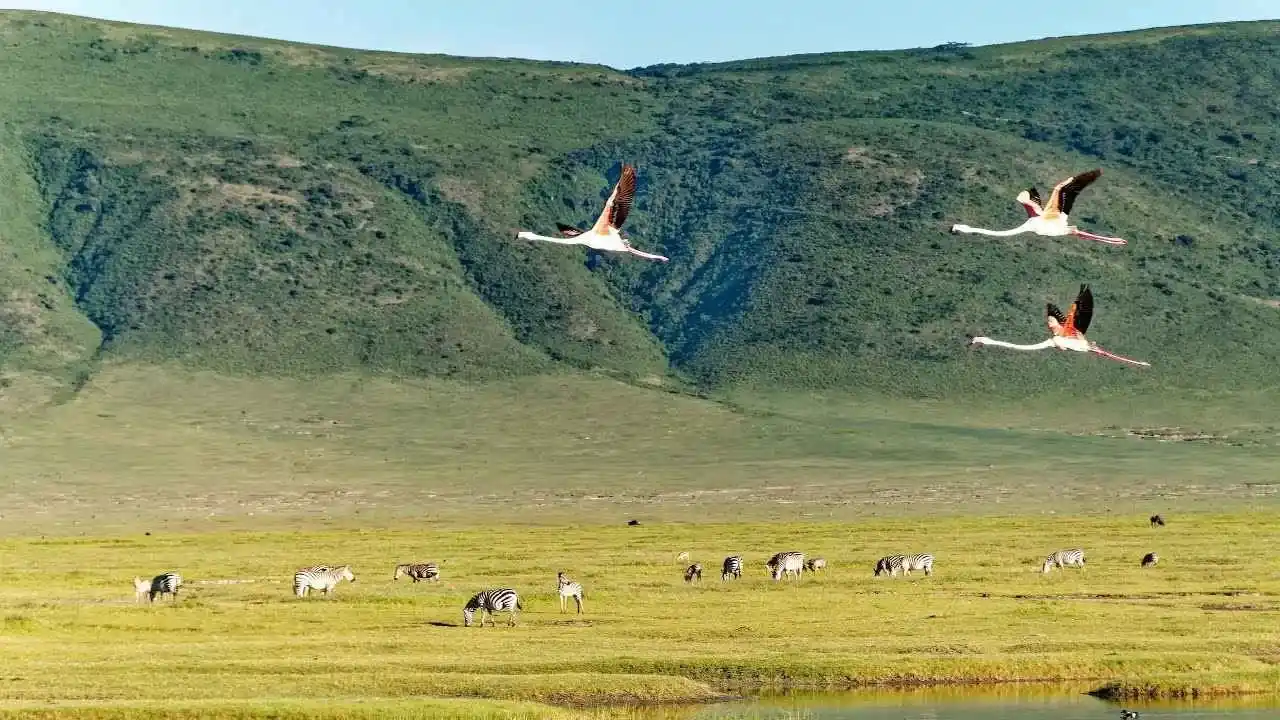
Adds montane, grassland, wetland and crater-floor birding within a compact geographic area.

Serengeti National Park

Strong for raptors, bustards, secretary birds, vultures and many open-plains species, with seasonal variation.

Sample 3-Day Birdwatching Safari Itinerary

  1. Day 1: Lake Manyara.
  2. Day 2: Tarangire.
  3. Day 3: Ngorongoro highlands and crater birding.

This example is flexible. Wildlife distribution, rainfall, road conditions and park rules may require the guide to adjust daily priorities.

Best Time and Seasonal Planning

Seasonal guidance: The green season is especially attractive for migratory birds, breeding plumage and fresh landscapes. Dry-season birding remains productive and combines well with concentrated mammal viewing.

Tell the operator whether you are a beginner, keen birder or specialist. A bird-focused guide, window position, binoculars and a route that allows frequent stops are more important than covering many kilometers.

Responsible Wildlife Viewing

No guaranteed sightings

Wildlife moves naturally. Choose the best habitat and season, but avoid operators promising a specific animal or event.

Respect distance and behavior

Do not pressure the guide to crowd, chase, surround or block animals for a photograph.

Follow park rules

Remain on permitted roads, observe speed limits and follow instructions from guides and wildlife authorities.

Use patient observation

Longer, quieter viewing often reveals more behavior than repeatedly moving between crowded sightings.

3-Day Birdwatching Safari Cost Factors

The quotation is mainly influenced by specialist guide availability, private vehicle use, number of habitats, remote locations, accommodation and whether dawn walks or additional activities are included.

Ask for an itemized price showing park and conservation fees, accommodation, vehicle type, guide service, transfers, flights and any specialist arrangements.

Read the Tanzania safari cost guide.

Planning a Focused 3-Day Birding Safari

For habitat diversity, Tarangire with Lake Manyara is a strong choice; Ngorongoro and the highlands add grassland, forest-edge and wetland species. Migratory birds increase variety during the northern winter, while resident birds make birding productive year-round.

Strong habitatsAcacia woodland, riverine areas, soda-lake margins, forest and highland grassland
Best equipmentBinoculars, field guide or app, camera and notebook
Guide requestAsk specifically for a bird-focused driver-guide
PaceFewer kilometers and longer observation stops
EthicsAvoid playback near nests or stressed birds

Who this option fits—and who should choose differently

This itinerary suits dedicated birders, photographers, families learning identification and safari repeat visitors. A mixed-interest party should agree in advance how much time will be spent on birds versus large mammals.

Season, Logistics and Local Planning Advice

Seasonal expectations

Birding is good throughout the year. Roughly November to April brings many Palearctic and intra-African migrants, breeding plumage and active nesting, while the drier months often make raptors and water-dependent species easier to observe. Lake levels and rainfall can change where waterbirds concentrate.

Before you confirm the booking

Share target families or species before departure and bring a realistic list. Early starts are valuable for calls and activity. A roof-hatch vehicle supports broad scanning, while window access and a beanbag help photography. Confirm binocular availability if you do not carry your own.

Important Trade-Offs and Alternatives

  • Tarangire offers excellent woodland and raptor diversity plus large mammals.
  • Lake Manyara provides compact habitat changes and waterbirds, but lake-edge access varies with conditions.
  • Ngorongoro adds highland and crater species but includes a busier large-mammal route.
  • A private safari gives birders more control than a general group departure.

Common Mistakes, Safety and Responsible Travel

Common mistakes to avoid

  • Choosing a general guide without requesting birding experience.
  • Using loud playback repeatedly or near nesting sites.
  • Chasing a long list while ignoring behavior, habitat and identification quality.
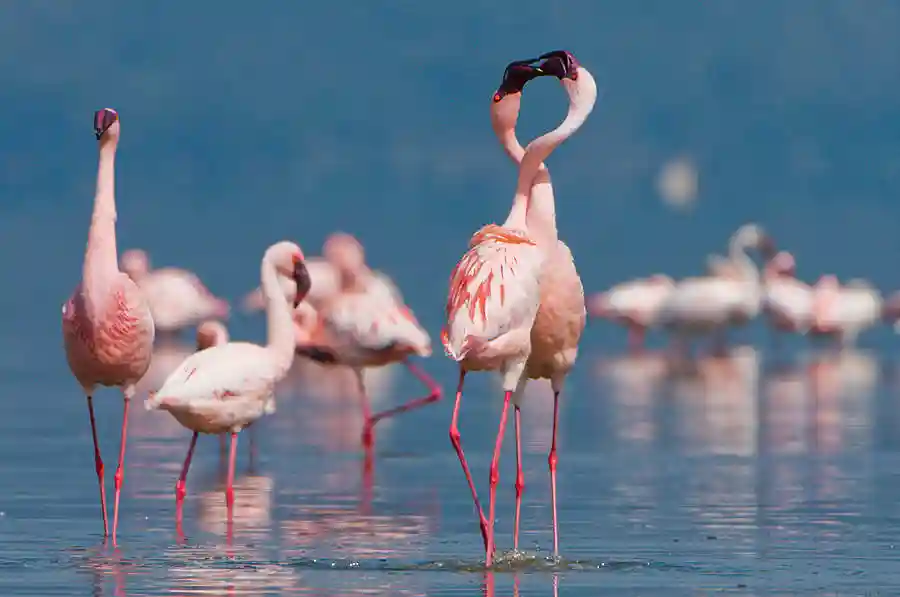
  • Expecting flamingos at the same location and density in every month.

Safety and responsible tourism

Do not leave the vehicle for a better angle except in approved areas. Keep a respectful distance from nests, colonies and feeding birds. Share sightings calmly so the guide can position without sudden driving or disturbance.

Local Review and Information Standards

Last updated: 28 July 2026. Prepared and reviewed by: Capable Africa Tours’ Tanzania safari planning and operations team. We explain route pace, transport, seasonal trade-offs and wildlife uncertainty, and confirm final prices, permits, park rules, flights and accommodation in writing before payment.

Frequently Asked Questions

1. Is 3 days enough for a Tanzania Birdwatching safari?
Three days can add Ngorongoro highlands and crater habitat to Manyara and Tarangire. A realistic route is more valuable than adding too many parks.
2. Which parks are best for a Birdwatching safari?
The main choices are Lake Manyara National Park, Tarangire National Park, Ngorongoro highlands and crater, Serengeti National Park. The exact combination depends on season and trip length.
3. What is the best time for a Tanzania Birdwatching safari?
The green season is especially attractive for migratory birds, breeding plumage and fresh landscapes. Dry-season birding remains productive and combines well with concentrated mammal viewing.
4. How much does a 3-day Birdwatching safari cost?
Important cost factors include specialist guide availability, private vehicle use, number of habitats, remote locations, accommodation and whether dawn walks or additional activities are included. Request an itemized quote because accommodation and transport rates vary by season.
5. Are wildlife sightings guaranteed?
No. Wildlife moves freely and natural events cannot be guaranteed. A strong guide, suitable habitat, enough time and responsible expectations improve the experience.
6. What is the best month for birdwatching?
There is no single best month. Migrants and breeding activity are strong in wetter months, while dry months offer easier roads and concentrated wildlife.
7. Are flamingos guaranteed at Lake Manyara?
No. Numbers and accessible locations change with water level, food conditions and season.
8. Do I need a specialist guide?
A guide with strong bird knowledge greatly improves identification and route choice, especially for calls and similar species.
9. Can birding be combined with a normal safari?
Yes. Agree on priorities and choose habitats that also support elephants, predators and plains game.

Plan Your 3-Day Tanzania Birdwatching Safari

Share your travel month, group size, starting point, accommodation preference and the wildlife experience that matters most. We will recommend a realistic route and itemized quotation.

Request Your QuoteChat on WhatsApp