
Daily Routine on Kilimanjaro 2026/2027: Camp, Meals & Summit Night
A normal day on Kilimanjaro starts early, moves at a deliberately slow pace and ends with food, a guide briefing and preparation for colder conditions. Exact timings vary by route, weather and group speed, but the routine is designed around daylight, acclimatisation and camp operations. Summit night is the exception: it usually begins around midnight and continues through sunrise and a long descent.
Each day starts with early morning wake-ups in the fresh mountain air. You will enjoy planned trekking, healthy meals, and evening meetings. This guide will help you understand a typical climb, including how to adjust to the altitude, what gear you need, how to prepare for the summit day, and tips to make your experience great.
By the end of this page, you will know what a day on Kilimanjaro is like, so you can feel ready and excited for your climb.
Book Your Kilimanjaro Climb NowHow Route Choice Changes the Daily Rhythm
Mount Kilimanjaro has different paths to the top, each with its own views, difficulty, and daily schedule. Although the scenery is different, the daily routine for climbing Kilimanjaro is mostly the same for all paths. This plan helps climbers get used to the altitude, stay safe, and make steady progress.
Popular Kilimanjaro climbing routes include:
- Lemosho Route – Scenic, gradual, and excellent for acclimatization
- Machame Route – Popular and varied, often called the “Whiskey Route”
- Marangu Route – The only route with hut accommodation
- Rongai Route – Quieter, approaching from the northern side
- Northern Circuit – The longest route with the highest success rate
Regardless of the route you choose, climbers follow a carefully planned daily routine that balances trekking time, rest, meals, and altitude adaptation. Understanding this routine helps you prepare mentally and physically before stepping onto the mountain.
Day-by-Day Breakdown of a Kilimanjaro Climb
Although itineraries range from 5 to 9 days, most climbers choose a 6–8 day schedule to improve summit success. Each day builds gradually, allowing your body to adapt to the increasing altitude.
Typical Structure of a Kilimanjaro Climb Day
- Morning wake-up with hot drinks
- Breakfast at camp
- Trekking for 4–6 hours
- Lunch en route or at camp
- Afternoon rest and acclimatization walks
- Evening meal and briefing for the next day
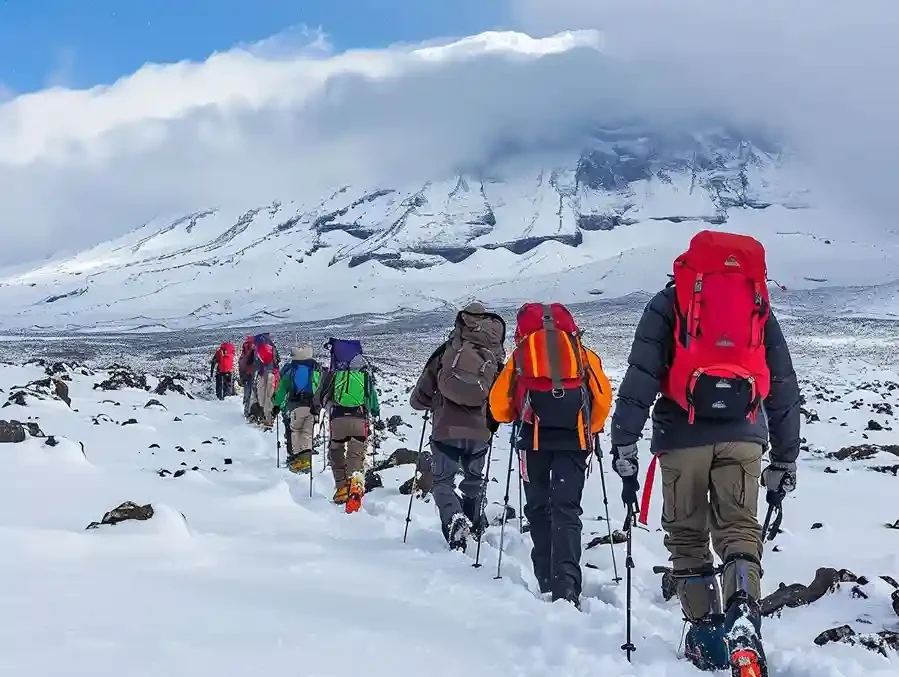
The pace is intentionally slow—often described as “pole pole” (slowly, slowly in Swahili). This steady rhythm is one of the most important factors in a successful and enjoyable Kilimanjaro climb.
Daily Routine: Morning to Evening Schedule
Understanding what a normal day looks like on the mountain removes uncertainty and helps climbers feel confident and prepared.
Morning Routine on Kilimanjaro
Your day typically starts early, around 6:00–6:30 am. A member of the support team brings warm water for washing, followed by tea, coffee, or hot chocolate to help you wake up in the cold mountain air.
After breakfast, your guide conducts a short health check, monitoring:
- Oxygen saturation
- Heart rate
- Signs of altitude sickness
Once packs are ready, the trekking day begins.
Midday Trekking and Breaks
Trekking sessions usually last 2–4 hours at a time, with regular breaks to drink water and rest. Lunch may be served:
- On the trail (packed lunch), or
- Shortly after arriving at the next camp
Guides maintain a slow, steady pace to support acclimatization and conserve energy.
Afternoon at Camp
Most climbers reach camp by early afternoon. This time is crucial for:
- Rest and hydration
- Short acclimatization walks
- Stretching and recovery
Guides often encourage a short walk higher than camp altitude, then descending back down—a proven technique to help the body adjust.
Evening Routine
Dinner is usually served between 6:00–7:00 pm. Meals are warm, nutritious, and designed to fuel recovery. After dinner, guides provide:
- A briefing on the next day’s trek
- Weather updates
- Health checks
Early nights are encouraged, as quality rest plays a major role in summit success.
How the Daily Schedule Supports Acclimatisation
Acclimatization is one of the most critical elements of a successful Mount Kilimanjaro climb. As you ascend, oxygen levels decrease, and your body needs time to adjust. The daily routine on Kilimanjaro is intentionally designed to support this process.
How Acclimatization Is Built into the Daily Routine
- Slow trekking pace (pole pole)
- Gradual altitude gain each day
- Scheduled rest periods at camp
- Optional acclimatization walks in the afternoon
Most quality itineraries follow the principle of “climb high, sleep low,” where climbers briefly reach higher altitudes during the day before descending to sleep. This method significantly reduces the risk of altitude sickness and improves summit success rates.
Signs showing Your Body Is Adapting Well
April–May and November are considered low seasons.
- Steady breathing while walking
- Normal appetite
- Mild, temporary headaches that improve with rest
Your guide closely monitors your condition and may adjust the pace or schedule if needed. Proper acclimatization is not about speed—it’s about consistency and listening to your body.
What You Eat—and Why Appetite Changes at Altitude
Nutrition plays a major role in energy levels, recovery, and overall comfort during a Kilimanjaro climb. Meals are prepared by a dedicated mountain cook and are designed to be both nourishing and easy to digest at altitude.
Typical Daily Meals on Kilimanjaro
- Breakfast: Porridge, eggs, toast, pancakes, fruit, tea, and coffee
- Lunch: Packed lunches or hot meals at camp, including sandwiches, pasta, or rice
- Dinner: Soup, vegetables, meat or fish, carbohydrates, and dessert
Hydration is equally important. Climbers are encouraged to drink 3–4 liters of water per day, often supplemented with electrolytes.
As altitude increases, appetite may decrease, so meals are kept simple, warm, and familiar to ensure you continue eating enough to fuel your climb.
How to Pack Your Daypack and Duffel Each Morning
The daily routine on Kilimanjaro also includes managing your gear efficiently. While porters carry the main duffel bag, climbers hike with a daypack containing essentials.
Daily Essentials in Your Daypack
- Water (hydration bladder or bottles)
- Snacks and energy bars
- Waterproof jacket and trousers
- Warm layers
- Sun protection (hat, sunglasses, sunscreen)
- Camera or phone
- Personal medications
Evening Gear Management
Each afternoon, climbers:
- Dry damp clothing
- Prepare gear for the next day
- Recharge devices (where possible)
- Organize summit gear in advance
Staying organized reduces stress and conserves energy, especially as conditions become colder near the summit.
Daily Health Monitoring, Turnaround Decisions and Rescue Readiness
Safety is a top priority on Mount Kilimanjaro. Professional operators follow strict protocols to protect climbers throughout the journey.
Daily Safety Measures
- Morning and evening health checks
- Oxygen saturation monitoring
- Clear communication between guides and support crew
- Conservative decision-making regarding altitude
Emergency Readiness
Reputable Kilimanjaro operators carry:
- Supplemental oxygen
- First aid kits
- Emergency evacuation plans
If a climber shows serious symptoms of altitude sickness, descent is initiated immediately. Reaching the summit is optional—returning safely is mandatory.
Practise the Routine Before You Reach Tanzania
Preparing well before your Mount Kilimanjaro climb makes the daily routine on the mountain far more manageable and enjoyable. Physical fitness, mental readiness, and realistic expectations all play an important role in your success.
Physical Preparation
You do not need to be an elite athlete to climb Kilimanjaro, but you should be comfortable with long days of walking. Recommended preparation includes:
- Regular hiking or walking with a backpack
- Cardio training such as cycling, swimming, or stair climbing
- Strengthening legs and core muscles
- Practicing walking at a slow, steady pace
Consistency matters more than intensity. Training helps your body handle multiple days of trekking while conserving energy.
Mental Preparation
Mental readiness is just as important as physical fitness. The daily routine involves early mornings, cold temperatures, and repetitive trekking. Staying positive and patient makes a noticeable difference.
Helpful mental strategies include:
- Focusing on one day at a time
- Trusting your guide and the process
- Embracing the pole pole mindset
- Remembering your personal motivation for climbing
Summit Night: The Midnight Start, Slow Climb and Long Descent
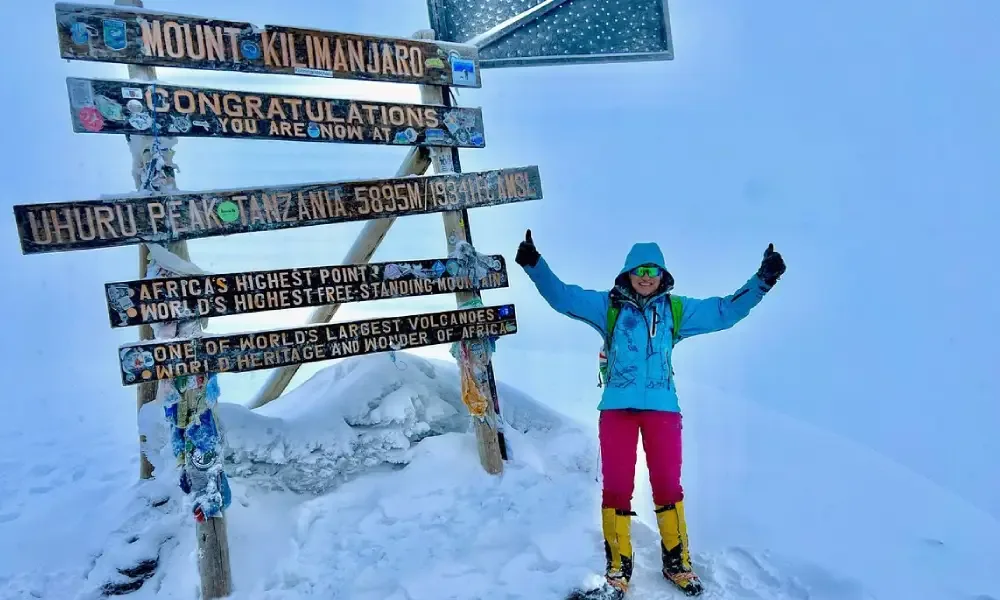
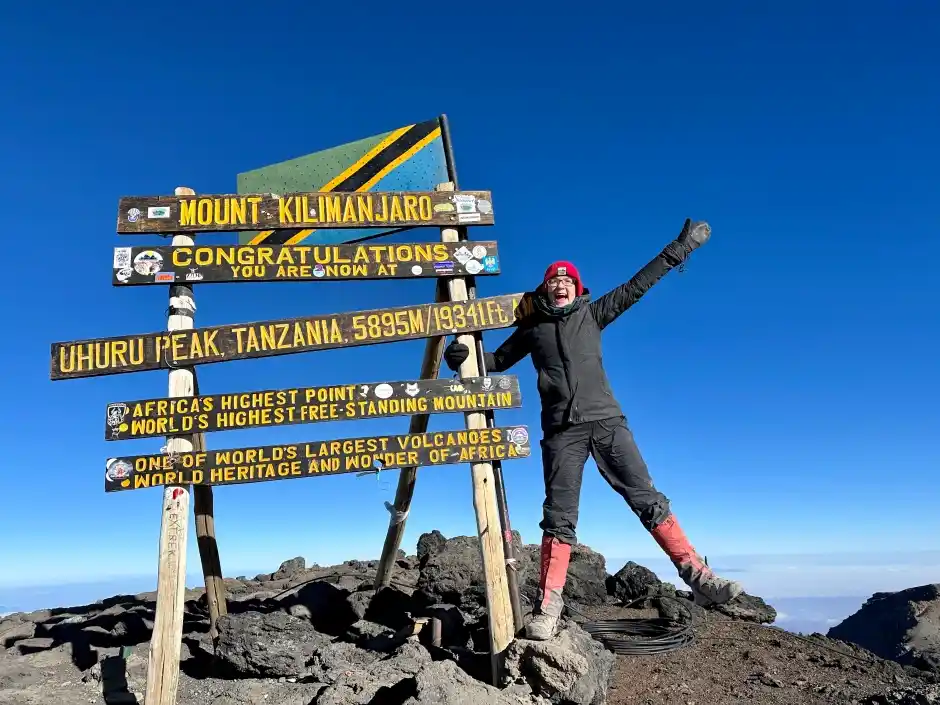
Summit day is the most challenging and memorable part of the Kilimanjaro experience. It usually begins around midnight, allowing climbers to reach Uhuru Peak at sunrise.
Summit Day Routine
- Light snack and hot drinks before departure
- Slow, steady ascent in the cold and dark
- Frequent short breaks
- Reaching Stella Point or Gilman’s Point
- Final push to Uhuru Peak
After celebrating at the summit, climbers descend to a lower camp for rest and recovery. The day is long and demanding, but the sense of achievement is unmatched.
Key Safety Practices
To stay safe:
- Walk slowly (“pole pole”)
- Stay hydrated
- Eat regularly
- Communicate symptoms early
Never ignore how you feel, early reporting prevents serious problems.
The Role of Professional Guides on the Climb
Certified local guides are trained in:
- Altitude management
- First aid
- Emergency response
Their experience is a important for your summit success and safety.
What a Well-Run Kilimanjaro Day Should Feel Like
Understanding the daily routine of a Mount Kilimanjaro climb tour helps remove uncertainty and builds confidence before you arrive. Each day follows a structured rhythm designed to support acclimatization, safety, and steady progress toward the summit.
From early morning wake-ups and guided trekking to nourishing meals and evening briefings, every part of the routine plays a role in your success. With the right preparation, a trusted operator, and a positive mindset, climbing Kilimanjaro becomes more than a physical challenge—it becomes a life-changing journey.
Whether you’re drawn by the adventure, the landscapes, or the personal achievement, knowing what to expect allows you to fully embrace the experience and focus on what matters most: enjoying every step to the Roof of Africa.
Kilimanjaro Daily Routine Gallery
Climb with Trusted Kilimanjaro Experts
Capable Africa Tours is a locally owned Tanzanian tour operator with extensive hands-on experience guiding climbers on Mount Kilimanjaro. Our team lives and works at the foothills of the mountain, giving us unmatched knowledge of Kilimanjaro’s routes, weather patterns, and altitude conditions.
- Local Expertise: All climbs are led by professional Tanzanian guides trained specifically for Mount Kilimanjaro.
- Certified & Safety-Focused: Our guides are first-aid trained and follow Kilimanjaro National Park (KINAPA) safety regulations.
- Proven Experience: Years of guiding experience with carefully designed itineraries that support proper acclimatization.
- Ethical & Responsible: We ensure fair porter treatment and support local communities surrounding Mount Kilimanjaro.
- Trusted by Global Travelers: Climbers from around the world choose Capable Africa Tours for honest advice, transparent pricing, and personalized service.
When you climb with Capable Africa Tours, you’re not just booking a trek—you’re trusting experienced professionals who prioritize your safety, comfort, and summit success.
Last Updated: December 2025
Ready to Experience Kilimanjaro for Yourself?
Now that you understand the daily routine of a Mount Kilimanjaro climb tour, the next step is turning preparation into action. Join Capable Africa Tours for a professionally guided climb designed for safety, acclimatization, and unforgettable moments on Africa’s highest peak.
- Well-paced itineraries focused on acclimatization
- Experienced local guides and dedicated support crew
- Ethical porter treatment and responsible trekking
- Small groups for personalized attention
- Support before, during, and after your climb
Kilimanjaro climbing permits and camping spots are limited each season. Start planning early to secure your preferred dates.
Start Planning Your Kilimanjaro Climb