Most Complete Uganda Travel Guide 2026-2027 – Everything You Need to Know Before Visiting
This Uganda travel guide provides everything you need to plan your journey to the Pearl of Africa. Uganda offers an extraordinary blend of mountain gorilla trekking, Big-Five safaris, the mighty River Nile, and vibrant cultural heritage that create one of the continent's most diverse travel experiences. Many travelers who want to travel to Uganda are surprised by the country's incredible wildlife density and warm hospitality. The nation covers 241,000 square kilometers, offering visitors everything from misty rainforest volcanoes to savanna plains and the source of the Nile.
Start Reading the Full Guide ↓Quick Facts About Uganda
- Capital: Kampala.
- Currency: Ugandan Shilling (UGX).
- Time Zone: East Africa Time (EAT, UTC+3).
- International Calling Code: +256.
- Driving Side: Left.
- Major Airports: Entebbe International Airport (EBB).
Uganda Overview & Key Facts
Brief History of Uganda
Uganda's history spans powerful ancient kingdoms like Buganda and Bunyoro through British colonial rule to independence in 1962. The country suffered under Idi Amin’s brutal regime (1971–1979) and subsequent civil wars, but has enjoyed remarkable stability and economic growth since 1986 under President Yoweri Museveni. This rich historical tapestry creates a fascinating backdrop for modern travelers exploring royal palaces, cultural sites and resilient communities.
Independence & National Identity
- Independence date: October 9, 1962.
- Former colonial power: United Kingdom.
- National symbols & identity.
Uganda gained independence peacefully from Britain. The national flag features black (people), yellow (sunshine), and red (brotherhood) stripes with a crested crane in the center. The country’s motto “For God and My Country” reflects its strong Christian heritage alongside growing Muslim and traditional beliefs.
Government System & Current Leadership
- Type of government: Presidential Republic
- Current president: Yoweri Kaguta Museveni (since 1986)
- Notes on political stability
Uganda has enjoyed relative political stability since 1986, with significant tourism growth and infrastructure development. Peaceful elections occur every five years, and tourist areas remain unaffected by occasional political demonstrations in Kampala.
Population, Ethnic Groups & Languages
- Population: 49.3 million (2025 projection).
- Major ethnic groups: Baganda (16.9%), Banyankole (9.5%), Basoga (8.4%), over 50 tribes.
- Official language(s): English and Swahili.
- Additional languages commonly spoken.
Luganda is widely spoken in central region, with over 40 local languages. English is the medium of education and business, making communication easy for visitors.
Main Religions & Cultural Identity
Christianity dominates (84%), with large Catholic and Anglican populations, followed by Islam (14%) and traditional beliefs. Religious values influence daily life, but Uganda is generally tolerant and welcoming. Dress modestly when visiting churches, mosques or rural villages.
Geography & Natural Landscape
Uganda is landlocked but blessed with Lake Victoria (world’s second-largest freshwater lake), the Rwenzori Mountains (“Mountains of the Moon”), and the Nile River. The country features equatorial forests, savanna plains, volcanoes and dramatic waterfalls, creating incredible biodiversity.
Economy & Tourism Highlights
Tourism is one of Uganda’s fastest-growing sectors, centered on gorilla trekking, chimpanzee tracking, Big-Five safaris and adventure activities. The government actively promotes tourism with improved infrastructure and conservation success stories.
What Uganda Is Known For
- Home to half the world’s remaining mountain gorillas
- Source of the Nile River & white-water rafting
- 10 incredible national parks with excellent Big-Five viewing
Visa & Entry Requirements in Uganda
Most visitors can obtain an East Africa e-Visa online or visa on arrival. Gorilla and chimpanzee permits are separate and must be booked months in advance through the Uganda Wildlife Authority or trusted operators.
Do You Need a Visa?
East Africa e-Visa ($100) covers Uganda, Kenya and Rwanda. Many nationalities get visa on arrival at Entebbe. Some African countries are visa-exempt.
Visa Application Options in Uganda
- East Africa e-Visa (online, recommended)
- Visa on arrival at Entebbe Airport
- Embassy application (rarely needed)
Apply online at visas.immigration.go.ug – processing takes 3–7 days.
Passport Validity & Entry Documents
Passport must have 6 months validity and 2 blank pages. Yellow Fever certificate mandatory if coming from endemic country.
Customs Rules & Prohibited Items
Plastic bags are banned. Declare drones and professional camera equipment. No restrictions on reasonable personal items.
Safety & Security Information in Uganda
Uganda is one of East Africa’s safest destinations. Tourist areas and national parks have excellent security with armed rangers and tourist police units.
Is Uganda Safe for Tourists?
Yes – crime against tourists is low. Most visits are trouble-free. Avoid border areas with DRC and South Sudan.
Recommended Safety Tips when in Uganda
Use registered taxis or tour operators, avoid walking alone at night in cities, keep valuables secure, and follow park ranger instructions during game drives and treks.
Safe Areas vs. Areas to Avoid in Uganda
All major tourist circuits (Kampala, Entebbe, Jinja, national parks, gorilla areas) are very safe. Avoid Karamoja region and DRC border zones.
Emergency Numbers & Tourist Police in Uganda
- Police/Emergency: 999 or 112.
- Tourist Police: +256 706 304 169.
- Medical Emergency: 112.
Health Requirements & Vaccinations in Uganda
Yellow Fever vaccination is mandatory. Malaria prophylaxis strongly recommended.
Mandatory Vaccinations in Uganda
Yellow Fever certificate required (checked at entry).
Recommended Vaccinations in Uganda
Hepatitis A & B, Typhoid, Rabies (for trekking), Meningitis, routine boosters and malaria tablets.
Malaria & Other Risks
Malaria present nationwide – use DEET repellent, sleep under nets, take prophylaxis.
Travel Insurance Recommendations in Uganda
Mandatory for gorilla trekking – must cover medical evacuation (helicopter from Bwindi can cost $10,000+).
Best Time to Visit in Uganda
Dry seasons (June–September & December–February) are best for gorilla trekking and wildlife viewing. March–May offers lush scenery and lower prices.
Weather by Season
Equatorial climate – warm year-round (20–30°C). Two dry and two wet seasons.
When to Visit Uganda for Best Experiences
- Gorilla trekking: June–September & December–February
- Budget travel: March–May & October–November
- Birding: November–April
High Season vs. Low Season Travel
High season coincides with dry months – permits sell out 12 months ahead. Low season has 30–50% discounts and easier permit availability.
Weather & Climate Overview in Uganda
Equatorial climate with two dry seasons and moderate temperatures year-round.
Temperature Ranges
20–30°C daytime, 12–18°C nights in highlands (Bwindi/Rwenzori).
Rainy & Dry Seasons in Uganda
Dry: June–September & December–February. Wet: March–May & October–November.
What to Wear Based on the Weather
Light clothing, rain jacket, sturdy hiking boots, long sleeves/pants for forests, warm layers for mountain areas.
Main Currency, Costs & Budgeting in Uganda
Ugandan Shilling (UGX). USD widely accepted for permits and luxury lodges.
Local Currency Information
Notes: 1,000–50,000 UGX. ATMs common in cities.
Average Travel Costs in Uganda
Budget: $100–180/day; mid-range $250–450/day; luxury + gorilla trek $500–900/day.
Using ATMs, Cards & Mobile Money in Uganda
Visa/Mastercard accepted at lodges. Mobile money (MTN/Airtel) widely used.
Tipping Guidelines in Uganda
$10–20/day per guide/driver. $5–10 per porter on gorilla trek.
Transportation & Getting Around in Uganda
Domestic flights and private 4×4 vehicles with driver-guide are most popular for safari circuits.
Airport Transfers
Entebbe Airport → Kampala (40 min). Private transfer recommended.
Local Transport Options in Uganda
Boda-boda (motorcycle taxis), matatu (minibus), special hire (private taxi), Uber/Bolt in Kampala.
Uganda Domestic Flights
Aerolink & Bar Aviation fly Entebbe → Bwindi/Kihihi, Kasese (Mweya), Pakuba (Murchison).
Car Rentals & Road Conditions in Uganda
4×4 with driver-guide strongly recommended. Self-drive possible but challenging.
Accommodation Options available in Uganda
From budget hostels to world-class safari lodges inside national parks.
Types of Accommodations in Uganda
Luxury lodges, mid-range camps, budget bandas, gorilla lodges, tented camps.
Budget vs. Mid-Range vs. Luxury
Budget $30–80, mid-range $150–350, luxury $500–1,500 per person per night (all-inclusive).
Best Areas to Stay in Uganda
Entebbe (arrival), Kampala, Jinja, inside or near national parks for game viewing.
Essential Packing Guide when Visiting Uganda
Gorilla trekking requires specific gear: gardening gloves, long pants tucked into socks, waterproof daypack.
Clothing Essentials
Light layers, rain jacket, long sleeves/pants, hat, sturdy waterproof hiking boots.
Footwear & Gear
Gorilla trekking: boots + gaiters. Binoculars, headlamp, power bank.
Electronics & Cameras
240V, UK-style plugs (type G). No flash photography with gorillas.
Toiletries & Personal Items
Malaria tablets, DEET 50%, sunscreen, first-aid kit, hydration salts.
Language & Communication in Uganda
English is official and widely spoken – one of Africa’s easiest countries for communication.
Main Languages Spoken in Uganda
English, Swahili, Luganda + 40 local languages.
Useful Phrases for Tourists
“Oli otya” (How are you? – Luganda), “Webale” (Thank you), “Jambo” (Hello – Swahili).
SIM Cards & Mobile Data
MTN or Airtel SIM at airport – excellent coverage even in parks.
Internet Availability & Wi-Fi
Wi-Fi in lodges (variable speed), 4G widespread.
Culture & Etiquette in UgandaDispatcher
Warm, friendly culture. Greetings are important.
Ugandan Dress Code Expectations
Modest dress in towns and villages. Shorts OK in resorts and on safari.
Social Etiquette & Respectful Behavior of Uganda
Greet with handshake, accept food/drink offers, remove shoes when entering homes.
Photography Rules in Uganda
Ask permission before photographing people. No photos of military/police.
Important Cultural Dos & Don’ts in Uganda
Do accept tea, do use right hand for eating/giving, don’t point with finger.
Food, Water & Dining in Uganda
Staple foods: matooke (steamed bananas), posho, beans, goat stew, fresh tilapia.
Ugandan Local Dishes to Try
Rolex (chapati + egg), luwombo, muchomo (grilled meat), groundnut sauce.
Dietary Options in Uganda
Vegetarian options widely available. Most meat is halal.
Drinking Water Safety
Bottled water recommended outside lodges.
Restaurant Etiquette
Tipping 5–10% appreciated but not expected.
Top Attractions & Things to Do in Uganda
Gorilla trekking in Bwindi & Mgahinga, chimpanzee tracking in Kibale, Big-Five safaris in Queen Elizabeth and Murchison Falls, white-water rafting in Jinja.
Major Tourist Attractions in Uganda
- Bwindi Impenetrable & Mgahinga Gorilla NPs
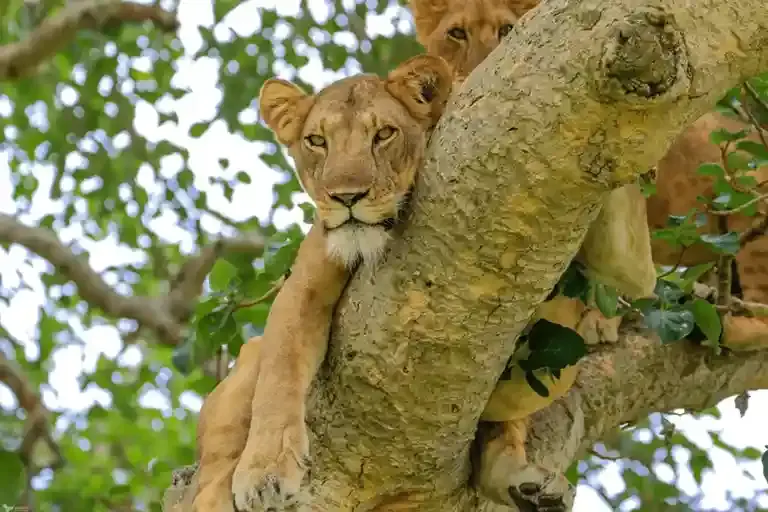
- Queen Elizabeth NP (tree-climbing lions)
- Murchison Falls NP
- Kibale Forest (chimpanzees)
Best Tours & Experiences in Uganda
Gorilla habituation experience (4 hours with gorillas), boat safaris on Kazinga Channel, Rwenzori hiking, cultural visits to Batwa pygmies.
Family-Friendly Activities to do in Uganda
Chimp tracking (age 12+), boat cruises, Ngamba Island chimpanzee sanctuary, Uganda Wildlife Education Centre.
Unique Cultural or Historical Sites to visit in Uganda
Kasubi Tombs (UNESCO), Ndere Cultural Centre, Source of the Nile, Uganda Martyrs Shrine.
Ugandan Electrical System Information
240V, 50Hz, UK-style three-pin plugs (type G).
Plug Types & Voltage used in Uganda
Type G (British). Bring adapter and power bank.
Charging Tips
Solar charging common in remote lodges – bring power bank.
Local Laws & Regulations of Uganda
Plastic bags banned. Same-sex activity illegal (rarely enforced against tourists). Drone permits required.
Rules Travelers Need to Know when In Uganda
Follow gorilla trekking rules (7m distance, no flash, max 1 hour).
Alcohol, Smoking & Substance Laws of Uganda
Drinking age 18. Marijuana illegal.
Restricted or Protected Areas in Uganda.
Gorilla parks require permits. No entry without registered guide.
Final Travel Tips for Visitors in Uganda
Book gorilla permits 12 months ahead. Use registered operators. Bring USD cash (post-2006 bills).
Common Mistakes to Avoid
Underestimating gorilla trek difficulty, last-minute permit booking, carrying plastic bags.
Tips to Save Money when Visiting Uganda
Travel in low season, use public transport between cities, stay outside parks.
Safety & Comfort Tips
Hire experienced driver-guide, drink bottled water, use repellent religiously.
Frequently Asked Questions – Uganda Travel Guide 2026-2027
Our Uganda Safari Packages
Capable Africa Tours specializes in secure, expertly guided Uganda safaris that maximize gorilla encounters and wildlife viewing. Our expert local guides, armed rangers, and carefully selected lodges ensure safety and comfort while you focus on the experience of a lifetime.

Gorilla Trekking Uganda
Track mountain gorillas in Bwindi Impenetrable Forest with experienced guides and porters.
View Package →
Uganda Wildlife Safari
Big-Five safaris in Queen Elizabeth, Murchison Falls and chimpanzee tracking in Kibale.
View Package →
Gorilla & Chimpanzee Safari
Combined primate adventure with mountain gorillas and chimpanzee habituation experiences.
View Package →Related: Best Time to Visit Uganda 2026 – Perfect timing for gorilla trekking and wildlife viewing.