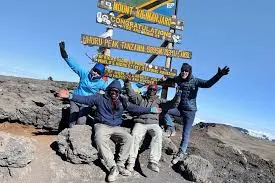
 5 Days, 4 Nights
5-Day Marangu Route Kilimanjaro Climb | Hut-Based Trekking
Experience a classic Kilimanjaro ascent on the “Coca-Cola” route. Comfortable huts, moderate trails, and scenic views await on this 5-day adventure.
Kilimanjaro guide
Climbing Mount Kilimanjaro is a thrilling adventure, but packing the right gear is critical for a safe and comfortable trek. With Capable Africa Tours, you’ll get expert guidance on essential clothing, equipment, and tips to conquer Africa’s highest peak. From moisture-wicking layers to sturdy hiking boots, this comprehensive guide covers everything you need for a 6–9 day Kilimanjaro trek, ensuring you’re prepared for all weather conditions and challenges.

Preparing for Mount Kilimanjaro requires careful planning to ensure you have the right gear for a safe and enjoyable trek. With Capable Africa Tours, we’ve crafted a detailed packing list based on years of guiding climbers to Uhuru Peak. This checklist covers clothing, equipment, and personal items for a 6–9 day trek, optimized for Kilimanjaro’s diverse climates—from tropical rainforest to arctic summit conditions.
Kilimanjaro’s weather varies drastically across its five ecological zones. Layering is key to staying comfortable in temperatures ranging from 80°F at the base to 0°F at the summit. Here’s what to pack:
The right equipment can make or break your Kilimanjaro climb. Capable Africa Tours offers rentals for select items, but ensure you have these essentials:
| Item | Description | Weight (Approx.) | Why It’s Essential |
|---|---|---|---|
| Daypack | 30–40L, padded straps | 5–7kg | Carries daily essentials like water, snacks, and layers. |
| Duffel Bag | 70–90L, waterproof | Up to 15kg | Porters carry your main gear; durable and weather-resistant. |
| Sleeping Bag | -15°C/5°F rating | 1.5–2kg | Keeps you warm during cold summit nights. |
| Trekking Poles | Adjustable, lightweight | 500–700g | Reduces knee strain and improves stability. |
| Headlamp | 200+ lumens | 100–200g | Essential for summit night and camp navigation. |
| Water System | 3L hydration bladder or 2x1L bottles | 1–2kg | Staying hydrated prevents altitude sickness. |
Personal items enhance comfort and safety. Pack these to stay prepared:
To stay within the 15kg porter limit, here’s a sample weight breakdown:
| Category | Items | Weight (kg) |
|---|---|---|
| Clothing | Base layers, mid-layers, outer layers, accessories | 5–6 |
| Gear | Sleeping bag, pad, trekking poles, duffel bag | 5–6 |
| Personal Items | First-aid, toiletries, snacks, documents | 2–3 |
| Total | All items | 12–15 |
Packing correctly for Kilimanjaro ensures safety, comfort, and summit success. With Capable Africa Tours, we emphasize gear that protects against extreme weather, reduces physical strain, and enhances your trekking experience. Here’s why it matters:
Capable Africa Tours provides gear rentals and expert advice to ensure you’re fully equipped without overpacking.
Get inspired and see the gear in action with this video guide from Capable Africa Tours. Learn how to pack smart for your Kilimanjaro adventure.
Packing efficiently for Kilimanjaro saves energy and ensures compliance with the 15kg porter limit. Follow these expert tips from Capable Africa Tours:
Understanding the numbers behind your Kilimanjaro trek helps you pack smarter. Here’s key data to guide your preparation:
Join Capable Africa Tours for a seamless Kilimanjaro adventure. Our expert guides, gear rentals, and detailed packing advice ensure you’re ready to summit Uhuru Peak with confidence.
Limited spots available for Kilimanjaro treks — book now to secure your adventure with Capable Africa Tours!
Layering is crucial for Kilimanjaro’s diverse climates. Pack 3–4 moisture-wicking base layers (merino wool), 2 fleece mid-layers, a waterproof Gore-Tex jacket, and thermal gear for summit night (0–20°F). Include wool socks, broken-in hiking boots, gloves, and a warm hat.
A 30–40L daypack is ideal for carrying daily essentials like water, snacks, and extra layers (5–7kg). Porters carry a 70–90L waterproof duffel bag with up to 15kg of your main gear.
Yes, Capable Africa Tours offers rentals for sleeping bags, trekking poles, and jackets. However, bring personal items like hiking boots and clothing for comfort and proper fit.
Porters carry up to 15kg per person in a duffel bag. Your daypack should weigh 5–7kg to ensure comfort during daily treks.
Trekking poles are highly recommended to reduce knee strain on descents, improve balance, and enhance stability on uneven terrain, especially during summit night.
Expect temperatures from 80°F at the base to 0°F at the summit. Rain is common in lower rainforest zones, and snow or ice may occur near Uhuru Peak. Pack waterproof and thermal gear.
Charging facilities are limited or unavailable. Bring a 10,000mAh power bank and spare batteries for headlamps, cameras, or other devices to stay powered.
Pack a first-aid kit, SPF 50+ sunscreen, lip balm, biodegradable toiletries, medications (e.g., Diamox for altitude sickness), and a reusable water bottle for hydration.
A sleeping bag rated for -15°C/5°F with a compression sack is ideal for warmth and portability, ensuring comfort during cold summit nights.
High-altitude UV rays are intense. Use SPF 50+ sunscreen, UV400 sunglasses, a wide-brimmed hat, and a neck gaiter to protect your skin and eyes.
Keep exploring
5 Days, 4 NightsExperience a classic Kilimanjaro ascent on the “Coca-Cola” route. Comfortable huts, moderate trails, and scenic views await on this 5-day adventure.
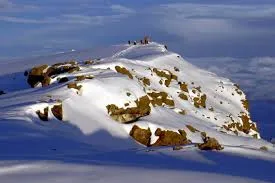 6 Days, 5 Nights
Enjoy a scenic hut-to-hut climb with an extra acclimatization day — ideal for beginners seeking a less rugged Kilimanjaro experience.
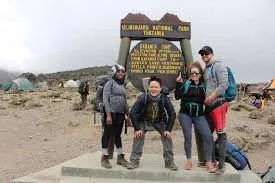 6 Days, 5 Nights
Tackle Kilimanjaro’s most scenic and demanding route. This 6-day “Whiskey Route” climb offers dramatic landscapes and rewarding summit success.