
Kilimanjaro Safety Guide: Tips for Beginners
Safety on Kilimanjaro starts with preparation, proper pacing, and listening to your body. Beginners should focus on gradual acclimatization, choosing the right gear, and trekking with experienced guides. Understanding the risks—such as altitude sickness—and knowing how to respond can make the climb both safe and enjoyable. This comprehensive guide provides essential safety tips to help first-time climbers prepare for a 6–9 day Kilimanjaro trek with Capable Africa Tours.
Plan Your Safe Kilimanjaro Trek Now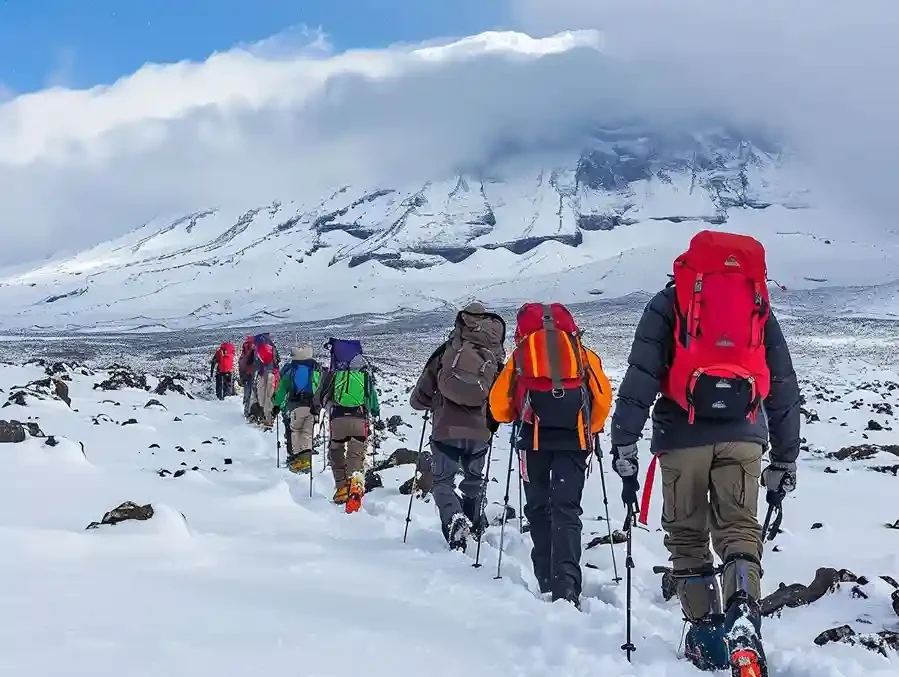
Essential Safety Tips for Climbing Kilimanjaro
Safety is the top priority when climbing Kilimanjaro. The combination of high altitude, changing weather, and challenging terrain means you must prepare both physically and mentally. Knowing the risks and following expert guidance can help ensure a safe and successful climb. Here’s a list of essential safety tips for a 6–9 day Kilimanjaro trek with Capable Africa Tours.
1. Prepare Physically for the Trek
Kilimanjaro is not a technical climb, but it demands stamina and endurance. A solid fitness plan 3–6 months before your trek can reduce risks of exhaustion or injury.
- Cardio Training: Aim for 3–5 weekly sessions of running, cycling, or hiking (45–60 minutes) to build endurance.
- Strength Training: Focus on legs and core with squats, lunges, and planks to handle steep trails.
- Practice Hikes: Train with a weighted backpack (5–7kg) on uneven terrain to simulate trekking conditions.
2. Acclimatize to Prevent Altitude Sickness
Altitude sickness (AMS) is a major risk above 8,000 feet. Symptoms include headaches, nausea, and dizziness, affecting 50–75% of climbers. Capable Africa Tours prioritizes longer routes (7–9 days) for better acclimatization.
- Choose a Longer Route: Routes like Lemosho or Machame (7–8 days) allow gradual altitude gain.
- Medications: Consult a doctor about Diamox (125–250mg daily) to prevent AMS, starting 1–2 days before ascent.
- Hydration: Drink 3–4 liters of water daily to stay hydrated and support oxygen flow.
- Pole Pole Pace: Walk slowly (“pole pole” in Swahili) to conserve energy and reduce altitude stress.
3. Pack the Right Gear
Proper gear is critical for safety in Kilimanjaro’s varying climates, from 80°F at the base to 0°F at the summit. Capable Africa Tours offers gear rentals, but you’ll need personal essentials.
| Item | Purpose | Recommendation |
|---|---|---|
| Hiking Boots | Stability and comfort | Waterproof, broken-in, high-ankle support |
| Layered Clothing | Temperature regulation | Moisture-wicking base, fleece mid-layer, waterproof outer |
| Sleeping Bag | Warmth at high altitude | Rated for -15°C/5°F, with a sleeping pad (R-value 4+) |
| Trekking Poles | Balance and knee support | Adjustable, lightweight (500–700g) |
| First-Aid Kit | Emergency care | Bandages, blister pads, painkillers, Diamox |
4. Understand Weather Conditions
Kilimanjaro’s weather ranges from tropical heat to arctic cold. Rain is common in lower zones (March–May, November), and snow or high winds can hit the summit.
- Layering: Use moisture-wicking base layers (merino wool), insulating mid-layers (fleece), and waterproof outer layers (Gore-Tex).
- Sun Protection: Wear UV400 sunglasses, SPF 50+ sunscreen, and a wide-brimmed hat to combat high-altitude UV rays.
- Check Seasons: Opt for dry seasons (January–March, June–October) for safer conditions.
5. Follow Guide Instructions
Capable Africa Tours’ expert guides are trained in high-altitude safety and emergency response. Their instructions are critical for your safety.
- Daily Briefings: Listen to updates on weather, route, and health checks.
- Health Monitoring: Guides assess for AMS symptoms daily using pulse oximeters.
- Emergency Protocols: Guides carry oxygen tanks and first-aid kits for immediate response.
Why Safety Matters on Kilimanjaro
Safety is paramount when climbing Kilimanjaro due to its high altitude, unpredictable weather, and physical demands. Proper preparation reduces risks like altitude sickness (affecting 50–75% of climbers), hypothermia, and injuries. With Capable Africa Tours, you’ll benefit from experienced guides, well-planned routes, and comprehensive safety protocols to ensure a secure and enjoyable trek.
Key Safety Statistics
- Summit Success Rate: 98% with Capable Africa Tours’ guided treks (7–9 days).
- Altitude Sickness Incidence: 50–75% of climbers experience mild AMS; severe cases are rare with proper acclimatization.
- Evacuation Rate: Less than 5% of climbers require evacuation with guided tours.
- Guide-to-Climber Ratio: 1:2–3 for personalized safety monitoring.
Visualize a Safe Kilimanjaro Climb
Watch this video to see how Capable Africa Tours ensures a safe and memorable Kilimanjaro trek, with tips on gear, preparation, and safety protocols.
Additional Safety Tips for Beginners
Beyond physical preparation and gear, these practical tips will enhance your safety and comfort on Kilimanjaro with Capable Africa Tours.
- Travel Insurance: Ensure coverage for high-altitude trekking (up to 6,000m) and emergency evacuation.
- Health Check: Consult a doctor 2–3 months prior to assess fitness and discuss vaccinations (e.g., yellow fever).
- Pack Light: Keep your daypack under 7kg to avoid fatigue; porters carry up to 15kg of your main gear.
- Stay Hygienic: Use hand sanitizer and wet wipes to prevent infections in remote camps.
- Energy Snacks: Pack 500–1,000g of high-calorie snacks (e.g., nuts, energy bars) for sustained energy.
Climb Kilimanjaro Safely with Capable Africa Tours
Ready to conquer Mount Kilimanjaro? With Capable Africa Tours, you’ll trek with confidence, backed by expert guides, safety-focused itineraries, and top-notch support. Book now for a safe and unforgettable adventure!
- 98% summit success rate with expert-guided treks
- Safety-first approach with daily health checks
- Eco-friendly tours supporting local communities
- Customizable routes for optimal acclimatization
- All-inclusive packages with gear rentals and meals
Limited spots available for safe Kilimanjaro treks — secure your adventure today!
Book Your Trek NowExplore Our Safe Kilimanjaro Climbing Packages
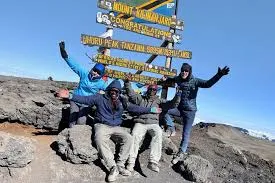
7-Day Lemosho Route Kilimanjaro Climb | Scenic & Safe
Enjoy a safe, scenic ascent with excellent acclimatization on this 7-day trek, guided by Capable Africa Tours’ expert team.
View Package →
6-Day Marangu Route Kilimanjaro Climb | Beginner-Friendly
Perfect for beginners, this hut-based trek offers comfort and safety with Capable Africa Tours’ expert guidance.
View Package →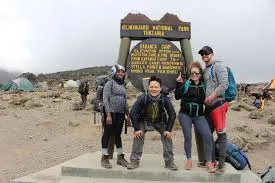
8-Day Lemosho Route Kilimanjaro Trek | Optimal Safety
Maximize safety and summit success with this extended 8-day trek, featuring gradual acclimatization and stunning views.
View Package →