
What to Wear in Zanzibar – Dress Code & Etiquette
Planning what to wear in Zanzibar can make or break your trip. With its vibrant Muslim-majority culture and tropical climate, Zanzibar requires a balance of modesty and practicality. This Zanzibar clothing guide covers dress codes for Stone Town, beachwear rules, and packing tips to ensure you’re respectful and comfortable. Whether you’re exploring spice plantations or lounging on Nungwi’s beaches, Capable Africa Tours has you covered with expert advice for a culturally immersive experience.
Plan Your Zanzibar Wardrobe
Understanding Zanzibar’s Dress Code
Zanzibar’s dress code is shaped by its predominantly Muslim culture, tropical climate, and laid-back island vibe. While tourists are welcome to enjoy the beaches, respecting local customs is key, especially in Stone Town and rural villages. This Zanzibar clothing guide will help you pack clothes that keep you comfortable while honoring local etiquette. From lightweight fabrics to modest attire, we’ll break down what women wear in Zanzibar, what men should pack, and how to adapt your wardrobe for different settings.
Why Dressing Appropriately Matters in Zanzibar
Zanzibar is a cultural melting pot with deep Swahili and Islamic roots. Dressing respectfully shows appreciation for local traditions, especially in conservative areas like Stone Town or rural communities. While beaches like Nungwi and Kendwa are more relaxed, modest dress is expected when you’re not at a resort. By following the Zanzibar dress code, you’ll blend in better, avoid unwanted attention, and enhance your travel experience with Capable Africa Tours.
What Women Should Wear in Zanzibar
For women, packing clothes for Zanzibar means prioritizing modesty and comfort. In Stone Town and villages, opt for long skirts, maxi dresses, or loose-fitting pants paired with tops that cover shoulders and chest. Lightweight fabrics like cotton or linen are ideal for the tropical heat. A headscarf is respectful but not mandatory in conservative areas. For beaches, one-piece swimsuits or tankinis are preferred, and always carry a sarong or cover-up when leaving the beach to visit nearby shops or cafes. Bright colors and patterns are welcome, reflecting Zanzibar’s vibrant culture.
What Men Should Wear in Zanzibar
Men should pack lightweight, breathable clothing like long pants or knee-length shorts for cultural sites and villages. T-shirts or short-sleeve shirts that cover the shoulders are ideal. On beaches, board shorts or swim trunks are fine, but cover up with a shirt when heading into town. Neutral or earthy tones work well, though you can add some color to match the island’s lively vibe. Comfortable sandals or closed-toe shoes are great for exploring Stone Town or spice plantations.
Zanzibar Beachwear Rules
Zanzibar’s beaches are world-famous, but beachwear rules apply to maintain respect for local customs. On public beaches like Nungwi, Kendwa, or Paje, modest swimwear is recommended—one-piece suits or tankinis for women and board shorts for men. Bikinis are generally acceptable in resort areas but use discretion on public beaches. Always cover up with a sarong, kaftan, or shirt when leaving the beach to visit nearby villages or restaurants. This ensures you adhere to Zanzibar’s cultural norms while enjoying the turquoise waters.
Seasonal Clothing Tips for Zanzibar
Zanzibar’s tropical climate means warm weather year-round, but seasons affect your packing. During the dry seasons (June–October and December–February), lightweight clothing and swimwear are sufficient, with a light jacket for cooler evenings. In the rainy seasons (March–May and November), pack a compact raincoat or umbrella and quick-drying fabrics. Regardless of the season, modest attire remains essential for cultural sites, and sunscreen is a must for beach days.
Footwear for Zanzibar
Your footwear should match Zanzibar’s diverse activities. Comfortable sandals or flip-flops are perfect for beaches and casual outings in Nungwi or Paje. For walking tours in Stone Town or spice plantations, bring closed-toe shoes to protect your feet from uneven surfaces. Water shoes are handy for rocky beaches or snorkeling at Mnemba Atoll. Pack lightweight, versatile options to keep your luggage manageable.
Packing Clothes for Zanzibar Activities
Zanzibar offers a range of activities, and your wardrobe should adapt accordingly. For spice tours or Jozani Forest visits, wear long pants, breathable tops, and comfortable shoes to navigate uneven terrain. For snorkeling or dhow cruises, pack swimwear, water shoes, and a quick-dry towel. For evening dinners in Stone Town, a smart-casual outfit like a maxi dress or collared shirt with pants works well. Always carry a light cover-up for transitioning between beach and cultural sites.
Cultural Etiquette Beyond Clothing
Beyond what to wear in Zanzibar, understanding cultural etiquette enhances your trip. Greet locals with “Jambo” (hello) or “Asante” (thank you) to show respect. Avoid public displays of affection, especially in conservative areas. When visiting mosques or religious sites, remove shoes and ensure your attire is modest. Capable Africa Tours can guide you on local customs to ensure a respectful and enriching experience.
Packing Essentials Beyond Clothing
In addition to clothing, pack these essentials for Zanzibar: reef-safe sunscreen, insect repellent, a reusable water bottle, and a Type G power adapter. A small daypack is useful for carrying items during tours. If you plan to snorkel or dive, consider bringing your own mask for comfort, though rentals are available. A lightweight scarf or shawl doubles as a cover-up and sun protection.
Where to Shop for Clothes in Zanzibar
If you need to buy clothing in Zanzibar, Stone Town’s markets like Darajani offer colorful fabrics, sarongs, and kaftans. Local tailors can create custom outfits quickly and affordably. For swimwear or accessories, resorts and tourist shops in Nungwi or Paje have options. Shopping locally supports the community and adds authentic pieces to your Zanzibar packing clothes collection.
Explore More Zanzibar Adventures

Mnemba Atoll Snorkeling Tour
Discover vibrant reefs and marine life with a half-day Zanzibar snorkeling tour to Mnemba Atoll.
View Package →
Zanzibar Spice Tour
Explore Zanzibar’s famous spice plantations, tasting and learning about spices like cloves and cinnamon.
View Package →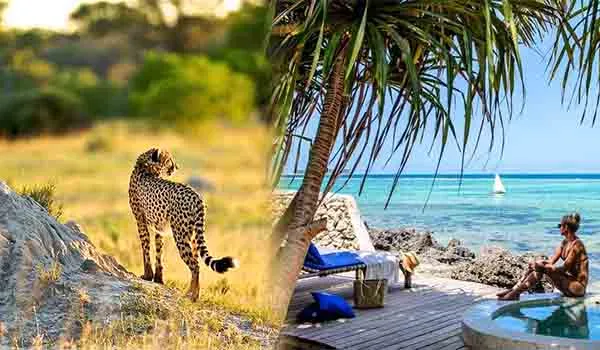
Safari & Zanzibar Combo
Combine a Tanzania safari with a Zanzibar snorkeling tour for the ultimate adventure.
View Package →Plan Your Zanzibar Trip with Capable Africa Tours
Ready to explore Zanzibar’s beaches, culture, and adventures? Capable Africa Tours creates tailored itineraries that include expert advice on what to wear in Zanzibar, cultural etiquette, and must-do activities. From Stone Town’s historic charm to Mnemba Atoll’s coral reefs, we’ll ensure a seamless and respectful journey.
- Cultural Guidance for Respectful Travel
- Customizable Itineraries for All Travelers
- Expert Tips on Zanzibar Dress Code
- 90% Customer Satisfaction Rate
- Commitment to Sustainable Tourism