
Zanzibar Local Customs & Etiquette – Do’s & Don’ts
Visiting Zanzibar is a journey into a vibrant blend of cultures shaped by African, Arab, and Indian influences. Understanding Zanzibar local customs and etiquette ensures a respectful and enriching experience. From modest dress to polite greetings, this guide covers essential do’s and don’ts, including Muslim etiquette in Zanzibar, cultural traditions, and practical tips for travelers. With Capable Africa Tours, navigate Zanzibar’s traditions confidently for an unforgettable island adventure.
Learn Zanzibar Etiquette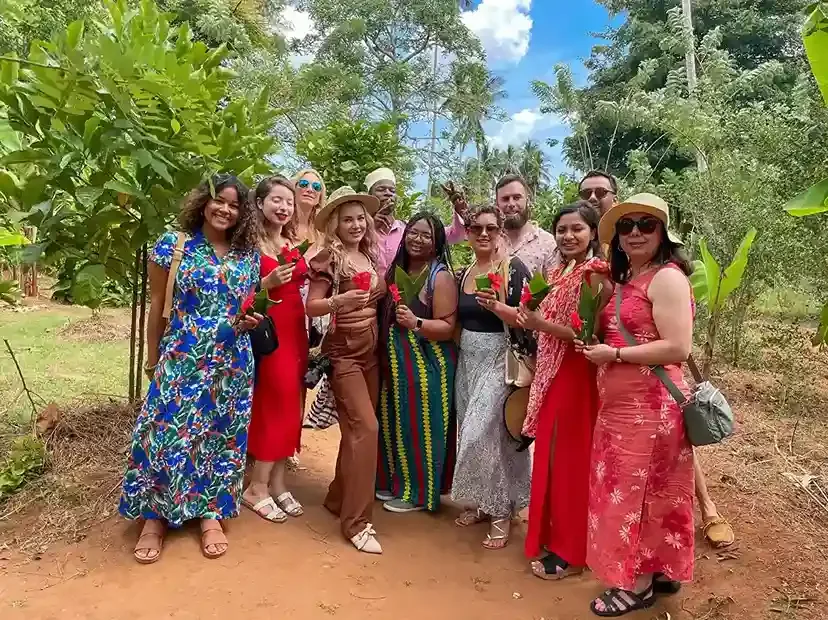
Why Understanding Zanzibar Local Customs Matters
Zanzibar’s rich cultural tapestry is woven from African, Arab, and Indian threads, with Islam playing a central role in daily life. Respecting Zanzibar cultural etiquette not only shows appreciation for the island’s heritage but also builds meaningful connections with locals. Whether you’re exploring Stone Town’s historic alleys or relaxing on Nungwi’s beaches, adhering to local customs enhances your experience and ensures you’re a welcomed guest. This guide, crafted by Capable Africa Tours, breaks down the do’s and don’ts to help you navigate Zanzibar traditions with ease.
Key Zanzibar Etiquette: Do’s
- Dress Modestly: Zanzibar is predominantly Muslim, so cover shoulders, chest, and knees, especially in Stone Town, villages, and religious sites. Women may consider a headscarf in conservative areas, while men should avoid sleeveless shirts.
- Learn Basic Swahili Greetings: Use “Jambo” (hello) or “Habari” (how are you?) to greet locals warmly. A handshake is common for same-gender interactions, but wait for the other person to initiate with the opposite gender.
- Respect Prayer Times: Zanzibar’s Muslim population prays five times daily. Avoid loud activities or entering mosques during prayer times unless invited.
- Use Your Right Hand: When eating, passing items, or shaking hands, use your right hand, as the left is considered impolite in Zanzibar traditions.
- Ask Permission for Photos: Always seek consent before photographing locals, especially in markets or villages. Some may expect a small tip for photos.
- Support Local Communities: Buy souvenirs from local artisans and dine at family-run restaurants to contribute to the economy respectfully.
Zanzibar Etiquette: Don’ts
- Avoid Public Displays of Affection: Kissing or hugging in public is frowned upon, especially in conservative areas like Stone Town or rural villages.
- Don’t Wear Beachwear in Towns: Swimwear is acceptable on beaches but cover up with a sarong or clothing when visiting markets, villages, or restaurants.
- Don’t Interrupt Religious Practices: Avoid loud conversations or music during prayer times or near mosques. Be mindful during Ramadan, when eating or drinking in public during daylight is disrespectful.
- Avoid Pointing with Fingers: Pointing directly at someone is considered rude. Use your whole hand or a nod to gesture respectfully.
- Don’t Disrespect Sacred Sites: Remove shoes before entering mosques or homes, and follow any posted guidelines at religious or cultural sites.
- Avoid Wasting Resources: Water and electricity can be scarce in some areas. Be mindful by taking shorter showers and turning off lights when not needed.
Zanzibar Religion Customs and Muslim Etiquette
Islam shapes much of Zanzibar’s cultural and social life, with over 95% of the population identifying as Muslim. Understanding Muslim etiquette in Zanzibar is key to respectful travel. During Ramadan, the holy month of fasting, avoid eating, drinking, or smoking in public from sunrise to sunset. Dress even more conservatively during this period, and expect some restaurants to have limited hours. When visiting mosques, such as the Malindi Mosque in Stone Town, wear long clothing and remove shoes. Women should cover their hair, and non-Muslims may need permission to enter. Respecting these Zanzibar religion customs shows appreciation for the island’s heritage and fosters goodwill with locals.
Zanzibar Greetings and Social Interactions
Zanzibar greetings are warm and polite, reflecting the island’s hospitable culture. Start with “Jambo” for a simple hello or “Habari za asubuhi” for good morning. Locals appreciate when visitors make an effort to speak Swahili, even if just a few phrases. When meeting someone, a handshake with the right hand is customary, but avoid physical contact with the opposite gender unless they initiate it. Smiling and maintaining eye contact show respect and friendliness. In markets or social settings, take time to engage in small talk, as rushing interactions can seem impolite. These small gestures go a long way in building connections.
Dining Etiquette in Zanzibar
Zanzibar’s cuisine is a delicious mix of African, Arab, and Indian flavors, often enjoyed communally. When dining with locals, wait for the host to start eating before you begin. Use your right hand for eating, especially in traditional settings where utensils may not be used. If invited to a local’s home, bring a small gift like fruit or sweets as a gesture of appreciation. Avoid alcohol in conservative settings, as it’s not commonly consumed due to religious beliefs. Try local dishes like pilau rice or seafood curry, and compliment the host to show gratitude. These dining customs reflect Zanzibar’s warm hospitality.
Cultural Events and Festivals
Zanzibar’s cultural calendar is vibrant, with events that showcase its traditions. The Sauti za Busara music festival (February) celebrates African music, drawing locals and visitors to Stone Town. The Zanzibar International Film Festival (July) highlights films from Africa and beyond, offering a glimpse into the island’s artistic side. During these events, dress modestly and engage respectfully with performers and attendees. Islamic holidays like Eid al-Fitr and Eid al-Adha are marked with communal prayers and feasts—visitors are welcome to observe but should avoid disrupting celebrations. Participating in these events with respect deepens your understanding of Zanzibar traditions.
Tips for Visiting Stone Town
Stone Town, a UNESCO World Heritage Site, is the heart of Zanzibar’s cultural heritage. To respect its conservative atmosphere, dress modestly—long skirts or pants and covered shoulders are ideal. Avoid eating or drinking while walking through the narrow alleys during Ramadan. Engage with local vendors politely, and practice haggling with a smile, as it’s part of the market culture. When visiting historical sites like the House of Wonders or Old Fort, follow posted guidelines and avoid touching artifacts. A guided tour with Capable Africa Tours can help you navigate Stone Town’s customs while learning its history.
Eco-Friendly and Respectful Travel
Zanzibar’s natural beauty, from coral reefs to beaches, is a treasure to protect. Follow eco-friendly practices by using reef-safe sunscreen, avoiding single-use plastics, and supporting sustainable tours. When visiting sites like Jozani Forest or Mnemba Atoll, stick to designated paths and avoid disturbing wildlife. Respect local communities by asking permission before entering private properties or taking photos. Choosing eco-conscious operators like Capable Africa Tours ensures your trip supports conservation and local livelihoods while respecting Zanzibar’s cultural etiquette.
Explore More Zanzibar Adventures

Mnemba Atoll Snorkeling Tour
Discover vibrant reefs and marine life with a half-day Zanzibar snorkeling tour to Mnemba Atoll.
View Package →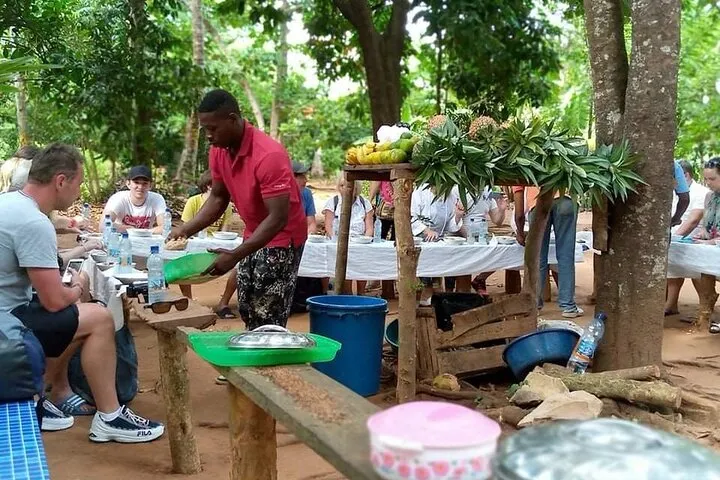
Zanzibar Spice Tour
Explore Zanzibar’s famous spice plantations, tasting and learning about spices like cloves and cinnamon.
View Package →
Safari & Zanzibar Combo
Combine a Tanzania safari with a Zanzibar snorkeling tour for the ultimate adventure.
View Package →Ready to Experience Zanzibar’s Culture with Capable Africa Tours?
Immerse yourself in Zanzibar’s rich traditions with Capable Africa Tours. From guided Stone Town tours to eco-friendly adventures, our expert guides ensure a respectful and unforgettable experience. Combine your cultural journey with snorkeling or a Tanzania safari for the ultimate getaway.
- Expert Guides for Cultural Insights
- Tailored Itineraries Respecting Local Customs
- Eco-Friendly and Community-Focused Tours
- 90% Customer Satisfaction Rate
- Seamless Planning for a Hassle-Free Trip