
5 Days Mikumi Safari from Zanzibar | Price & Package Deals
Mikumi National Park is the closest major safari destination to Zanzibar, which makes this 5-day itinerary a practical choice if you want genuine game drives and Big Five country without giving up several days to travel. We handle the transfer from Zanzibar by flight or road, the park permits, guiding, and accommodation, and we offer both budget camping and more comfortable lodge or tented camp options. Below you'll find the full day-by-day itinerary, what's included, current pricing, and answers to the questions travelers most often ask before booking a southern-circuit safari.
Book Your Safari NowMikumi Safari Overview
- Duration: 5 days, 4 nights.
- Starting price: From $1,200 per person (budget option).
- Destination: Mikumi National Park (3,230 km²).
- Wildlife focus: Four of the Big Five (lions, elephants, leopards, buffalo) and over 400 bird species.
- Tour style: Private or small-group safari (typically 2–8 people per vehicle).
- Transfer from Zanzibar: 45-minute flight to Dar es Salaam plus 4–5 hour drive, or 8–9 hour direct road/ferry transfer.
- Best time to visit: June–October (dry season, easiest sightings); November–May (green season, fewer crowds, lower rates).
- Best suited for: First-time safari travelers, short trips, budget-conscious wildlife lovers, photographers.
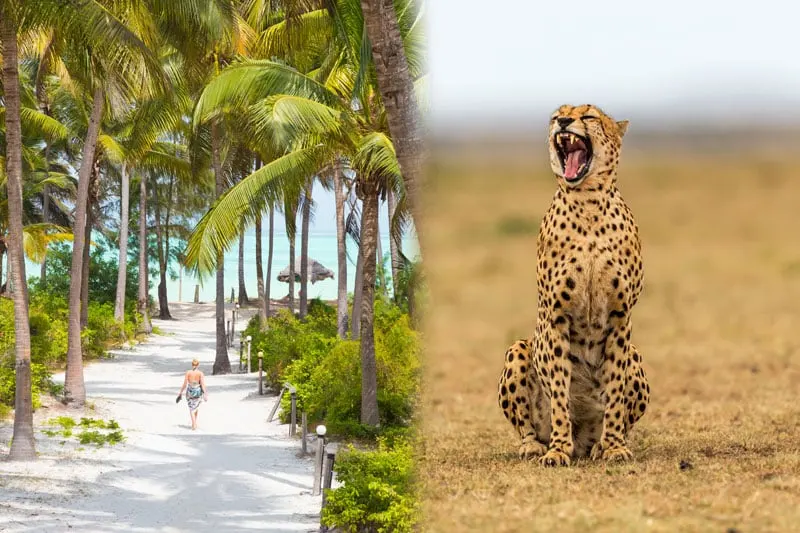
Why Choose a Mikumi Safari from Zanzibar?
Mikumi National Park sits roughly 4–5 hours by road from Dar es Salaam, which is itself a short hop from Zanzibar by flight or ferry. That proximity is the main reason we recommend Mikumi for travelers who want a real safari but don't have the time or budget for the longer journey to Serengeti or Ngorongoro in the north. Inside the park, the Mkata floodplain and surrounding savannah and miombo woodland support lions, elephants, leopards, and buffalo (four of the Big Five — rhino are not present in meaningful numbers here), along with giraffes, zebras, wildebeest, and a strong birdlife count around the Hippo Pools.
If you're weighing this against Nyerere National Park (formerly Selous), the other popular southern-circuit option from Zanzibar, the trade-off is fairly simple: Nyerere is larger, more remote, and offers boat safaris on the Rufiji River, but the transfer takes longer and costs more. Mikumi is the more time- and budget-efficient choice, particularly for a 5-day window. We can put together a Nyerere-based itinerary instead if that fits your priorities better — just mention it when you get in touch.
Whichever you choose, this itinerary balances meaningful time in the park with realistic travel days, and we offer both budget camping and lodge-based options so the trip can fit different budgets without changing the core experience.
Mikumi Safari Itinerary: 5 Days from Zanzibar
This itinerary is built around the realities of the transfer from Zanzibar, so the travel days are kept efficient and the park days are kept full. Here's what each day typically looks like.
Day 1: Zanzibar to Dar es Salaam
The trip begins with your transfer from Zanzibar to Dar es Salaam — either a roughly 45-minute flight or an 8–9 hour combined road and ferry journey if you'd prefer to travel overland. Once you arrive, you'll check into your hotel and meet your guide for a safari briefing covering the route ahead, what to expect in the park, and any last questions.
- Activities: Transfer to Dar es Salaam, safari briefing
- Highlights: Coastal views, cultural introduction
- Meals: Dinner at hotel
- Accommodation: Hotel in Dar es Salaam
Day 2: Dar es Salaam to Mikumi National Park
After breakfast, it's a 4–5 hour drive west to Mikumi. Once you check in, there's time for an afternoon game drive in the park's open savannah, where elephants, giraffes, and lions are commonly seen close to the road — Mikumi's proximity to the highway is part of what makes it accessible without making it feel less wild.
- Drive Time: Approx. 4–5 hours
- Highlights: First game drive, early Big Five sightings
- Meals: Breakfast, lunch, dinner
- Accommodation: Lodge or tented camp in Mikumi
Day 3: Full-Day Mikumi National Park Exploration
This is your main day in the park, with morning and afternoon game drives covering different areas. Mornings tend to be best for predator activity — lions and leopards are most often spotted in the early hours — while the Hippo Pools area is worth building into either drive for hippo sightings and some of the park's best birdwatching.
- Activities: Morning and afternoon game drives
- Highlights: Hippo Pools, predator sightings, birdlife
- Meals: Breakfast, lunch, dinner
- Accommodation: Lodge or tented camp in Mikumi
Day 4: Mikumi National Park to Dar es Salaam
A final morning game drive gives you one more chance at sightings you may have missed, before the drive back to Dar es Salaam. The evening is yours to relax, with optional cultural tours or a visit to local markets if you'd like to make use of the extra time in the city.
- Drive Time: Approx. 4–5 hours
- Highlights: Final game drive, Dar es Salaam culture
- Meals: Breakfast, lunch, dinner
- Accommodation: Hotel in Dar es Salaam
Day 5: Dar es Salaam to Zanzibar
After breakfast, you'll transfer back to Zanzibar by flight or road/ferry. If your flight times allow, there's often a window to fit in a short Stone Town visit or some beach time before your onward departure.
- Activities: Transfer to Zanzibar, optional Stone Town visit
- Highlights: Zanzibar's beaches, cultural farewell
- Meals: Breakfast
- Accommodation: None (departure day)
Who This Mikumi Safari Is Best For — and Who It May Not Suit
This safari tends to work well if: you're short on time and don't want to spend two or more days each way traveling to the northern parks; you're traveling on a budget but still want a genuine game-drive experience with four of the Big Five; you're combining a beach holiday in Zanzibar with a short, accessible wildlife component; or this is your first safari and you'd like a lower-pressure introduction before considering a longer northern circuit trip in future.
It may not be the best fit if: seeing rhino is a priority — Mikumi doesn't have a viable rhino population, and Ngorongoro Crater is a better option for that; you want the vast open plains and migration-scale herds associated with the Serengeti, which Mikumi's smaller size and woodland terrain can't replicate; or you're hoping for a fully remote, low-traffic wilderness feel, in which case Nyerere National Park (Selous) is closer to that experience, at a higher cost.
If you're unsure which fits your trip best, send us a message on WhatsApp and we can talk through the options based on your dates and priorities.
Mikumi Safari Gallery
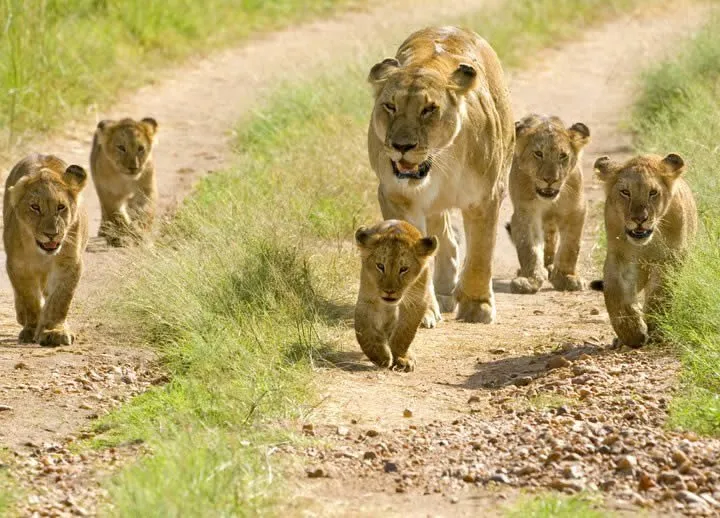
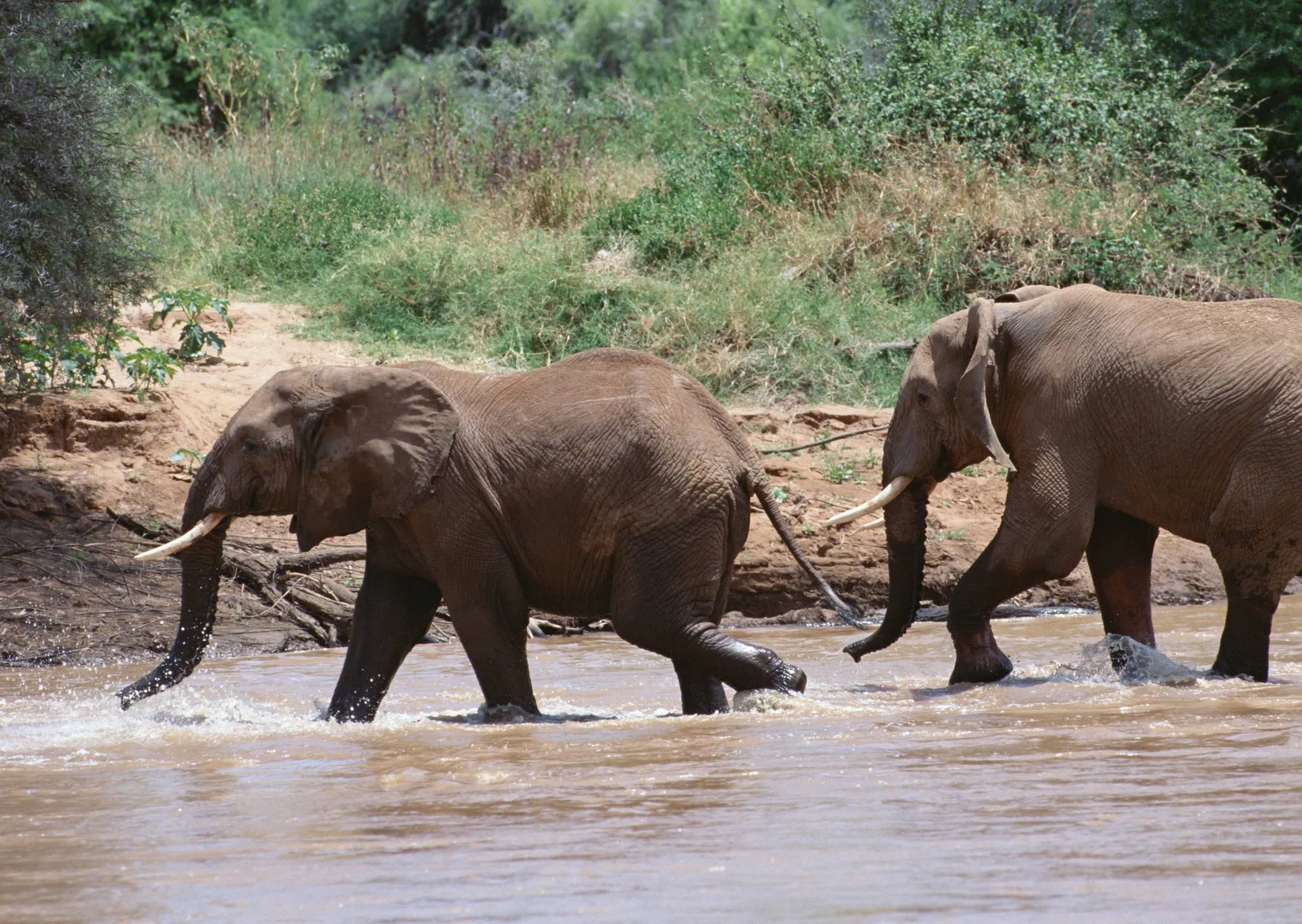
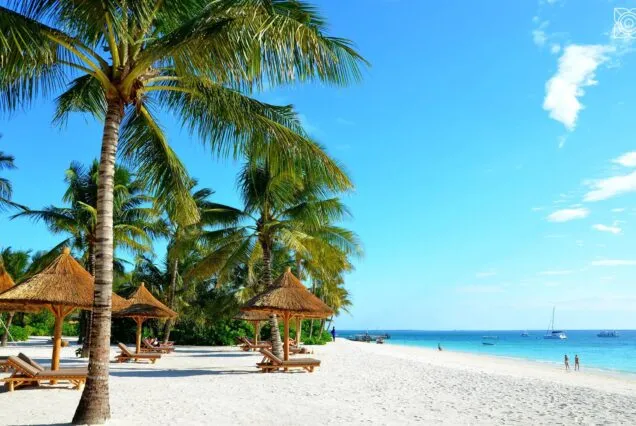
Experience a Mikumi Safari Adventure
This short clip gives a sense of Mikumi's landscape and the kind of game drives you can expect on this itinerary.
What to Pack for Your Mikumi Safari
Mikumi's climate and terrain call for the same core safari kit as most Tanzania parks, with one local consideration worth knowing in advance: parts of the park, particularly wooded areas, have tsetse flies. Their bite is sharp but not usually a medical concern for visitors — the main thing is that they're drawn to dark colors, especially blue and black, so sticking to khaki, beige, and other neutral tones genuinely helps. Here's our packing list for this trip.
- Neutral Clothing: Long-sleeved shirts and trousers in khaki or beige — both for sun protection and to reduce tsetse fly bites.
- Binoculars: 8x42 is a good all-round choice for spotting leopards and birds at a distance.
- Sunscreen & Hat: SPF 50+ and a wide-brimmed hat for open-vehicle game drives.
- Insect Repellent: A DEET-based repellent for evenings, particularly near the Hippo Pools.
- Camera with Zoom: A 200mm+ lens makes a noticeable difference for wildlife close-ups.
- Reusable Water Bottle: Game drives can run 3–5 hours, so staying hydrated matters.
- Light Jacket: Mornings in Mikumi's woodland areas can be cool, even in the dry season.
- Comfortable Closed-Toe Shoes: For short walks and transfers.
Mikumi Safari from Zanzibar: Price Per Person
Pricing for this 5-day Mikumi safari from Zanzibar generally falls between $1,200 and $3,500 per person, depending on accommodation standard, group size, and which transfer option you choose. Here's a general guide to where that range comes from:
- Budget Safari: From $1,200 per person — shared camping and group-based tours.
- Mid-Range Safari: $1,800–$2,500 per person — lodge accommodation with a private vehicle.
- Luxury Safari: From $2,500 per person — tented camps and a more exclusive experience.
Exact pricing depends on your travel dates, group size, and any customizations. Message us on WhatsApp with your preferred dates and group size and we'll put together a quote tailored to your trip.
Price Inclusions & Exclusions for Your Mikumi Safari
We aim to keep pricing transparent, so here's exactly what's covered by the price quoted for this safari, and what isn't.
Price Inclusions
- Round-trip transfers from Zanzibar (flight or road)
- 4WD safari vehicle with pop-up roof
- Professional English-speaking guides
- Mikumi National Park entrance fees
- Full-board meals and eco-friendly lodging
- Bottled water during game drives
- Airport or ferry transfers in Dar es Salaam
Price Exclusions
- Zanzibar to Dar es Salaam flights (if chosen)
- Travel or medical insurance
- Tips for guides and camp staff
- Personal expenses (souvenirs, etc.)
- Optional activities like cultural tours
- Alcoholic beverages
A note on tipping: it's customary in Tanzania to tip safari guides and camp staff, and a commonly used guideline is around $10–15 per person, per day for your guide, with smaller amounts for camp staff where applicable. This isn't compulsory, but it's worth budgeting for, and we're happy to advise further once you've booked.
Ready for Your 5-Day Mikumi Safari from Zanzibar?
If this itinerary looks like a good fit, the next step is simple: send us your preferred dates and group size, and we'll confirm availability and put together a tailored quote — including any adjustments you'd like to the accommodation level, route, or activities.
- Strong track record of Big Five sightings in Mikumi's open savannah
- Experienced, licensed guides in well-maintained 4WD vehicles
- Choice of eco-friendly camps or lodges with full-board meals
- Private or small-group options to suit your travel style
- We support local conservation and community initiatives through our operations
We typically respond to inquiries within a few hours — get in touch and we'll help you plan the details.
Book This Safari NowBook Your 5-Day Mikumi Safari from Zanzibar
Related Safari & Zanzibar Holiday Packages
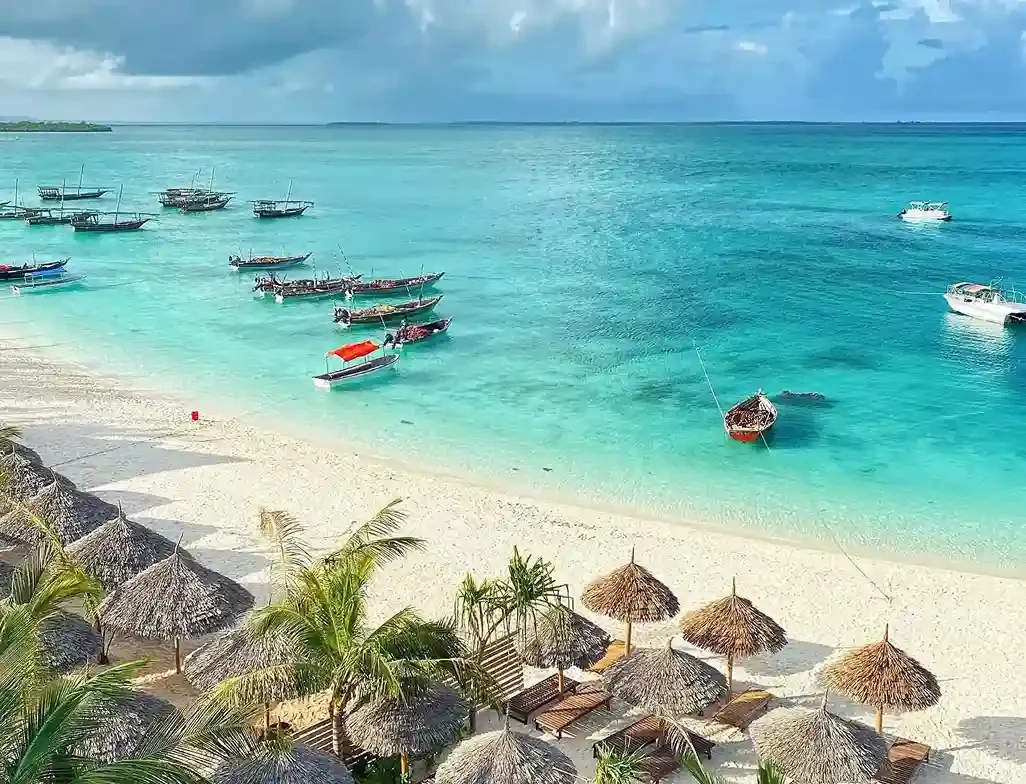
7-Day Zanzibar Cultural & Beach Experience
Combine relaxing beach time with guided cultural tours of Stone Town and the spice plantations, plus snorkeling and resort stays.
View Package →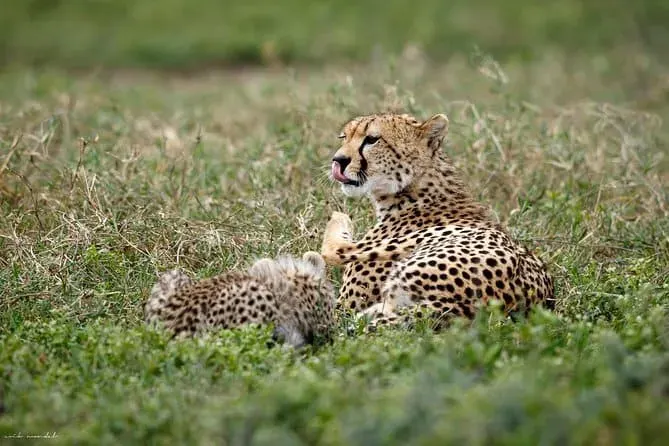
10-Day Tanzania Safari & Zanzibar Combo
A full northern-circuit safari through Serengeti and Ngorongoro, paired with a luxury stay in Zanzibar — ideal if you want both the Big Five and the migration-scale landscapes of the north.
View Package →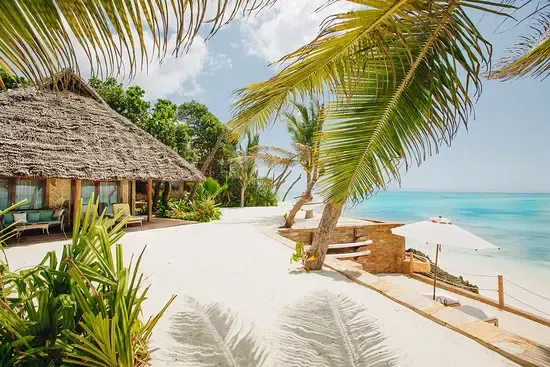
5-Day Zanzibar Honeymoon Package
A beach proposal and professional photography session at some of Zanzibar's most scenic locations — a popular add-on before or after a safari.
View Package →Frequently Asked Questions about 5 Days Mikumi Safari
Additional route and planning options
5 Days Mikumi Safari from Zanzibar
With expert guides, small group sizes, and flexible safari transfer options from Zanzibar to Mikumi, this itinerary balances thrilling game drives with relaxation. Whether you’re a solo adventurer or planning a group safari package to Mikumi from Zanzibar, this tour delivers an unforgettable experience at an affordable price.
This 5-day Mikumi safari from Zanzibar offers a perfect blend of accessibility, affordability, and adventure. Unlike northern parks like Serengeti, Mikumi is closer to Zanzibar, reducing travel time while delivering a rich Tanzania wildlife safari experience. With a 90% success rate for spotting four of the Big Five, expert-guided game drives, and eco-friendly accommodations, this tour is ideal for those seeking an affordable Mikumi safari from Zanzibar without compromising on quality. Choose between private Mikumi safaris or group safari packages for a personalized experience.