7-Day Kilimanjaro Climb from Moshi: Price & Itinerary 2026/2027
Ready for a life-changing adventure? A Kilimanjaro climb from Moshi via the scenic Machame route offers breathtaking views, expert guidance, and an 85–outcomes vary with route, season, weather and individual response with Capable Africa Tours. This 7-day itinerary takes you to Uhuru Peak (5,895m), Africa’s highest point, starting from Moshi, the gateway to Mount Kilimanjaro. From lush rainforests to alpine deserts, this trek balances challenge and comfort with affordable prices starting at $1,850 per person. Read on for a detailed itinerary, cost breakdown, and expert tips to make your Kilimanjaro climb from Moshi memorable!
Book Your Climb NowKilimanjaro Climb from Moshi Highlights
- Duration: 7 Days, 6 Nights
- Route: Machame (scenic, high success rate)
- Destination: Uhuru Peak (5,895m)
- Main Focus: Trekking, summit, scenic landscapes
- Tour Style: Guided, small groups (2–12 people)
- Best Time: Jan–Mar, Jun–Oct for clear weather
- Ideal For: Adventure seekers, hikers, nature lovers
Who This Seven-Day Trip Suits—and Why
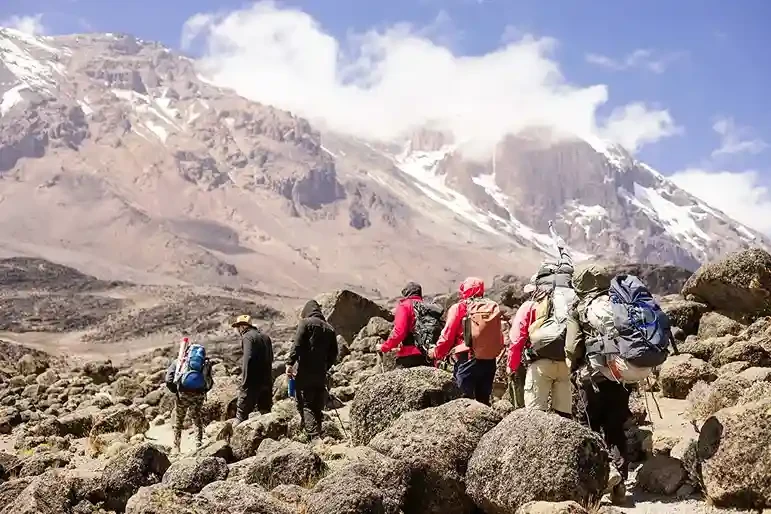
A Kilimanjaro climb from Moshi via the Machame route is a specialist adventure, offering diverse landscapes, expert-guided support, and a strong acclimatisation profile. Moshi, a vibrant town at the foot of Kilimanjaro, is the perfect starting point with easy access to the mountain. The 7-day Machame route, known as the “Whiskey Route,” provides gradual acclimatization, stunning views, and a challenging yet rewarding trek to Uhuru Peak. With Capable Africa Tours, you’ll enjoy professional guides, eco-friendly camping, and comprehensive support tailored to beginners and seasoned trekkers alike.
This itinerary ensures you experience Kilimanjaro’s five climatic zones—rainforest, heath, moorland, alpine desert, and arctic summit—while maximizing safety and comfort. Whether you’re chasing the thrill of summiting or the serenity of Tanzania’s landscapes, a Kilimanjaro climb from Moshi delivers an unmatched adventure.
How the Seven-Day Itinerary Works, Day by Day
This 7-day Kilimanjaro climb from Moshi follows the Machame route, designed for optimal acclimatization and a strong acclimatisation profile. Below is a day-by-day breakdown of your trek with Capable Africa Tours, starting and ending in Moshi.
Day 1: Arrival in Moshi
Your Kilimanjaro climb from Moshi begins with your arrival at Kilimanjaro International Airport (JRO). Transfer to your hotel in Moshi, a charming town with views of Kilimanjaro. Relax, explore local markets, or attend a pre-climb briefing with your guide to prepare for the adventure.
- Activities: Airport transfer, optional Moshi tour, briefing
- Highlights: Introduction to Moshi, gear check
- Meals: Dinner at hotel
- Accommodation: Hotel in Moshi
Day 2: Moshi to Machame Camp
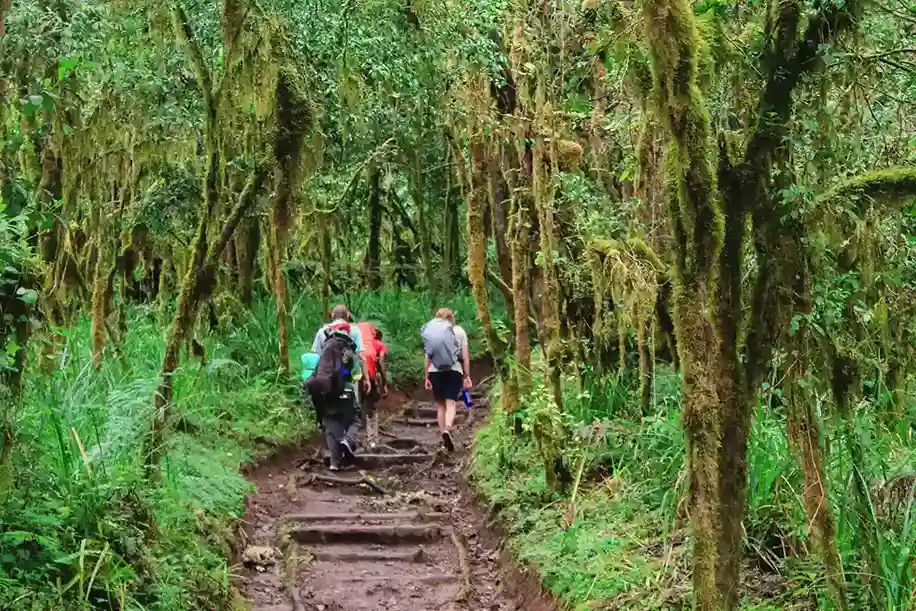
Drive from Moshi to Machame Gate (1,800m). Begin your trek through lush rainforests, spotting colobus monkeys and vibrant birdlife. Arrive at Machame Camp for your first night on the mountain.
- Trekking Time: 5–7 hours (11 km)
- Elevation: 1,800m to 3,000m
- Highlights: Rainforest scenery, wildlife sightings
- Meals: Breakfast, lunch, dinner
- Accommodation: Machame Camp (tents)
Day 3: Machame Camp to Shira Camp
Trek through heath and moorland zones to Shira Camp (3,850m). Enjoy panoramic views of the Shira Plateau and distant peaks. This shorter day aids acclimatization for your Kilimanjaro climb from Moshi.
- Trekking Time: 4–6 hours (5 km)
- Elevation: 3,000m to 3,850m
- Highlights: Shira Plateau views, acclimatization
- Meals: Breakfast, lunch, dinner
- Accommodation: Shira Camp (tents)
Day 4: Shira Camp to Barranco Camp
Climb to Lava Tower (4,600m) for acclimatization, then descend to Barranco Camp (3,950m). Marvel at the Barranco Wall and views of Kilimanjaro’s southern glaciers.
- Trekking Time: 6–8 hours (10 km)
- Elevation: 3,850m to 4,600m, then 3,950m
- Highlights: Lava Tower, Barranco Wall
- Meals: Breakfast, lunch, dinner
- Accommodation: Barranco Camp (tents)
Day 5: Barranco Camp to Karanga Camp
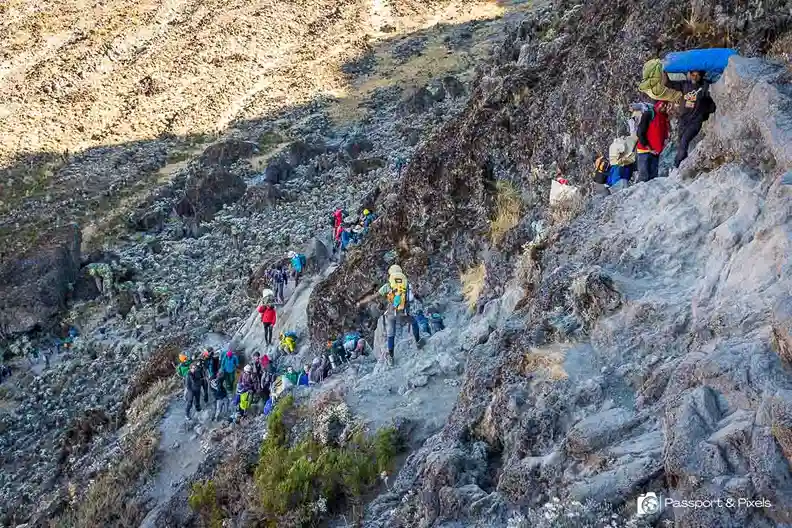
Scale the Barranco Wall, a thrilling climb, and trek through alpine desert to Karanga Camp (4,000m). Enjoy stunning views and a restful afternoon to prepare for the summit push.
- Trekking Time: 4–5 hours (5 km)
- Elevation: 3,950m to 4,000m
- Highlights: Barranco Wall climb, alpine scenery
- Meals: Breakfast, lunch, dinner
- Accommodation: Karanga Camp (tents)
Day 6: Karanga Camp to Barafu Camp
Trek to Barafu Camp (4,600m), your base for the summit attempt. Rest and prepare for the midnight climb to Uhuru Peak, enjoying views of Mawenzi Peak along the way.
- Trekking Time: 3–4 hours (4 km)
- Elevation: 4,000m to 4,600m
- Highlights: Summit preparation, Mawenzi views
- Meals: Breakfast, lunch, dinner
- Accommodation: Barafu Camp (tents)
Day 7: Barafu Camp to Uhuru Peak and Moshi
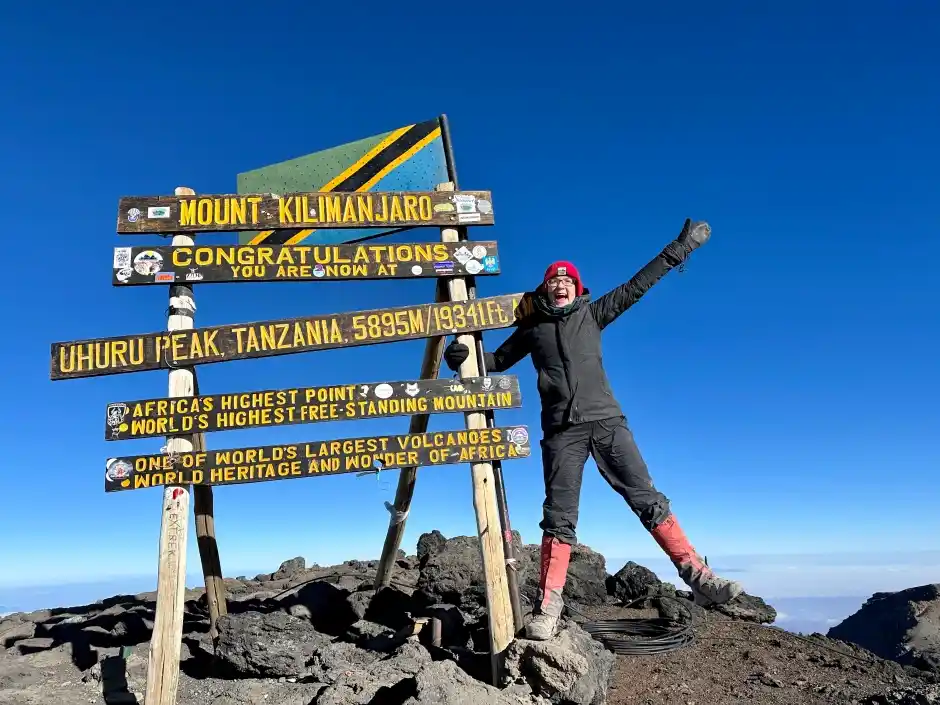
Begin your summit ascent at midnight, reaching Stella Point (5,739m) at dawn and Uhuru Peak (5,895m) shortly after. Celebrate at Africa’s highest point, then descend to Mweka Camp (3,100m). Transfer back to Moshi for a well-earned rest.
- Trekking Time: 12–16 hours (5 km up, 12 km down)
- Elevation: 4,600m to 5,895m, then 3,100m
- Highlights: Uhuru Peak summit, glacier views
- Meals: Breakfast, lunch, dinner
- Accommodation: Hotel in Moshi
Why the Machame Route for Your Kilimanjaro Climb from Moshi?
The Machame route is a favorite for a Kilimanjaro climb from Moshi due to its scenic beauty and strong acclimatisation profile (85–90%). Its “climb high, sleep low” profile aids acclimatization, reducing altitude sickness risks. The 7-day itinerary offers a balanced pace, allowing you to enjoy Kilimanjaro’s diverse ecosystems while supported by expert guides, porters, and quality camping gear from Capable Africa Tours.
See the Landscapes, Camps and Wildlife Along This Route
What to Expect from Mornings, Travel Days and Evenings
Watch the journey unfold, from Moshi’s vibrant streets to the majestic Uhuru Peak, with Capable Africa Tours guiding your Kilimanjaro climb.
What to Pack for the Actual Route and Season
Proper packing is key for a successful Kilimanjaro climb from Moshi. Layered clothing, sturdy gear, and essentials for high-altitude trekking ensure comfort and safety. Below is a detailed packing list to prepare you for the Machame route.
- Layered Clothing: Moisture-wicking base layers, fleece, and waterproof jacket.
- Trekking Boots: Waterproof, broken-in boots with ankle support.
- Sleeping Bag: Rated for -15°C for summit night.
- Headlamp: With extra batteries for midnight summit climb.
- Trekking Poles: Adjustable for stability on uneven terrain.
- Sunscreen & Sunglasses: SPF 50+ and UV-protect debates for glacier glare.
- Water Purification: Tablets or filter for safe drinking water.
- Daypack: 25–35L for personal items during daily treks.
What Changes the 2026/2027 Price
Our 7-day Kilimanjaro climb from Moshi typically starts from $1,850 per person, depending on group size, inclusion.
Contact us now to get a tailored quote for your Kilimanjaro climb from Moshi!
Check These Inclusions Before You Compare Quotes
The cost of a Kilimanjaro climb from Moshi includes essentials like park fees, guides, porters, meals, and camping gear. Exclusions often cover flights, insurance, and personal expenses. Below is a detailed breakdown to help you plan your trek with Capable Africa Tours.
Price Inclusions
- Round-trip transfers from Moshi
- Professional guides and porters
- All Kilimanjaro National Park fees
- Full-board meals on the mountain
- Camping gear (tents, sleeping mats)
- Bottled water during trek
- Safety equipment (oxygen, first aid)
Price Exclusions
- International flights to Tanzania
- Travel insurance (mandatory)
- Tips for guides/porters ($150–$250 pp)
- Personal trekking gear (boots, clothing)
- Optional hotel upgrades in Moshi
- Alcoholic beverages
Preparing for Your Kilimanjaro Climb from Moshi
A successful Kilimanjaro climb from Moshi requires physical preparation, mental readiness, and proper gear. Start training 3–6 months in advance with cardio, strength exercises, and practice hikes. Acclimatization is critical, and the Machame route’s 7-day itinerary helps by allowing extra time to adjust to altitude. Consult a doctor for altitude medication and ensure you have travel insurance covering high-altitude trekking.
- Physical Training: 3–5 hours of weekly cardio (running, cycling) and hill walking.
- Altitude Prep: Consider Diamox for altitude sickness prevention.
- Mental Readiness: Prepare for long trekking days and cold summit conditions.
- Health Check: Ensure vaccinations (e.g., yellow fever) and fitness clearance.
Is This Seven-Day Trip the Right Choice for You?
Join Capable Africa Tours for a 7-day Kilimanjaro climb from Moshi via the Machame route. Reach Uhuru Peak with expert guides, quality gear, and a high success rate. This adventure combines challenge, scenery, and memorable memories.
- 85–outcomes vary with route, season, weather and individual response on Machame route
- Expert guides and porters for safety
- Eco-friendly camping with full-board meals
- Small groups for personalized support
- Supports local conservation efforts
Limited spots available for this epic Kilimanjaro climb from Moshi—book now to secure your trek!
Book This Climb NowRequest a Tailored Seven-Day Itinerary
Related Tanzania Safari Adventures
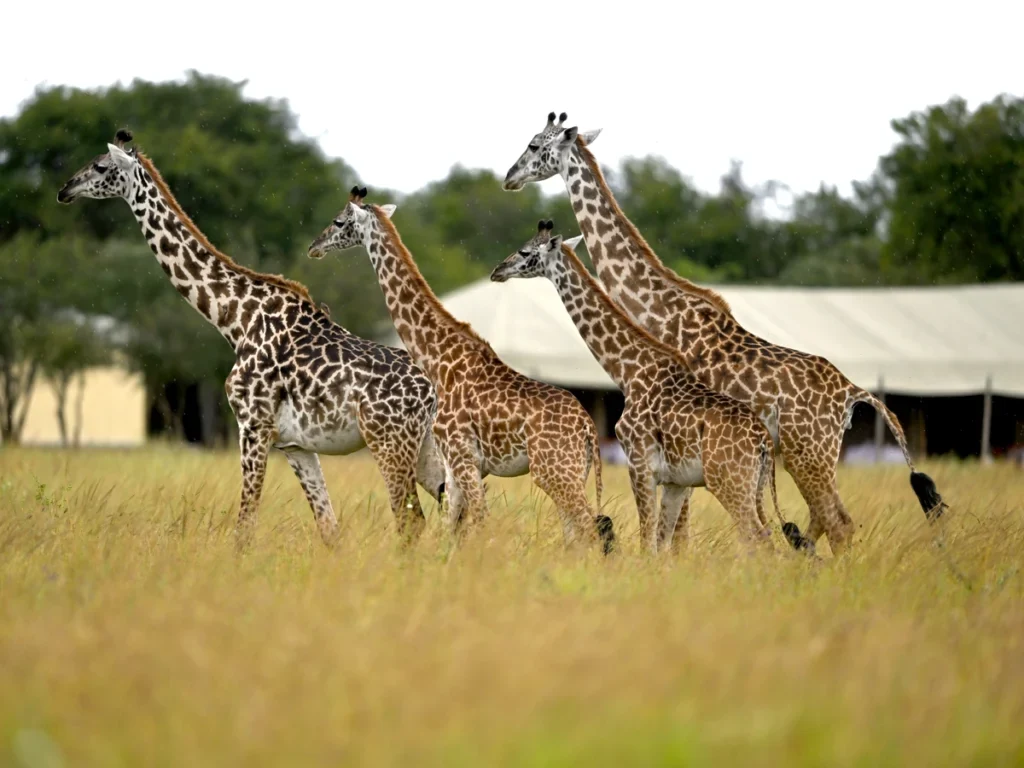
5-Day Serengeti Safari Adventure
Witness the Great Migration and diverse wildlife in Tanzania’s iconic Serengeti National Park.
View Package →
4-Day Nyerere National Park within the wider Selous ecosystem Safari
Explore the vast Nyerere National Park within the wider Selous ecosystem with boat safaris, game drives, and luxury camps.
View Package →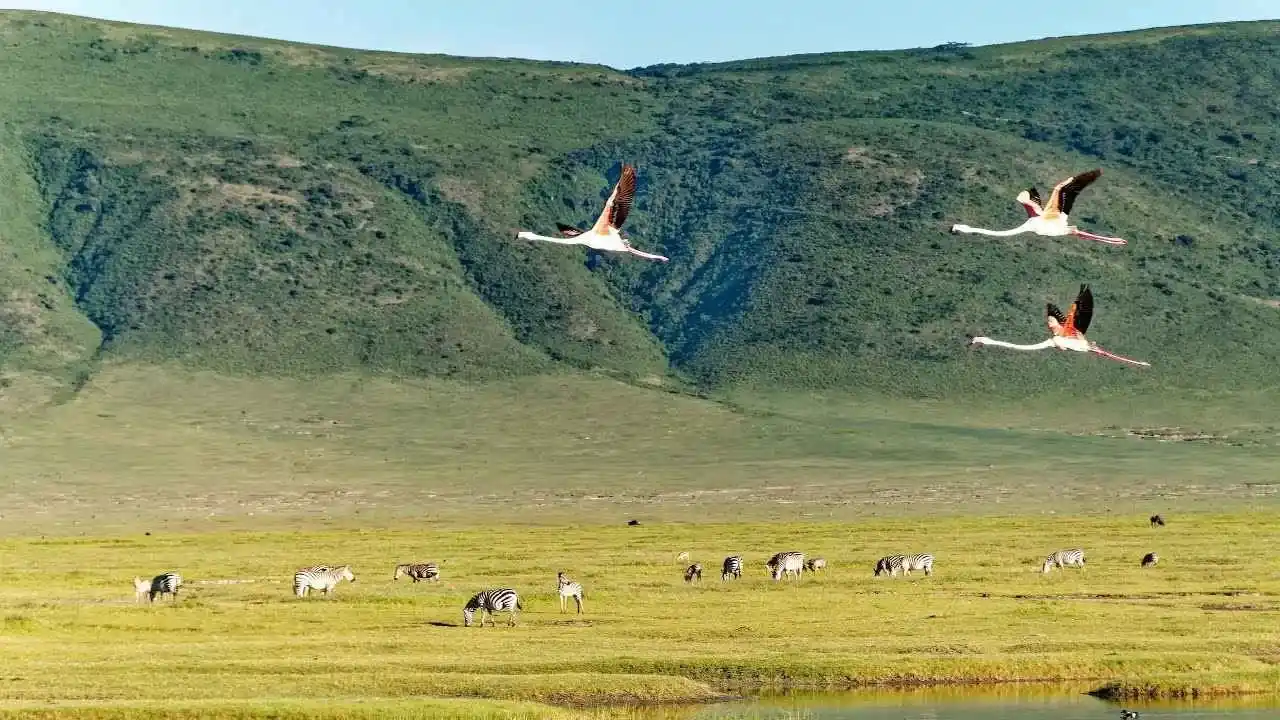
1-Day Ngorongoro Crater Safari
Discover the Ngorongoro Crater’s wildlife and stunning caldera on a short but thrilling safari.
View Package →