
7-Day Kilimanjaro Climbing Guide 2026/2027
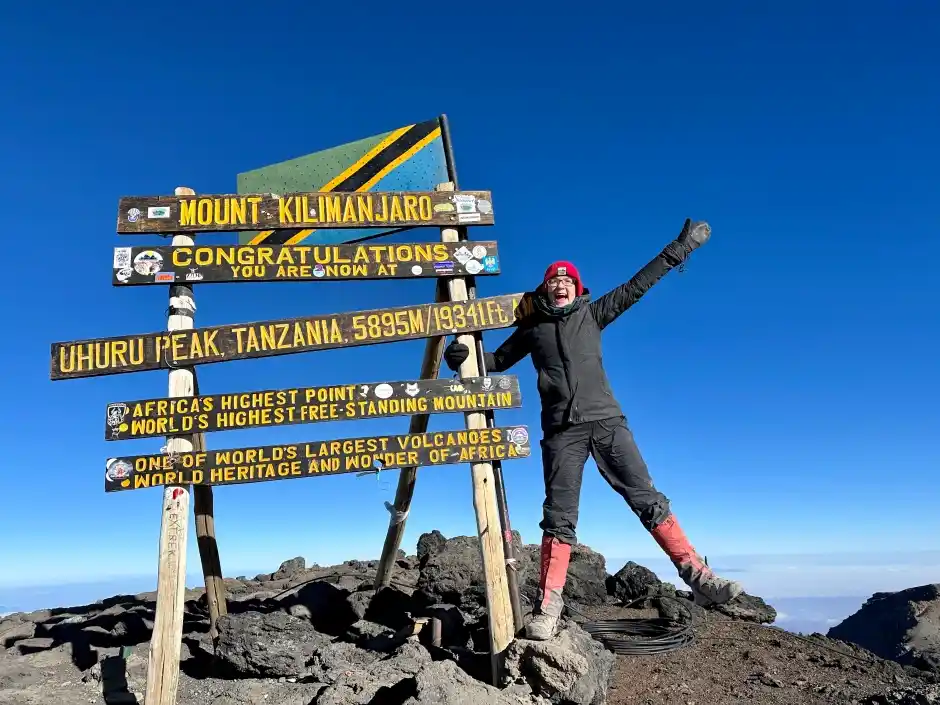
Standing at 5,895 meters (19,341 feet), Mount Kilimanjaro is Africa’s highest peak—and one of the most achievable high-altitude mountains in the world. A 7-day Kilimanjaro climbing tour strikes the perfect balance between adventure, acclimatization, and success rate, making it one of the most popular choices for trekkers from around the globe.
This guide is designed to walk you through everything you need to know before taking on this life-changing journey. From choosing the best time to climb and selecting the right route, to preparing physically and mentally for summit day, you’ll find practical insights that help you climb safely, confidently, and successfully.
Whether you’re an experienced hiker or a determined first-time climber, this article will help you turn your Kilimanjaro dream into a well-planned reality.
Book Your 7-Day Kilimanjaro Climb NowOverview of the 7-Day Climbing Tour
A 7-day Kilimanjaro climb is widely considered the sweet spot for most climbers. It offers enough time for gradual altitude acclimatization while keeping the itinerary efficient and manageable.
Why Choose a 7-Day Kilimanjaro Climb?
The biggest challenge on Kilimanjaro isn’t technical difficulty—it’s altitude. A 7-day itinerary allows your body to adjust properly, increasing your chances of reaching Uhuru Peak.
Key advantages include:
- Higher summit success rate
- Better acclimatization schedule
- Reduced risk of altitude sickness
- More time to enjoy the scenery
Compared to shorter routes, 7-day climbs feel less rushed and physically demanding.
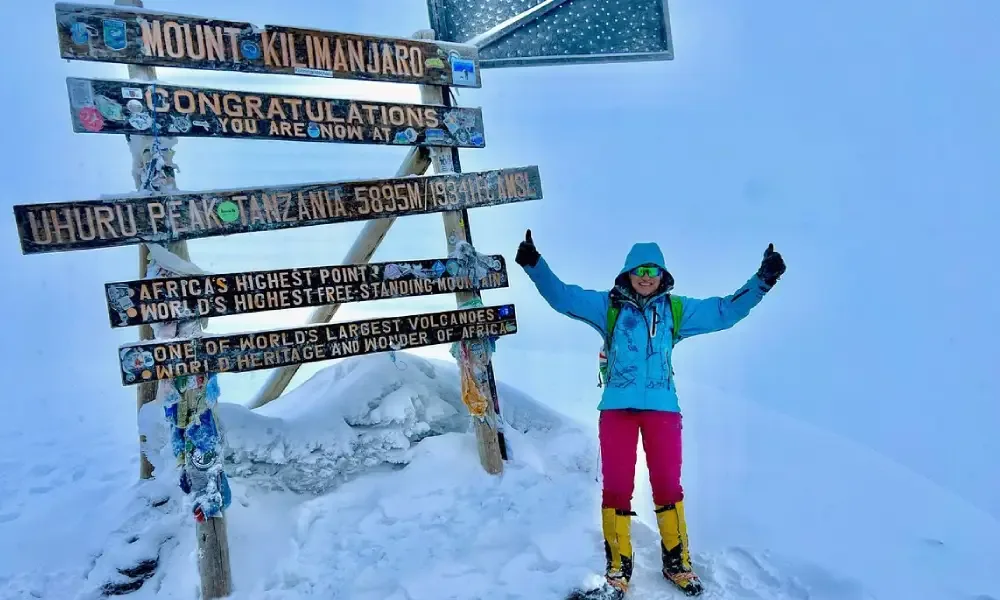
Typical Structure of a 7-Day Kilimanjaro Tour
While daily distances vary by route, most 7-day itineraries follow a similar rhythm:
- Days 1–2: Gradual ascent through rainforest and moorland zones
- Days 3–4: Acclimatization hikes and altitude gains
- Day 5: Move to high camp near summit zone
- Day 6: Summit attempt and descent
- Day 7: Final descent and celebration
Each day combines trekking, rest, meals, and acclimatization hikes designed to prepare you for summit night.
What’s Usually Included in the Tour
A professionally organized 7-day Kilimanjaro climbing tour typically includes:
- Certified mountain guides
- Porters and cooks
- Park and conservation fees
- All meals on the mountain
- Tents and group equipment
- Rescue and safety support
This all-inclusive structure ensures you can focus on the climb, not logistics.
Best Time to Climb Kilimanjaro for a 7-Day Tour
Timing your climb correctly plays a major role in your overall experience. While Kilimanjaro can be climbed year-round, some months offer better weather, trail conditions, and visibility.
Dry Seasons (Best Overall Conditions)
January to March and June to October are the most popular climbing seasons.
Why climbers prefer these months:
- More stable weather
- Clearer summit views
- Drier trails
January to March is slightly quieter and colder at night, while June to October offers warmer daytime temperatures but higher demand.
Rainy Seasons (Budget-Friendly Option)
April–May and November are considered low seasons.
What to expect:
- Fewer climbers
- Lush green landscapes
- Occasional rain, especially in April
With proper gear and experienced guides, successful climbs are still very possible and often more affordable.
Choosing the Best Time for You
Consider:
- Your budget
- Crowd preference
- Cold tolerance
- Photography goals
There’s no single “perfect” time, just the best time for your priorities.
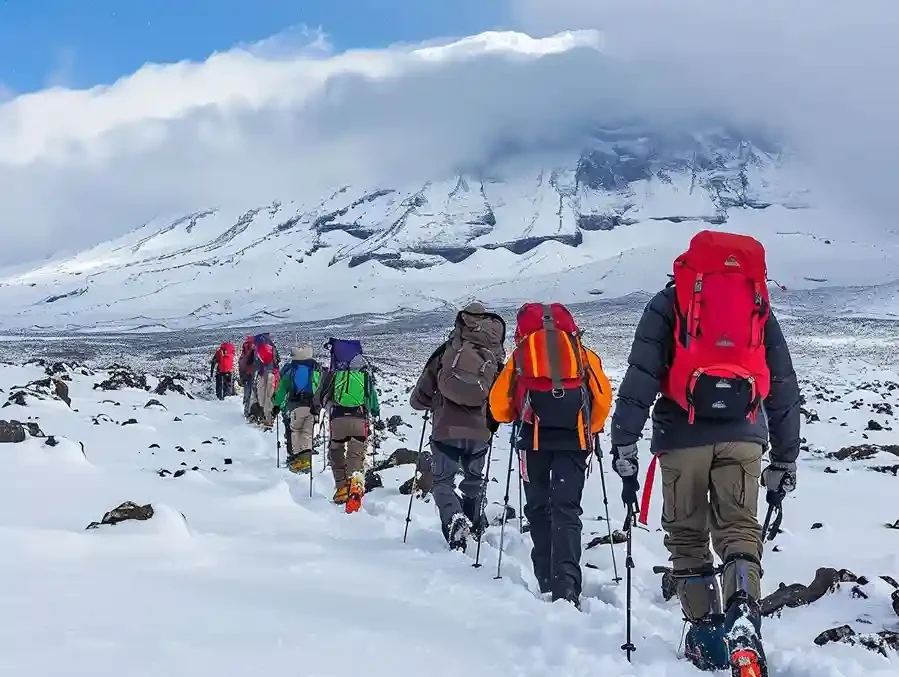
Choosing the Best Route for a 7-Day Kilimanjaro Climb
Kilimanjaro has several routes, and selecting the right one is very important especially for a 7-day climb.
Popular Routes for 7-Day Climbs
Lemosho Route (Highly Recommended)
- Excellent acclimatization profile
- Scenic and less crowded
- strong acclimatisation profile
7-Day Kilimanjaro climb via Lemosho route is ideal for climbers who want a gradual ascent and stunning landscapes.
Machame Route (Whiskey Route)
- Challenging but rewarding
- Steeper sections
- Very popular
7-Day Kilimanjaro climb via Machame route suits climbers with good fitness who enjoy dramatic terrain.
Rongai Route
- Drier and less crowded
- Gradual ascent
- Northern approach
7-Day Kilimanjaro climb via Rongai route is a good option during rainy seasons or for those seeking a quieter climb.
How to Choose the Best Route for your 7-Day Kilimanajaro Climbing Tour
Ask yourself:
- How experienced am I?
- Do I prefer scenic or quiet routes?
- How important is summit success?
A best tour operator will help match you to the best route for your ability and goals.
Setting Realistic Expectations
A 7-day Kilimanjaro climb is demanding, it is only achievable with preparation.
You don’t need:
- Technical climbing skills
- Mountaineering experience
You do need:
- Determination
- Basic fitness
- A positive mindset
Kilimanjaro rewards patience, pacing, and preparation, not speed.
Preparing for Your Kilimanjaro Climb: Fitness and Gear
Reaching the summit of Mount Kilimanjaro is less about extreme athletic ability and more about consistent preparation and smart planning.With the right training and equipment, a 7-day Kilimanjaro climbing tour becomes a realistic and rewarding challenge.
Fitness Preparation
You don’t need to be an elite athlete to climb Kilimanjaro, but a solid fitness base is essential.
Focus your training on:
- Cardiovascular endurance (walking, hiking, cycling)
- Leg strength (stairs, squats, lunges)
- Core stability (planks, balance exercises)
Aim to train 3–5 times per week for at least 8–12 weeks before your climb.
Hiking Practice
The best training for Kilimanjaro is hiking.
- Practice walking uphill for several hours
- Carry a light daypack
- Train at a slow, steady pace
If possible, do at least one multi-day hike before your trip to build confidence and endurance.
Mental Preparation
Altitude, cold nights, and long summit day hours can be mentally challenging.
Prepare yourself by:
- Learning about altitude symptoms
- Practicing patience and pacing
- Setting realistic expectations
A calm mindset goes a long way on the mountain.
Essential Gear for a 7-Day Kilimanjaro Climb
The right gear can help or challenge your experience. Quality doesn’t always mean expensive, But reliability is important.
Clothing System is Much Important
Kilimanjaro takes you through five climate zones, so layering is very important.
Must have layers include:
- Moisture-wicking base layers
- Insulating mid-layers (fleece or down jacket)
- Waterproof outer shell (jacket and pants)
Avoid cotton because it retains moisture and causes chilling.
Footwear: choose comfort Over fashion
Your boots must be:
- Broken in
- Waterproof
- Supportive at the ankle
Pair them with:
- Thermal hiking socks
- Liner socks to prevent blisters
Well-fitted boots reduce fatigue and injury risk.
Gear Provided vs. Personal Items
Most operators provide:
- Tents
- Sleeping mats
- Cooking equipment
You should bring:
- Sleeping bag rated to at least -10°C
- Trekking poles
- Headlamp with spare batteries
- Personal first-aid kit
Renting gear in Tanzania is possible, but confirm quality in advance.
What to Expect During Your 7-Day Kilimanajaro Climb
Understanding daily life on the mountain helps you stay comfortable and confident.
Daily Routine on the Mountain
A typical day includes:
- Early morning wake-up
- Breakfast and packing
- 4–7 hours of trekking
- Lunch or hot meal at camp
- Acclimatization walks
- Evening briefing and rest
Your guide sets the pace—slow and steady is the key.
Meals and Hydration
Nutrition is a major part of your success. On your journey expect:
- Hot, freshly prepared meals
- High-carbohydrate diets
- Plenty of drinking water
You’ll be encouraged to drink 3–4 liters per day to support acclimatization.
Summit Night: The Biggest Challenge
Summit day is long and demanding.
What makes Summit Night tough:
- Cold temperatures
- Steep terrain
- High altitude
- Night-time ascent
You’ll start around midnight and hike slowly for several hours before reaching Uhuru Peak at sunrise.
Despite the difficulty, this is often the most rewarding moment of the entire climb.
Health and Safety Tips for Climbers
Safety is the top priority on any Kilimanjaro climb.
Understanding Altitude Sickness
Altitude sickness affects everyone differently.
Common symptoms of Altitude sickness
- Headache
- Nausea
- Fatigue
- Loss of appetite
Your guide will monitor your condition daily and adjust the plan if needed.
Key Safety Practices
To stay safe:
- Walk slowly (“pole pole”)
- Stay hydrated
- Eat regularly
- Communicate symptoms early
Never ignore how you feel, early reporting prevents serious problems.
The Role of Professional Guides on the Climb
Certified local guides are trained in:
- Altitude management
- First aid
- Emergency response
Their experience is a important for your summit success and safety.
The Cultural Experience: Engaging with Local Communities
A 7-day Kilimanjaro climbing tour is more than a mountain challenge—it’s also a cultural journey. Long before and after the climb, you’ll interact with the local communities that make Kilimanjaro possible.
Meeting the Chagga People
The slopes of Mount Kilimanjaro are home to the Chagga tribe, one of Tanzania’s largest ethnic groups.
Cultural highlights include:
- Traditional farming methods
- Banana and coffee plantations
- Local cuisine and customs
Many tours offer optional village visits, giving you insight into daily life at the base of the mountain.
Supporting Local Livelihoods
Kilimanjaro climbs directly benefit local communities. Your climb supports:
- Mountain guides
- Porters and cooks
- Gear suppliers
- Local farmers and businesses
Choosing a responsible operator ensures fair wages, proper equipment, and ethical porter treatment—making your adventure meaningful beyond the summit.
Post-Climb Celebrations and Recovery
Reaching Uhuru Peak is a major achievement, and how you recover afterward matters just as much as the climb itself.
Summit Certificates and Celebrations
After your descent, climbers receive:
- Official Kilimanjaro summit certificates
- Group celebrations and photos
- A chance to reflect on the journey
These moments mark the completion of an extraordinary accomplishment.
Physical Recovery After the Climb
Your body needs time to recover after days of trekking.
Helpful recovery tips include:
- Light stretching
- Hydration and nutritious meals
- Rest and sleep
Most climbers feel tired but deeply satisfied in the days following the climb.
Where to Go Next after 7-Day Kilimanjaro Climb
Many travelers extend their trip after climbing Kilimanjaro. Popular options include:
- Relaxing on Zanzibar’s beaches
- Short wildlife safaris in Tarangire or Ngorongoro
- Cultural tours around Moshi and Arusha
These add-ons help your body recover while continuing the adventure.
Making Your Kilimanjaro Dream a Reality
Climbing Mount Kilimanjaro is a personal journey. One that challenges your body, strengthens your mindset, and rewards you with a sense of accomplishment unlike any other. A 7-day Kilimanjaro climbing tour offers the ideal balance of acclimatization, comfort, and summit success, making it one of the most recommended options for climbers worldwide.
With proper preparation, the right route, and experienced local guides, Kilimanjaro becomes an achievable goal rather than an overwhelming challenge. From the rainforest foothills to the icy summit of Uhuru Peak, every step brings you closer to a lifelong memory.
Your dream of standing on the Roof of Africa starts with a decision. Plan well, climb responsibly, and trust the journey. Kilimanjaro is waiting.
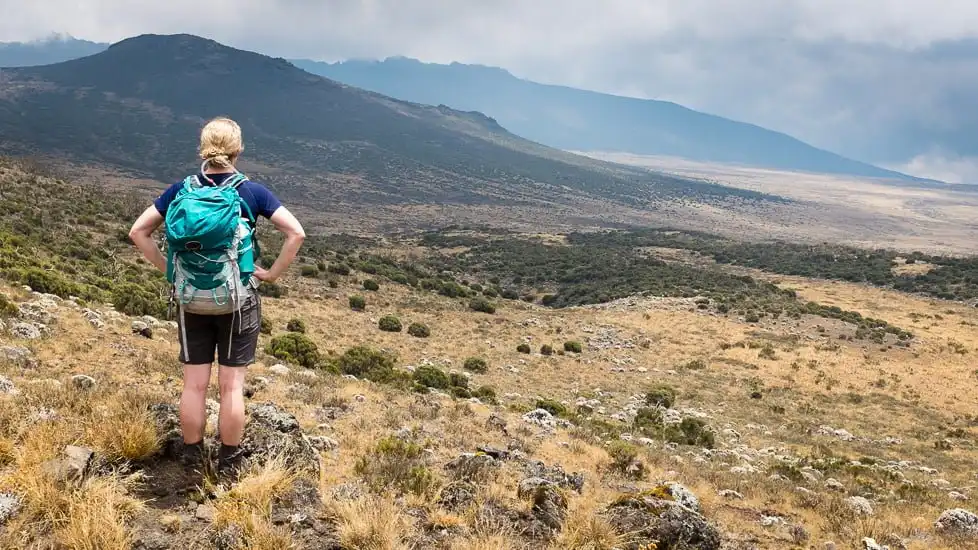
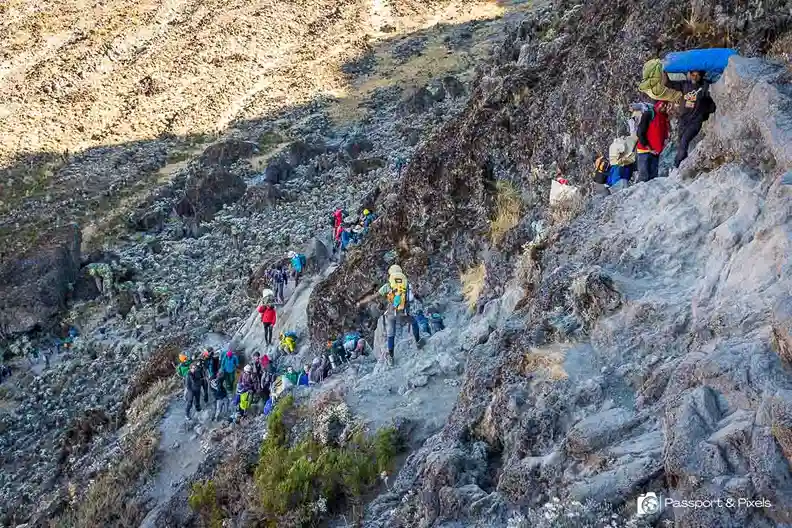
See the Landscapes, Camps and Wildlife Along This Route
Why Climb Kilimanjaro with Capable Africa Tours?
Capable Africa Tours is a locally owned and operated tour company based in Tanzania, specializing in Mount Kilimanjaro climbing experiences. Our team has years of hands-on experience guiding climbers safely to the summit of Africa’s highest peak while delivering authentic, responsible, and memorable adventures.
- Local Expertise: Our Kilimanjaro guides are born and trained in Tanzania, with extensive knowledge of the mountain’s routes, weather patterns, and altitude conditions.
- Certified & Professional Guides: All climbs are led by licensed, first-aid–trained guides who follow Kilimanjaro National Park (KINAPA) regulations and international safety standards.
- Proven Summit Success: Our 7-day itineraries are carefully designed for proper acclimatization, giving climbers a higher chance of reaching Uhuru Peak safely and confidently.
- Responsible & Ethical Tourism: We support fair porter wages, ethical working conditions, and local communities surrounding Mount Kilimanjaro.
- Trusted by Travelers Worldwide: Our climbers come from around the world, choosing Capable Africa Tours for transparent pricing, honest guidance, and personalized service.
Every Kilimanjaro climb with Capable Africa Tours is led by professionals who genuinely care about your safety, success, and experience—because reaching the summit should be challenging, rewarding, and life-changing.
Last Updated: December 2025
Ready to Conquer the Roof of Africa?
Embark on an memorable 7-day Kilimanjaro climbing tour with Capable Africa Tours. Trek through lush rainforests, alpine moorlands, and reach the summit of Uhuru Peak with expert guides ensuring a safe and memorable adventure.
- 7-day itinerary optimized for acclimatization and summit success
- Experienced, certified local guides and support crew
- All-inclusive gear, meals, and campsite arrangements
- Small groups for personalized attention and safety
- Responsible trekking supporting local communities
Spaces are available for this exclusive Kilimanjaro experience—secure your climb today and make your summit dream a reality!
Book Your 7-Day Kilimanjaro Climb