Serengeti National Park
Offers open landscapes, predators, migration possibilities and varied regions for both wide environmental images and animal portraits.

This 7-day Tanzania Photography safari focuses on patient viewing, favorable light, vehicle positioning and time at wildlife sightings across the full Northern Circuit, normally including Tarangire, Serengeti, Ngorongoro Crater and Lake Manyara. It explains suitable parks, timing and viewing strategy without guaranteeing sightings or seasonal events. Prices are per person and based on starting and ending in Arusha; final cost varies by season, group size, route, accommodation, transfers, flights, specialist guiding and activities. Named lodges and camps are recommendations subject to availability, and comparable or client-selected alternatives may be used.
Request a QuoteA photography safari is defined by time, vehicle setup and guiding—not only by carrying a camera. The best plan spends longer at fewer sightings, protects early and late light, and avoids an itinerary overloaded with transfers.
Best for: serious photographers, content creators, couples sharing equipment and travelers who want patient, light-driven game viewing.
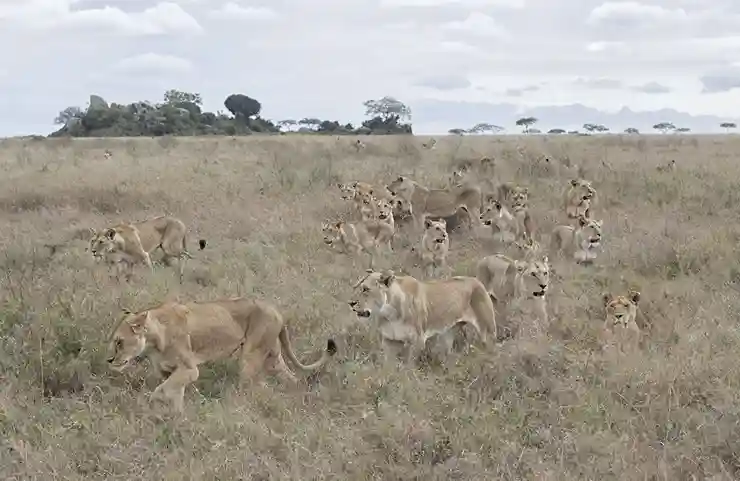
These existing destination itineraries are the closest route matches. The exact overnight region and park sequence should be adjusted for season, wildlife movement and available accommodation.
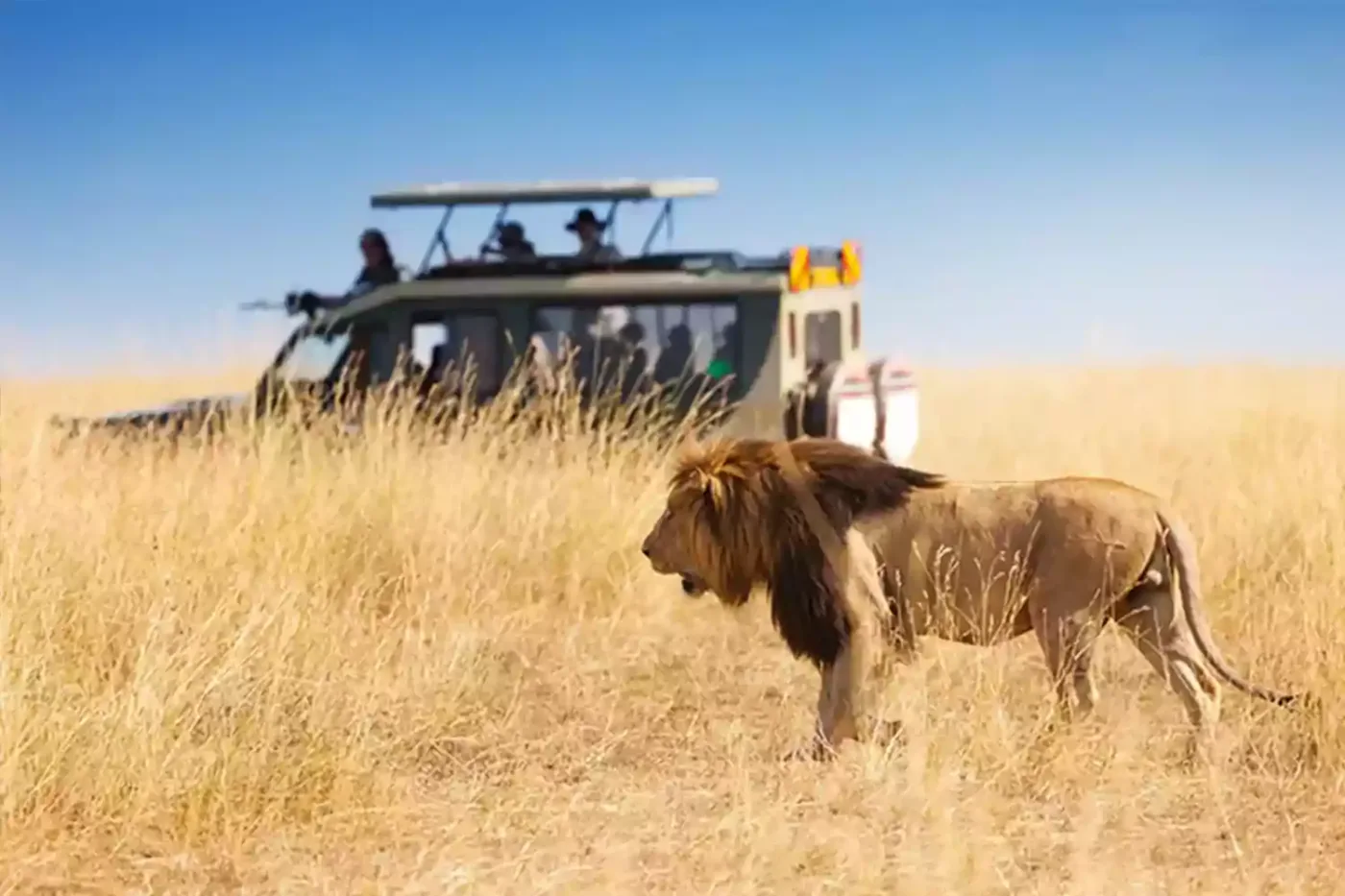
This is the classic 7-day Northern Tanzania safari route. It balances Tarangire elephants, Serengeti big cats, Ngorongoro Crater wildlife density, and the varied scenery of Lake Manyara...
View Itinerary →
A Serengeti-focused 7-day safari gives more time inside the park while still including Ngorongoro Crater and Tarangire. This is one of the best choices for...
View Itinerary →
This family-friendly 7-day safari keeps the route varied and easy to understand. Tarangire, Lake Manyara, Serengeti, and Ngorongoro each offer a different landscape, which helps...
View Itinerary →This example is flexible. Wildlife distribution, rainfall, road conditions and park rules may require the guide to adjust daily priorities.
Request a private vehicle where possible, discuss seat removal or passenger limits, carry protective dust covers, and confirm charging arrangements and domestic-flight baggage rules.
The quotation is mainly influenced by private vehicle occupancy, specialist guide experience, extra Serengeti nights, well-positioned accommodation, internal flights and equipment-baggage arrangements.
Ask for an itemized price showing park and conservation fees, accommodation, vehicle type, guide service, transfers, flights and any specialist arrangements.
Use these supporting pages to compare the same duration by wildlife priority rather than only by destination.
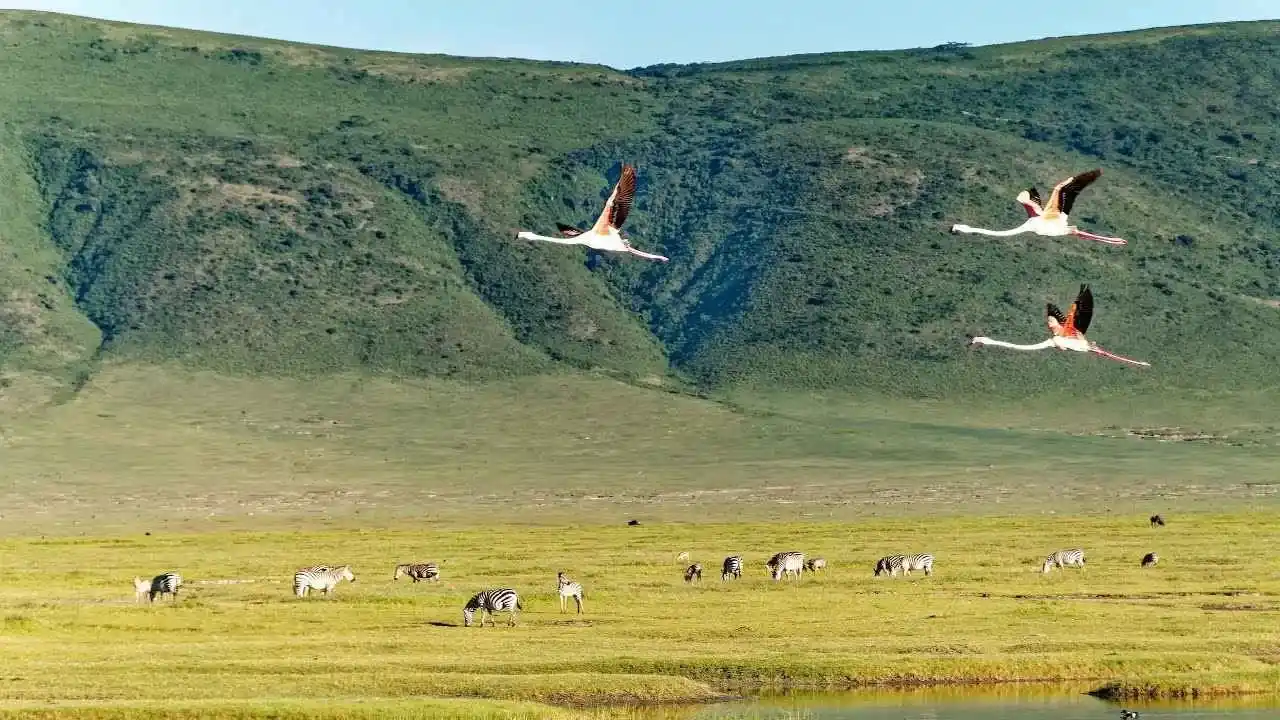
Prioritize the habitats that improve opportunities for lion, leopard, elephant, buffalo and black rhino without treating sightings as guaranteed.
Explore Big Five Safari →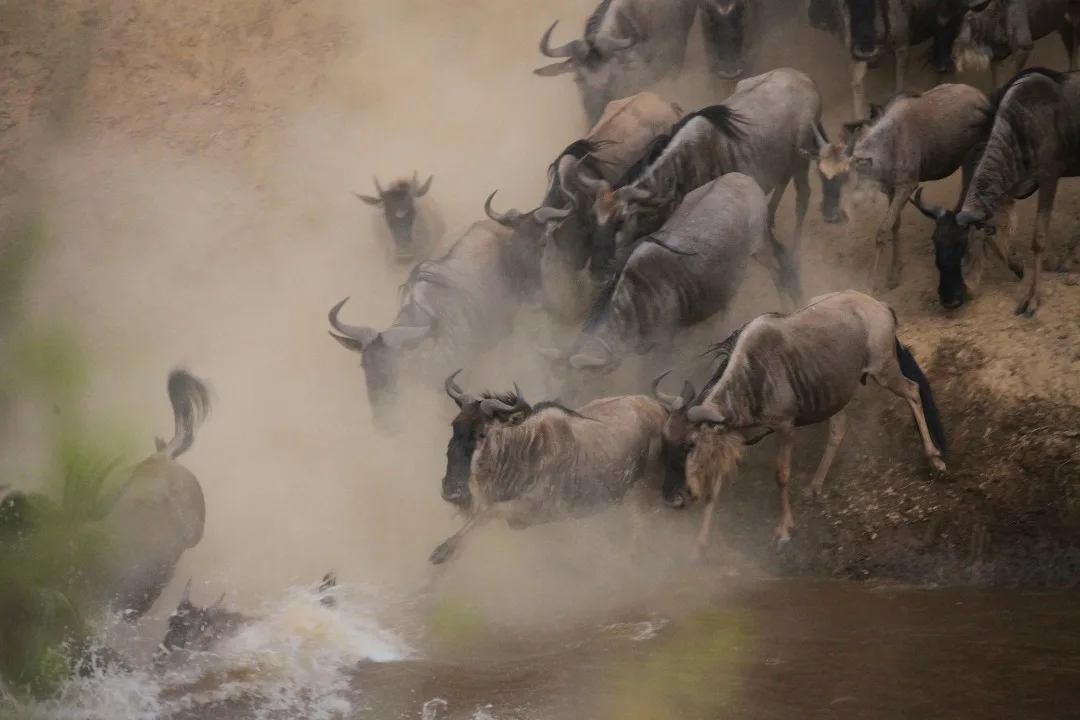
Match the Serengeti region to the travel month and rainfall pattern, with enough time in the field for natural movement rather than a promised single event.
Explore Great Migration Safari →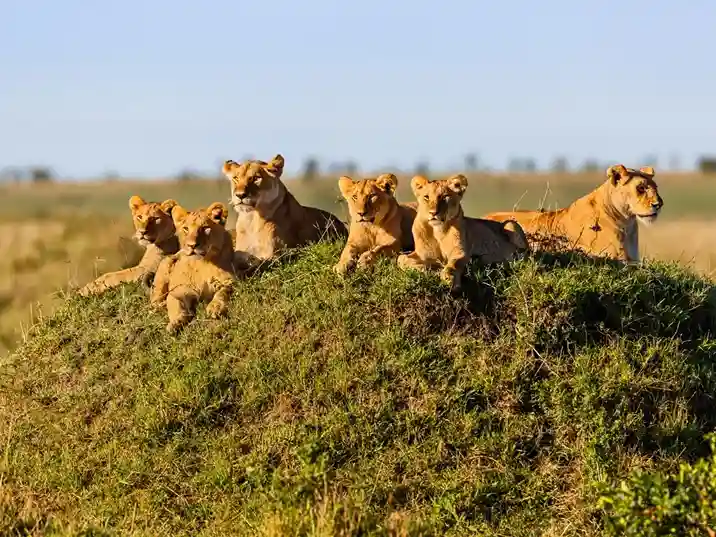
Allocate more time to Serengeti and Ngorongoro, use early starts and focus on behavior, habitat and patient observation of big cats and other carnivores.
Explore Predator Safari →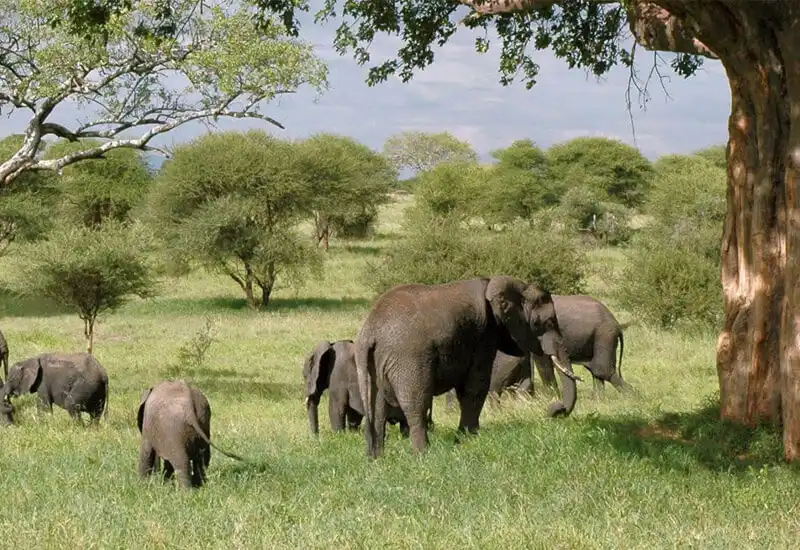
Build the route around Tarangire and complementary Northern Circuit habitats for elephant herds, family behavior, baobab scenery and river-based wildlife.
Explore Elephant Safari →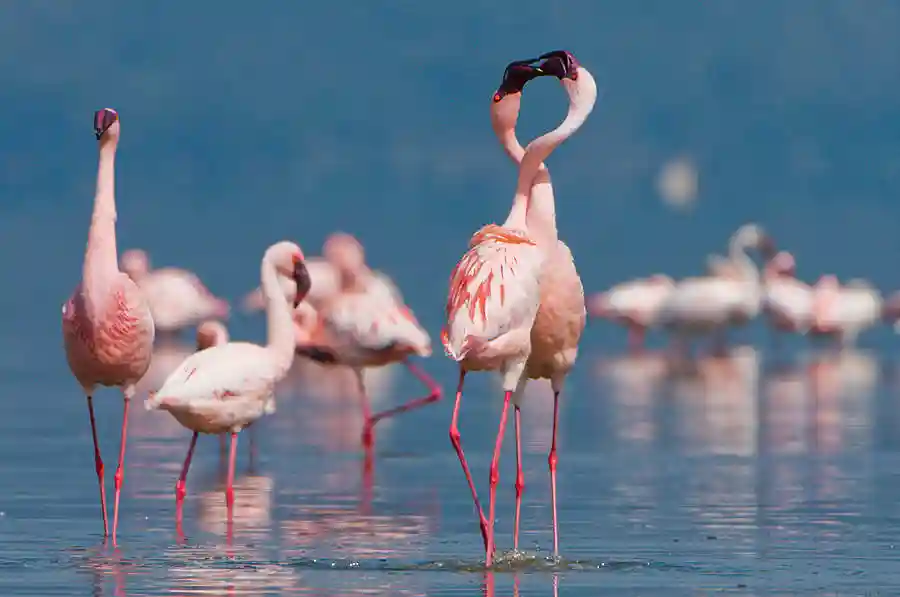
Combine wetlands, woodland, grassland and highland habitats with a guide who can identify calls, behavior and seasonal migrants.
Explore Birdwatching Safari →Share your travel month, group size, starting point, accommodation preference and the wildlife experience that matters most. We will recommend a realistic route and itemized quotation.
Request Your QuoteChat on WhatsApp