
7 Days Tanzania Safari to Tarangire, Serengeti, Ngorongoro and Lake Manyara
This seven-day Tanzania safari combines Tarangire National Park, Serengeti National Park, Ngorongoro Crater and Lake Manyara in a practical Northern Circuit route. Prices start from USD 2,220 per person, based on a safari starting and ending in Arusha. The final quotation varies by travel dates, group size, accommodation level, room arrangement, transfers, park-fee changes and optional upgrades. Recommended lodges or camps are subject to availability and may be replaced with comparable alternatives or adjusted to suit your budget and preferences.
Request Your Safari QuoteQuick Answer: What Is This Safari?
This seven-day Tanzania safari combines Tarangire National Park, Serengeti National Park, Ngorongoro Crater and Lake Manyara in a practical Northern Circuit route. It is designed for travelers who want elephants, baobabs, Serengeti plains, crater wildlife and Rift Valley scenery without rushing the major parks.
Pricing basis: This safari starts from USD 2,220 per person when it begins and ends in Arusha. Other starting points, airport transfers and fly-in arrangements are quoted separately.
Accommodation flexibility: Named lodges and camps are recommended examples rather than guaranteed allocations. You may choose another property, or we may propose a comparable alternative based on availability, budget, route efficiency and your preferences.
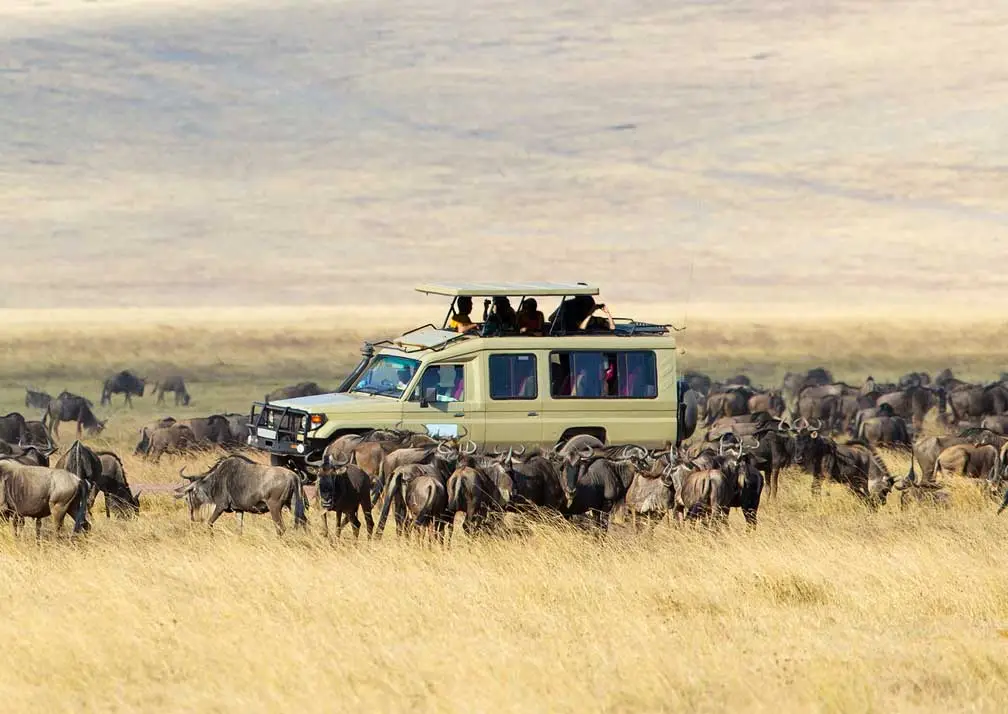
Introduction to 7-Day Tarangire, Serengeti, Ngorongoro and Lake Manyara Safari
This 7 days Tanzania safari to Tarangire, Serengeti, Ngorongoro and Lake Manyara is one of the strongest all-round routes for first-time visitors. It begins with Tarangire’s elephants and baobab woodland, continues to Serengeti for open-plains wildlife, uses Ngorongoro Crater for concentrated Big Five opportunities and finishes with Lake Manyara’s forest and Rift Valley scenery.
The order is useful for travelers who prefer to put the longest Serengeti section in the middle of the safari, then return gradually through Ngorongoro and Manyara. It suits couples, families, photographers and small private groups. The itinerary balances game drives with realistic road time, so you avoid trying to force too many parks into too few days.
Key Tour Facts
| Duration | 7 days and 6 nights |
|---|---|
| Destinations | Tarangire National Park, Serengeti National Park, Ngorongoro Crater, Lake Manyara National Park |
| Starting Point | Arusha is the standard pricing base. Moshi, Kilimanjaro International Airport, Arusha Airport, Zanzibar fly-in or another agreed pickup can be arranged, with additional transport or flight costs quoted separately. |
| Ending Point | Arusha is the standard return point. Airport drop-off, Moshi, Zanzibar connection or another agreed endpoint can be arranged and quoted according to timing and logistics. |
| Starting Price | Starts from USD 2,220 per person, based on a safari starting and ending in Arusha. Final pricing is customized. |
| Accommodation Category | Mid-range lodges and tented camps, with budget or luxury upgrades available on request. Named properties are recommendations and remain subject to availability and your preferences. |
| Travel Style | Private road safari in a 4x4 vehicle with a professional Tanzania safari driver-guide |
| Best Time | Year-round; June to October for dry-season wildlife, and November to May for green scenery, birdlife and softer photography light. |
| Private / Group | Private safari as standard; group-joining options can be quoted where schedules match |
| Family Friendly | Yes, for children comfortable with early starts, road transfers and full game-drive days |
| Big Five Opportunities | Strong Big Five opportunities through Serengeti and Ngorongoro, but leopard and rhino sightings are never guaranteed. |
Who This Tour Is Best For
First-Time Safari Travelers
This itinerary gives a clear introduction to Tanzania’s Northern Circuit without making the route too short or too rushed.
Couples and Honeymooners
Private guiding, scenic lodges and varied landscapes create a comfortable route for travelers who want wildlife and quiet evenings.
Families
The route can work well for families when children are prepared for early mornings, picnic lunches and several hours inside a safari vehicle.
Wildlife Lovers
Seven days gives better time for animal behavior, photography and different habitats than a very short two or three-day safari.
Zanzibar Extensions
The route can end with a flight connection to Zanzibar, making it practical for travelers combining safari and beach.
Private Small Groups
Friends, families and small groups benefit because vehicle costs are shared while the itinerary remains flexible.
Who This Tour May Not Suit
- Travelers wanting only luxury camps: This page is priced around a mid-range package. Luxury lodges can be added but the quotation will change.
- Guests who dislike long drives: Serengeti road safaris involve real travel time across the highlands and plains.
- Slow travelers: Seven days is comfortable for this route, but it still includes early starts and active days.
- Visitors expecting guaranteed sightings: Wildlife is natural. Guides improve chances, but no responsible operator guarantees every animal.
Tour Highlights
- Start with elephants, baobabs and seasonal river routes in Tarangire
- Spend several nights in Serengeti for better big-cat and plains-wildlife opportunities
- Descend into Ngorongoro Crater for one of Tanzania’s most concentrated wildlife days
- Finish with Lake Manyara’s forest, lake and escarpment scenery
- Travel privately with a professional guide and pop-up-roof 4x4
- Use mid-range lodges and tented camps that keep the route practical
Why Choose This Safari?
This safari works well because it puts the major parks in a logical order. Tarangire gives you a strong first wildlife day without driving too far. Serengeti receives enough time to justify the distance. Ngorongoro is placed after Serengeti so you return toward Karatu naturally, and Lake Manyara adds a final contrast before Arusha.
The route is also good value because it combines four famous Northern Tanzania safari areas in one week while still using comfortable mid-range accommodation. You get varied landscapes, different wildlife habitats and a clear return plan for Zanzibar or international flight connections.
Day-by-Day Safari Itinerary
Day 1: Arusha to Tarangire National Park
After breakfast, depart from Arusha toward Tarangire National Park. The drive introduces rural northern Tanzania before you enter a landscape of baobab trees, river habitat and open woodland. Spend the day on a game drive with a picnic lunch inside or near the park, then continue to your lodge in the Tarangire, Manyara or Karatu area.
Day 3: Karatu to Serengeti National Park
After breakfast, drive through the Ngorongoro highlands and continue toward Serengeti National Park. The journey is long but scenic, moving from farms and highland views into open plains. After entering Serengeti, enjoy an afternoon game drive while heading toward your central Serengeti tented camp.
Day 4: Full-Day Serengeti Game Drive
Spend a full day exploring Serengeti with your guide. The route depends on wildlife movement, road conditions and your interests. Central Serengeti is strong for resident wildlife, kopjes, big-cat territories and open plains. You may return to camp for lunch or carry a picnic to maximize viewing time.
Day 4: Full-Day Serengeti Game Drive
Spend a full day exploring Serengeti with your guide. The route depends on wildlife movement, road conditions and your interests. Central Serengeti is strong for resident wildlife, kopjes, big-cat territories and open plains. You may return to camp for lunch or carry a picnic to maximize viewing time.
Day 5: Serengeti Exploration and Ngorongoro Highlands
Use the morning for another Serengeti game drive, when predator activity and soft light may be better. Later, begin the drive toward Ngorongoro Conservation Area. Depending on lodge availability and route choice, overnight can be near the crater rim or in Karatu for better value.
Day 6: Ngorongoro Crater Game Drive
After an early breakfast, drive to the Ngorongoro gate and descend into the crater for a focused game drive. The crater floor includes grassland, marsh, lake edge and forest habitat. After a picnic lunch and more wildlife viewing, return to Karatu for the final overnight or continue according to your onward plan.
Day 2: Lake Manyara National Park Game Drive
Begin with breakfast and continue to Lake Manyara National Park. The park is smaller than Serengeti or Tarangire but its habitats change quickly, from forest and escarpment views to lake-edge scenery and open areas. After the game drive, continue to Karatu for dinner and overnight, positioning the route for Ngorongoro or Serengeti.
Destinations Included
Tarangire National Park
Tarangire is known for elephants, baobab trees, seasonal river habitat, woodland, swamps and strong dry-season wildlife concentrations. It is also a rewarding park for birders and photographers because the landscapes feel different from Serengeti and Ngorongoro.
Serengeti National Park
Serengeti is Tanzania’s most famous savannah ecosystem, valued for big cats, open plains, seasonal migration movement, kopjes, resident herbivores and wide horizons. A seven-day route gives enough time to sleep inside or near the park for better game-drive hours.
Ngorongoro Crater
Ngorongoro Crater is a compact wildlife-viewing area inside the larger conservation area. Its grasslands, marshes, lake edge and forest support lions, buffaloes, elephants, hippos, hyenas, wildebeest, zebras and possible black rhino sightings.
Lake Manyara National Park
Lake Manyara sits below the Great Rift Valley escarpment and combines groundwater forest, lake shore, acacia woodland and open areas. Visitors may see elephants, baboons, giraffes, hippos, flamingos in suitable conditions and tree-climbing lions when luck allows.
Wildlife You May See
Wildlife on this safari may include elephants, lions, giraffes, zebras, wildebeest, buffaloes, hippos, hyenas, warthogs, antelopes, monkeys and many birds. In Serengeti, cheetahs and leopards are possible but not guaranteed. In Ngorongoro, black rhino is possible but unpredictable. Migration sightings depend on season, rainfall and herd movement.
A good safari is not only about checking names from a list. Time in the parks allows you to watch behavior: elephants feeding near a river, lions resting after a hunt, giraffes moving through woodland, or wildebeest and zebras spreading across open plains. Our guides help interpret what you see so the experience feels informed, not rushed.
Recommended Mid-Range Accommodation
Accommodation note: The properties below are recommendations rather than guaranteed allocations. Your confirmed itinerary may use one of the recommended properties, a comparable alternative in the same or requested category, or another property you choose. Confirmation depends on availability, route efficiency, rooming, budget and your preferences, and any price difference will be included in the written quotation.
This is not a fixed hotel-only package. We normally confirm the lodges below or similar properties of the same level depending on availability, travel dates, room type and final budget. The goal is to keep the route logical, comfortable and close enough to the parks so you do not lose important game-drive time.
Maramboi Tented Lodge
Location: Wildlife corridor between Tarangire and Lake Manyara
Type: Mid-range to upper-mid-range tented lodge
Room features: Large tented rooms with en-suite bathrooms and private decks
Facilities: Restaurant, bar, swimming pool and open views toward the Rift Valley landscape
Meal plan: Full-board safari basis when used overnight
Swimming pool: Yes
Wi-Fi: Usually available around common areas
Approximate rating: Upper mid-range
Why we recommend it: It fits routes that want a scenic first or last night near Tarangire and Lake Manyara without returning to Arusha.
Suggested link:Official website
Serengeti Kati Kati Tented Camp
Location: Central Serengeti
Type: Mobile tented camp
Room features: Canvas safari tents with proper beds and private bathroom facilities
Facilities: Dining tent, lounge area and campfire-style safari atmosphere
Meal plan: Full-board safari basis
Swimming pool: No
Wi-Fi: Limited or not reliable; expect a bush-camp setting
Approximate rating: Comfortable mid-range tented camp
Why we recommend it: Its central Serengeti location works well for game drives and for connecting between Seronera, Ngorongoro and seasonal migration areas.
Suggested link:Official website
Eileen's Trees Inn
Location: Karatu, between Lake Manyara and Ngorongoro
Type: Mid-range lodge
Room features: En-suite twin, double or family rooms with garden setting
Facilities: Restaurant, bar, gardens, swimming pool and common-area Wi-Fi
Meal plan: Full-board safari basis when included in the itinerary
Swimming pool: Yes
Wi-Fi: Usually available in common areas
Approximate rating: Approximately 3-star to comfortable mid-range
Why we recommend it: It is practical for Ngorongoro, Lake Manyara and routes continuing to Serengeti because it avoids unnecessary backtracking.
Suggested link:Official website
Marera Valley Lodge
Location: Karatu area
Type: Mid-range lodge
Room features: Spacious en-suite rooms with veranda-style areas
Facilities: Restaurant, bar, gardens, pool and reception/common-area internet
Meal plan: Full-board or dinner, bed and breakfast depending on the itinerary night
Swimming pool: Yes
Wi-Fi: Available, with strongest reliability normally in public areas
Approximate rating: Comfortable mid-range
Why we recommend it: A strong alternative when Eileen's Trees Inn is full or when guests prefer a larger lodge setting.
Suggested link:Official website
Recommended option: Maramboi Tented Lodge for the route section it serves best. Alternative option: Serengeti Kati Kati Tented Camp or similar can be used when availability or budget requires a change.
Best Time to Go
Dry Season: June to October
The dry season is popular because grass is shorter, roads are generally easier and animals often concentrate near water. It is excellent for classic wildlife viewing, but rates and availability can be tighter, especially around popular Serengeti areas and Ngorongoro.
Green Season: November to May
The green season brings fresh grass, dramatic skies, birdlife and softer light for photography. Some rain is normal, but safaris continue. The Ndutu area becomes especially important from roughly December to March when migration herds may use the southern plains.
Shoulder Season
Late May, early June, late October and parts of November can offer a useful balance of scenery, wildlife and value. For most travelers, the best date is the one that matches the whole Tanzania plan, flight schedule and accommodation availability.
7-Day Tarangire, Serengeti, Ngorongoro and Lake Manyara Safari Price and Custom Pricing
| Pricing Basis | Details |
|---|---|
| Starting price | From USD 2,220 per person |
| Base departure | Safari starts and ends in Arusha |
| Final quote depends on | Travel dates and season, number of travelers, rooming, accommodation category and availability, park and conservation fee updates, pickup/drop-off or flights, private/group style, child ages, optional activities and upgrades |
What Affects the Price?
Group size: Safari vehicles, guide costs and some transfers are shared, so the per-person cost usually decreases as the number of travelers increases.
Accommodation category: Budget camping or simple lodges reduce cost, mid-range lodges balance comfort and value, and luxury camps increase the price significantly.
Travel season: High season dates often have higher room demand. Shoulder and green season travel may offer better value when lodges have space.
Private vs shared safari: A private safari costs more per person for small groups but gives better control over pace, photography stops and pickup plans.
Children discounts: Children may receive discounts depending on age, room sharing, park-fee rules and lodge policy. The exact amount should be calculated after ages are confirmed.
Value for Money
This package gives strong value because it combines four distinct wildlife areas in one week. Tarangire adds elephants and baobabs, Serengeti adds time for big cats and plains wildlife, Ngorongoro adds crater concentration and Lake Manyara adds scenery and forest habitat near the end of the route.
Price Transparency
This itinerary starts from USD 2,220 per person based on a safari starting and ending in Arusha. The final quotation varies according to travel dates and season, number of travelers, room arrangement, accommodation category and availability, park or conservation fee updates, pickup and drop-off requirements, domestic flights or transfers, private or group travel style, child ages, optional activities and requested upgrades. We confirm the final amount, selected accommodation and all inclusions in writing before payment.
What Is Included
- Private 4x4 safari vehicle with pop-up roof as specified in the quotation
- Professional English-speaking Tanzania safari driver-guide
- Park entrance fees and conservation fees listed in the confirmed itinerary
- Ngorongoro crater service or descent fee when the crater is included
- Mid-range lodge and tented camp accommodation on full-board safari basis
- Meals listed in the itinerary and drinking water during game drives
- Arusha hotel pickup and return transfer when stated in the quotation
- Route planning support before arrival in Tanzania
What Is Excluded
- International flights and optional domestic flights unless quoted separately
- Tanzania visa fees, travel insurance and medical expenses
- Accommodation before or after the safari unless added to the package
- Tips for guides, lodge staff and porters where applicable
- Alcoholic drinks, premium beverages and personal purchases
- Optional cultural visits, balloon safari, night game drives or walking activities not listed
- Extra transfers caused by flight delays, route changes or personal schedule changes
Travel Logistics
Arrival airports: Kilimanjaro International Airport is the main international gateway for Northern Tanzania. Arusha Airport is useful for domestic connections, including Zanzibar and some Serengeti flights.
Transfers: Most seven-day safaris start from Arusha after an overnight stay. Starting directly from the airport can work only when arrival time is early and delays are unlikely.
Visa: Visa rules depend on nationality, passport type and current regulations. Travelers should check official Tanzania immigration guidance before departure.
Currency: US dollars are commonly used for safari quotations, while Tanzania shillings are useful for small local purchases and tips.
Internet and SIM cards: Lodges may offer Wi-Fi in common areas, but speed can vary. A local SIM can help in towns, though park coverage is not guaranteed.
Packing: Use soft luggage, neutral clothing, a warm layer, sun protection, personal medication, camera batteries and binoculars. Hard suitcases can reduce vehicle space.
Local Expert Tips
- Sleep in Arusha before departure so Day 1 starts without airport-delay pressure.
- Carry binoculars for every traveler who cares about birds, cats or distant plains wildlife.
- Use soft luggage because seven-day safaris involve several lodge and camp changes.
- Bring a warm layer for Ngorongoro, early Serengeti mornings and open-vehicle moments.
- Ask your guide about animal behavior instead of only asking for the next species.
- Keep camera batteries and power banks charged whenever the vehicle reaches lodge power.
- Share dietary needs, allergies and mobility issues before lodges are confirmed.
- Avoid tight flight connections on the final day; road delays can happen.
- Choose private travel if you need more photography time, family stops or a gentler pace.
- Respect park rules. Good guides will not risk permits, safety or wildlife welfare for a closer photo.
Common Mistakes to Avoid
- Choosing only by the cheapest price: A poor lodge location or tired vehicle can reduce the quality of a seven-day safari.
- Underestimating road time: Serengeti road safaris are rewarding, but transfers are part of the experience.
- Booking late in peak season: Good mid-range camps can sell out early, especially in Serengeti and Karatu.
- Packing too much: Soft bags keep the vehicle organized and make lodge changes easier.
- Expecting every predator on demand: Guides track signs and communicate locally, but sightings remain natural.
- Ignoring early starts: Morning hours are often productive for wildlife movement and photography.
Safety and Responsible Travel
Safari safety depends on listening to your guide, staying inside the vehicle in wildlife areas, keeping distance from animals and following park rules. Do not feed wildlife, request illegal off-road driving or stand up suddenly near animals. Responsible viewing protects both guests and wildlife.
We also encourage respectful cultural interaction. Ask before photographing people, support licensed community experiences, reduce plastic waste and use accommodation that follows local employment and conservation practices. A good safari should benefit travelers, wildlife areas and nearby communities.
Explore More Tanzania Safaris
Great Migration Safaris
Experience one of nature’s greatest spectacles with our Great Migration safari packages, timed for river crossings or calving.
View Package →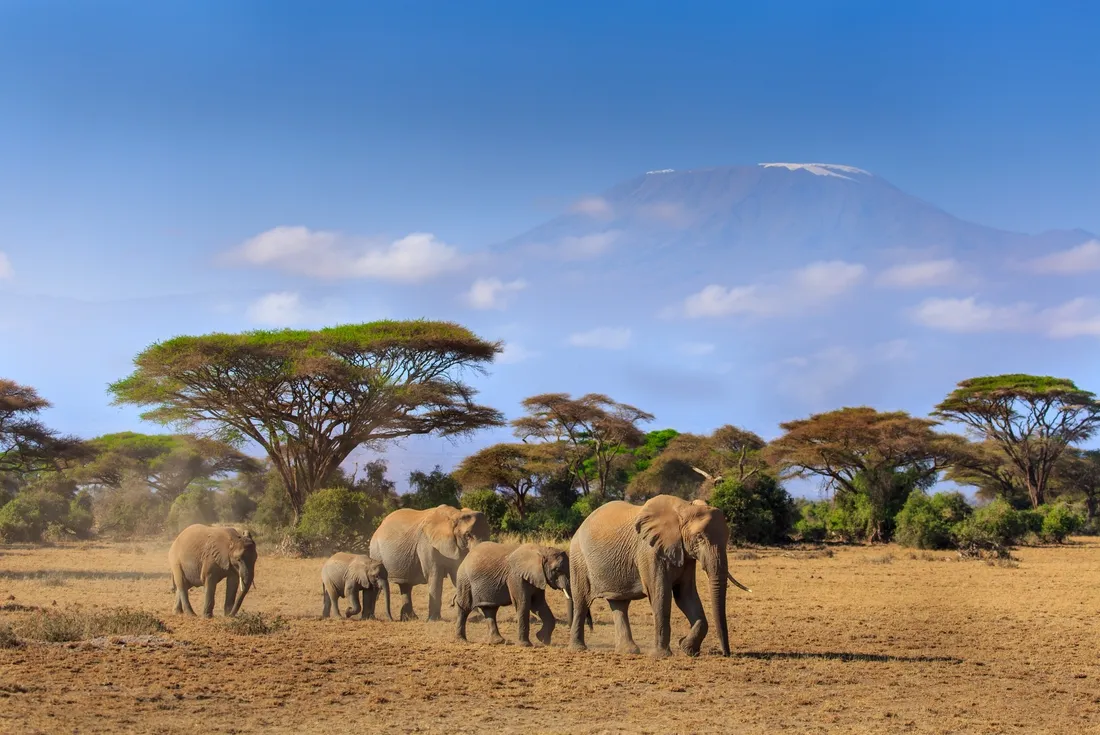
Serengeti & Kilimanjaro Trek
Combined safari and trekking tours offer wildlife adventures and Kilimanjaro climbs.
View Package →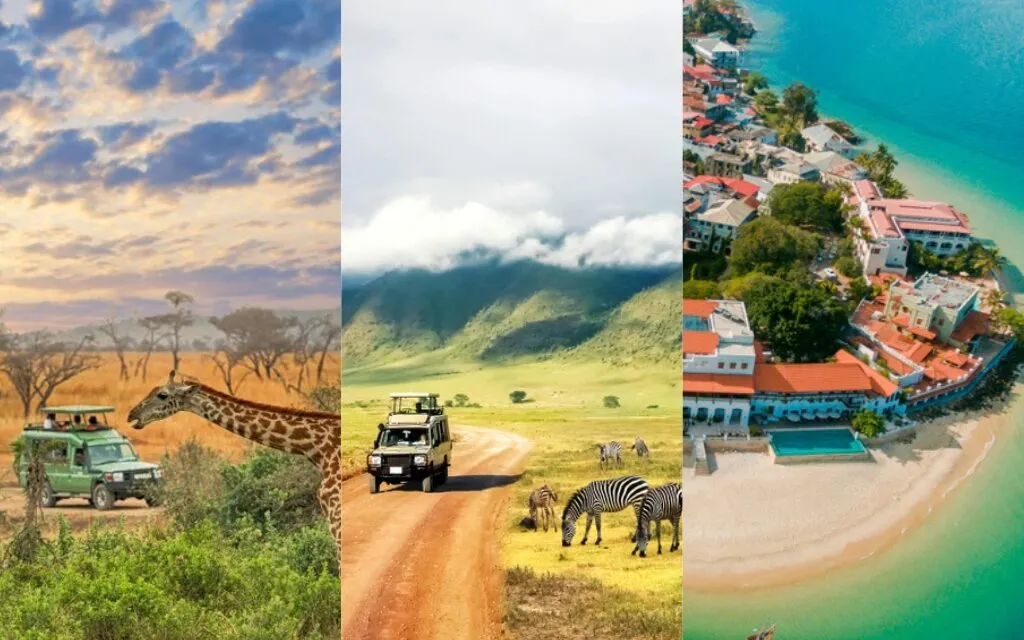
Serengeti & Zanzibar Tours
Luxury Tanzania safari & beach packages with the Great Migration and pristine beaches.
View Package →Related Travel Guides
Frequently Asked Questions
Package Author and Reviewer
Content Freshness
Last Updated: July 10, 2026
Fact Checked: Yes. Routes, travel times, lodge categories and pricing are reviewed for realistic Tanzania safari planning.
Why Book With Capable Africa Tours?
We build Tanzania safari routes around real travel conditions, park timing, accommodation location and guest comfort. The purpose is not to list as many destinations as possible, but to create a route that gives you useful wildlife time and a clear plan from arrival to departure.
- Local expertise: Route planning from Arusha, Moshi, Kilimanjaro International Airport and Zanzibar connections
- Experienced guides: Driver-guides who understand park rules, animal behavior and practical guest care
- Safety: Clear pickup details, suitable vehicles and realistic daily timing
- Flexibility: Private itineraries can adjust pace, lodge level, room type and family needs
- Transparency: Clear starting-price basis, recommended accommodation options, written final quotations and confirmed inclusions before payment.
- Responsible tourism: Respectful wildlife viewing and cooperation with licensed local suppliers
Plan Your 7-Day Tarangire, Serengeti, Ngorongoro and Lake Manyara Safari
Prices start from USD 2,220 per person based on an Arusha start and return. Send your travel date, number of travelers, rooming, preferred accommodation level, pickup point and special interests so we can confirm availability and prepare the final written quotation.
WhatsApp InquiryCustomize This Safari