
8-Day Tanzania Photography Safari 2026/2027: Light, Positioning and Pace
8-Day Tanzania Photography Safari 2026/2027: Light, Positioning and Pace is a detailed planning guide for travelers who want enough time to explore Tanzania without turning every day into a transfer. It explains the route, overnight locations, seasonal trade-offs, accommodation and transport choices, likely cost drivers, inclusions, alternatives and the practical questions to settle before booking. Wildlife remains natural and cannot be guaranteed.
Request Your Safari QuoteQuick Answer: What Is This Safari?
The 8 Days Tanzania Photography Safari is a private Northern Circuit itinerary for travelers who want better time, light and positioning for wildlife images. It uses flexible game drives in Tarangire, Lake Manyara, Ngorongoro and Serengeti, with emphasis on behavior, backgrounds, early starts and patient guiding.
Pricing basis: This safari starts from USD 2,760 per person when it begins and ends in Arusha. Other starting points, airport transfers and fly-in arrangements are quoted separately.
Accommodation flexibility: Named lodges and camps are recommended examples rather than guaranteed allocations. You may choose another property, or we may propose a comparable alternative based on availability, budget, route efficiency and your preferences.
What the Tanzania Photography Safari Includes and Who It Suits
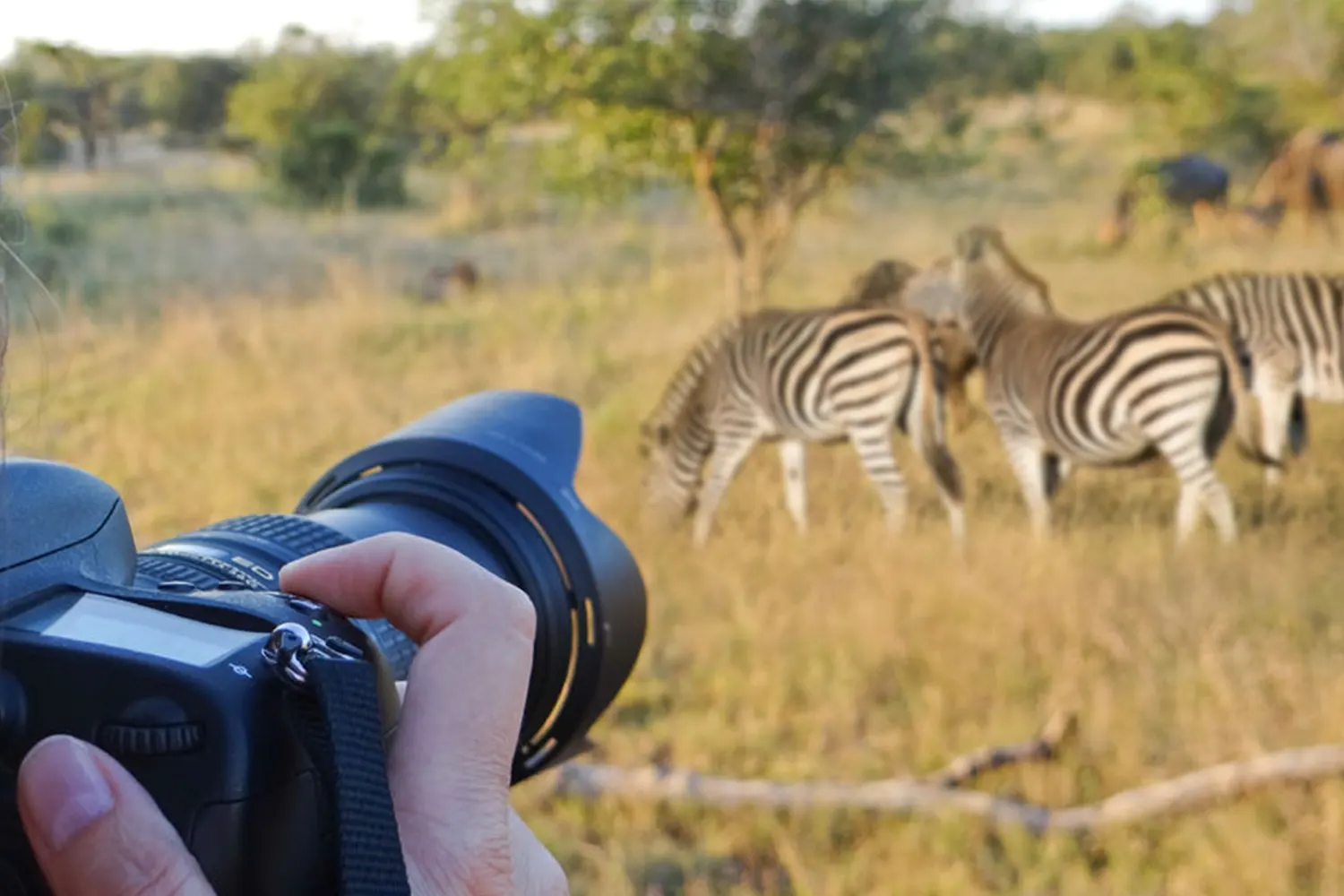
A photography safari should not be planned exactly like a normal sightseeing safari. Photographers need time at sightings, good light, safe camera handling, vehicle space and a guide who understands angles and patience. This itinerary gives extra attention to Tarangire elephants, Ngorongoro landscapes and Serengeti big-cat opportunities.
Eight days allows a better rhythm: two Tarangire days for elephants and baobabs, one Lake Manyara day for forest and birdlife, one crater day for concentrated wildlife, and several Serengeti days for predators and plains images. The route suits serious hobby photographers, content creators and travelers who simply want better photos from their safari.
Key Tour Facts
| Duration | 8 days and 7 nights |
|---|---|
| Destinations | Tarangire, Lake Manyara, Ngorongoro Crater and Serengeti |
| Starting Point | Arusha is the standard pricing base. Moshi, Kilimanjaro International Airport, Arusha Airport, Zanzibar fly-in or another agreed pickup can be arranged, with additional transport or flight costs quoted separately. |
| Ending Point | Arusha is the standard return point. Airport drop-off, Moshi, Zanzibar connection or another agreed endpoint can be arranged and quoted according to timing and logistics. |
| Starting Price | Starts from USD 2,760 per person, based on a safari starting and ending in Arusha. Final pricing is customized. |
| Accommodation Category | Mid-range to upper mid-range lodges and tented camps. Named properties are recommendations and remain subject to availability and your preferences. |
| Travel Style | Private photography-focused safari |
| Best Time | Year-round; dry season for dust and visibility, green season for color and birds |
| Private / Group | Private recommended for vehicle space and positioning |
| Family Friendly | Possible, but designed mainly for adults and older teens interested in photography |
| Big Five Opportunities | Good opportunities, with no guarantees |
Who This Tour Is Best For
Wildlife Photographers
Private vehicle pacing and longer time at quality sightings.
Content Creators
Varied landscapes, animals and lodge settings provide storytelling material.
Birders with Cameras
Lake Manyara and Tarangire add strong birdlife opportunities.
Couples or Friends
Good for small private groups sharing the same pace.
Repeat Safari Travelers
Ideal if you want behavior and composition rather than a checklist.
Who This Tour May Not Suit
- Travelers wanting fast sightseeing: Photography requires patience at fewer, better sightings.
- Large mixed-interest groups: Non-photographers may find the pace too slow.
- Guests unwilling to start early: Morning light is important.
- Very low budgets: Private vehicle space is essential for the best experience.
What You Can Experience Across the Full Route
- Private vehicle planned for photography space
- Tarangire elephant and baobab compositions
- Lake Manyara forest, primates and birdlife
- Ngorongoro crater landscapes and wildlife density
- Several Serengeti days for big cats and behavior
- Early starts and flexible picnic-lunch days
- Optional balloon safari or fly-out extension
- Guiding style focused on patience and positioning
Who This Route Suits—and When to Choose a Different One
This itinerary gives photographers what they need most: time. Instead of rushing to tick off species, your guide can wait for behavior, adjust vehicle angle, watch light and avoid crowd pressure where possible.
The route also gives varied image types. Tarangire offers elephants and baobabs, Lake Manyara adds forest and birds, Ngorongoro gives wide landscapes, and Serengeti provides open-plains wildlife and predator opportunities.
Day-by-Day Safari Itinerary
Day 1: Arusha to Tarangire for Afternoon Light
Depart Arusha early enough to reach Tarangire for a productive afternoon game drive. The aim is not to race through the park, but to position for elephants, baobabs and warm late light.
Local Expert Note: Ask your guide to prioritize light angle, background and patience over quick species counting.
Day 2: Full-Day Tarangire Photography
Spend a full day working Tarangire’s river lines, woodland, baobabs and open areas. The park is excellent for elephant compositions, dust, silhouettes and habitat-based images.
Local Expert Note: A second Tarangire day helps photographers revisit locations in better light.
Day 3: Lake Manyara and Rift Valley Textures
Drive to Lake Manyara for forest, escarpment and lake-edge photography. This day is especially useful for primates, birds, green habitat, reflections and environmental images. Continue to Karatu.
Local Expert Note: Manyara rewards photographers who appreciate habitat, not only large mammals.
Day 4: Ngorongoro Crater Photography Day
Enter Ngorongoro early for morning light on the crater floor. Work with your guide to use distance, animal position and vehicle placement respectfully. The crater offers wide landscapes and concentrated wildlife.
Local Expert Note: Long lenses help in the crater because off-road driving is restricted and animals may be distant.
Day 5: Karatu to Central Serengeti
Drive to Serengeti through the Ngorongoro Conservation Area. Use the journey for landscapes, Maasai highlands, plains transitions and wildlife en route. Arrive in Central Serengeti for evening light if timing allows.
Local Expert Note: Keep dust protection ready; road transfers can be hard on camera gear.
Day 6: Central Serengeti Big-Cat Photography
Focus on Central Serengeti habitats where lions, leopards and cheetahs may be found. The guide can spend longer at quality sightings instead of moving too quickly. Picnic lunch keeps you in the field.
Local Expert Note: Patience at one strong sighting often produces better images than collecting many rushed sightings.
Day 7: Serengeti Behavior and Landscape Day
Use a second full Serengeti day for sunrise silhouettes, kopjes, predator behavior, dust, birds and wider environmental frames. Optional balloon safari can be added where available.
Local Expert Note: Tell your guide your lens range so vehicle position matches your equipment.
Day 8: Final Serengeti Morning and Return
Take a final morning drive before beginning the return toward Karatu or Arusha depending on flight plans. The last morning is often valuable for unexpected behavior, so avoid packing cameras too early.
Local Expert Note: If budget allows, a Serengeti fly-out protects your final morning and reduces fatigue.
Destinations Included
Tarangire National Park
Tarangire is known for elephants, baobabs, seasonal wetlands and the Tarangire River. Dry months can concentrate wildlife near water, while green months bring softer scenery and birdlife.
Lake Manyara National Park
Lake Manyara sits below the Rift Valley escarpment and offers groundwater forest, bush plains, lake views and rich birdlife. It is not a large park, but its habitat variety is valuable.
Ngorongoro Crater
Ngorongoro Crater is a collapsed volcanic caldera with grassland, marsh, forest and lakeshore habitats. It offers one of the strongest single-day wildlife experiences in Tanzania.
Serengeti National Park
Serengeti is Tanzania’s iconic open-plains ecosystem, famous for predators, plains game and seasonal migration movement across different sectors.
Wildlife You May See
You may see elephants, lions, buffaloes, giraffes, zebras, wildebeest, gazelles, hyenas, hippos, warthogs, baboons, monkeys and many birds. Serengeti and Ngorongoro provide the strongest big-cat opportunities, while Tarangire is especially good for elephants.
Black rhino is possible in Ngorongoro but cannot be guaranteed. Leopards are present in Serengeti and other areas, but they are naturally elusive. The best safari mindset is to value behavior, landscapes and variety instead of treating wildlife like a checklist.
Recommended Accommodation Options
Accommodation note: The properties below are recommendations rather than guaranteed allocations. Your confirmed itinerary may use one of the recommended properties, a comparable alternative in the same or requested category, or another property you choose. Confirmation depends on availability, route efficiency, rooming, budget and your preferences, and any price difference will be included in the written quotation.
Photography accommodation is selected for location first, then comfort. Being well positioned reduces wasted driving and improves early-morning access to the right light.
| Accommodation | Location & Type | Room Features | Facilities & Meal Plan | Why We Recommend It |
|---|---|---|---|---|
| Maramboi Tented Lodge Official Website |
Near Tarangire and Lake Manyara ecosystem Upper mid-range tented lodge |
Spacious tented rooms and open views | Restaurant, pool, lounge and landscape views Meal Plan: Full board Pool: Yes Wi-Fi: Available in main areas |
Good for landscape feeling and Tarangire access Approximate Rating: Well-regarded operator-used lodge |
| Marera Valley Lodge Official Website |
Karatu Mid-range lodge |
Comfortable en-suite rooms and gardens | Restaurant, pool and relaxed grounds Meal Plan: Dinner and breakfast Pool: Yes Wi-Fi: Available |
Practical for early Ngorongoro access Approximate Rating: Popular Karatu base |
| Kubu Kubu Tented Lodge or Serengeti Kati Kati Official Website |
Central Serengeti Tented camp or lodge |
En-suite rooms/tents with Serengeti access | Dining areas and safari service; pool at Kubu Kubu Meal Plan: Full board Pool: Depends on selected camp Wi-Fi: Limited to available areas |
Good base for early and late game drives in productive areas Approximate Rating: Strong Serengeti options |
Recommended option: Maramboi, Marera Valley and a well-positioned Serengeti camp. Alternative option: add a fly-out or upgrade to a premium camp if photography time is more important than budget.
How the Travel Month Changes Conditions and Routing
Dry Season
Dust, open vegetation and wildlife near water can create strong images. Light can be harsh in midday, so early and late drives matter.
Green Season
Green backgrounds, dramatic skies, baby animals in some areas and migratory birds can be excellent for photography.
Migration Months
Great for action potential when routed correctly, but photographers should book early and expect premium camp rates in key sectors.
8 Days Tanzania Photography Safari Price and Custom Pricing
| Pricing Basis | Details |
|---|---|
| Starting price | From USD 2,760 per person |
| Base departure | Safari starts and ends in Arusha |
| Final quote depends on | Travel dates and season, number of travelers, rooming, accommodation category and availability, park and conservation fee updates, pickup/drop-off or flights, private/group style, child ages, optional activities and upgrades |
What Affects the Price?
Group size: The private vehicle and guide are shared across the group, so per-person cost usually drops as travelers increase.
Accommodation category: Budget camping lowers cost, mid-range gives comfort and private bathrooms, while luxury camps can more than double the price.
Travel season: High season and migration months often have higher lodge rates and less availability.
Private vs shared: Private safari costs more but gives better pace control and more comfort for families or photographers.
Children: Child rates depend on age, room sharing and park-fee rules at the time of travel.
Value for Money
The value comes from private vehicle control, longer time at sightings, better routing for light and fewer compromises with non-photography schedules. For photographers, paying for private pacing often matters more than upgrading the room.
Price Transparency
This itinerary starts from USD 2,760 per person based on a safari starting and ending in Arusha. The final quotation varies according to travel dates and season, number of travelers, room arrangement, accommodation category and availability, park or conservation fee updates, pickup and drop-off requirements, domestic flights or transfers, private or group travel style, child ages, optional activities and requested upgrades. We confirm the final amount, selected accommodation and all inclusions in writing before payment.
What the Confirmed Quotation Should Include
- Private 4x4 safari vehicle with pop-up roof unless shared safari is requested
- Professional English-speaking driver-guide
- Park entry fees and conservation fees listed in the final quotation
- Accommodation confirmed in the final itinerary, which may be a named recommendation, a comparable alternative or a client-requested property
- Meals shown in the itinerary and drinking water during game drives
- Arusha hotel pickup and return transfer when included in the routing
- Government taxes related to the confirmed safari services
What Is Usually Priced Separately
- International and domestic flights unless added to the quotation
- Tanzania visa costs, travel insurance and medical expenses
- Tips for guides, lodge staff and porters
- Alcoholic drinks, premium beverages and personal purchases
- Balloon safari, night drives, walking safaris or cultural visits unless listed
- Accommodation before or after the safari unless specifically included
- Changes caused by flight delays, road closures, weather or personal schedule changes
Travel Logistics
Arrival airports: Kilimanjaro International Airport is the main international gateway, while Arusha Airport is useful for domestic flights to or from Zanzibar.
Transfers: Standard pickup is from an Arusha hotel. Moshi or airport pickup can be added when timing is realistic.
Visa and documents: Check Tanzania visa requirements for your nationality before travel and keep passport copies with you.
Money and internet: Carry some Tanzania shillings for small purchases. Card payments and internet signal can be limited in remote camps.
Packing: Use a soft bag, bring layers, sun protection, binoculars, chargers, medication and a small day bag for the vehicle.
Local Expert Tips
- Sleep in Arusha before Day 1 so the Tarangire game drive is not shortened by flight delays.
- Do not skip Lake Manyara only because it is smaller; its forest and birdlife make the route more diverse.
- Carry a warm layer for Ngorongoro mornings and open-window driving.
- Use a soft duffel instead of a hard suitcase to save vehicle space.
- Ask for private travel if you want flexible photography stops.
- Keep binoculars handy even if you have a good camera lens.
- Tell us dietary needs before confirmation, not during the safari.
- Avoid comparing every day to Serengeti; each park has a different role.
- Plan Zanzibar flights after a comfortable road buffer.
- Let your guide manage sightings patiently instead of chasing every radio call.
Common Mistakes to Avoid
- Trying to reduce the route to five days: Serengeti becomes rushed and tiring.
- Choosing far-away lodges to save money: Poor locations can reduce game-drive time.
- Expecting wildlife opportunities: Good opportunities are not the same as guarantees.
- Overpacking: Too much luggage makes vehicle space uncomfortable.
- Ignoring season: Migration movement and Tarangire wildlife concentration change through the year.
- Booking a tight international flight on Day 8: Road delays can happen.
Safety and Responsible Travel
Your guide will explain park rules before and during game drives. Stay inside the vehicle unless you are at an authorized viewpoint, gate, lodge or picnic site. Do not feed animals, ask for unsafe approaches or encourage off-road driving where it is prohibited.
Responsible travel also means respecting local communities. Ask before photographing people, carry reusable items where possible, reduce plastic waste and choose patient wildlife viewing instead of chasing sightings from one vehicle cluster to another.
Related Routes and Extensions to Compare Before You Decide
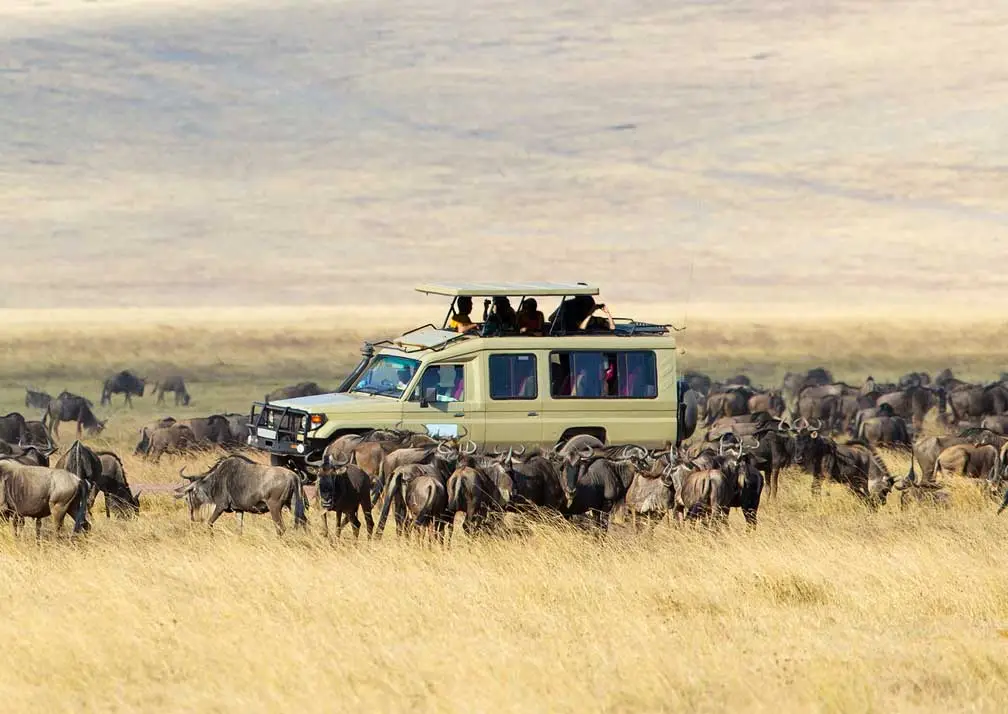
Great Migration Safaris
Experience one of nature’s greatest spectacles with our Great Migration safari packages, timed for river crossings or calving.
View Package →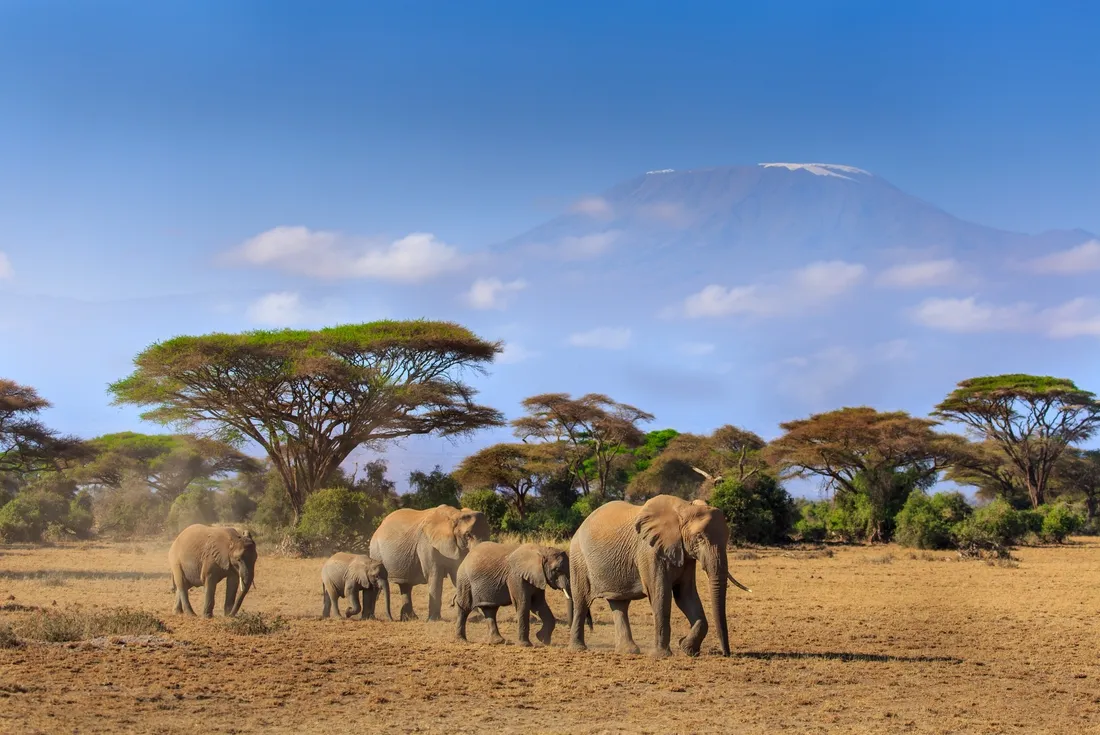
Serengeti & Kilimanjaro Trek
Combined safari and trekking tours offer wildlife adventures and Kilimanjaro climbs.
View Package →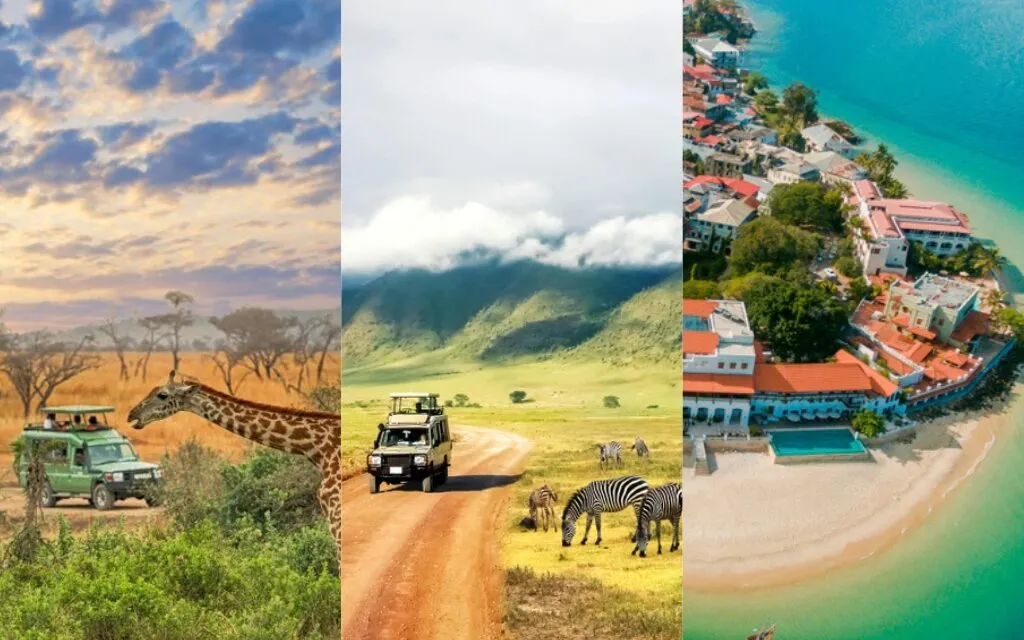
Serengeti & Zanzibar Tours
Luxury Tanzania safari & beach packages with the Great Migration and pristine beaches.
View Package →Related Travel Guides
Where the Eight Days Go—and Why Route Pace Matters
| Duration | 8 days / 7 nights |
|---|---|
| Core route | Tarangire, Serengeti and Ngorongoro, with Lake Manyara or a seasonal Serengeti region when it improves the trip |
| Best suited to | enthusiasts carrying interchangeable-lens cameras, serious phone photographers and small private groups |
| Main trade-off | A private vehicle and well-positioned camp cost more, but shared departures rarely provide the same control over angle, light and waiting time. |
| Price changes with | private vehicle occupancy, camp location, extra luggage for fly-in sectors, specialist guide requests and single-room use |
The confirmed itinerary should show each overnight location, expected transfer method and whether game-drive time is available on transfer days. A named lodge or camp is a recommendation until availability and price are confirmed in writing; a comparable alternative should be discussed before payment.
Accommodation, Transport and Season Decisions That Change the Trip
Accommodation location changes the day
A camp inside or close to a productive wildlife area can protect early and late game-drive hours. A less expensive property outside a gate may offer better rooms for the price but add repeated transfer time. Compare location, not only star labels.
Season changes the best route
June to October is generally drier; November to May brings greener scenery, variable rain and different wildlife distribution. The route should follow the month rather than use one fixed migration promise.
Set realistic expectations
The itinerary can improve opportunities for wildlife behavior and natural movement, but sightings, weather and migration events remain outside the operator’s control. The quotation should distinguish confirmed services from optional activities and seasonal recommendations.
Common Planning Mistakes—and Better Alternatives
- Adding too many parks and turning game-drive days into transfer days.
- Selecting accommodation by room photos without checking its location.
- Comparing headline prices without itemised inclusions and exclusions.
- Booking tight international or Zanzibar connections after a bush flight or long road transfer.
Continue planning
Frequently Asked Questions About 8-Day Tanzania Photography Safari: Light, Positioning and Pace
Package Author and Reviewer
Content Freshness
Last Updated: July 10, 2026
Fact Checked: Yes
Park routing, accommodation choices and prices should be reconfirmed for your exact travel month before booking.
Why Book With Capable Africa Tours?
We plan Tanzania safaris around real road times, park rules, lodge location, family comfort, photography goals and seasonal wildlife movement. The purpose is to give you useful time in the parks, not an itinerary that only looks good on paper.
- Local expertise: Practical Northern Tanzania planning from Arusha, Moshi and Kilimanjaro International Airport
- Experienced guides: Driver-guides familiar with wildlife behavior, park etiquette and guest expectations
- Safety: Suitable 4x4 vehicles, clear pickup arrangements and realistic return planning
- Flexibility: Private departures can be adjusted for families, couples, photographers and Zanzibar extensions
- Transparency: Clear starting-price basis, recommended accommodation options, written final quotations and confirmed inclusions before payment.
- Responsible tourism: Respectful wildlife viewing and licensed local partners
Plan Your 8-Day Tanzania Photography Safari
Prices start from USD 2,760 per person based on an Arusha start and return. Send your travel date, number of travelers, rooming, preferred accommodation level, pickup point and special interests so we can confirm availability and prepare the final written quotation.
WhatsApp InquiryCustomize This Safari