
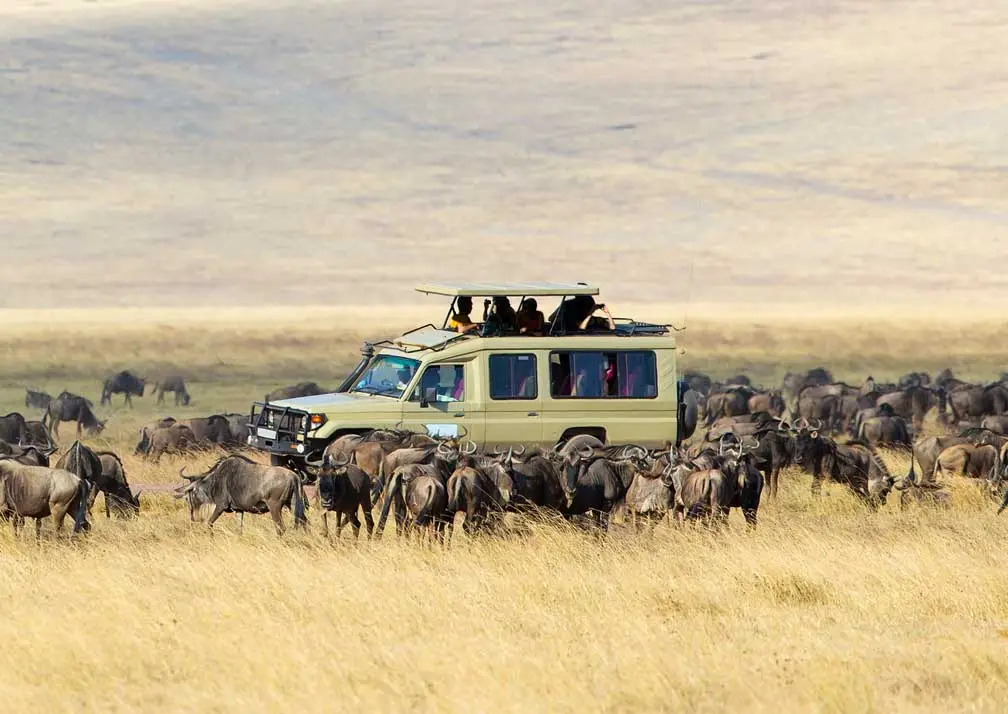
Great Migration Safaris
Experience one of nature’s greatest spectacles with our Great Migration safari packages, timed for river crossings or calving.
Tanzania safari
8-Day Serengeti, Ngorongoro, Tarangire and Manyara Safari 2026/2027 is a detailed planning guide for travelers who want enough time to explore Tanzania without turning every day into a transfer. It explains the route, overnight locations, seasonal trade-offs, accommodation and transport choices, likely cost drivers, inclusions, alternatives and the practical questions to settle before booking. Wildlife remains natural and cannot be guaranteed.
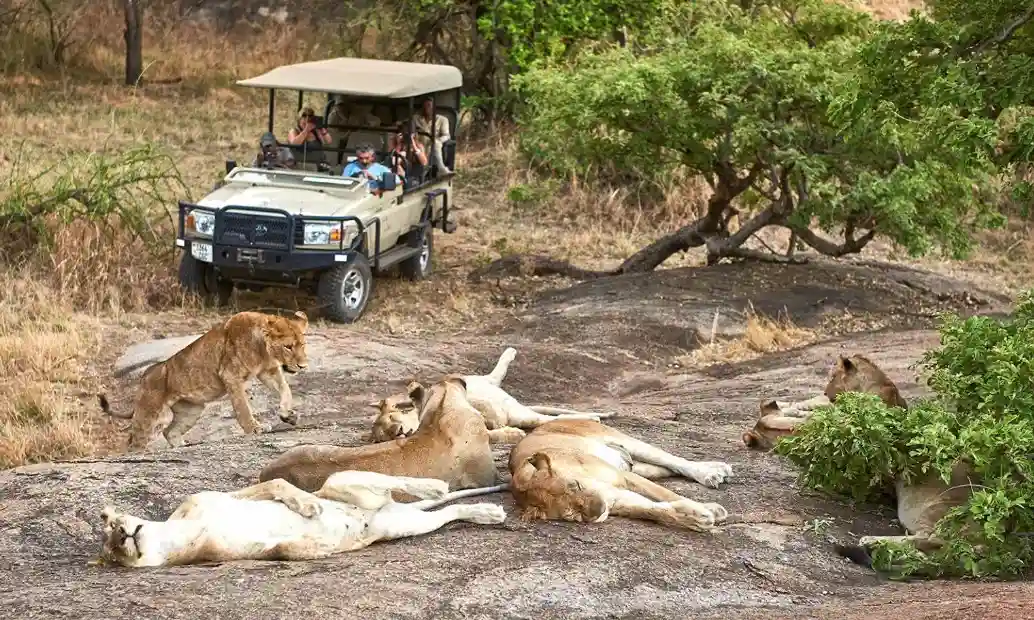
This 8-day Tanzania safari is a complete Northern Circuit journey from Arusha to Tarangire, Lake Manyara, Ngorongoro Crater and Serengeti National Park. It suits travelers who want Tanzania’s most famous wildlife areas in one private itinerary, with enough time for meaningful game drives instead of rushing between parks.
Pricing basis: This safari starts from USD 2,480 per person when it begins and ends in Arusha. Other starting points, airport transfers and fly-in arrangements are quoted separately.
Accommodation flexibility: Named lodges and camps are recommended examples rather than guaranteed allocations. You may choose another property, or we may propose a comparable alternative based on availability, budget, route efficiency and your preferences.
This itinerary is designed for travelers who want the main wildlife destinations of Northern Tanzania in one organized route. Tarangire brings elephants, baobab woodland and seasonal river habitat. Lake Manyara adds groundwater forest, Rift Valley scenery and excellent birdlife. Ngorongoro Crater offers one of Africa’s most concentrated wildlife-viewing days, while Serengeti gives the journey its open-plains character and multi-day big-cat potential.
Eight days gives the route breathing space. You do not need to force Serengeti into a short trip, and you still get time in the smaller parks that many travelers skip. The safari works well for couples, families, first-time visitors, wildlife lovers and guests connecting to Zanzibar after the safari. Our role is to plan the driving, lodge locations and park timing so your days feel practical on the ground.
| Duration | 8 days and 7 nights |
|---|---|
| Destinations | Tarangire National Park, Lake Manyara National Park, Ngorongoro Crater and Serengeti National Park |
| Starting Point | Arusha is the standard pricing base. Moshi, Kilimanjaro International Airport, Arusha Airport, Zanzibar fly-in or another agreed pickup can be arranged, with additional transport or flight costs quoted separately. |
| Ending Point | Arusha is the standard return point. Airport drop-off, Moshi, Zanzibar connection or another agreed endpoint can be arranged and quoted according to timing and logistics. |
| Starting Price | Starts from USD 2,480 per person, based on a safari starting and ending in Arusha. Final pricing is customized. |
| Accommodation Category | Mid-range lodge and tented camp accommodation. Named properties are recommendations and remain subject to availability and your preferences. |
| Travel Style | Private 4x4 road safari with professional driver-guide |
| Best Time | Year-round; June to October and January to March are especially popular |
| Private / Group | Private by default; group joining can be requested |
| Family Friendly | Yes, with private pacing and realistic drive times |
| Big Five Opportunities | Excellent opportunities, especially in Ngorongoro and Serengeti, but never guaranteed |
You see the most recognized Northern Circuit parks in a single itinerary.
Private routing allows flexible stops, picnic timing and relaxed evenings.
Eight days gives children more variety and fewer overly rushed transitions.
The route covers elephants, big cats, plains game, primates, birds and crater wildlife.
The safari can end with a transfer to an airport for a beach connection.
This safari balances variety and time efficiency. Tarangire and Lake Manyara are close enough to Arusha to start the journey smoothly, Ngorongoro breaks the route between Karatu and Serengeti, and the Serengeti section gives you the best chance to experience the scale of Tanzania’s plains.
It is also a practical value choice. Vehicle costs, guide services and longer park access are spread across eight days, while the route still avoids unnecessary backtracking. For many travelers, this is the most complete first safari in Tanzania without moving into a very high luxury budget.
Your guide collects you in Arusha after breakfast and drives southwest to Tarangire National Park. The first game drive introduces baobab woodland, river habitat and elephant country. After a picnic lunch, continue exploring before heading to your lodge near the park for dinner and rest.
Local Expert Note: Tarangire is a strong first park because wildlife begins quickly after entry and the road from Arusha is manageable.
After breakfast, enjoy a short final look around the Tarangire area before driving toward Lake Manyara National Park. The park is compact but diverse, with forest, lake edge, bush plains and birdlife. Continue to Karatu for your overnight near Ngorongoro.
Local Expert Note: Lake Manyara is best appreciated slowly; the forest drive and lake views are as important as big-animal sightings.
Leave Karatu early and enter the Ngorongoro Conservation Area. Descend to the crater floor for a focused game drive through grassland, marsh, lakeshore and forest patches. After picnic lunch, ascend the crater and return to Karatu.
Local Expert Note: Early entry improves the day because crater traffic builds later, especially in peak season.
Drive through the Ngorongoro Highlands and across the conservation area toward Serengeti. The journey is long but scenic, moving from farms and highland views to open plains. Enter Serengeti and enjoy game viewing en route to camp.
Local Expert Note: Keep your camera accessible on transfer days; wildlife can appear well before reaching camp.
Spend the day exploring Central Serengeti, especially the Seronera Valley and surrounding plains. Your guide chooses routes according to current sightings, weather and road conditions. The day can be picnic-style or split with a camp break if your location allows.
Local Expert Note: Central Serengeti is productive year-round because permanent water supports resident wildlife.
Use this day to reach quieter sectors of Serengeti or follow wildlife movement if conditions support it. The route may focus on kopjes, river lines, grass plains or seasonal herds. Your guide will balance sightings with comfort and light for photography.
Local Expert Note: A second full Serengeti day matters; it gives nature time to reveal behavior, not only sightings.
Enjoy a final morning game drive while leaving Serengeti. Cross the plains and continue through the Ngorongoro Conservation Area toward Karatu or the crater highlands. Arrive in time for dinner and a calmer final night.
Local Expert Note: This is a long day, so a patient pace and realistic departure time are important.
After breakfast, drive back toward Arusha. Depending on your flight time, you may stop at Mto wa Mbu, local markets or a viewpoint. The safari ends with drop-off at your Arusha hotel or agreed transfer point.
Local Expert Note: Avoid booking an international flight too early; road travel can be affected by traffic and stops.
Tarangire is known for elephants, baobabs, seasonal wetlands and the Tarangire River. Dry months can concentrate wildlife near water, while green months bring softer scenery and birdlife.
Lake Manyara sits below the Rift Valley escarpment and offers groundwater forest, bush plains, lake views and rich birdlife. It is not a large park, but its habitat variety is valuable.
Ngorongoro Crater is a collapsed volcanic caldera with grassland, marsh, forest and lakeshore habitats. It offers one of the strongest single-day wildlife experiences in Tanzania.
Serengeti is Tanzania’s iconic open-plains ecosystem, famous for predators, plains game and seasonal migration movement across different sectors.
You may see elephants, lions, buffaloes, giraffes, zebras, wildebeest, gazelles, hyenas, hippos, warthogs, baboons, monkeys and many birds. Serengeti and Ngorongoro provide the strongest big-cat opportunities, while Tarangire is especially good for elephants.
Black rhino is possible in Ngorongoro but cannot be guaranteed. Leopards are present in Serengeti and other areas, but they are naturally elusive. The best safari mindset is to value behavior, landscapes and variety instead of treating wildlife like a checklist.
Accommodation note: The properties below are recommendations rather than guaranteed allocations. Your confirmed itinerary may use one of the recommended properties, a comparable alternative in the same or requested category, or another property you choose. Confirmation depends on availability, route efficiency, rooming, budget and your preferences, and any price difference will be included in the written quotation.
This mid-range plan uses lodges and tented camps that keep the route efficient without moving into high luxury pricing. Exact properties depend on availability, but the preferred options below match the standard of this package.
| Accommodation | Location & Type | Room Features | Facilities & Meal Plan | Why We Recommend It |
|---|---|---|---|---|
| Sangaiwe Tented Lodge Official Website |
Near Tarangire National Park Mid-range tented lodge |
En-suite tented rooms, private verandas and natural surroundings | Restaurant, bar, lounge areas and swimming pool Meal Plan: Full board during safari nights Pool: Yes Wi-Fi: Available in common areas depending on signal |
Good first-night location for Tarangire without unnecessary backtracking Approximate Rating: Well-rated mid-range option |
| Eileen’s Trees Inn Official Website |
Karatu Mid-range lodge |
En-suite twin, double or family-friendly rooms set in gardens | Restaurant, bar, garden, pool and Wi-Fi areas Meal Plan: Dinner and breakfast, with packed lunch support Pool: Yes Wi-Fi: Available, strongest around main areas |
Practical for Ngorongoro and Lake Manyara routing Approximate Rating: Popular operator-used Karatu lodge |
| Serengeti Kati Kati Tented Camp Official Website |
Central Serengeti Mobile-style mid-range tented camp |
En-suite canvas tents and close-to-nature setting | Dining tent, campfire and safari-style service Meal Plan: Full board Pool: No Wi-Fi: Limited or not reliable |
Keeps you inside Serengeti for productive early and late game drives Approximate Rating: Frequently used Serengeti tented camp |
Recommended option: Sangaiwe, Eileen’s Trees Inn and Serengeti Kati Kati. Alternative option: Maramboi Tented Lodge, Marera Valley Lodge and another Serengeti camp of similar standard. The difference is mostly location, room style and seasonal availability.
Dry months usually bring easier wildlife viewing around water sources, cooler mornings and busier parks. It is a strong period for Tarangire and general Serengeti game viewing.
Green months offer lush scenery, newborn animals in some areas, migratory birds and softer photography light. Rain is possible, but safaris continue.
Late May, early June, late October and early November can balance scenery, price and visitor numbers. Lodge availability is often better than peak months.
| Pricing Basis | Details |
|---|---|
| Starting price | From USD 2,480 per person |
| Base departure | Safari starts and ends in Arusha |
| Final quote depends on | Travel dates and season, number of travelers, rooming, accommodation category and availability, park and conservation fee updates, pickup/drop-off or flights, private/group style, child ages, optional activities and upgrades |
Group size: The private vehicle and guide are shared across the group, so per-person cost usually drops as travelers increase.
Accommodation category: Budget camping lowers cost, mid-range gives comfort and private bathrooms, while luxury camps can more than double the price.
Travel season: High season and migration months often have higher lodge rates and less availability.
Private vs shared: Private safari costs more but gives better pace control and more comfort for families or photographers.
Children: Child rates depend on age, room sharing and park-fee rules at the time of travel.
This safari provides strong value because it combines four major Northern Tanzania destinations, several Serengeti days, crater access, private guiding and practical lodges in one route. It gives enough time for wildlife variety without paying for premium luxury camps.
This itinerary starts from USD 2,480 per person based on a safari starting and ending in Arusha. The final quotation varies according to travel dates and season, number of travelers, room arrangement, accommodation category and availability, park or conservation fee updates, pickup and drop-off requirements, domestic flights or transfers, private or group travel style, child ages, optional activities and requested upgrades. We confirm the final amount, selected accommodation and all inclusions in writing before payment.
Arrival airports: Kilimanjaro International Airport is the main international gateway, while Arusha Airport is useful for domestic flights to or from Zanzibar.
Transfers: Standard pickup is from an Arusha hotel. Moshi or airport pickup can be added when timing is realistic.
Visa and documents: Check Tanzania visa requirements for your nationality before travel and keep passport copies with you.
Money and internet: Carry some Tanzania shillings for small purchases. Card payments and internet signal can be limited in remote camps.
Packing: Use a soft bag, bring layers, sun protection, binoculars, chargers, medication and a small day bag for the vehicle.
Your guide will explain park rules before and during game drives. Stay inside the vehicle unless you are at an authorized viewpoint, gate, lodge or picnic site. Do not feed animals, ask for unsafe approaches or encourage off-road driving where it is prohibited.
Responsible travel also means respecting local communities. Ask before photographing people, carry reusable items where possible, reduce plastic waste and choose patient wildlife viewing instead of chasing sightings from one vehicle cluster to another.
A camp inside or close to a productive wildlife area can protect early and late game-drive hours. A less expensive property outside a gate may offer better rooms for the price but add repeated transfer time. Compare location, not only star labels.
June to October is generally drier; November to May brings greener scenery, variable rain and different wildlife distribution. The route should follow the month rather than use one fixed migration promise.
The itinerary can improve opportunities for wildlife behavior and natural movement, but sightings, weather and migration events remain outside the operator’s control. The quotation should distinguish confirmed services from optional activities and seasonal recommendations.
Eight days allow a complete Northern Circuit route with protected Serengeti time, but lodge location and park order still matter.
The main variables are group size, private or shared vehicle, travel month, park and conservation fees, camp location, room type, domestic flights and optional activities. Request an itemised quotation showing confirmed accommodation, fees, transfers, flights, meals and optional activities.
Adding every possible park can reduce useful game-drive time. A stronger plan often uses fewer hotel changes and more nights in the Serengeti.
Yes. Route order, accommodation, rooming, transfers, dietary requirements and special interests can be adjusted before confirmation, subject to availability and operating rules.
No. Wildlife, migration events, weather and individual altitude response are natural and unpredictable. A strong itinerary and experienced guides improve planning and decision-making but cannot guarantee an outcome.
High-season camps, migration areas, family rooms, mountain permits and domestic flights can fill early. Confirm once your international dates are stable, and obtain written payment, amendment and cancellation terms before paying.
Arusha is the standard road-safari base. Moshi and Kilimanjaro International Airport transfers can be arranged, while Zanzibar usually requires a domestic flight and a connection buffer.
Confirm the vehicle, guide, accommodation, meals, drinking water, park and conservation fees, crater service if applicable, transfers, flights, taxes and every optional activity.
We plan Tanzania safaris around real road times, park rules, lodge location, family comfort, photography goals and seasonal wildlife movement. The purpose is to give you useful time in the parks, not an itinerary that only looks good on paper.
Prices start from USD 2,480 per person based on an Arusha start and return. Send your travel date, number of travelers, rooming, preferred accommodation level, pickup point and special interests so we can confirm availability and prepare the final written quotation.
Keep exploring
Experience one of nature’s greatest spectacles with our Great Migration safari packages, timed for river crossings or calving.
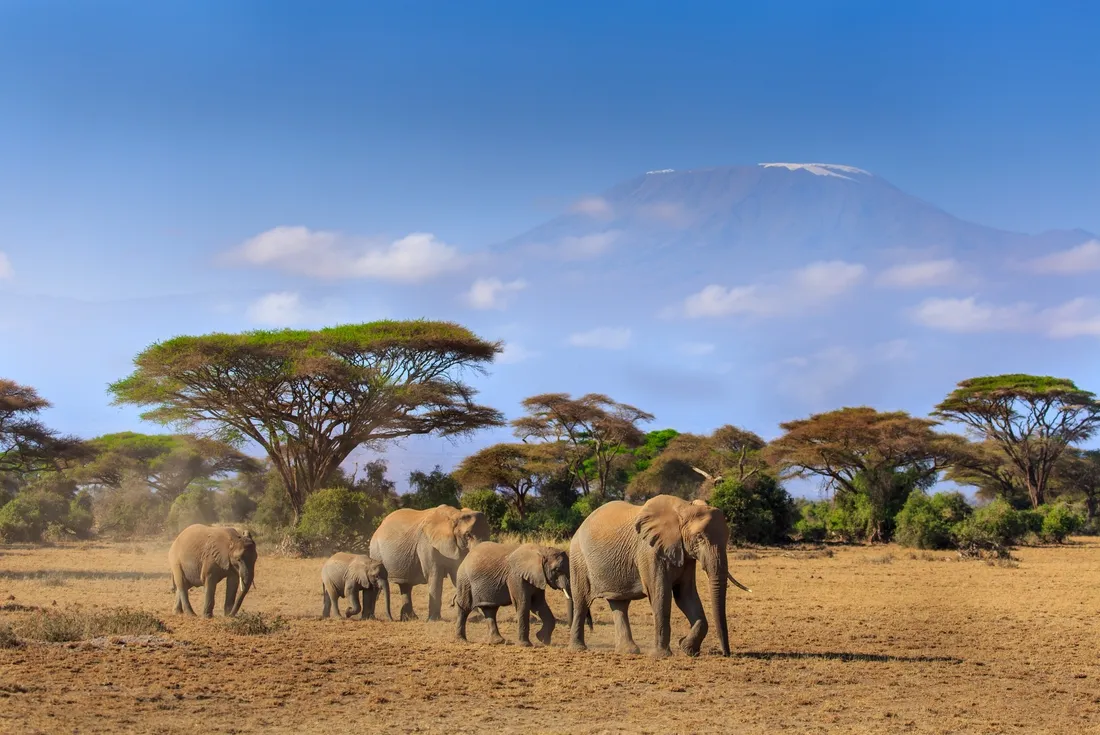
Combined safari and trekking tours offer wildlife adventures and Kilimanjaro climbs.
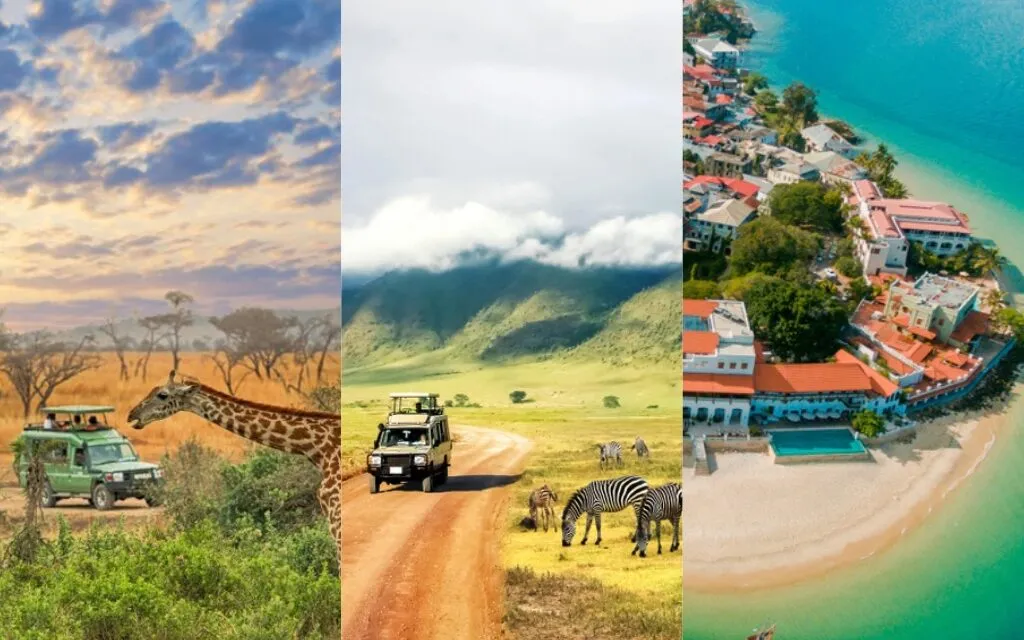
Luxury Tanzania safari & beach packages with the Great Migration and pristine beaches.