
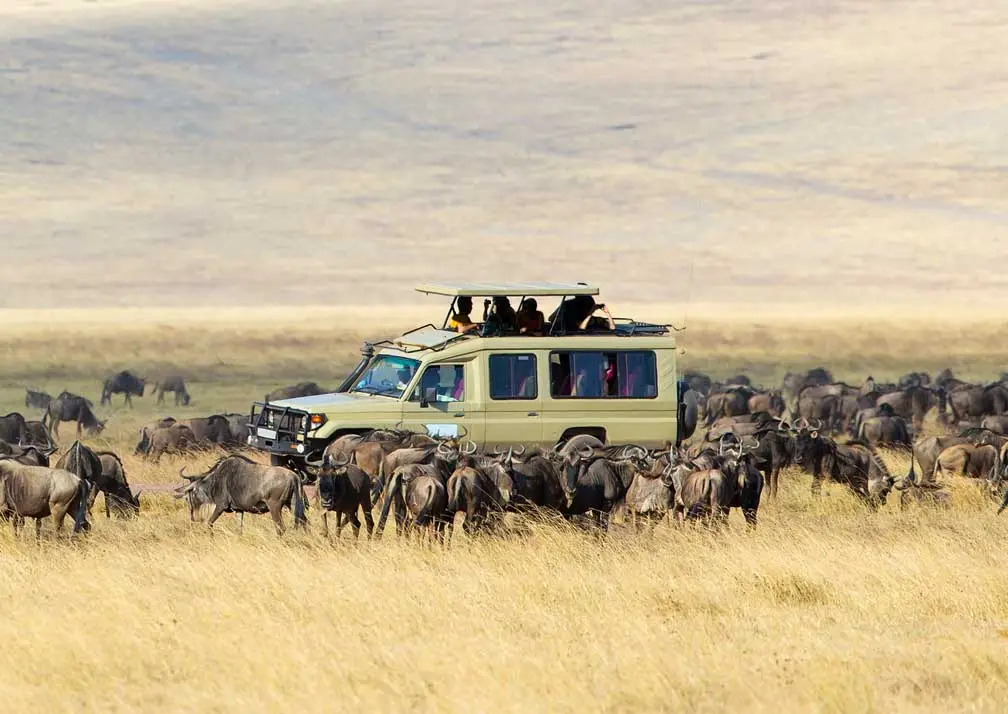
Great Migration Safaris
Experience the Great Migration’s dramatic river crossings or calving season with our tailored safari packages.
Tanzania safari
February combines resident East African birds with many Palearctic migrants and green-season breeding activity. A seven-day route through Lake Manyara and the Serengeti can pair wetland, forest, woodland and open-plains species while also allowing time for general wildlife.
Use a specialist bird guide, start early and spend enough time in each habitat. Lake Manyara adds groundwater forest and wetland species; Central and Southern Serengeti add raptors, bustards, larks, storks and grassland birds. Exact migration and rainfall conditions vary each year.
A birdwatching safari in Tanzania with Capable Africa Tours is a dream for birders and nature enthusiasts. Spending 4 nights in Serengeti National Park, you’ll explore vast savannahs teeming with birds like the Kori bustard and secretarybird. Lake Manyara National Park, known for its flamingo-filled lakes and tree-climbing lions, adds diverse habitats to your adventure. February, the start of the wet season, brings lush greenery and attracts migratory birds, making it ideal for a Tanzania safari in February. This Serengeti and Lake Manyara tour offers expert guides, eco-friendly lodges, and cultural visits, ensuring a rich experience for all.
With over 1,100 bird species in Tanzania, including 500+ in Serengeti and Lake Manyara, this 7-day itinerary maximizes sightings. From vibrant lilac-breasted rollers to elusive martial eagles, your visit to Tanzania in February promises unforgettable moments. Small groups and tailored game drives make this perfect for beginners and seasoned birders alike.
This 7-day birdwatching safari in Tanzania is designed to immerse you in the avian wonders of Serengeti (4 nights) and Lake Manyara. Below is a day-by-day guide to your Tanzania safari in February with Capable Africa Tours.
Your Serengeti and Lake Manyara tour begins in Arusha, the safari hub of Tanzania. Arrive at Kilimanjaro International Airport (JRO) and transfer to your hotel. Relax or explore Arusha’s markets and coffee estates. Your guide will brief you on spotting birds like the silvery-cheeked hornbill during your visit to Tanzania in February.
Drive to Lake Manyara National Park, a birdwatcher’s paradise known for flamingos and over 400 bird species. Enjoy a full-day game drive, spotting pelicans, storks, and Fischer’s lovebirds. The park’s alkaline lake and dense forests create a stunning backdrop for your birdwatching safari in Tanzania.
Travel to Serengeti National Park, spending 4 nights in its vast 14,763 km² wilderness. A game drive en route offers early sightings of birds like the Kori bustard and raptors. The Serengeti’s acacia-dotted plains are perfect for spotting lilac-breasted rollers during your Tanzania safari in February.
Spend a full day in Serengeti National Park, with morning and afternoon game drives tailored for birdwatching. Explore kopjes and riverine areas for raptors like the martial eagle and colorful species like the superb starling. This is a highlight of your Serengeti and Lake Manyara tour.
Continue your birdwatching safari in Tanzania with another full day in Serengeti. Morning drives focus on wetland birds like the saddle-billed stork. In the afternoon, visit a Maasai village to learn about their culture, adding depth to your visit to Tanzania in February.
Your final full day in Serengeti (4 nights total) offers more birdwatching opportunities. Explore diverse habitats, from grasslands to woodlands, spotting species like the African fish eagle. Evening drives may reveal nocturnal birds like the Verreaux’s eagle-owl, enhancing your Tanzania safari in February.
Enjoy a final morning game drive in Serengeti, seeking out remaining species like the grey-hooded kingfisher. Drive back to Arusha, reflecting on your Serengeti and Lake Manyara tour. Transfer to your hotel or Kilimanjaro International Airport for departure.
This birdwatching safari in Tanzania is crafted for maximum avian diversity, with 4 nights in Serengeti National Park and a visit to Lake Manyara National Park. February’s lush landscapes and migratory birds create prime conditions for spotting over 500 species. Expert guides, small groups (2–8 people), and eco-friendly lodges ensure a personalized, sustainable experience. Whether you’re a beginner or seasoned birder, this Tanzania safari in February delivers unforgettable sightings and cultural immersion.


Watch the vibrant birdlife of Serengeti and Lake Manyara come alive in this birdwatching safari in Tanzania, perfect for your visit to Tanzania in February.
Preparing for a Tanzania safari in February requires smart packing for birdwatching success. February’s wet season calls for lightweight, breathable clothing and rain gear. High-quality binoculars and a field guide are essential for spotting and identifying birds. Here’s a detailed packing list for your Serengeti and Lake Manyara tour.
A 7-day birdwatching safari in Tanzania with Capable Africa Tours costs approximately $3,200 per person for a mid-range package, including 4 nights in Serengeti and a visit to Lake Manyara. Costs vary based on accommodation level and group size. Here’s a breakdown:
Enhance your Tanzania safari in February with these optional add-ons:
Contact us now to plan your Serengeti and Lake Manyara tour!
The $3,200 per person price for this birdwatching safari in Tanzania includes park fees, expert guides, and full-board lodging (4 nights in Serengeti). Exclusions like flights and optional activities are detailed below for transparency during your visit to Tanzania in February.
Birding progresses more slowly than a standard game drive. The vehicle must stop for calls, mixed flocks and identification, so an itinerary that tries to cover too much distance will reduce sightings.
February weather can bring showers and changing road conditions. The route should retain flexibility, particularly if it includes southern Serengeti or Ndutu areas.
Local expert note: We ask whether guests are casual birders, photographers or target-species travelers. The guide and daily pace should be matched to that level.
Join Capable Africa Tours for a 7-day Serengeti and Lake Manyara tour, spending 4 nights in Serengeti National Park. Spot over 500 bird species, from flamingos to raptors, and immerse yourself in Tanzania’s vibrant culture during your visit to Tanzania in February.
Limited spots for this birdwatching safari in Tanzania—book now to secure your February adventure!
Last reviewed on 30 July 2026 by the Capable Africa Tours Tanzania travel-planning team. Operational details, seasonal conditions, accommodation status, park rules and prices can change; confirm the final itinerary and written quotation before booking.
Resident species are joined by many migrants, and green conditions can support breeding behavior and active wetland habitats.
Yes if identification, target species or photography are priorities. A general safari guide may know common birds but use a different pace.
No. The route also passes through major wildlife areas, but birding stops and habitat time receive more priority than on a standard safari.
Bring binoculars, a field guide or app, notebook, camera protection, neutral clothing and a spotting scope if target species require it.
Yes. Tell the guide your experience level so identification and pace remain enjoyable rather than overwhelming.
No. Habitat, season, weather and chance all affect sightings, especially for rare or localised species.
Keep distance, avoid disturbing nests, minimise playback, follow park rules and do not publish sensitive locations for threatened species.
Keep exploring
Experience the Great Migration’s dramatic river crossings or calving season with our tailored safari packages.
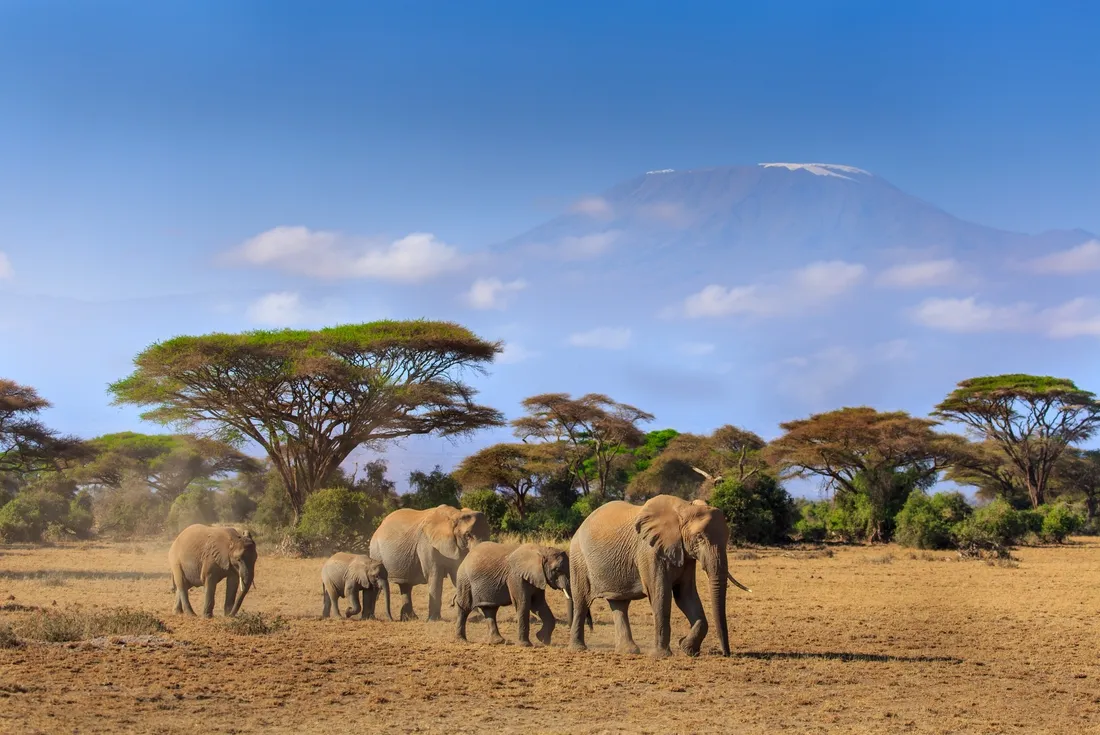
Combine a wildlife safari with a thrilling Kilimanjaro climb for an ultimate Tanzania adventure.
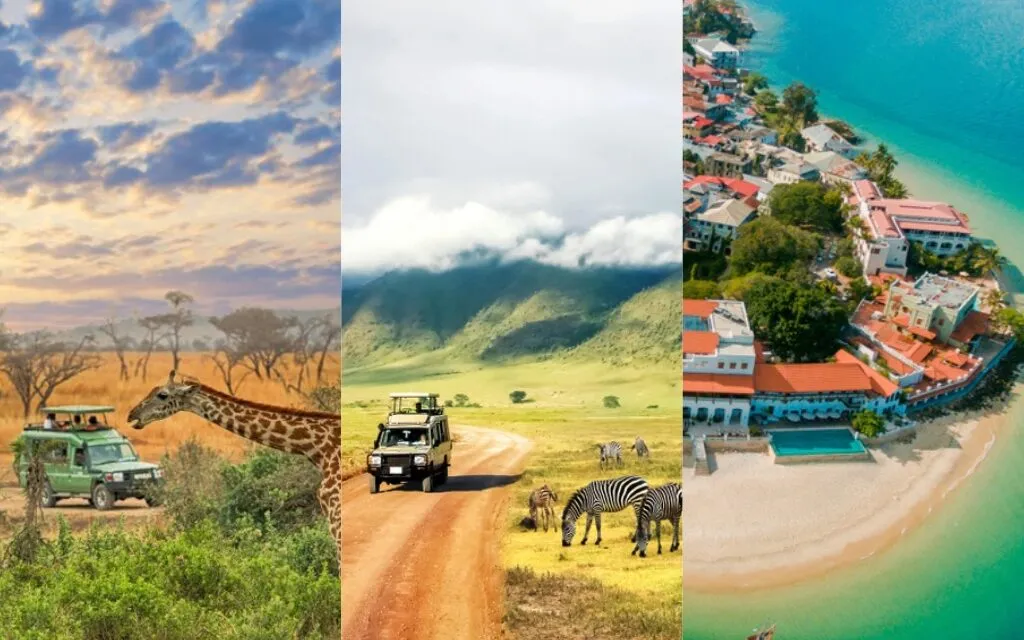
Pair a Serengeti safari with a relaxing beach holiday in Zanzibar’s pristine shores.