Most Complete Afghanistan Travel Guide 2026-2027 – Everything You Need to Know Before Visiting
This Afghanistan travel guide provides everything you need to plan your journey to one of the world’s most historically rich and culturally complex countries. Afghanistan offers an extraordinary blend of ancient Silk Road heritage, dramatic mountain landscapes, and resilient people that create one of the planet’s most intense travel experiences. Many travellers who manage to visit Afghanistan are surprised by the warmth of hospitality, breathtaking archaeological sites, and stunning natural beauty that persist despite decades of conflict. The nation covers 652,000 square kilometers of rugged mountains, fertile valleys, and high plateaus, making it a crossroads of civilizations for millennia.
Start Reading the Full Guide ↓Quick Facts About Afghanistan
- Capital: Kabul.
- Currency: Afghan Afghani (AFN).
- Time Zone: Afghanistan Time (AFT, UTC+4:30).
- International Calling Code: +93.
- Driving Side: Right.
- Major Airports: Hamid Karzai International Airport (Kabul), Mazar-e-Sharif, Herat.
Afghanistan Overview & Key Facts
Brief History of Afghanistan
Afghanistan's history spans over 5,000 years, from the Indus Valley Civilization through Persian, Greek, Kushan, Islamic, Mongol, Mughal, and British influences. Alexander the Great founded cities here, while the Kushan Empire made it a Buddhist centre. The Islamic conquest arrived in the 7th century, followed by Timurid splendour in Herat. The modern state emerged in the 18th century under Ahmad Shah Durrani, earning the title “Graveyard of Empires” after resisting British, Soviet, and later coalitions.
Current Political Situation
- Official name: Islamic Emirate of Afghanistan.
- Government: Taliban administration since August 2021.
- De facto leadership: Supreme Leader Hibatullah Akhundzada.
Since the Taliban returned to power in 2021, the country operates under strict Islamic governance. International recognition remains limited, banking and humanitarian access are restricted, and women’s rights are severely curtailed. Travellers must understand the current realities before considering a visit.
Population, Ethnic Groups & Languages
- Population: ≈41 million (2025 estimate).
- Major ethnic groups: Pashtun (42%), Tajik (27%), Hazara (9%), Uzbek (9%).
- Official languages: Pashto and Dari (Afghan Persian).
English is spoken by guides and some younger people in cities. Tribal and ethnic diversity remains a defining feature of Afghan identity.
Main Religions & Cultural Identity
Approximately 99.9% of Afghans are Muslim (mostly Sunni, with a Shia minority particularly among Hazaras). Islamic principles dominate all aspects of public and private life under current governance. Respect for religious customs is non-negotiable.
Geography & Natural Landscape
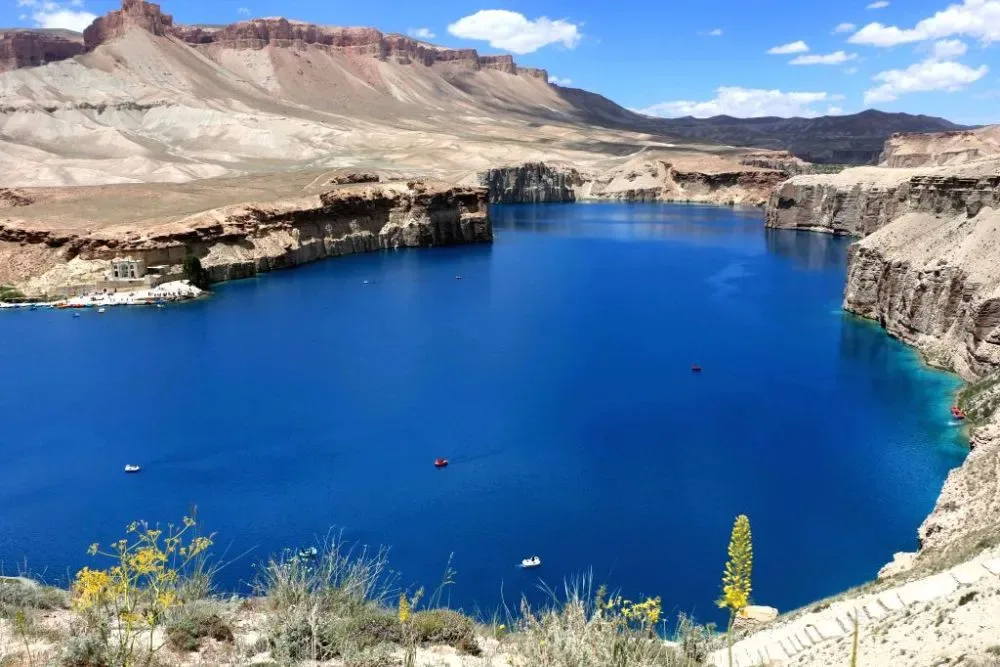
Afghanistan is landlocked and dominated by the Hindu Kush mountains. The north has fertile plains, the centre rugged highlands, the southwest desert, and the east deep valleys. Elevations range from 250 m to over 7,400 m (Noshaq peak). Band-e-Amir’s turquoise lakes and the Wakhan Corridor are among Central Asia’s most spectacular natural wonders.
What Afghanistan Is Known For
- UNESCO sites: Bamiyan Valley (Cultural Landscape and Archaeological Remains), Minaret of Jam
- Ancient Silk Road cities (Balkh, Herat)
- Stunning mountain and lake scenery
- Resilient and hospitable people
Visa & Entry Requirements in Afghanistan
All foreign visitors currently require a visa obtained in advance through an Afghan embassy or via registered Afghan tour operators who can issue visa support letters. Independent applications are usually rejected.
Do You Need a Visa?
Yes – no nationalities currently receive visa-on-arrival or e-visa for tourism purposes.
Visa Application Options in Afghanistan
- Through registered Afghan tour operators (most practical method)
- Afghan embassies (Islamabad, Delhi, Tehran, etc.)
Passport Validity & Entry Documents
Passport must have 6+ months validity and two blank pages. You will need a visa support letter from a licensed Afghan company, proof of travel insurance covering Afghanistan, and sometimes a police clearance certificate.
Safety & Security Information in Afghanistan
Most foreign governments advise against all travel to Afghanistan due to ongoing terrorism, kidnapping, and civil unrest risks. Independent travel is effectively impossible. Only experienced travellers using reputable Afghan operators with armed security should consider visiting.
Is Afghanistan Safe for Tourists?
For tourists using experienced local operators in controlled areas (Kabul, Bamiyan, Mazar-e-Sharif, Herat), incidents are rare but the risk remains high and unpredictable.
Recommended Safety Tips when in Afghanistan
Never travel without a registered guide/driver/security detail, avoid all political gatherings, follow local advice immediately, keep a low profile, and have evacuation insurance that actually works in Afghanistan.
Health Requirements & Vaccinations in Afghanistan
Healthcare facilities outside Kabul are extremely limited. Comprehensive evacuation insurance is mandatory.
Mandatory Vaccinations in Afghanistan
Polio booster often required; proof may be checked.
Recommended Vaccinations in Afghanistan
Hepatitis A & B, Typhoid, Rabies (pre-exposure), Tetanus, Polio booster, Japanese Encephalitis (rural summer).
Best Time to Visit in Afghanistan
Spring (April–June) and autumn (September–October) are ideal with mild temperatures and clear skies. Summers are very hot in lowlands; winters harsh in mountains.
Weather & Climate Overview in Afghanistan
Continental climate with extreme variations. Kabul averages -5°C to 30°C; Herat hotter, Bamiyan colder at altitude.
Main Currency, Costs & Budgeting in Afghanistan
Bring pristine USD cash (post-2006 notes). ATMs are scarce and unreliable. Costs are high due to mandatory guide/security requirements.
Transportation & Getting Around in Afghanistan
Independent transport is not feasible. All movement is with private driver/guide arranged by your tour operator. Domestic flights (Kabul–Herat–Mazar) operated by Ariana or Kam Air when security allows.
Accommodation Options available in Afghanistan
Limited to a handful of approved guesthouses and hotels in Kabul, Herat, Mazar-e-Sharif and Bamiyan. Standards are basic to mid-range; luxury does not exist.
Essential Packing Guide when Visiting Afghanistan
Conservative clothing mandatory, headscarf/abaya for women, warm layers for mountains, robust medical kit, satellite communicator recommended.
Language & Communication in Afghanistan
Dari and Pashto official. English spoken by guides. Mobile coverage patchy outside cities; internet slow and censored.
Culture & Etiquette in Afghanistan
Strict Islamic conservative dress and behaviour required. Women must cover fully and be accompanied. Photography restrictions common. Hospitality is legendary but rules are non-negotiable.
Food, Water & Dining in Afghanistan
Delicious kabuli pulao, mantu, ashak, bolani. Bottled water only. Food hygiene varies; stick to freshly cooked hot meals.
Top Attractions & Things to Do in Afghanistan
Bamiyan Valley & Buddhas site, Band-e-Amir lakes, Minaret of Jam, Friday Mosque of Herat, Gardens of Babur (Kabul), Shrine of Hazrat Ali (Mazar-e-Sharif), ancient Balkh.
Afghan Electrical System Information
220V, 50Hz, European plugs (C/F). Power cuts frequent; bring power bank.
Local Laws & Regulations of Afghanistan
Strict Islamic law applies. Alcohol, pork, music in public, unmarried couples sharing rooms prohibited. Women require mahram or professional guide accompaniment.
Final Travel Tips for Visitors in Afghanistan
Only travel with experienced registered Afghan operators, purchase proper evacuation insurance, remain flexible, respect all local rules, and understand you are visiting one of the world’s most challenging destinations.
Frequently Asked Questions – Afghanistan Travel Guide 2026-2027
Our Tanzania Tours Products
While Afghanistan offers unparalleled historical depth and mountain beauty, many travellers prefer the safety and wildlife spectacle of East Africa. Capable Africa Tours specializes in secure, guided safaris that maximize safety and wonder. From family-friendly lodges to luxury camps, we handle logistics so you focus on the magic.
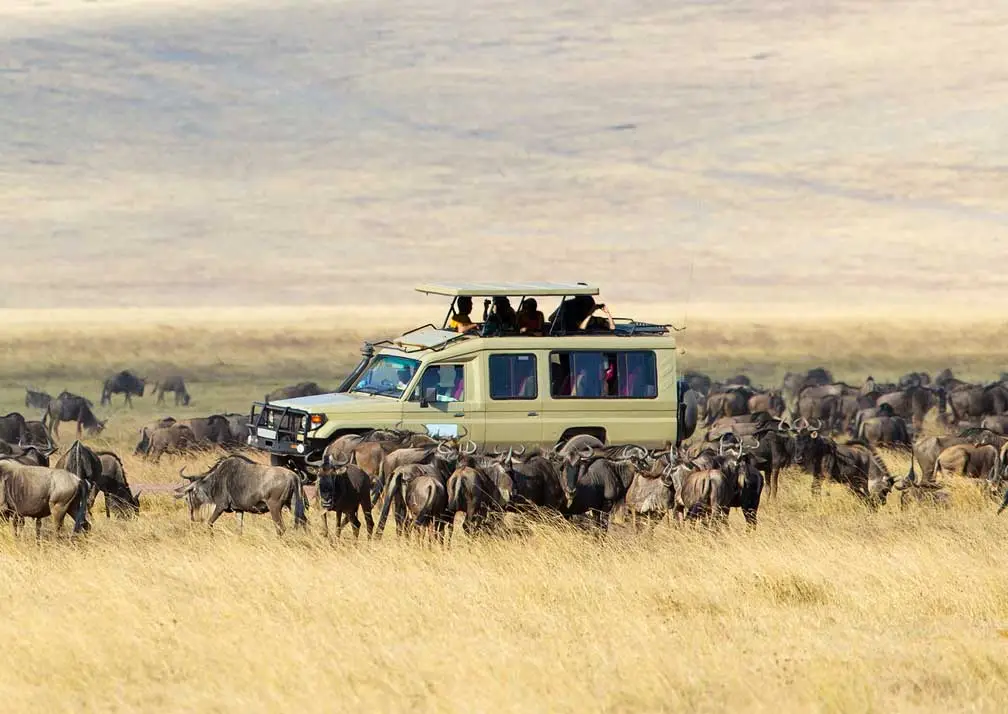
Great Migration Safaris
Experience one of nature's greatest spectacles with our Great Migration safari packages, timed for river crossings or calving.
View Package →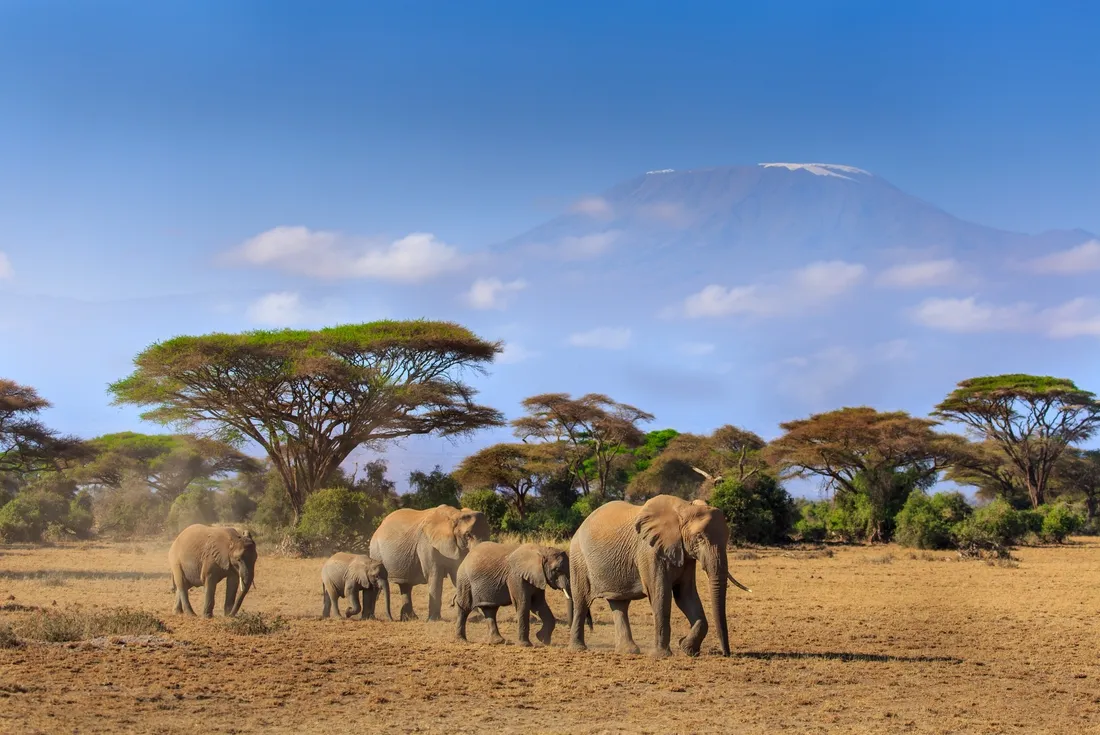
Serengeti & Kilimanjaro Trek
Combined safari and trekking tours offer wildlife adventures and Kilimanjaro climbs.
View Package →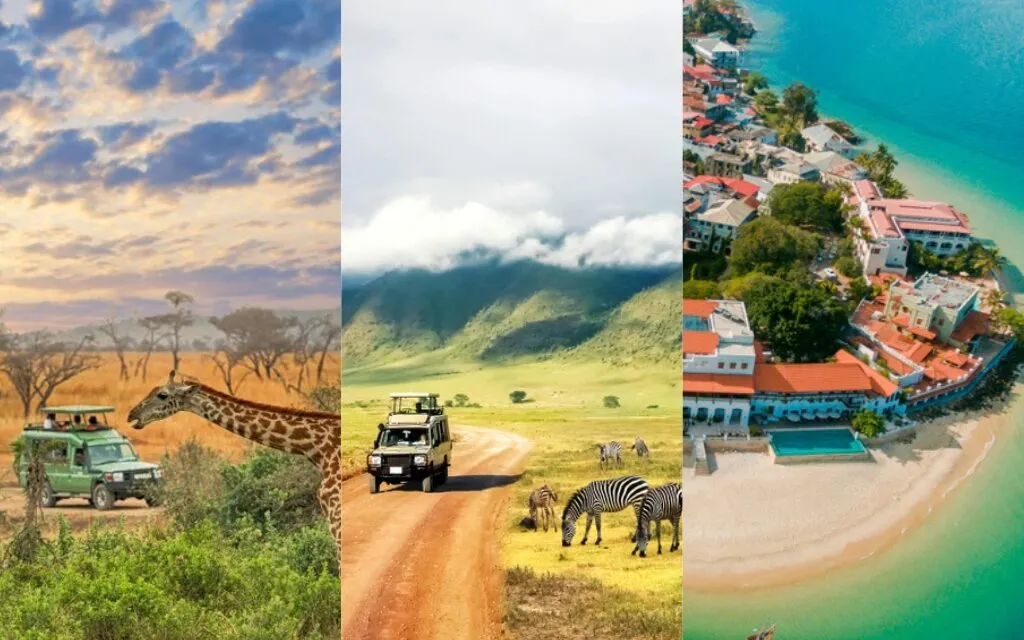
Serengeti & Zanzibar Tours
Luxury Tanzania safari & beach packages with the Great Migration and pristine beaches.
View Package →Related: Best Time to Visit Tanzania 2026 – Perfect safari extension after your Central Asia adventure.