Most Complete Albania Travel Guide 2026-2027 – Everything You Need to Know Before Visiting
This Albania travel guide provides everything you need to plan your journey to the hidden gem of the Balkans. Albania offers an extraordinary blend of turquoise Adriatic and Ionian beaches, dramatic Albanian Alps, UNESCO Ottoman towns and vibrant modern cities that create one of Europe’s most diverse and affordable travel experiences. Many travelers who want to visit Albania are surprised by the country’s incredible natural beauty, warm hospitality and rich cultural heritage spanning Illyrian, Roman, Byzantine, Ottoman and communist eras. The nation covers just 28,748 square kilometers yet packs in everything from pristine mountain valleys to Riviera coastlines and ancient archaeological sites.
Start Reading the Full Guide ↓Quick Facts About Albania
- Capital: Tirana.
- Currency: Albanian Lek (ALL).
- Time Zone: Central European Time (CET, UTC+1).
- International Calling Code: +355.
- Driving Side: Right.
- Major Airports: Tirana International Airport (TIA).
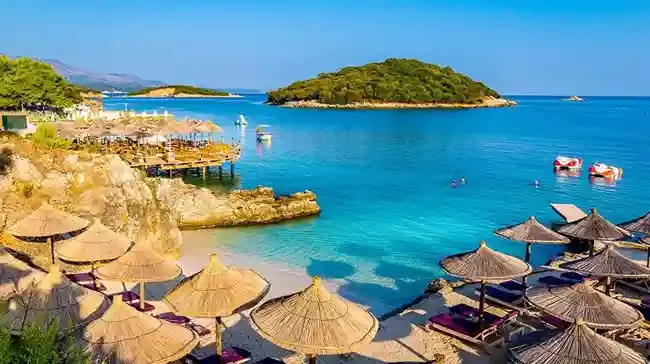
Albania Overview & Key Facts
Brief History of Albania
Albania’s history spans millennia, from ancient Illyrian tribes through Roman and Byzantine rule to five centuries of Ottoman domination. The country declared independence in 1912, endured fascist and then brutal communist rule under Enver Hoxha (1944–1985), and finally emerged as a democracy in 1991. This rich historical tapestry creates a fascinating backdrop for modern travelers exploring ancient sites, Ottoman architecture and unique communist-era relics.
Independence & National Identity
- Independence date: November 28, 1912.
- Former rulers: Ottoman Empire, communist regime.
- National symbols & identity.
Albania celebrates Independence Day on 28 November with the red-and-black double-headed eagle flag. National identity is built on fierce pride, legendary hospitality (besa), and a unique blend of Muslim (majority), Orthodox and Catholic traditions living in harmony.
Government System & Current Leadership
- Type of government: Parliamentary Republic
- Current president: Bajram Begaj
- Notes on political stability
Albania is a parliamentary democracy and EU candidate country (since 2014). Political scene can be lively but tourism is completely unaffected.
Population, Ethnic Groups & Languages
- Population: 2.8 million (2025 estimate).
- Major ethnic groups: Albanians (95%), Greek minority, others.
- Official language(s): Albanian.
- Additional languages commonly spoken.
English is widespread among younger generations and in tourism. Italian and Greek are common on the coast, German in the north.
Main Religions & Cultural Identity
Albania is secular with religious harmony: ~57% Muslim, 17% Christian (Orthodox & Catholic), many non-practicing. Religion rarely affects tourists; dress and behavior norms are relaxed compared to many Muslim-majority countries.
Geography & Natural Landscape
Albania features dramatic mountains (Albanian Alps), deep valleys, pristine rivers, Lake Ohrid and over 450 km of coastline on the Adriatic and Ionian Seas. Over 70% of the country is mountainous.
Economy & Tourism Highlights
Tourism is booming (over 11 million visitors in 2024). The country is one of Europe’s fastest-growing destinations thanks to stunning nature, low prices and improving infrastructure.
What Albania Is Known For
- UNESCO sites: Berat, Gjirokastër, Butrint, ancient beech forests
- Stunning Albanian Riviera (Ksamil, Dhërmi, Himarë)
- Theth & Valbona national parks in the Albanian Alps
Visa & Entry Requirements in Albania
Albania has one of Europe’s most relaxed visa policies. Most Western nationalities enjoy visa-free entry for tourism.
Do You Need a Visa?
No – EU, UK, USA, Canada, Australia, New Zealand, Japan, South Korea and 80+ other countries have visa-free access for 90 days (US citizens 1 year) within 180 days.
Visa Application Options in Albania
- Visa-free for most tourists
- e-Visa available for nationalities that need it
- Visa on arrival for some countries
Passport Validity & Entry Documents
Passport valid for 3 months beyond intended stay + proof of onward travel sometimes requested.
Customs Rules & Prohibited Items
Standard EU-style rules. Up to €10,000 cash must be declared. No unusual restrictions.
Safety & Security Information in Albania
Albania is very safe for tourists – Level 1 (normal precautions) by most governments.
Is Albania Safe for Tourists?
Yes. Violent crime against tourists is extremely rare. Main concerns are petty theft/pickpocketing in crowded areas and occasional road safety issues.
Recommended Safety Tips when in Albania
Use the same common sense as anywhere in Europe. Avoid flashing valuables, use licensed taxis or Bolt/Uber in cities.
Safe Areas vs. Areas to Avoid in Albania
Everywhere tourists normally go is safe. No “no-go” zones.
Emergency Numbers & Tourist Police in Albania
- Police: 129
- Ambulance: 127
- Fire: 128
- Tourist Police (Tirana): +355 69 70 70 129
Health Requirements & Vaccinations in Albania
No mandatory vaccinations. Standard European health standards.
Mandatory Vaccinations in Albania
None.
Recommended Vaccinations in Albania
Routine vaccines + Hepatitis A, Typhoid. Tick-borne encephalitis if hiking in mountains.
Malaria & Other Risks
No malaria. Tap water safe in cities, bottled recommended elsewhere.
Travel Insurance Recommendations in Albania
Highly recommended – covers medical evacuation and adventure activities (hiking, paragliding, canyoning).
Best Time to Visit in Albania
May–June and September–October are ideal. July–August best for beach but hot and crowded.
Weather by Season
Mediterranean climate on the coast, continental in mountains. Coastal summers 28–35°C, winters mild (8–15°C).
When to Visit Albania for Best Experiences
- Beach: June–September
- Hiking in Alps: June–October
- Culture & cities: April–June, September–October
High Season vs. Low Season Travel
High season: July–August (coast packed). Shoulder seasons best value and weather.
Weather & Climate Overview in Albania
Coastal Mediterranean, mountainous continental. Over 300 sunny days per year.
Temperature Ranges
Coast: 8–15°C winter, 25–35°C summer. Mountains: can snow November–April.
Rainy & Dry Seasons in Albania
Rainiest November–March, driest July–August.
What to Wear Based on the Weather
Light summer clothing + layers for evenings/mountains. Modest attire for mosques and rural areas.
Main Currency, Costs & Budgeting in Albania
One of Europe’s cheapest countries.
Local Currency Information
Albanian Lek (ALL). Euros widely accepted on coast.
Average Travel Costs in Albania
Budget €40–70/day, mid-range €80–140, luxury €180+.
Using ATMs, Cards & Mobile Money in Albania
ATMs everywhere. Cards accepted in cities and tourist areas.
Tipping Guidelines in Albania
10% in restaurants if service not included. Rounding up taxi fares.
Transportation & Getting Around in Albania
Roads have improved dramatically. Furgons (minibuses), buses, rental cars, ferries.
Airport Transfers
Tirana Airport shuttle, taxis, private transfers.
Local Transport Options in Albania
Furgons (cheap but no fixed schedule), buses, taxis, Bolt in Tirana/Saranda.
Albania Domestic Flights
None needed – country is small.
Car Rentals & Road Conditions in Albania
Easy to rent, roads good on main routes. Mountain roads challenging but scenic.
Accommodation Options available in Albania
Hostels, guesthouses, boutique hotels, beach resorts, mountain lodges.
Types of Accommodations in Albania
Everything from €15 hostels to luxury Riviera resorts.
Budget vs. Mid-Range vs. Luxury
Budget €20–40, mid €50–100, luxury €120+.
Best Areas to Stay in Albania
Tirana (city), Saranda/Dhërmi/Himarë (Riviera), Theth/Valbona (Alps), Berat/Gjirokastër (culture).
Essential Packing Guide when Visiting Albania
Light clothing, good walking/hiking shoes, swimsuit, light jacket, power bank.
Clothing Essentials
Summer clothes + layers. Modest attire for religious sites.
Footwear & Gear
Hiking shoes essential for mountains, flip-flops for beach.
Electronics & Cameras
European plugs (C/F), 230V.
Toiletries & Personal Items
Sunscreen, insect repellent, basic meds.
Language & Communication in Albania
Albanian official, English widely spoken by youth and in tourism.
Main Languages Spoken in Albania
Albanian, English, Italian, Greek.
Useful Phrases for Tourists
Mirëdita (hello), Faleminderit (thank you), Sa kushton? (how much?).
SIM Cards & Mobile Data used in Albania
Vodafone, ALBtelecom, One – cheap data everywhere.
Internet Availability & Wi-Fi in Albania
Excellent 4G/5G coverage, free Wi-Fi in most cafés and hotels.
Culture & Etiquette in Albania
Famous for hospitality (besa). Relaxed, welcoming culture.
Albanian Dress Code Expectations
Casual European dress. Beachwear on coast, modest in villages/mosques.
Social Etiquette & Respectful Behavior of Albania
Accept offers of coffee/raki. Nod means no, shaking head means yes (confusing at first!).
Photography Rules in Albania
Fine everywhere except military sites (rarely an issue).
Important Cultural Dos & Don’ts in Albania
Do accept hospitality. Don’t refuse food/drink offered in homes.
Food, Water & Dining in Albania
Fresh Mediterranean cuisine, excellent seafood, byrek, qofte, tavë kosi.
Albanian Local Dishes to Try
Byrek, fergesë, tavë kosi, fresh fish, speca me gjizë, raki, mountain honey.
Dietary Options in Albania
Plenty of vegetarian options, vegan possible in cities.
Drinking Water Safety
Safe in Tirana and most cities, bottled elsewhere.
Restaurant Etiquette
Service often not included – 10% tip appreciated.
Top Attractions & Things to Do in Albania
Albanian Riviera, Theth & Valbona, Berat (“city of a thousand windows”), Gjirokastër fortress, Butrint archaeological park, Blue Eye spring, Tirana’s Blloku district.
Major Tourist Attractions in Albania
- Berat UNESCO
- Gjirokastër UNESCO
- Butrint National Park
- Theth National Park
Best Tours & Experiences in Albania
Hiking Theth–Valbona, Riviera boat trips, wine tasting, cooking classes, communist history tours.
Family-Friendly Activities to do in Albania
Beaches, cable car in Dajti Mountain, cave exploring, gentle river rafting.
Unique Cultural or Historical Sites to visit in Albania
Bunk’Art museums, House of Leaves, Skanderbeg Museum, Ottoman bridges, ancient Apollonia.
Albanian Electrical System Information
European standard – 230V, 50Hz, plugs C & F.
Plug Types & Voltage used in Albania
Type C and F (same as most of Europe).
Charging Tips
No special adapters needed for European travelers.
Local Laws & Regulations of Albania
Standard European laws. Very tourist-friendly.
Rules Travelers Need to Know when In Albania
No photography of military/police. Cannabis illegal despite relaxed attitudes.
Alcohol, Smoking & Substance Laws of Albania
Alcohol widely available. Smoking banned indoors.
Restricted or Protected Areas in Albania.
Some border areas with Kosovo require care, but tourist routes fine.
Final Travel Tips for Visitors in Albania
Bring cash (Lek) for rural areas, download offline maps, learn a few Albanian words, be ready for overwhelming hospitality.
Common Mistakes to Avoid
Assuming it’s dangerous, trying to see everything in one week, not bringing swimwear.
Tips to Save Money when Visiting Albania
Travel in shoulder season, eat where locals eat, use furgons, stay in guesthouses.
Safety & Comfort Tips
Albania is very safe and friendly. Just use normal big-city caution in Tirana at night.
Frequently Asked Questions – Albania Travel Guide 2026-2027
Our Tanzania Tours Products
While Albania offers incredible beaches, mountains and Ottoman charm, many travelers combine the Balkans with the ultimate wildlife experience in East Africa. Capable Africa Tours specializes in secure, guided safaris that maximize safety and wonder. Our expert local guides, armed rangers in parks, and vetted accommodations ensure peace of mind. From family-friendly lodges to luxury camps, we handle logistics so you focus on the magic. Tanzania ranks high for tourist safety with dedicated wildlife protection units and stable northern circuits.
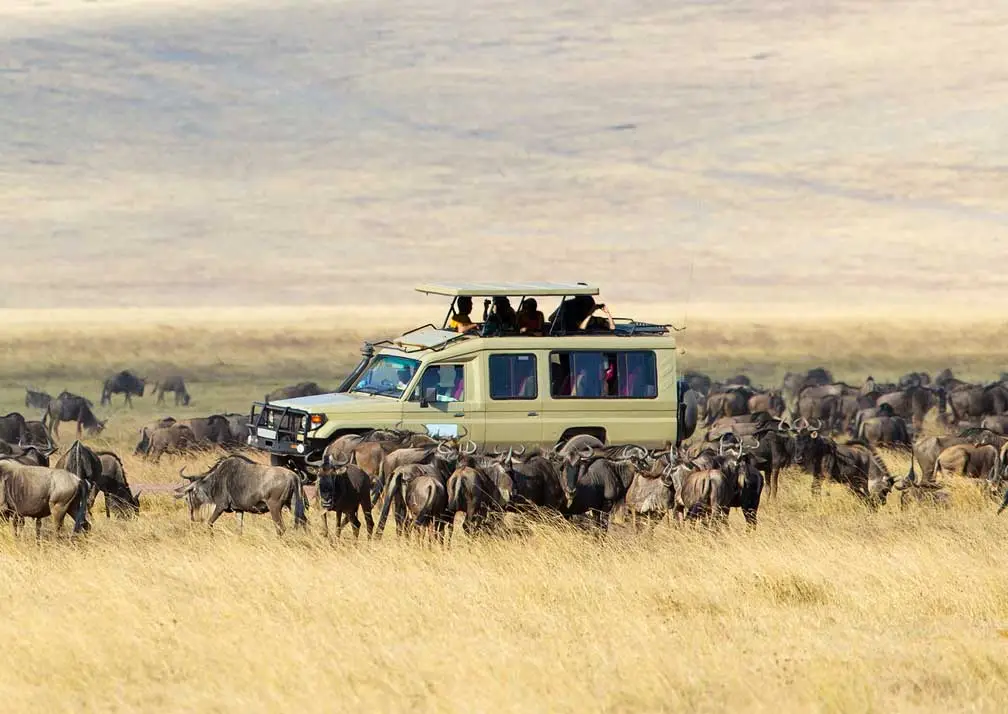
Great Migration Safaris
Experience one of nature's greatest spectacles with our Great Migration safari packages, timed for river crossings or calving.
View Package →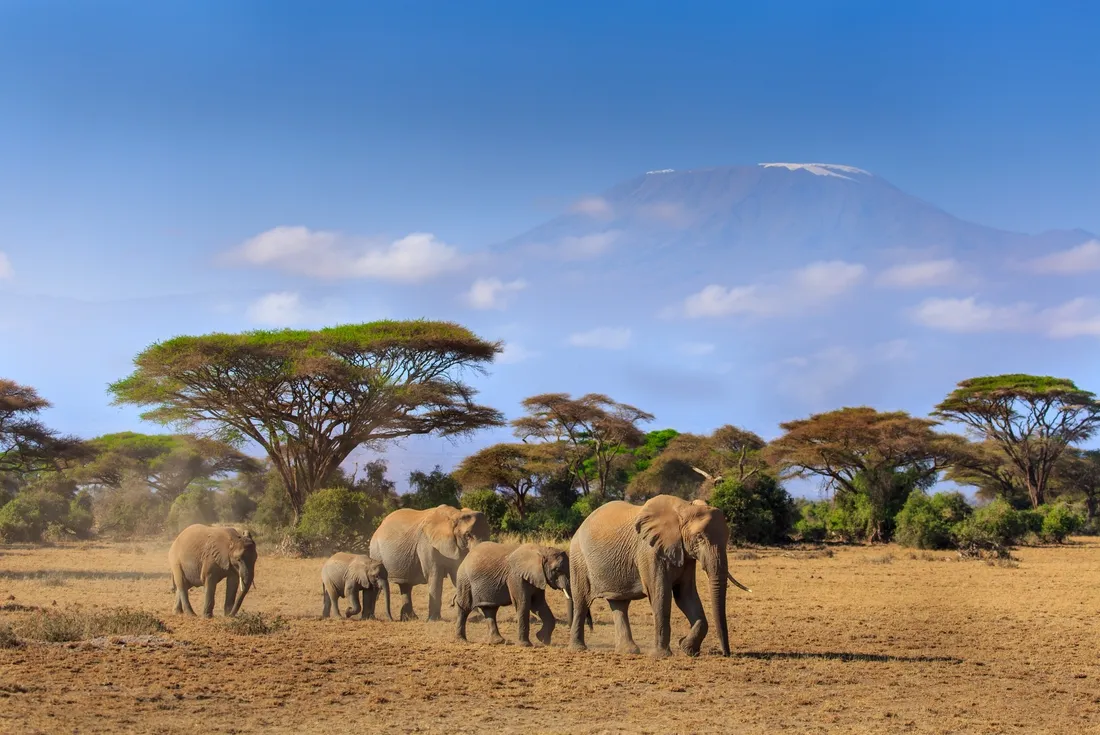
Serengeti & Kilimanjaro Trek
Combined safari and trekking tours offer wildlife adventures and Kilimanjaro climbs.
View Package →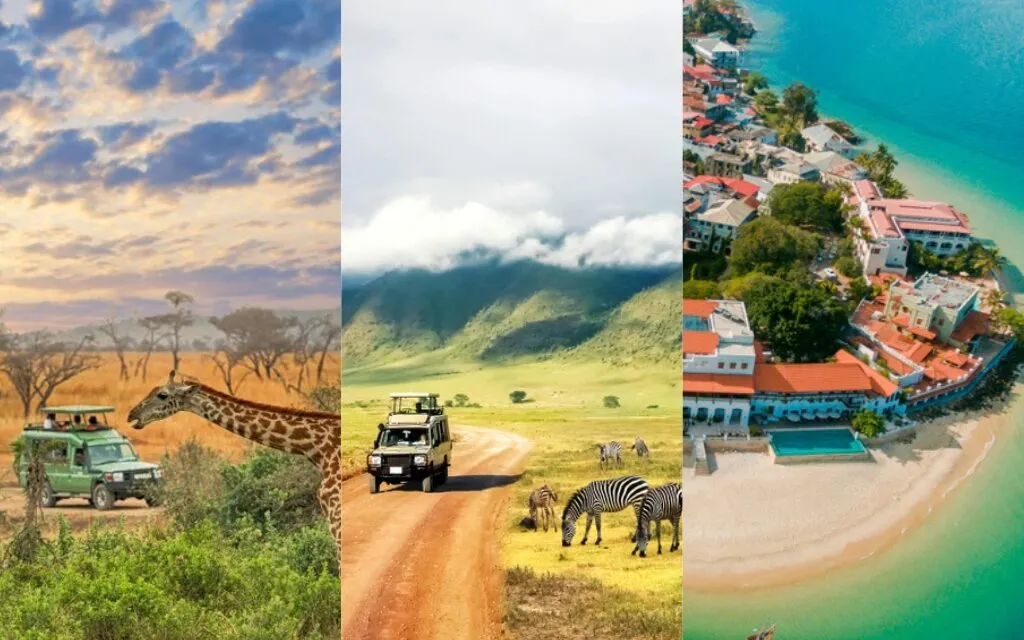
Serengeti & Zanzibar Tours
Luxury Tanzania safari & beach packages with the Great Migration and pristine beaches.
View Package →Related: Best Time to Visit Tanzania 2026 – Perfect safari extension after your Albania adventure.