Most Complete Algeria Travel Guide 2026-2027 – Everything You Need to Know Before Visiting
This Algeria travel guide provides everything you need to plan your journey to North Africa's largest country. Algeria offers an extraordinary blend of Mediterranean coastline, Atlas Mountains, and vast Saharan landscapes that create one of the continent's most diverse travel experiences. Many travelers who want to travel to Algeria are surprised by the country's incredible diversity and rich cultural heritage spanning ancient Berber traditions, Arab influences, and French colonial legacy. The nation covers over 2.3 million square kilometers, making it not only Africa's largest country but also the tenth-largest globally, offering visitors everything from Roman archaeological sites to pristine desert oases and bustling modern cities.
Start Reading the Full Guide ↓Quick Facts About Algeria
- Capital: Algiers.
- Currency: Algerian Dinar (DZD).
- Time Zone: Central European Time (CET, UTC+1).
- International Calling Code: +213.
- Driving Side: Right.
- Major Airports: Houari Boumediene Airport (Algiers), Ahmed Ben Bella Airport (Oran).
Algeria Overview & Key Facts
Brief History of Algeria
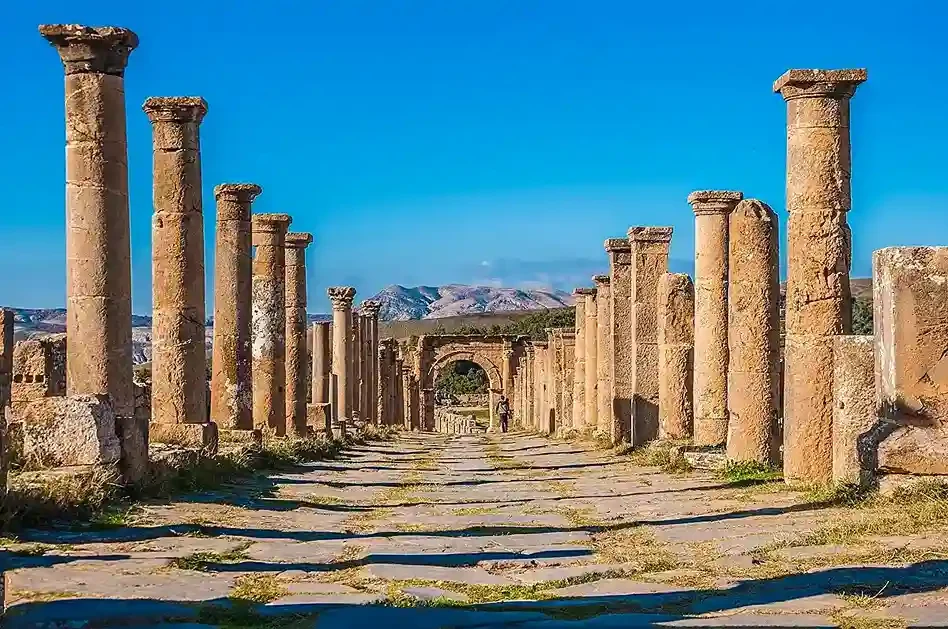
Algeria's history spans millennia, from ancient Berber kingdoms through Roman occupation to Islamic conquest. The Phoenicians established trading posts along the coast around 1200 BCE, followed by Roman rule that left magnificent ruins like Timgad and Djémila. The Arab conquest in the 7th century brought Islam and Arabic culture, while Ottoman rule from the 16th century shaped much of the country's architecture and administrative systems. This rich historical tapestry creates a fascinating backdrop for modern travelers exploring the country's archaeological treasures and cultural sites.
Independence & National Identity
- Independence date: July 5, 1962.
- Former colonial power: France.
- National symbols & identity.
Algeria gained independence after a brutal eight-year war against French colonial rule that began in 1954. The Front de Libération Nationale (FLN) led the independence struggle, resulting in approximately one million Algerian casualties. Today, the country's national identity centers on Arab and Islamic values while celebrating its Berber heritage. The national flag features green and white stripes with a red crescent and star, symbolizing Islam and the bloodshed for independence.
Government System & Current Leadership
- Type of government: Presidential Republic
- Current president: Abdelmadjid Tebboune
- Notes on political stability
Algeria operates as a presidential republic with a strong executive branch. President Abdelmadjid Tebboune has served since December 2019, following mass protests that led to the resignation of long-time president Abdelaziz Bouteflika. The country has experienced periods of political transition, and travelers should stay informed about current conditions through their embassy or consulate before visiting.
Population, Ethnic Groups & Languages
- Population: 47.4 million (2025 projection).
- Major ethnic groups: Arabs (73.6%), Berbers (23.2%).
- Official language(s): Arabic and Amazigh (Berber).
- Additional languages commonly spoken.
French remains widely spoken due to colonial history, with approximately 60% of the population able to communicate in French. About 27% speak various Berber languages, particularly in mountainous regions. English is increasingly taught in schools and universities, though proficiency levels vary significantly across different regions and age groups.
Main Religions & Cultural Identity
Islam dominates Algeria's religious landscape, with approximately 99% of the population adhering to Sunni Islam. Small communities of Ibadi Muslims exist in the M'zab valley, while Christian and Jewish minorities represent less than 1% of the population. Islamic values strongly influence daily life, social customs, and cultural practices. Visitors should respect religious observances, particularly during Ramadan, and dress modestly when visiting mosques or religious sites.
Geography & Natural Landscape
Algeria features three distinct geographical zones: the Mediterranean coastal plains, the Atlas Mountain ranges, and the vast Sahara Desert covering over four-fifths of the country. The northern Tell Atlas region enjoys a Mediterranean climate with mild, wet winters and hot, dry summers. The Saharan region experiences extreme temperature variations, while the High Plateaus between the mountain ranges have a semi-arid climate with cold winters and hot summers.
Economy & Tourism Highlights
Algeria's economyheavily depends on hydrocarbon exports, with oil and natural gas accounting for over 90% of export revenues. The government is actively working to diversify the economy through investments in agriculture, renewable energy, and tourism development. Algerian tourism has been growing steadily as more visitors discover the country's unique blend of Mediterranean coastline, mountain ranges, and Saharan landscapes, supported by infrastructure improvements and cultural festival promotion.
What Algeria Is Known For
- UNESCO World Heritage sites, including the Casbah of Algiers, Timgad Roman ruins, and Tassili n'Ajjer National Park
- Vast Sahara Desert landscapes with stunning sand dunes and ancient rock art
- Rich cultural heritage blending Arab, Berber, and French influences
Visa & Entry Requirements in Algeria
Most international visitors require a visa to enter Algeria, with a few exceptions for diplomatic passport holders and citizens of specific countries. The visa application process typically requires a valid passport with at least six months remaining validity, completed application forms, passport photographs, hotel reservations or invitation letters, and proof of sufficient financial resources. Processing times vary depending on your nationality and the embassy or consulate handling your application, so travelers should apply well in advance of their planned departure date.
Do You Need a Visa?
Citizens of most countries need a visa to enter Algeria. Some Arab League countries and a few African nations have visa exemption agreements, but these arrangements can change. Business travelers, tourists, and transit passengers all typically require appropriate visas. Diplomatic and official passport holders may have different requirements. Always check with the Algerian embassy or consulate in your country for the most current visa requirements specific to your nationality.
Visa Application Options in Algeria
- Embassy application (most common method)
- Consular services through authorized agencies
- Some limited eVisa services for specific purposes
Currently, Algeria does not offer widespread online visa applications or visa-on-arrival services for most nationalities. Applications must typically be submitted in person or through authorized representatives at Algerian diplomatic missions. Some business and official visas may have expedited processing options available through specific channels.
Passport Validity & Entry Documents
Your passport must be valid for at least six months from your intended entry date into Algeria. You'll need at least two blank pages for entry and exit stamps. Required documents typically include your visa, return flight tickets, hotel reservations or invitation letters, proof of sufficient funds, and sometimes vaccination certificates, depending on your country of origin and recent travel history.
Customs Rules & Prohibited Items
Algeria has strict customs regulations regarding the import of certain items. Prohibited items include narcotics, weapons, pornographic materials, and items deemed contrary to Islamic values. Currency declaration is required for amounts exceeding specific limits. Alcohol import is restricted, and travelers should declare valuable electronics, jewelry, and professional equipment to avoid complications during departure.
Safety & Security Information in Algeria
Algeria requires travelers to exercise increased caution due to terrorism risks and regional instability. The security situation varies significantly across different regions, with border areas near Mali, Niger, Libya, and Tunisia considered particularly high-risk. Most tourist areas in northern Algeria, including major cities and coastal regions, maintain adequate security measures, but visitors should remain vigilant and stay informed about current conditions through their embassy and local authorities.
Is Algeria Safe for Tourists?
Yes, Algeria is generally safe for tourists who take appropriate precautions and avoid high-risk areas. The government has invested significantly in tourism security infrastructure, particularly in popular destinations like Algiers, Oran, and Constantine. However, the threat of terrorism exists, particularly in remote areas and near international borders. Petty crime occurs in urban areas, but violent crime against tourists is relatively uncommon when proper safety measures are followed.
Recommended Safety Tips when in Algeria
Stay in groups when possible, especially in unfamiliar areas, and avoid displaying expensive jewelry, electronics, or large amounts of cash. Register with your embassy upon arrival and maintain regular contact with family or colleagues about your whereabouts. Use reputable tour operators for desert excursions and remote area visits. Keep copies of important documents separate from originals, and maintain situational awareness in crowded places like markets and transportation hubs.
Safe Areas vs. Areas to Avoid in Algeria
Northern coastal cities and major tourist destinations generally maintain good security. Avoid border regions with Mali, Niger, Libya, and Tunisia due to terrorism and smuggling activities. Remote desert areas should only be visited with experienced guides and proper permits. Some neighborhoods in large cities may have higher crime rates, so research your accommodation area and ask local authorities or hotel staff for current safety advice.
Emergency Numbers & Tourist Police in Algeria
- Police: 17.
- Fire Department: 14.
- Medical Emergency: 15.
- Tourist Police: Available in major cities and tourist areas.
Keep these numbers saved in your phone and written down separately. Tourist police units in major cities like Algiers and Oran can assist in multiple languages and are specifically trained to help international visitors with various issues ranging from lost documents to emergency situations.
Health Requirements & Vaccinations in Algeria
Algeria does not require mandatory vaccinations for most travelers, but specific requirements may apply depending on your country of origin and recent travel history. Travelers arriving from yellow fever endemic areas must present valid yellow fever vaccination certificates. The country's healthcare system varies in quality between urban and rural areas, with major cities offering better medical facilities and English-speaking medical professionals.
Mandatory Vaccinations in Algeria
Yellow fever vaccination is required for travelers arriving from countries with a risk of yellow fever transmission. This requirement is strictly enforced at border entry points. Some travelers may need additional vaccinations if arriving from areas with specific disease outbreaks. Check with Algerian diplomatic missions and your healthcare provider about current requirements based on your travel history and nationality.
Recommended Vaccinations in Algeria
Routine vaccinations should be up to date, including measles-mumps-rubella (MMR), diphtheria-tetanus-pertussis, varicella (chickenpox), polio, and yearly flu shots. Hepatitis A and typhoid vaccinations are recommended for most travelers. Hepatitis B vaccination is advised for travelers who might have intimate contact with local populations or require medical procedures. Rabies vaccination may be considered for travelers planning extended stays or working with animals.
Malaria & Other Risks
Algeria is generally malaria-free, but travelers should be aware of other health risks, including traveler's diarrhea, heat-related illnesses in desert regions, and respiratory issues from dust storms. Dengue fever and chikungunya are not typically concerns, but mosquito-borne illnesses can occur. Use insect repellent and protective clothing, especially during evening hours and in areas with standing water.
Travel Insurance Recommendations in Algeria
Comprehensive travel insurance is essential for visiting Algeria, as medical evacuation costs can be extremely high and quality healthcare may not be available in remote areas. Ensure your policy covers emergency medical treatment, medical evacuation, trip cancellation, and personal belongings. Some activities, like desert trekking or mountain climbing, may require additional coverage, so review policy details carefully before departure.
Best Time to Visit in Algeria
The best time to visit Algeria depends on your planned activities and destinations within the country. Spring (March to May) and autumn (September to October) offer the most comfortable weather conditions for most regions, with mild temperatures and minimal rainfall. These Algeria travel tips will help you navigate the country's customs, transportation, and cultural expectations while planning your visit during optimal weather conditions.
Weather by Season
Spring brings pleasant temperatures ranging from 15-25°C (59-77°F) in coastal areas, making it ideal for sightseeing and outdoor activities. Summer temperatures can exceed 40°C (104°F) in inland areas, though coastal regions remain more moderate. Autumn offers similar conditions to spring with comfortable temperatures and clear skies. Winter can be surprisingly cold in mountainous regions, with snow possible in the Atlas Mountains, while coastal areas remain mild.
When to Visit Algeria for Best Experiences
- Wildlife viewing is best during spring migration periods.
- Hiking and trekking are optimal during the spring and autumn months.
- Beach season runs from May through September along the Mediterranean coast.
- Cultural festivals occur throughout the year, with many concentrated in spring and autumn.
Desert excursions are most comfortable during cooler months from October through March, when daytime temperatures are manageable and nighttime temperatures don't drop to uncomfortable levels.
High Season vs. Low Season Travel
High season typically runs from March through May and September through November, when weather conditions are most favorable. During these periods, expect higher accommodation prices and more crowded tourist sites. Low season occurs during summer months when extreme heat makes travel less comfortable, and winter months when mountain regions may be inaccessible. Budget travelers can find significant savings during low-season periods.
Weather & Climate Overview in Algeria
Algeria experiences diverse climate zones ranging from Mediterranean coastal conditions to extreme desert environments. Understanding the best time to visit Algeria depends on your preferred activities and the regions you plan to explore, as temperature and precipitation patterns vary dramatically across the country's vast territory. Coastal areas enjoy moderate Mediterranean climates, while inland regions experience continental conditions with greater temperature extremes.
Temperature Ranges
Coastal regions typically see temperatures ranging from 10-16°C (50-61°F) in winter to 25-30°C (77-86°F) in summer. Inland areas experience more extreme variations, with winter temperatures potentially dropping below freezing in mountainous regions and summer temperatures exceeding 45°C (113°F) in desert areas. The High Plateaus region experiences continental climate conditions with cold winters and hot, dry summers.
Rainy & Dry Seasons in Algeria
The rainy season occurs primarily from November through March, with most precipitation falling in coastal and northern mountainous regions. Annual rainfall varies from 400-1000mm in northern areas to less than 50mm in Saharan regions. Summer months are generally dry throughout the country, with occasional thunderstorms in mountainous areas. Desert regions receive minimal precipitation year-round.
What to Wear Based on the Weather
Pack lightweight, breathable clothing for summer visits, including long-sleeved shirts and pants for sun protection and cultural appropriateness. Bring warm layers for winter travel, especially if visiting mountainous regions where temperatures can drop significantly. Comfortable walking shoes are essential, along with sandals for beach areas. Always pack modest clothing that covers shoulders and knees for visiting religious sites and conservative areas.
Main Currency, Costs & Budgeting in Algeria
Algeria uses the Algerian Dinar (DZD) as its official currency, and understanding local financial systems is crucial for budget planning. The country offers relatively affordable travel experiences compared to many international destinations, though costs can vary significantly between different regions and types of accommodation. Currency exchange should be done through official channels to avoid legal complications and ensure fair exchange rates.
Local Currency Information
The Algerian Dinar is divided into 100 centimes, with banknotes available in denominations of 100, 200, 500, 1000, and 2000 dinars. Coins are available in smaller denominations but are less commonly used. Currency exchange is strictly regulated, and travelers should only exchange money at banks, authorized exchange offices, or hotels. Black market currency exchange is illegal and can result in serious legal consequences.
Average Travel Costs in Algeria
Budget travelers can expect to spend approximately $30-50 per day, including accommodation, meals, and local transportation. Mid-range travelers typically spend $60-100 daily for comfortable hotels, restaurant meals, and guided tours. Luxury travelers may spend $150+ daily for premium accommodations and services. Costs are generally lower in smaller cities and rural areas compared to major urban centers like Algiers and Oran.
Using ATMs, Cards & Mobile Money in Algeria
ATMs are widely available in major cities and tourist areas, though they may be scarce in remote regions. International credit and debit cards are accepted at major hotels, restaurants, and shops in urban areas, but cash remains the preferred payment method in many establishments. Mobile payment systems are not widely adopted, so travelers should rely primarily on cash transactions and plan accordingly.
Tipping Guidelines in Algeria
Tipping is customary in Algeria's service industry, with 10-15% being standard in restaurants if service charges aren't included. Hotel staff typically receive 50-100 dinars for services like luggage handling or room cleaning. Taxi drivers don't expect tips, but rounding up the fare is appreciated. Tour guides and drivers for day trips typically receive 200-500 dinars depending on service quality and trip duration.
Transportation & Getting Around in Algeria
Algeria's transportation infrastructure varies significantly between urban and rural areas, with major cities offering multiple options while remote regions may have limited connectivity. Understanding local transportation systems is essential for efficient travel planning, whether you're visiting Algiers and other major cities or exploring more remote destinations. Public transportation, private vehicles, and domestic flights all play important roles in the country's mobility network.
Airport Transfers
Houari Boumediene Airport in Algiers offers several transfer options, including official taxis, private car services, and public buses. Official airport taxis use meters and provide receipts, while private transfer services can be arranged through hotels or tour operators. Public buses connect the airport to central Algiers but may be crowded and challenging for travelers with significant luggage. Allow extra time for airport transfers due to potential traffic congestion.
Local Transport Options in Algeria
Urban areas offer buses, taxis, and shared taxis (louages) for local transportation. Buses are the most economical option, but can be crowded and may not follow strict schedules. Official taxis are metered in major cities, while shared taxis follow fixed routes and charge per passenger. Some cities have tramway systems providing efficient urban transportation. Rural areas rely primarily on buses and shared taxis connecting smaller towns and villages.
Algeria Domestic Flights
Air Algérie operates domestic flights connecting major cities, including Algiers, Oran, Constantine, and Annaba. Domestic flights can save significant travel time for long-distance journeys, particularly when traveling to southern regions. Flight schedules may be limited, and advance booking is recommended, especially during peak travel periods. Regional airports serve smaller cities but may have limited facilities and services.
Car Rentals & Road Conditions in Algeria
International car rental companies operate in major cities, requiring valid international driving permits and credit cards for deposits. Road conditions vary from well-maintained highways connecting major cities to rough tracks in rural and desert areas. Traffic rules follow right-hand driving patterns, and speed limits are enforced. Desert driving requires special preparation, experienced guides, and appropriate vehicles for safety and navigation.
Accommodation Options available in Algeria
Algeria offers diverse accommodation options ranging from budget hostels to luxury hotels, with availability and quality varying significantly between different regions and cities. Major urban centers provide international-standard hotels and business facilities, while smaller towns and rural areas may have more limited options. Understanding accommodation types and booking procedures helps ensure comfortable stays throughout your journey.
Types of Accommodations in Algeria
Hotels range from basic budget establishments to international luxury chains in major cities. Traditional guesthouses (maisons d'hôtes) offer authentic cultural experiences, particularly in historic areas like the Casbah of Algiers. Youth hostels are available in some cities, though options may be limited. Desert camps provide unique experiences for Saharan excursions, ranging from basic camping to luxury desert lodges with modern amenities.
Budget vs. Mid-Range vs. Luxury
Budget accommodations ($15-30 per night) typically offer basic rooms with shared facilities and minimal amenities. Mid-range hotels ($40-80 per night) provide private bathrooms, air conditioning, and often include breakfast. Luxury hotels ($100+ per night) offer international standards with full-service amenities, restaurants, and business facilities. Prices vary significantly between cities, with Algiers generally being the most expensive destination.
Best Areas to Stay in Algeria
In Algiers, the city center and Hydra district offer convenient access to attractions and business areas. Oran's city center provides good hotel options near the port and historic sites. Constantine's plateau area offers scenic views and proximity to major attractions. Coastal cities like Annaba and Béjaïa provide beachfront accommodation options. For desert excursions, Ghardaïa and Tamanrasset serve as gateway cities with accommodation options.
Essential Packing Guide when Visiting Algeria
Packing for Algeria requires consideration of diverse climate conditions, cultural expectations, and planned activities. The country's varied geography means travelers may experience Mediterranean coastal weather, mountain conditions, and desert environments during a single trip. Cultural sensitivity and practical considerations should guide clothing choices, while essential items may not be readily available in all regions.
Clothing Essentials
Pack lightweight, breathable fabrics for hot weather, including long-sleeved shirts and pants for sun protection and cultural appropriateness. Bring warm layers for cooler evenings and mountain regions, including a jacket or sweater. Modest clothing covering shoulders and knees is essential for visiting religious sites and showing cultural respect. Include comfortable walking clothes and at least one outfit suitable for dining in upscale restaurants or attending cultural events.
Footwear & Gear
Comfortable walking shoes with good support are essential for exploring cities and archaeological sites. Sandals are useful for beach areas and casual wear. Hiking boots may be necessary for mountain trekking or desert excursions. Bring universal power adapters for European-style outlets (types C and F). A good daypack is useful for sightseeing and carrying essentials during day trips and excursions.
Electronics & Cameras
Algeria uses 230V electricity with 50Hz frequency, requiring appropriate adapters for most international devices. Power banks are essential for long days of sightseeing and areas with unreliable electricity. Camera equipment should include extra batteries and memory cards, as these may be expensive or difficult to find. Waterproof cases protect electronics from sand and dust in desert regions.
Toiletries & Personal Items
Bring sufficient supplies of prescription medications, as specific brands may not be available locally. Sunscreen with high SPF protection is essential for desert and coastal areas. Insect repellent helps prevent mosquito bites, particularly in coastal regions. Personal hygiene items should include travel-sized toiletries, though basic supplies are available in major cities. Consider bringing wet wipes for areas with limited water access.
Language & Communication in Algeria
Algeria's linguistic landscape reflects its complex history, with Arabic and Amazigh serving as official languages while French remains widely spoken due to colonial heritage. Understanding basic language dynamics helps travelers communicate more effectively and shows respect for local culture. Communication infrastructure varies between urban and rural areas, affecting internet access and mobile connectivity options.
Main Languages Spoken in Algeria
Arabic serves as the primary official language, with Algerian Arabic (Darija) being the most commonly spoken dialect in daily conversation. Amazigh (Berber) languages are spoken by approximately 27% of the population, particularly in mountainous regions. French remains widely understood, with about 60% of the population able to communicate in French. English proficiency is growing among younger generations and in tourism-related businesses.
Useful Phrases for Tourists
Basic Arabic phrases include "As-salamu alaykum" (peace be upon you) for greetings, "Shukran" (thank you), "Min fadlik" (please), and "La afham" (I don't understand). French phrases like "Bonjour" (hello), "Merci" (thank you), "S'il vous plaît" (please), and "Parlez-vous anglais?" (Do you speak English?) is widely understood. Learning a few basic phrases demonstrates respect and often receives positive responses from locals.
SIM Cards & Mobile Data used in Algeria
Local SIM cards are available from major providers including Mobilis, Djezzy, and Ooredoo at airports, shops, and service centers. Prepaid plans offer affordable data and calling options for tourists. Registration requires passport identification and may take several hours to activate. International roaming can be expensive, making local SIM cards the most cost-effective option for extended stays.
Internet Availability & Wi-Fi in Algeria
Wi-Fi is widely available in hotels, restaurants, and cafes in major cities, though connection speeds and reliability may vary. Internet cafes provide access in areas without Wi-Fi, particularly in smaller towns. Mobile data coverage is good in urban areas, but may be limited in remote regions and desert areas. Government restrictions may affect access to certain websites and social media platforms.
Culture & Etiquette in Algeria
Understanding Algerian culture and social etiquette is essential for respectful travel and meaningful interactions with local people. The country's cultural identity blends Arab, Berber, and Islamic traditions with French colonial influences, creating unique social norms and expectations. Visitors who demonstrate cultural awareness and respect typically receive warmer welcomes and more authentic experiences during their travels.
Algerian Dress Code Expectations
Modest dress is expected throughout Algeria, with clothing covering shoulders, arms, and legs to the knee being appropriate for both men and women. Women should consider bringing a headscarf for visiting mosques, though it's not required in all situations. Beachwear is acceptable at coastal resorts and beaches, but should not be worn in urban areas or when traveling between locations. Business attire is expected for formal meetings and upscale restaurants.
Social Etiquette & Respectful Behavior of Algeria
Greetings typically involve handshakes between people of the same gender, though men should wait for women to extend their hands first. Remove shoes when entering homes and some traditional establishments. Accept hospitality graciously, as refusing offers of tea or food may be considered impolite. Show respect for elders and religious practices, and avoid public displays of affection between couples.
Photography Rules in Algeria
Ask permission before photographing people, particularly women, and respect refusals graciously. Military installations, government buildings, and border areas are strictly off-limits for photography. Some museums and archaeological sites may charge additional fees for camera use or prohibit photography entirely. Religious sites may have specific photography restrictions, so inquire about rules before taking pictures.
Important Cultural Dos & Don’ts in Algeria
Do show respect for Islamic customs and prayer times, remove shoes when required, and use your right hand for eating and greeting. Don't point with your finger, show the soles of your feet, or use your left hand for eating or passing items. Avoid discussing sensitive political topics, and be respectful during religious observances like Ramadan, when eating, drinking, and smoking in public may be inappropriate.
Food, Water & Dining in Algeria
Algerian cuisine reflects the country's diverse cultural influences, combining Berber, Arab, Turkish, and French culinary traditions into distinctive flavors and cooking techniques. Understanding local dining customs and food safety practices enhances your culinary experience while helping avoid potential health issues. The country offers everything from street food to fine dining, with regional specialties varying across different areas.
Algerian Local Dishes to Try
Couscous is the national dish, typically served with vegetables and meat on Fridays. Tagines feature slow-cooked stews with meat, vegetables, and aromatic spices. Mechoui consists of roasted lamb or beef prepared for special occasions. Chorba is a hearty soup often served during Ramadan. Makroudh and other pastries showcase the country's sweet traditions. Fresh seafood is excellent along the Mediterranean coast, while mountain regions offer hearty meat dishes.
Dietary Options in Algeria
Halal food is standard throughout Algeria, making it suitable for Muslim travelers. Vegetarian options are available but may be limited in some areas, as meat plays a central role in traditional cuisine. Vegan travelers may face challenges, though vegetables, legumes, and grains are widely available. International cuisine is available in major cities, including French, Italian, and Asian restaurants catering to diverse tastes.
Drinking Water Safety
Bottled water is recommended for drinking, though tap water in major cities is generally treated and safe for locals. Avoid ice in drinks unless you're certain it's made from bottled or properly treated water. Be cautious with fresh fruits and vegetables that may have been washed with tap water. Stick to hot, freshly cooked foods and avoid street food if you have a sensitive stomach.
Restaurant Etiquette
Tipping 10-15% is customary in restaurants if service charges aren't included. Meals are often communal experiences with shared dishes. Wait to be seated and follow your host's lead regarding meal timing and customs. Friday lunch is traditionally a family time, so some restaurants may be closed or have limited service. During Ramadan, eating schedules change significantly, with many restaurants closed during daylight hours.
Top Attractions & Things to Do in Algeria
Algeria offers remarkable diversity in attractions, from ancient Roman ruins and Islamic architecture to stunning natural landscapes and vibrant cultural experiences. The most popular places to visit in Algeria include ancient Roman ruins, UNESCO World Heritage sites, and stunning natural landscapes that showcase the country's rich history and geographical diversity. Understanding major attractions helps prioritize your itinerary based on personal interests and available time.
Major Tourist Attractions in Algeria
- Casbah of Algiers (UNESCO)
- Roman cities: Timgad, Djemila, Tipasa
- M’Zab Valley pentapolis (Ghardaïa)
- Tassili n’Ajjer rock art
The Casbah of Algiers represents one of the finest examples of Islamic architecture and urban planning, featuring narrow streets, traditional houses, and historic mosques. Timgad showcases remarkably preserved Roman ruins with complete city layouts, including theaters, baths, and temples. Tassili n'Ajjer National Park contains prehistoric rock art and dramatic desert landscapes. The M'zab Valley features unique Ibadi architecture and traditional urban planning in desert oasis towns.
Best Tours & Experiences in Algeria
Desert safaris offer unforgettable experiences exploring Saharan landscapes, sand dunes, and traditional Tuareg culture. Archaeological tours provide expert guidance through Roman sites like Djémila and Tipaza. Cultural tours of the Casbah include traditional craft workshops and historic mosque visits. Mountain trekking in the Atlas ranges offers hiking opportunities and Berber village experiences. Coastal tours combine beach relaxation with visits to historic ports and seaside cities.
Family-Friendly Activities to do in Algeria
Beaches along the Mediterranean coast provide safe swimming and water sports opportunities for families. The Algiers Zoo and botanical gardens offer educational experiences for children. Interactive museums in major cities feature exhibits on natural history and cultural heritage. Traditional markets (souks) provide colorful shopping experiences, though supervision is recommended for young children. Cultural festivals throughout the year offer family-friendly entertainment and local traditions.
Unique Cultural or Historical Sites to visit in Algeria
The Ketchaoua Mosque in Algiers demonstrates the blend of Islamic and colonial architecture. Ghardaïa's traditional architecture represents a unique Ibadi cultural heritage. The Martyrs' Memorial commemorates the independence struggle with panoramic city views. Traditional hammams (bathhouses) offer authentic cultural experiences. Berber villages in the Atlas Mountains preserve traditional lifestyles and crafts, providing insights into indigenous culture and customs.
Algerian Electrical System Information
Algeria's electrical system follows European standards, which may require adapters and voltage converters for travelers from other regions. Understanding electrical specifications helps ensure your devices function properly and safely during your visit. Power availability and reliability can vary between urban and rural areas, affecting charging schedules and device usage patterns.
Plug Types & Voltage used in Algeria
Algeria uses plug types C and F (European standard) with 230V voltage and 50Hz frequency. Type C plugs have two round pins, while type F plugs include grounding clips. Most modern electronic devices are designed for dual voltage (110-240V), but check your device specifications before plugging in. Older devices may require voltage converters in addition to plug adapters to prevent damage.
Charging Tips
Bring universal adapters compatible with European plug types to ensure device compatibility. Power banks are essential for long sightseeing days and areas with unreliable electricity supply. Charge devices overnight when power is most stable, and consider bringing multiple charging cables in case of loss or damage. Some remote areas may have limited electricity hours, so plan charging schedules accordingly and conserve battery power when possible.
Local Laws & Regulations of Algeria
Understanding Algeria's legal framework helps travelers avoid unintentional violations and ensures respectful behavior during their visit. The country's laws reflect Islamic principles and local customs, with some regulations differing significantly from Western legal systems. Awareness of key legal requirements and restrictions prevents complications and demonstrates respect for local authority and culture.
Rules Travelers Need to Know when In Algeria
Photography of military installations, government buildings, and security personnel is strictly prohibited and can result in detention. Drone usage requires special permits and is heavily regulated. Public behavior should respect Islamic customs, particularly during religious observances. Import and export of certain items require declarations and permits. Respect for local customs and authority figures is expected and legally required in many situations.
Alcohol, Smoking & Substance Laws of Algeria
Alcohol consumption is legal but regulated, with sales restricted to licensed establishments and hotels. Public intoxication is illegal and can result in fines or detention. Smoking is prohibited in many public spaces, including government buildings, public transportation, and some restaurants. All narcotics and illegal substances are strictly prohibited with severe penalties, including lengthy prison sentences. Prescription medications should be accompanied by proper documentation and prescriptions.
Restricted or Protected Areas in Algeria.
Border regions with Mali, Niger, Libya, and Tunisia require special permits and are often restricted due to security concerns. Some archaeological sites have limited access and require guided tours or special permissions. Military zones and government facilities are off-limits to civilians. Certain desert areas may require permits and registered guides for safety and security reasons. National parks may have specific regulations regarding camping, hiking, and wildlife interaction.
Final Travel Tips for Visitors in Algeria
Successful travel to Algeria requires preparation, cultural sensitivity, and flexibility to adapt to local conditions and customs. These essential Algeria travel tips will help you navigate the country's customs, transportation, and cultural expectations while maximizing your travel experience and minimizing potential challenges. Learning from common traveler experiences helps avoid typical mistakes and ensures more enjoyable visits.
Common Mistakes to Avoid
Don't underestimate travel distances and time requirements, as Algeria is a vast country with varying transportation infrastructure. Avoid wearing inappropriate clothing that doesn't respect local customs and cultural expectations. Don't exchange money through unofficial channels, as this is illegal and can result in serious consequences. Avoid traveling to border regions without proper research and official guidance. Don't assume all areas have reliable internet and communication services.
Tips to Save Money when Visiting Algeria
Travel during shoulder seasons for better accommodation rates and fewer crowds. Use public transportation in cities rather than taxis for significant savings. Eat at local restaurants and street food vendors rather than hotel restaurants. Book accommodations directly with hotels to avoid booking fees. Consider group tours for desert excursions and archaeological sites to share costs. Shop at local markets for souvenirs rather than tourist-focused shops.
Safety & Comfort Tips
Register with your embassy upon arrival and maintain regular contact about your whereabouts. Keep copies of important documents separate from originals and store digital copies securely. Carry sufficient cash as card acceptance may be limited in some areas. Learn basic Arabic or French phrases to improve communication and show respect. Stay hydrated and protect yourself from sun exposure, particularly in desert regions. Maintain flexibility in your itinerary to accommodate local conditions and opportunities.
Frequently Asked Questions – Algeria Travel Guide 2026-2027
Our Tanzania Tours Products
While Algeria offers incredible Roman ruins, Sahara adventures and Mediterranean charm, many travelers combine North Africa with the ultimate wildlife experience in East Africa. Capable Africa Tours specializes in secure, guided safaris that maximize safety and wonder. Our expert local guides, armed rangers in parks, and vetted accommodations ensure peace of mind. From family-friendly lodges to luxury camps, we handle logistics so you focus on the magic. Tanzania ranks high for tourist safety with dedicated wildlife protection units and stable northern circuits.
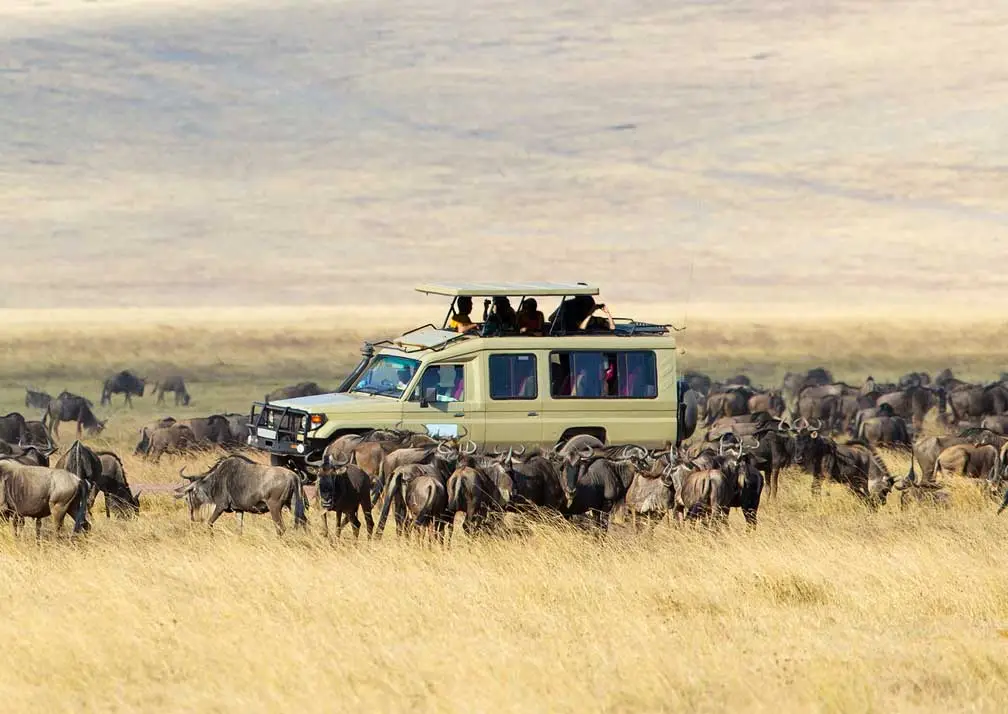
Great Migration Safaris
Experience one of nature's greatest spectacles with our Great Migration safari packages, timed for river crossings or calving.
View Package →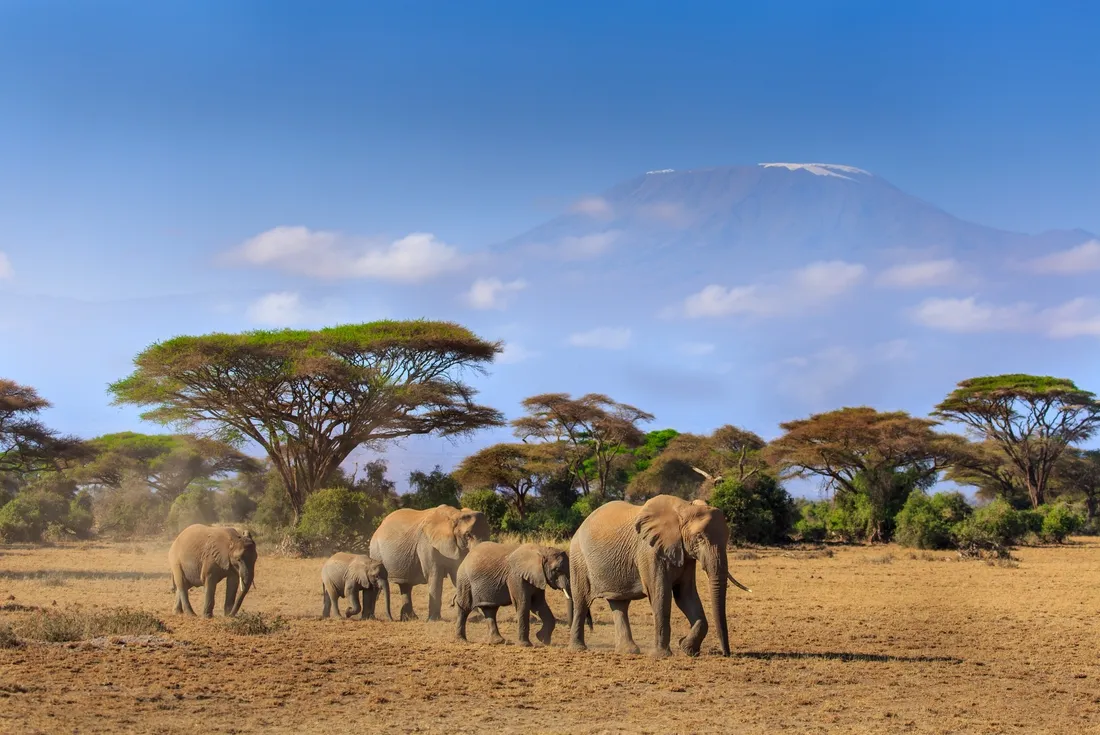
Serengeti & Kilimanjaro Trek
Combined safari and trekking tours offer wildlife adventures and Kilimanjaro climbs.
View Package →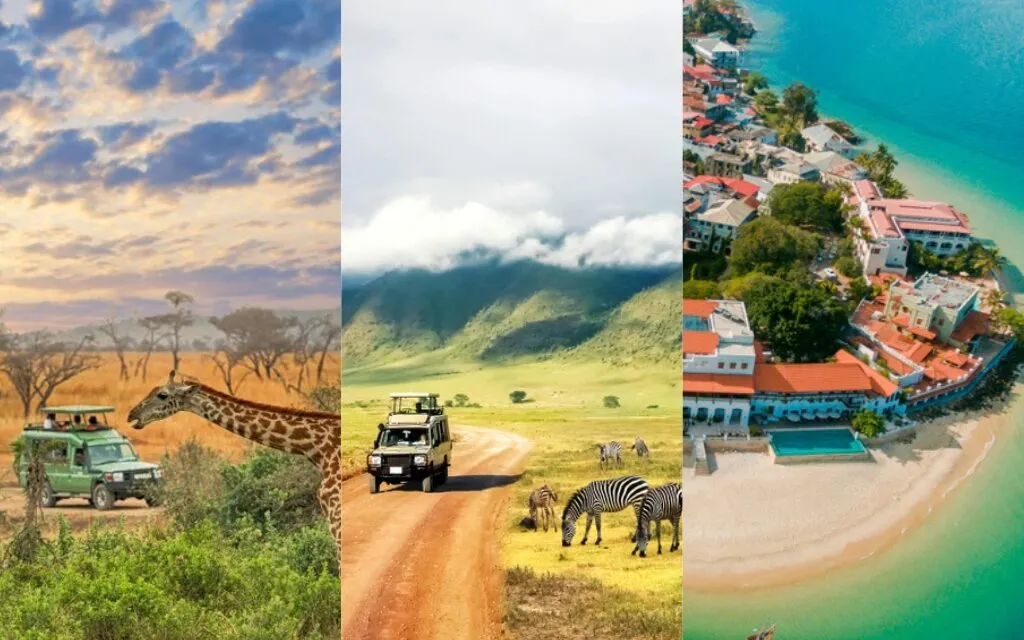
Serengeti & Zanzibar Tours
Luxury Tanzania safari & beach packages with the Great Migration and pristine beaches.
View Package →Related: Best Time to Visit Tanzania 2026 – Perfect safari extension after your Algeria adventure.