
Most Complete American Samoa Travel Guide 2026-2027 – Everything You Need to Know Before Visiting
This American Samoa travel guide provides everything you need to plan your journey to the only U.S. territory south of the equator. American Samoa offers an extraordinary blend of dramatic volcanic landscapes, pristine coral reefs, and one of the world’s most intact Polynesian cultures. Many travelers who want to experience authentic Pacific island life choose American Samoa over its independent neighbor because it preserves the traditional fa’a Samoa (Samoan way) more deeply while still providing American infrastructure and safety standards.
Start Reading the Full Guide ↓Quick Facts About American Samoa
- Capital: Pago Pago (Fagatogo is the official seat).
- Currency: United States Dollar (USD).
- Time Zone: Samoa Standard Time (SST, UTC-11).
- International Calling Code: +1 684.
- Driving Side: Right (switched in 2009).
- Major Airport: Pago Pago International Airport (PPG).
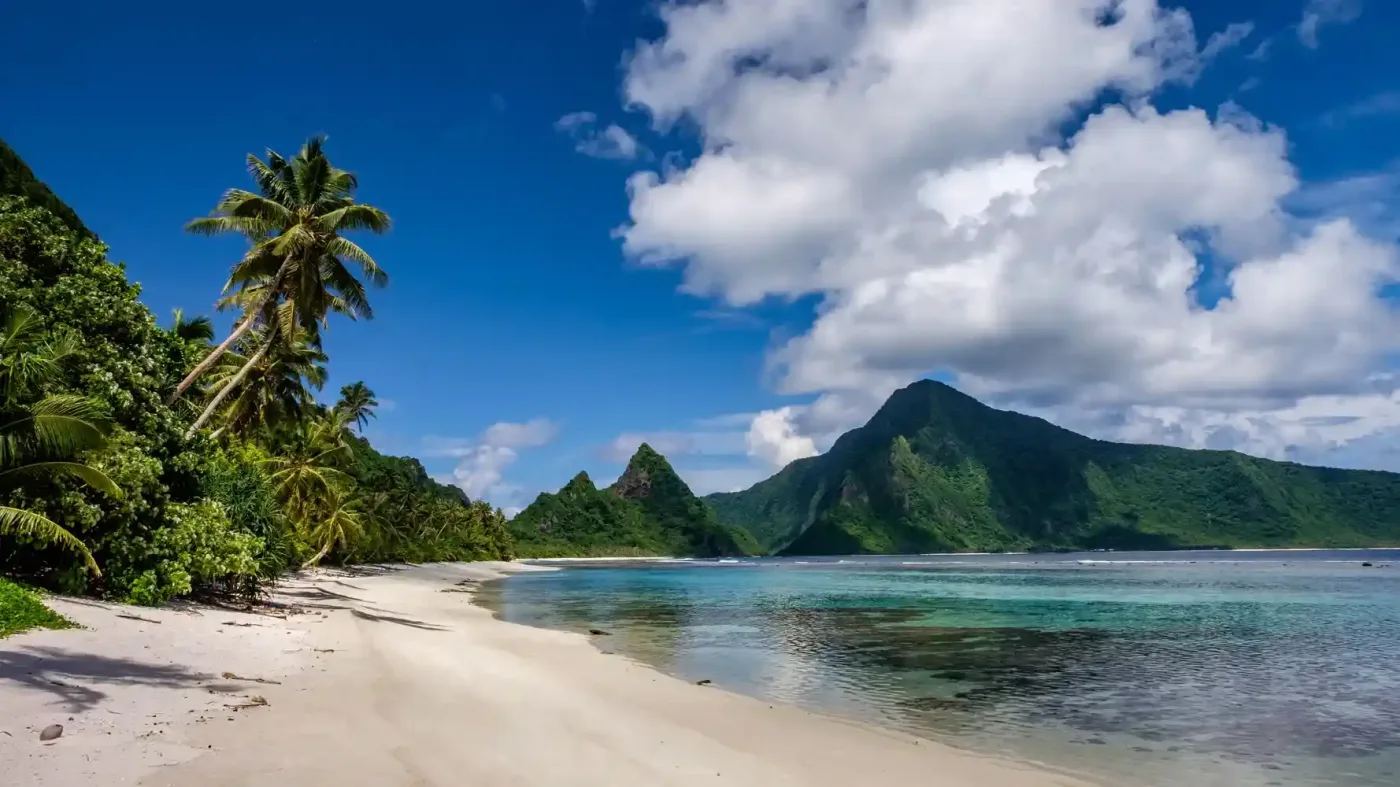
American Samoa Overview & Key Facts
Brief History of American Samoa
American Samoa’s history begins with Polynesian settlement around 1000 BCE, making Samoans one of the oldest Polynesian cultures. European contact began in the 18th century, but unlike neighboring Samoa, American Samoa became a U.S. territory through deeds of cession signed in 1900 and 1904. The U.S. Navy administered the islands until 1951, then the Department of the Interior. This unique status has preserved strong traditional governance (fa’amatai system) alongside American citizenship for those born here.
Status & National Identity
- U.S. Territory since 1900.
- Residents are U.S. nationals (not automatic citizens).
- National symbols & identity.
American Samoans are U.S. nationals at birth but must naturalize for full citizenship. The territory flies both the U.S. and American Samoa flags, and the culture proudly maintains fa’a Samoa customs, language, and communal land ownership (over 90% of land is communally owned).
Government System & Current Leadership
- Type of government: Unincorporated U.S. territory
- Current governor: Lemanu Peleti Mauga (since 2021)
- Notes on political stability
American Samoa has a locally elected governor and legislature (Fono) with a non-voting delegate in the U.S. Congress. The traditional matai (chief) system still governs most village life and land ownership.
Population, Ethnic Groups & Languages
- Population: ~45,000 (2025 estimate).
- Major ethnic groups: Samoan (89%), Tongan, other Pacific Islanders, Asian, White.
- Official language(s): English and Samoan.
- Additional languages commonly spoken.
Samoan is spoken by almost everyone; English is universal in government, schools, and business. Many residents are bilingual from childhood.
Main Religions & Cultural Identity
Christianity dominates with over 98% adherence (50% Congregational, 20% Catholic, 30% Methodist/LDS/Assembly of God). Church plays a central role in community life and Sunday is strictly observed as a day of rest and worship.
Geography & Natural Landscape
American Samoa consists of five volcanic islands (Tutuila, Aunu’u, Ofu, Olosega, Ta’u) and two coral atolls (Rose Atoll, Swains Island). Tutuila hosts the dramatic Pago Pago harbor—one of the deepest natural harbors in the South Pacific—surrounded by steep rainforest-covered mountains.
Economy & Tourism Highlights
The economy relies on tuna canning, government employment, and growing tourism. The National Park of American Samoa (established 1988) is the only U.S. national park south of the equator and protects some of the world’s most pristine coral reefs and last remaining Paleotropical rainforests.
What American Samoa Is Known For
- National Park of American Samoa (only U.S. national park in Southern Hemisphere)
- Some of the world’s most beautiful and least-visited beaches (Ofu)
- Strong preservation of fa’a Samoa traditional culture
Visa & Entry Requirements in American Samoa
U.S. citizens travel domestically (no passport needed). Most foreign nationals enter visa-free for 30 days. Entry is straightforward but flights are limited and expensive.
Do You Need a Visa?
U.S. citizens: No visa or passport required. Most other nationalities: Visa-free entry for up to 30 days with passport valid 6+ months, return/onward ticket, and proof of sufficient funds/accommodation.
Visa Application Options in American Samoa
- Visa-free entry on arrival for most countries
- OK Board/ETA required in advance for citizens of some countries (check current list)
- Extensions possible locally up to 30 additional days
Passport Validity & Entry Documents
Passport must be valid for 6 months beyond intended stay. U.S. citizens can use driver’s license or birth certificate. Return/onward ticket strictly enforced.
Customs Rules & Prohibited Items
U.S. customs rules apply. Strict biosecurity—no fresh fruit/vegetables/meat. Kava and coral/shells restricted. Alcohol limits same as mainland U.S.
Safety & Security Information in American Samoa
American Samoa is one of the safest destinations in the Pacific with extremely low violent crime rates.
Is American Samoa Safe for Tourists?
Yes – very safe. Petty theft is rare, violent crime against tourists almost unheard of. U.S. law enforcement and emergency services operate.
Recommended Safety Tips when in American Samoa
Respect village curfews and Sunday closures. Ask permission before swimming on village beaches. Secure valuables in hotel safes. Normal tropical precautions (reef shoes, sunscreen, hydration).
Safe Areas vs. Areas to Avoid in American Samoa
Everywhere is safe for tourists. Only remote parts of the National Park require guides for safety (flash floods, steep trails).
Emergency Numbers & Tourist Police in American Samoa
- Police/Fire/Medical Emergency: 911
Health Requirements & Vaccinations in American Samoa
No mandatory vaccinations for direct travel from most countries. Standard tropical precautions apply.
Mandatory Vaccinations in American Samoa
None for direct travel. Proof of measles vaccination may be requested.
Recommended Vaccinations in American Samoa
Hepatitis A, Typhoid, routine vaccines. Dengue and Zika are occasional risks—use repellent.
Malaria & Other Risks
No malaria. Dengue outbreaks occur—use repellent, especially dawn/dusk.
Travel Insurance Recommendations in American Samoa
Highly recommended—covers expensive flights home and potential medical evacuation to Hawaii or New Zealand.
Best Time to Visit in American Samoa
May–October (dry season) is most popular; November–April is wetter but still warm.
Weather by Season
Dry season (May–Oct): 24–29°C (75–85°F), lower humidity. Wet season (Nov–Apr): 26–31°C (79–88°F), frequent rain, occasional cyclones.
When to Visit American Samoa for Best Experiences
- Whale watching: July–October
- Best beach weather: June–September
- Cheapest flights/accommodation: February–May
High Season vs. Low Season Travel
High season: June–August (U.S. summer break). Low season: January–April (cheaper, greener scenery).
Weather & Climate Overview in American Samoa
Tropical maritime climate year-round with trade winds moderating temperatures.
Temperature Ranges
Year-round 24–31°C (75–88°F). Water temperature 26–29°C (79–84°F).
Rainy & Dry Seasons in American Samoa
Dry season May–October; wet season November–April (cyclone risk Dec–Mar).
What to Wear Based on the Weather
Light cotton clothing, swimsuits, reef-safe sunscreen, light rain jacket, modest attire for villages/church.
Main Currency, Costs & Budgeting in American Samoa
U.S. Dollar (USD). Costs higher than mainland U.S. due to import reliance.
Local Currency Information
U.S. Dollar only. ATMs widely available, cards accepted almost everywhere.
Average Travel Costs in American Samoa
Budget $120–180/day; mid-range $200–350/day; luxury $400+/day (flights are the major expense).
Using ATMs, Cards & Mobile Money in American Samoa
ATMs plentiful. Visa/Mastercard widely accepted. Apple/Google Pay common.
Tipping Guidelines in American Samoa
Not expected or customary (fa’a Samoa culture). Tips may be politely refused.
Transportation & Getting Around in American Samoa
Limited flights (only from Honolulu and Apia). Island transport by colorful aiga buses, rental cars, taxis.
Airport Transfers
Taxis and hotel shuttles from PPG airport (10–20 min to town).
Local Transport Options in American Samoa
Iconic brightly painted aiga (family) buses—cheap and fun. Taxis and rental cars available.
American Samoa Domestic Flights
Inter-island flights to Ofu-Olosega and Ta’u via small planes (scenic but weather-dependent).
Car Rentals & Road Conditions in American Samoa
Rental cars available. Drive on right. Roads narrow and winding—good condition on Tutuila.
Accommodation Options available in American Samoa
Range from beach fales to small hotels and homestays.
Types of Accommodations in American Samoa
Beach fales (traditional open houses), small family-run guesthouses, a few mid-range hotels, one luxury resort (on Tutuila).
Budget vs. Mid-Range vs. Luxury
Budget $60–120/night; mid-range $130–250; luxury $300+ (very limited).
Best Areas to Stay in American Samoa
Tutuila (Pago Pago area or east/north coast), Ofu (beach fales), Ta’u (homestays).
Essential Packing Guide when Visiting American Samoa
Reef-safe sunscreen, snorkel gear (can rent but expensive), modest clothing for villages, insect repellent, power bank.
Clothing Essentials
Swimsuits, rash guards, light cotton clothes, lavalava/ie lavalava for village visits.
Footwear & Gear
Reef shoes essential. Hiking sandals, light hiking shoes for National Park trails.
Electronics & Cameras
U.S. plugs (110V). Waterproof phone case highly recommended.
Toiletries & Personal Items
Reef-safe sunscreen (mandatory in National Park marine areas), strong insect repellent, basic medications.
Language & Communication in American Samoa
English and Samoan official. English universally understood.
Main Languages Spoken in American Samoa
Samoan and English. Most signage bilingual.
Useful Phrases for Tourists
Talofa (hello), Fa’afetai (thank you), Tōfā (goodbye).
SIM Cards & Mobile Data used in American Samoa
ASTCA (Bluesky) and American Samoa Telecom. SIMs at airport/stores.
Internet Availability & Wi-Fi in American Samoa
Good 4G coverage on Tutuila. Limited on Manu’a islands. Wi-Fi in most accommodations.
Culture & Etiquette in American Samoa
Fa’a Samoa is alive and strong—respect for family, chiefs, and church is paramount.
American Samoan Dress Code Expectations
Casual tropical wear fine, but cover shoulders and knees in villages and on Sundays.
Social Etiquette & Respectful Behavior of American Samoa
Remove shoes entering homes. Ask permission to enter village land. Sunday is sacred—quiet and family time.
Photography Rules in American Samoa
Ask permission before photographing people, especially in villages.
Important Cultural Dos & Don’ts in American Samoa
Do participate if invited to fa’afaletui or ava ceremony. Don’t stand when elders are seated. Don’t turn your back on chiefs.
Food, Water & Dining in American Samoa
Fresh seafood, taro, coconut, palusami, and American fast food coexist.
American Samoa Local Dishes to Try
Palusami, oka (raw fish), faiai fe’e (octopus in coconut), turkey tails, koko rice, panipopo.
Dietary Options in American Samoa
Seafood-heavy. Vegetarian options limited but possible. Many gluten-free by nature.
Drinking Water Safety
Tap water safe on Tutuila. Bottled recommended on outer islands.
Restaurant Etiquette
Many places family-style. Tipping not expected.
Top Attractions & Things to Do in American Samoa
National Park of American Samoa spans Tutuila, Ofu, and Ta’u with world-class snorkeling, hiking, and cultural experiences.
Major Tourist Attractions in American Samoa
- National Park of American Samoa
- Ofu Beach (often ranked world’s most beautiful)
- Tutuila hiking trails and beaches
- Traditional village experiences
Best Tours & Experiences in American Samoa
National Park guided hikes, village homestays, snorkeling trips, whale-watching (seasonal).
Family-Friendly Activities to do in American Samoa
Beaches, turtle watching, easy coastal walks, cultural demonstrations.
Unique Cultural or Historical Sites to visit in American Samoa
Aunu’u Island, Jean P. Haydon Museum, traditional fale architecture, ava ceremonies.
American Samoan Electrical System Information
U.S. standard 110–120V, 60Hz. Types A and B plugs.
Plug Types & Voltage used in American Samoa
U.S. standard plugs. Same as mainland USA.
Charging Tips
No adapters needed for U.S. devices. Power reliable on Tutuila.
Local Laws & Regulations of American Samoa
U.S. federal laws apply with local additions.
Rules Travelers Need to Know when In American Samoa
Respect village sa (curfew/prayer time), no alcohol sales on Sundays, strict marine protection rules.
Alcohol, Smoking & Substance Laws of American Samoa
Legal drinking age 21. No Sunday alcohol sales. Marijuana illegal.
Restricted or Protected Areas in American Samoa.
National Park marine areas—reef-safe sunscreen mandatory, no taking coral/shells.
Final Travel Tips for Visitors in American Samoa
Book flights early (very limited), bring cash (some places), respect fa’a Samoa, and slow down to island time.
Common Mistakes to Avoid
Don’t visit on Sunday expecting shops/restaurants open. Don’t underestimate flight costs and infrequency.
Tips to Save Money when Visiting American Samoa
Travel in shoulder season, stay in beach fales, eat local food, use aiga buses.
Safety & Comfort Tips
Use reef shoes, stay hydrated, respect village customs, bring strong insect repellent.
Frequently Asked Questions – American Samoa Travel Guide 2026-2027
Our Tanzania Tours Products
While American Samoa offers pristine beaches and authentic Polynesian culture, many travelers combine the Pacific with the ultimate African wildlife experience. Capable Africa Tours specializes in secure, guided safaris that maximize safety and wonder. Our expert local guides, armed rangers in parks, and vetted accommodations ensure peace of mind. From family-friendly lodges to luxury camps, we handle logistics so you focus on the magic. Tanzania ranks high for tourist safety with dedicated wildlife protection units and stable northern circuits.
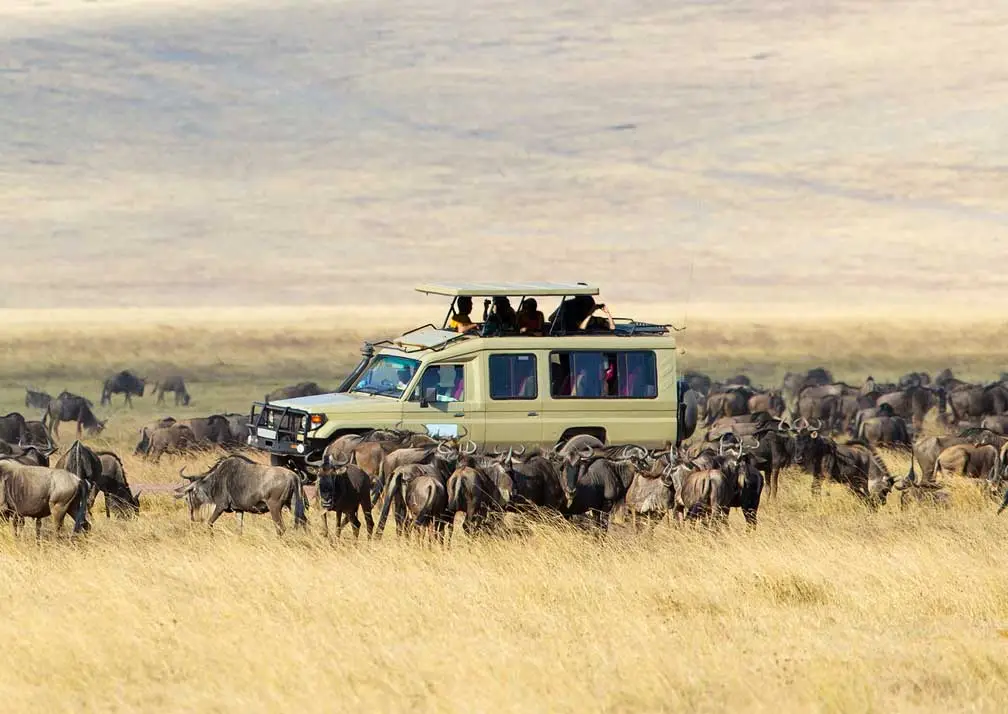
Great Migration Safaris
Experience one of nature's greatest spectacles with our Great Migration safari packages, timed for river crossings or calving.
View Package →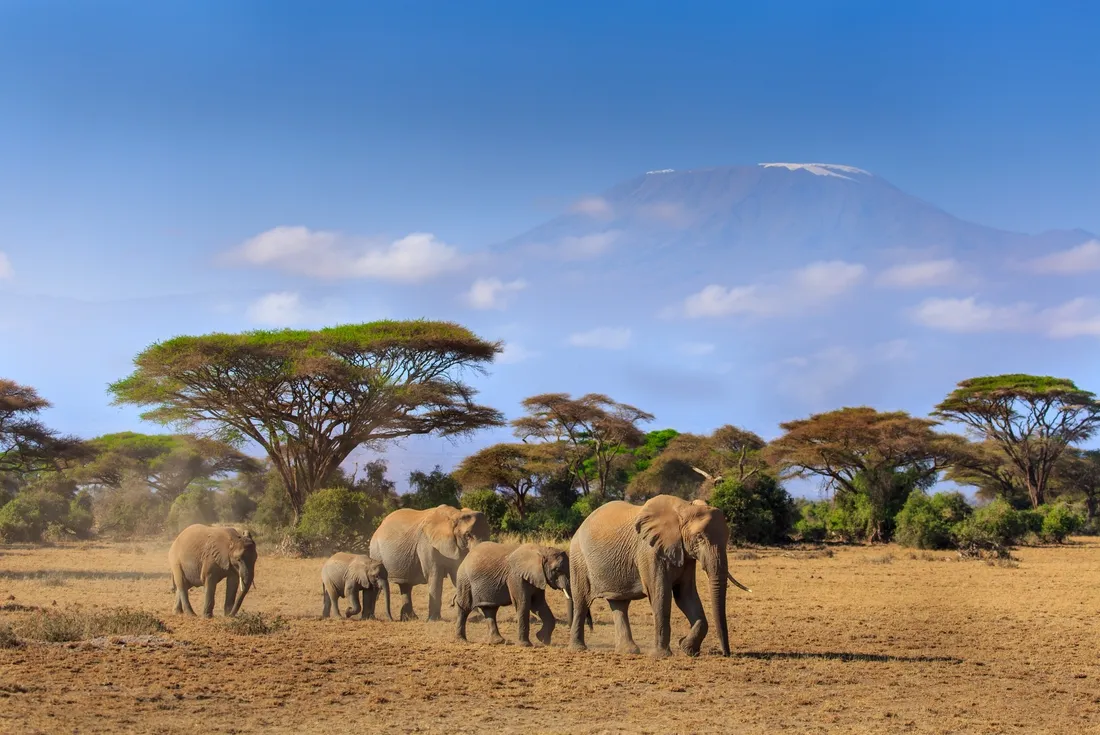
Serengeti & Kilimanjaro Trek
Combined safari and trekking tours offer wildlife adventures and Kilimanjaro climbs.
View Package →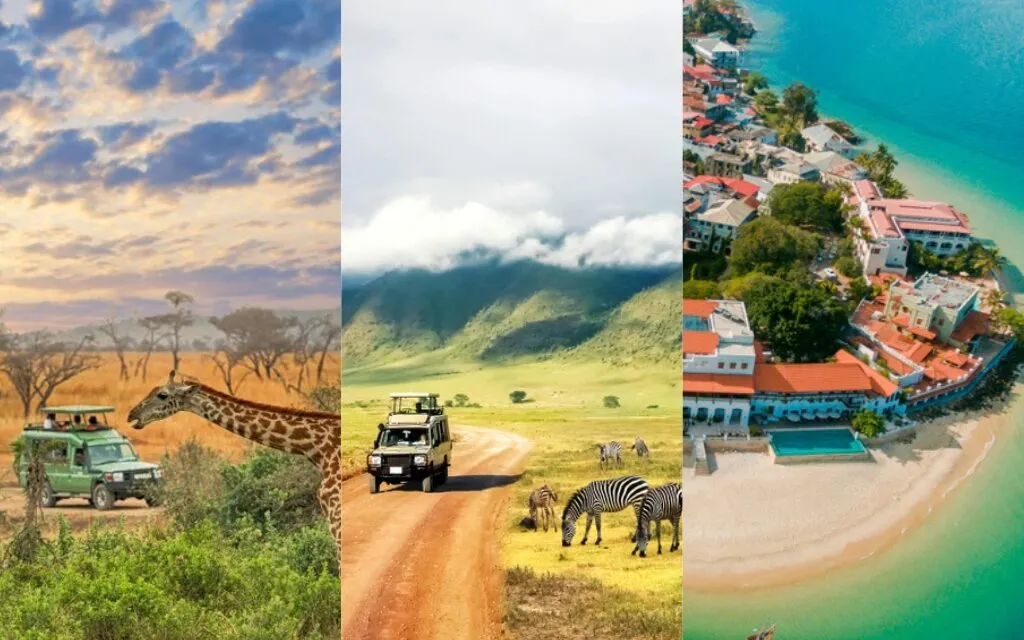
Serengeti & Zanzibar Tours
Luxury Tanzania safari & beach packages with the Great Migration and pristine beaches.
View Package →Related: Best Time to Visit Tanzania 2026 – Perfect safari extension after your American Samoa adventure.