
Most Complete Angola Travel Guide 2026-2027 – Everything You Need to Know Before Visiting
This Angola travel guide provides everything you need to plan your journey to one of Africa’s most fascinating and rapidly changing destinations. Angola offers dramatic contrasts – futuristic Luanda skyline, pristine Atlantic beaches, vast savannahs of Kissama National Park, towering Kalandula Falls, and the haunting beauty of the Namib Desert edge. After decades of isolation, Angola is opening up with new infrastructure, luxury lodges, and a growing tourism sector, making it one of the continent’s most exciting emerging destinations.
Start Reading the Full Guide ↓Quick Facts About Angola
- Capital: Luanda.
- Currency: Angolan Kwanza (AOA).
- Time Zone: West Africa Time (WAT, UTC+1).
- International Calling Code: +244.
- Driving Side: Right.
- Major Airports: Quatro de Fevereiro Airport (Luanda), Lubango Airport.
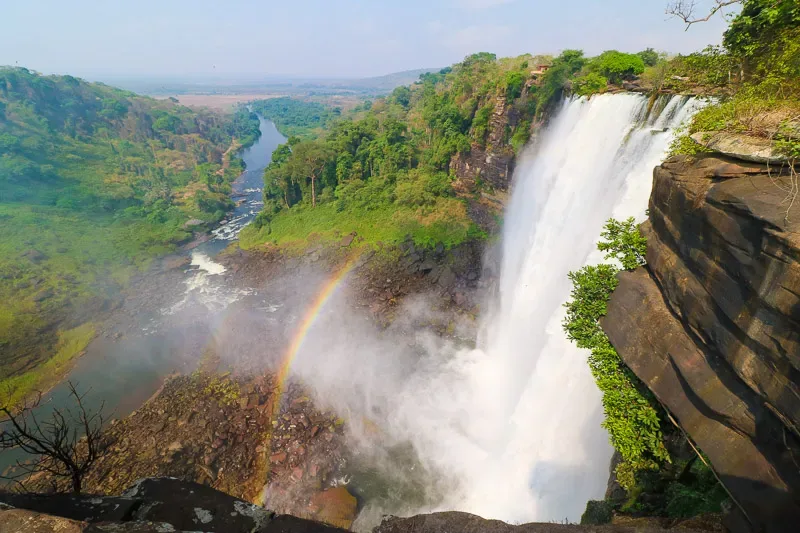
Angola Overview & Key Facts
Brief History of Angola
Angola’s history spans ancient kingdoms, Portuguese colonization from the 16th century, a brutal independence war (1961–1974), and a devastating civil war that ended in 2002. The country is now in a period of rapid reconstruction and modernization, with Luanda emerging as one of Africa’s most expensive and architecturally striking capitals.
Independence & National Identity
- Independence date: November 11, 1975.
- Former colonial power: Portugal.
- National symbols & identity.
Angola gained independence after a long armed struggle led by MPLA, FNLA and UNITA. The post-independence civil war shaped modern Angolan identity, with strong emphasis on unity and reconstruction. The flag’s red and black represent blood and Africa, while the machete and gear symbolize workers and industry.
Government System & Current Leadership
- Type of government: Presidential Republic
- Current president: João Lourenço (since 2017)
- Notes on political stability
President João Lourenço has led an anti-corruption campaign and economic diversification efforts. The country enjoys relative stability since the 2002 peace agreement, though political expression remains limited.
Population, Ethnic Groups & Languages
- Population: 38.5 million (2025 projection).
- Major ethnic groups: Ovimbundu (37%), Ambundu (25%), Bakongo (13%).
- Official language(s): Portuguese.
- Additional languages commonly spoken.
Portuguese is the sole official language and widely spoken. National languages (Umbundu, Kimbundu, Kikongo) are recognized, and English is growing rapidly in business and tourism sectors.
Main Religions & Cultural Identity
Christianity dominates (over 90%), with strong Catholic and Protestant communities. Traditional beliefs remain influential, especially in rural areas. Angolan culture blends African rhythms (semba, kizomba) with Portuguese influences.
Geography & Natural Landscape
Angola features diverse geography: 1,650 km of Atlantic coastline, central highlands, vast interior plateau, and the northern edge of the Namib Desert. The country has dramatic waterfalls (Kalandula, Ruacaná), savannah wildlife parks, and striking desert landscapes in the south.
Economy & Tourism Highlights
Oil dominates the economy, making Angola Africa’s second-largest producer. Tourism is growing rapidly with new luxury lodges, improved roads, and promotion of Kissama National Park, Kalandula Falls, and the southern desert region.
What Angola Is Known For
- Luanda’s futuristic skyline and high-end lifestyle
- Kissama National Park and returning wildlife
- Kalandula Falls (Africa’s second-largest by volume)
- Emerging luxury beach and desert destinations
Visa & Entry Requirements in Angola
Angola has significantly simplified visa procedures in recent years. An e-Visa system is now available for citizens of over 60 countries, and visa-on-arrival is expanding. Tourist visas are generally valid for 30 days and extendable.
Do You Need a Visa?
Most nationalities require a visa, but e-Visa is available online for many countries (USA, UK, EU, Canada, Australia, etc.). Citizens of some SADC countries are exempt.
Visa Application Options in Angola
- e-Visa (online – most convenient)
- Visa-on-arrival (expanding at Luanda airport)
- Embassy application (still required for some nationalities)
Passport Validity & Entry Documents
Passport must be valid for 6 months with 3 blank pages. Yellow Fever certificate mandatory. Return ticket and proof of accommodation usually required.
Customs Rules & Prohibited Items
Strict rules on currency declaration over USD 10,000 equivalent. Drones require permits. Alcohol and tobacco limits apply.
Safety & Security Information in Angola
Main tourist areas are safe with visible police presence. Crime exists in Luanda (bag-snatching, carjacking), but violent crime against tourists is rare when precautions are taken.
Is Angola Safe for Tourists?
Yes in Luanda, Lubango, Benguela, Namibe, and Kissama Park. Avoid Cabinda enclave and eastern provinces (Lunda Norte/Sul). Use registered taxis and reputable operators.
Recommended Safety Tips when in Angola
Avoid displaying wealth, use hotel safes, travel in groups after dark, use registered taxis or ride-hailing apps (Yango, Kubinga).
Safe Areas vs. Areas to Avoid in Angola
Safe: Luanda (Ilha, Talatona), Lubango, Benguela, Namibe, Kissama Park. Avoid: Cabinda (separatist activity), Lunda provinces (diamond areas), remote border regions.
Emergency Numbers & Tourist Police in Angola
- Police: 111
- Fire: 118
- Ambulance: 112
- Tourist Police units in Luanda and main cities
Health Requirements & Vaccinations in Angola
Yellow Fever vaccination certificate is mandatory for all visitors over 9 months old. Malaria risk exists nationwide.
Mandatory Vaccinations in Angola
Yellow Fever certificate required from all travelers except those from non-endemic countries with no transit through endemic areas.
Recommended Vaccinations in Angola
Hepatitis A, Typhoid, Hepatitis B, Rabies (if extended stay), routine vaccines. Malaria prophylaxis strongly recommended.
Malaria & Other Risks
Malaria present year-round. Use DEET repellent, sleep under nets in rural areas. Dengue and chikungunya also present.
Travel Insurance Recommendations in Angola
Essential – medical evacuation can exceed $100,000. Ensure coverage for adventure activities and remote areas.
Best Time to Visit in Angola
May–September (cool dry season) is ideal. Temperatures 20–28°C, minimal rain, good wildlife viewing.
Weather by Season
Dry season (May–Sep): cool and pleasant. Rainy season (Oct–Apr): hot and humid with heavy downpours, many roads impassable outside cities.
When to Visit Angola for Best Experiences
- Wildlife viewing: June–October
- Beach season: year-round (best May–Sep)
- Kalandula Falls: peak flow February–June
Weather & Climate Overview in Angola
Coastal areas are temperate due to Benguela Current. Interior highlands cooler. Southern region transitions to Namib Desert conditions.
Temperature Ranges
Luanda: 23–30°C year-round. Lubango highlands: 15–28°C. Desert south: extreme daily variation.
Rainy & Dry Seasons in Angola
Rainy season October–April (heaviest in north). Dry season May–September.
What to Wear Based on the Weather
Light cotton clothing, sun protection, layers for highlands and evenings. Sturdy shoes for national parks.
Main Currency, Costs & Budgeting in Angola
Angola remains expensive due to oil wealth and import reliance, but prices are falling as infrastructure improves.
Local Currency Information
Kwanza (AOA). USD widely accepted in Luanda. ATMs plentiful in cities.
Average Travel Costs in Angola
Budget $80–130/day, mid-range $150–250/day, luxury $300+/day.
Using ATMs, Cards & Mobile Money in Angola
Visa/Mastercard accepted in Luanda hotels and malls. Multicaixa ATMs widespread. Mobile money growing (Unitel Money).
Tipping Guidelines in Angola
10–15% in restaurants, $5–10/day for guides and drivers.
Transportation & Getting Around in Angola
Infrastructure improving rapidly. Domestic flights essential for long distances.
Airport Transfers
Registered taxis or hotel transfers recommended. Ride-hailing apps (Yango, Kubinga) available in Luanda.
Local Transport Options in Angola
Candongueiros (minibuses), registered taxis, ride-hailing apps in Luanda.
Angola Domestic Flights
TAAG Angola Airlines connects Luanda with Lubango, Cabinda, Ondjiva, Dundo. Essential for time-efficient travel.
Car Rentals & Road Conditions in Angola
4x4 recommended outside Luanda. Major routes paved and improving.
Accommodation Options available in Angola
Luanda has international luxury hotels. Growing lodge network in Kissama, Lubango, Namibe.
Types of Accommodations in Angola
International hotels, boutique guesthouses, safari lodges, desert camps.
Budget vs. Mid-Range vs. Luxury
Budget $50–100, mid-range $120–250, luxury $300–800+/night in Luanda.
Best Areas to Stay in Angola
Luanda (Talatona, Ilha), Lubango city, Benguela beachfront, Kissama Park lodges.
Essential Packing Guide when Visiting Angola
Light clothing, strong sunscreen, insect repellent, malaria prophylaxis, power bank, universal adapter (Type C/F).
Language & Communication in Angola
Portuguese official language. English growing in tourism. Local SIMs (Unitel, Movicel) easy to obtain.
Culture & Etiquette in Angola
Respectful dress outside beach areas. Handshakes common. Photography restrictions around military/government sites.
Food, Water & Dining in Angola
Excellent seafood, funge (cassava staple), muamba de galinha, calulu. Bottled water essential.
Top Attractions & Things to Do in Angola
Kissama National Park, Kalandula Falls, Luanda city tour, Namib Desert, Tundavala Gap, Benguela railway experience.
Angolan Electrical System Information
220–240V, 50Hz, European plugs (C/F).
Local Laws & Regulations of Angola
No photography of military/police. Drones require permits. Respectful behavior expected.
Final Travel Tips for Visitors in Angola
Book domestic flights early, use registered operators, carry USD cash, download offline maps, be patient with infrastructure.
Frequently Asked Questions – Angola Travel Guide 2026-2027
Our Tanzania Tours Products
While Angola offers dramatic landscapes and emerging luxury experiences, many travelers combine southern Africa with the ultimate wildlife experience in East Africa. Capable Africa Tours specializes in secure, guided safaris that maximize safety and wonder. From family-friendly lodges to luxury camps, we handle logistics so you focus on the magic.
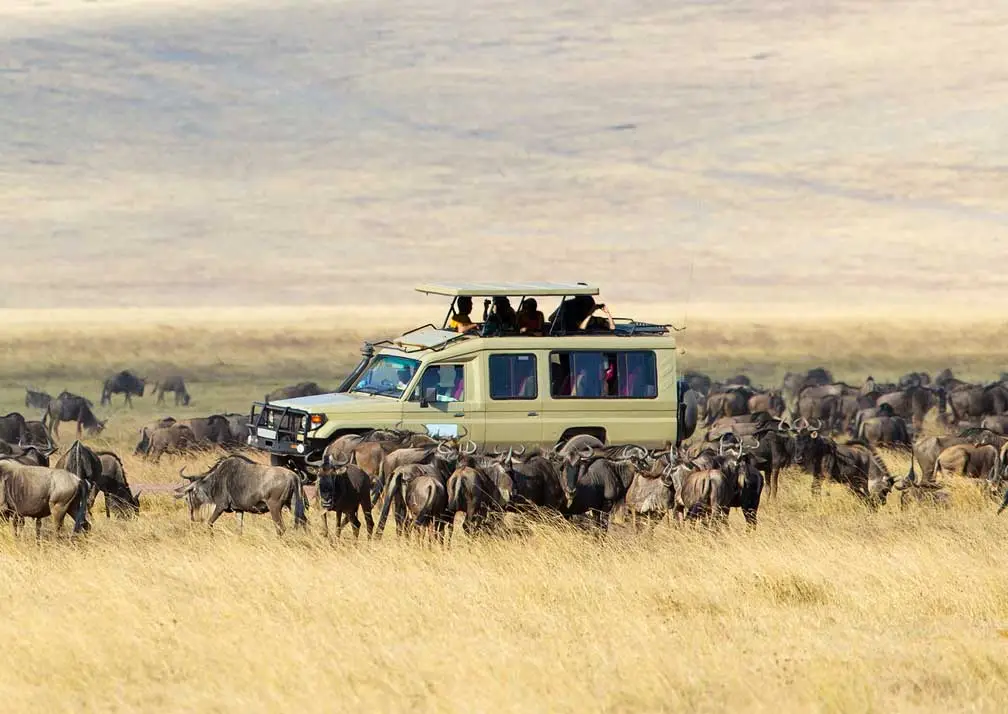
Great Migration Safaris
Experience one of nature's greatest spectacles with our Great Migration safari packages, timed for river crossings or calving.
View Package →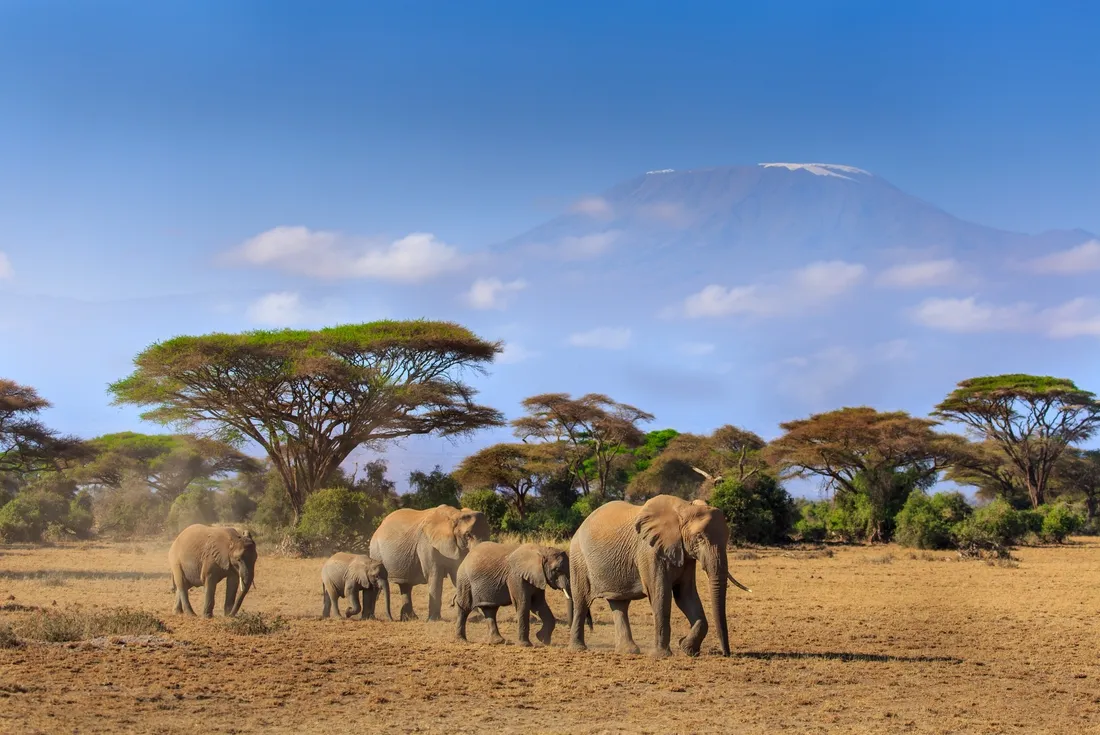
Serengeti & Kilimanjaro Trek
Combined safari and trekking tours offer wildlife adventures and Kilimanjaro climbs.
View Package →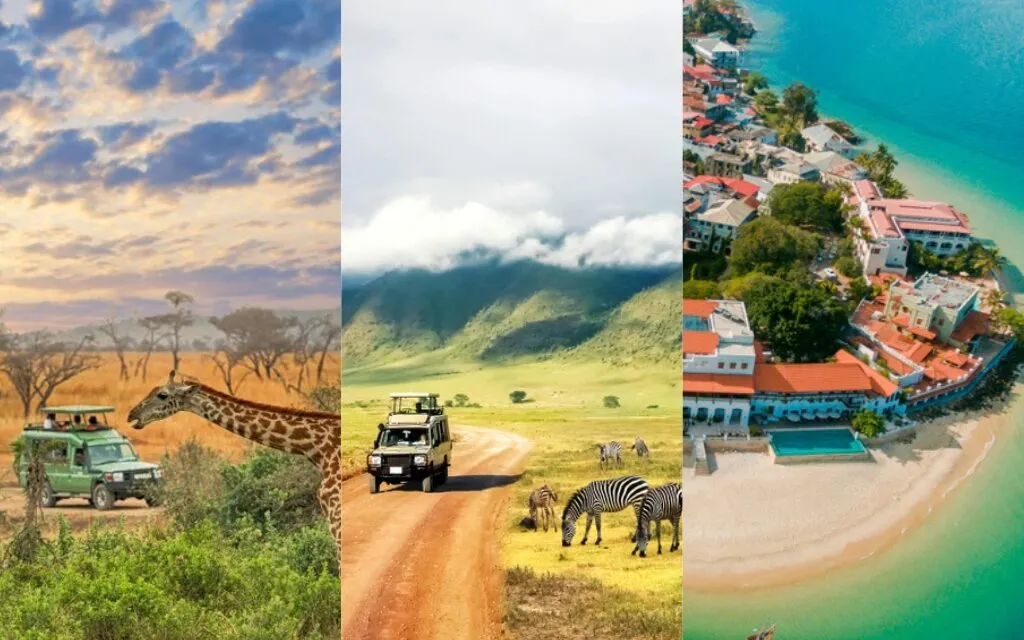
Serengeti & Zanzibar Tours
Luxury Tanzania safari & beach packages with the Great Migration and pristine beaches.
View Package →Related: Best Time to Visit Tanzania 2026 – Perfect safari extension after your Angola adventure.