
Most Complete Argentina Travel Guide 2026-2027 – Everything You Need to Know Before Visiting
This Argentina travel guide provides everything you need to plan your journey to South America's second-largest country. Argentina offers an extraordinary blend of European elegance, Andean highlands, vast Patagonian wilderness and thundering Iguazú Falls that create one of the continent's most diverse travel experiences. Many travelers who want to travel to Argentina are surprised by the country's incredible diversity and rich cultural heritage spanning Spanish colonial traditions, Italian and indigenous influences, and world-famous tango and steak culture. The nation covers over 2.78 million square kilometers, making it the eighth-largest country globally, offering visitors everything from glacier trekking to wine tasting and vibrant urban nightlife.
Start Reading the Full Guide ↓Quick Facts About Argentina
- Capital: Buenos Aires.
- Currency: Argentine Peso (ARS).
- Time Zone: Argentina Time (ART, UTC-3).
- International Calling Code: +54.
- Driving Side: Right.
- Major Airports: Ezeiza International (EZE), Aeroparque (AEP), Ushuaia, El Calafate, Bariloche.
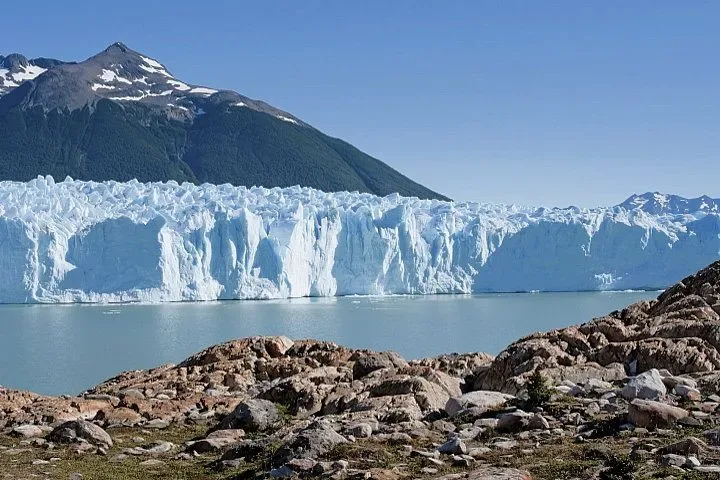
Argentina Overview & Key Facts
Brief History of Argentina
Argentina's history spans millennia, from ancient indigenous cultures through Spanish colonization to independence and modern development. The Spanish established Buenos Aires in 1580, while Jesuit missions flourished in the northeast. Independence was declared in 1816, followed by periods of civil war, European immigration waves, and economic booms. This rich historical tapestry creates a fascinating backdrop for modern travelers exploring the country's architectural treasures and cultural sites.
Independence & National Identity
- Independence date: July 9, 1816.
- Former colonial power: Spain.
- National symbols & identity.
Argentina gained independence after the May Revolution of 1810 and subsequent wars against Spanish rule. Today, the country's national identity centers on European heritage (especially Italian and Spanish), gaucho traditions, tango, football, and world-class beef and wine culture. The national flag features light blue and white stripes with the Sun of May in the center, symbolizing freedom and independence.
Government System & Current Leadership
- Type of government: Presidential Republic
- Current president: (as of Nov 2025 – check latest)
- Notes on political stability
Argentina operates as a federal presidential republic. The country has experienced economic fluctuations but maintains democratic institutions. Travelers should stay informed about current economic conditions (inflation, exchange rates) through reliable sources before visiting.
Population, Ethnic Groups & Languages
- Population: 46.8 million (2025 projection).
- Major ethnic groups: European descent (97%), mestizo and indigenous minorities.
- Official language(s): Spanish.
- Additional languages commonly spoken.
Spanish is spoken with the distinctive Rioplatense dialect. English is widely understood in tourist areas, hotels, and among younger generations. Italian, German, and indigenous languages are spoken by small communities.
Main Religions & Cultural Identity
Roman Catholicism remains the predominant religion (approx. 62%), though religious observance has declined. Evangelical Protestantism is growing. Argentina is officially secular, and freedom of religion is protected. Cultural identity revolves around family, football, asado (barbecue), tango, mate drinking, and European-influenced lifestyle.
Geography & Natural Landscape
Argentina features incredible geographical diversity: the towering Andes, vast Pampas grasslands, Patagonian ice fields and steppe, subtropical rainforests in the northeast, and the windswept Atlantic coast. From the world's southernmost city (Ushuaia) to subtropical Iguazú, the country spans over 3,700 km north to south.
Economy & Tourism Highlights
Argentina has a high-income economy driven by agriculture, manufacturing, and services. Tourism is booming, especially adventure travel in Patagonia, wine tourism in Mendoza, and cultural tourism in Buenos Aires. The country offers excellent value due to favorable exchange rates for foreign currencies.
What Argentina Is Known For
- Patagonia glaciers and trekking (Perito Moreno, Fitz Roy, Torres del Paine area)
- Iguazú Falls – one of the world’s largest waterfall systems
- Buenos Aires – the “Paris of South America” with tango and European architecture
- World-class Malbec wines from Mendoza
- Gaucho culture and estancias
Visa & Entry Requirements in Argentina
Most international visitors enjoy visa-free entry to Argentina for tourism stays up to 90 days. The visa policy is one of the most traveler-friendly in South America. Citizens of over 80 countries (including USA, EU, UK, Canada, Australia, New Zealand) do not need a visa.
Do You Need a Visa?
Citizens of most Western countries enter visa-free for 90 days. Some nationalities require an ETA (electronic authorization) or traditional visa. Always verify current requirements with official Argentine immigration sources.
Visa Application Options in Argentina
- Visa-free entry (most common)
- Electronic Travel Authorization (ETA) for certain nationalities
- Embassy visa for restricted nationalities
Visa-free travelers receive a 90-day stamp on arrival. Extensions are possible at immigration offices in major cities.
Passport Validity & Entry Documents
Passport must be valid for at least 6 months beyond intended stay. Return/onward ticket may be requested (rarely enforced). No proof of funds or accommodation usually required for visa-free nationalities.
Customs Rules & Prohibited Items
Standard international customs rules apply. Declare large amounts of cash (> $10,000 USD). Fresh food restrictions. Duty-free allowance: 2 liters alcohol, 400 cigarettes, gifts up to $300 USD.
Safety & Security Information in Argentina
Argentina is generally safe for tourists. Most visits are trouble-free. Petty theft and pickpocketing in Buenos Aires and other big cities are the primary concerns. Violent crime against tourists is uncommon.
Is Argentina Safe for Tourists?
Yes – Argentina ranks among the safer South American countries for tourists. Buenos Aires, Patagonia, Mendoza, and Iguazú are very safe when using common sense. Avoid certain neighborhoods in big cities at night.
Recommended Safety Tips when in Argentina
Use radio taxis or ride-hailing apps (Uber, Cabify), don’t display expensive items, use hotel safes, avoid walking alone late at night in downtown Buenos Aires, and be cautious with ATMs (use those inside banks).
Safe Areas vs. Areas to Avoid in Argentina
Safe: Palermo, Recoleta, Puerto Madero (Buenos Aires), all of Patagonia, Mendoza wine region, Iguazú, Bariloche. Exercise caution in La Boca (visit only Caminito during daytime with tour), parts of Villa 31, and some suburban areas of big cities.
Emergency Numbers & Tourist Police in Argentina
- Police/Emergency: 911
- Tourist Police Buenos Aires: +54 11 4346-5748
- Medical Emergency: 107
- Fire: 100
Tourist police units operate in major destinations and speak English.
Health Requirements & Vaccinations in Argentina
No mandatory vaccinations for most travelers. Yellow fever vaccination recommended only if visiting Iguazú Falls region during transmission season.
Mandatory Vaccinations in Argentina
None for direct arrivals. Yellow fever certificate required if coming from endemic countries (e.g., parts of Brazil, Africa).
Recommended Vaccinations in Argentina
Hepatitis A, Typhoid, routine vaccines. Yellow fever if visiting Iguazú. Consider rabies if extended rural travel.
Malaria & Other Risks
No malaria risk in tourist areas. Dengue outbreaks possible in northeast (use repellent). Altitude sickness in Andes (Mendoza, Northwest). Excellent medical facilities in cities.
Travel Insurance Recommendations in Argentina
Highly recommended – covers medical evacuation from remote Patagonia, trip cancellation, and theft. Many activities (trekking, skiing) require specific coverage.
Best Time to Visit in Argentina
The best time depends on regions: Patagonia is best December–March (summer), Buenos Aires year-round (spring/fall ideal), Iguazú November–March, ski season June–September.
Weather by Season
Spring (Sep–Nov) and autumn (Mar–May) offer pleasant temperatures nationwide. Summer (Dec–Feb) hot in Buenos Aires, perfect for Patagonia. Winter (Jun–Aug) cold in south, mild in north.
When to Visit Argentina for Best Experiences
- Whale watching: June–December (Península Valdés)
- Patagonia trekking: November–March
- Wine harvest: February–April (Mendoza)
- Skiing: June–September (Bariloche, Ushuaia)
Shoulder seasons offer best value and fewer crowds.
High Season vs. Low Season Travel
High season: December–February (summer holidays). Prices peak in Patagonia. Low season: June–August (winter) – cheaper except ski resorts.
Weather & Climate Overview in Argentina
Argentina spans multiple climate zones: subtropical in the north, temperate in central regions, cold and windy in Patagonia, arid in the Andes.
Temperature Ranges
Buenos Aires: 10–30°C year-round. Patagonia summer: 10–20°C, winter below 0°C. Iguazú: 20–33°C. High altitude areas much colder.
Rainy & Dry Seasons in Argentina
Rainiest months vary: Buenos Aires March–June, Iguazú year-round, Patagonia very dry.
What to Wear Based on the Weather
Layering is essential. Smart-casual clothing for Buenos Aires evenings, high-quality outdoor gear for Patagonia, light clothing for north. Good walking shoes everywhere.
Main Currency, Costs & Budgeting in Argentina
Argentine Peso (ARS). Due to inflation and parallel exchange rates, using USD cash at “dólar blue” rate offers huge savings.
Local Currency Information
Banknotes: 100, 200, 500, 1000, 2000, 10000 pesos. ATMs widely available. Cards accepted in cities, cash preferred elsewhere.
Average Travel Costs in Argentina
Budget: $60–100/day; mid-range $120–200/day; luxury/Patagonia $300–600/day. Excellent value with favorable exchange rates.
Using ATMs, Cards & Mobile Money in Argentina
ATMs plentiful but have withdrawal limits and fees. Credit cards widely accepted in cities. Bring USD cash for best rates.
Tipping Guidelines in Argentina
10% in restaurants (often included as “cubierto”). Round up taxi fares. Ushers, hotel staff, tour guides appreciate small tips.
Transportation & Getting Around in Argentina
Excellent domestic flight network (Aerolineas Argentinas, Flybondi, JetSmart). Long-distance luxury buses are comfortable and affordable. Car rental popular for Patagonia.
Airport Transfers
Ezeiza (EZE): Tienda León shuttle, Uber, private transfers. Aeroparque (AEP): closer to city, taxis and remis.
Local Transport Options in Argentina
Subte (Buenos Aires metro), buses (SUBE card), taxis, Uber/Cabify. Long-distance buses excellent quality.
Argentina Domestic Flights
Frequent and affordable. Book early for Patagonia routes in high season.
Car Rentals & Road Conditions in Argentina
International companies available. Excellent for exploring wine regions and Patagonia (Ruta 40). International driving permit recommended.
Accommodation Options available in Argentina
From hostels and boutique hotels to luxury estancias and glacier lodges.
Types of Accommodations in Argentina
Hotels, hostels, apart-hotels, estancias, cabins, luxury lodges in Patagonia.
Budget vs. Mid-Range vs. Luxury
Budget $30–60, mid-range $80–150, luxury $200–800+ (especially Patagonia).
Best Areas to Stay in Argentina
Palermo/Recoleta (Buenos Aires), city center (Mendoza), Puerto Iguazú town, El Calafate/El Chaltén for glaciers.
Essential Packing Guide when Visiting Argentina
Pack for multiple climates. Layers, good walking shoes, sun protection, adapter type I/C.
Clothing Essentials
Smart-casual for Buenos Aires nights, serious outdoor gear for Patagonia, light clothing for north.
Footwear & Gear
Comfortable city shoes, hiking boots for Patagonia, sandals for Iguazú.
Electronics & Cameras
Type I and C plugs, 220V. Power reliable.
Toiletries & Personal Items
Everything available, but bring preferred brands.
Language & Communication in Argentina
Spanish (Rioplatense dialect). English widely spoken in tourism sector.
Main Languages Spoken in Argentina
Spanish. English common in hotels, restaurants, attractions.
Useful Phrases for Tourists
“Hola”, “Gracias”, “Por favor”, “Cuánto cuesta?”, “Habla inglés?”
SIM Cards & Mobile Data used in Argentina
Claro, Movistar, Personal. Buy at kiosks with passport.
Internet Availability & Wi-Fi in Argentina
Excellent coverage. Free Wi-Fi in cafes, hotels, public spaces.
Culture & Etiquette in Argentina
Argentines are warm, proud, and fashion-conscious. Greetings involve cheek kissing.
Argentinian Dress Code Expectations
Stylish in Buenos Aires, practical outdoor clothing elsewhere.
Social Etiquette & Respectful Behavior of Argentina
Arrive late for social events (fashionably late), greet with kiss on right cheek, passionate discussions normal.
Photography Rules in Argentina
Generally permitted. Ask permission for people photos.
Important Cultural Dos & Don’ts in Argentina
Do drink mate when offered, talk football, enjoy late dinners. Don’t criticize Maradona or Evita.
Food, Water & Dining in Argentina
World-famous beef, Malbec wine, asado, empanadas, dulce de leche.
Argentinian Local Dishes to Try
Asado, bife de chorizo, provoleta, milanesa, choripán, medialunas, alfajores.
Dietary Options in Argentina
Excellent for meat lovers. Growing vegetarian/vegan options in cities.
Drinking Water Safety
Safe in Buenos Aires and major cities. Bottled elsewhere recommended.
Restaurant Etiquette
Dinner starts 9–10 pm. 10% tip usual.
Top Attractions & Things to Do in Argentina
Iguazú Falls, Perito Moreno Glacier, Buenos Aires tango shows, Mendoza wine tours, Patagonia trekking, Peninsula Valdés wildlife.
Major Tourist Attractions in Argentina
- Iguazú Falls (UNESCO)
- Perito Moreno Glacier
- Buenos Aires – Recoleta, San Telmo, La Boca
- Fitz Roy & Cerro Torre (El Chaltén)
Best Tours & Experiences in Argentina
Glacier trekking, whale watching, wine tasting, tango lessons, gaucho day at estancia.
Family-Friendly Activities to do in Argentina
Theme parks in Buenos Aires, penguin colonies, glacier boat trips.
Unique Cultural or Historical Sites to visit in Argentina
Recoleta Cemetery, Jesuit ruins in Córdoba, Quebrada de Humahuaca, Tierra del Fuego.
Argentinian Electrical System Information
220V, 50Hz. Plugs type I and C.
Plug Types & Voltage used in Argentina
Type I (Australian) and Type C (European). Most devices with Type C work.
Charging Tips
Bring Type I adapter. Power reliable nationwide.
Local Laws & Regulations of Argentina
Standard South American laws. Photography of military/police prohibited. Drug laws strict.
Rules Travelers Need to Know when In Argentina
90-day tourist stay limit. Register expensive electronics if planning long stay.
Alcohol, Smoking & Substance Laws of Argentina
Drinking age 18. Public drinking tolerated. Cannabis decriminalized for personal use but still illegal.
Restricted or Protected Areas in Argentina.
Military zones, some border areas. National parks have entrance fees and regulations.
Final Travel Tips for Visitors in Argentina
Bring USD cash, use “dólar blue” rate, book Patagonia early, learn basic Spanish phrases, embrace late dining culture.
Common Mistakes to Avoid
Exchanging money at official rate, visiting only Buenos Aires, underestimating Patagonia distances.
Tips to Save Money when Visiting Argentina
Use public transport, eat at local parrillas, travel in shoulder season, bring USD cash.
Safety & Comfort Tips
Use ride-hailing apps, keep valuables secure, drink bottled water outside major cities, dress warmly in Patagonia.
Frequently Asked Questions – Argentina Travel Guide 2026-2027
Our Tanzania Tours Products
While Argentina offers incredible glaciers, tango and wine culture, many travelers combine South America with the ultimate wildlife experience in East Africa. Capable Africa Tours specializes in secure, guided safaris that maximize safety and wonder. Our expert local guides, armed rangers in parks, and vetted accommodations ensure peace of mind. From family-friendly lodges to luxury camps, we handle logistics so you focus on the magic. Tanzania ranks high for tourist safety with dedicated wildlife protection units and stable northern circuits.
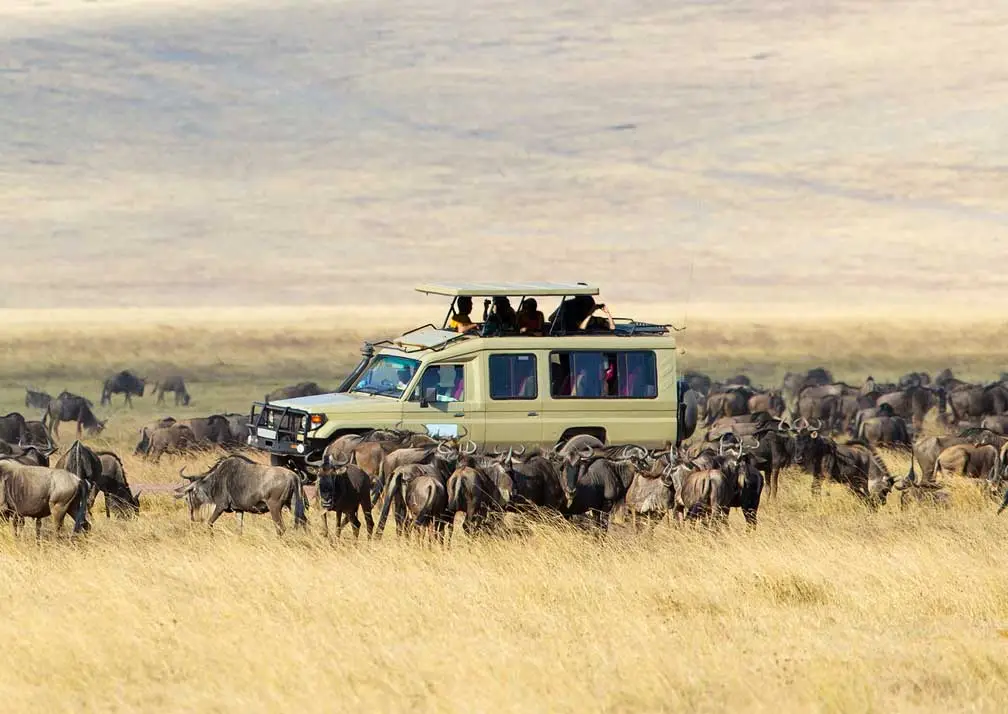
Great Migration Safaris
Experience one of nature's greatest spectacles with our Great Migration safari packages, timed for river crossings or calving.
View Package →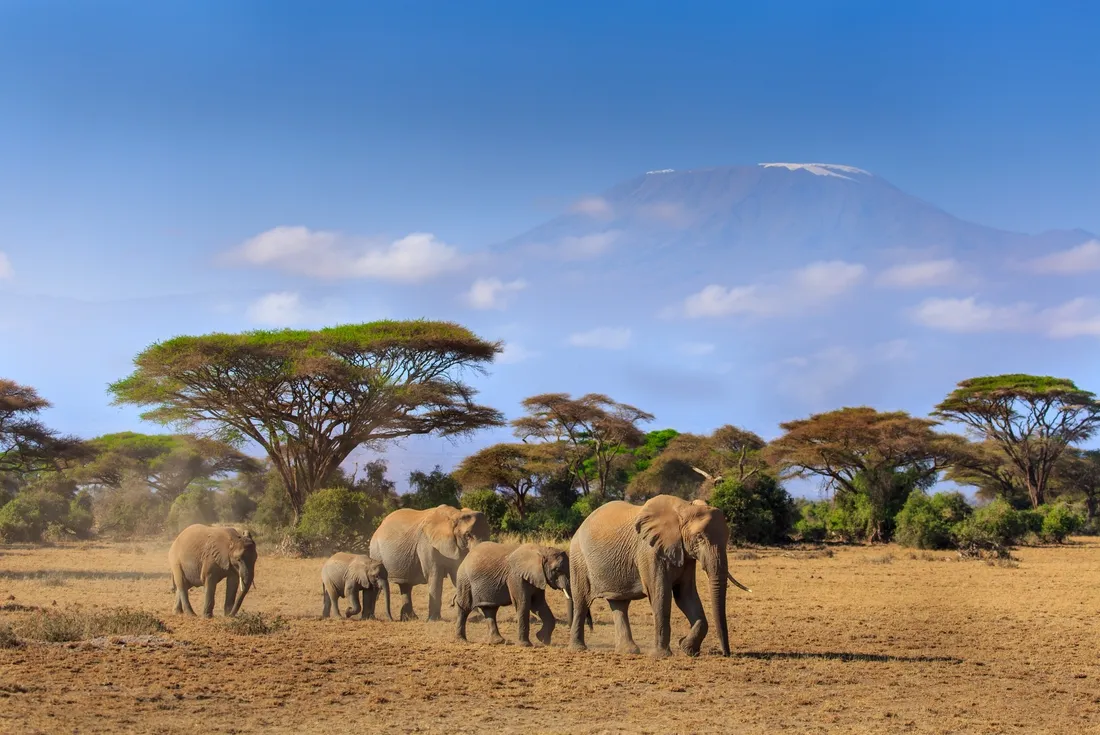
Serengeti & Kilimanjaro Trek
Combined safari and trekking tours offer wildlife adventures and Kilimanjaro climbs.
View Package →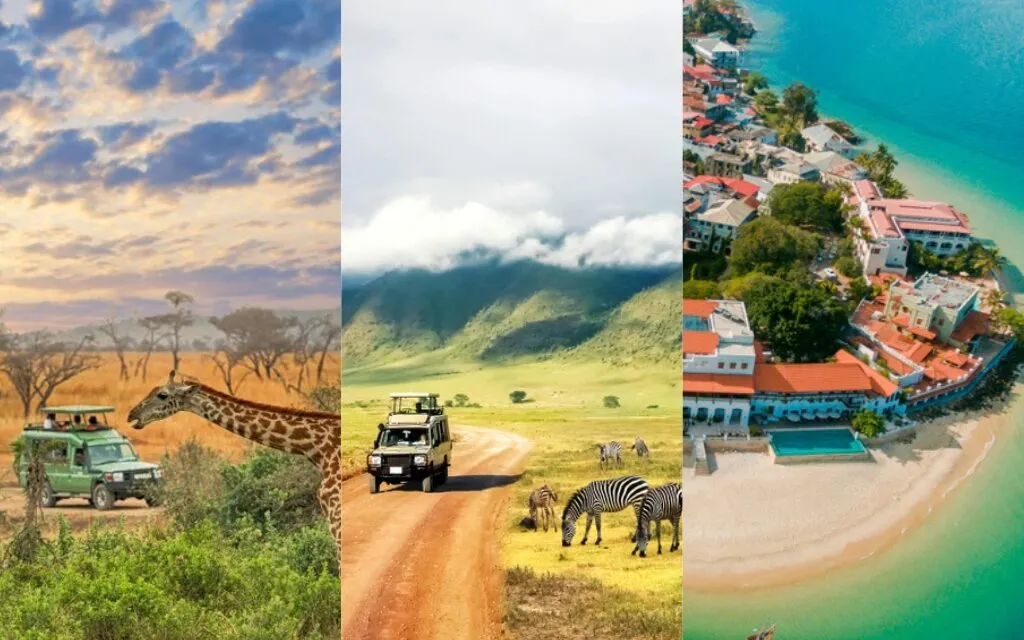
Serengeti & Zanzibar Tours
Luxury Tanzania safari & beach packages with the Great Migration and pristine beaches.
View Package →Related: Best Time to Visit Tanzania 2026 – Perfect safari extension after your Argentina adventure.