
Most Complete Armenia Travel Guide 2026-2027 – Everything You Need to Know Before Visiting
This Armenia travel guide provides everything you need to plan your journey to the world’s first Christian nation. Armenia offers an extraordinary blend of ancient monasteries perched on dramatic cliffs, Soviet-era architecture, vibrant Yerevan nightlife and the stunning alpine beauty of Lake Sevan. Many travelers who want to visit Armenia are surprised by the country’s incredible depth of history (one of the oldest continuously inhabited places on Earth), warm hospitality and exceptional cuisine and wine tradition dating back over 6,000 years.
Start Reading the Full Guide ↓Quick Facts About Armenia
- Capital: Yerevan.
- Currency: Armenian Dram (AMD).
- Time Zone: Armenia Time (AMT, UTC+4).
- International Calling Code: +374.
- Driving Side: Right.
- Major Airports: Zvartnots International Airport (Yerevan), Shirak Airport (Gyumri).
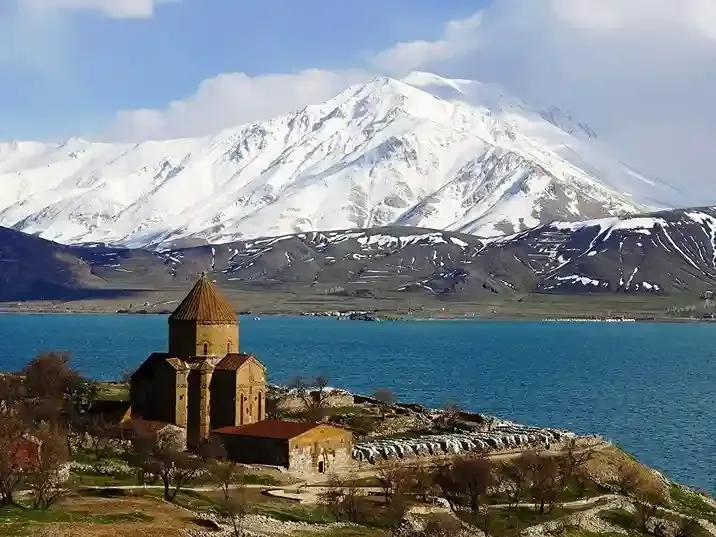
Armenia Overview & Key Facts
Brief History of Armenia
Armenia's history spans over 3,500 years, from the ancient kingdom of Urartu through adoption of Christianity in 301 AD (the first nation to do so) to Soviet rule and independence in 1991. The Armenian Genocide of 1915–1923 remains a defining tragedy, while the Nagorno-Karabakh conflicts shaped recent decades. This rich historical tapestry creates a fascinating backdrop for modern travelers exploring ancient monasteries, khachkars (cross-stones) and Soviet-era monuments.
Independence & National Identity
- Independence date: September 21, 1991.
- Former colonial power: Soviet Union.
- National symbols & identity.
Armenia regained independence after the Soviet collapse. The tricolour flag (red, blue, orange) and Mount Ararat (visible from Yerevan but now in Turkey) are powerful national symbols. The apricot is considered the national fruit, and the Armenian alphabet created in 405 AD remains in use.
Government System & Current Leadership
- Type of government: Parliamentary Republic
- Current president: Vahagn Khachaturyan
- Notes on political stability
Armenia transitioned to a parliamentary system after the 2018 Velvet Revolution. Prime Minister Nikol Pashinyan has led since 2018. The country enjoys relative political stability and improving democratic institutions.
Population, Ethnic Groups & Languages
- Population: 3 million (2025 estimate).
- Major ethnic groups: Armenians (98%), Yazidis, Russians, Assyrians.
- Official language(s): Armenian.
- Additional languages commonly spoken.
Russian is widely understood, especially among older generations. English is increasingly common among youth and in tourism. The unique Indo-European Armenian language uses its own distinctive script.
Main Religions & Cultural Identity
The Armenian Apostolic Church dominates, with over 92% adherence. Armenia was the first nation to adopt Christianity as state religion in 301 AD. Small Catholic and Protestant communities exist alongside Yazidi and Muslim minorities. Religious heritage deeply influences architecture, festivals and daily life.
Geography & Natural Landscape
Landlocked and mountainous, Armenia sits at the crossroads of Europe and Asia. Lake Sevan, one of the world’s highest alpine lakes, dominates the landscape. The country features dramatic gorges, volcanic plateaus and Mount Aragats (4,090 m), the highest peak.
Economy & Tourism Highlights
Armenia’s economy relies on mining, IT, agriculture and a rapidly growing tourism sector. Ancient monasteries, wine production (oldest known winery dated 4100 BC), and adventure opportunities drive increasing visitor numbers.
What Armenia Is Known For
- World’s oldest Christian nation (301 AD)
- Ancient monasteries (UNESCO-listed Geghard, Tatev)
- Lake Sevan and stunning mountain landscapes
- 6,000-year winemaking tradition and brandy
Visa & Entry Requirements in Armenia
Armenia has one of the most visitor-friendly visa policies in the region, with visa-free access for many nationalities and easy e-Visa for others.
Do You Need a Visa?
Citizens of over 70 countries (EU, USA, UK, Canada, Australia, etc.) enjoy visa-free entry for up to 180 days per year. Others can obtain an e-Visa online.
Visa Application Options in Armenia
- Visa-free entry (most Western countries)
- e-Visa online (3–5 days processing)
- Visa on arrival at Yerevan airport for eligible nationalities
Passport Validity & Entry Documents
Passport must be valid for at least 6 months beyond intended stay. No blank pages requirement but one is recommended.
Customs Rules & Prohibited Items
Standard restrictions apply. Declare cash over $10,000 equivalent. Antique khachkars and cultural artefacts require export permits.
Safety & Security Information in Armenia
Armenia ranks among the safest countries in the region with low crime rates and welcoming locals.
Is Armenia Safe for Tourists?
Yes – very safe. Petty crime is rare, violent crime against tourists almost unheard of. Normal precautions apply in crowded areas.
Recommended Safety Tips when in Armenia
Avoid political gatherings. Exercise caution near the closed Azerbaijan border (marked minefields). Use licensed taxis or apps like GG/Yandex Go in Yerevan.
Safe Areas vs. Areas to Avoid in Armenia
All tourist areas are safe. Avoid border zones with Azerbaijan (clearly marked). Nagorno-Karabakh region remains inaccessible and dangerous.
Emergency Numbers & Tourist Police in Armenia
- Police: 102
- Fire: 101
- Ambulance: 103
- Tourist helpline: 1-800 (free from hotels)
Health Requirements & Vaccinations in Armenia
No mandatory vaccinations required except yellow fever certificate if arriving from endemic countries.
Mandatory Vaccinations in Armenia
None for most travellers.
Recommended Vaccinations in Armenia
Routine vaccines + Hepatitis A, Typhoid, Rabies (if rural/extended stay).
Malaria & Other Risks
No malaria risk. Tick-borne encephalitis possible in forested areas spring–autumn.
Travel Insurance Recommendations in Armenia
Strongly recommended – covers high-altitude activities and potential medical evacuation.
Best Time to Visit in Armenia
May–June and September–October offer ideal weather and fewer crowds.
Weather by Season
Spring (Apr–Jun): 15–25°C, blooming landscapes. Summer (Jul–Aug): 25–35°C, hot in Yerevan. Autumn (Sep–Oct): 15–25°C, golden colours. Winter (Dec–Mar): -5 to +5°C, snow in highlands.
When to Visit Armenia for Best Experiences
- Lavender & wildflowers: June–July
- Wine harvest: September–October
- Skiing at Tsaghkadzor: December–March
High Season vs. Low Season Travel
High season: June–September. Low season: November–March (except New Year).
Weather & Climate Overview in Armenia
Continental climate with four distinct seasons and significant altitude variations.
Temperature Ranges
Yerevan summers reach 40°C, winters -10°C. Highlands cooler year-round.
Rainy & Dry Seasons in Armenia
Rainiest months: April–May. Driest: July–August.
What to Wear Based on the Weather
Layered clothing essential. Modest attire for monasteries. Sturdy shoes for uneven terrain.
Main Currency, Costs & Budgeting in Armenia
Armenia offers excellent value for money.
Local Currency Information
Armenian Dram (AMD). ATMs widespread, cards accepted in cities.
Average Travel Costs in Armenia
Budget $40–70/day, mid-range $80–140, luxury $180+.
Using ATMs, Cards & Mobile Money in Armenia
Contactless payments common in Yerevan. Cash needed in rural areas.
Tipping Guidelines in Armenia
10% in restaurants if service not included. Rounding up taxi fares appreciated.
Transportation & Getting Around in Armenia
Efficient marshrutkas, private transfers and car rental options.
Airport Transfers
Official taxis, GG/Yandex Go apps or pre-booked private transfers from Zvartnots.
Local Transport Options in Armenia
Marshrutkas (minibuses) cheap and frequent. Metro in Yerevan. Taxis inexpensive.
Armenia Domestic Flights
Limited – only Yerevan–Gyumri route occasionally.
Car Rentals & Road Conditions in Armenia
International companies available. Roads improving but mountain routes challenging.
Accommodation Options available in Armenia
From Soviet-era hotels to boutique guesthouses and luxury properties.
Types of Accommodations in Armenia
Hotels, boutique guesthouses, B&Bs, apartments, mountain lodges.
Budget vs. Mid-Range vs. Luxury
Budget $20–40, mid-range $50–100, luxury $120+ per night.
Best Areas to Stay in Armenia
Kentron district in Yerevan, near Lake Sevan, Dilijan, Goris for southern routes.
Essential Packing Guide when Visiting Armenia
Layered clothing, modest attire for churches, good walking shoes.
Clothing Essentials
Cover shoulders/knees for monasteries. Warm layers even in summer for highlands.
Footwear & Gear
Comfortable walking/hiking shoes essential.
Electronics & Cameras
Type C/F plugs, 220V. Power banks useful.
Toiletries & Personal Items
Sunscreen, hat, reusable water bottle.
Language & Communication in Armenia
Armenian official, Russian & English widely understood in tourism.
Main Languages Spoken in Armenia
Armenian, Russian, growing English proficiency.
Useful Phrases for Tourists
Barev (hello), shnorhakalutyun (thank you).
SIM Cards & Mobile Data used in Armenia
Beeline, VivaCell-MTS, Ucom – cheap data plans at airport.
Internet Availability & Wi-Fi in Armenia
Free Wi-Fi in most cafes/hotels in cities. Good 4G coverage.
Culture & Etiquette in Armenia
Deeply hospitable culture with strong family values.
Armenian Dress Code Expectations
Modest dress in religious sites. Casual otherwise.
Social Etiquette & Respectful Behavior of Armenia
Accept offered food/drink. Remove shoes in homes.
Photography Rules in Armenia
Ask permission when photographing people, especially elderly.
Important Cultural Dos & Don’ts in Armenia
Do accept hospitality. Don’t discuss 1915 events casually.
Food, Water & Dining in Armenia
Exceptional cuisine – fresh, flavourful and generous portions.
Armenian Local Dishes to Try
Khorovats (barbecue), dolma, lavash, ghapama, Armenian brandy.
Dietary Options in Armenia
Vegetarian-friendly (lots of vegetable dishes). Vegan possible.
Drinking Water Safety
Safe in Yerevan, bottled recommended elsewhere.
Restaurant Etiquette
Tipping 10% appreciated but not obligatory.
Top Attractions & Things to Do in Armenia
Ancient monasteries, stunning nature and vibrant Yerevan.
Major Tourist Attractions in Armenia
- Geghard & Garni (UNESCO)
- Tatev Monastery & Wings of Tatev cable car
- Lake Sevan & Sevanavank
- Yerevan city & Cascade complex
Best Tours & Experiences in Armenia
Wine tasting tours, monastery circuits, hiking in Dilijan National Park.
Family-Friendly Activities to do in Armenia
Lake Sevan beaches, Yerevan Water World, rope parks.
Unique Cultural or Historical Sites to visit in Armenia
Khor Virap with Ararat view, Noravank, ancient petroglyphs.
Armenian Electrical System Information
220–240V, 50Hz, European Type C/F plugs.
Plug Types & Voltage used in Armenia
Type C and F (standard European).
Charging Tips
Universal adapter recommended.
Local Laws & Regulations of Armenia
Respectful of religious sites. No drone flights without permission.
Rules Travelers Need to Know when In Armenia
Modest dress in churches. No photography of military objects.
Alcohol, Smoking & Substance Laws of Armenia
Alcohol widely available. Smoking banned in enclosed public spaces.
Restricted or Protected Areas in Armenia.
Azerbaijan border zones off-limits.
Final Travel Tips for Visitors in Armenia
Be prepared for warm hospitality, stunning landscapes and ancient history.
Common Mistakes to Avoid
Underestimating mountain roads. Visiting only Yerevan.
Tips to Save Money when Visiting Armenia
Use marshrutkas, eat at local khorovats places, stay in guesthouses.
Safety & Comfort Tips
Drink bottled water outside Yerevan. Carry cash for rural areas.
Frequently Asked Questions – Armenia Travel Guide 2026-2027
Our Tanzania Tours Products
While Armenia offers ancient monasteries, alpine lakes and exceptional wine, many travelers combine the Caucasus with the ultimate wildlife experience in East Africa. Capable Africa Tours specializes in secure, guided safaris that maximize safety and wonder. Our expert local guides, armed rangers in parks, and vetted accommodations ensure peace of mind. From family-friendly lodges to luxury camps, we handle logistics so you focus on the magic. Tanzania ranks high for tourist safety with dedicated wildlife protection units and stable northern circuits.
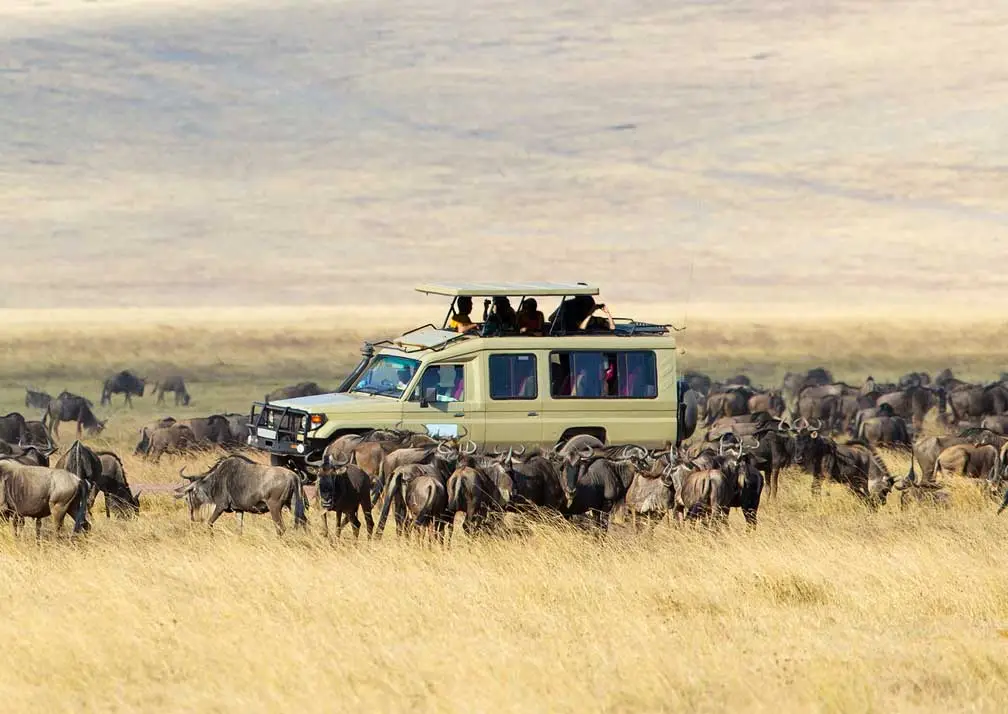
Great Migration Safaris
Experience one of nature's greatest spectacles with our Great Migration safari packages, timed for river crossings or calving.
View Package →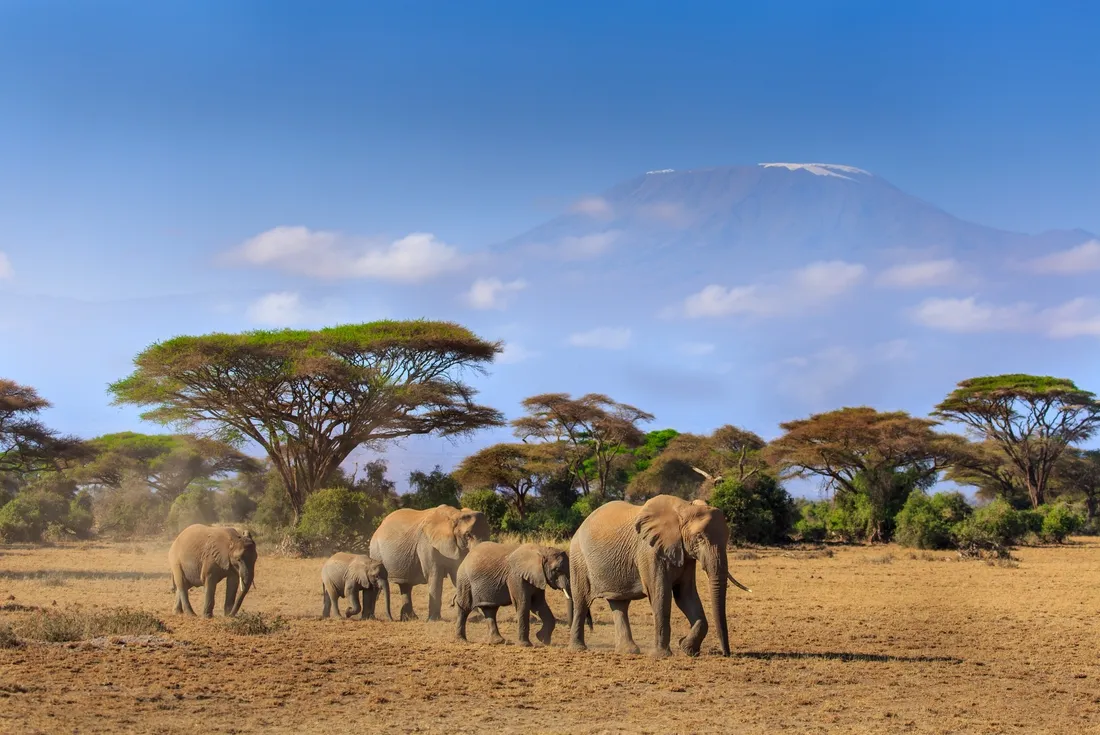
Serengeti & Kilimanjaro Trek
Combined safari and trekking tours offer wildlife adventures and Kilimanjaro climbs.
View Package →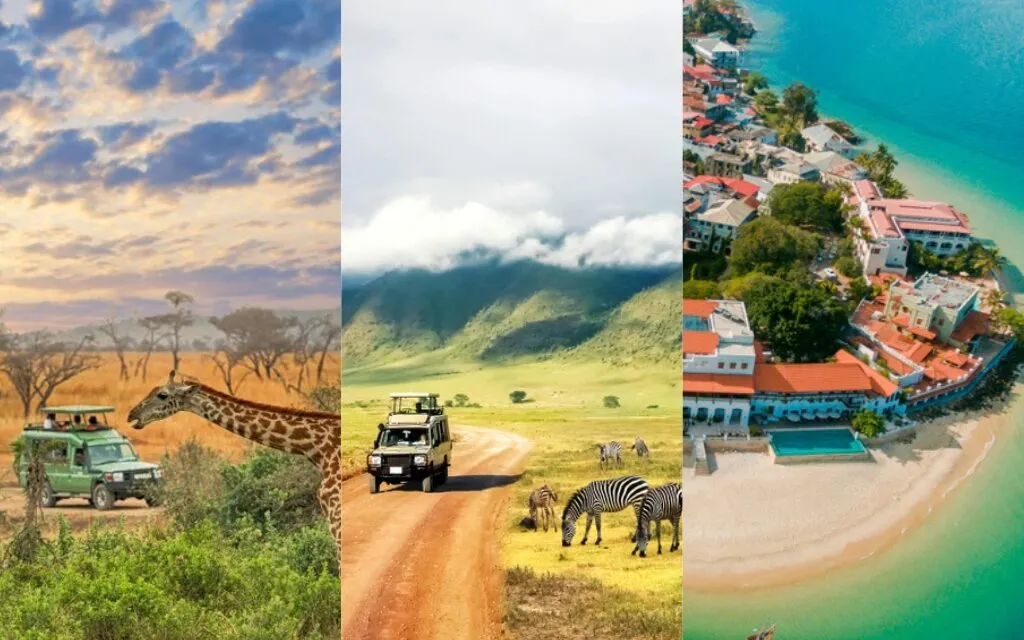
Serengeti & Zanzibar Tours
Luxury Tanzania safari & beach packages with the Great Migration and pristine beaches.
View Package →Related: Best Time to Visit Tanzania 2026 – Perfect safari extension after your Armenia adventure.