Most Complete Australia Travel Guide 2026-2027 – Everything You Need to Know Before Visiting
This Australia travel guide provides everything you need to plan your journey to the world’s sixth-largest country. Australia offers an extraordinary blend of vibrant modern cities, ancient Indigenous culture, stunning coastlines, and vast Outback landscapes that create one of the planet's most diverse travel experiences. Many travelers who want to travel to Australia are surprised by the country's incredible diversity and rich cultural heritage spanning over 65,000 years of continuous Indigenous history alongside British colonial legacy and multicultural immigration. The nation covers nearly 7.7 million square kilometres, offering visitors everything from the Great Barrier Reef to red desert centres and world-class wine regions.
Start Reading the Full Guide ↓Quick Facts About Australia
- Capital: Canberra.
- Currency: Australian Dollar (AUD).
- Time Zones: Three main (AEST, ACST, AWST).
- International Calling Code: +61.
- Driving Side: Left.
- Major Airports: Sydney (SYD), Melbourne (MEL), Brisbane (BNE), Perth (PER).
Australia Overview & Key Facts
Brief History of Australia
Australia’s history spans over 65,000 years of continuous Indigenous habitation, making it home to the world’s oldest living cultures. British explorer James Cook claimed the east coast in 1770, and the First Fleet arrived in 1788 establishing a penal colony at Sydney Cove. Six colonies federated in 1901 to form the Commonwealth of Australia. This rich historical tapestry creates a fascinating backdrop for modern travelers exploring Indigenous rock art, colonial architecture and multicultural cities.
Independence & National Identity
- Federation date: January 1, 1901.
- Former colonial power: United Kingdom.
- National symbols & identity.
Australia became a self-governing dominion in 1901 while remaining part of the British Commonwealth. Full legislative independence came gradually, culminating in the Australia Act 1986. National identity centres on mateship, a “fair go”, love of the outdoors and increasingly strong recognition of Indigenous heritage. The flag features the Union Jack, Southern Cross and Commonwealth Star.
Government System & Current Leadership
- Type of government: Federal parliamentary constitutional monarchy
- Current prime minister: Anthony Albanese (since May 2022)
- Notes on political stability
Australia operates as a stable democracy with compulsory voting and regular peaceful transfers of power. King Charles III is head of state, represented by Governor-General Sam Mostyn. The country enjoys very high political stability and transparent institutions.
Population, Ethnic Groups & Languages
- Population: 27.3 million (2025 projection).
- Major ethnic groups: English/Australian 33%, other European 27%, Asian 17%, Indigenous 3.2%.
- Official language(s): English (de facto).
- Additional languages commonly spoken.
Over 300 languages are spoken; Mandarin, Arabic, Vietnamese and Punjabi are common. Approximately 250 Indigenous languages existed pre-colonisation; around 120 are still spoken. English proficiency is near-universal.
Main Religions & Cultural Identity
Australia is secular with no state religion. Christianity remains the largest affiliation (44%), followed by no religion (38%). Buddhism, Islam, Hinduism and Judaism each represent 2–3%. Indigenous spirituality is increasingly recognised. The culture is relaxed, egalitarian and outdoor-oriented.
Geography & Natural Landscape
Australia features vast deserts (Outback), tropical rainforests, snow-capped mountains (Australian Alps), 25,000 km of coastline and the world’s largest coral reef system. Most population lives along the temperate south-east and south-west coasts. The country is the world’s flattest continent yet has incredible biodiversity.
Economy & Tourism Highlights
Australia has a prosperous mixed-market economy driven by mining, education, tourism and agriculture. Tourism contributes over AUD$60 billion annually with 9+ million international visitors pre-COVID. Recovery is strong with new eco-luxury experiences and Indigenous tourism products.
What Australia Is Known For
- Great Barrier Reef (world’s largest coral ecosystem)
- Uluru & Outback red centre
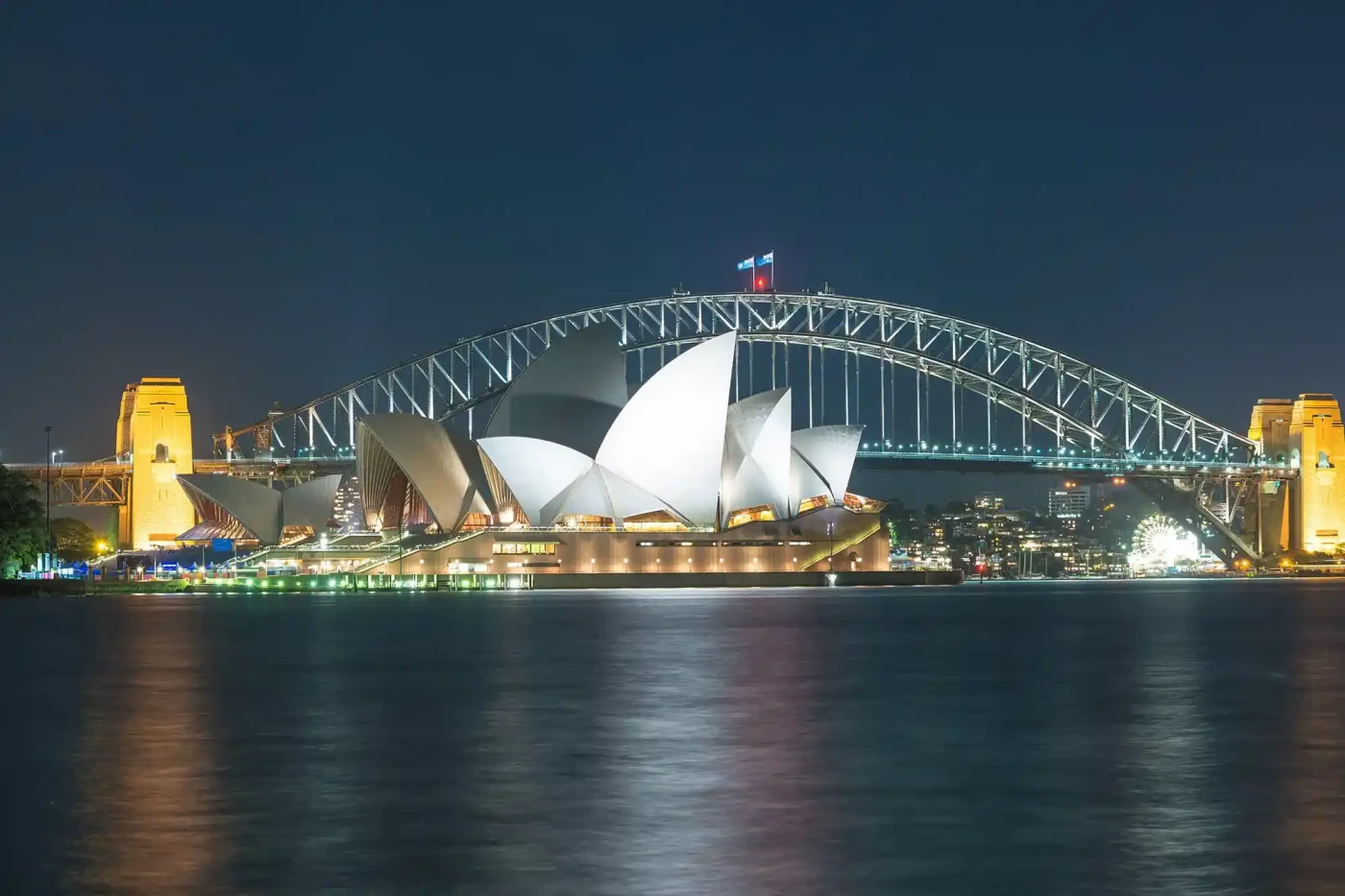
- Sydney Opera House & Harbour Bridge
- Unique wildlife: kangaroos, koalas, platypus
- World-class beaches and wine regions
Visa & Entry Requirements in Australia
Most international visitors require an electronic visa or authority before travel. Australia operates one of the world’s most efficient online visa systems with high approval rates.
Do You Need a Visa?
Yes for most nationalities. Exceptions: New Zealand citizens (automatic Special Category Visa on arrival). Citizens of 40+ countries (EU, UK, USA, Canada, Japan, etc.) can apply for free/low-cost eVisitor (subclass 651) or ETA (subclass 601) online. All others need Visitor visa (subclass 600).
Visa Application Options in Australia
- eVisitor (free, online, 12 months validity, 3-month stays)
- ETA (AUD$20, app-based, same conditions)
- Visitor visa (subclass 600) – longer stays or ineligible nationalities
Working Holiday visas (417/462) available for ages 18–30/35 from eligible countries.
Passport Validity & Entry Documents
Passport must be valid for entire stay (6 months recommended). Biometric screening and SmartGate available at major airports. Incoming Passenger Card completed on flight.
Customs Rules & Prohibited Items
Australia has very strict biosecurity laws. Declare all food, plant and animal material. Prohibited: illegal drugs, steroids, weapons, unprotected cultural artefacts. AUD$10,000+ cash must be declared.
Safety & Security Information in Australia
Australia is one of the safest countries globally with low violent crime rates. Main risks are environmental (sun, wildlife, remote driving).
Is Australia Safe for Tourists?
Extremely safe – consistently ranked in global top 10 safest countries. Most governments list as Level 1 “exercise normal precautions”.
Recommended Safety Tips when in Australia
Use 50+ sunscreen, wear hats, stay hydrated. Swim only at patrolled beaches between red/yellow flags. Follow wildlife safety advice (no touching koalas in wild, maintain distance from kangaroos). In remote areas carry water, inform others of plans, have satellite communication.
Safe Areas vs. Areas to Avoid in Australia
All tourist areas are very safe. Avoid walking alone late at night in Kings Cross (Sydney) or some Melbourne laneways. Remote Indigenous communities require permits and respect local protocols.
Emergency Numbers & Tourist Police in Australia
- Emergency (police/fire/ambulance): 000
- Non-emergency police: 131 444
- Poison Information: 131 126
Triple Zero works from any phone including mobiles with no SIM.
Health Requirements & Vaccinations in Australia
No mandatory vaccinations for most travellers. High-quality healthcare nationwide.
Mandatory Vaccinations in Australia
None except yellow fever certificate if arriving from endemic countries within 6 days.
Recommended Vaccinations in Australia
Routine vaccines up to date. Hepatitis A/B for remote travel or extended stays. Japanese encephalitis for northern rural areas Dec–May.
Malaria & Other Risks
No malaria risk. Main health concerns: extreme UV exposure, dehydration, box jellyfish (far north Queensland Nov–May), saltwater crocs (northern Australia).
Travel Insurance Recommendations in Australia
Highly recommended – medical costs for non-residents are very high. Ensure coverage includes adventure activities (scuba, skydiving) and remote-area evacuation.
Best Time to Visit in Australia
Australia’s size means weather varies dramatically by region. Shoulder seasons offer best value and weather.
Weather by Season
Spring (Sep–Nov) and autumn (Mar–May) are ideal nationwide. Summer (Dec–Feb) hot in south, wet in north. Winter (Jun–Aug) mild in north, cold/snowy in southern highlands.
When to Visit Australia for Best Experiences
- Great Barrier Reef: June–October (cooler, clearer water)
- Uluru/Outback: April–September (comfortable temperatures)
- Sydney/Melbourne: December–March (summer festivals)
- Whale watching: June–November
High Season vs. Low Season Travel
High season: December–February (summer school holidays). Prices 30–100% higher, attractions crowded. Low season varies by region but generally offers excellent value.
Weather & Climate Overview in Australia
Seven climate zones from tropical north to cool-temperate Tasmania.
Temperature Ranges
Sydney: 9–26°C; Melbourne: 7–26°C; Darwin: 25–34°C year-round; Alice Springs: 5–37°C with large diurnal variation.
Rainy & Dry Seasons in Australia
Tropical north has distinct wet (Nov–Apr) and dry (May–Oct) seasons. Southern capitals have rainfall year-round with wetter winters.
What to Wear Based on the Weather
Light breathable clothing, hat, sunglasses, high-SPF reef-safe sunscreen. Layers for cool evenings. Smart-casual acceptable everywhere. Thongs (flip-flops) standard footwear.
Main Currency, Costs & Budgeting in Australia
Australia is expensive by global standards but excellent value for quality and safety.
Local Currency Information
Australian Dollar (AUD). Polymer notes in $5, $10, $20, $50, $100. Coins $0.05–$2.
Average Travel Costs in Australia
Budget $120–180/day (hostels, supermarkets, public transport). Mid-range $250–400 (hotels, restaurants, tours). Luxury $600+.
Using ATMs, Cards & Mobile Money in Australia
Contactless cards universally accepted. ATMs plentiful. Apple/Google Pay standard. Cash rarely needed in cities.
Tipping Guidelines in Australia
Not expected but appreciated for excellent service (round up or 10%). Many venues pay staff higher wages instead of relying on tips.
Transportation & Getting Around in Australia
Distances are vast – domestic flights often essential.
Airport Transfers
Sydney/Melbourne trains fast and cheap. Taxis, Uber, shuttle buses widely available.
Local Transport Options in Australia
Excellent trains/trams/buses in capital cities (Opal card Sydney, Myki Melbourne). Uber and taxis plentiful. Car hire recommended for regional areas.
Australia Domestic Flights
Qantas, Virgin Australia, Jetstar, Rex. Book early for best prices. Budget carriers have strict baggage limits.
Car Rentals & Road Conditions in Australia
International licences accepted. Drive on left. Roads excellent but distances huge and fuel expensive in remote areas. 4WD required for many Outback routes.
Accommodation Options available in Australia
World-class range from backpacker hostels to luxury lodges.
Types of Accommodations in Australia
Hostels, motels, apartments, hotels, glamping, farm stays, luxury eco-lodges, houseboats.
Budget vs. Mid-Range vs. Luxury
Budget $40–120/night dorm/private hostel. Mid-range $180–350. Luxury $500–2000+ (Longitude 131° Uluru, Southern Ocean Lodge Kangaroo Island).
Best Areas to Stay in Australia
Sydney: CBD, Bondi, Darling Harbour. Melbourne: CBD, St Kilda. Cairns: city or Palm Cove. Uluru: Ayers Rock Resort complex.
Essential Packing Guide when Visiting Australia
Pack sun protection first, everything else second.
Clothing Essentials
Light breathable clothing, swimwear, hat, sunglasses, reef-safe sunscreen 50+, light jacket for cool evenings.
Footwear & Gear
Comfortable walking shoes, thongs, reef shoes/water shoes. Power adapter Type I (three flat pins).
Electronics & Cameras
Australia uses 230V/50Hz with Type I plugs. Power banks useful for long day trips.
Toiletries & Personal Items
High-SPF reef-safe sunscreen (expensive locally). Insect repellent for northern areas. Prescription medications with letter from doctor.
Language & Communication in Australia
English spoken everywhere. Unique Aussie slang adds colour.
Main Languages Spoken in Australia
English (Australian variant). Indigenous languages in communities. Mandarin widely spoken in cities.
Useful Phrases for Tourists
“G’day”, “How ya going?”, “No worries”, “Cheers”, “Ta” (thank you). Locals appreciate attempts at local lingo.
SIM Cards & Mobile Data used in Australia
Telstra best coverage (especially regional). Optus/Vodafone good in cities. Tourist SIMs at airports or supermarkets.
Internet Availability & Wi-Fi in Australia
Free Wi-Fi widespread in cities, cafes, libraries. Excellent 4G/5G coverage.
Culture & Etiquette in Australia
Relaxed, egalitarian, direct communication style.
Australian Dress Code Expectations
Very casual. Thongs acceptable almost everywhere except some upscale restaurants. Beachwear stays at the beach.
Social Etiquette & Respectful Behavior of Australia
Queue patiently, say please/thank you, don’t jump queues. “Bring a plate” means contribute food to shared meals.
Photography Rules in Australia
Generally fine but ask permission for close-ups of Indigenous people or ceremonies. Restricted in some Indigenous communities.
Important Cultural Dos & Don’ts in Australia
Do respect Indigenous cultural sites and requests. Don’t litter (huge fines). Don’t call Indigenous people “Aborigines” (preferred term First Nations/Aboriginal and Torres Strait Islander peoples).
Food, Water & Dining in Australia
World-class multicultural cuisine with strong Asian and European influences.
Australian Local Dishes to Try
Vegemite on toast, meat pies, barramundi, kangaroo steak, lamingtons, Tim Tams, flat white coffee, seafood (Moreton Bay bugs, Sydney rock oysters).
Dietary Options in Australia
Excellent vegetarian/vegan/gluten-free options everywhere. Halal and kosher widely available in cities.
Drinking Water Safety
Tap water safe and excellent quality nationwide.
Restaurant Etiquette
Tipping not required but appreciated (round up or 10%). BYO restaurants common (bring your own alcohol, corkage fee).
Top Attractions & Things to Do in Australia
Iconic landmarks, natural wonders and unique wildlife experiences.
Major Tourist Attractions in Australia
- Great Barrier Reef (UNESCO)
- Uluru-Kata Tjuta National Park (UNESCO)
- Sydney Opera House & Harbour Bridge
- Daintree Rainforest & Great Ocean Road
Best Tours & Experiences in Australia
Reef snorkelling/diving, Indigenous cultural tours at Uluru, Sydney Harbour dinner cruises, Great Ocean Road sunsets, whale-watching, wine tasting in Barossa/Margaret River.
Family-Friendly Activities to do in Australia
Theme parks (Gold Coast), wildlife parks, Taronga Zoo Sydney, Australia Zoo, MONA (older kids), beach days.
Unique Cultural or Historical Sites to visit in Australia
Indigenous rock art (Kakadu, Kimberley), Port Arthur historic site, Melbourne laneways street art, Adelaide Oval.
Australian Electrical System Information
Standard 230V 50Hz with Type I plugs (three flat pins).
Plug Types & Voltage used in Australia
Type I only. Most modern devices dual-voltage. Bring adapter; available everywhere locally.
Charging Tips
USB charging ports common on public transport and cafes. Power banks useful for long Outback drives.
Local Laws & Regulations of Australia
Strict but clearly communicated laws.
Rules Travelers Need to Know when In Australia
No smoking indoors or near entrances. Alcohol restrictions in some Indigenous communities. Drone rules around airports and national parks.
Alcohol, Smoking & Substance Laws of Australia
Legal drinking age 18. Cannabis legal for recreational use in ACT only (personal amounts). Strict drug laws elsewhere.
Restricted or Protected Areas in Australia.
Many national parks require permits for camping or off-track walking. Indigenous Protected Areas may have access restrictions.
Final Travel Tips for Visitors in Australia
Plan domestic transport early, pack sun protection, respect Indigenous culture and enjoy the laid-back vibe.
Common Mistakes to Avoid
Underestimating distances and heat. Forgetting sunscreen. Trying to see everything in one trip.
Tips to Save Money when Visiting Australia
Travel in shoulder seasons, use public transport passes, eat at pubs, stay in hostels or apartments with kitchens.
Safety & Comfort Tips
Slip (shirt), slop (sunscreen), slap (hat), seek (shade), slide (sunglasses). Download state emergency apps. Stay hydrated.
Frequently Asked Questions – Australia Travel Guide 2026-2027
Our Tanzania Tours Products
While Australia offers incredible reefs, Outback adventures and modern cities, many travelers combine the Land Down Under with the ultimate African wildlife experience. Capable Africa Tours specializes in secure, guided safaris that maximize safety and wonder. Our expert local guides, armed rangers in parks, and vetted accommodations ensure peace of mind. From family-friendly lodges to luxury camps, we handle logistics so you focus on the magic. Tanzania ranks high for tourist safety with dedicated wildlife protection units and stable northern circuits.
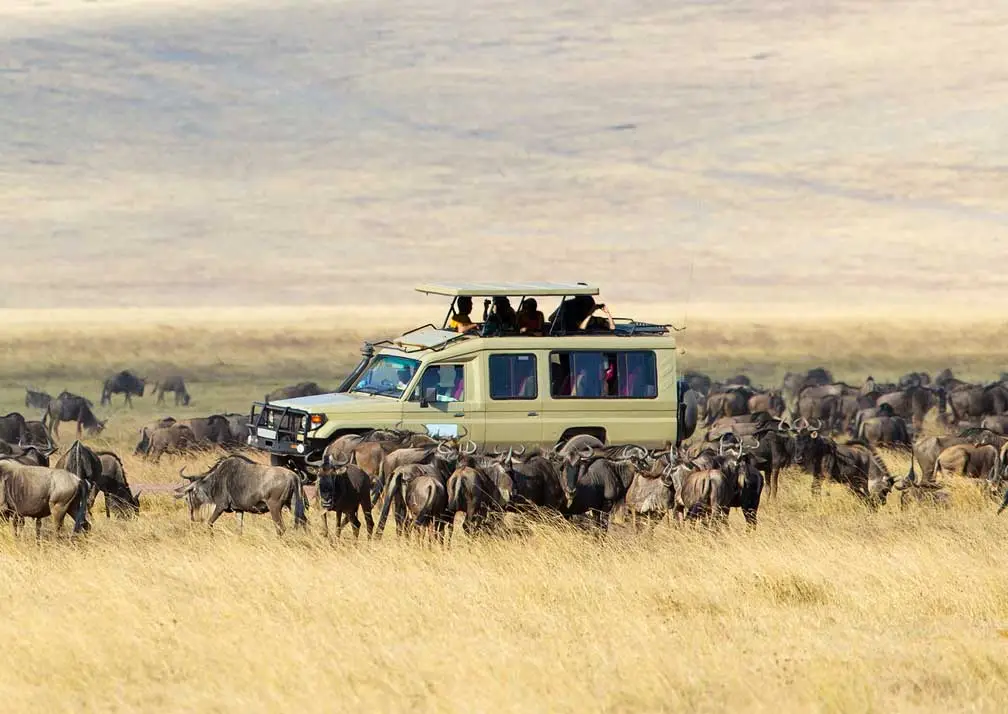
Great Migration Safaris
Experience one of nature's greatest spectacles with our Great Migration safari packages, timed for river crossings or calving.
View Package →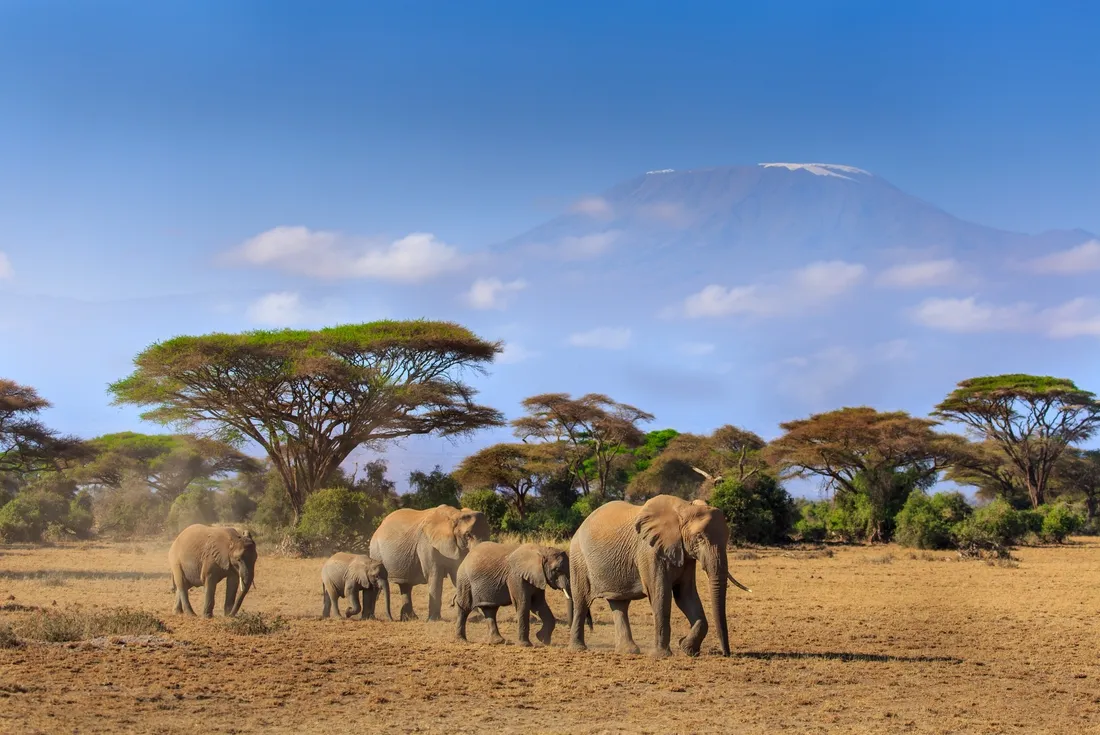
Serengeti & Kilimanjaro Trek
Combined safari and trekking tours offer wildlife adventures and Kilimanjaro climbs.
View Package →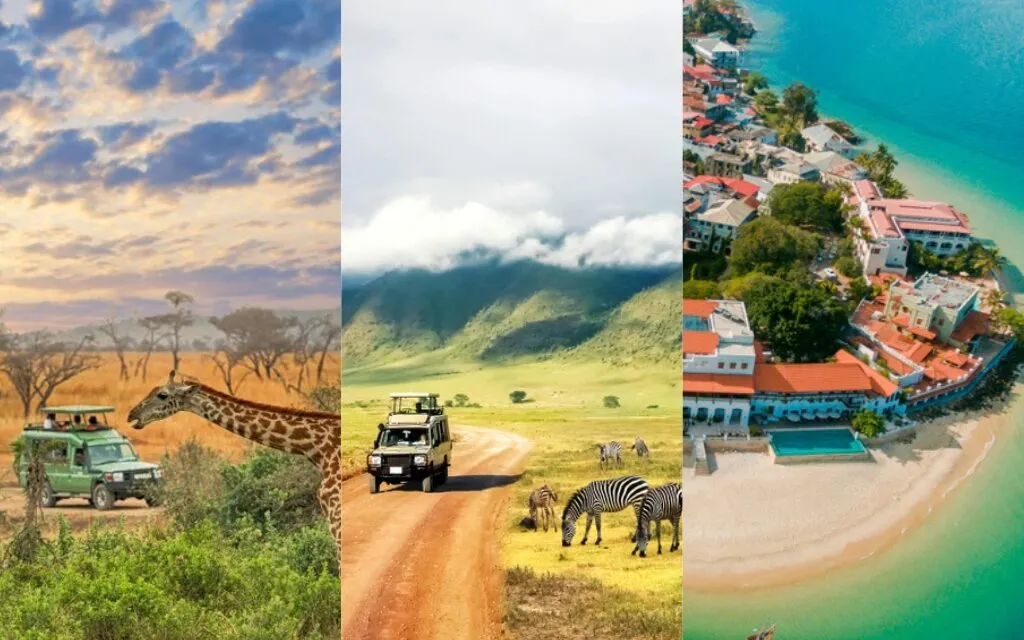
Serengeti & Zanzibar Tours
Luxury Tanzania safari & beach packages with the Great Migration and pristine beaches.
View Package →Related: Best Time to Visit Tanzania 2026 – Perfect safari extension after your Australia adventure.