
Most Complete Austria Travel Guide 2026-2027 – Everything You Need to Know Before Visiting
This Austria travel guide provides everything you need to plan your journey to the heart of Europe. Austria offers an extraordinary blend of imperial palaces, baroque architecture, world-class music heritage, and breathtaking Alpine scenery that create one of Europe’s most sophisticated yet accessible travel experiences. Many travelers who want to travel to Austria are surprised by the country's incredible diversity and rich cultural heritage spanning Habsburg grandeur, classical music traditions, and stunning natural landscapes from Vienna’s elegant boulevards to Tyrol’s dramatic peaks.
Start Reading the Full Guide ↓Quick Facts About Austria
- Capital: Vienna.
- Currency: Euro (€).
- Time Zone: Central European Time (CET, UTC+1).
- International Calling Code: +43.
- Driving Side: Right.
- Major Airports: Vienna International (VIE), Salzburg (SZG), Innsbruck (INN).
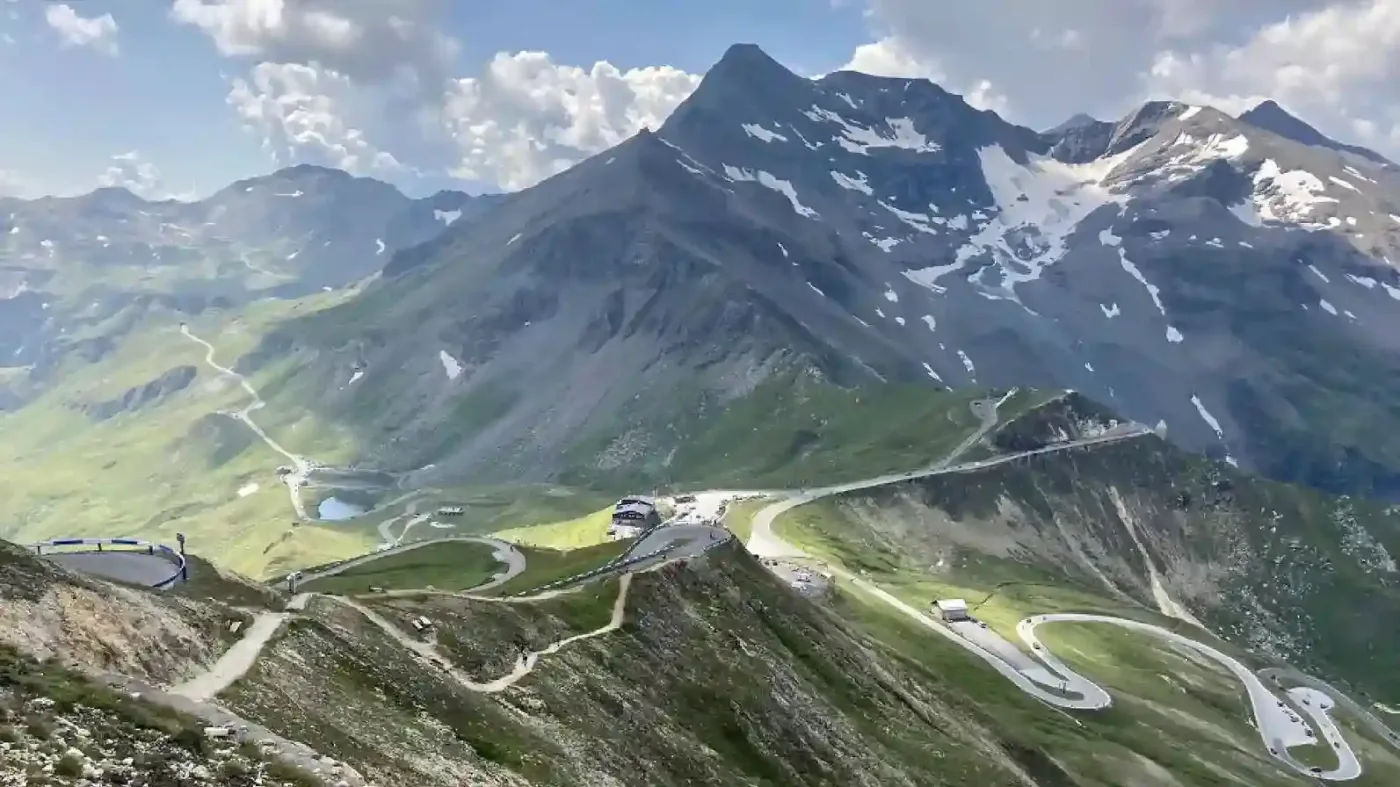
Austria Overview & Key Facts
Brief History of Austria
Austria's history spans millennia, from Celtic and Roman settlements through the powerful Habsburg dynasty that ruled much of Europe for over 600 years. The Austrian Empire and later Austro-Hungarian Empire shaped European politics and culture until 1918. The country’s neutral status since 1955 and membership in the European Union since 1995 have transformed it into a prosperous, peaceful Alpine republic renowned worldwide for classical music, winter sports, and high quality of life.
Independence & National Identity
- Modern republic established: 1955 (State Treaty).
- Former empire: Austro-Hungarian Empire dissolved 1918.
- National symbols & identity.
Austria restored full sovereignty in 1955 after post-WWII occupation. The national flag features red-white-red horizontal stripes, while the coat of arms shows an eagle with hammer and sickle representing workers and farmers. Austrian identity blends proud imperial heritage with modern alpine lifestyle, classical music tradition, and Gemütlichkeit (cozy hospitality).
Government System & Current Leadership
- Type of government: Federal Parliamentary Republic
- Current president: Alexander Van der Bellen
- Current chancellor: Karl Nehammer (as of 2025)
Austria operates as a federal republic with nine states enjoying significant autonomy. The country maintains strict political neutrality while being an active EU member. Political stability is high, with regular democratic elections and coalition governments common.
Population, Ethnic Groups & Languages
- Population: 9.1 million (2025 projection).
- Major ethnic groups: Austrians (80.8%), German-speaking.
- Official language(s): German.
- Regional recognized languages: Croatian, Hungarian, Slovene.
English is widely spoken especially in tourism sectors and among younger generations. Regional dialects (Bavarian/Alemannic) are common but standard German is universally understood.
Main Religions & Cultural Identity
Roman Catholicism remains the predominant religion (approximately 55%), though church attendance has declined. Protestant and Muslim minorities exist, with growing numbers declaring no religious affiliation. Secular culture dominates daily life while Catholic traditions strongly influence holidays, festivals, and architecture.
Geography & Natural Landscape
Austria is landlocked and 62% covered by the Eastern Alps. The Danube River flows through the north, while the highest peak Grossglockner reaches 3,798 m. The country features dramatic mountain scenery, pristine lakes, rolling vineyards, and fertile plains in the east.
Economy & Tourism Highlights
Austria enjoys one of Europe’s highest standards of living with strong industries in machinery, tourism, and winter sports. Tourism contributes significantly with over 30 million annual visitors drawn to cultural cities, Alpine skiing, and summer hiking.
What Austria Is Known For
- Home of Mozart, Strauss, Schubert and Vienna Philharmonic
- World-class Alpine skiing and hiking destinations
- Imperial palaces (Schönbrunn, Hofburg) and baroque architecture
- Vienna coffee house culture (UNESCO intangible heritage)
Visa & Entry Requirements in Austria
Austria is part of the Schengen Area. Entry rules depend on nationality and planned length of stay. From mid-2026 the European Travel Information and Authorization System (ETIAS) will be required for visa-exempt visitors.
Do You Need a Visa?
EU/EEA/Swiss: no visa or ETIAS. US, Canada, UK, Australia, NZ: visa-free 90 days in 180, but ETIAS required from mid-2026 (€7 online). Most other nationalities require Schengen tourist visa in advance.
Visa Application Options in Austria
- Schengen tourist visa (embassy/consulate)
- ETIAS online authorization (from mid-2026 for visa-exempt)
- Long-stay national D-visa for studies/work
Schengen visa allows travel throughout 27 countries for up to 90 days. Applications require travel insurance (€30,000+ coverage), accommodation proof, financial means, and return ticket.
Passport Validity & Entry Documents
Passport valid 3 months beyond intended departure from Schengen area. ETIAS linked to passport. Biometric checks and EES (Entry/Exit System) registration on first entry from 2026.
Customs Rules & Prohibited Items
Standard EU customs apply. €430 cash declaration required. Duty-free limits from non-EU countries. Strict rules on counterfeit goods and protected species products.
Safety & Security Information in Austria
Austria consistently ranks among Europe’s safest countries with low violent crime rates. Most visits are trouble-free.
Is Austria Safe for Tourists?
Yes – Level 1 (exercise normal precautions) by US, Canada, UK, Australia. Petty theft (pickpocketing) in tourist areas and on public transport is the main concern.
Recommended Safety Tips when in Austria
Use hotel safes, beware of distraction scams, keep valuables secure in crowds (especially Christmas markets and public transport). Normal precautions after dark in major cities.
Safe Areas vs. Areas to Avoid in Austria
Entire country is safe. Exercise usual caution in Vienna’s Prater and some late-night districts. No “no-go” zones exist for tourists.
Emergency Numbers & Tourist Police in Austria
- Police: 133
- Fire: 122
- Medical Emergency: 144
- Europe-wide emergency: 112
Tourist police units operate in Vienna and major tourist centers with English-speaking officers.
Health Requirements & Vaccinations in Austria
No mandatory vaccinations. Excellent medical facilities throughout the country.
Mandatory Vaccinations in Austria
None required.
Recommended Vaccinations in Austria
Routine vaccines up to date. Tick-borne encephalitis recommended for forest hikes spring–autumn. Hepatitis A/B for longer stays.
Malaria & Other Risks
No malaria risk. Main concerns: ticks in forests/grasslands, sun exposure when hiking/skiing, cold-related issues in winter.
Travel Insurance Recommendations in Austria
Highly recommended – covers winter sports (skiing is usually excluded from basic policies), medical treatment, and mountain rescue (can cost €5,000+ without insurance).
Best Time to Visit in Austria
Year-round destination with distinct high seasons for winter sports and summer activities.
Weather by Season
Winter (Dec–Mar): cold and snowy, perfect for skiing. Spring (Apr–May): mild, fewer crowds. Summer (Jun–Aug): warm, ideal for hiking. Autumn (Sep–Oct): pleasant temperatures, beautiful foliage.
When to Visit Austria for Best Experiences
- Skiing & Christmas markets: Dec–Mar
- Hiking & festivals: Jun–Sep
- Vienna opera/balls: Jan–Feb
- Shoulder seasons (May, Sep–Oct): best value & weather
High Season vs. Low Season Travel
High season: Dec–Mar (ski) and Jul–Aug (summer). Prices 30–100% higher. Low season: Apr–May and Oct–Nov offer best hotel rates and fewer crowds.
Weather & Climate Overview in Austria
Alpine climate in mountains, continental in east. Significant regional variations.
Temperature Ranges
Vienna: –1°C winter to 26°C summer. Alps: –10°C winter to 20°C summer. Considerable variation by altitude.
Rainy & Dry Seasons in Austria
Rain possible year-round. Snow reliable Dec–Mar above 1,500 m. Summer thunderstorms common in mountains.
What to Wear Based on the Weather
Layering essential. Winter: thermal layers, waterproof jacket, hat/gloves. Summer: light clothing + rain jacket. Smart attire for Vienna evenings/opera.
Main Currency, Costs & Budgeting in Austria
Austria uses the Euro. Generally expensive by European standards, especially Vienna and ski resorts.
Local Currency Information
Euro (€) in notes and coins. Cards accepted almost everywhere except some small villages and mountain huts.
Average Travel Costs in Austria
Budget: €90–140/day; mid-range €180–300/day; luxury €400+/day (especially ski season and Vienna opera season).
Using ATMs, Cards & Mobile Money in Austria
Contactless cards universally accepted. ATMs plentiful. Apple/Google Pay common.
Tipping Guidelines in Austria
Service included but rounding up or 5–10% appreciated in restaurants. €1–2 per bag for hotel porters. Taxi drivers: round up.
Transportation & Getting Around in Austria
Excellent public transport network. Trains are punctual and comfortable.
Airport Transfers
Vienna Airport: CAT train (16 min to city), Railjet, buses, taxis/Uber. Salzburg and Innsbruck well connected by rail and bus.
Local Transport Options in Austria
ÖBB trains excellent. Vienna has efficient U-Bahn, trams, buses. Regional buses reach small villages. City bikes available.
Austria Domestic Flights
Limited – trains usually faster and more scenic.
Car Rentals & Road Conditions in Austria
Vignette (toll sticker) required for motorways. Excellent roads. Winter tires mandatory Dec–Mar. Mountain passes may close in heavy snow.
Accommodation Options available in Austria
Wide range from budget hostels to 5-star palace hotels and Alpine chalets.
Types of Accommodations in Austria
Hotels (luxury to budget), pensions, apartments, mountain huts (Hütten), farm stays (Urlaub am Bauernhof), youth hostels.
Budget vs. Mid-Range vs. Luxury
Budget: €40–90/night; mid-range €120–250; luxury €300–1,000+ (especially ski season and Vienna).
Best Areas to Stay in Austria
Vienna: 1st district (Innere Stadt) or nearby. Salzburg: old town. Innsbruck: near old town. Hallstatt: limited – book early.
Essential Packing Guide when Visiting Austria
Pack for variable weather and activities.
Clothing Essentials
Layers, waterproof jacket, comfortable walking shoes, elegant outfit for Vienna evenings, warm hat/gloves/scarf for winter.
Footwear & Gear
Good walking shoes essential. Hiking boots for mountains. Ski/snowboard gear can be rented.
Electronics & Cameras
Type C/F plugs, 230V/50Hz. Universal adapter recommended.
Toiletries & Personal Items
All available locally. Bring prescription medications.
Language & Communication in Austria
German official language but English widely spoken in tourist areas.
Main Languages Spoken in Austria
German (with Austrian dialect). English fluency high in tourism sector.
Useful Phrases for Tourists
“Guten Tag” (hello), “Danke” (thank you), “Bitte” (please/you’re welcome), “Entschuldigung” (excuse me).
SIM Cards & Mobile Data used in Austria
Excellent 5G coverage. EU roaming applies. Local SIMs cheap and easy.
Internet Availability & Wi-Fi in Austria
Free Wi-Fi in cafés, hotels, public spaces. Fast and reliable.
Culture & Etiquette in Austria
Polite, formal culture with strong traditions.
Austrian Dress Code Expectations
Smart-casual in cities. Elegant for opera, balls, upscale restaurants. Modest clothing for churches.
Social Etiquette & Respectful Behavior of Austria
Punctuality valued. Greet with “Grüß Gott” or “Servus” in rural areas. Handshakes common. Quiet on public transport.
Photography Rules in Austria
Generally permitted. Ask permission for people. No photos in some museum sections.
Important Cultural Dos & Don’ts in Austria
Do: recycle rigorously, stand right/walk left on escalators. Don’t: jaywalk, shout in public, discuss Nazi history casually.
Food, Water & Dining in Austria
Renowned for Wiener Schnitzel, Sachertorte, coffee house culture and excellent wines.
Austrian Local Dishes to Try
Wiener Schnitzel, Tafelspitz, Apfelstrudel, Kaiserschmarrn, Sachertorte. Heurigen (wine taverns) for local wines and cold plates.
Dietary Options in Austria
Vegetarian/vegan options widely available in cities. Gluten-free common.
Drinking Water Safety
Tap water excellent and safe everywhere.
Restaurant Etiquette
Service included. Round up or add 5–10%. “Mahlzeit” greeting when starting meal.
Top Attractions & Things to Do in Austria
Perfect blend of culture, history and outdoor activities.
Major Tourist Attractions in Austria
- Vienna: Schönbrunn Palace, Hofburg, St. Stephen’s Cathedral
- Salzburg: Mozart’s birthplace, fortress, Sound of Music locations
- Hallstatt & Dachstein Alps
- Innsbruck & Tyrolean Alps
Best Tours & Experiences in Austria
Classical music concerts, Sound of Music tours, Danube cruises, wine tasting, Alpine hiking, ski/snowboard lessons.
Family-Friendly Activities to do in Austria
Salzburg Zoo, Vienna Prater, Alpine coasters, salt mines, Christmas markets.
Unique Cultural or Historical Sites to visit in Austria
Vienna State Opera, Spanish Riding School, Melk Abbey, Eisriesenwelt ice caves, Mozart museums.
Austrian Electrical System Information
Standard European system.
Plug Types & Voltage used in Austria
Type C and F (Schuko), 230V, 50Hz.
Charging Tips
Universal adapter recommended for non-European devices.
Local Laws & Regulations of Austria
Strict but fair enforcement.
Rules Travelers Need to Know when In Austria
No smoking in restaurants/bars. Jaywalking fined. Quiet hours strictly observed. Vignette required on motorways.
Alcohol, Smoking & Substance Laws of Austria
Drinking age 16 (beer/wine), 18 (spirits). Smoking banned indoors. Cannabis illegal (decriminalized small amounts).
Restricted or Protected Areas in Austria.
Military areas off-limits. Some Alpine regions require permits for off-trail hiking.
Final Travel Tips for Visitors in Austria
Book Vienna opera, Spanish Riding School, popular restaurants in advance. Buy Vienna Pass/Salzburg Card for savings.
Common Mistakes to Avoid
Underestimating mountain weather changes. Not validating public transport tickets. Assuming everywhere accepts cards (some mountain huts cash only).
Tips to Save Money when Visiting Austria
Travel in shoulder seasons. Use city cards. Eat at Gasthaus/local restaurants. Buy train tickets in advance.
Safety & Comfort Tips
Register with embassy if required. Keep emergency numbers. Purchase winter sports insurance if skiing.
Frequently Asked Questions – Austria Travel Guide 2026-2027
Our Tanzania Tours Products
While Austria offers imperial palaces, Alpine adventures and classical music heritage, many travelers combine Central Europe with the ultimate wildlife experience in East Africa. Capable Africa Tours specializes in secure, guided safaris that maximize safety and wonder. Our expert local guides, armed rangers in parks, and vetted accommodations ensure peace of mind. From family-friendly lodges to luxury camps, we handle logistics so you focus on the magic. Tanzania ranks high for tourist safety with dedicated wildlife protection units and stable northern circuits.
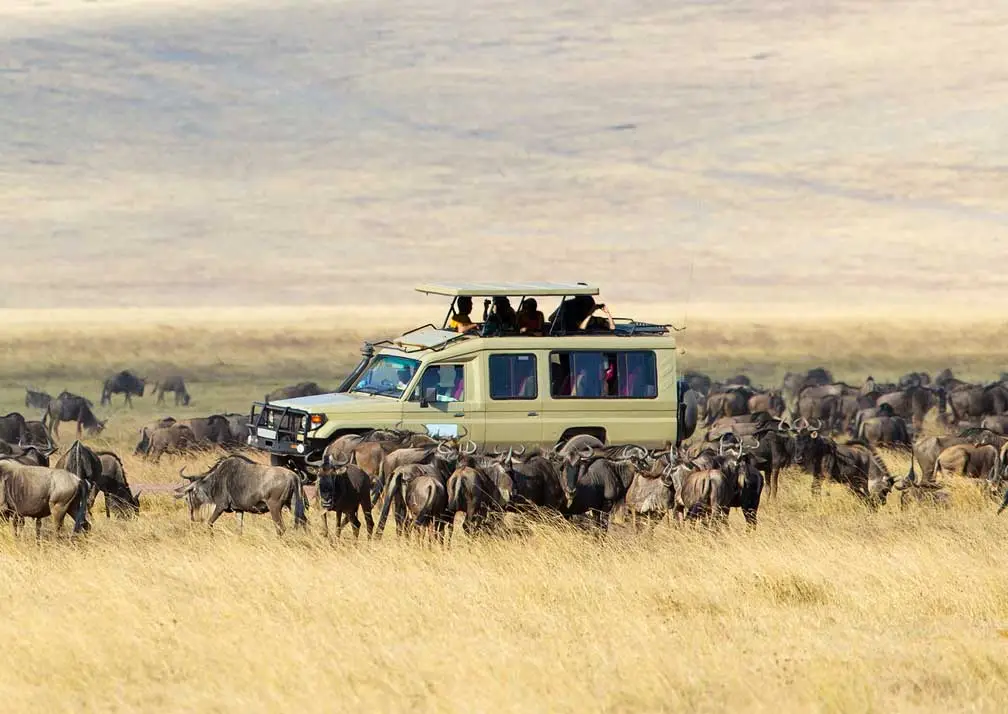
Great Migration Safaris
Experience one of nature's greatest spectacles with our Great Migration safari packages, timed for river crossings or calving.
View Package →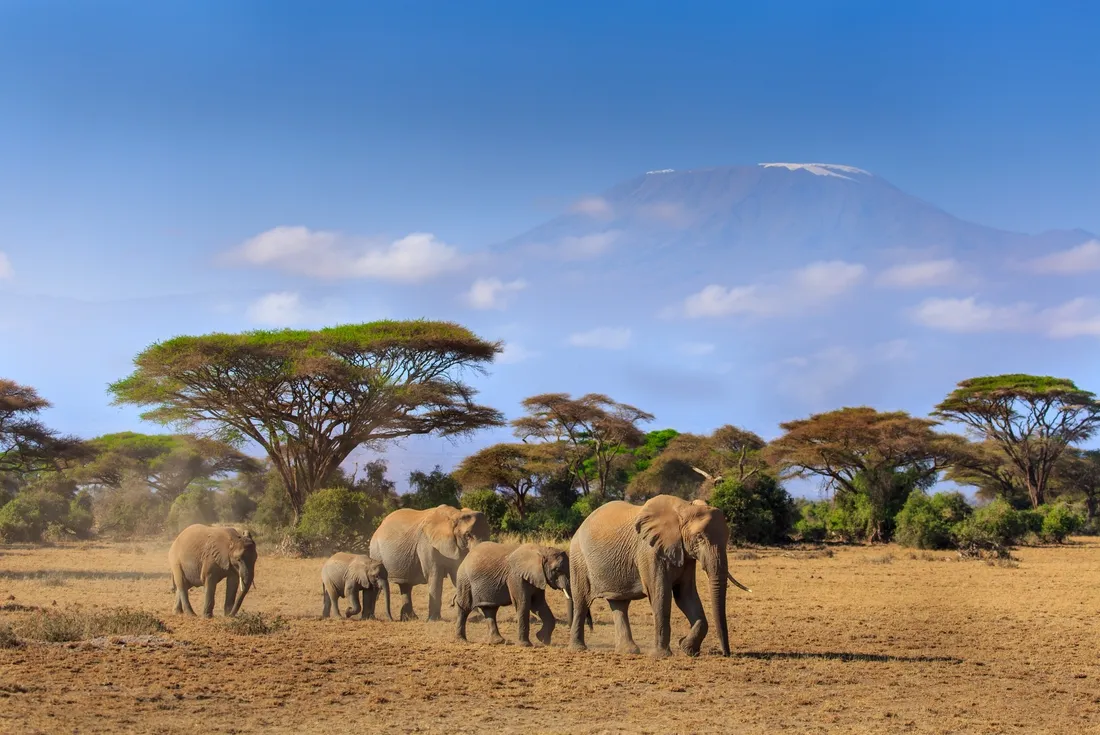
Serengeti & Kilimanjaro Trek
Combined safari and trekking tours offer wildlife adventures and Kilimanjaro climbs.
View Package →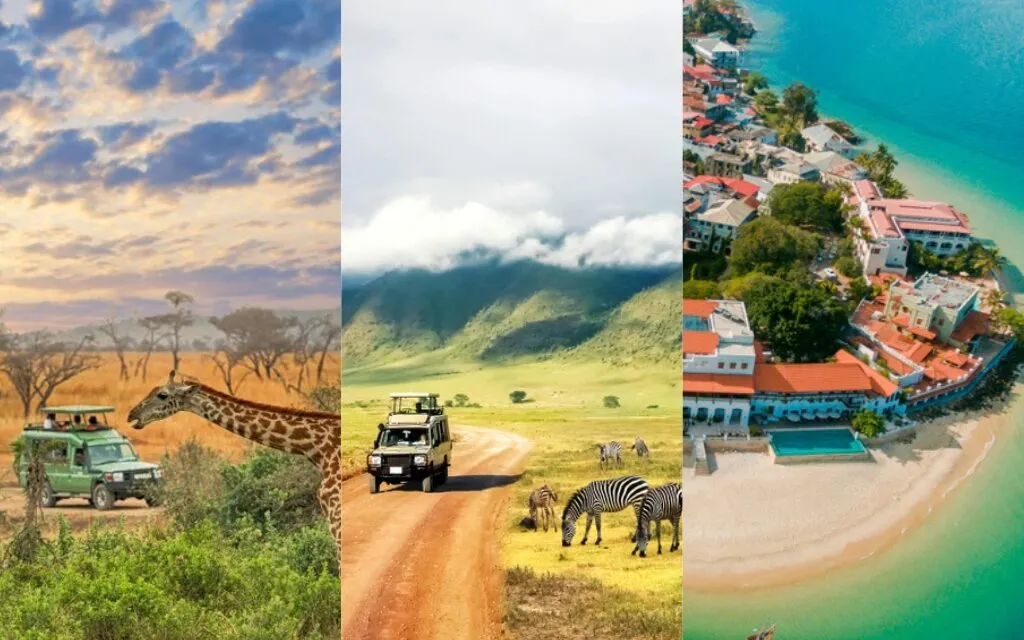
Serengeti & Zanzibar Tours
Luxury Tanzania safari & beach packages with the Great Migration and pristine beaches.
View Package →Related: Best Time to Visit Tanzania 2026 – Perfect safari extension after your Austria adventure.