Most Complete Bahamas Travel Guide 2026-2027 – Everything You Need to Know Before Visiting
This Bahamas travel guide provides everything you need to plan your journey to one of the Caribbean’s most iconic archipelagos. The Bahamas consists of over 700 islands and 2,400 cays scattered across crystal-clear turquoise waters, offering postcard-perfect beaches, vibrant marine life, luxury resorts, and laid-back Out Island charm. From the buzzing energy of Nassau to the tranquil pink-sand beaches of Harbour Island and the swimming pigs of Exuma, the Bahamas delivers an unforgettable tropical escape for every type of traveler.
Start Reading the Full Guide ↓Quick Facts About the Bahamas
- Capital: Nassau (on New Providence Island).
- Currency: Bahamian Dollar (BSD) – USD accepted everywhere.
- Time Zone: Eastern Time (ET, UTC-5; observes DST).
- International Calling Code: +1 242.
- Driving Side: Left.
- Major Airports: Lynden Pindling International (NAS) – Nassau, Grand Bahama International (FPO), Exuma International (GGT).
Bahamas Overview & Key Facts
Brief History of the Bahamas
The Bahamas was first inhabited by the Lucayan people. Christopher Columbus made his first landfall in the New World on San Salvador in 1492. British settlers arrived in the 17th century, and the islands became a crown colony in 1718 after years of pirate activity (Nassau was once a notorious pirate haven). Slavery was abolished in 1834, and the Bahamas gained independence from the UK on July 10, 1973, becoming a Commonwealth realm.
Independence & National Identity
- Independence date: July 10, 1973.
- Former colonial power: United Kingdom.
- National symbols & identity.
The flag features aquamarine, gold, and black with a black triangle representing unity and determination. Junkanoo – the vibrant street parade with music, dance, and elaborate costumes – is the heart of Bahamian culture, celebrated on Boxing Day and New Year’s Day.
Government System & Current Leadership
- Type of government: Parliamentary democracy & constitutional monarchy
- Current prime minister: Philip Davis (since 2021)
- Notes on political stability
The Bahamas enjoys stable democratic governance with peaceful transitions of power. Tourism and offshore financial services drive the economy.
Population, Ethnic Groups & Languages
- Population: ~410,000 (2025 projection).
- Major ethnic groups: African descent (90%+), European, Asian, Hispanic.
- Official language(s): English.
- Additional languages commonly spoken.
Bahamian Creole (or “dialect”) is widely spoken in informal settings, but standard English is used in business, education, and tourism.
Main Religions & Cultural Identity
Christianity predominates (mostly Baptist, Anglican, Catholic, and Pentecostal). Sunday church services and gospel music are central to Bahamian life. The laid-back “island time” mentality, hospitality, and love of music and festivals define the cultural vibe.
Geography & Natural Landscape
The Bahamas stretches over 500 miles from near Florida to close to Haiti, with low-lying coral islands, the third-largest barrier reef in the world, blue holes, and some of the clearest water on earth (visibility often exceeds 60 m/200 ft).
Economy & Tourism Highlights
Tourism accounts for over 60% of GDP and employs half the workforce. Cruise ships bring millions to Nassau and Freeport annually, while the Out Islands attract yachting, diving, and luxury travelers.
What the Bahamas Is Known For
- World-famous turquoise waters and pink/white-sand beaches
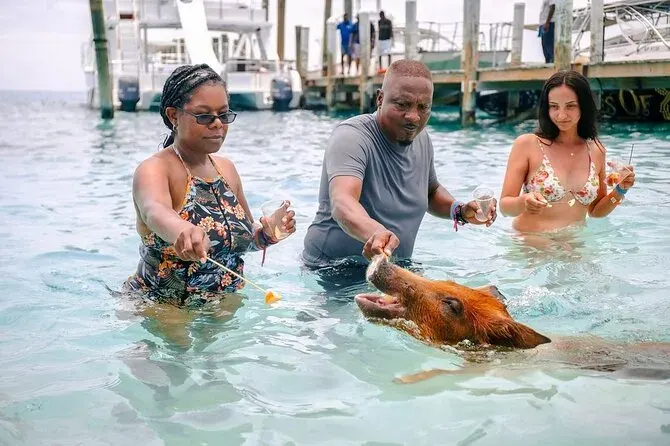
- Swimming pigs of Exuma, stingrays, and nurse sharks
- Luxury resorts (Atlantis, Baha Mar) and private-island exclusivity
Visa & Entry Requirements in the Bahamas
Most visitors enjoy visa-free entry. A valid passport, onward/return ticket, and proof of funds/accommodation are usually all that’s required.
Do You Need a Visa?
Citizens of the US, Canada, UK, EU, Australia, New Zealand, and most Commonwealth countries can enter visa-free for tourism for up to 90 days (some nationalities up to 8 months). Check the official Bahamas Immigration website for your country.
Visa Application Options in the Bahamas
- Visa-free on arrival for eligible nationalities
- Visa required in advance for a small list of countries
- Extensions possible at Nassau Immigration Office
Passport Validity & Entry Documents
Passport must be valid for at least 6 months beyond intended stay (3 months for some nationalities). You’ll receive an immigration card on the plane or at the port to complete.
Customs Rules & Prohibited Items
Duty-free allowance: 200 cigarettes or 50 cigars, 1 liter spirits, 1 liter wine. No spearguns, drugs, or Cuban cigars. Declare cash over $10,000 USD.
Safety & Security Information in the Bahamas
The Bahamas is generally safe for tourists, especially in resort areas and popular islands. Nassau has higher petty crime rates than the Out Islands.
Is the Bahamas Safe for Tourists?
Yes – tourist areas of Nassau, Paradise Island, Grand Bahama, and the Out Islands are very safe. Violent crime against tourists is rare. Petty theft and scams occur; normal precautions apply.
Recommended Safety Tips when in the Bahamas
Use licensed taxis or reputable ride apps, avoid isolated areas after dark, don’t leave valuables on beaches, and keep passports secure. Hurricane season (June–Nov) requires monitoring weather alerts.
Safe Areas vs. Areas to Avoid in the Bahamas
Safe: Paradise Island, Cable Beach, Baha Mar, most Out Islands. Exercise caution in downtown Nassau “Over-the-Hill” neighborhoods after dark.
Emergency Numbers & Tourist Police in the Bahamas
- Police/Fire/Medical Emergency: 919 or 911
- Tourist Police: present on Paradise Island & downtown Nassau
Health Requirements & Vaccinations in the Bahamas
No mandatory vaccinations for most travelers. Routine vaccines recommended.
Mandatory Vaccinations in the Bahamas
None, unless arriving from a yellow-fever country within 6 days.
Recommended Vaccinations in the Bahamas
Hepatitis A, Typhoid, and routine shots. Mosquito repellent advised (Zika risk low but present).
Malaria & Other Risks
No malaria. Dengue and chikungunya occur rarely. Drink bottled water outside resorts if unsure.
Travel Insurance Recommendations in the Bahamas
Highly recommended – medical evacuation can cost $50,000+. Ensure coverage for water sports and hurricane-related cancellations.
Best Time to Visit in the Bahamas
December–April is peak season with perfect weather. May & November offer good value with lower crowds.
Weather by Season
Winter (Dec–Apr): 24–29°C, low humidity. Summer (May–Oct): 28–33°C, higher humidity and hurricane risk.
When to Visit the Bahamas for Best Experiences
- Junkanoo festivals: Boxing Day & New Year’s
- Diving/snorkeling: year-round (best visibility Mar–Jun)
- Budget travel: May–Nov (excluding hurricanes)
High Season vs. Low Season Travel
High season (mid-Dec to mid-Apr) sees highest prices and crowds. Low season (Jun–Nov) has great deals but hurricane risk.
Weather & Climate Overview in the Bahamas
Subtropical climate with two seasons: dry winter and wet summer. Water temperature rarely drops below 24°C.
Temperature Ranges
Winter: 21–28°C. Summer: 27–33°C. Water: 24–30°C year-round.
Rainy & Dry Seasons in the Bahamas
Dry season: November–April. Wet season: May–October (short afternoon showers common).
What to Wear Based on the Weather
Swimsuits, light cotton clothing, sun hats, flip-flops, light jacket for winter evenings, and waterproof bag for boat trips.
Main Currency, Costs & Budgeting in the Bahamas
US dollars are universally accepted. Prices are higher than many Caribbean destinations.
Local Currency Information
Bahamian Dollar (BSD) 1:1 pegged to USD. US dollars used interchangeably.
Average Travel Costs in the Bahamas
Budget: $150–250/day (hostels, local food, ferries). Mid-range: $300–550/day (3–4★ hotels, dining out). Luxury/all-inclusive: $600–1500+/day.
Using ATMs, Cards & Mobile Money in the Bahamas
ATMs widespread in Nassau/Freeport. Credit cards accepted everywhere in tourist areas. Apple/Google Pay common.
Tipping Guidelines in the Bahamas
15–20% at restaurants (often added as service charge). $2–5/bag for bellhops, $10–20/day for housekeeping, $20–50 for private drivers/guides.
Transportation & Getting Around in the Bahamas
Inter-island flights and ferries are the main options. Taxis and rental cars available on larger islands.
Airport Transfers
Lynden Pindling (NAS) – taxi to downtown Nassau ~$35, to Paradise Island ~$45. Shuttles and private transfers available.
Local Transport Options in the Bahamas
Jitneys (shared minibuses) in Nassau $1.25–2. Taxis plentiful (no Uber). Water taxis to Paradise Island.
Bahamas Domestic Flights
Bahamasair, Pineapple Air, Southern Air, and charter seaplanes connect islands. Fast ferries (Bahamas Ferries) serve major routes.
Car Rentals & Road Conditions in the Bahamas
Left-side driving. Rentals widely available on New Providence, Grand Bahama, and some Out Islands. Golf carts common on smaller cays.
Accommodation Options available in the Bahamas
From mega-resorts to boutique inns and Airbnb homes.
Types of Accommodations in the Bahamas
All-inclusive resorts (Atlantis, Baha Mar, Sandals), luxury private-island resorts, boutique hotels, guesthouses, vacation rentals, and bonefishing lodges on Out Islands.
Budget vs. Mid-Range vs. Luxury
Budget: $100–200/night (guesthouses). Mid-range: $250–500/night. Luxury: $600–5000+/night (private islands, overwater villas).
Best Areas to Stay in the Bahamas
Nassau/Cable Beach (convenience), Paradise Island (resorts), Exumas (luxury & pigs), Harbour Island (pink sand), Eleuthera (quiet beauty).
Essential Packing Guide when Visiting the Bahamas
Pack light, focus on sun protection and water activities.
Clothing Essentials
Swimsuits (multiple), cover-ups, light dresses/shorts, sun hats, sunglasses, reef-safe sunscreen (mandatory in many marine parks).
Footwear & Gear
Water shoes, flip-flops, comfortable walking sandals. Snorkel gear if you have your own (rentals available).
Electronics & Cameras
US plugs (120V 60Hz). Waterproof phone case and GoPro highly recommended.
Toiletries & Personal Items
Reef-safe sunscreen, insect repellent, after-sun aloe, medications, and reusable water bottle.
Language & Communication in the Bahamas
English is the official language – no language barrier for most visitors.
Main Languages Spoken in the Bahamas
English and Bahamian Creole.
Useful Phrases for Tourists
“Bey” (friend), “What da wybe is?” (What’s up?), “Mudda sik!” (expression of surprise).
SIM Cards & Mobile Data used in the Bahamas
BTC and Aliv are main providers. SIMs at airport or stores. Good 4G/5G coverage on populated islands.
Internet Availability & Wi-Fi in the Bahamas
Free Wi-Fi in most hotels, restaurants, and cafes. Resorts often charge for premium speed.
Culture & Etiquette in the Bahamas
Relaxed, friendly, and family-oriented culture.
Bahamian Dress Code Expectations
Casual resort wear. Beachwear stays on the beach; cover up in town. No shirt/no shoes policies strictly enforced off-beach.
Social Etiquette & Respectful Behavior of the Bahamas
Greet with a smile and “Good morning/afternoon.” Handshakes common. Respect church services on Sundays.
Photography Rules in the Bahamas
Ask permission before photographing locals. No restrictions on scenery.
Important Cultural Dos & Don’ts in the Bahamas
Do: Tip well, support local vendors, respect marine life. Don’t: Touch coral, feed fish bread, remove conch from protected areas.
Food, Water & Dining in the Bahamas
Conch, fresh fish, Johnny cake, and rum cocktails dominate the menu.
Bahamian Local Dishes to Try
Cracked conch, conch salad, conch fritters, peas & rice, baked macaroni, johnny cake, guava duff, rum cake, and a proper Bahamian rum punch.
Dietary Options in the Bahamas
Seafood-heavy. Vegetarian options improving. Many resorts cater to gluten-free and vegan diets.
Drinking Water Safety
Tap water safe in Nassau and resorts (desalinated). Bottled water widely available.
Restaurant Etiquette
Service charge (15%) often added automatically. Additional cash tip appreciated.
Top Attractions & Things to Do in the Bahamas
Beaches, water sports, and island-hopping top the list.
Major Tourist Attractions in the Bahamas
- Atlantis Resort & Aquaventure Waterpark
- Swimming pigs (Big Major Cay, Exuma)
- Pink Sands Beach (Harbour Island)
- Exuma Cays Land & Sea Park
Best Tours & Experiences in the Bahamas
Swim with pigs tours, private island day trips, snorkeling Thunderball Grotto, bonefishing, yacht charters, and Junkanoo celebrations.
Family-Friendly Activities to do in the Bahamas
Atlantis waterpark, dolphin encounters, pirate museum in Nassau, glass-bottom boat tours.
Unique Cultural or Historical Sites to visit in the Bahamas
Pirates of Nassau Museum, Queen’s Staircase, Fort Fincastle, and loyalist plantation ruins on the Out Islands.
Bahamian Electrical System Information
US standard: 120V, 60Hz, Type A/B plugs.
Plug Types & Voltage used in the Bahamas
Type A (two flat pins) and Type B (with grounding pin).
Charging Tips
No adapter needed for US/Canadian devices. Bring power strip for multiple devices at resorts.
Local Laws & Regulations of the Bahamas
Standard Caribbean regulations with strict marine protection laws.
Rules Travelers Need to Know when In the Bahamas
No spearguns, no taking live conch, no removing coral or sand dollars. Marijuana illegal despite decriminalization talks.
Alcohol, Smoking & Substance Laws of the Bahamas
Legal drinking age 18. Public drinking allowed in some areas. Smoking banned in enclosed public places.
Restricted or Protected Areas in the Bahamas.
Exuma Cays Land & Sea Park – no fishing or taking anything. Drone rules require permission near airports and over crowds.
Final Travel Tips for Visitors in the Bahamas
Book inter-island flights early, pack reef-safe sunscreen, and embrace island time.
Common Mistakes to Avoid
Assuming everything is walking distance in Nassau, underestimating sun exposure, forgetting hurricane season travel insurance.
Tips to Save Money when Visiting the Bahamas
Stay on Out Islands, use local guesthouses, eat at fish fries, travel in shoulder season, book multi-island flight passes.
Safety & Comfort Tips
Stay hydrated, use plenty of sunscreen, respect marine life, and keep travel documents secure.
Frequently Asked Questions – Bahamas Travel Guide 2026-2027
Our Tanzania Tours Products
While the Bahamas offers turquoise waters and pink-sand beaches, many travelers combine the Caribbean with the ultimate African wildlife adventure. Capable Africa Tours specializes in secure, guided safaris that maximize safety and wonder. From the Great Migration to Zanzibar’s beaches, we create seamless extensions.
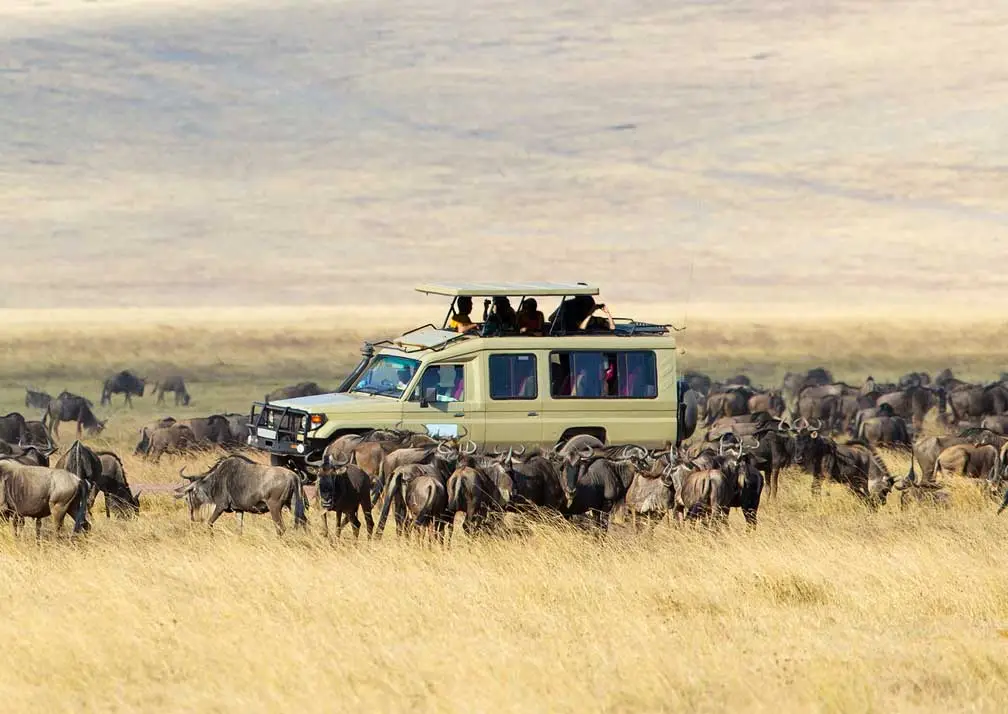
Great Migration Safaris
Experience one of nature's greatest spectacles with our Great Migration safari packages.
View Package →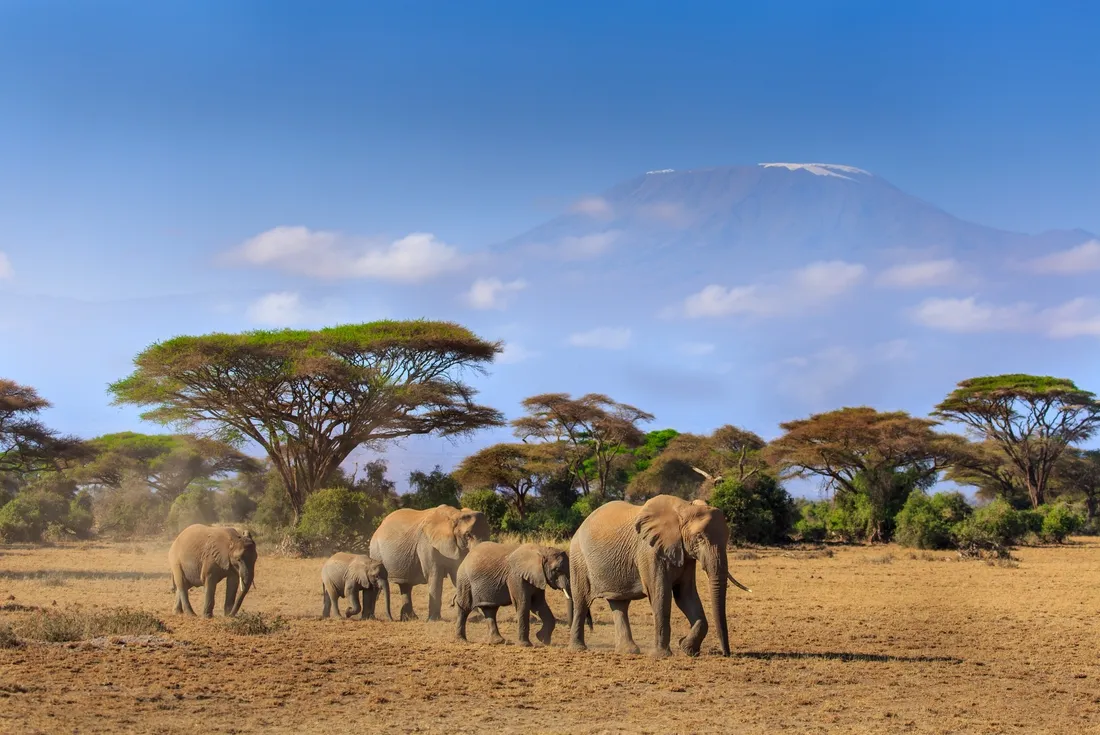
Serengeti & Kilimanjaro Trek
Combined safari and trekking tours offer wildlife adventures and Kilimanjaro climbs.
View Package →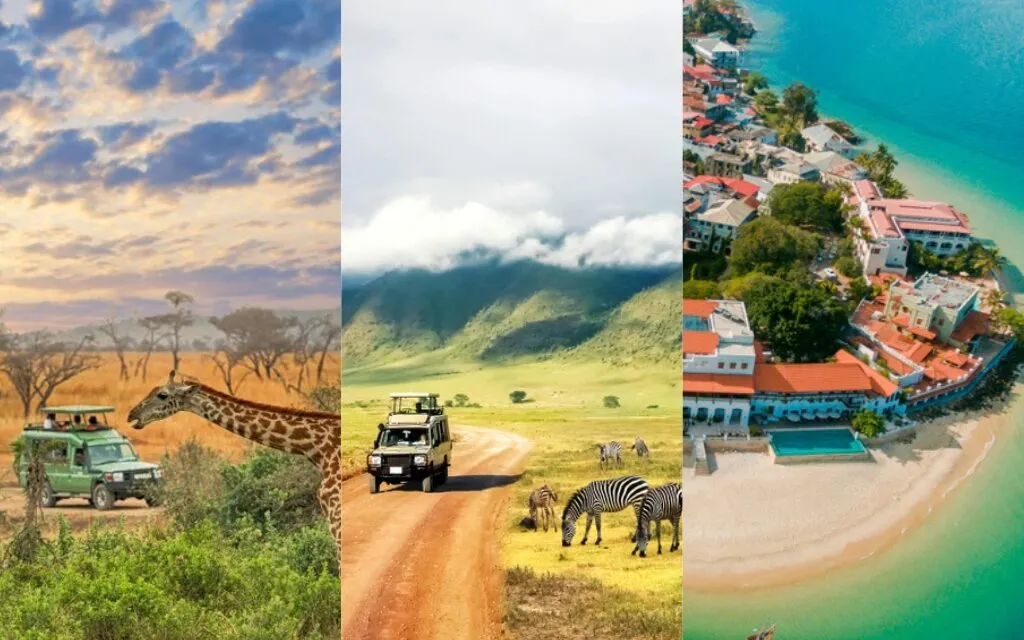
Serengeti & Zanzibar Tours
Luxury Tanzania safari & beach packages with the Great Migration and pristine beaches.
View Package →Related: Best Time to Visit Tanzania 2026 – Perfect safari extension after your Bahamas beach holiday.