
Most Complete Bahrain Travel Guide 2026-2027 – Everything You Need to Know Before Visiting
This Bahrain travel guide provides everything you need to plan your journey to the Arabian Gulf's most liberal and cosmopolitan island kingdom. Bahrain offers an extraordinary blend of ultramodern skyscrapers, ancient Dilmun civilization sites, pearl-diving heritage, and vibrant souqs that create one of the region's most diverse travel experiences. Many travelers who want to travel to Bahrain are surprised by the country's incredible mix of 5-star luxury, Formula 1 excitement, and authentic Arabian hospitality. The kingdom covers just 780 square kilometers yet packs world-class museums, UNESCO sites, and thriving nightlife into a compact, easy-to-explore destination.
Start Reading the Full Guide ↓Quick Facts About Bahrain
- Capital: Manama.
- Currency: Bahraini Dinar (BHD).
- Time Zone: Arabia Standard Time (AST, UTC+3).
- International Calling Code: +973.
- Driving Side: Right.
- Major Airport: Bahrain International Airport (BAH).
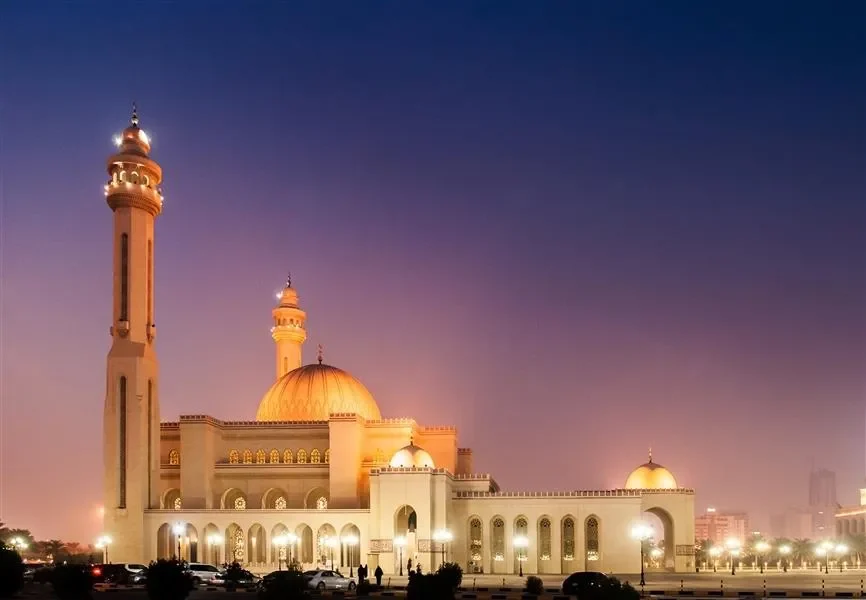
Bahrain Overview & Key Facts
Brief History of Bahrain
Bahrain's history spans over 5,000 years, from the ancient Dilmun civilization – considered by some as the biblical Garden of Eden – through Portuguese and Persian periods to British protectorate status. The discovery of oil in 1932 transformed the island from a pearl-diving economy into a modern financial hub. This rich historical tapestry creates a fascinating backdrop for modern travelers exploring UNESCO-listed burial mounds, historic forts, and traditional pearling villages.
Independence & National Identity
- Independence date: August 15, 1971.
- Former colonial power: United Kingdom.
- National symbols & identity.
Bahrain gained independence from Britain in 1971 and became a constitutional monarchy under the Al Khalifa family who have ruled since 1783. The national flag features white and red with five triangles representing the five pillars of Islam. Bahrain prides itself on religious tolerance with Sunni and Shia communities living side by side, alongside large expat populations.
Government System & Current Leadership
- Type of government: Constitutional Monarchy
- Current king: Hamad bin Isa Al Khalifa
- Notes on political stability
Bahrain is a constitutional monarchy with King Hamad bin Isa Al Khalifa as head of state since 1999 (became king in 2002). The country has experienced periods of political reform and occasional protests, but remains stable for tourism with strong security presence in tourist areas.
Population, Ethnic Groups & Languages
- Population: 1.5 million (2025 estimate).
- Major ethnic groups: Bahraini 46%, Asian expats 45%, other Arabs & others.
- Official language(s): Arabic.
- Additional languages commonly spoken.
English is widely spoken in business, tourism and education sectors. Over 50% of residents are expatriates from India, Pakistan, Philippines, Bangladesh and Western countries, making Bahrain one of the most cosmopolitan Gulf states.
Main Religions & Cultural Identity
Islam is the state religion with approximately 70% Muslim population (roughly equal Sunni and Shia). Bahrain is known for religious tolerance with significant Christian, Hindu, Buddhist and Jewish minorities. Churches, Hindu temples and a synagogue operate openly. Islamic values influence daily life but Bahrain maintains more liberal social policies than neighboring countries.
Geography & Natural Landscape
Bahrain consists of 33 islands with the main island connected to Saudi Arabia by the 25-km King Fahd Causeway. The landscape features low desert plains, natural springs that supported ancient civilizations, and man-made islands expanding the coastline. The highest point is the modest 134m Jabal al-Dukhan (“Mountain of Smoke”).
Economy & Tourism Highlights
Bahrain pioneered Gulf oil production and successfully diversified into financial services, hosting the region’s first post-oil economy. The kingdom is a major banking hub and hosts the Formula 1 Grand Prix. Tourism focuses on heritage sites, luxury shopping, and modern attractions with aggressive growth targets for 2026-2030.
What Bahrain Is Known For
- UNESCO Dilmun burial mounds (over 100,000 ancient tombs)
- Formula 1 Bahrain Grand Prix circuit
- Pearl diving heritage and UNESCO-listed pearling testimony
Visa & Entry Requirements in Bahrain
Bahrain maintains one of the most visitor-friendly visa policies in the Middle East with visa-on-arrival or e-Visa available to over 110 nationalities. The process is straightforward and designed for tourism and business visitors.
Do You Need a Visa?
Citizens of GCC countries (Saudi Arabia, Kuwait, UAE, Qatar, Oman) do not need visas. Over 68 nationalities receive visa on arrival for 14 days, and another 45+ can get e-Visa. Check the official Bahrain eVisa website for your nationality.
Visa Application Options in Bahrain
- Visa on arrival at Bahrain International Airport or King Fahd Causeway
- Online e-Visa (recommended – faster processing)
- Sponsored visas for nationalities not eligible for VoA/e-Visa
e-Visa applications are processed within 3-5 working days and allow stays of 14 days (extendable) or 3 months multiple entry for certain nationalities.
Passport Validity & Entry Documents
Passport must be valid for at least 6 months from entry date with two blank pages. Return/onward ticket and proof of accommodation may be requested. COVID-related requirements have been completely lifted as of 2025.
Customs Rules & Prohibited Items
Alcohol allowance: 1 litre of spirits OR 6 cans of beer (non-Muslims over 21 only). Pork products prohibited. Duty-free limits apply to tobacco (400 cigarettes). All narcotics strictly prohibited with severe penalties.
Safety & Security Information in Bahrain
Bahrain is considered one of the safest destinations in the Middle East with very low crime rates against tourists. Most international governments rate Bahrain Level 1 (exercise normal precautions).
Is Bahrain Safe for Tourists?
Yes – Bahrain consistently ranks among the safest countries in the region. Violent crime is extremely rare, tourist areas are heavily policed, and English-speaking tourist police are available.
Recommended Safety Tips when in Bahrain
Use licensed taxis or Careem/Uber, avoid political gatherings, respect local customs especially during Ramadan, and use hotel safes for valuables. Women travellers report feeling very safe even when walking alone at night in Manama.
Safe Areas vs. Areas to Avoid in Bahrain
All tourist areas (Manama, Muharraq, Bahrain Bay, Seef, Adliya, Amwaj Islands) are very safe. Some older villages may have conservative dress expectations but remain safe. No areas are officially off-limits to tourists.
Emergency Numbers & Tourist Police in Bahrain
- Police/Emergency: 999.
- Fire Department: 999.
- Medical Emergency: 999.
- Tourist Police: Available in major malls and attractions.
English-speaking operators available 24/7.
Health Requirements & Vaccinations in Bahrain
Bahrain has excellent medical facilities with modern private hospitals and English-speaking doctors. No mandatory vaccinations required except yellow fever if arriving from endemic countries.
Mandatory Vaccinations in Bahrain
None except yellow fever certificate if arriving from affected countries within 6 days.
Recommended Vaccinations in Bahrain
Routine vaccines (MMR, diphtheria-tetanus-pertussis, polio). Hepatitis A & Typhoid recommended due to food/water exposure risk.
Malaria & Other Risks
Bahrain is malaria-free. Heat-related illness is the primary health concern during summer months.
Travel Insurance Recommendations in Bahrain
Strongly recommended. Excellent private hospitals but treatment is expensive without insurance. Ensure coverage includes emergency evacuation if required.
Best Time to Visit in Bahrain
November to March offers perfect weather (20–28°C) with blue skies and comfortable evenings. This period coincides with Formula 1, Art Bahrain, Spring of Culture festival and other major events.
Weather by Season
Winter (Nov–Mar): 20–28°C, perfect. Summer (Jun–Sep): 38–45°C with high humidity. Shoulder seasons (Apr/May & Oct) still very warm but manageable.
When to Visit Bahrain for Best Experiences
- Formula 1 Grand Prix: March/April
- Jewellery Arabia & Art Bahrain: November
- Heritage festivals: cooler months
- Ramadan & Eid: unique cultural experience
Avoid July–August unless staying exclusively in air-conditioned environments.
High Season vs. Low Season Travel
High season: November–March (higher prices, more events). Low season: June–September (significant hotel discounts, fewer crowds).
Weather & Climate Overview in Bahrain
Hot desert climate with two distinct seasons: extremely hot summer and mild winter. Humidity is high year-round due to surrounding waters.
Temperature Ranges
Winter: 15–28°C. Summer: 35–45°C (can reach 50°C). Sea temperature rarely drops below 20°C.
Rainy & Dry Seasons in Bahrain
Very little rainfall (average 70mm annually), mostly January–March. Dust storms possible in summer.
What to Wear Based on the Weather
Light breathable clothing year-round. Jacket/light sweater for winter evenings. Modest attire in public areas (cover shoulders/knees). Beachwear acceptable at hotel pools and private beaches only.
Main Currency, Costs & Budgeting in Bahrain
Bahrain uses the Bahraini Dinar (BHD) – the world’s second-strongest currency (pegged to USD at ~0.376 BHD = 1 USD). Costs are moderate to high but excellent value in luxury segment.
Local Currency Information
Banknotes: 500 fils, 1, 5, 10, 20 BHD. Coins rarely used. ATMs abundant, cards accepted almost everywhere.
Average Travel Costs in Bahrain
Budget: $80–130/day. Mid-range: $150–250/day. Luxury: $300–800+/day. Alcohol significantly increases costs.
Using ATMs, Cards & Mobile Money in Bahrain
Cards accepted virtually everywhere. Contactless common. Apple/Google Pay widely used. BenefitPay is local mobile payment system.
Tipping Guidelines in Bahrain
10–15% in restaurants (often included as service charge). Hotel staff 1–2 BHD per bag/service. Taxi drivers – round up fare.
Transportation & Getting Around in Bahrain
Compact size makes Bahrain easy to explore. Excellent road network, affordable taxis and growing public transport options.
Accommodation Options available in Bahrain
From budget apartments to world-class 5-star resorts, Bahrain offers excellent accommodation across all categories with strong competition keeping standards high.
Types of Accommodations in Bahrain
Luxury international chains (Four Seasons, Ritz-Carlton, Sofitel), boutique hotels, furnished apartments, and budget options. Many hotels feature private beaches and extensive facilities.
Budget vs. Mid-Range vs. Luxury
Budget ($60–100), mid-range ($120–200), luxury ($250–1,500+/night). Excellent value especially in 5-star category.
Best Areas to Stay in Bahrain
Manama (central), Seef/Adliya (dining/nightlife), Bahrain Bay (luxury), Juffair (expat area), Amwaj Islands (beachfront apartments).
Essential Packing Guide when Visiting Bahrain
Pack light clothing, modest public attire, and sun protection. Power outlets are British type G (3-pin).
Clothing Essentials
Light breathable fabrics, modest outfits for public areas, swimwear for hotel pools, light jacket for winter evenings.
Footwear & Gear
Comfortable walking shoes, sandals, sun hat, high-SPF sunscreen, universal adapter (type G plugs).
Electronics & Cameras
240V/50Hz with British 3-pin plugs. Power banks useful for long days out.
Toiletries & Personal Items
All major brands available. Bring prescription medications with documentation.
Language & Communication in Bahrain
English widely spoken – one of the easiest Gulf countries for English-only travellers.
Main Languages Spoken in Bahrain
Arabic official, English business/tourism language. Excellent English proficiency.
Useful Phrases for Tourists
“Marhaba” (hello), “Shukran” (thank you), “Min fadlak” (please), “Kam al-thaman?” (how much?).
SIM Cards & Mobile Data used in Bahrain
Batelco, Zain and stc – excellent 5G coverage. SIMs available at airport and malls.
Internet Availability & Wi-Fi in Bahrain
Fast free Wi-Fi in malls, cafés, hotels. One of the best-connected countries in region.
Culture & Etiquette in Bahrain
More liberal than neighbors but still conservative Islamic society. Respect local customs while enjoying relaxed atmosphere.
Bahraini Dress Code Expectations
Modest dress in public (cover shoulders/knees). More relaxed than Saudi Arabia but conservative than Dubai.
Social Etiquette & Respectful Behavior of Bahrain
Use right hand for eating/greeting. Accept offers of coffee/tea. Friday is holy day – many businesses close afternoon.
Photography Rules in Bahrain
Ask permission before photographing people (especially women). No restrictions on buildings except military areas.
Important Cultural Dos & Don’ts in Bahrain
Do: greet with “As-salamu alaykum”, remove shoes in homes. Don’t: public affection, point feet at people, discuss politics.
Food, Water & Dining in Bahrain
Excellent international and local cuisine. Alcohol available in hotels and licensed venues.
Bahraini Local Dishes to Try
Machboos (spiced rice with meat), muhammar (sweet rice), fresh seafood, harees, traditional Arabic sweets.
Dietary Options in Bahrain
Halal standard. Many vegetarian/vegan options. International cuisine widely available.
Drinking Water Safety
Tap water safe to drink but most prefer bottled.
Restaurant Etiquette
Tipping 10–15% common. Many restaurants add service charge.
Top Attractions & Things to Do in Bahrain
Perfect mix of ancient heritage and modern attractions in compact area.
Major Tourist Attractions in Bahrain
- Bahrain Fort (Qal’at al-Bahrain) UNESCO
- Bahrain National Museum
- Al Fateh Grand Mosque
- Tree of Life
Manama Souq, The Avenues mall, Formula 1 circuit tours, pearl diving experiences, dhow cruises.
Best Tours & Experiences in Bahrain
Heritage tours, food tours, desert camping, scuba diving, Formula 1 experiences.
Family-Friendly Activities to do in Bahrain
Water parks, dolphin shows, Lost Paradise of Dilmun, Bahrain Aquarium.
Unique Cultural or Historical Sites to visit in Bahrain
Dilmun burial mounds (UNESCO), pearling path (UNESCO), traditional pottery villages.
Bahraini Electrical System Information
British standard 240V/50Hz with type G (3 rectangular pin) plugs.
Plug Types & Voltage used in Bahrain
Type G (UK standard). Most hotels provide adapters.
Charging Tips
Bring type G adapter or buy locally (widely available).
Local Laws & Regulations of Bahrain
Liberal by Gulf standards but Islamic law applies.
Rules Travelers Need to Know when In Bahrain
Alcohol only in licensed venues. No public drunkenness. Ramadan restrictions on eating/drinking in public during daylight.
Alcohol, Smoking & Substance Laws of Bahrain
Alcohol legal in hotels/bars (non-Muslims over 21). Smoking banned in enclosed public spaces. All drugs strictly prohibited.
Restricted or Protected Areas in Bahrain.
Military areas off-limits. Some royal palaces restricted. Otherwise very tourist-friendly.
Final Travel Tips for Visitors in Bahrain
Easy, safe, compact destination perfect for first-time Gulf visitors.
Common Mistakes to Avoid
Visiting in summer, underestimating alcohol costs, not booking F1 weekend early.
Tips to Save Money when Visiting Bahrain
Visit in summer for hotel deals, use public buses, eat at local restaurants, book attractions online.
Safety & Comfort Tips
Use licensed taxis/Careem, stay hydrated, respect local customs, keep embassy contact details.
Frequently Asked Questions – Bahrain Travel Guide 2026-2027
Our Tanzania Tours Products
While Bahrain offers incredible modern luxury, ancient Dilmun heritage and Formula 1 excitement, many travelers combine the Gulf with the ultimate wildlife experience in East Africa. Capable Africa Tours specializes in secure, guided safaris that maximize safety and wonder. Our expert local guides, armed rangers in parks, and vetted accommodations ensure peace of mind. From family-friendly lodges to luxury camps, we handle logistics so you focus on the magic. Tanzania ranks high for tourist safety with dedicated wildlife protection units and stable northern circuits.
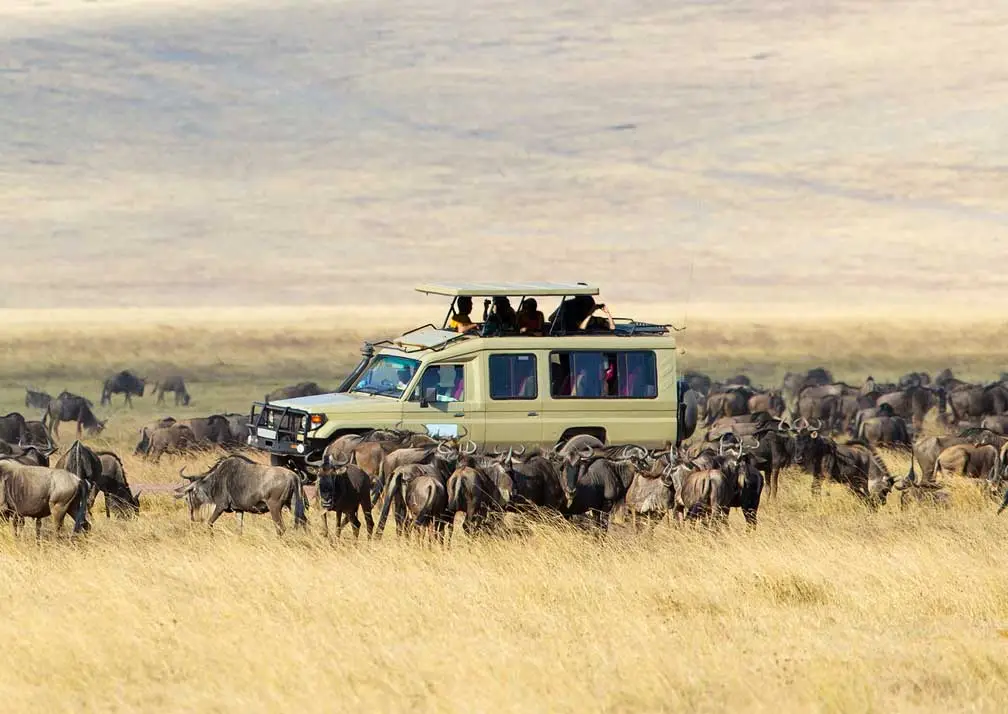
Great Migration Safaris
Experience one of nature's greatest spectacles with our Great Migration safari packages, timed for river crossings or calving.
View Package →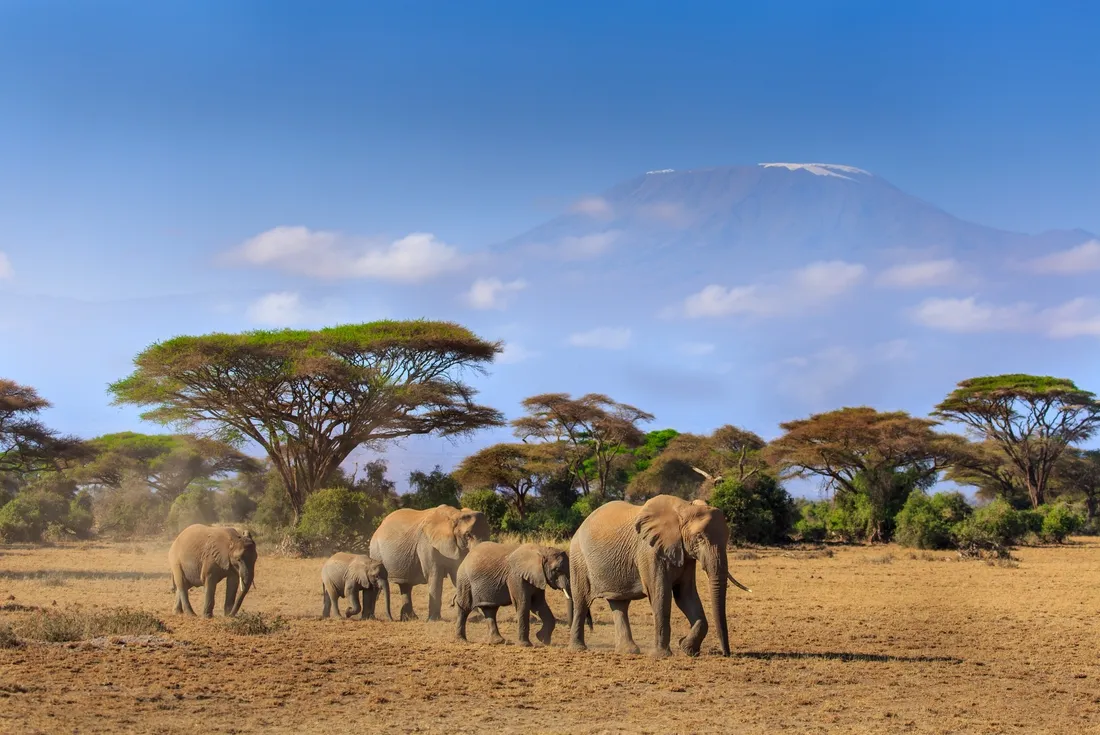
Serengeti & Kilimanjaro Trek
Combined safari and trekking tours offer wildlife adventures and Kilimanjaro climbs.
View Package →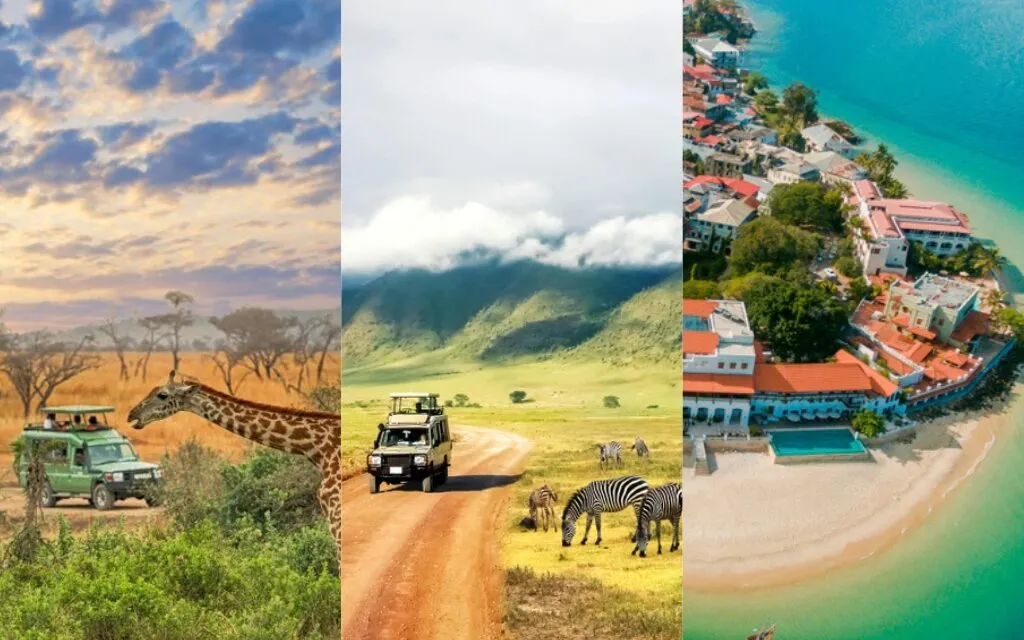
Serengeti & Zanzibar Tours
Luxury Tanzania safari & beach packages with the Great Migration and pristine beaches.
View Package →Related: Best Time to Visit Tanzania 2026 – Perfect safari extension after your Bahrain adventure.