Most Complete Bangladesh Travel Guide 2026-2027 – Everything You Need to Know Before Visiting
This Bangladesh travel guide provides everything you need to plan your journey to one of South Asia’s most underrated gems. Bangladesh offers an extraordinary blend of lush river deltas, the world’s largest mangrove forest, the longest natural sea beach, and vibrant Bengali culture that create one of the region’s most diverse travel experiences. Many travelers who want to travel to Bangladesh are surprised by the country’s incredible natural beauty and warm hospitality despite its dense population. The nation covers 147,570 square kilometers, making it a compact yet endlessly fascinating destination with everything from Royal Bengal tigers to tea plantations and ancient Buddhist ruins.
Start Reading the Full Guide ↓Quick Facts About Bangladesh
- Capital: Dhaka.
- Currency: Bangladeshi Taka (BDT).
- Time Zone: Bangladesh Standard Time (BST, UTC+6).
- International Calling Code: +880.
- Driving Side: Left.
- Major Airports: Hazrat Shahjalal International (Dhaka), Shah Amanat International (Chittagong), Osmani International (Sylhet).
Bangladesh Overview & Key Facts
Brief History of Bangladesh
Bangladesh’s history spans millennia, from ancient Bengal kingdoms through Mughal grandeur to British colonial rule. The region was a center of Buddhist and Hindu civilization before Islamic conquest in the 13th century, followed by Portuguese, Dutch, and British trading posts. The 1947 Partition created East Pakistan, and after the 1971 Liberation War against Pakistan, Bangladesh emerged as an independent nation on 16 December 1971. This rich historical tapestry creates a fascinating backdrop for modern travelers exploring ancient mosques, ruined cities, and war memorials.
Independence & National Identity
- Independence date: December 16, 1971.
- Former colonial power: Pakistan (previously British India).
- National symbols & identity.
The nine-month Liberation War remains central to Bangladeshi identity, with the red circle on the green flag representing the blood of martyrs and the rising sun of independence. Bengali language pride is intense after the 1952 Language Movement martyrs.
Government System & Current Leadership
- Type of government: Parliamentary Democracy
- Current president: Mohammed Shahabuddin
- Notes on political stability
Political scene can be turbulent with two major parties alternating power. Travelers should monitor local news and avoid political gatherings.
Population, Ethnic Groups & Languages
- Population: 175 million (2025 estimate).
- Major ethnic groups: Bengalis (98%), indigenous groups in Chittagong Hill Tracts.
- Official language(s): Bengali (Bangla).
- Additional languages commonly spoken.
English is widely understood in business, education and tourism sectors. Tribal languages in hill areas.
Main Religions & Cultural Identity
Islam is the state religion (89%), with significant Hindu (10%), Buddhist and Christian minorities. Secular constitution guarantees freedom of religion. Islamic festivals dominate the calendar, but Bengali cultural identity transcends religion.
Geography & Natural Landscape
Bangladesh is dominated by the fertile Ganges-Brahmaputra delta, the world’s largest river delta. Rivers cover 10% of land area. The Sundarbans mangrove forest (UNESCO) and Cox’s Bazar (world’s longest natural beach – 120 km) are signature landscapes.
Economy & Tourism Highlights
Fastest-growing economies in Asia, driven by garments, remittances and agriculture. Tourism growing rapidly with easier visas, new airports and promotion of Sundarbans, beaches and archaeological sites.
What Bangladesh Is Known For
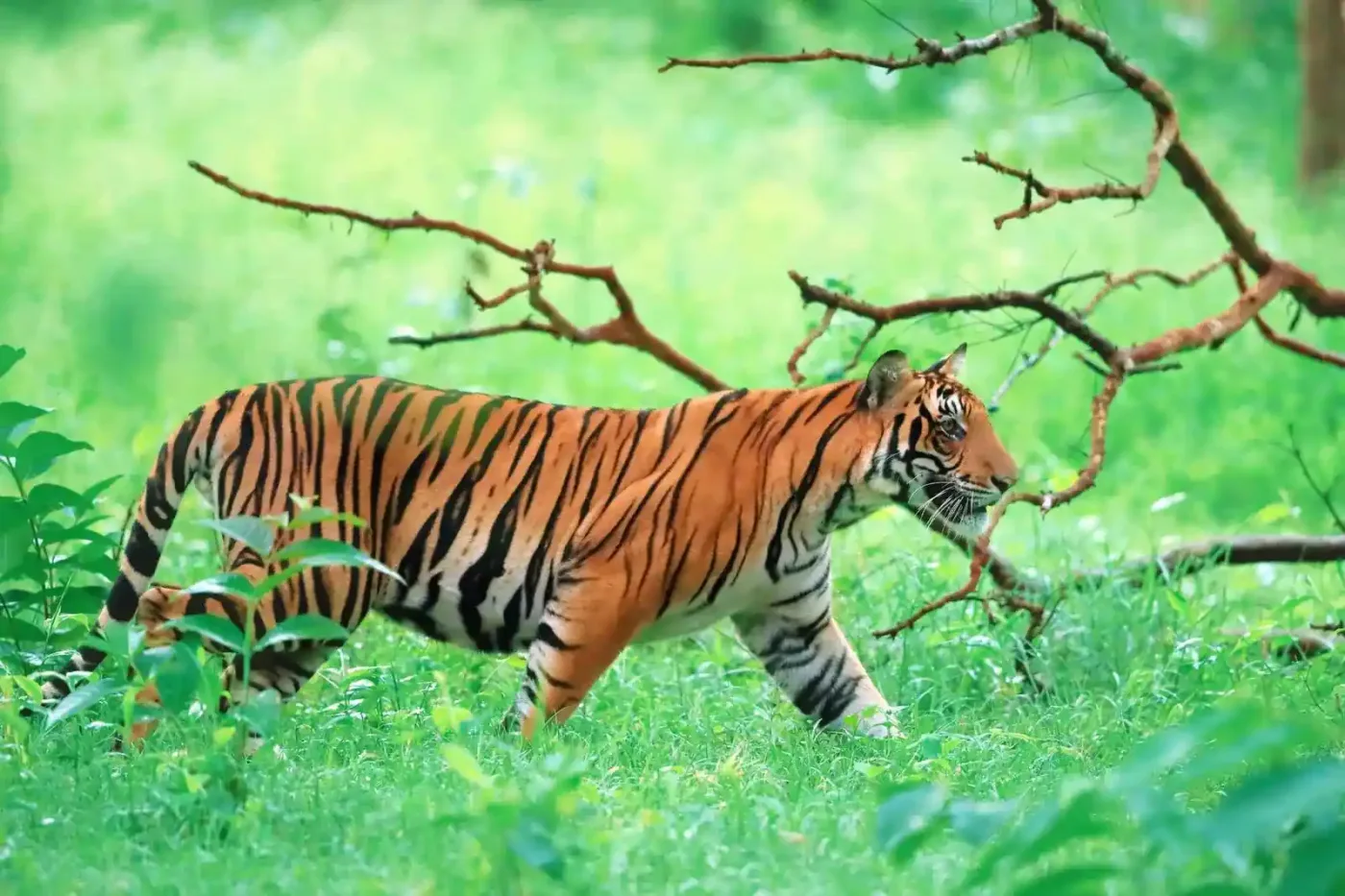
- Sundarbans – world’s largest mangrove forest and last habitat of Royal Bengal tiger
- Cox’s Bazar – world’s longest natural sea beach
- Rich Bengali culture, poetry, music and cuisine
Visa & Entry Requirements in Bangladesh
Most international visitors can get Visa on Arrival or e-Visa. Process is straightforward compared to many Asian countries.
Do You Need a Visa?
Visa on Arrival (30 days) available to most nationalities at Dhaka, Chittagong and Sylhet airports. e-Visa online in advance. Few countries exempt.
Visa Application Options in Bangladesh
- Visa on Arrival (most common for tourists)
- e-Visa online (recommended)
- Embassy visa (required for some nationalities)
Passport Validity & Entry Documents
Passport valid 6 months, return/onward ticket, proof of funds/hotel booking sometimes asked.
Customs Rules & Prohibited Items
Standard restrictions. Alcohol limited to 1 liter duty-free. Declare large cash amounts.
Safety & Security Information in Bangladesh
Generally safe for tourists in main areas. Petty crime exists; political demonstrations can turn chaotic.
Is Bangladesh Safe for Tourists?
Yes in tourist zones. Use common sense, avoid political rallies, travel with registered guides in sensitive areas.
Recommended Safety Tips when in Bangladesh
Use ride-hailing apps (Pathao, Uber), women use women-only transport options, don’t flash valuables, drink bottled water.
Safe Areas vs. Areas to Avoid in Bangladesh
Safe: Dhaka (Gulshan/Banani), Cox’s Bazar, Srimangal, Sylhet, Sundarbans with registered operator. Avoid Rohingya refugee areas near Myanmar border and remote CHT without permits.
Emergency Numbers & Tourist Police in Bangladesh
- Police: 999
- Tourist Police (Dhaka & Cox’s Bazar): 01777-777170
Health Requirements & Vaccinations in Bangladesh
No mandatory vaccines except Yellow Fever if coming from endemic country.
Mandatory Vaccinations in Bangladesh
None for most travelers.
Recommended Vaccinations in Bangladesh
Hepatitis A, Typhoid, Cholera, Japanese Encephalitis (rural), Rabies pre-exposure, routine vaccines.
Malaria & Other Risks
Malaria risk in southeast (Bandarban, Rangamati, Khagrachari) and Sundarbans. Dengue in cities during monsoon.
Travel Insurance Recommendations in Bangladesh
Strongly recommended – cover medical evacuation, trip cancellation, theft.
Best Time to Visit in Bangladesh
October to March – cool, dry winter season.
Weather by Season
Winter (Oct–Mar): 15–28°C, perfect. Summer (Apr–Jun): hot & humid. Monsoon (Jun–Oct): heavy rain, flooding, cyclones possible.
When to Visit Bangladesh for Best Experiences
- Tiger spotting in Sundarbans: Nov–Feb
- Cox’s Bazar beach: Nov–Mar
- Tea garden visits: year-round, best Nov–Mar
Weather & Climate Overview in Bangladesh
Tropical monsoon climate – hot, humid, very wet in monsoon.
Temperature Ranges
Winter nights can drop to 8°C in north; summer days 35–40°C with high humidity.
Rainy & Dry Seasons in Bangladesh
Dry season Nov–Feb; pre-monsoon Mar–May; monsoon Jun–Oct.
What to Wear Based on the Weather
Light cotton clothes, modest coverage, rain jacket Oct–Mar, umbrella, insect repellent.
Main Currency, Costs & Budgeting in Bangladesh
Very affordable destination.
Local Currency Information
Bangladeshi Taka (BDT). Notes 10–1000.
Average Travel Costs in Bangladesh
Budget $35–60/day, mid-range $70–130, luxury $200+.
Using ATMs, Cards & Mobile Money in Bangladesh
ATMs widespread in cities. Cards accepted in upscale places. bKash mobile money common.
Tipping Guidelines in Bangladesh
Not expected but appreciated – 50–200 BDT in restaurants, round up rickshaw fare.
Transportation & Getting Around in Bangladesh
Varied options – domestic flights, trains, buses, river rockets, CNG/rickshaws.
Airport Transfers
Uber/Pathao from Dhaka airport cheapest & safest.
Local Transport Options in Bangladesh
CNG auto-rickshaws, ride-hailing apps, buses, cycle-rickshaws, river ferries & famous “Rocket” paddle steamers.
Bangladesh Domestic Flights
Biman, US-Bangla, Novoair connect Dhaka–Cox’s Bazar, Sylhet, Jessore, Saidpur.
Car Rentals & Road Conditions in Bangladesh
Possible with driver (recommended). Traffic chaotic, left-side driving.
Accommodation Options available in Bangladesh
From $10 hostels to international 5-star chains.
Types of Accommodations in Bangladesh
Hotels, guesthouses, resorts, houseboats in Sundarbans, eco-cottages in Srimangal.
Budget vs. Mid-Range vs. Luxury
Budget $10–30, mid $40–100, luxury $150+ (Westin, Pan Pacific, Le Méridien Dhaka).
Best Areas to Stay in Bangladesh
Gulshan/Banani (Dhaka), Cox’s Bazar beachfront, Srimangal tea resort area.
Essential Packing Guide when Visiting Bangladesh
Light clothing, rain protection, insect repellent, modest attire, power bank, water bottle with filter.
Clothing Essentials
Cotton clothes, long pants/skirts, scarves for women, rain jacket.
Footwear & Gear
Comfortable sandals, waterproof shoes for monsoon, mosquito net for rural stays.
Electronics & Cameras
Universal adapter (British Type G plugs), power bank.
Toiletries & Personal Items
Hand sanitizer, toilet paper, prescription meds, DEET repellent.
Language & Communication in Bangladesh
Bangla official, English widely understood in tourism.
Main Languages Spoken in Bangladesh
Bengali (Bangla), English in cities/hotels.
Useful Phrases for Tourists
“Assalamu Alaikum”, “Dhonnobad” (thank you), “Koto?” (how much?), “Bhalo achi” (I’m fine).
SIM Cards & Mobile Data used in Bangladesh
Grameenphone, Robi, Banglalink – cheap data, buy at airport.
Internet Availability & Wi-Fi in Bangladesh
Good 4G coverage, Wi-Fi in hotels/cafes.
Culture & Etiquette in Bangladesh
Muslim-majority country with strong Bengali cultural pride.
Bangladeshi Dress Code Expectations
Modest dress – cover shoulders & knees. Women benefit from scarf/shawl.
Social Etiquette & Respectful Behavior of Bangladesh
Use right hand for eating/giving, remove shoes in homes/mosques, accept tea offers.
Photography Rules in Bangladesh
Ask permission before photographing people, especially women.
Important Cultural Dos & Don’ts in Bangladesh
Do respect prayer times, don’t point feet at people, don’t publicly display affection.
Food, Water & Dining in Bangladesh
Delicious Bengali cuisine – rice, fish, lentils, spices.
Bangladeshi Local Dishes to Try
Hilsa fish curry, biryani, fuchka/puchka street food, panta bhat, mishti (sweets).
Dietary Options in Bangladesh
Halal standard. Vegetarian options widely available.
Drinking Water Safety
Drink bottled/filtered water only.
Restaurant Etiquette
Eat with right hand traditionally, tipping not required but appreciated.
Top Attractions & Things to Do in Bangladesh
Sundarbans tiger cruises, Cox’s Bazar beach, tea gardens, ancient ruins.
Major Tourist Attractions in Bangladesh
- Sundarbans National Park (UNESCO)
- Cox’s Bazar Beach
- Sixty Dome Mosque & Paharpur Buddhist Vihara (UNESCO)
- Srimangal tea gardens
Best Tours & Experiences in Bangladesh
3–4 day Sundarbans boat safari, rocket steamer to Barisal, tea estate cycling, village homestays.
Family-Friendly Activities to do in Bangladesh
Cox’s Bazar beach, Dhaka parks, river cruises.
Unique Cultural or Historical Sites to visit in Bangladesh
Lalbagh Fort, Ahsan Manzil, Somapura Mahavihara, Varendra Museum.
Bangladeshi Electrical System Information
Type A, C, D, G, K plugs – 220V, 50Hz. British Type G most common.
Local Laws & Regulations of Bangladesh
Standard laws. Photography of military/police prohibited. Drugs severely punished.
Final Travel Tips for Visitors in Bangladesh
Be flexible, embrace local hospitality, try street food carefully, use registered guides in Sundarbans.
Frequently Asked Questions – Bangladesh Travel Guide 2026-2027
Our Tanzania Tours Products
While Bangladesh offers incredible rivers, mangroves and beaches, many travelers combine South Asia with the ultimate wildlife experience in East Africa. Capable Africa Tours specializes in secure, guided safaris that maximize safety and wonder. Our expert local guides, armed rangers in parks, and vetted accommodations ensure peace of mind. From family-friendly lodges to luxury camps, we handle logistics so you focus on the magic. Tanzania ranks high for tourist safety with dedicated wildlife protection units and stable northern circuits.
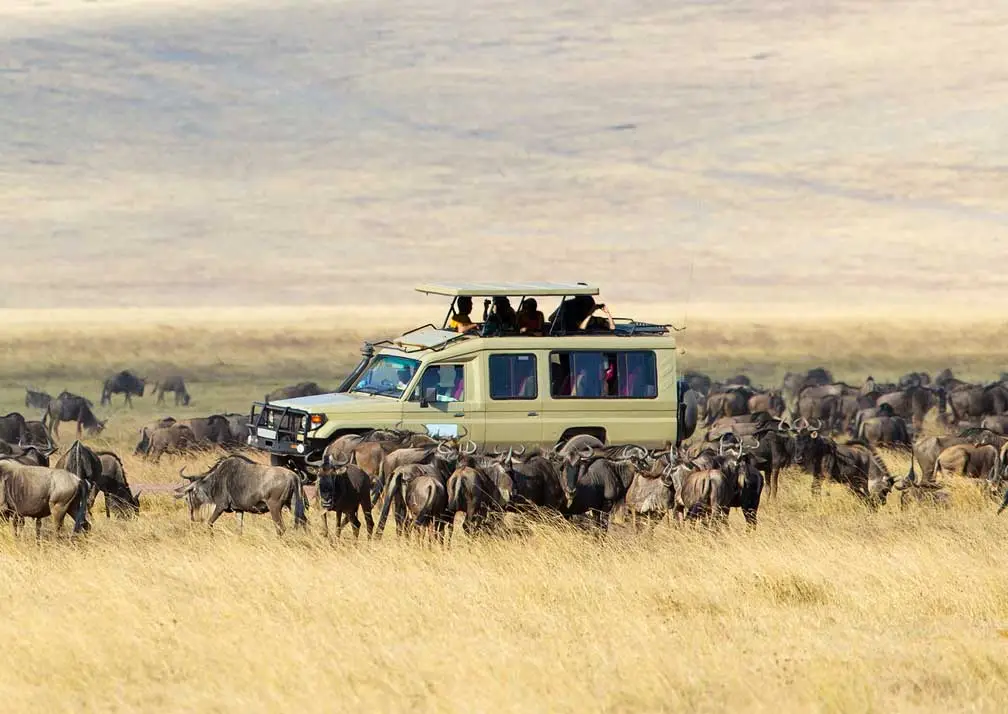
Great Migration Safaris
Experience one of nature's greatest spectacles with our Great Migration safari packages, timed for river crossings or calving.
View Package →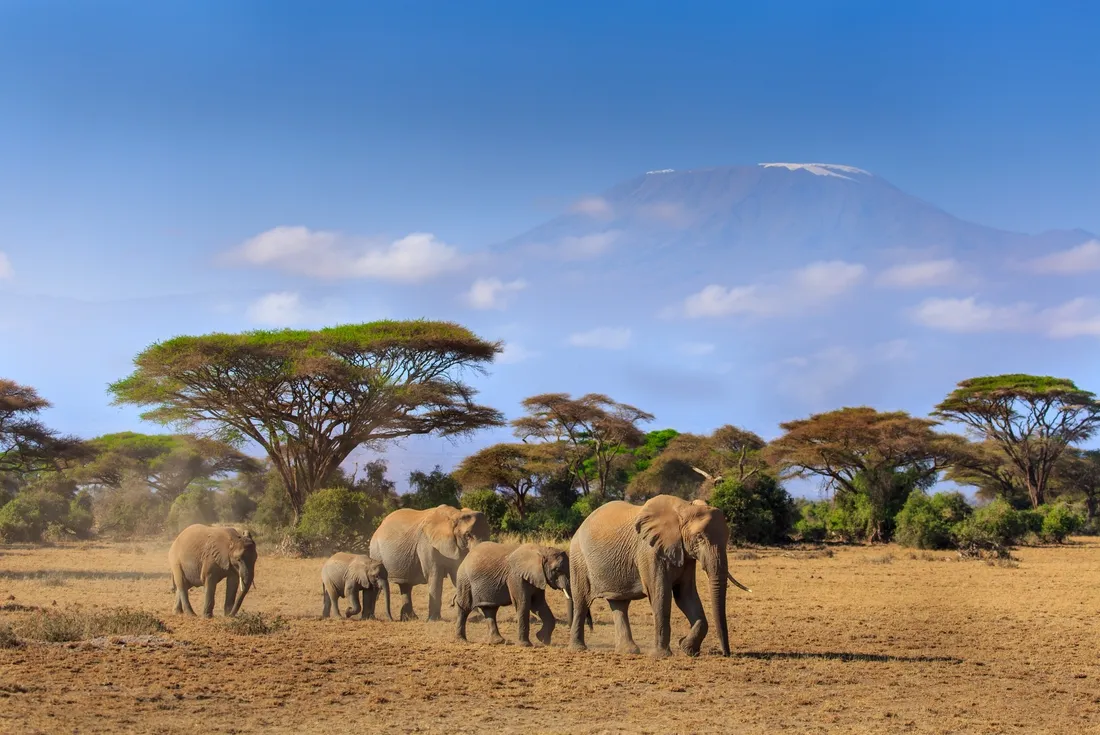
Serengeti & Kilimanjaro Trek
Combined safari and trekking tours offer wildlife adventures and Kilimanjaro climbs.
View Package →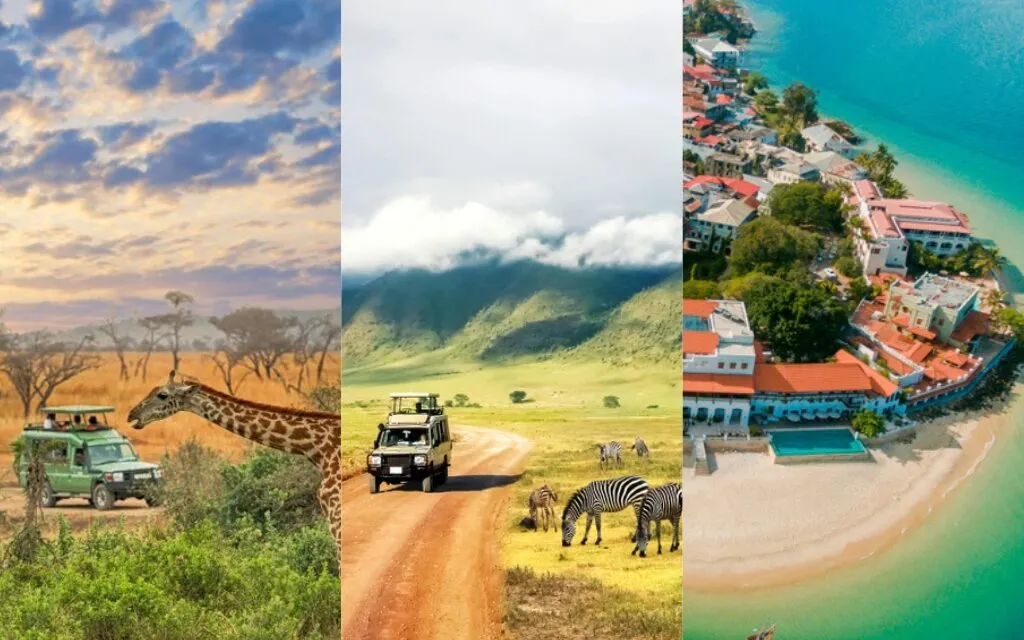
Serengeti & Zanzibar Tours
Luxury Tanzania safari & beach packages with the Great Migration and pristine beaches.
View Package →Related: Best Time to Visit Tanzania 2026 – Perfect safari extension after your Bangladesh adventure.