Most Complete Belgium Travel Guide 2026-2027 – Everything You Need to Know Before Visiting
This Belgium travel guide provides everything you need to plan your journey to the heart of Europe. Belgium offers an extraordinary blend of medieval cities, world-class art, legendary chocolate and beer culture, and surprisingly diverse landscapes from flat Flanders fields to the rolling Ardennes hills. Many travelers who want to travel to Belgium are surprised by how much this compact country packs into just 30,528 square kilometers – three distinct regions (Flanders, Wallonia, Brussels-Capital), three official languages, and a density of UNESCO sites and Michelin stars per capita that rivals anywhere in the world.
Start Reading the Full Guide ↓Quick Facts About Belgium
- Capital: Brussels (also EU capital).
- Currency: Euro (€).
- Time Zone: Central European Time (CET, UTC+1).
- International Calling Code: +32.
- Driving Side: Right.
- Major Airports: Brussels Airport (BRU), Brussels South Charleroi (CRL), Antwerp, Liège.
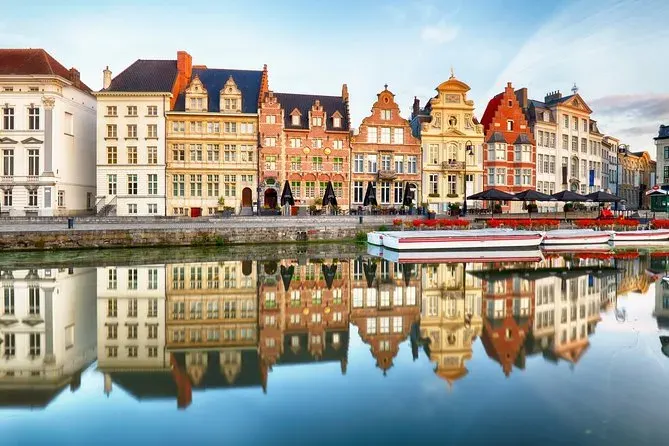
Belgium Overview & Key Facts
Brief History of Belgium
Belgium's history spans Celtic tribes, Roman rule, medieval powerhouse cities, Spanish and Austrian domination, French occupation, and finally independence in 1830. The country became a constitutional monarchy under King Leopold I. Its strategic location made it a battleground in both World Wars, earning the nickname “Battlefield of Europe.” Today this rich historical tapestry creates a fascinating backdrop for modern travelers exploring medieval squares, WWI battlefields, and Art Nouveau masterpieces.
Independence & National Identity
- Independence date: October 4, 1830 (recognized 1839).
- Former colonial power: Netherlands (United Kingdom of the Netherlands).
- National symbols & identity.
Belgium gained independence after the Belgian Revolution against Dutch rule. The country is a federal state with complex linguistic communities (Dutch-speaking Flanders, French-speaking Wallonia, bilingual Brussels, small German-speaking area). The national motto “L'union fait la force” (Unity makes strength) reflects ongoing efforts to keep the country together despite linguistic tensions.
Government System & Current Leadership
- Type of government: Federal parliamentary constitutional monarchy
- Current monarch: King Philippe
- Current prime minister: Alexander De Croo (as of 2025)
Belgium operates as a federal state with significant powers devolved to regions and communities. The country is known for lengthy government formation periods but maintains political stability and is a founding member of the EU, NATO, and the Eurozone.
Population, Ethnic Groups & Languages
- Population: 11.7 million (2025 projection).
- Major ethnic groups: Flemish (58%), Walloon (31%), others.
- Official language(s): Dutch, French, German.
- Additional languages commonly spoken.
English is widely spoken, especially in Brussels (often called the most international city in Europe). About 60% of Belgians speak English fluently. Brussels is officially bilingual but functions largely in French in daily life.
Main Religions & Cultural Identity
Historically Catholic (about 55%), increasingly secular. Freedom of religion is protected. Cultural identity is strongly regional – proud Flemish, Walloon, and Bruxellois identities coexist with a shared love of beer, chocolate, fries, waffles, and comic strips.
Geography & Natural Landscape
Flat coastal plains and polders in the north, gently rolling central Belgium, and the forested Ardennes hills (highest point 694 m) in the south-east. Over 60% of the country is urban or built-up, yet it maintains beautiful countryside, canals, and forests.
Economy & Tourism Highlights
One of the world’s wealthiest nations with a highly developed economy (diamonds, chemicals, EU institutions). Tourism is booming thanks to easy access, compact size, world-class food and beer, and UNESCO-listed medieval cities.
What Belgium Is Known For
- UNESCO sites: 13 including Grand Place Brussels, Flemish béguinages, Bruges historic centre
- Over 3,000 original beers and the world’s densest concentration of breweries per capita
- Chocolate (500+ chocolatiers), waffles, fries (invented here), moules-frites
Visa & Entry Requirements in Belgium
Belgium is part of the Schengen Area. Most visitors can enter visa-free for tourism or business up to 90 days in any 180-day period.
Do You Need a Visa?
Citizens of EU/EEA, USA, Canada, UK, Australia, New Zealand, Japan, South Korea and many others enjoy visa-free entry. Check the official Belgian Immigration website or your local embassy for the latest list.
Visa Application Options in Belgium
- Visa-free entry (most common)
- Schengen visa (Type C) if required
- ETIAS (starting mid-2026) – online authorisation (€7) for visa-exempt travellers
Passport Validity & Entry Documents
Passport valid for at least 3 months beyond intended departure from Schengen area and issued within the last 10 years. Proof of onward travel and sufficient funds may be requested.
Customs Rules & Prohibited Items
Standard EU rules. €10,000+ cash must be declared. Duty-free allowances from non-EU countries apply.
Safety & Security Information in Belgium
Belgium is very safe for tourists. Terrorism threat level is usually 2–3/4. Petty crime (pickpocketing) occurs in tourist areas and public transport.
Is Belgium Safe for Tourists?
Yes – one of the safest countries in Europe. Most government advisories are Level 1 or 2.
Recommended Safety Tips when in Belgium
Watch bags in crowded places (Grand Place, metro, train stations). Avoid Molenbeek and certain Brussels-North areas at night. Standard urban precautions apply.
Safe Areas vs. Areas to Avoid in Belgium
All tourist areas are safe. Minor caution around Brussels Midi/Zuid station and some northern districts after dark.
Emergency Numbers & Tourist Police in Belgium
- Police/Medical/Fire: 112
- Tourist assistance: +32 2 513 89 40 (Brussels)
Health Requirements & Vaccinations in Belgium
No mandatory vaccinations. Excellent healthcare system.
Mandatory Vaccinations in Belgium
None.
Recommended Vaccinations in Belgium
Routine vaccines only. Tick-borne encephalitis if hiking in Ardennes in summer.
Malaria & Other Risks
No malaria. Standard food/water precautions unnecessary – tap water is safe.
Travel Insurance Recommendations in Belgium
Highly recommended (covers medical, theft, trip cancellation). EU citizens use EHIC/GHIC for state healthcare.
Best Time to Visit in Belgium
May–September for best weather and festivals. Christmas markets (Dec) and flower carpet (Aug even years) are magical.
Weather by Season
Mild maritime climate. Spring (Apr–May): tulips & pleasant. Summer (Jun–Aug): 20–25°C, longest days. Autumn (Sep–Oct): beautiful foliage. Winter (Dec–Feb): cold (0–7°C), Christmas markets.
When to Visit Belgium for Best Experiences
- Beer festivals: spring & autumn
- Christmas markets: Dec
- Flower carpet Brussels: mid-August even years
- Carnival Binche: Feb/March
High Season vs. Low Season Travel
High season: Jun–Aug + Christmas. Shoulder seasons (Apr–May, Sep–Oct) offer best weather/crowd balance.
Weather & Climate Overview in Belgium
Rain possible any day – pack layers and waterproof jacket.
Temperature Ranges
Winter 0–7°C, summer 18–25°C (occasional 30°C+ heatwaves).
Rainy & Dry Seasons in Belgium
Rain distributed throughout the year (average 200 rainy days). Driest months: April & September.
What to Wear Based on the Weather
Layers, comfortable walking shoes, light rain jacket, scarf for windy days.
Main Currency, Costs & Budgeting in Belgium
Euro (€). Cards accepted virtually everywhere.
Average Travel Costs in Belgium
Budget €80–130/day, mid-range €150–250/day, luxury €300+.
Using ATMs, Cards & Mobile Money in Belgium
Contactless cards and Apple/Google Pay universal. Cash rarely needed except markets.
Tipping Guidelines in Belgium
Service included. Rounding up or 5–10% for excellent service appreciated.
Transportation & Getting Around in Belgium
Excellent train network (SNCB/NMBS) – fastest and most comfortable way between cities.
Airport Transfers
Brussels Airport train direct to city center €10.50. Charleroi airport shuttle + bus/train.
Local Transport Options in Belgium
Trains, trams, metro (Brussels/Antwerp), buses, bikes (Villo!/Blue-bike).
Belgium Domestic Flights
Unnecessary – trains faster and cheaper.
Car Rentals & Road Conditions in Belgium
Good roads, heavy traffic around cities. Parking expensive in centers.
Accommodation Options available in Belgium
From hostels (€30–50) to 5-star hotels (€200+). B&Bs and Airbnb very popular.
Best Areas to Stay in Belgium
Brussels: Ixelles, Sablon or European Quarter. Bruges: within the old town. Ghent: near Gravensteen. Antwerp: historic center or Zuid.
Essential Packing Guide when Visiting Belgium
Comfortable walking shoes, layers, rain jacket, universal adapter (Type C/E), phone with translation app.
Language & Communication in Belgium
English widely spoken. “Dank je” (NL) / “Merci” (FR) always appreciated.
SIM Cards & Mobile Data used in Belgium
Proximus, Orange, Base – excellent 4G/5G coverage. eSIMs widely available.
Culture & Etiquette in Belgium
Relaxed, polite, punctual. Greet with three cheek kisses among friends.
Algerian Dress Code Expectations
Casual European dress. Smart-casual for nice restaurants.
Food, Water & Dining in Belgium
World-class: moules-frites, carbonnade flamande, waterzooi, speculoos, 3,000+ beers, chocolate.
Algerian Local Dishes to Try
Frites with mayo, waffles, chocolate (Neuhaus, Pierre Marcolini), Trappist beers (Westvleteren, Chimay), gueuze/lambic.
Top Attractions & Things to Do in Belgium
Grand Place Brussels, Bruges canals, Ghent medieval center, Antwerp Rubens & diamonds, Atomium, Battlefield tours (Ypres), Ardennes hiking/kayaking.
Belgian Electrical System Information
230V, 50Hz, plugs C & E.
Local Laws & Regulations of Belgium
No photography of military/police. Smoking banned indoors. Alcohol legal from 16 (beer/wine), 18 (spirits).
Final Travel Tips for Visitors in Belgium
Buy a city card (Brussels Card, Bruges Card, etc.) for free transport + museums. Book Christmas market weekends early. Try fries from a fritkot. Take the train – it’s the best way.
Frequently Asked Questions – Belgium Travel Guide 2026-2027
Our Tanzania Tours Products
While Belgium offers medieval cities, chocolate and beer heaven, many travelers combine Europe with the ultimate wildlife experience in East Africa. Capable Africa Tours specializes in secure, guided safaris that maximize safety and wonder...
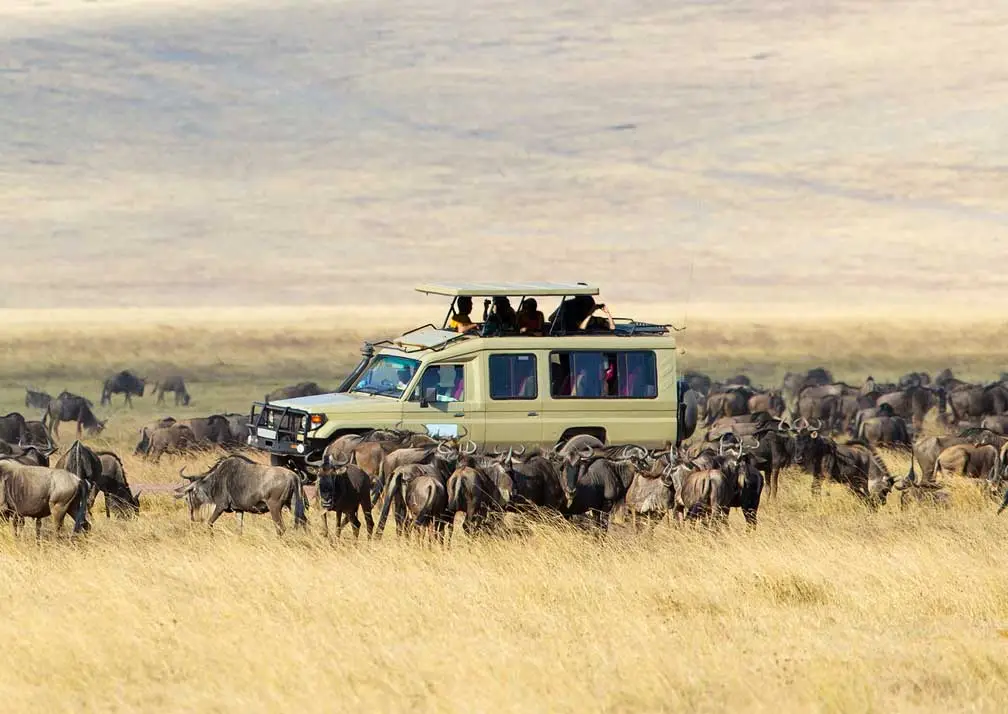
Great Migration Safaris
Experience one of nature's greatest spectacles with our Great Migration safari packages, timed for river crossings or calving.
View Package →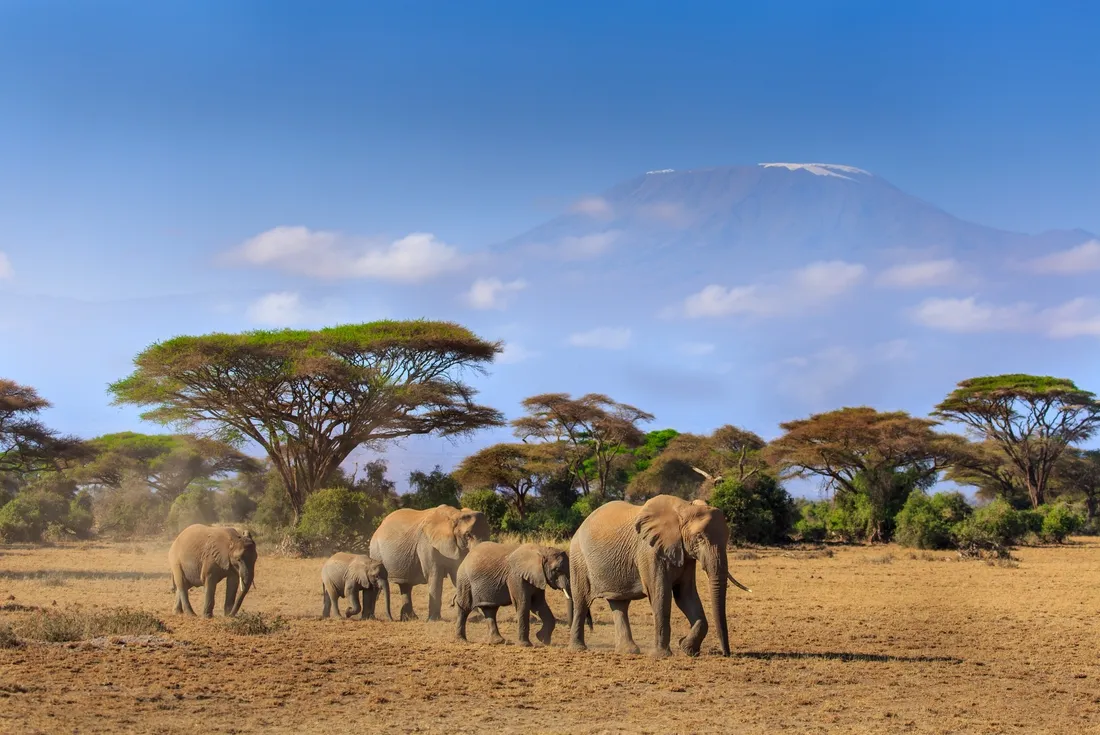
Serengeti & Kilimanjaro Trek
Combined safari and trekking tours offer wildlife adventures and Kilimanjaro climbs.
View Package →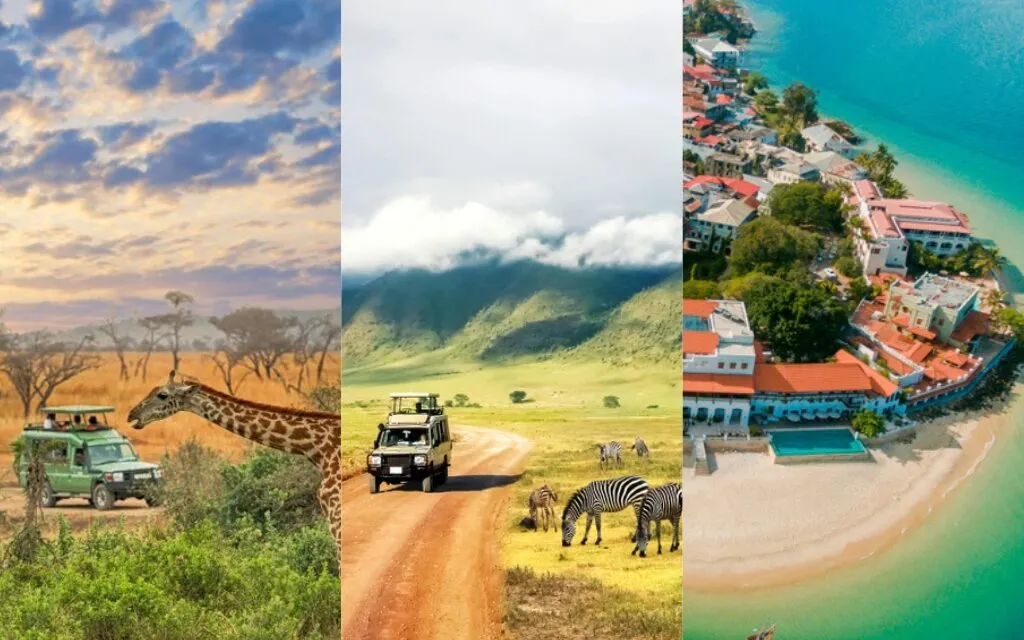
Serengeti & Zanzibar Tours
Luxury Tanzania safari & beach packages with the Great Migration and pristine beaches.
View Package →Related: Best Time to Visit Tanzania 2026 – Perfect safari extension after your Belgium city break.