
Most Complete Belize Travel Guide 2026-2027 – Everything You Need to Know Before Visiting
This Belize travel guide provides everything you need to plan your journey to Central America's hidden Caribbean gem. Belize offers an extraordinary blend of turquoise Caribbean waters, the world's second-longest barrier reef, lush jungles, and ancient Mayan temples that create one of the region’s most diverse travel experiences. Many travelers who want to travel to Belize are surprised by the country's incredible biodiversity and rich cultural mix spanning Creole, Garifuna, Maya, Mestizo, and Mennonite communities. The nation covers just 22,966 square kilometers yet packs in the Great Blue Hole, hundreds of cayes, and mainland jungle adventures.
Start Reading the Full Guide ↓Quick Facts About Belize
- Capital: Belmopan.
- Currency: Belize Dollar (BZD) – fixed 2:1 with USD.
- Time Zone: Central Standard Time (CST, UTC-6).
- International Calling Code: +501.
- Driving Side: Right.
- Major Airport: Philip S.W. Goldson International (BZE), Belize City.
Belize Overview & Key Facts
Brief History of Belize
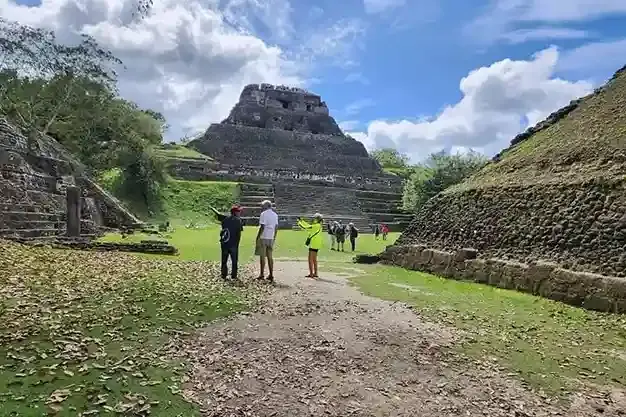
Belize's history spans millennia, from ancient Maya civilization through British piracy to independence. The Maya flourished here from 1500 BCE to 900 CE, leaving impressive cities like Caracol and Xunantunich. European pirates used the cayes as hideouts in the 1600s, followed by British settlers who established logging camps. Formerly British Honduras, the territory gained independence in 1981 after decades of negotiation with Guatemala, which still claims parts of the country.
Independence & National Identity
- Independence date: September 21, 1981.
- Former colonial power: United Kingdom.
- National symbols & identity.
Belize gained independence after peaceful negotiations with Britain. The flag features blue with red stripes and the coat of arms showing tools of the logging trade and the motto “Sub Umbra Floreo” (I flourish in the shade). National pride centers on multicultural harmony – Creole, Garifuna, Maya, Mestizo, Mennonite and East Indian communities coexist peacefully.
Government System & Current Leadership
- Type of government: Parliamentary democracy & constitutional monarchy
- Current prime minister: Johnny Briceño (since Nov 2020)
- Notes on political stability
Belize operates as a stable parliamentary democracy with regular peaceful elections. Prime Minister Johnny Briceño leads the People’s United Party. The country enjoys strong democratic institutions and peaceful transitions of power.
Population, Ethnic Groups & Languages
- Population: ~420,000 (2025 estimate).
- Major ethnic groups: Mestizo (52%), Creole (26%), Maya (11%), Garifuna (6%).
- Official language(s): English.
- Additional languages commonly spoken.
English is the only official language – unique in Central America. Kriol (Belizean Creole), Spanish, Mayan languages, Garifuna and Plautdietsch (Mennonite German) are widely spoken. Most tourism workers are fluent in English and often Spanish.
Main Religions & Cultural Identity
Roman Catholicism (40%) and Protestant denominations dominate, with growing Evangelical and Pentecostal communities. Maya and Garifuna spiritual traditions persist. Religion plays a strong role in daily life, especially in villages, with vibrant festivals throughout the year.
Geography & Natural Landscape
Belize features Caribbean coastline, the Belize Barrier Reef (UNESCO), lowland jungles, pine savannah and the Maya Mountains rising to 1,124 m. The country protects over 40% of its land in reserves and marine protected areas – one of the highest percentages globally.
Economy & Tourism Highlights
Tourism is the top industry, followed by agriculture (citrus, banana, sugar) and emerging offshore services. Belize markets itself as an eco- and adventure-tourism destination with strong marine conservation focus.
What Belize Is Known For
- Great Blue Hole – iconic 300 m wide sinkhole
- Belize Barrier Reef – second longest in the world (UNESCO)
- Ancient Maya sites (Caracol, Lamanai, Xunantunich)
- English-speaking Caribbean vibe with Central American culture
Visa & Entry Requirements in Belize
Belize has one of the most visitor-friendly entry policies in the region. Most nationalities receive 30 days visa-free on arrival with possibility of easy extensions.
Do You Need a Visa?
No visa required for citizens of US, EU, UK, Canada, Australia, New Zealand, Caribbean/Caricom countries and many others (full list on immigration.gov.bz). Passport must be valid for at least 3 months beyond intended stay.
Visa Application Options in Belize
- Visa-free entry on arrival (most nationalities)
- Visa required in advance only for a few countries (China, India, Nigeria, etc.)
- Easy 30-day extensions at immigration offices
Visitors from visa-required countries apply at Belize embassies or consulates abroad. Extensions cost ~US$100 for another 30 days and are routinely granted.
Passport Validity & Entry Documents
Passport valid 3+ months beyond stay plus proof of onward travel (return ticket) and sufficient funds (rarely checked). No entry fee.
Customs Rules & Prohibited Items
Standard restrictions on firearms, drugs, fresh produce. Duty-free allowance: 1 liter spirits, 200 cigarettes, personal goods up to US$200.
Safety & Security Information in Belize
Belize is generally safe for tourists who stay in established areas. Crime exists (mostly Belize City) but tourist zones have low incident rates.
Is Belize Safe for Tourists?
Yes – Ambergris Caye, Caye Caulker, Placencia, San Ignacio, Hopkins and most cayes are very safe. Belize City has higher crime; avoid south side after dark. Standard travel precautions apply.
Recommended Safety Tips when in Belize
Use licensed taxis/tour operators, don’t flash valuables, avoid walking alone at night in Belize City, secure belongings on water taxis. Mosquito repellent essential in jungle areas.
Safe Areas vs. Areas to Avoid in Belize
Safe: San Pedro, Caye Caulker, Placencia, San Ignacio, Hopkins, Belize Cayes. Exercise caution in Belize City (especially south side after dark). Border areas with Guatemala generally fine on tourist routes.
Emergency Numbers & Tourist Police in Belize
- Police/Emergency: 911 or 90
- Tourist Police: Present in San Pedro and major tourist zones
English-speaking police in tourist areas are helpful and responsive.
Health Requirements & Vaccinations in Belize
No mandatory vaccinations for most travelers. Standard tropical precautions apply.
Mandatory Vaccinations in Belize
None required unless arriving from yellow fever country (rare). COVID restrictions fully lifted.
Recommended Vaccinations in Belize
Hepatitis A, Typhoid, routine vaccines. Malaria prophylaxis for jungle stays (low risk). Dengue and Zika present – use repellent.
Malaria & Other Risks
Low malaria risk (mostly Toledo district). Dengue and Zika transmitted by daytime mosquitoes – repellent essential. Drink bottled water on mainland.
Travel Insurance Recommendations in Belize
Highly recommended – covers medical evacuation (expensive from cayes), trip cancellation, and scuba diving (many policies exclude diving – verify coverage).
Best Time to Visit in Belize
Dry season (December–April) is peak; May–November is cheaper and still excellent except September–October (hurricane risk).
Weather by Season
Dry season (Dec–Apr): 24–31°C, low humidity. Rainy season (Jun–Nov): warmer, short afternoon showers. Hurricane season peaks Sep–Oct but direct hits rare.
When to Visit Belize for Best Experiences
- Snorkeling/diving: year-round (best visibility Feb–May)
- Whale shark diving (Gladden Spit): full moon Mar–Jun
- Budget travel: May–Nov (except Sep–Oct)
- Festivals: September celebrations, Garifuna Settlement Day (Nov)
High Season vs. Low Season Travel
High season (Dec–Apr): perfect weather, higher prices, book early. Low season (May–Nov): 30–50% cheaper, fewer crowds, occasional rain.
Weather & Climate Overview in Belize
Subtropical climate with two main seasons: dry (Dec–May) and wet (Jun–Nov). Coastal areas cooler than interior.
Temperature Ranges
Coastal: 24–32°C year-round. Mountain areas (Mountain Pine Ridge) cooler at night. Water temperature 26–29°C.
Rainy & Dry Seasons in Belize
Dry season almost no rain. Wet season brings afternoon showers (usually 1–2 hours). September–October wettest and highest hurricane risk.
What to Wear Based on the Weather
Light cotton clothing, swimsuit, flip-flops, sun hat. Long sleeves/pants and insect repellent for jungle. Light rain jacket May–Nov. Modest attire when visiting villages.
Main Currency, Costs & Budgeting in Belize
Belize is the most expensive Central American country but cheaper than most Caribbean islands.
Local Currency Information
Belize Dollar (BZD) fixed at 2:1 with USD. US dollars accepted everywhere – change given in BZD. No need to exchange money.
Average Travel Costs in Belize
Budget: $80–130/day (hostels, local food, buses). Mid-range: $150–250/day (private rooms, restaurants, tours). Luxury: $400–800+/day (island resorts, private guides).
Using ATMs, Cards & Mobile Money in Belize
ATMs widely available (Belize Bank, Atlantic Bank). Visa/Mastercard accepted at most hotels/restaurants in tourist areas. Cash needed for small vendors and water taxis.
Tipping Guidelines in Belize
10–15–20% in restaurants if no service charge. Dive/snorkel crew $10–20/person/day. Taxi drivers no tip expected. Housekeeping $2–5/day.
Transportation & Getting Around in Belize
Small country – easy to get around by plane, boat, bus or rental car.
Airport Transfers
Taxis from Philip Goldson International (BZE) to Belize City ~US$25. Private transfers to San Ignacio/Placencia available. Water taxi to cayes from nearby terminals.
Local Transport Options in Belize
Water taxis between Belize City, Caye Caulker and Ambergris Caye (frequent, cheap). Local buses very cheap but slow. Golf carts main transport on cayes.
Belize Domestic Flights
Tropic Air and Maya Island Air fly multiple daily flights to San Pedro, Caye Caulker, Placencia, Dangriga, Belmopan. 15–20 min flights, ~US$50–120 one-way.
Car Rentals & Road Conditions in Belize
Rental cars widely available (US$50–80/day). Roads paved and good except some southern routes. Driving on right, speed bumps common.
Accommodation Options available in Belize
From budget cabanas to luxury private-island resorts.
Types of Accommodations in Belize
Hostels, guesthouses, boutique hotels, jungle lodges, beach cabanas, overwater bungalows, private island resorts.
Budget vs. Mid-Range vs. Luxury
Budget ($30–80), mid-range ($100–250), luxury ($400–1500+/night). Mainland cheaper than cayes.
Best Areas to Stay in Belize
San Pedro (Ambergris Caye), Caye Caulker (relaxed vibe), Placencia (best mainland beaches), San Ignacio (jungle & Maya sites), Hopkins (Garifuna culture).
Essential Packing Guide when Visiting Belize
Pack light – laundry services everywhere.
Clothing Essentials
Swimsuits, quick-dry clothing, sun protection (hat, rash guard), insect repellent clothes for jungle, light rain jacket.
Footwear & Gear
Water shoes, flip-flops, hiking sandals. Mask/snorkel/fins (or rent). Dry bag essential.
Electronics & Cameras
US plugs (110V), waterproof phone case, GoPro for underwater, power bank.
Toiletries & Personal Items
High-DEET repellent, sunscreen (reef-safe), after-bite cream, basic meds.
Language & Communication in Belize
English official language – easiest country in Central America for English speakers.
Main Languages Spoken in Belize
English (official), Belizean Kriol, Spanish, Garifuna, Mayan languages, Mennonite German.
Useful Phrases for Tourists
“Waa gwaan?” (How are you? – Kriol), “Gracias” (Spanish), “Bonti” (thank you – Garifuna).
SIM Cards & Mobile Data used in Belize
Digicell and Smart widely available at airport and stores. Good 4G coverage in tourist areas.
Internet Availability & Wi-Fi in Belize
Free Wi-Fi in most hotels, restaurants, cafes. Speed varies on cayes.
Culture & Etiquette in Belize
Laid-back Caribbean vibe with Central American warmth.
Belizean Dress Code Expectations
Casual everywhere. Bikinis fine on beach, cover up in villages and Belize City. No shoes in many homes/restaurants.
Social Etiquette & Respectful Behavior of Belize
Greet with handshake or “Alright?” Casual culture – punctuality flexible (“Belize time”). Respect private caye property.
Photography Rules in Belize
Ask permission before photographing people, especially Maya and Mennonite communities.
Important Cultural Dos & Don’ts in Belize
Do support local businesses, respect marine park rules (no touching coral). Don’t bring plastic bags (banned), don’t buy coral/black coral souvenirs.
Food, Water & Dining in Belize
Fresh seafood, rice-and-beans, stew chicken, fry jacks – delicious Creole/Caribbean fusion.
Belizean Local Dishes to Try
Rice-and-beans with stew chicken, hudut (Garifuna fish coconut soup), tamales, conch ceviche, fry jacks, Marie Sharp’s hot sauce.
Dietary Options in Belize
Seafood-heavy. Vegetarian options improving in tourist areas. Vegan possible but limited outside resorts.
Drinking Water Safety
Bottled water recommended on mainland. Tap water generally safe on Ambergris Caye and Caye Caulker (desalinated).
Restaurant Etiquette
Casual dining. Tipping 10–20% if not included. Many places cash-only.
Top Attractions & Things to Do in Belize
Great Blue Hole flight/dive, snorkeling Hol Chan Marine Reserve, ATM Cave, zip-lining, Mayan ruins (Caracol, Lamanai, Xunantunich), jaguar reserve, Garifuna drumming lessons.
Major Tourist Attractions in Belize
- Great Blue Hole (UNESCO)
- Belize Barrier Reef Reserve System (UNESCO)
- Actun Tunichil Muknal (ATM) Cave
- Caracol Maya site
Best Tours & Experiences in Belize
Snorkeling with sharks & rays, cave tubing, zip-lining, chocolate-making tours, Garifuna drumming, jaguar night walks.
Family-Friendly Activities to do in Belize
Caye Caulker sailing, Belize Zoo, cave tubing (age 12+ for ATM), manatee watching, chocolate farm tours.
Unique Cultural or Historical Sites to visit in Belize
Lamanai by river boat, Garifuna villages (Hopkins/Dangriga), Mennonite communities, Belize City swing bridge, Altun Ha ruins.
Belizean Electrical System Information
US standard – 110V, 60Hz, types A & B plugs. No adapter needed for US visitors.
Plug Types & Voltage used in Belize
110V, 60Hz. US plugs (two flat pins, sometimes with grounding pin).
Charging Tips
Power reliable in tourist areas. Bring power strip for multiple devices on cayes.
Local Laws & Regulations of Belize
Relaxed but marine conservation strict.
Rules Travelers Need to Know when In Belize
No touching coral, no taking conch/lobster out of season, no plastic bags, no drones in marine reserves without permit.
Alcohol, Smoking & Substance Laws of Belize
Drinking age 18. Marijuana decriminalized up to 10g (2017). Public consumption still illegal.
Restricted or Protected Areas in Belize.
Marine reserves (no fishing zones), jaguar preserve, archaeological sites (don’t climb unless allowed).
Final Travel Tips for Visitors in Belize
Book flights to cayes early, bring cash (USD), use reef-safe sunscreen, book ATM Cave well in advance, stay hydrated.
Common Mistakes to Avoid
Underestimating sun exposure, trying to see everything in one week, not booking popular tours early, bringing too much luggage.
Tips to Save Money when Visiting Belize
Stay on Caye Caulker instead of San Pedro, eat local food, use water taxis, travel May–Nov, stay on mainland longer.
Safety & Comfort Tips
Use licensed operators, secure valuables, drink bottled water on mainland, use plenty of reef-safe sunscreen and insect repellent.
Frequently Asked Questions – Belize Travel Guide 2026-2027
Our Tanzania Tours Products
While Belize offers incredible Caribbean reefs, Mayan ruins and jungle adventures, many travelers combine Central America with the ultimate wildlife experience in East Africa. Capable Africa Tours specializes in secure, guided safaris that maximize safety and wonder. Our expert local guides, armed rangers in parks, and vetted accommodations ensure peace of mind. From family-friendly lodges to luxury camps, we handle logistics so you focus on the magic. Tanzania ranks high for tourist safety with dedicated wildlife protection units and stable northern circuits.
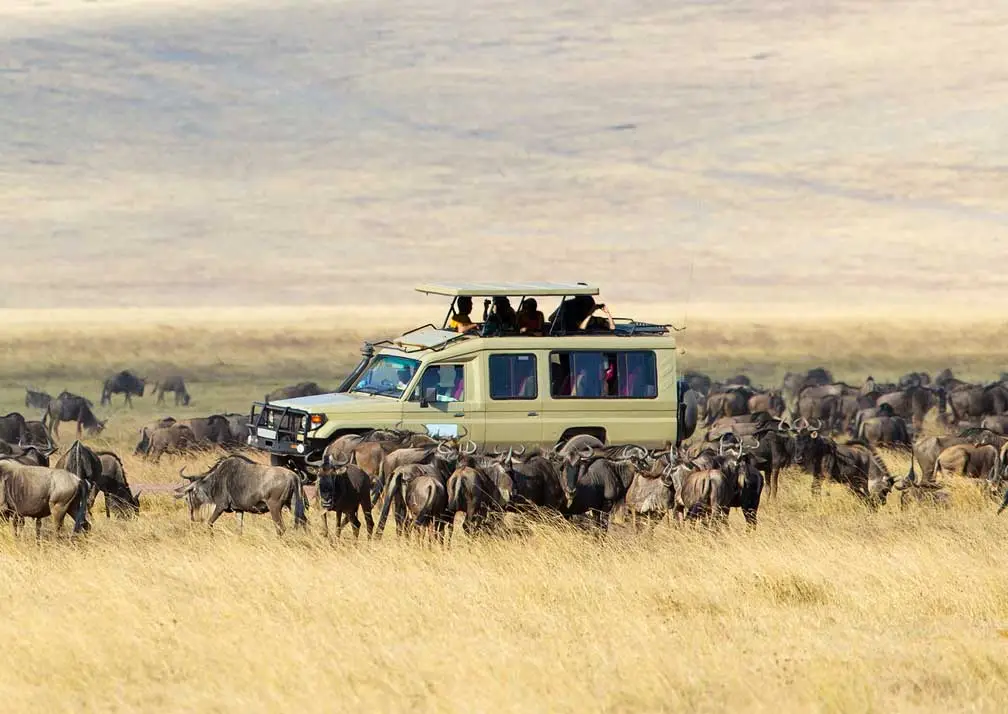
Great Migration Safaris
Experience one of nature's greatest spectacles with our Great Migration safari packages, timed for river crossings or calving.
View Package →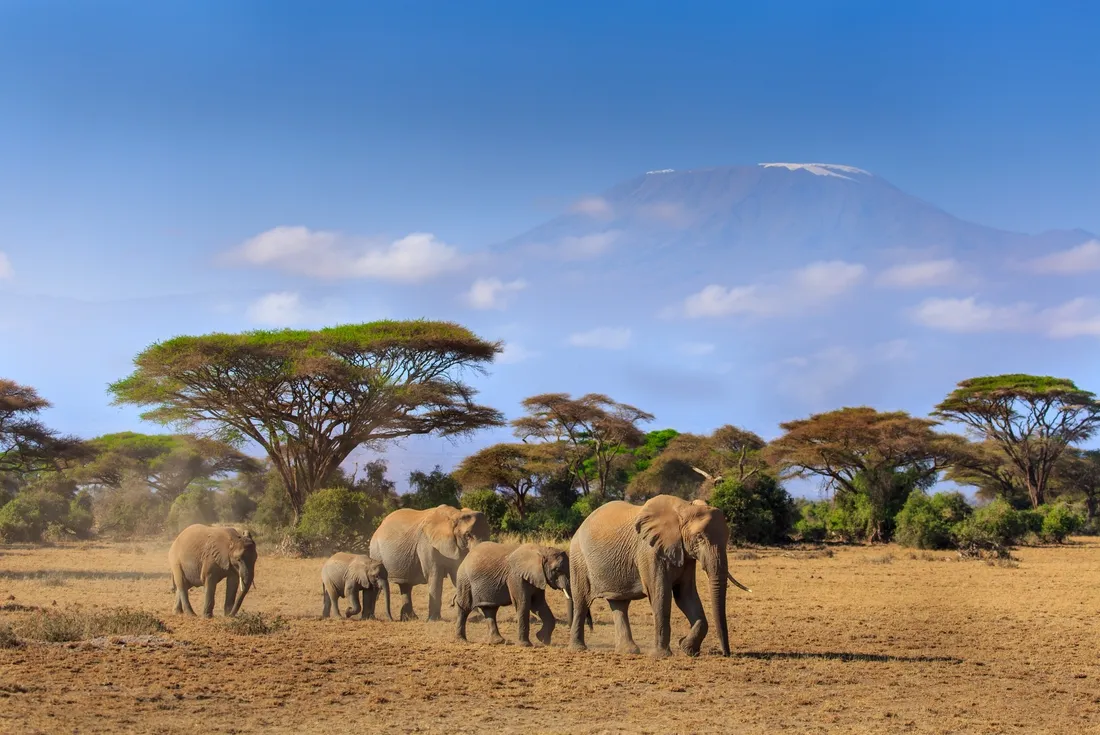
Serengeti & Kilimanjaro Trek
Combined safari and trekking tours offer wildlife adventures and Kilimanjaro climbs.
View Package →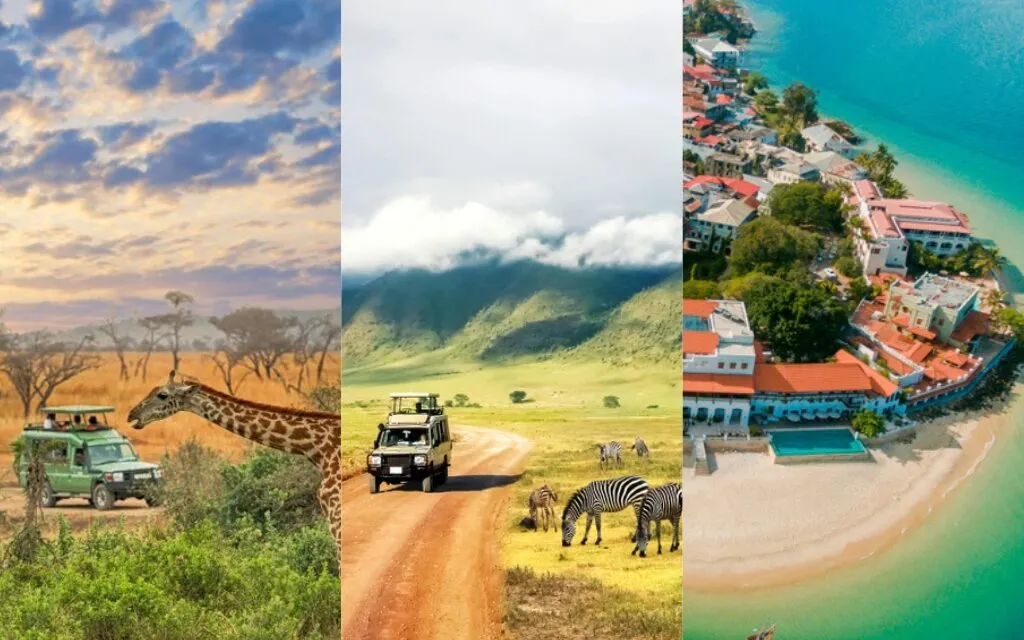
Serengeti & Zanzibar Tours
Luxury Tanzania safari & beach packages with the Great Migration and pristine beaches.
View Package →Related: Best Time to Visit Tanzania 2026 – Perfect safari extension after your Belize adventure.