
Most Complete Benin Travel Guide 2026-2027 – Everything You Need to Know Before Visiting
This Benin travel guide provides everything you need to plan your journey to one of West Africa’s most fascinating and welcoming countries. Benin is the undisputed birthplace of voodoo, home to the floating village of Ganvié, historic royal palaces of Abomey, and the wildlife-rich Pendjari National Park. Often overlooked, Benin offers an authentic, off-the-beaten-path African experience combining rich cultural heritage, Atlantic beaches, and surprisingly easy travel logistics.
Start Reading the Full Guide ↓Quick Facts About Benin
- Capital: Porto-Novo (administrative), Cotonou (economic).
- Currency: West African CFA franc (XOF).
- Time Zone: West Africa Time (WAT, UTC+1).
- International Calling Code: +229.
- Driving Side: Right.
- Major Airports: Cadjehoun Airport (Cotonou).
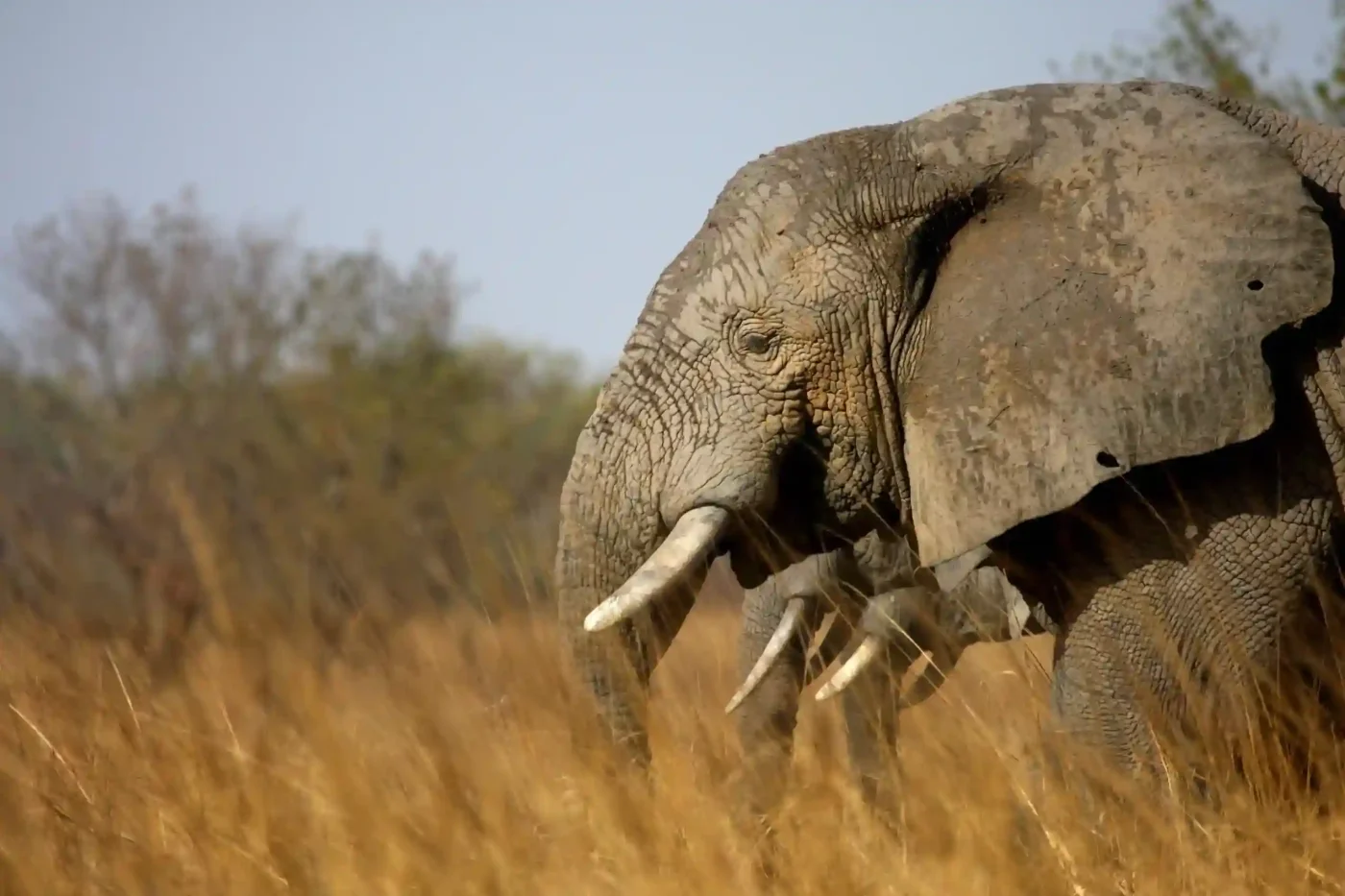
Benin Overview & Key Facts
Brief History of Benin
Benin’s history stretches from the powerful Kingdom of Dahomey (1600–1904) through French colonial rule to independence in 1960. Known historically as the “Slave Coast,” the region was a major departure point during the trans-Atlantic slave trade. The Kingdom of Dahomey built its wealth on this trade while developing sophisticated military and artistic traditions. French colonisation began in the late 19th century, and the country was renamed Dahomey until 1975 when it became the People’s Republic of Benin under Marxist rule, before transitioning to democracy in 1991.
Independence & National Identity
- Independence date: August 1, 1960.
- Former colonial power: France.
- National symbols & identity.
Benin gained independence from France in 1960 and adopted its current name in 1975 to reflect the historic Kingdom of Benin (in present-day Nigeria) while distancing itself from Dahomey’s slave-trade associations. Voodoo (officially Vodun) is recognised as an official religion and remains central to national identity.
Government System & Current Leadership
- Type of government: Presidential Republic
- Current president: Patrice Talon (since 2016)
- Notes on political stability
Benin is considered one of West Africa’s most stable democracies, with peaceful transfers of power and regular elections.
Population, Ethnic Groups & Languages
- Population: 13.8 million (2025 projection).
- Major ethnic groups: Fon (39%), Adja (15%), Yoruba (12%), Bariba (9%).
- Official language(s): French.
- Additional languages commonly spoken.
Fon, Yoruba, Goun, and Bariba dominate regionally. French is the language of administration and education, but English is rare outside tourism professionals.
Main Religions & Cultural Identity
Approximately 43% practice Vodun (voodoo), 27% are Christian, 24% Muslim, with many blending traditional beliefs with imported religions. Vodun is not only tolerated but celebrated nationally, with January 10 officially “National Voodoo Day.”
Geography & Natural Landscape
Benin stretches from the Atlantic coast through fertile southern plains to the savannah and semi-arid north. The coastal lagoon system supports stilt villages, while Pendjari and W National Parks in the northwest offer classic African savannah wildlife.
Economy & Tourism Highlights
Cotton remains the main export, supplemented by growing tourism focused on cultural heritage and wildlife. The government has invested heavily in infrastructure and e-Visa systems to boost visitor numbers.
What Benin Is Known For
- Birthplace of Vodun (voodoo) – still actively practiced
- Ganvié – Africa’s largest stilt village on Lake Nokoué
- UNESCO-listed Royal Palaces of Abomey
- Pendjari National Park – one of West Africa’s best wildlife reserves
Visa & Entry Requirements in Benin
Benin has one of Africa’s easiest visa systems: most nationalities can obtain an e-Visa online or visa on arrival. The process is straightforward and reliable.
Do You Need a Visa?
Citizens of ECOWAS countries are visa-exempt. All other nationalities require a visa but can use the fast, reliable e-Visa system or obtain visa on arrival at Cotonou airport.
Visa Application Options in Benin
- e-Visa online (recommended – 2–4 days processing)
- Visa on arrival at Cotonou airport (30 or 90 days)
- Embassy application (rarely needed)
Passport Validity & Entry Documents
Passport must be valid for 6 months with 2 blank pages. Yellow Fever vaccination certificate mandatory.
Customs Rules & Prohibited Items
Standard restrictions apply. Declare professional camera equipment. Plastic bags are banned.
Safety & Security Information in Benin
Benin is consistently ranked among West Africa’s safest destinations. Petty theft occurs in Cotonou and Porto-Novo, but violent crime against tourists is extremely rare.
Is Benin Safe for Tourists?
Yes – one of the safest countries in West Africa. Most government advisories rate Benin Level 1 or 2 (normal or increased caution). Avoid northern border areas near Burkina Faso/Niger after dark.
Recommended Safety Tips when in Benin
Use registered taxis or ride-hailing apps in Cotonou. Don’t walk alone late at night in urban centres. Hire registered guides for Pendjari and northern regions.
Safe Areas vs. Areas to Avoid in Benin
All southern and central areas are safe. Exercise caution in far north near Burkina Faso and Niger borders.
Emergency Numbers & Tourist Police in Benin
- Police: 117
- Fire: 118
- Medical Emergency: 112
Health Requirements & Vaccinations in Benin
Yellow Fever vaccination is mandatory. Malaria risk is high year-round.
Mandatory Vaccinations in Benin
Yellow Fever certificate required for all visitors over 9 months old.
Recommended Vaccinations in Benin
Hepatitis A, Typhoid, Rabies (for wildlife areas), Meningitis (northern regions), routine vaccines.
Malaria & Other Risks
Malaria prophylaxis essential. Use repellent and sleep under treated nets.
Travel Insurance Recommendations in Benin
Comprehensive insurance with medical evacuation cover strongly recommended, especially for Pendjari safaris.
Best Time to Visit in Benin
November–March (dry season) offers the most comfortable weather nationwide.
Weather by Season
Dry season (Nov–Mar): 24–32°C, low humidity. Harmattan winds bring dust Dec–Feb. Rainy season (Apr–Jul & Sep–Oct): heavy downpours, flooded roads.
When to Visit Benin for Best Experiences
- Voodoo Festival (Jan 10) – Ouidah
- Wildlife viewing in Pendjari – Dec–May
- Ganvié & coastal areas – Nov–Mar
Weather & Climate Overview in Benin
Tropical climate with two rainy and two dry seasons in the south; more pronounced dry season in the north.
Temperature Ranges
Coastal areas 24–32°C year-round. Northern savannah can drop to 15°C at night Dec–Feb.
Rainy & Dry Seasons in Benin
Main rainy season April–July; shorter rains September–October.
What to Wear Based on the Weather
Light cotton clothing, sun protection, rain jacket during wet season, warm layer for northern nights Dec–Feb.
Main Currency, Costs & Budgeting in Benin
West African CFA franc (XOF). Fixed exchange rate with euro (1 EUR = 655.957 XOF).
Local Currency Information
ATMs widely available in Cotonou and major towns. Euros and dollars easily exchanged.
Average Travel Costs in Benin
Budget $60–100/day; mid-range $120–200/day; Pendjari safaris $300–450/day.
Using ATMs, Cards & Mobile Money in Benin
Visa/Mastercard accepted in hotels and larger establishments. Orange Money and MTN Mobile Money widely used.
Tipping Guidelines in Benin
10% in restaurants, small tips (500–1000 CFA) for guides and drivers appreciated.
Transportation & Getting Around in Benin
Motorbike taxis (zémidjans) dominate cities; bush taxis and minivans connect regions.
Airport Transfers
Official airport taxis in Cotonou; many hotels offer free pickup with advance booking.
Local Transport Options in Benin
Zémidjans (moto-taxis) cheapest and fastest in cities. Shared bush taxis for inter-city travel.
Benin Domestic Flights
Limited scheduled flights; most travel overland.
Car Rentals & Road Conditions in Benin
Self-drive possible with 4WD recommended for north. Hiring driver/guide common and safer.
Accommodation Options available in Benin
From basic guesthouses to boutique eco-lodges in Pendjari.
Types of Accommodations in Benin
Hotels in cities, eco-camps in parks, traditional guesthouses in villages.
Budget vs. Mid-Range vs. Luxury
Budget $20–50, mid-range $60–120, luxury eco-lodges $200+ in Pendjari.
Best Areas to Stay in Benin
Cotonou (business), Ouidah (culture), Grand-Popo (beach), Abomey (history), Natitingou/Pendjari (wildlife).
Essential Packing Guide when Visiting Benin
Light clothing, strong insect repellent, rain gear (wet season), binoculars for wildlife.
Clothing Essentials
Modest, lightweight cotton, long sleeves/pants for evenings, hat, sunglasses.
Footwear & Gear
Comfortable sandals, closed shoes for hiking, waterproof bag cover.
Electronics & Cameras
European plugs (type C/E), power bank, extra memory cards.
Toiletries & Personal Items
High-DEET repellent, anti-malarials, hand sanitiser, sunscreen.
Language & Communication in Benin
French official; local languages dominate daily life.
Main Languages Spoken in Benin
French (administration), Fon, Yoruba, Bariba regionally.
Useful Phrases for Tourists
Bonjour, Merci, S’il vous plaît, Combien?, basic Fon greetings appreciated.
SIM Cards & Mobile Data used in Benin
MTN and Moov widely available, good 4G coverage in south.
Internet Availability & Wi-Fi in Benin
Wi-Fi in most hotels; mobile data reliable and affordable.
Culture & Etiquette in Benin
Respect for elders and traditional authorities crucial. Voodoo is a living religion – treat ceremonies with reverence.
Benin Dress Code Expectations
Modest dress in villages and during ceremonies. Beachwear only at beaches.
Social Etiquette & Respectful Behavior of Benin
Greet elders first, accept offered kola nuts or drinks, ask permission before photographing people or ceremonies.
Photography Rules in Benin
Always ask permission for people, especially during voodoo ceremonies (often prohibited).
Important Cultural Dos & Don’ts in Benin
Do accept hospitality, remove shoes when entering homes, use right hand. Don’t point with finger, photograph without permission, or mock religious practices.
Food, Water & Dining in Benin
Starchy staples (pâte, igname) with spicy sauces; fresh seafood on coast.
Benin Local Dishes to Try
Amiwo (corn pâte) with sauce, grilled fish in Grand-Popo, akassa with moyo sauce, wagasi cheese.
Dietary Options in Benin
Vegetarian options limited but possible; fresh fruit abundant.
Drinking Water Safety
Bottled water only. Avoid ice outside hotels.
Restaurant Etiquette
Eat with right hand in traditional settings; tipping not expected but appreciated.
Top Attractions & Things to Do in Benin
Ganvié stilt village, Ouidah voodoo trail, Abomey palaces, Pendjari National Park, Grand-Popo beaches.
Major Tourist Attractions in Benin
- Ganvié – “Venice of Africa”
- Ouidah – Door of No Return & voodoo sites
- Royal Palaces of Abomey (UNESCO)
- Pendjari National Park – lions, elephants, cheetah
Best Tours & Experiences in Benin
Voodoo ceremonies (with respectful guides), pirogue trips in Ganvié, wildlife safaris in Pendjari, historical tours in Ouidah and Abomey.
Family-Friendly Activities to do in Benin
Ganvié boat trips, Python Temple in Ouidah, beach days in Grand-Popo.
Unique Cultural or Historical Sites to visit in Benin
Voodoo Python Temple, Door of No Return, underground houses in Agongointo, Tata Somba fortified houses in north.
Benin Electrical System Information
220–240V, 50Hz, European plugs (type C/E).
Plug Types & Voltage used in Benin
Type C (two round pins) and type E (two round pins + hole). Most devices dual-voltage.
Charging Tips
Power banks essential for Pendjari and rural areas.
Local Laws & Regulations of Benin
Plastic bags banned nationwide. Photography restrictions during voodoo ceremonies.
Rules Travelers Need to Know when In Benin
Respect religious sites and ceremonies. No photography of military/police.
Alcohol, Smoking & Substance Laws of Benin
Alcohol widely available. Cannabis illegal. Public behaviour generally relaxed.
Restricted or Protected Areas in Benin.
Northern border zones require caution. Pendjari has strict park rules.
Final Travel Tips for Visitors in Benin
Benin rewards curious, respectful travellers with authentic experiences rarely found elsewhere.
Common Mistakes to Avoid
Underestimating heat/humidity, photographing without permission, drinking tap water.
Tips to Save Money when Visiting Benin
Use zémidjans, eat local (maquis), stay in guesthouses, travel in dry season.
Safety & Comfort Tips
Hire registered guides for cultural sites and Pendjari. Carry small CFA bills. Learn basic French phrases.
Frequently Asked Questions – Benin Travel Guide 2026-2027
Our Tanzania Tours Products
While Benin offers incredible voodoo culture, stilt villages and authentic West African experiences, many travellers combine West Africa with the ultimate wildlife adventure in East Africa. Capable Africa Tours specialises in secure, guided safaris that maximise safety and wonder. From family-friendly lodges to luxury camps, we handle logistics so you focus on the magic.
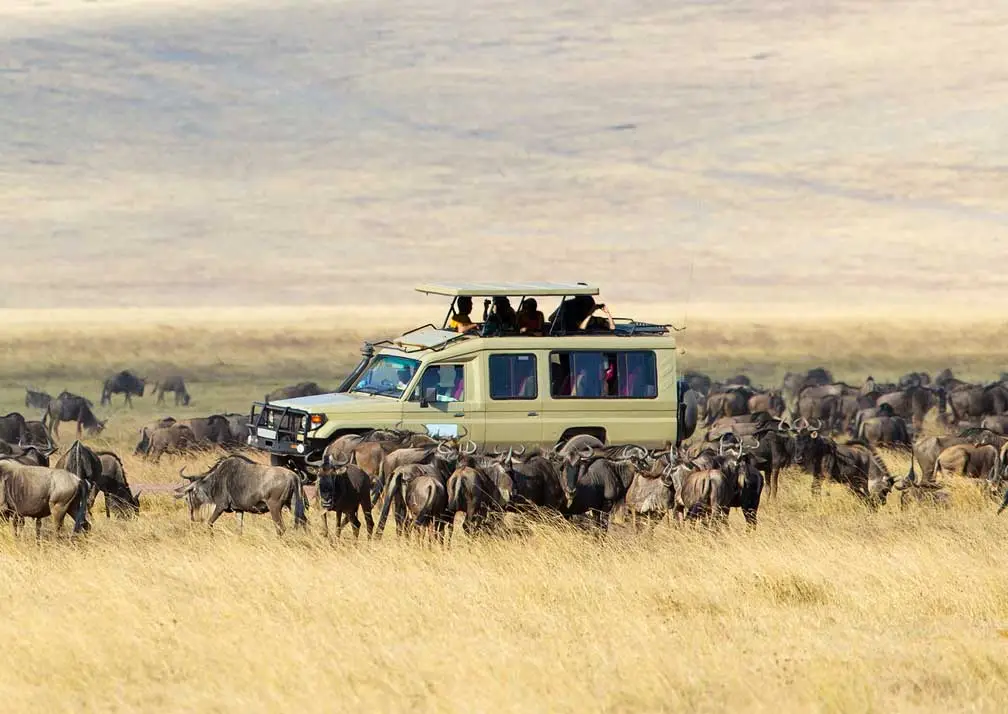
Great Migration Safaris
Experience one of nature's greatest spectacles with our Great Migration safari packages, timed for river crossings or calving.
View Package →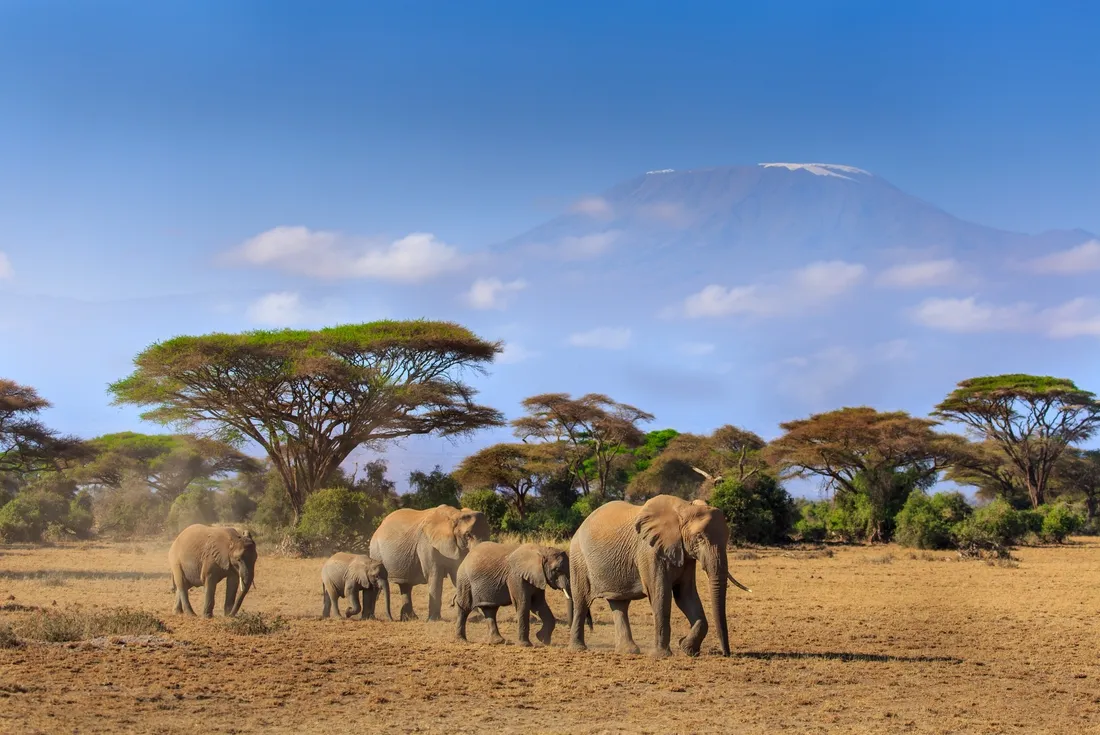
Serengeti & Kilimanjaro Trek
Combined safari and trekking tours offer wildlife adventures and Kilimanjaro climbs.
View Package →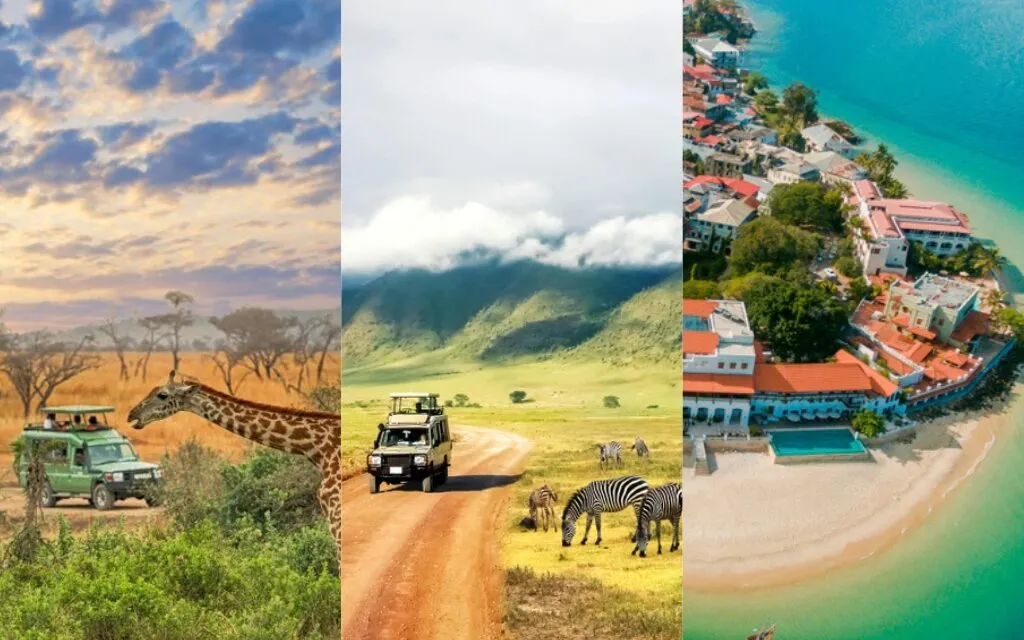
Serengeti & Zanzibar Tours
Luxury Tanzania safari & beach packages with the Great Migration and pristine beaches.
View Package →Related: Best Time to Visit Tanzania 2026 – Perfect safari extension after your Benin adventure.