Most Complete Bhutan Travel Guide 2026-2027 – Everything You Need to Know Before Visiting
This Bhutan travel guide provides everything you need to plan your journey to the last Himalayan kingdom. Bhutan offers an extraordinary blend of ancient Buddhist culture, pristine Himalayan landscapes, and the unique philosophy of Gross National Happiness that creates one of Asia’s most exclusive and spiritually rewarding travel experiences. Many travelers who want to visit Bhutan are surprised by the country’s perfectly preserved traditions, dramatic mountain scenery, and the mandatory Sustainable Development Fee system that limits mass tourism. The kingdom covers just 38,394 square kilometers yet rises from 200m subtropical plains to over 7,000m peaks, offering visitors everything from tiger-inhabited forests to sacred cliffside monasteries and vibrant religious festivals.
Start Reading the Full Guide ↓Quick Facts About Bhutan
- Capital: Thimphu.
- Currency: Ngultrum (BTN) = Indian Rupee (INR).
- Time Zone: Bhutan Time (BTT, UTC+6).
- International Calling Code: +975.
- Driving Side: Left.
- Major Airport: Paro International Airport (PBH).
Bhutan Overview & Key Facts
Brief History of Bhutan
Bhutan’s history begins with the arrival of Guru Rinpoche in the 8th century, who introduced Buddhism and subdued local deities. The country was unified in the 17th century by Shabdrung Ngawang Namgyal, who built the iconic dzong fortresses. Bhutan remained isolated until the 1970s, opening gradually while protecting its culture through the “high value, low impact” tourism policy introduced in 1974.
Independence & National Identity
- Never colonized – one of only a few countries.
- Constitutional monarchy since 2008.
- National symbols: Druk (Thunder Dragon) on flag.
Bhutan transitioned peacefully to a democratic constitutional monarchy in 2008 under the visionary Fourth King Jigme Singye Wangchuck. The country measures progress through Gross National Happiness (GNH) rather than GDP, prioritizing sustainable development, cultural preservation, good governance, and environmental conservation.
Government System & Current Leadership
- Type of government: Constitutional Monarchy
- Current king: His Majesty Jigme Khesar Namgyel Wangchuck (Fifth Dragon King)
- Political stability: Very high
Bhutan enjoys remarkable political stability and widespread reverence for the royal family. The current Fifth King, crowned in 2008, is deeply beloved and often seen hiking to remote villages.
Population, Ethnic Groups & Languages
- Population: ~780,000 (2025 estimate).
- Major ethnic groups: Ngalong (west), Sharchop (east), Lhotshampa (south).
- Official language: Dzongkha.
- Additional languages: English widely used in education and government.
English is the medium of instruction in schools and widely spoken in tourism. Numerous regional dialects exist, reflecting Bhutan’s geographic isolation of valleys.
Main Religions & Cultural Identity
Vajrayana Buddhism is the state religion, practiced by ~75% of the population. Hinduism is followed by ~22% (mostly southern Lhotshampa). Buddhist principles deeply influence daily life, architecture, festivals, and the mandatory national dress (gho for men, kira for women) in public places.
Geography & Natural Landscape
Bhutan rises dramatically from subtropical plains at 200m to Himalayan peaks over 7,000m. 70% of the country remains under forest cover (constitutional requirement minimum 60%). Four main regions: southern foothills, inner Himalayas, high valleys, and northern high Himalayas with peaks like Gangkhar Puensum (7,570m – world’s highest unclimbed mountain).
Economy & Tourism Highlights
Hydropower exports to India dominate the economy. Tourism is deliberately limited through the SDF system to protect culture and environment. All tourists (except Indians/Bangladeshis/Maldivians) must pay the Sustainable Development Fee and book through licensed operators.
What Bhutan Is Known For
- Gross National Happiness philosophy
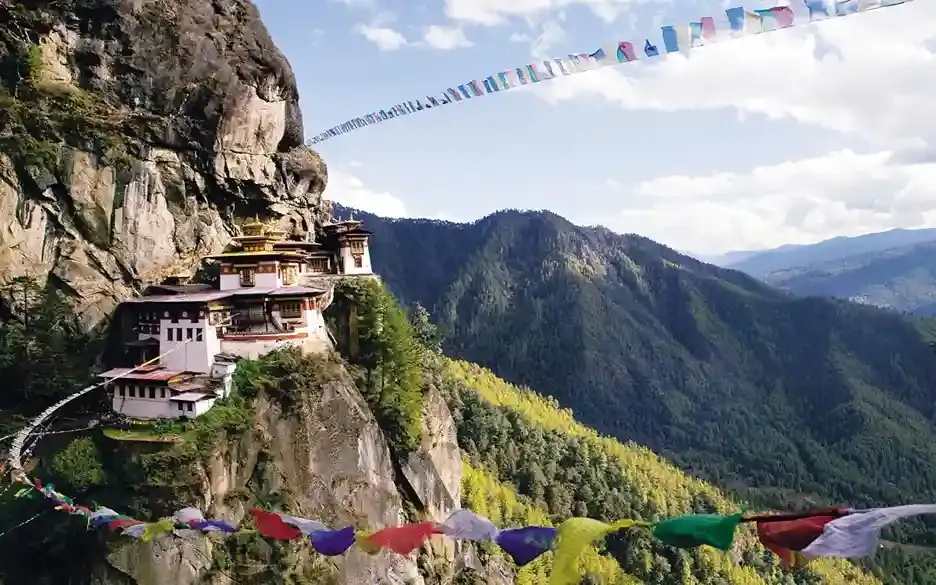
- Paro Taktsang (Tiger’s Nest Monastery)
- Vibrant religious festivals (Tshechu)
- Carbon-negative country & pristine environment
Visa & Entry Requirements in Bhutan
All foreign tourists except citizens of India, Bangladesh and Maldives require a visa cleared in advance through a licensed Bhutanese tour operator. Independent travel is not permitted for most nationalities.
Do You Need a Visa?
Yes – except Indians, Bangladeshis and Maldivians who only need ID. Everyone else must have a visa pre-arranged by a Bhutanese operator. You cannot get a visa on arrival or through embassies.
Visa Application Options in Bhutan
- Only through licensed Bhutanese tour operator (mandatory)
- Visa clearance letter issued before departure
- Actual visa stamped on arrival at Paro Airport or land borders
Your tour operator handles everything. You submit passport copy and photo; clearance arrives within 72 hours. Visa costs $40 (included in package).
Passport Validity & Entry Documents
Passport must have minimum 6 months validity and 2 blank pages. You’ll receive visa clearance letter by email – print and present on departure flight and arrival.
Customs Rules & Prohibited Items
Drones strictly prohibited without prior permission. Tobacco limited to 200 cigarettes (must pay 200% duty). Antiques cannot be exported. Plastics banned since 1999 – bring reusable water bottle.
Safety & Security Information in Bhutan
Bhutan is one of the safest countries in the world with extremely low crime rates and a deeply peaceful Buddhist culture.
Is Bhutan Safe for Tourists?
Yes – consistently ranked among the safest destinations globally. Violent crime is virtually unknown. Most travel advisories rate Bhutan Level 1 (normal precautions).
Recommended Safety Tips when in Bhutan
Respect altitude (many places 2,500–3,800m). Stay with your guide (mandatory). Follow temple etiquette. Avoid political discussions. Use licensed operators only.
Safe Areas vs. Areas to Avoid in Bhutan
All tourist areas are safe. No “avoid” zones exist for regular tourism routes.
Emergency Numbers & Tourist Police in Bhutan
- Police: 113
- Ambulance: 112
- Fire: 110
- Tourist helpline: +975-2-323251
Guides carry emergency contacts and satellite phones in remote areas.
Health Requirements & Vaccinations in Bhutan
No mandatory vaccinations except Yellow Fever if arriving from endemic areas. Altitude awareness is crucial.
Mandatory Vaccinations in Bhutan
None except Yellow Fever certificate if applicable.
Recommended Vaccinations in Bhutan
Hepatitis A, Typhoid, Tetanus, Rabies (for treks), Japanese Encephalitis (lowland spring/summer). Altitude medication (Diamox) recommended for high passes.
Malaria & Other Risks
Malaria risk only in southern border districts (rare). Main risks: altitude sickness, cold at high elevations, occasional GI issues.
Travel Insurance Recommendations in Bhutan
Mandatory – must cover emergency evacuation (helicopter from remote areas can cost $10,000+). Ensure coverage for trekking up to 5,000m+ if doing high routes.
Best Time to Visit in Bhutan
Spring (Mar–May) and autumn (Sep–Nov) offer the clearest weather and major festivals. Winter excellent for cultural tours and clear Himalayan views.
Weather by Season
Spring: rhododendrons, 10–25°C days. Summer/monsoon (Jun–Aug): lush but cloudy/rainy. Autumn: crystal clear, 10–22°C. Winter: cold nights, sunny days, excellent visibility.
When to Visit Bhutan for Best Experiences
- Festivals (Tshechu): March–April & September–October
- Trekking: April–May & September–November
- Clear Himalayan views: October–December
- Fewer tourists: December–February (except festivals)
Major festivals: Paro Tshechu (Mar/Apr), Thimphu Tshechu (Sep/Oct), Punakha Drubchen.
High Season vs. Low Season Travel
High season: March–May & September–November (higher hotel rates). Low season: June–August & December–February (discounts up to 30%, but weather risks).
Weather & Climate Overview in Bhutan
Massive altitude variation creates multiple climate zones from subtropical to alpine.
Temperature Ranges
Paro/Thimphu (2,300m): winter nights 0°C, summer days 25°C. Punakha (1,300m): warmer. High passes: below freezing year-round.
Rainy & Dry Seasons in Bhutan
Monsoon: June–September (heavy in south, moderate in Paro/Thimphu). Dry season: October–May.
What to Wear Based on the Weather
Layers essential. Modest clothing mandatory (covered knees/shoulders). Warm jacket for evenings and high passes. Comfortable walking shoes; trekking gear for hikes.
Main Currency, Costs & Budgeting in Bhutan
All-inclusive daily tariff system. Everything paid upfront except alcohol, tips, souvenirs.
Local Currency Information
Ngultrum (BTN) pegged 1:1 with INR. INR widely accepted. ATMs in Thimphu/Paro only. Cards rarely accepted outside luxury hotels.
Average Travel Costs in Bhutan
Government minimum: ~$250–300/person/day all-inclusive (SDF + services). Luxury: $600–1,500+. Indians: ~$50–150/day.
Using ATMs, Cards & Mobile Money in Bhutan
ATMs in major towns (Bank of Bhutan, Bhutan National Bank). Visa/Mastercard accepted at few hotels. Bring USD cash for tips/souvenirs.
Tipping Guidelines in Bhutan
Not mandatory but appreciated. Guide $10–15/day, driver $8–12/day, shared between group.
Transportation & Getting Around in Bhutan
All tourists travel with private guide and driver. Only one international airport (Paro).
Airport Transfers
Included in package. Driver meets you at Paro Airport (dramatic landing between mountains).
Local Transport Options in Bhutan
Private vehicle with driver (mandatory). No public buses for tourists. Walking in towns.
Bhutan Domestic Flights
Drukair & Bhutan Airlines operate Paro–Bumthang and Paro–Yonphula. Scenic helicopter options available.
Car Rentals & Road Conditions in Bhutan
Not possible for tourists – all transport arranged by operator. Roads winding but well-maintained.
Accommodation Options available in Bhutan
Government-certified 3–5 star hotels, farmstays, luxury resorts (Aman, Six Senses, COMO).
Types of Accommodations in Bhutan
Standard hotels, luxury resorts, homestays, camping on treks. All approved by Tourism Council.
Budget vs. Mid-Range vs. Luxury
No true budget – minimum standard comfortable. Mid-range $250–400/day, luxury $600–2,000+.
Best Areas to Stay in Bhutan
Thimphu (capital), Paro (Tiger’s Nest), Punakha (dzong & valley), Bumthang (spiritual heartland).
Essential Packing Guide when Visiting Bhutan
Modest clothing mandatory, layers for temperature swings, temple etiquette items.
Clothing Essentials
Long pants/skirts, shirts covering shoulders. Warm layers (fleece/jacket). Scarf for temples. National dress available to rent/buy.
Footwear & Gear
Comfortable walking shoes. Trekking poles for hikes. Reusable water bottle (plastic banned).
Electronics & Cameras
Universal adapter (Bhutan uses Indian/UK plugs). Power banks (outages possible).
Toiletries & Personal Items
Sunscreen, altitude medication, hand sanitizer, modest sleepwear for homestays.
Language & Communication in Bhutan
Dzongkha official, English widely spoken in tourism and education.
Main Languages Spoken in Bhutan
Dzongkha (national), English (education/tourism), Nepali, various regional dialects.
Useful Phrases for Tourists
“Kuzuzangpo la” (hello), “Kadinche la” (thank you). Guides speak excellent English.
SIM Cards & Mobile Data used in Bhutan
B-Mobile or TashiCell SIMs available at airport. Good coverage in main valleys.
Internet Availability & Wi-Fi in Bhutan
Wi-Fi in most hotels (slow). Mobile data reliable in towns.
Culture & Etiquette in Bhutan
Deeply Buddhist society with strict temple and dress protocols.
Bhutanese Dress Code Expectations
Knees and shoulders must be covered in dzongs and temples. Shoes off inside. Scarf required for official buildings.
Social Etiquette & Respectful Behavior of Bhutan
Accept tea when offered. Walk clockwise around chortens. Never point at religious objects. Remove hats/sunglasses inside temples.
Photography Rules in Bhutan
No photography inside temple sanctums. Ask permission for people photos. Drones banned without permit.
Important Cultural Dos & Don’ts in Bhutan
Do: accept food/drink with both hands, spin prayer wheels clockwise. Don’t: touch religious objects, step over people, show soles of feet.
Food, Water & Dining in Bhutan
Spicy cuisine dominated by chili and cheese (ema datshi). Vegetarian options plentiful.
Bhutanese Local Dishes to Try
Ema datshi (chili-cheese stew – national dish), momos, red rice, phaksha paa (pork with radish), suja (butter tea).
Dietary Options in Bhutan
Vegetarian very common. Most meals include vegetarian dishes. Inform operator of restrictions.
Drinking Water Safety
Bottled water provided everywhere. Tap water safe in major hotels after boiling/filtering.
Restaurant Etiquette
Meals included in package. Tipping not expected but appreciated.
Top Attractions & Things to Do in Bhutan
Iconic monasteries, fortresses, festivals and Himalayan treks.
Major Tourist Attractions in Bhutan
- Paro Taktsang (Tiger’s Nest Monastery)
- Punakha Dzong
- Bumthang Valley
- Thimphu landmarks (Buddha Dordenma, Tashichho Dzong)
Tiger’s Nest hike is the highlight for most visitors. Festivals (tshechus) feature masked dances and blessings.
Best Tours & Experiences in Bhutan
Cultural tours, festival tours, trekking (Druk Path, Snowman Trek), textile workshops, archery experiences.
Family-Friendly Activities to do in Bhutan
Farmhouse stays, short hikes, archery, festival attendance, hot-stone baths.
Unique Cultural or Historical Sites to visit in Bhutan
Gangtey Monastery, ancient temples of Bumthang, traditional farmhouse dinners, textile weaving villages.
Bhutanese Electrical System Information
230V, 50Hz. Indian-style round pin plugs (Type D) and European Type C/F.
Plug Types & Voltage used in Bhutan
Type C, D, F, G, M. Universal adapter recommended.
Charging Tips
Power banks useful for treks. Outlets may be limited in farmstays.
Local Laws & Regulations of Bhutan
Tobacco sales banned (can bring limited amount). Plastic bags banned. Photography restrictions in temples.
Rules Travelers Need to Know when In Bhutan
Mandatory guide/driver. No independent travel (except Indians). Dress code in public buildings. No drones without permit.
Alcohol, Smoking & Substance Laws of Bhutan
Alcohol available in hotels. Smoking banned in public places. All drugs strictly illegal.
Restricted or Protected Areas in Bhutan
Some border areas require special permits. Trekking routes regulated.
Final Travel Tips for Visitors in Bhutan
Book early (especially festivals), respect culture, embrace the slow pace, disconnect from routine.
Common Mistakes to Avoid
Underestimating altitude, inappropriate clothing in temples, trying to travel independently, not booking far enough ahead for festivals.
Tips to Save Money when Visiting Bhutan
Travel in low season (Jun–Aug, Dec–Feb) for discounts. Group travel reduces per-person cost. Indians pay significantly less.
Safety & Comfort Tips
Acclimatize slowly. Stay hydrated. Follow guide instructions. Respect local customs. Embrace the happiness!
Frequently Asked Questions – Bhutan Travel Guide 2026-2027
Our Tanzania Tours Products
While Bhutan offers Himalayan spirituality and Gross National Happiness, many travelers combine the Kingdom with the ultimate African wildlife experience. Capable Africa Tours specializes in secure, guided safaris that maximize safety and wonder. From family-friendly lodges to luxury camps, we handle logistics so you focus on the magic.
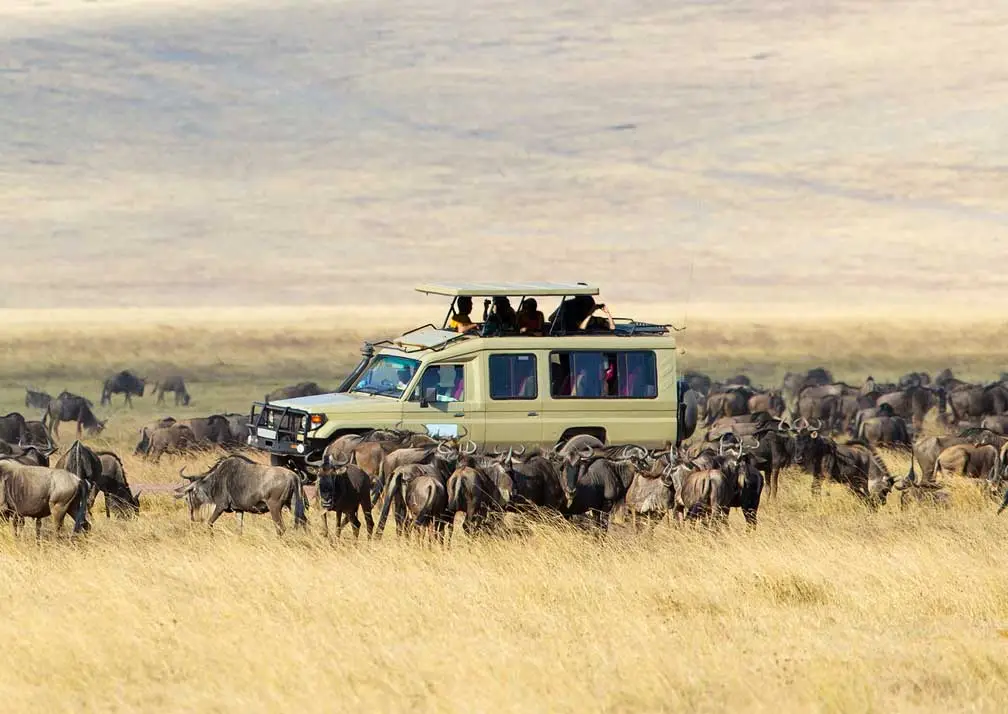
Great Migration Safaris
Experience one of nature's greatest spectacles with our Great Migration safari packages, timed for river crossings or calving.
View Package →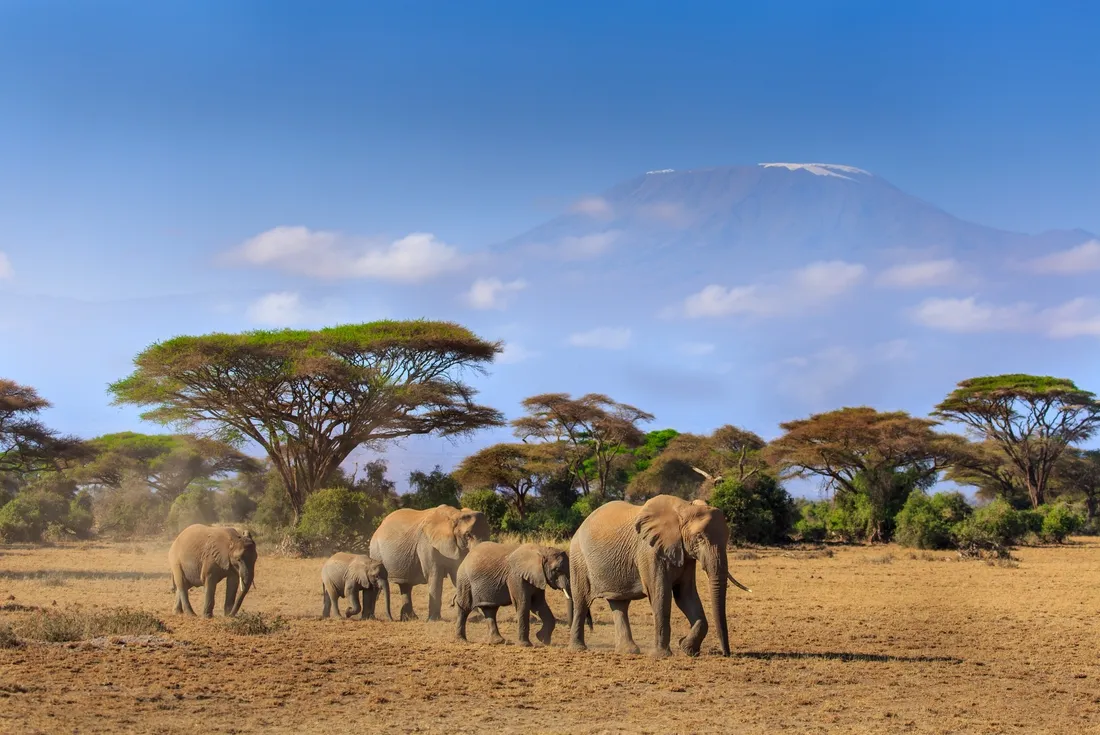
Serengeti & Kilimanjaro Trek
Combined safari and trekking tours offer wildlife adventures and Kilimanjaro climbs.
View Package →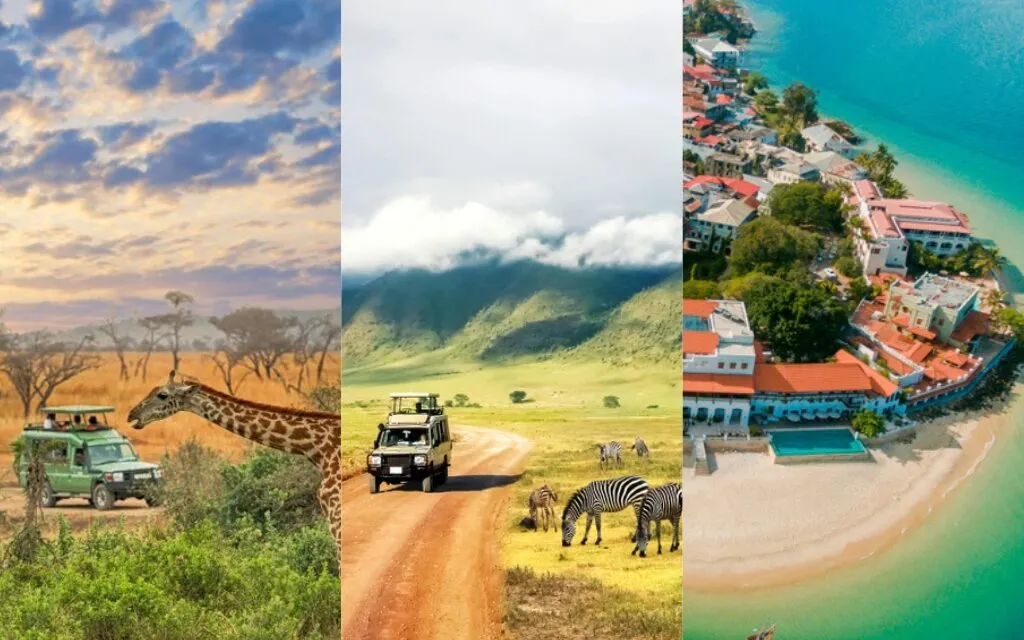
Serengeti & Zanzibar Tours
Luxury Tanzania safari & beach packages with the Great Migration and pristine beaches.
View Package →Related: Best Time to Visit Tanzania 2026 – Perfect safari extension after your Bhutan journey.