Most Complete Bolivia Travel Guide 2026-2027 – Everything You Need to Know Before Visiting
This Bolivia travel guide provides everything you need to plan your journey to one of South America's most diverse and affordable countries. Bolivia offers an extraordinary blend of high-altitude Andean landscapes, vast salt flats, Amazon rainforest, and rich indigenous cultures that create one of the continent's most authentic travel experiences. Many travelers who want to travel to Bolivia are surprised by the country's incredible diversity and cultural depth spanning ancient Tiwanaku civilization, Spanish colonial heritage, and vibrant indigenous traditions. The nation covers over 1.1 million square kilometers, offering visitors everything from the surreal Salar de Uyuni to the world's highest capital city and sacred Lake Titicaca.
Start Reading the Full Guide ↓Quick Facts About Bolivia
- Capitals: Sucre (constitutional), La Paz (administrative).
- Currency: Bolivian Boliviano (BOB).
- Time Zone: Bolivia Time (BOT, UTC-4).
- International Calling Code: +591.
- Driving Side: Right.
- Major Airports: El Alto International (LPB), Viru Viru International (VVI).
Bolivia Overview & Key Facts
Brief History of Bolivia
Bolivia's history spans millennia, from the ancient Tiwanaku civilization through the Inca Empire to Spanish conquest. The region was a major center of pre-Columbian culture, with Tiwanaku flourishing from 300–1000 AD. The Spanish arrived in the 16th century, exploiting vast silver deposits at Potosí that financed the Spanish empire. This rich historical tapestry creates a fascinating backdrop for modern travelers exploring archaeological treasures and colonial cities.
Independence & National Identity
- Independence date: August 6, 1825.
- Former colonial power: Spain.
- National symbols & identity.
Bolivia gained independence after 16 years of wars led by Simón Bolívar and Antonio José de Sucre. Today, the country's identity proudly celebrates its indigenous majority (over 60% identify as indigenous) alongside mestizo culture. The Wiphala flag represents indigenous nations and flies alongside the traditional tricolor.
Government System & Current Leadership
- Type of government: Plurinational Presidential Republic
- Current president: Luis Arce (since November 2020)
- Notes on political stability
Bolivia operates as a plurinational state recognizing 36 indigenous nations. President Luis Arce leads the MAS party. The country experiences periodic protests and road blockades, especially around elections or economic issues. Travelers should monitor local news and avoid demonstrations.
Population, Ethnic Groups & Languages
- Population: 12.5 million (2025 estimate).
- Major ethnic groups: Quechua 45%, Aymara 35%, mestizo 15%.
- Official language(s): Spanish + 36 indigenous languages.
- Additional languages commonly spoken.
Spanish is spoken by most, but Quechua and Aymara dominate in rural highlands. English is limited outside tourism hubs. Learning basic Spanish greatly enhances the travel experience.
Main Religions & Cultural Identity
Catholicism dominates (77%), but indigenous Andean beliefs are widely practiced alongside Christianity. Many festivals blend Catholic saints with ancient deities. Pachamama (Mother Earth) ceremonies remain central to highland culture. Visitors should respect offerings and rituals.
Geography & Natural Landscape
Bolivia features three distinct zones: the high Altiplano (3,500–4,000m), the temperate valleys, and the tropical lowlands/Amazon basin. The Andes split into two chains creating dramatic landscapes including Salar de Uyuni (world's largest salt flat) and Lake Titicaca (world's highest navigable lake).
Economy & Tourism Highlights
Bolivia's economy relies on natural gas, mining, and agriculture. Tourism has grown rapidly thanks to Salar de Uyuni, Lake Titicaca, and affordable adventure travel. The government promotes community-based tourism supporting indigenous communities.
What Bolivia Is Known For
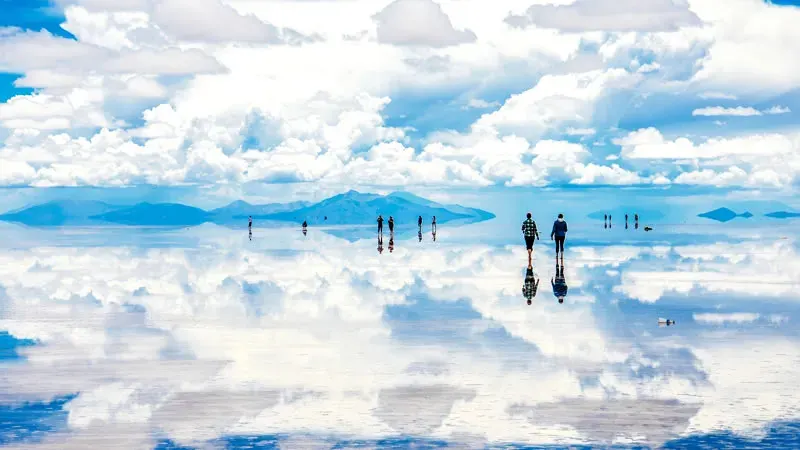
- Salar de Uyuni – world’s largest salt flat and mirror effect
- Lake Titicaca and Isla del Sol
- Colonial cities Sucre and Potosí (UNESCO)
Visa & Entry Requirements in Bolivia
Most international visitors can enter Bolivia visa-free or with visa on arrival, with a few exceptions (notably US citizens). Requirements vary by nationality and change periodically, so always verify with your nearest Bolivian consulate before travel.
Do You Need a Visa?
EU, UK, Canada, Australia, New Zealand, South Africa, and most Latin American countries get 30–90 days visa-free or on arrival. US citizens must obtain a visa in advance or pay $160 cash on arrival (valid 10 years). Israeli citizens require invitation letters.
Visa Application Options in Bolivia
- Visa on arrival (free or paid depending on nationality)
- Embassy application (required for some nationalities)
- Online pre-registration for certain countries
Visa on arrival is processed at airports and most land borders. Have proof of accommodation, return/onward ticket, and yellow fever certificate if coming from risk areas.
Passport Validity & Entry Documents
Passport must be valid for 6 months beyond entry date with at least two blank pages. You receive a tourist card on entry – keep it safe as it’s required when leaving.
Customs Rules & Prohibited Items
Standard restrictions apply. Declare professional camera equipment and drones. Export of archaeological items is strictly prohibited.
Safety & Security Information in Bolivia
Bolivia is generally safe for tourists who exercise common sense. Most visits are trouble-free. Petty crime exists in cities; violent crime against tourists is rare.
Is Bolivia Safe for Tourists?
Yes in tourist areas (La Paz, Sucre, Uyuni, Copacabana, Santa Cruz). Exercise increased caution after dark and avoid political demonstrations. The UK, US, and Canada list most of Bolivia as Level 2.
Recommended Safety Tips when in Bolivia
Use registered taxis or Uber in La Paz, keep valuables hidden, avoid isolated areas at night, drink bottled water, and take altitude sickness precautions.
Safe Areas vs. Areas to Avoid in Bolivia
Safe: La Paz tourist zones, Sucre, Salar de Uyuni tours, Lake Titicaca, Santa Cruz. Avoid: Chapare and Yungas regions (coca conflicts), some La Paz neighborhoods (El Alto after dark).
Emergency Numbers & Tourist Police in Bolivia
- Police: 110
- Fire Department: 119
- Medical Emergency: 118
- Tourist Police: Available in major cities
Health Requirements & Vaccinations in Bolivia
Yellow fever vaccination required if visiting Amazon regions. Altitude sickness is the biggest health concern for most visitors.
Mandatory Vaccinations in Bolivia
Yellow fever certificate required if coming from or visiting risk areas (below 2,300m in Amazon basin).
Recommended Vaccinations in Bolivia
Hepatitis A, Typhoid, routine vaccines. Consider Hepatitis B and Rabies for longer stays.
Malaria & Other Risks
Malaria risk in Amazon regions – use repellent and consider prophylaxis. Altitude sickness common above 3,500m (La Paz, Uyuni, Potosí).
Travel Insurance Recommendations in Bolivia
Essential – must cover high-altitude trekking and medical evacuation. Many activities (Death Road cycling, climbing) require specific coverage.
Best Time to Visit in Bolivia
May–October (dry season) is most popular, with clear skies and the famous Salar de Uyuni mirror effect after rains (Jan–Mar).
Weather by Season
Dry season (May–Oct): sunny, cold nights on Altiplano. Wet season (Nov–Apr): greener landscapes, possible road closures.
When to Visit Bolivia for Best Experiences
- Salar de Uyuni mirror: January–March
- Fewer crowds: April–May, September–October
- Carnaval in Oruro: February
High Season vs. Low Season Travel
High season: June–August. Low season: November–March (cheaper, greener, but some roads impassable).
Weather & Climate Overview in Bolivia
Three distinct climate zones: cold high Altiplano, temperate valleys, hot tropical lowlands.
Temperature Ranges
La Paz: 2–18°C (35–65°F) year-round. Santa Cruz: 20–32°C (68–90°F). Salar de Uyuni: extreme daily variation (-10°C to 20°C).
Rainy & Dry Seasons in Bolivia
Dry: May–October. Rainy: November–April (heaviest December–February).
What to Wear Based on the Weather
Layers, layers, layers. Warm jacket, hat, gloves for Altiplano nights. Sun protection essential year-round.
Main Currency, Costs & Budgeting in Bolivia
Bolivia remains one of South America's cheapest countries.
Local Currency Information
Boliviano (BOB). ATMs widespread in cities, scarce in rural areas.
Average Travel Costs in Bolivia
Budget: $35–60/day; mid-range $70–130/day; Uyuni private tour $180–300/day.
Using ATMs, Cards & Mobile Money in Bolivia
ATMs common in cities. Cards accepted in upscale places; cash king elsewhere.
Tipping Guidelines in Bolivia
10% in restaurants if not included. Round up taxi fares. Guides/drivers: 50–100 BOB/day.
Transportation & Getting Around in Bolivia
Buses are cheap and extensive. Domestic flights save time between distant regions.
Airport Transfers
Official taxis or pre-booked transfers recommended.
Local Transport Options in Bolivia
Colectivos, micros, trufis, cable cars in La Paz. Uber/Bolt in major cities.
Bolivia Domestic Flights
Amaszonas and BOA connect major cities. Book early during peak season.
Car Rentals & Road Conditions in Bolivia
Possible but not recommended for most – roads challenging, especially in wet season.
Accommodation Options available in Bolivia
From salt hotels to colonial mansions and community lodges.
Types of Accommodations in Bolivia
Hostels, salt hotels, eco-lodges, boutique colonial hotels.
Budget vs. Mid-Range vs. Luxury
Budget: $8–25; mid-range $40–90; luxury $120+.
Best Areas to Stay in Bolivia
La Paz: Sopocachi or Zona Sur. Sucre: historic center. Uyuni: town center or salt hotels.
Essential Packing Guide when Visiting Bolivia
Altitude, sun, and temperature swings demand careful packing.
Clothing Essentials
Layers, warm jacket, sun hat, sunglasses, comfortable walking shoes.
Footwear & Gear
Good walking shoes, flip-flops for hostels, altitude sickness medication.
Electronics & Cameras
Universal adapter (Type A/C), power bank, extra batteries for cold.
Toiletries & Personal Items
Sunscreen (high SPF), lip balm, coca leaves or altitude pills.
Language & Communication in Bolivia
Spanish dominates cities, indigenous languages in rural areas.
Main Languages Spoken in Bolivia
Spanish, Quechua, Aymara. English limited outside tourism sector.
Useful Phrases for Tourists
“¿Cuánto cuesta?”, “Por favor”, “Gracias”, “¿Dónde está…?”
SIM Cards & Mobile Data used in Bolivia
Entel, Tigo, Viva – good coverage in populated areas.
Internet Availability & Wi-Fi in Bolivia
Wi-Fi common in hotels and cafes in cities, slower in rural areas.
Culture & Etiquette in Bolivia
Indigenous customs remain strong. Respect for Pachamama and elders is important.
Bolivian Dress Code Expectations
Casual is fine. Modest dress in indigenous communities and churches.
Social Etiquette & Respectful Behavior of Bolivia
Accept coca leaf offerings, greet with handshake, ask permission before photographing people.
Photography Rules in Bolivia
Always ask permission before photographing people, especially in traditional dress.
Important Cultural Dos & Don’ts in Bolivia
Do accept hospitality. Don’t take photos without permission. Do try local food and customs.
Food, Water & Dining in Bolivia
Hearty Andean cuisine with potatoes, quinoa, and llama meat.
Bolivian Local Dishes to Try
Salteñas, silpancho, pique macho, api con pastel, trucha from Lake Titicaca.
Dietary Options in Bolivia
Vegetarian options increasing in cities. Vegan more challenging.
Drinking Water Safety
Bottled water recommended everywhere.
Restaurant Etiquette
10% tip if not included. Lunch is main meal.
Top Attractions & Things to Do in Bolivia
From surreal salt flats to colonial gems and Amazon adventures.
Major Tourist Attractions in Bolivia
- Salar de Uyuni & mirror effect
- Lake Titicaca & Isla del Sol
- La Paz & cable car system
- Sucre & Potosí (UNESCO)
Best Tours & Experiences in Bolivia
3–4 day Salar de Uyuni tour, Death Road cycling, Amazon pampas tour, Tiwanaku day trip.
Family-Friendly Activities to do in Bolivia
Lake Titicaca boat trips, Valle de la Luna, Dino footprints in Sucre.
Unique Cultural or Historical Sites to visit in Bolivia
Tiwanaku ruins, Cerro Rico mines in Potosí, Jesuit Missions of Chiquitos.
Bolivian Electrical System Information
220V, 50Hz. Plugs A and C (US and European).
Plug Types & Voltage used in Bolivia
Type A (two flat pins) and Type C (two round pins). 220–230V.
Charging Tips
Bring universal adapter and power bank.
Local Laws & Regulations of Bolivia
Respect for indigenous customs and environmental protection laws.
Rules Travelers Need to Know when In Bolivia
No photography of military/police. Drones require permits. Coca leaves legal for personal use.
Alcohol, Smoking & Substance Laws of Bolivia
Alcohol widely available. Smoking restricted in public places. Coca leaves legal; cocaine illegal.
Restricted or Protected Areas in Bolivia.
Madidi and Noel Kempff national parks have access rules. Some mines closed to tourists.
Final Travel Tips for Visitors in Bolivia
Acclimatize slowly, drink plenty of water, and embrace the cultural richness.
Common Mistakes to Avoid
Underestimating altitude, booking poor-quality Uyuni tours, not bringing enough cash.
Tips to Save Money when Visiting Bolivia
Use public buses, eat local, stay in hostels, book tours in Uyuni directly.
Safety & Comfort Tips
Take altitude seriously, use reputable operators, learn basic Spanish.
Frequently Asked Questions – Bolivia Travel Guide 2026-2027
Our Tanzania Tours Products
While Bolivia offers incredible salt flats, high-altitude lakes and Andean culture, many travelers combine South America with the ultimate wildlife experience in East Africa. Capable Africa Tours specializes in secure, guided safaris that maximize safety and wonder. Our expert local guides, armed rangers in parks, and vetted accommodations ensure peace of mind. From family-friendly lodges to luxury camps, we handle logistics so you focus on the magic. Tanzania ranks high for tourist safety with dedicated wildlife protection units and stable northern circuits.
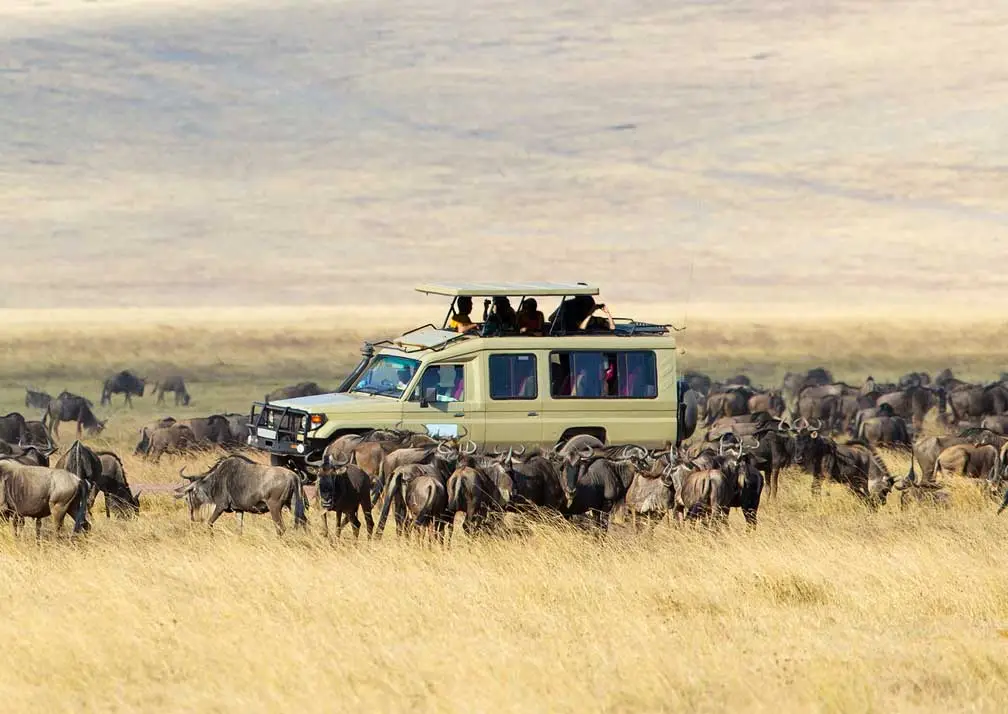
Great Migration Safaris
Experience one of nature's greatest spectacles with our Great Migration safari packages, timed for river crossings or calving.
View Package →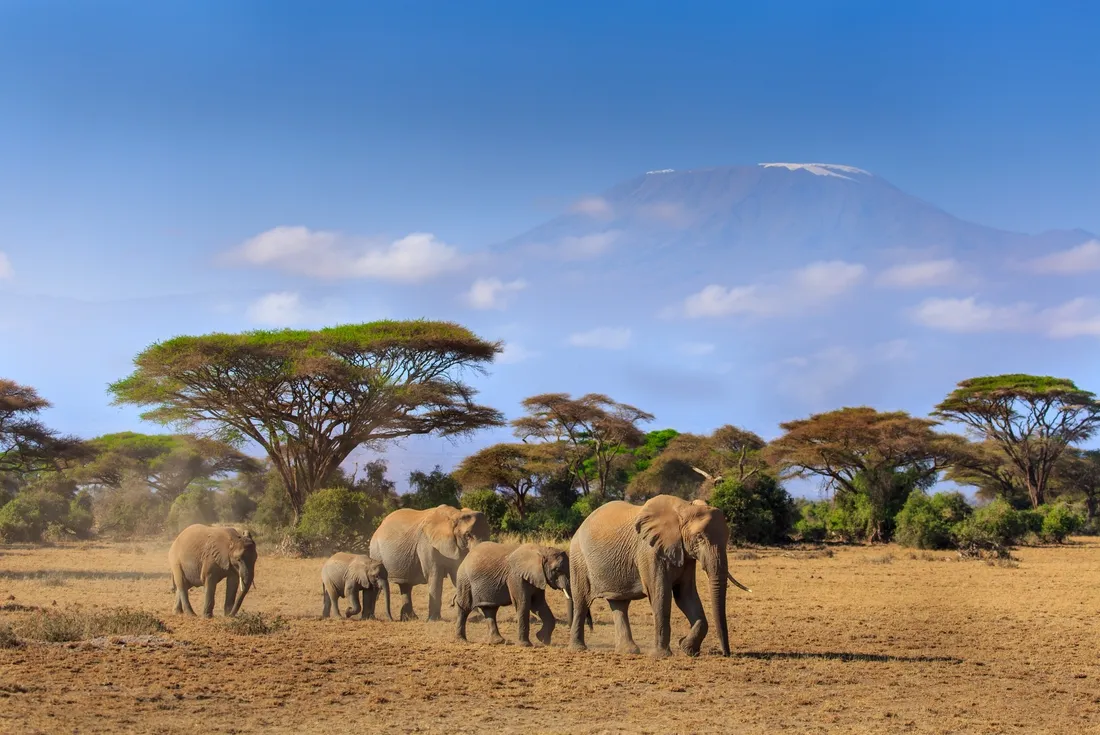
Serengeti & Kilimanjaro Trek
Combined safari and trekking tours offer wildlife adventures and Kilimanjaro climbs.
View Package →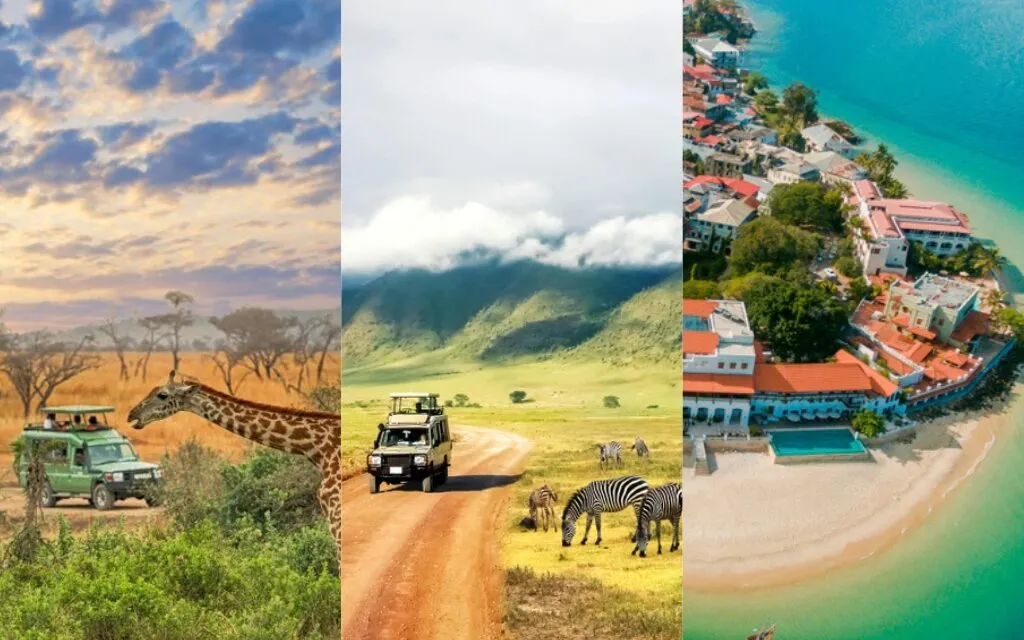
Serengeti & Zanzibar Tours
Luxury Tanzania safari & beach packages with the Great Migration and pristine beaches.
View Package →Related: Best Time to Visit Tanzania 2026 – Perfect safari extension after your Bolivia adventure.