
Most Complete Bosnia and Herzegovina Travel Guide 2026-2027 – Everything You Need to Know Before Visiting
This Bosnia and Herzegovina travel guide provides everything you need to plan your journey to one of Europe’s most fascinating and underrated destinations. Bosnia and Herzegovina offers an extraordinary blend of Ottoman heritage, Austro-Hungarian elegance, rugged Dinaric Alps, and living history that creates one of the continent’s most diverse travel experiences. Many travelers who want to travel to Bosnia and Herzegovina are surprised by the country’s incredible natural beauty, warm hospitality, and rich cultural tapestry spanning centuries of Roman, Ottoman, Austro-Hungarian and Yugoslav history. The nation covers just over 51,000 square kilometers, yet packs in dramatic mountain scenery, turquoise rivers, historic towns, and a vibrant capital that seamlessly blends East and West.
Start Reading the Full Guide ↓Quick Facts About Bosnia and Herzegovina
- Capital: Sarajevo.
- Currency: Convertible Mark (BAM/KM).
- Time Zone: Central European Time (CET, UTC+1).
- International Calling Code: +387.
- Driving Side: Right.
- Major Airports: Sarajevo International Airport (SJJ), Mostar (OMO), Banja Luka (BNX), Tuzla (TZL).
Bosnia and Herzegovina Overview & Key Facts
Brief History of Bosnia and Herzegovina
Bosnia and Herzegovina’s history spans millennia, from Illyrian tribes through Roman rule to medieval Bosnian kingdom. The Ottoman Empire ruled for over 400 years, leaving mosques, bridges and oriental architecture, while Austro-Hungarian rule from 1878 brought European-style buildings and infrastructure. This rich historical tapestry creates a fascinating backdrop for modern travelers exploring the country’s architectural treasures and cultural sites.
Independence & National Identity
- Independence date: March 1, 1992 (recognized April 6, 1992).
- Former part of: Yugoslavia.
- National symbols & identity.
Bosnia and Herzegovina declared independence from Yugoslavia in 1992, leading to the 1992–1995 war. The Dayton Agreement ended the conflict and created a complex but functioning state with two entities (Federation of Bosnia and Herzegovina and Republika Srpska). National identity is diverse, encompassing Bosniaks, Serbs, Croats and others living together.
Government System & Current Leadership
- Type of government: Parliamentary republic with rotating tripartite presidency
- Current presidency members: Denis Bećirović (Bosniak), Željka Cvijanović (Serb), Željko Komšić (Croat) – as of 2025
- Notes on political stability
The country has a unique system with a three-member presidency representing the main ethnic groups. Politics remain complex but stable for tourism, with no impact on visitors.
Population, Ethnic Groups & Languages
- Population: 3.23 million (2025 estimate).
- Major ethnic groups: Bosniaks (50.1%), Serbs (30.8%), Croats (15.4%).
- Official language(s): Bosnian, Serbian, Croatian (mutually intelligible).
- Additional languages commonly spoken.
English is widely spoken among younger generations and in tourism. German is common due to diaspora connections.
Main Religions & Cultural Identity
Islam (51%), Orthodox Christianity (31%), Roman Catholicism (15%). Religious tolerance is strong, with mosques, churches and synagogues often standing side-by-side in the same towns.
Geography & Natural Landscape
Bosnia and Herzegovina features dramatic Dinaric Alps, dense forests, turquoise rivers, and a tiny 20 km Adriatic coastline (Neum). The country has three distinct regions: Bosnia (north) with rolling hills, Herzegovina (south) with Mediterranean climate and karst landscape, and the central mountain belt.
Economy & Tourism Highlights
Tourism has grown rapidly since 2015, with visitors discovering affordable prices, pristine nature, and authentic hospitality. The country promotes adventure tourism, cultural heritage, and winter sports.
What Bosnia and Herzegovina Is Known For
- UNESCO sites: Mostar Old Bridge, Mehmed Paša Sokolović Bridge in Višegrad
- Olympic mountains (Sarajevo 1984 Winter Games)
- Rich blend of Ottoman, Austro-Hungarian and Yugoslav heritage
Visa & Entry Requirements in Bosnia and Herzegovina
Most international visitors enjoy visa-free entry for tourism. The visa policy is one of the most traveler-friendly in the region, with generous stays allowed for EU, US, UK, Canadian, Australian and many other passport holders.
Do You Need a Visa?
Citizens of EU, USA, UK, Canada, Australia, New Zealand, Japan, South Korea and most Latin American countries can enter visa-free for up to 90 days within any 6-month period.
Visa Application Options in Bosnia and Herzegovina
- Visa-free for most Western and many other nationalities
- Visa on arrival or e-Visa for some countries
- Embassy visa required for a small number of nationalities
Passport Validity & Entry Documents
Passport must be valid for at least 3 months beyond intended stay. Return ticket and proof of accommodation may be requested but rarely checked.
Customs Rules & Prohibited Items
Standard European rules. Up to €10,000 cash must be declared. No unusual restrictions.
Safety & Security Information in Bosnia and Herzegovina
Bosnia and Herzegovina is very safe for tourists. Violent crime is rare, and tourist areas are well-policed. The main concern is unmarked landmines in very remote rural areas – stick to marked paths.
Is Bosnia and Herzegovina Safe for Tourists?
Yes – one of Europe’s safest destinations. Pickpocketing occurs in crowded tourist spots, but violent crime against visitors is extremely rare.
Recommended Safety Tips when in Bosnia and Herzegovina
Stay on marked paths in rural areas (landmine risk is minimal in tourist zones). Normal big-city precautions in Sarajevo. Drink responsibly – local rakija is strong!
Safe Areas vs. Areas to Avoid in Bosnia and Herzegovina
All main tourist destinations are completely safe. No areas need to be avoided for security reasons.
Emergency Numbers & Tourist Police in Bosnia and Herzegovina
- Police: 122
- Fire: 123
- Ambulance: 124
- Road assistance: 1282
Health Requirements & Vaccinations in Bosnia and Herzegovina
No mandatory vaccinations. Standard European health precautions apply.
Mandatory Vaccinations in Bosnia and Herzegovina
None.
Recommended Vaccinations in Bosnia and Herzegovina
Routine vaccines. Hepatitis A and Tick-borne Encephalitis if extensive hiking in spring/summer.
Malaria & Other Risks
No malaria. Tap water safe in cities; bottled recommended in rural areas.
Travel Insurance Recommendations in Bosnia and Herzegovina
Highly recommended – covers winter sports, adventure activities and medical evacuation if needed.
Best Time to Visit in Bosnia and Herzegovina
May–June and September–October offer perfect weather, fewer crowds and lower prices. July–August is peak season; winter is magical for skiing.
Weather by Season
Spring and autumn: 15–25°C, perfect for sightseeing. Summer: 25–32°C. Winter: -5 to +5°C with heavy snow in mountains.
When to Visit Bosnia and Herzegovina for Best Experiences
- Rafting on Neretva/Una: May–September
- Hiking: June–October
- Skiing: December–March
- Sarajevo Film Festival: August
High Season vs. Low Season Travel
High season: July–August and December–February (skiing). Shoulder seasons offer best value and weather.
Weather & Climate Overview in Bosnia and Herzegovina
Continental climate in most of the country, Mediterranean in southern Herzegovina. Four distinct seasons with dramatic differences between regions.
Temperature Ranges
Sarajevo: -3°C winter to 28°C summer. Mostar: 5°C winter to 34°C summer.
Rainy & Dry Seasons in Bosnia and Herzegovina
Rainiest months: October–December. Driest: July–August.
What to Wear Based on the Weather
Layers! Comfortable walking shoes essential. Modest clothing for mosques.
Main Currency, Costs & Budgeting in Bosnia and Herzegovina
One of Europe’s most affordable destinations with excellent value for money.
Local Currency Information
Convertible Mark (BAM/KM) pegged 1:1 to Euro until 1998. Euro widely accepted.
Average Travel Costs in Bosnia and Herzegovina
Budget: €45–75/day. Mid-range: €80–140/day. Luxury: €150–300/day.
Using ATMs, Cards & Mobile Money in Bosnia and Herzegovina
ATMs everywhere. Cards accepted in hotels/restaurants; cash preferred in rural areas.
Tipping Guidelines in Bosnia and Herzegovina
10% in restaurants if service not included. Round up taxi fares.
Transportation & Getting Around in Bosnia and Herzegovina
Excellent bus network, improving trains, affordable car rental and domestic flights.
Airport Transfers
Sarajevo Airport: taxi (€12–15), airport shuttle, private transfers.
Local Transport Options in Bosnia and Herzegovina
Comfortable buses connect all cities. Trains scenic but slow. Taxis cheap and reliable.
Bosnia and Herzegovina Domestic Flights
Limited but available between Sarajevo, Mostar, Banja Luka and Tuzla.
Car Rentals & Road Conditions in Bosnia and Herzegovina
Roads generally good; mountain roads winding. International driving permit recommended.
Accommodation Options available in Bosnia and Herzegovina
Excellent boutique guesthouses, family-run pensions, modern hotels and mountain lodges.
Types of Accommodations in Bosnia and Herzegovina
Boutique hotels in historic buildings, family guesthouses, mountain huts, apartments.
Budget vs. Mid-Range vs. Luxury
Budget €25–45, mid-range €50–100, luxury €120+.
Best Areas to Stay in Bosnia and Herzegovina
Sarajevo: Baščaršija or city center. Mostar: old town. Jajce: near waterfalls.
Essential Packing Guide when Visiting Bosnia and Herzegovina
Pack for four seasons, cobblestone streets and outdoor activities.
Clothing Essentials
Layers, comfortable walking shoes, modest clothing for religious sites, swimwear for summer rivers.
Footwear & Gear
Good walking shoes essential. Hiking boots if planning mountain treks.
Electronics & Cameras
Standard European plugs (type C/F), 230V.
Toiletries & Personal Items
All available locally. Bring prescription medications.
Language & Communication in Bosnia and Herzegovina
English widely spoken in tourist areas. Locals appreciate basic phrases in local languages.
Main Languages Spoken in Bosnia and Herzegovina
Bosnian/Croatian/Serbian (same language). English common among youth.
Useful Phrases for Tourists
“Hvala” (thank you), “Molim” (please), “Dobar dan” (good day).
SIM Cards & Mobile Data used in Bosnia and Herzegovina
Cheap prepaid SIMs from BH Telecom, m:tel, HT Eronet. Excellent coverage.
Internet Availability & Wi-Fi in Bosnia and Herzegovina
Free Wi-Fi in most cafes, restaurants and accommodations.
Culture & Etiquette in Bosnia and Herzegovina
Famous for hospitality. Coffee culture is central to social life.
Bosnian Dress Code Expectations
Casual European dress. Modest clothing for mosques (headscarf provided if needed).
Social Etiquette & Respectful Behavior of Bosnia and Herzegovina
Accept offered coffee/tea. Remove shoes in homes. Greetings with handshake.
Photography Rules in Bosnia and Herzegovina
Generally fine. Ask permission when photographing people up close.
Important Cultural Dos & Don’ts in Bosnia and Herzegovina
Do accept hospitality. Don’t discuss war politics unless invited. Do try local rakija and cevapi.
Food, Water & Dining in Bosnia and Herzegovina
Delicious fusion of Ottoman, Mediterranean and Central European cuisines.
Bosnian Local Dishes to Try
Ćevapi, burek, dolma, japrak, klepe, baklava, tufahija, rakija.
Dietary Options in Bosnia and Herzegovina
Meat-heavy cuisine but vegetarian options improving. Halal widely available.
Drinking Water Safety
Tap water safe in cities. Mountain springs excellent.
Restaurant Etiquette
Tipping 10% if service not included. Meals are leisurely.
Top Attractions & Things to Do in Bosnia and Herzegovina
From Ottoman bridges to mountain waterfalls and war history tours.
Major Tourist Attractions in Bosnia and Herzegovina
- Stari Most (Mostar)
- Sarajevo old town & Tunnel of Hope
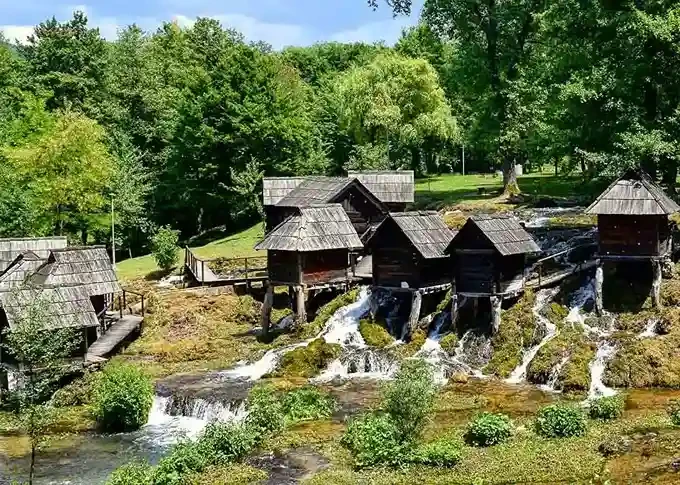
- Jajce waterfall & watermills
- Blagaj Tekke & Buna spring
Best Tours & Experiences in Bosnia and Herzegovina
Sarajevo siege tour, Mostar & Kravica waterfalls day trip, rafting on Neretva, hiking in Sutjeska NP.
Family-Friendly Activities to do in Bosnia and Herzegovina
Kravica waterfalls, Vrelo Bosne park, Sarajevo cable car, Una National Park.
Unique Cultural or Historical Sites to visit in Bosnia and Herzegovina
Bridge on the Drina (Višegrad), Počitelj medieval village, Travnik fortress, Stećci medieval tombstones (UNESCO).
Bosnian Electrical System Information
Standard European 230V, 50Hz, types C & F plugs.
Local Laws & Regulations of Bosnia and Herzegovina
Standard European laws. Respect war memorials and religious sites.
Final Travel Tips for Visitors in Bosnia and Herzegovina
Be open, accept coffee invitations, explore beyond Sarajevo and Mostar, and enjoy one of Europe’s warmest welcomes.
Frequently Asked Questions – Bosnia and Herzegovina Travel Guide 2026-2027
Our Tanzania Tours Products
While Bosnia and Herzegovina offers incredible Ottoman heritage, mountain adventures and European charm, many travelers combine the Balkans with the ultimate wildlife experience in East Africa. Capable Africa Tours specializes in secure, guided safaris that maximize safety and wonder. Our expert local guides, armed rangers in parks, and vetted accommodations ensure peace of mind. From family-friendly lodges to luxury camps, we handle logistics so you focus on the magic. Tanzania ranks high for tourist safety with dedicated wildlife protection units and stable northern circuits.
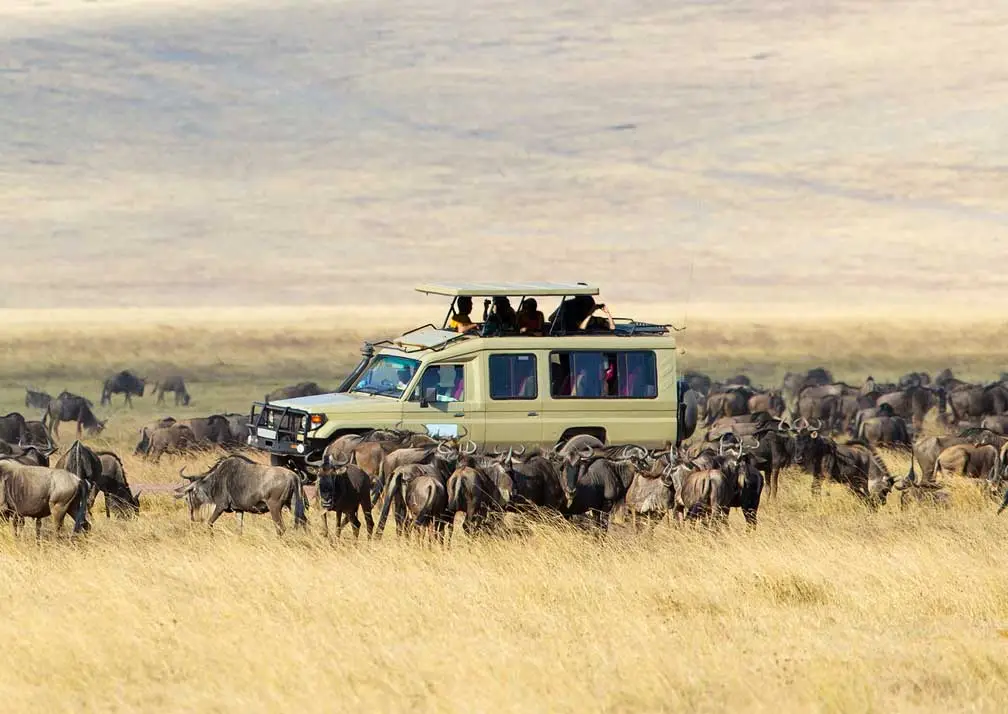
Great Migration Safaris
Experience one of nature's greatest spectacles with our Great Migration safari packages, timed for river crossings or calving.
View Package →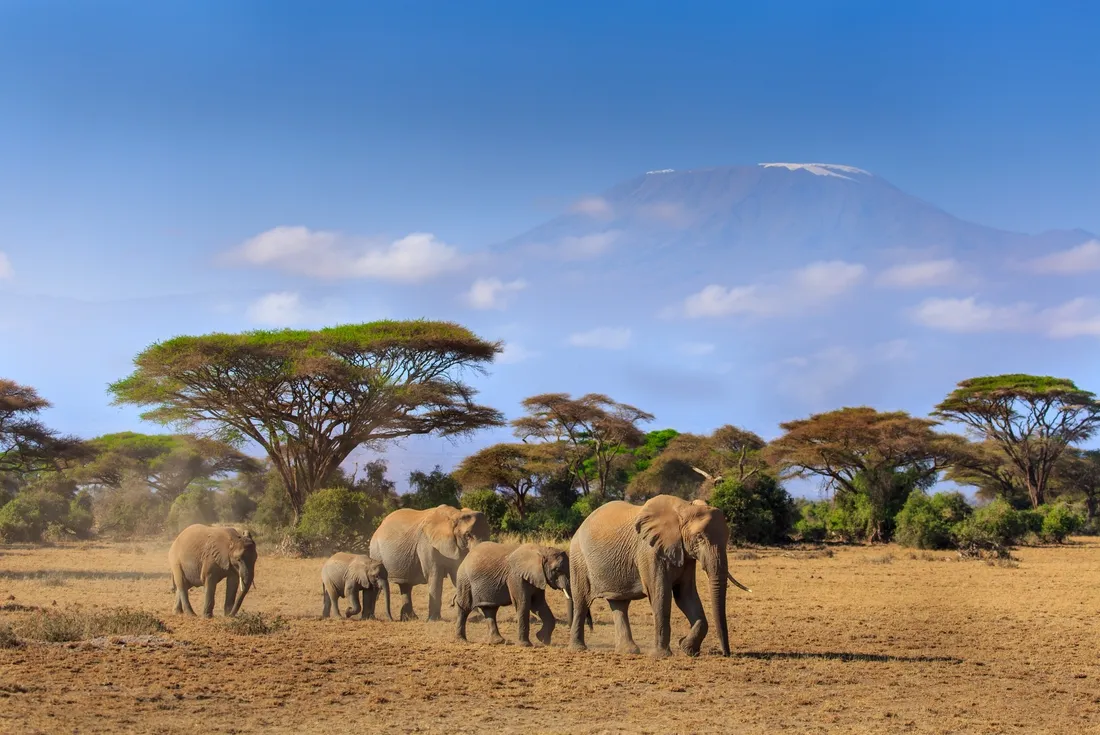
Serengeti & Kilimanjaro Trek
Combined safari and trekking tours offer wildlife adventures and Kilimanjaro climbs.
View Package →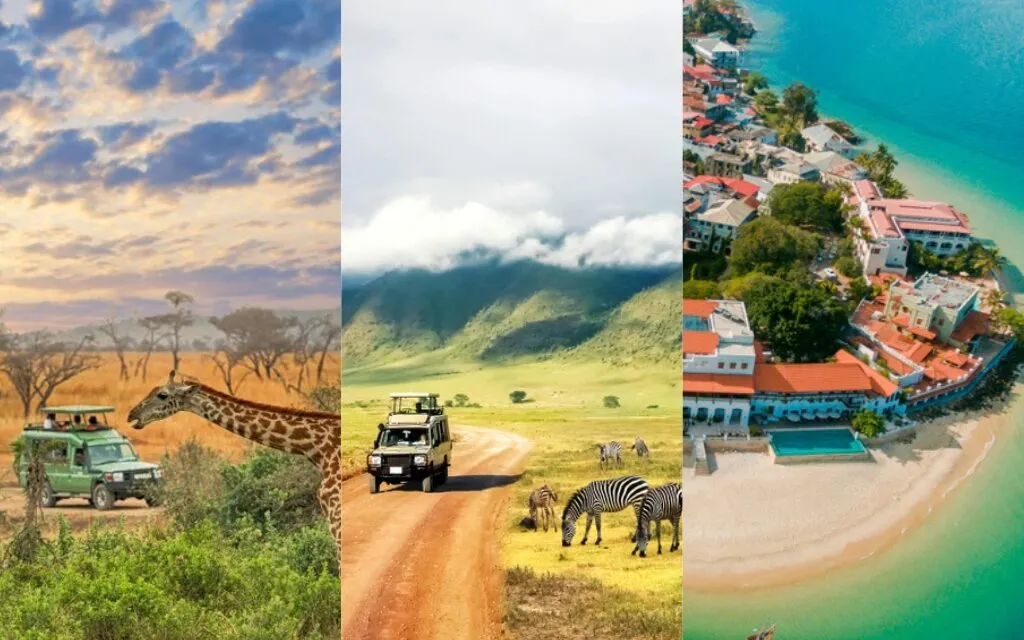
Serengeti & Zanzibar Tours
Luxury Tanzania safari & beach packages with the Great Migration and pristine beaches.
View Package →Related: Best Time to Visit Tanzania 2026 – Perfect safari extension after your Bosnia and Herzegovina adventure.