Most Complete Botswana Travel Guide 2026-2027 – Everything You Need to Know Before Visiting
This Botswana travel guide provides everything you need to plan your journey to one of Africa’s most exclusive safari destinations. Botswana is renowned for its pristine wilderness, vast wildlife populations, and commitment to low-volume, high-value tourism that protects its extraordinary natural heritage. Covering over 580,000 square kilometres with nearly 40% protected as national parks and reserves, Botswana offers unparalleled wildlife experiences in the Okavango Delta, Chobe National Park, and the endless salt pans of Makgadikgadi.
Start Reading the Full Guide ↓Quick Facts About Botswana
- Capital: Gaborone.
- Currency: Botswana Pula (BWP).
- Time Zone: Central Africa Time (CAT, UTC+2).
- International Calling Code: +267.
- Driving Side: Left.
- Major Airports: Sir Seretse Khama (GBE) Gaborone, Maun (MUB), Kasane (BBK).
Botswana Overview & Key Facts
Brief History of Botswana
Botswana’s modern history began as the British protectorate of Bechuanaland in 1885. Unlike many African nations, it avoided major conflict and transitioned peacefully to independence in 1966, becoming one of Africa’s most stable democracies. The discovery of diamonds shortly after independence funded infrastructure and conservation, turning Botswana into a middle-income country with one of the world’s highest economic growth rates over decades.
Independence & National Identity
- Independence date: September 30, 1966.
- Former colonial power: United Kingdom (as Bechuanaland Protectorate).
- National symbols & identity.
Botswana gained independence peacefully under Sir Seretse Khama, the country’s first president. The national motto “Pula” (rain) reflects the preciousness of water in this arid land. The flag’s blue represents water, black and white stripes symbolise racial harmony and the zebra, Botswana’s national animal.
Government System & Current Leadership
- Type of government: Parliamentary Republic
- Current president: Mokgweetsi Masisi (since 2019)
- Notes on political stability
Botswana is widely regarded as Africa’s most enduring democracy with peaceful transitions of power since independence. It consistently ranks as one of the least corrupt countries in Africa and maintains strong institutions and political stability.
Population, Ethnic Groups & Languages
- Population: 2.6 million (2025 estimate).
- Major ethnic groups: Tswana (79%), Kalanga, Basarwa (San), and others.
- Official language(s): English and Setswana.
- Additional languages commonly spoken.
English is the official language and widely used in business and tourism. Setswana is the national language spoken by the majority. In safari camps and lodges, staff speak excellent English, and many guides are multilingual.
Main Religions & Cultural Identity
Approximately 70% of Batswana are Christian, with a growing number of indigenous beliefs and a small Muslim minority. Traditional values of “Botho” (respect, community, humility) shape social interactions. Visitors experience warm hospitality and a relaxed pace of life.
Geography & Natural Landscape
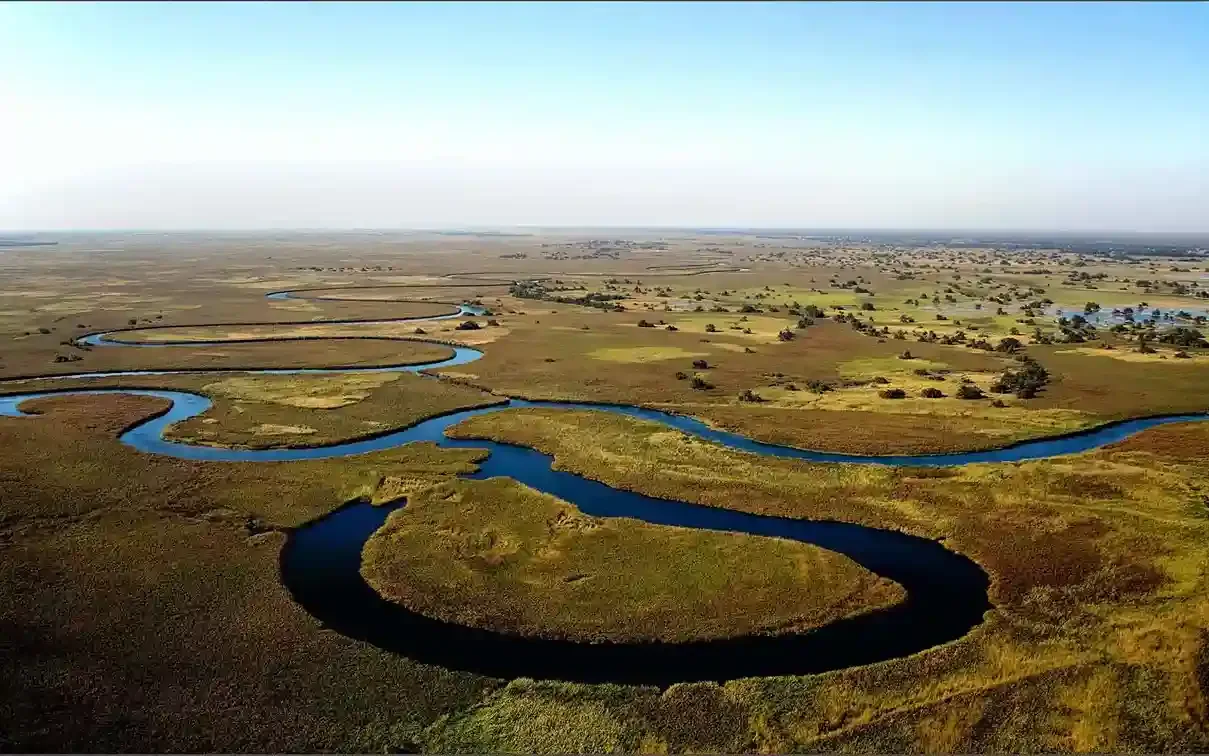
Botswana is landlocked and dominated by the Kalahari Desert (covering 80% of the country). The northwest features the world-famous Okavango Delta – the largest inland delta on earth – while the north has the Chobe and Linyanti river systems. Vast salt pans dominate the centre, creating surreal landscapes.
Economy & Tourism Highlights
Diamonds remain the backbone, but tourism is the second-largest sector. Botswana pioneered the “high-value, low-volume” tourism model, limiting visitor numbers to protect wilderness areas. This results in exclusive experiences and some of the highest per-day safari costs in Africa – but also unmatched quality and privacy.
What Botswana Is Known For
- Okavango Delta – UNESCO World Heritage Site and one of the Seven Natural Wonders of Africa
- Huge elephant populations in Chobe National Park
- Meerkats and ancient baobabs of Makgadikgadi Pans
- San Bushmen cultural experiences in the Kalahari
Visa & Entry Requirements in Botswana
Botswana has one of the most visitor-friendly visa policies in Africa. Citizens of most Commonwealth countries, EU nations, USA, Canada, Australia, New Zealand, Japan, South Korea and many others receive 90 days visa-free on arrival. A few nationalities require visas in advance.
Do You Need a Visa?
Most tourists do NOT need a visa and receive a free 90-day entry stamp on arrival. Always check the latest requirements on the official Botswana government immigration website or with your nearest embassy.
Visa Application Options in Botswana
- Visa-free on arrival for 90+ nationalities
- Visa on arrival for some countries
- Pre-arranged visa for restricted nationalities
Passport Validity & Entry Documents
Passport must be valid for 6 months beyond intended stay with at least 2 blank pages. Return/onward ticket and proof of sufficient funds/accommodation may be requested.
Customs Rules & Prohibited Items
Strict rules on fresh produce/meat to protect agriculture. Drones require pre-approval. No restrictions on currency declaration but amounts over USD 10,000 equivalent must be declared.
Safety & Security Information in Botswana
Botswana is consistently ranked as one of Africa’s safest destinations with low crime rates, stable politics and excellent tourist infrastructure.
Is Botswana Safe for Tourists?
Yes – extremely safe. Violent crime against tourists is rare. Most visits are trouble-free. The government prioritises tourist protection with dedicated tourism police units.
Recommended Safety Tips when in Botswana
Follow camp/lodge safety briefings (especially regarding wildlife), never walk alone at night outside fenced camps, use registered guides for mobile safaris, drink only bottled water in rural areas, and take malaria prophylaxis in northern regions.
Safe Areas vs. Areas to Avoid in Botswana
All major tourist areas (Okavango, Chobe, Moremi, Makgadikgadi, Central Kalahari) are very safe. Gaborone and Maun have typical urban precautions. No significant no-go zones for tourists.
Emergency Numbers & Tourist Police in Botswana
- Police/Emergency: 999
- Ambulance/Fire: 997 or 998
- Tourist Police: Available in Maun and Kasane
Health Requirements & Vaccinations in Botswana
No mandatory vaccinations except yellow fever certificate if arriving from an endemic country. Malaria risk exists in northern areas (Okavango, Chobe) November–June.
Mandatory Vaccinations in Botswana
Yellow fever certificate only if arriving from endemic zones.
Recommended Vaccinations in Botswana
Hepatitis A, Typhoid, routine boosters. Malaria prophylaxis strongly recommended for northern safari areas during wet season.
Malaria & Other Risks
Malaria present in north (low risk in winter). Use insect repellent, sleep under nets in unfenced camps, take prophylactics. Excellent medical facilities in Gaborone and Maun; flying doctor service for remote areas.
Travel Insurance Recommendations in Botswana
Essential – must cover emergency medical evacuation (common via air from remote camps). Many lodges require proof of comprehensive insurance including evacuation coverage.
Best Time to Visit in Botswana
May to October (dry winter season) offers the best wildlife viewing as animals concentrate around permanent water. June–September coincides with peak flood in the Okavango Delta.
Weather by Season
Dry season (May–Oct): cool nights, warm days, excellent game viewing. Wet season (Nov–Apr): lush green landscapes, migrant birds, fewer tourists, lower rates.
When to Visit Botswana for Best Experiences
- Peak wildlife: June–October
- Okavango flooding: June–September
- Green season/birding: December–March
- Zebra migration: December–April (Makgadikgadi)
High Season vs. Low Season Travel
High season: June–October (peak rates). Shoulder/low season: November–May (significant discounts, fewer crowds, lush scenery).
Weather & Climate Overview in Botswana
Semi-arid climate with distinct wet (Nov–Apr) and dry (May–Oct) seasons. Winter nights can drop below freezing in the Kalahari.
Temperature Ranges
Winter (Jun–Aug): 25°C day / 0–5°C night. Summer (Dec–Feb): 33–40°C day / 19–22°C night.
Rainy & Dry Seasons in Botswana
Rainy season: November–March (short afternoon thunderstorms). Dry season: virtually no rain May–October.
What to Wear Based on the Weather
Neutral colours (beige, khaki, green), layers for cold mornings/evenings, sun hat, good binoculars, waterproof bag cover for green season.
Main Currency, Costs & Budgeting in Botswana
Botswana operates a high-value tourism model – expect premium pricing but exceptional quality and exclusivity.
Local Currency Information
Botswana Pula (BWP). USD widely accepted at lodges for tips/extras. Credit cards accepted at most camps.
Average Travel Costs in Botswana
Mid-range mobile safari: $400–600 pp/day all-inclusive. Luxury lodge: $800–2,000+ pp/day in high season. Self-drive camping: $150–250 pp/day.
Using ATMs, Cards & Mobile Money in Botswana
ATMs widely available in towns. Visa/Mastercard accepted at lodges. Cash needed for tips and small purchases.
Tipping Guidelines in Botswana
Guides/trackers: $10–20 pp/day. Camp staff: $10 pp/day (placed in communal box). Transfer drivers: $5–10.
Transportation & Getting Around in Botswana
Most visitors fly between camps (light aircraft transfers included in packages). Self-drive and mobile safaris also popular.
Airport Transfers
Maun and Kasane are main gateways. Light aircraft transfers to camps included in most packages.
Local Transport Options in Botswana
Self-drive 4x4 very popular. Excellent road network between major towns. Game viewing in parks requires 4x4.
Botswana Domestic Flights
Extensive light-aircraft network between camps (Mack Air, Moremi Air). Scenic and time-saving.
Car Rentals & Road Conditions in Botswana
4x4 rental widely available in Maun/Kasane. Tar roads excellent; gravel roads well-maintained but require care.
Accommodation Options available in Botswana
From luxury lodges to mobile tented camps and self-drive campsites – huge variety.
Types of Accommodations in Botswana
Luxury lodges, mobile tented camps, permanent tented camps, meru-style tents, campsites.
Budget vs. Mid-Range vs. Luxury
Budget camping: $30–80 pp/n. Mid-range mobile: $400–600 pp/n all-inc. Luxury: $800–3,000+ pp/n.
Best Areas to Stay in Botswana
Okavango Delta (Moremi, private concessions), Chobe Riverfront, Linyanti/Savute, Makgadikgadi Pans, Central Kalahari.
Essential Packing Guide when Visiting Botswana
Neutral-coloured clothing, binoculars, camera, power bank, insect repellent, sun protection.
Clothing Essentials
Long-sleeved shirts/pants in neutral colours, fleece for winter mornings, waterproof jacket (green season).
Footwear & Gear
Comfortable closed shoes, sandals, gaiters (green season), headlamp, binoculars (essential).
Electronics & Cameras
Botswana uses Type D, G, M plugs (British/South African). 220-240V. Bring adapters and power banks.
Toiletries & Personal Items
High-DEET repellent, sunscreen SPF50+, malaria prophylaxis, personal medication.
Language & Communication in Botswana
English is the official language and universally spoken in tourism areas.
Main Languages Spoken in Botswana
English (official), Setswana (national). All guides and lodge staff speak fluent English.
Useful Phrases for Tourists
“Dumela” (hello), “Rra/Mma” (respectful sir/madam), “Ke a leboga” (thank you).
SIM Cards & Mobile Data used in Botswana
Orange, Mascom, BTC. Good coverage in towns and surprisingly good in many parks.
Internet Availability & Wi-Fi in Botswana
Wi-Fi available at most lodges (bandwidth-limited). Some luxury camps now offer in-room Wi-Fi.
Culture & Etiquette in Botswana
Polite, reserved culture based on “Botho” (humanity/respect).
Botswana Dress Code Expectations
No strict code. Neutral colours for game viewing. Smart-casual in cities.
Social Etiquette & Respectful Behavior of Botswana
Use “Rra” (sir) and “Mma” (madam) when addressing people. Accept tea/coffee when offered.
Photography Rules in Botswana
Ask permission before photographing people (especially San communities). No restrictions in parks.
Important Cultural Dos & Don’ts in Botswana
Do greet people properly. Don’t point with finger (use whole hand). Do remove hats when speaking to elders.
Food, Water & Dining in Botswana
Excellent camp cuisine – often gourmet standard.
Botswana Local Dishes to Try
Seswaa (pounded beef), bogobe (porridge), morogo (wild spinach), mopane worms, game meat.
Dietary Options in Botswana
Most camps cater excellently for vegetarian, vegan, gluten-free, etc. (notify in advance).
Drinking Water Safety
Bottled water provided everywhere. Tap water safe in towns and lodges.
Restaurant Etiquette
Meals usually communal at lodges. Tipping handled via staff fund.
Top Attractions & Things to Do in Botswana
Okavango Delta (mokoro, walking safaris), Chobe elephant viewing, Makgadikgadi zebra migration, San cultural experiences.
Major Tourist Attractions in Botswana
- Okavango Delta (UNESCO)
- Chobe National Park
- Moremi Game Reserve
- Makgadikgadi Pans National Park
Best Tours & Experiences in Botswana
Mokoro excursions, walking safaris, night drives, meerkat encounters, San bushman walks, scenic flights.
Family-Friendly Activities to do in Botswana
Many lodges are extremely family-friendly with kids’ programs, private vehicles, and child-minded activities.
Unique Cultural or Historical Sites to visit in Botswana
Tsodilo Hills (UNESCO rock art), San Bushmen cultural villages, baobab avenues.
Botswana Electrical System Information
230V, 50Hz. Plugs D, G, M (British/South African style).
Plug Types & Voltage used in Botswana
Types D, M, G. Bring universal adapter.
Charging Tips
Many camps have charging stations in main area and in-room options. Solar power common.
Local Laws & Regulations of Botswana
Plastic bag ban (no single-use plastics). Strict anti-poaching laws. Homosexuality legalised in 2019.
Rules Travelers Need to Know when In Botswana
No plastic bags allowed. Drone permits required. No off-road driving in parks.
Alcohol, Smoking & Substance Laws of Botswana
All recreational drugs illegal. Alcohol freely available.
Restricted or Protected Areas in Botswana.
All national parks require permits/bookings. Some private concessions restrict access to lodge guests only.
Final Travel Tips for Visitors in Botswana
Book well in advance (especially high season). Pack neutral colours. Bring good binoculars. Take malaria prophylaxis if visiting north in summer.
Common Mistakes to Avoid
Under-estimating how far apart camps are. Trying to see everything in one trip. Forgetting binoculars.
Tips to Save Money when Visiting Botswana
Travel green season (Nov–May). Choose mobile camping safaris. Visit shoulder months (April/May/Oct).
Safety & Comfort Tips
Listen to your guide at all times. Stay in vehicle unless instructed. Never walk alone at night.
Frequently Asked Questions – Botswana Travel Guide 2026-2027
Our Tanzania Tours Products
Botswana offers Africa’s most exclusive safari experience. Many travellers combine it with the classic northern Tanzania circuit (Serengeti, Ngorongoro, Tarangire) for the ultimate wildlife journey. Capable Africa Tours specialises in seamless multi-country safaris.
Great Migration Safaris
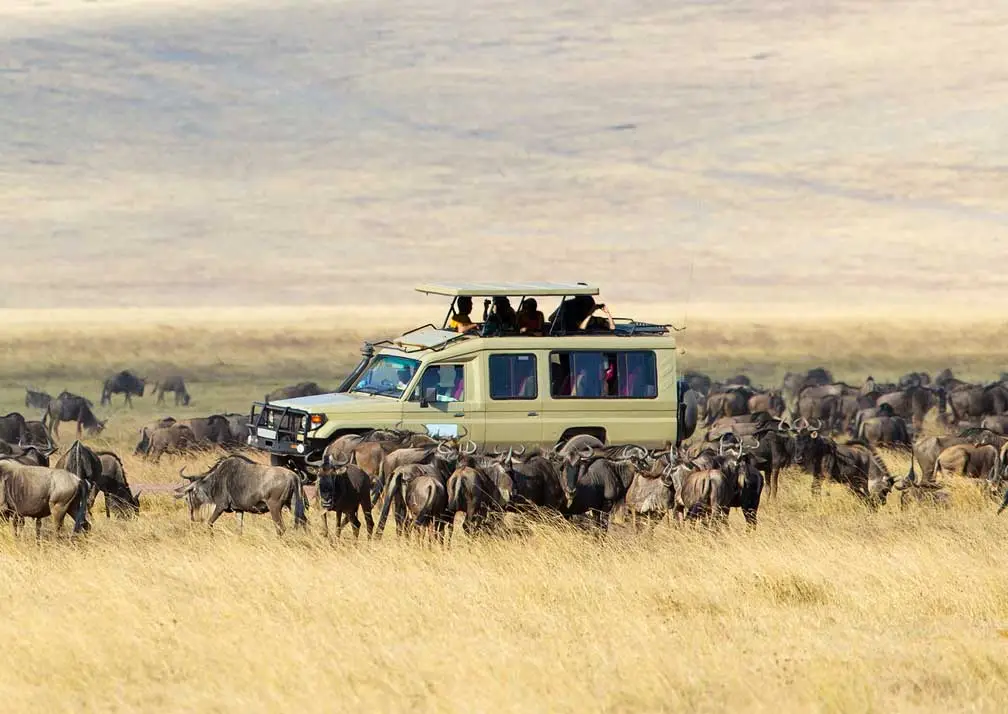
Experience one of nature's greatest spectacles with our Great Migration safari packages, timed for river crossings or calving.
View Package →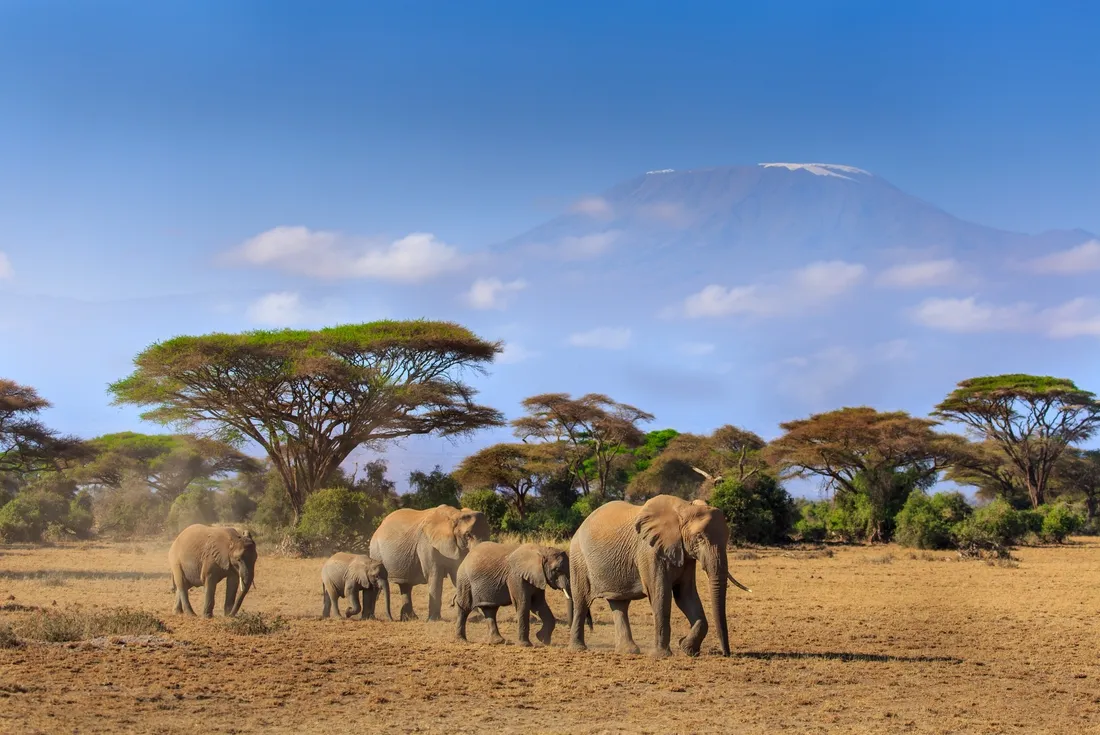
Serengeti & Kilimanjaro Trek
Combined safari and trekking tours offer wildlife adventures and Kilimanjaro climbs.
View Package →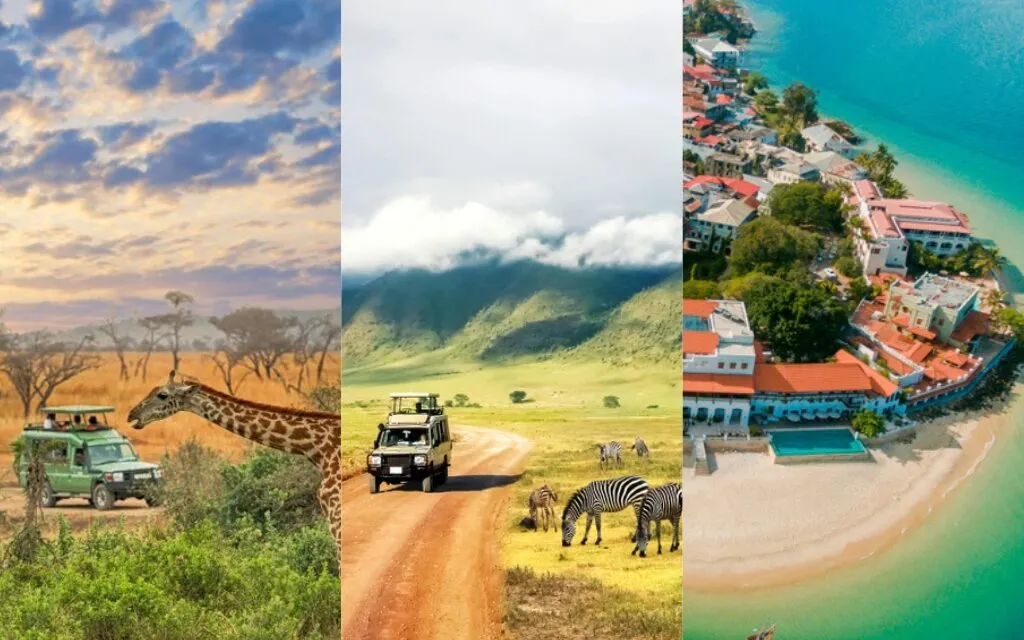
Serengeti & Zanzibar Tours
Luxury Tanzania safari & beach packages with the Great Migration and pristine beaches.
View Package →Related: Best Time to Visit Tanzania 2026 – Perfect combination after your exclusive Botswana safari.