
Most Complete Brazil Travel Guide 2026-2027 – Everything You Need to Know Before Visiting
This Brazil travel guide provides everything you need to plan your journey to South America's largest country. Brazil offers an extraordinary blend of Amazon rainforest, Atlantic beaches, vibrant cities, and rich cultural heritage spanning Indigenous, African, Portuguese, and immigrant influences. The nation covers over 8.5 million square kilometers, making it the fifth-largest country globally, offering visitors everything from the thundering Iguazu Falls to the iconic Christ the Redeemer statue and the world-famous Carnival celebrations.
Start Reading the Full Guide ↓Quick Facts About Brazil
- Capital: Brasília.
- Currency: Brazilian Real (BRL).
- Time Zone: Multiple (Brasília Time BRT, UTC-3; Amazon UTC-4; Fernando de Noronha UTC-2).
- International Calling Code: +55.
- Driving Side: Right.
- Major Airports: Guarulhos (São Paulo), Galeão (Rio), Brasília International.
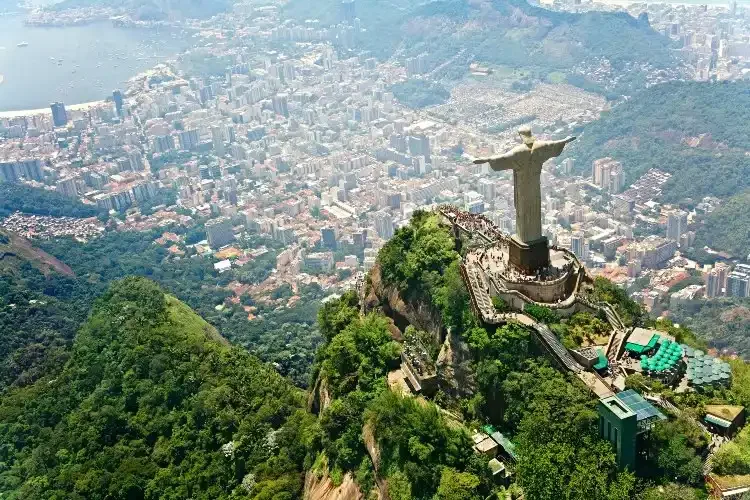
Brazil Overview & Key Facts
Brief History of Brazil
Brazil's history begins with Indigenous nations, followed by Portuguese colonization in 1500. The country became the seat of the Portuguese Empire in 1808 when the royal family fled Napoleon, and gained independence in 1822. The abolition of slavery in 1888 and the proclamation of the Republic in 1889 shaped modern Brazil. This rich historical tapestry creates a fascinating backdrop for travelers exploring colonial towns, Afro-Brazilian culture, and modern metropolises.
Independence & National Identity
- Independence date: September 7, 1822.
- Former colonial power: Portugal.
- National symbols & identity.
Brazil declared independence peacefully under Dom Pedro I. The green and yellow flag with the blue globe and stars represents the Southern Cross constellation and the night sky over Rio on independence night. Brazilian identity celebrates diversity – Indigenous, African, European, and Asian influences blend in music, food, and festivals.
Government System & Current Leadership
- Type of government: Presidential Federal Republic
- Current president: Luiz Inácio Lula da Silva (since January 2023)
- Notes on political stability
Brazil is a democratic federal republic with regular elections. Political polarization exists but does not affect tourist areas. Travelers should avoid political demonstrations and stay informed through reliable sources.
Population, Ethnic Groups & Languages
- Population: 219 million (2025 estimate).
- Major ethnic groups: Mixed (47%), White (43%), Black (8%), Indigenous/Asian.
- Official language(s): Portuguese.
- Additional languages commonly spoken.
Portuguese is the only official language. English and Spanish are understood in tourist areas; Indigenous languages persist in the Amazon. Brazil is the world's largest Portuguese-speaking nation.
Main Religions & Cultural Identity
Brazil is the world's largest Catholic country (approx. 65%), with a rapidly growing Evangelical population (30%). Afro-Brazilian religions (Candomblé, Umbanda) thrive, especially in Bahia. The country is known for religious syncretism and tolerance. Carnival and football are secular “religions” uniting the nation.
Geography & Natural Landscape
Brazil features the Amazon rainforest (60% of its territory), the Pantanal wetlands (world’s largest), Atlantic beaches, the Brazilian Highlands, and the Iguaçu Falls. The country has five climate zones: equatorial, tropical, semi-arid, highland tropical, and subtropical.
Economy & Tourism Highlights
Brazil is Latin America’s largest economy. Tourism contributes significantly, with 2026 projected to welcome over 8 million international visitors. Infrastructure improvements for the 2014 World Cup and 2016 Olympics continue to benefit travelers.
What Brazil Is Known For
- Rio Carnival – world’s biggest party
- Amazon Rainforest & biodiversity
- Iguazu Falls (UNESCO)
- Christ the Redeemer & Sugarloaf Mountain
- Samba, bossa nova, caipirinha
Visa & Entry Requirements in Brazil
Most Western nationalities enjoy visa-free entry for tourism (90 days, extendable). Some countries require e-Visa or traditional visa. Requirements change frequently – always verify with official sources before booking.
Do You Need a Visa?
Citizens of USA, Canada, Australia, Japan, EU, UK, and most Latin American countries enter visa-free for up to 90 days (extendable once). Check the Brazilian Ministry of Foreign Affairs website for your nationality.
Visa Application Options in Brazil
- Visa-free entry on arrival
- e-Visa (for eligible nationalities)
- Embassy visa (for restricted nationalities)
e-Visa is fast (48-72 hours) and costs around USD 80 + fees.
Passport Validity & Entry Documents
Passport must be valid for 6 months beyond entry date. Return/onward ticket may be requested. Yellow fever vaccination certificate required if coming from endemic countries or visiting Amazon/Pantanal.
Customs Rules & Prohibited Items
USD 10,000+ must be declared. Fresh food, plants, and animal products restricted. Drones require prior authorization from ANAC and ANATEL.
Safety & Security Information in Brazil
Tourist areas are generally safe with common-sense precautions. Violent crime exists but rarely affects tourists who avoid risky areas.
Is Brazil Safe for Tourists?
Yes in tourist zones of Rio (Copacabana, Ipanema, Leblon), São Paulo (Jardins, Avenida Paulista), Salvador (Pelourinho by day), Foz do Iguaçu, and Amazon lodges. Avoid favelas unless on reputable guided tours.
Recommended Safety Tips when in Brazil
Use Uber/99 instead of street taxis after dark, don’t wear expensive jewelry, keep phone/camera discreet, use hotel safes, avoid isolated beaches at night, and don’t resist in case of robbery (entregue tudo).
Safe Areas vs. Areas to Avoid in Brazil
Safe: Rio’s Zona Sul, São Paulo’s main neighborhoods, Florianópolis, Fernando de Noronha, Bonito. Caution: North and Northeast city outskirts, some favelas, bus stations at night.
Emergency Numbers & Tourist Police in Brazil
- Police: 190.
- Medical Emergency: 192.
- Tourist Police (DEAT Rio): +55 21 2332-2924.
Tourist police units in Rio, São Paulo, and Salvador speak English.
Health Requirements & Vaccinations in Brazil
Yellow fever vaccination is mandatory for Amazon, Pantanal, and some central states. Other vaccines recommended.
Mandatory Vaccinations in Brazil
Yellow fever certificate required if arriving from endemic countries or visiting risk areas (Amazon, Pantanal, Iguaçu).
Recommended Vaccinations in Brazil
Hepatitis A & B, Typhoid, Rabies (for extended travel), routine vaccines. Malaria prophylaxis for deep Amazon.
Malaria & Other Risks
Malaria risk in Amazon region (take prophylaxis). Dengue, Zika, and Chikungunya present nationwide – use repellent. Drink bottled water in rural areas.
Travel Insurance Recommendations in Brazil
Strongly recommended – covers medical evacuation (expensive in remote Amazon), theft, and trip cancellation. Many policies include Carnival coverage.
Best Time to Visit in Brazil
Brazil is a year-round destination, but timing depends on regions and events.
Weather by Season
Summer (Dec–Mar): hot and rainy in Rio/São Paulo, peak Carnival season. Winter (Jun–Sep): cooler and drier in south, best wildlife viewing in Pantanal, low-water Amazon season.
When to Visit Brazil for Best Experiences
- Carnival: February/March
- Pantanal wildlife: July–October
- Amazon low water (beaches): July–November
- Rio beaches: December–March
High Season vs. Low Season Travel
High season: December–March (summer + Carnival). Low season: April–June & September–November (shoulder, cheaper flights/hotels).
Weather & Climate Overview in Brazil
Brazil spans equatorial, tropical, and subtropical climates.
Temperature Ranges
Rio: 22–32°C year-round. Amazon: 25–35°C with high humidity. South (Florianópolis): 12–28°C.
Rainy & Dry Seasons in Brazil
Rainy season: December–April (Rio/SE), January–May (Amazon). Dry season: June–October (most of Brazil).
What to Wear Based on the Weather
Light clothing, flip-flops, swimsuits for coast. Long sleeves/pants + insect repellent for Amazon. Light jacket for southern winter evenings.
Main Currency, Costs & Budgeting in Brazil
Brazilian Real (BRL). ATMs and cards widely accepted.
Local Currency Information
Banknotes 2, 5, 10, 20, 50, 100, 200 BRL. Coins 5, 10, 25, 50 centavos and 1 BRL.
Average Travel Costs in Brazil
Budget: $60–100/day; mid-range $120–250/day; luxury (Carnival, Amazon lodges) $400–800+/day.
Using ATMs, Cards & Mobile Money in Brazil
ATMs everywhere (Banco24Horas, Bradesco). Visa/Mastercard accepted almost everywhere in cities. Pix (instant bank transfer) revolutionizing payments – even street vendors use it.
Tipping Guidelines in Brazil
Restaurants: 10% service charge usually included (extra tip optional). Bars: round up or 10%. Taxis/Uber: not expected. Tour guides: R$50–100/day per person.
Transportation & Getting Around in Brazil
Domestic flights essential for long distances. Uber/99 excellent in cities.
Airport Transfers
Uber/99 cheapest and safest. Official airport taxis available. Some cities have airport buses and metro.
Local Transport Options in Brazil
Uber/99, metro (Rio, São Paulo, Recife), buses (cheap but crowded), Blablacar for intercity.
Brazil Domestic Flights
GOL, LATAM, Azul dominate. Book early for Carnival/peak season. Flights Rio–Manaus or São Paulo–Salvador save 20+ hours vs. bus.
Car Rentals & Road Conditions in Brazil
Rental cars available at airports. International license recommended. Toll roads good; rural roads vary. Avoid night driving outside cities.
Accommodation Options available in Brazil
From hostels to 5-star resorts and Amazon jungle lodges.
Types of Accommodations in Brazil
Hostels, pousadas, hotels, Airbnb, jungle lodges, beach resorts.
Budget vs. Mid-Range vs. Luxury
Budget: R$80–200/night; mid-range R$250–600; luxury R$800–3,000+ (especially Carnival and New Year’s).
Best Areas to Stay in Brazil
Rio: Ipanema/Leblon, Copacabana, Santa Teresa. São Paulo: Jardins, Vila Madalena. Salvador: Pelourinho (day), Barra/Ondina (night). Amazon: lodge-based.
Essential Packing Guide when Visiting Brazil
Light clothing, insect repellent, sun protection, and rain jacket.
Clothing Essentials
Swimsuits, flip-flops, light fabrics, long sleeves/pants for evenings and Amazon, modest attire for churches.
Footwear & Gear
Comfortable sandals, sneakers, water shoes for Amazon. Universal adapter (Brazil uses Types N and C).
Electronics & Cameras
Brazil uses 127V or 220V (check city). Bring power bank and waterproof phone case for boats/beaches.
Toiletries & Personal Items
High-DEET repellent, sunscreen, anti-diarrhea meds, Portuguese phrasebook.
Language & Communication in Brazil
Portuguese only official language, but tourist areas manage with English/Spanish.
Main Languages Spoken in Brazil
Brazilian Portuguese (differs from European). English common in hotels and tourist attractions.
Useful Phrases for Tourists
“Oi” (hi), “Por favor” (please), “Obrigado/a” (thank you), “Quanto custa?” (how much?), “Fala inglês?” (do you speak English?)
SIM Cards & Mobile Data used in Brazil
Vivo, Claro, TIM. Buy at airports or shopping malls with passport. eSIM options growing.
Internet Availability & Wi-Fi in Brazil
Free Wi-Fi in most hotels, malls, restaurants. 4G/5G coverage excellent in cities.
Culture & Etiquette in Brazil
Brazilians are warm, physical, and informal.
Brazilian Dress Code Expectations
Casual and colorful. Beachwear only on the beach. No shoes inside homes. Modest attire in churches.
Social Etiquette & Respectful Behavior of Brazil
Cheek-kissing (one or two depending on region), arrive 30 min late to parties, use “Você” in informal settings.
Photography Rules in Brazil
Ask permission before photographing people, especially Indigenous communities. No restrictions on landmarks.
Important Cultural Dos & Don’ts in Brazil
Do: accept coffee when offered, use both hands or right hand to give/receive. Don’t: make the “OK” hand gesture (it’s offensive), discuss politics passionately with strangers.
Food, Water & Dining in Brazil
Amazing variety: feijoada, churrasco, açaí, pão de queijo, seafood.
Brazilian Local Dishes to Try
Feijoada (Saturday national dish), picanha steak, moqueca, brigadeiro, coxinha, pastel, açaí na tigela.
Dietary Options in Brazil
Gluten-free (many places), vegetarian/vegan growing fast in cities. Pork-free options easy.
Drinking Water Safety
Tap water safe in most cities (São Paulo, Rio, Brasília). Bottled water preferred elsewhere.
Restaurant Etiquette
10% service usually included. “Couvert” charge for bread/table service optional. Meals are long and social.
Top Attractions & Things to Do in Brazil
From natural wonders to vibrant cities.
Major Tourist Attractions in Brazil
- Rio de Janeiro (Christ the Redeemer, Sugarloaf, beaches)
- Iguazu Falls (UNESCO)
- Amazon Rainforest
- Salvador & Pelourinho (UNESCO)
- Pantanal wetlands
Best Tours & Experiences in Brazil
Carnival VIP tickets, Amazon river cruises, favela tours (reputable operators), helicopter over Rio, hang-gliding, Chapada Diamantina trekking.
Family-Friendly Activities to do in Brazil
Beaches, Beto Carrero World, Praia do Rosa dolphin watching, Bonito snorkeling, Projeto Tamar turtle conservation.
Unique Cultural or Historical Sites to visit in Brazil
Ouro Preto (colonial gold town), Olinda, São Miguel das Missões Jesuit ruins, Afro-Brazilian museums in Salvador.
Brazilian Electrical System Information
Voltage varies by city (127V or 220V – check your hotel).
Plug Types & Voltage used in Brazil
Type N (three round pins) official since 2010, but Type C still common. 127V or 220V – 60Hz.
Charging Tips
Bring Type N + Type C adapter. Check voltage before plugging high-power devices.
Local Laws & Regulations of Brazil
Tourism-friendly but some unique rules.
Rules Travelers Need to Know when In Brazil
Yellow fever certificate for Amazon, no drones without authorization, no photographing military/police, legal drinking age 18.
Alcohol, Smoking & Substance Laws of Brazil
Alcohol legal and widely available. Open-container laws relaxed. Cannabis illegal (decriminalized for personal use). Smoking banned indoors nationwide.
Restricted or Protected Areas in Brazil.
Some Indigenous territories require prior permission. National parks have entry rules and guide requirements.
Final Travel Tips for Visitors in Brazil
Embrace the joy, be flexible, and enjoy the warmth of Brazilian people.
Common Mistakes to Avoid
Underestimating distances, flashing valuables, drinking tap water in rural areas, planning tight connections during Carnival.
Tips to Save Money when Visiting Brazil
Travel in shoulder seasons, eat “prato feito” lunches, use public transport or BlaBlaCar between cities, stay in hostels or Airbnb.
Safety & Comfort Tips
Use Uber/99 at night, keep emergency numbers, buy local SIM, learn basic Portuguese phrases, drink plenty of water and use sunscreen.
Frequently Asked Questions – Brazil Travel Guide 2026-2027
Our Tanzania Tours Products
While Brazil offers incredible Amazon adventures, beaches and Carnival energy, many travelers combine South America with the ultimate African wildlife experience. Capable Africa Tours specializes in secure, guided safaris that maximize safety and wonder. Our expert local guides, armed rangers in parks, and vetted accommodations ensure peace of mind. From family-friendly lodges to luxury camps, we handle logistics so you focus on the magic. Tanzania ranks high for tourist safety with dedicated wildlife protection units and stable northern circuits.
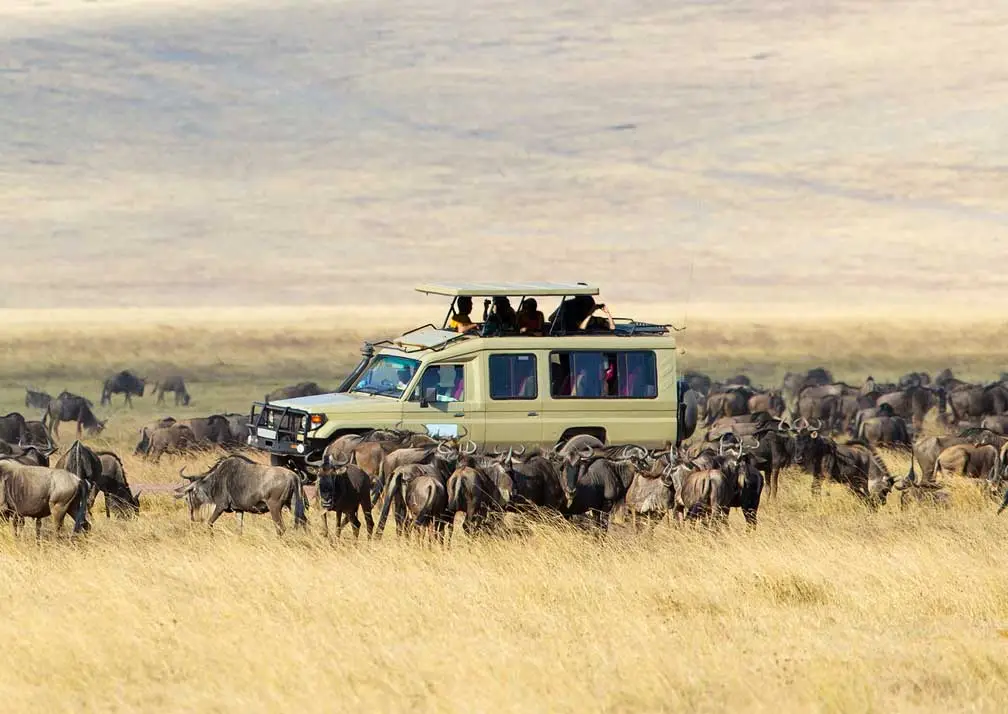
Great Migration Safaris
Experience one of nature's greatest spectacles with our Great Migration safari packages, timed for river crossings or calving.
View Package →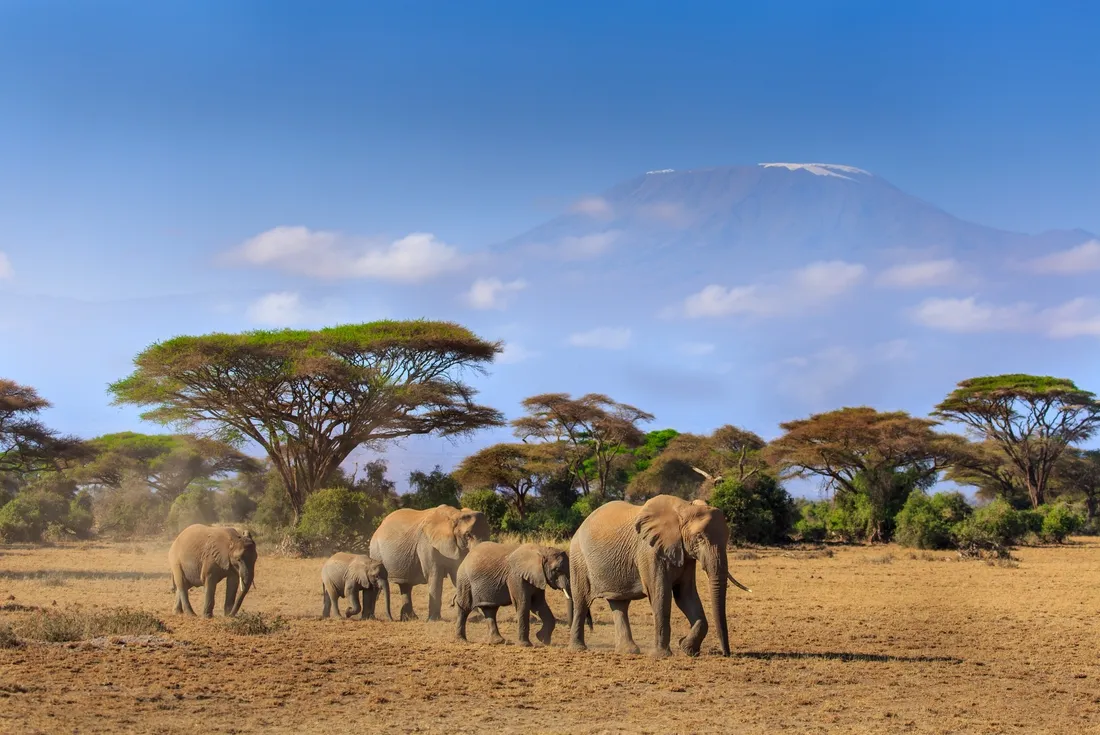
Serengeti & Kilimanjaro Trek
Combined safari and trekking tours offer wildlife adventures and Kilimanjaro climbs.
View Package →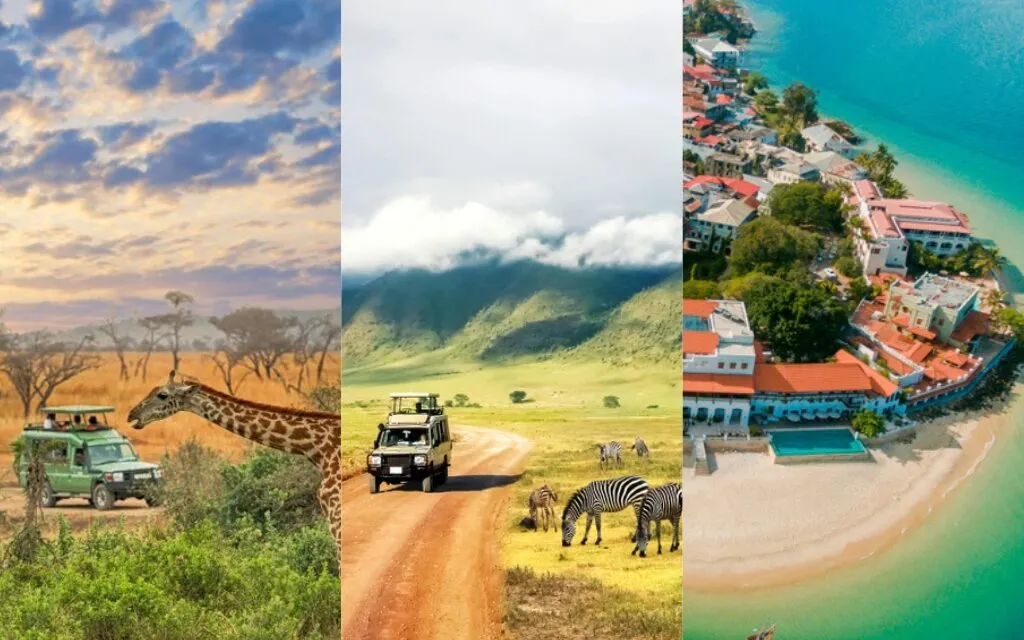
Serengeti & Zanzibar Tours
Luxury Tanzania safari & beach packages with the Great Migration and pristine beaches.
View Package →Related: Best Time to Visit Tanzania 2026 – Perfect safari extension after your Brazil adventure.