
Most Complete Brunei Travel Guide 2026-2027 – Everything You Need to Know Before Visiting
This Brunei travel guide provides everything you need to plan your journey to one of Southeast Asia’s most unique and underrated destinations. Brunei offers an extraordinary blend of glittering Islamic architecture, pristine rainforests, traditional water villages and ultra-modern luxury that create one of the region’s most fascinating travel experiences. Many travelers who want to travel to Brunei are surprised by the country's incredible wealth, strict Islamic values, and untouched natural beauty spanning over 70% protected rainforest. The nation covers 5,765 square kilometers on the island of Borneo, offering visitors everything from golden mosques to proboscis monkeys and luxurious eco-lodges.
Start Reading the Full Guide ↓Quick Facts About Brunei
- Capital: Bandar Seri Begawan.
- Currency: Brunei Dollar (BND) – SGD accepted 1:1.
- Time Zone: Brunei Darussalam Time (UTC+8).
- International Calling Code: +673.
- Driving Side: Left.
- Major Airport: Brunei International Airport (BWN).
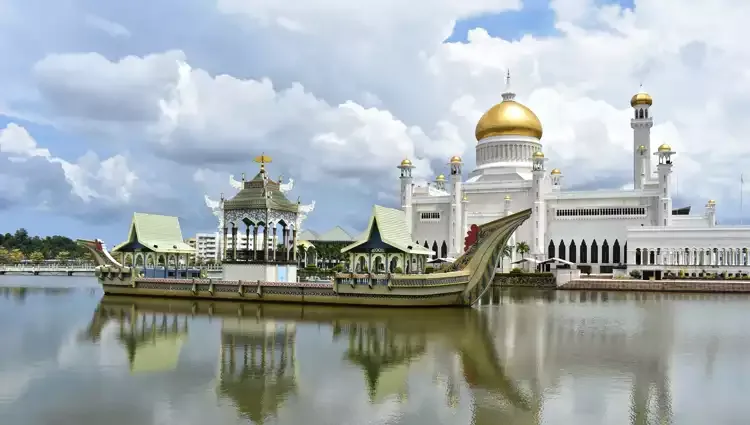
Brunei Overview & Key Facts
Brief History of Brunei
Brunei's history spans over a thousand years, from a powerful Hindu-Buddhist empire through Islamic sultanate to British protectorate and finally full independence. The Brunei Empire once controlled much of Borneo and parts of the Philippines before declining in the 19th century. Islam arrived in the 15th century, shaping the nation's identity. The discovery of oil in 1929 transformed Brunei into one of the wealthiest nations per capita. This rich historical tapestry creates a fascinating backdrop for modern travelers exploring golden mosques and traditional water villages.
Independence & National Identity
- Independence date: January 1, 1984.
- Former colonial power: British protectorate.
- National symbols & identity.
Brunei gained full independence from Britain in 1984 after being a protectorate since 1888. The country follows the philosophy of Melayu Islam Beraja (Malay Islamic Monarchy), blending Malay culture, Islamic principles, and monarchical governance. The national flag features yellow (royalty) with white and black diagonal stripes and the state crest.
Government System & Current Leadership
- Type of government: Absolute Monarchy
- Current Sultan: Hassanal Bolkiah (since 1967)
- Notes on political stability
Brunei is an absolute monarchy with the Sultan serving as both head of state and government. Sultan Hassanal Bolkiah is one of the world’s longest-serving monarchs. The country enjoys high political stability and one of the highest standards of living in Southeast Asia due to oil and gas wealth.
Population, Ethnic Groups & Languages
- Population: 460,000 (2025 projection).
- Major ethnic groups: Malay (65.7%), Chinese (10.3%), Indigenous (3.4%), Others.
- Official language(s): Malay.
- Additional languages commonly spoken.
English is widely spoken, especially in business and tourism. Mandarin and local indigenous languages are also common. The population is highly urbanised, with over 75% living in the Bandar Seri Begawan area.
Main Religions & Cultural Identity
Islam is the official religion, practiced by approximately 82% of the population (mostly Sunni). Religious minorities include Buddhists (8%), Christians (6%), and others. Sharia law coexists with civil law. Islamic values strongly influence daily life, dress codes, and social customs. Alcohol is banned for Muslims and heavily restricted for others.
Geography & Natural Landscape
Brunei consists of two unconnected enclaves on Borneo’s northern coast, bordered by Malaysia and the South China Sea. Over 70% of the country remains pristine rainforest, with coastal plains, mangroves, and hilly interior. Ulu Temburong National Park is one of Southeast Asia’s best-preserved rainforests.
Economy & Tourism Highlights
Brunei has one of the highest GDP per capita in Asia due to vast oil and gas reserves. The government provides free education, healthcare, and subsidised housing. Tourism is growing rapidly with focus on eco-tourism, Islamic heritage, and luxury experiences.
What Brunei Is Known For
- Stunning mosques – Omar Ali Saifuddien and Jame’ Asr Hassanil Bolkiah
- Kampong Ayer – world’s largest water village
- Pristine Ulu Temburong rainforest and canopy walkway
Visa & Entry Requirements in Brunei
Brunei maintains relatively relaxed visa policies for most nationalities, with many receiving visa-free entry for tourism. Requirements vary by nationality, with visa-free stays ranging from 14 to 90 days. Always check current regulations before travel as policies can change.
Do You Need a Visa?
Citizens of EU countries, USA, UK, Canada, Australia, New Zealand, Japan, South Korea, and most ASEAN nations receive visa-free entry for 14–90 days. Some nationalities require visa on arrival or pre-arranged visas. Check the Immigration Department website for the latest list.
Visa Application Options in Brunei
- Visa-free entry (most common)
- Visa on arrival (limited nationalities)
- e-Visa or embassy application (others)
Visa-free travellers simply present a passport valid for 6 months with at least 2 blank pages and proof of onward travel.
Passport Validity & Entry Documents
Passport must be valid for 6 months beyond intended stay. Required documents include return/onward ticket and proof of sufficient funds/accommodation. Yellow fever vaccination certificate required if arriving from endemic areas.
Customs Rules & Prohibited Items
Strict rules apply: alcohol import limited to non-Muslims (12 cans beer + 2 bottles spirits, must declare), pork and pork products banned, narcotics strictly prohibited. All religious proselytising materials restricted.
Safety & Security Information in Brunei
Brunei is one of the safest countries in the world with extremely low crime rates and high political stability. The country consistently ranks among the safest destinations in Southeast Asia.
Is Brunei Safe for Tourists?
Yes – Brunei is exceptionally safe. Violent crime is almost non-existent, and petty crime is rare. The government maintains strict law and order.
Recommended Safety Tips when in Brunei
Dress modestly, respect Islamic customs, avoid public displays of affection, and follow local laws regarding alcohol and behaviour. Normal travel precautions apply.
Safe Areas vs. Areas to Avoid in Brunei
The entire country is considered safe. No specific areas to avoid.
Emergency Numbers & Tourist Police in Brunei
- Police/Emergency: 993
- Fire: 995
- Ambulance: 991
- Tourist Police: Available in Bandar Seri Begawan
Health Requirements & Vaccinations in Brunei
No mandatory vaccinations required except yellow fever if arriving from endemic countries. Healthcare standards are high with modern facilities.
Mandatory Vaccinations in Brunei
Yellow fever certificate required if arriving from affected countries.
Recommended Vaccinations in Brunei
Hepatitis A, Typhoid, routine vaccines. Consider Hepatitis B and Rabies for longer stays or outdoor activities.
Malaria & Other Risks
Low malaria risk. Dengue occurs – use mosquito repellent. Tap water safe in urban areas.
Travel Insurance Recommendations in Brunei
Highly recommended. Ensure coverage for medical evacuation and adventure activities (canopy walks, water sports).
Best Time to Visit in Brunei
Brunei has a tropical climate with high humidity year-round. February–April offers the driest weather, ideal for rainforest visits.
Weather by Season
Hot and humid year-round (26–32°C). Dry season: February–April. Wet season: October–January with heaviest rain November–December.
When to Visit Brunei for Best Experiences
- Rainforest visits best February–April
- Mosque and city sightseeing year-round
- Sultan’s birthday celebrations (July)
High Season vs. Low Season Travel
High season: February–April (driest). Low season: November–January (wettest but fewer crowds).
Weather & Climate Overview in Brunei
Equatorial tropical climate with high temperatures and humidity year-round. Rainfall distributed throughout the year with wetter months October–January.
Temperature Ranges
Daily temperatures 26–32°C year-round. Night-time lows rarely below 24°C.
Rainy & Dry Seasons in Brunei
Driest months: February–April (still some rain). Wettest: November–December.
What to Wear Based on the Weather
Lightweight, breathable clothing. Modest attire covering shoulders and knees. Rain jacket/umbrella essential. Comfortable walking shoes and sandals.
Main Currency, Costs & Budgeting in Brunei
Brunei Dollar (BND) is the official currency, but Singapore Dollar (SGD) accepted everywhere at 1:1 parity.
Local Currency Information
BND and SGD used interchangeably. ATMs widely available. Cards accepted in most establishments.
Average Travel Costs in Brunei
Budget: $60–100/day; mid-range $120–200/day; luxury $300+/day. Food and transport inexpensive, accommodation moderate to high.
Using ATMs, Cards & Mobile Money in Brunei
ATMs plentiful. Visa/Mastercard widely accepted. Mobile payments growing.
Tipping Guidelines in Brunei
Not expected or customary. Many restaurants include service charge.
Transportation & Getting Around in Brunei
Limited public transport – most visitors use taxis, ride-hailing apps, or private transfers.
Airport Transfers
Taxis and Grab available. Many hotels offer complimentary transfers.
Local Transport Options in Brunei
Taxis, Grab, water taxis in Bandar Seri Begawan, limited buses. Car rental available.
Brunei Domestic Flights
Royal Brunei Airlines operates limited domestic flights.
Car Rentals & Road Conditions in Brunei
Good road network. Left-side driving. International licence required.
Accommodation Options available in Brunei
Range from luxury international chains to boutique hotels and eco-lodges.
Types of Accommodations in Brunei
Luxury hotels (Empire, Radisson), mid-range, boutique, rainforest eco-lodges.
Budget vs. Mid-Range vs. Luxury
Limited budget options. Mid-range $80–150, luxury $200–1000+ per night.
Best Areas to Stay in Brunei
Bandar Seri Begawan city centre, The Empire Hotel & Country Club, Ulu Temburong eco-lodges.
Essential Packing Guide when Visiting Brunei
Pack for heat, humidity, modesty requirements, and potential rain.
Clothing Essentials
Lightweight, modest clothing covering shoulders and knees. Light scarf for women. Rain jacket.
Footwear & Gear
Comfortable walking shoes, sandals, water shoes for rainforest.
Electronics & Cameras
Standard Type G plugs (UK style). Power banks useful.
Toiletries & Personal Items
Mosquito repellent, sunscreen, personal medications.
Language & Communication in Brunei
English widely spoken alongside Malay.
Main Languages Spoken in Brunei
Malay (official), English (widely spoken), Mandarin, indigenous languages.
Useful Phrases for Tourists
“Selamat datang” (welcome), “Terima kasih” (thank you), “Ya/Tidak” (yes/no).
SIM Cards & Mobile Data used in Brunei
Available at airport and shops. Good coverage.
Internet Availability & Wi-Fi in Brunei
Excellent coverage. Free Wi-Fi in most hotels, cafes, and public areas.
Culture & Etiquette in Brunei
Conservative Islamic culture with strict social norms.
Bruneian Dress Code Expectations
Modest dress required in public. Shoulders and knees covered. Women should carry scarf for mosques.
Social Etiquette & Respectful Behavior of Brunei
Use right hand for eating/giving. Remove shoes when entering homes/mosques. Avoid public affection.
Photography Rules in Brunei
Ask permission before photographing people. No photos of military/police.
Important Cultural Dos & Don’ts in Brunei
Do respect the Sultan and royal family. Don’t discuss politics or religion critically. Don’t point feet at people.
Food, Water & Dining in Brunei
Halal food standard. Excellent seafood and Malay cuisine.
Bruneian Local Dishes to Try
Ambuyat (national dish), nasi katok, rendang, fresh seafood.
Dietary Options in Brunei
All food halal. Limited vegetarian options but available.
Drinking Water Safety
Tap water safe to drink.
Restaurant Etiquette
Tipping not expected. Many restaurants open only daytime during Ramadan.
Top Attractions & Things to Do in Brunei
Brunei offers unique blend of Islamic architecture, rainforest adventures, and traditional water village life.
Major Tourist Attractions in Brunei
- Omar Ali Saifuddien Mosque
- Kampong Ayer water village
- Ulu Temburong National Park
- Jame’ Asr Hassanil Bolkiah Mosque
Best Tours & Experiences in Brunei
Ulu Temburong rainforest tours, water village tours, proboscis monkey boat trips, night markets.
Family-Friendly Activities to do in Brunei
Water village visits, Jerudong Park Playground, Empire Hotel facilities.
Unique Cultural or Historical Sites to visit in Brunei
Royal Regalia Museum, Brunei Museum, Malay Technology Museum.
Bruneian Electrical System Information
Uses Type G (UK) plugs, 240V, 50Hz.
Plug Types & Voltage used in Brunei
Type G (three rectangular pins). Bring adapter.
Charging Tips
Universal adapters recommended.
Local Laws & Regulations of Brunei
Strict Islamic laws apply alongside civil law.
Rules Travelers Need to Know when In Brunei
Alcohol restrictions, modest dress, Ramadan observance, no public eating/drinking during fasting hours.
Alcohol, Smoking & Substance Laws of Brunei
Alcohol banned for Muslims, limited for non-Muslims. Smoking restricted in public areas. Drugs severely punished.
Restricted or Protected Areas in Brunei.
Military areas off-limits. Rainforest protected zones require permits/guides.
Final Travel Tips for Visitors in Brunei
Respect local customs, plan around prayer times and Friday closures, book rainforest tours in advance.
Common Mistakes to Avoid
Underestimating heat/humidity, inappropriate dress, trying to buy alcohol openly.
Tips to Save Money when Visiting Brunei
Eat local food, use Grab instead of taxis, visit during shoulder seasons.
Safety & Comfort Tips
Dress modestly, stay hydrated, respect Islamic customs, book popular tours early.
Frequently Asked Questions – Brunei Travel Guide 2026-2027
Our Tanzania Tours Products
While Brunei offers stunning mosques, rainforest adventures and unique Islamic culture, many travelers combine Southeast Asia with the ultimate wildlife experience in East Africa. Capable Africa Tours specializes in secure, guided safaris that maximize safety and wonder. Our expert local guides, armed rangers in parks, and vetted accommodations ensure peace of mind. From family-friendly lodges to luxury camps, we handle logistics so you focus on the magic. Tanzania ranks high for tourist safety with dedicated wildlife protection units and stable northern circuits.
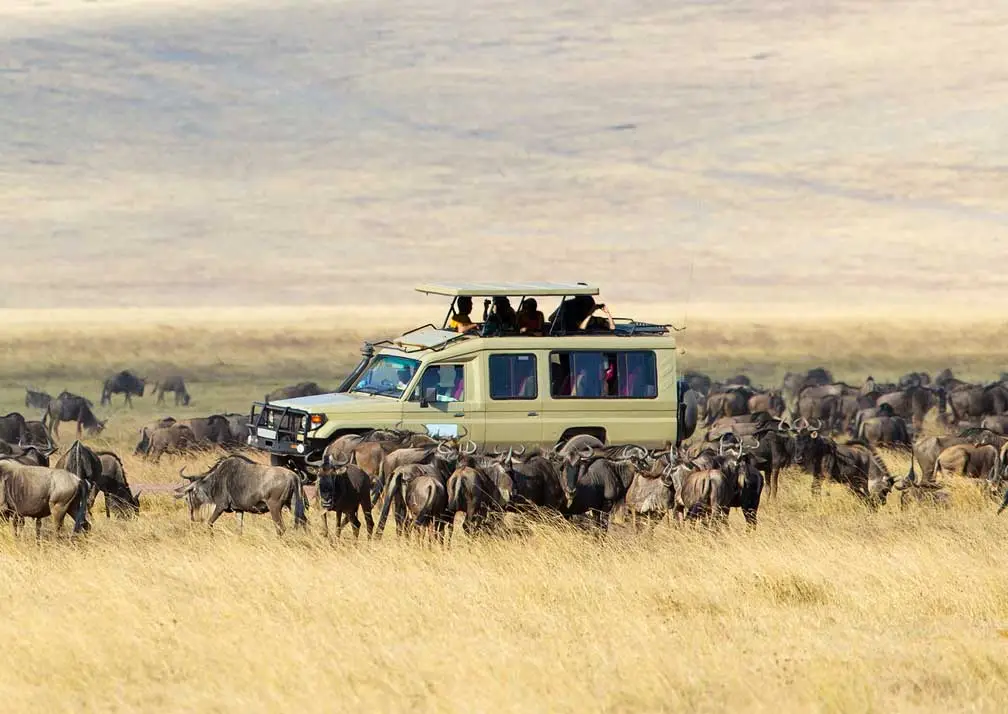
Great Migration Safaris
Experience one of nature's greatest spectacles with our Great Migration safari packages, timed for river crossings or calving.
View Package →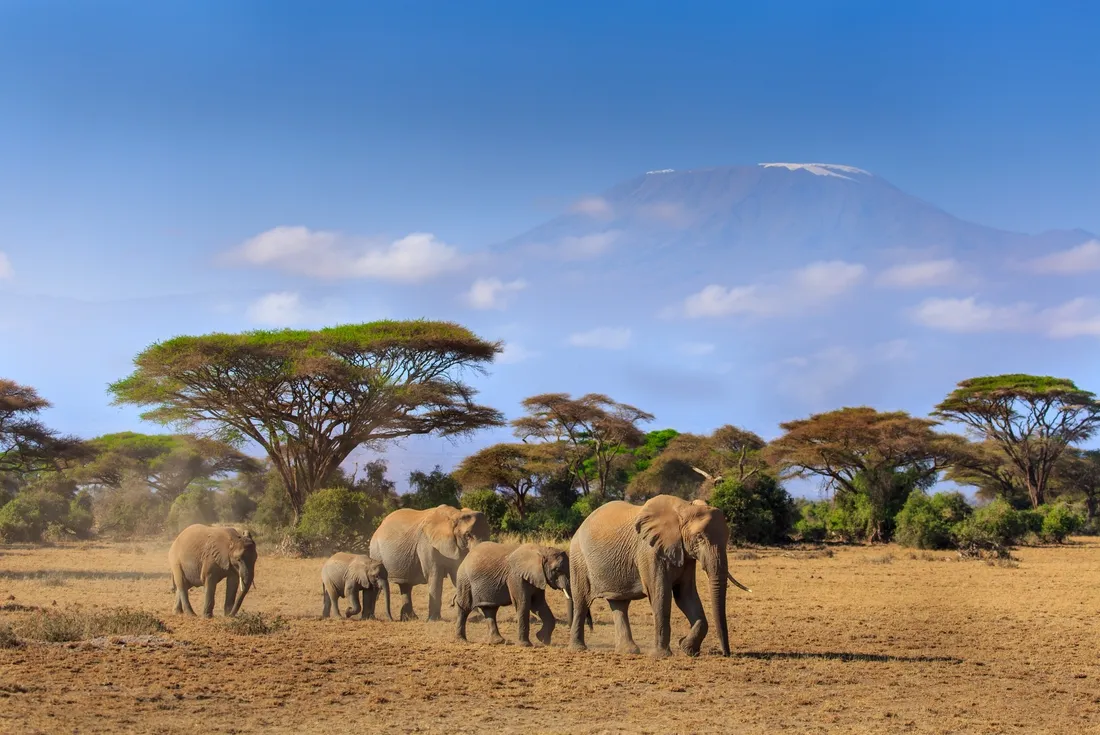
Serengeti & Kilimanjaro Trek
Combined safari and trekking tours offer wildlife adventures and Kilimanjaro climbs.
View Package →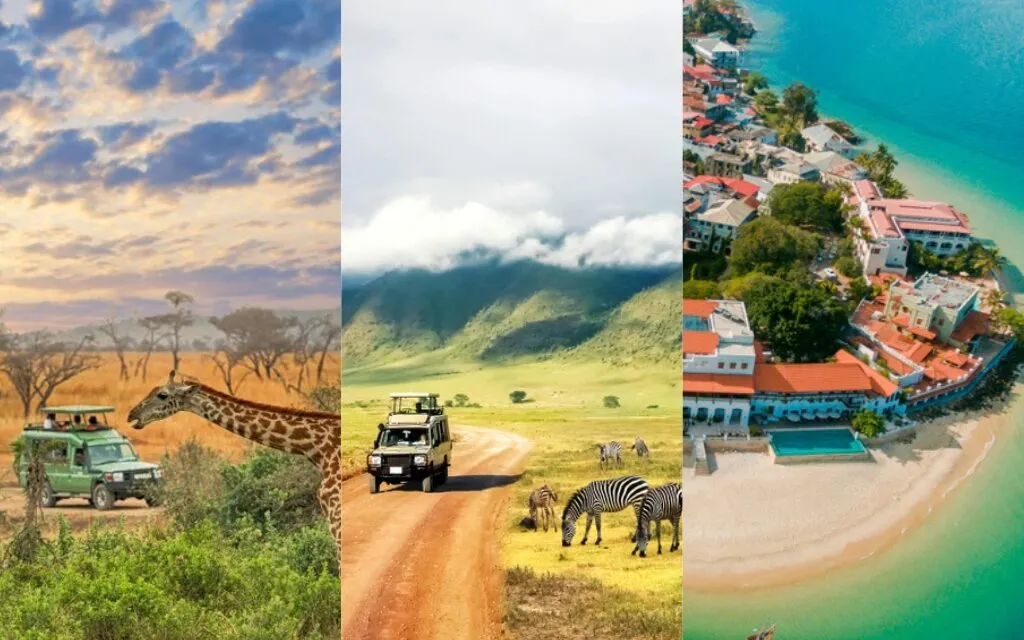
Serengeti & Zanzibar Tours
Luxury Tanzania safari & beach packages with the Great Migration and pristine beaches.
View Package →Related: Best Time to Visit Tanzania 2026 – Perfect safari extension after your Brunei adventure.