Most Complete Bulgaria Travel Guide 2026-2027 – Everything You Need to Know Before Visiting
This Bulgaria travel guide provides everything you need to plan your journey to one of Europe’s most underrated gems. Bulgaria offers an extraordinary blend of Black Sea beaches, snow-capped Balkan mountains, ancient Thracian tombs, rose valleys and vibrant cities that create one of the continent’s most diverse and affordable travel experiences. Many travelers who want to travel to Bulgaria are surprised by the country's incredible value, rich history spanning 13 centuries, and natural beauty ranging from rugged peaks to golden-sand coastlines. The nation covers 110,994 square kilometers, delivering everything from UNESCO monasteries to lively seaside resorts and world-class ski slopes.
Start Reading the Full Guide ↓Quick Facts About Bulgaria
- Capital: Sofia.
- Currency: Bulgarian Lev (BGN).
- Time Zone: Eastern European Time (EET, UTC+2; +3 in summer).
- International Calling Code: +359.
- Driving Side: Right.
- Major Airports: Sofia (SOF), Burgas (BOJ), Varna (VAR), Plovdiv (PDV).
Bulgaria Overview & Key Facts
Brief History of Bulgaria
Bulgaria's history spans millennia, from ancient Thracian tribes through the First and Second Bulgarian Empires to Ottoman rule and communist period. The Thracians left spectacular gold treasures and tombs, while the First Bulgarian Empire (681–1018) was one of medieval Europe’s most powerful states. The country adopted Christianity in 864 and developed the Cyrillic alphabet. Five centuries of Ottoman domination ended in 1878, followed by independence and a turbulent 20th century that included communist rule from 1946–1989. This rich historical tapestry creates a fascinating backdrop for modern travelers exploring the country's archaeological treasures and cultural sites.
Independence & National Identity
- Independence date: March 3, 1878 (from Ottoman Empire).
- Former ruling power: Ottoman Empire (1396–1878).
- National symbols & identity.
Bulgaria celebrates its liberation from Ottoman rule annually on March 3. The national flag features white, green and red horizontal stripes symbolizing freedom, nature and courage. Bulgarian identity centers on Orthodox Christianity, folk traditions, rose and yogurt pride, and a resilient spirit forged through centuries of foreign domination.
Government System & Current Leadership
- Type of government: Parliamentary Republic
- Current president: Rumen Radev
- Notes on political stability
Bulgaria is a parliamentary republic and EU/NATO member since 2007. President Rumen Radev has served since 2017. The country has experienced frequent elections in recent years but remains politically stable with no impact on tourist safety.
Population, Ethnic Groups & Languages
- Population: 6.4 million (2025 projection).
- Major ethnic groups: Bulgarians (84.8%), Turkish (8.8%), Roma (4.9%).
- Official language(s): Bulgarian (Cyrillic script).
- Additional languages commonly spoken.
English is widely spoken by younger generations and in tourism. Russian remains common from Soviet-era education, while German and French are popular. Turkish is spoken in regions with ethnic Turkish populations. Road signs are in both Cyrillic and Latin scripts in tourist areas.
Main Religions & Cultural Identity
Eastern Orthodox Christianity is practiced by approximately 76% of Bulgarians, with Sunni Islam (10%) and small Protestant and Catholic communities. Orthodox traditions deeply influence holidays, cuisine and social customs. Visitors should dress modestly when visiting monasteries and churches, especially the iconic Rila Monastery.
Geography & Natural Landscape
Bulgaria features four major geographical zones: Danube Plain, Balkan Mountains (Stara Planina), Thracian Plain and Rhodope Mountains, plus 378 km of Black Sea coastline. The country boasts seven mountain ranges over 2,000 m, vast rose valleys, dramatic caves and Europe’s largest rose-oil production.
Economy & Tourism Highlights
Bulgaria’s economy combines IT services, tourism and agriculture. Tourism has grown rapidly with over 12 million annual visitors drawn to affordable Black Sea resorts, winter skiing in Bansko, Pamporovo and Borovets, cultural heritage and emerging wine and wellness tourism.
What Bulgaria Is Known For
- UNESCO sites including Rila Monastery, Thracian tombs, Nessebar old town
- Black Sea beaches and Golden Sands resorts
- World’s largest producer of rose oil (“Bulgarian gold”)
- Yogurt (Bulgaria claims to have invented it)
Visa & Entry Requirements in Bulgaria
Most international visitors enjoy visa-free entry or can use a Schengen visa. Bulgaria has been part of the Schengen Area since March 2024 (air/sea) and full land border inclusion expected in 2026. The visa application process is straightforward for nationalities that require it.
Do You Need a Visa?
EU/EEA, US, Canada, UK, Australia, New Zealand, Japan, South Korea and many Latin American countries enjoy visa-free entry for up to 90 days within 180 days. Schengen visa holders can enter freely. Check the Bulgarian Ministry of Foreign Affairs website for your nationality.
Visa Application Options in Bulgaria
- Visa-free for most Western countries
- Type C (short-stay) or Type D (long-stay) for others
- E-visa system available for eligible nationalities
Applications are submitted through Bulgarian embassies/consulates or authorized visa centers. Processing typically takes 10–15 days.
Passport Validity & Entry Documents
Passport must be valid for at least 3 months beyond intended departure. No blank page requirement but two are recommended. Proof of accommodation, return ticket and sufficient funds (€50/day or minimum €500) may be requested at border control.
Customs Rules & Prohibited Items
Standard EU customs rules apply. Up to €430 worth of goods can be brought duty-free. Alcohol and tobacco limits follow EU regulations. Declaration required for cash over €10,000. Archaeological artifacts cannot be exported.
Safety & Security Information in Bulgaria
Bulgaria is one of Europe’s safest destinations with low violent crime rates. Most visits are trouble-free. Petty crime (pickpocketing, bag-snatching) is the primary concern in Sofia, Sunny Beach and resort areas during summer.
Is Bulgaria Safe for Tourists?
Yes – Bulgaria is very safe for tourists. The US, UK, Canada and Australia all rate it Level 1 (normal precautions). Tourist police operate in major resorts and cities.
Recommended Safety Tips when in Bulgaria
Use licensed taxis or ride-hailing apps (avoid unmarked taxis). Keep valuables in hotel safes. Beware of pickpockets in crowded tourist areas. Don’t leave drinks unattended in nightlife districts. Normal big-city precautions apply.
Safe Areas vs. Areas to Avoid in Bulgaria
All tourist areas are safe. Roma neighborhoods on city outskirts are best avoided after dark due to poverty-related petty crime. No-go zones for foreigners do not exist.
Emergency Numbers & Tourist Police in Bulgaria
- Police: 166 or 112.
- Fire Department: 160 or 112.
- Medical Emergency: 150 or 112.
- Tourist Police: English-speaking units in Sofia, Burgas, Varna, Sunny Beach.
112 works EU-wide and connects to English-speaking operators.
Health Requirements & Vaccinations in Bulgaria
No mandatory vaccinations required. Bulgaria has modern hospitals in cities and EU-standard healthcare. Travel insurance with medical coverage is strongly recommended.
Mandatory Vaccinations in Bulgaria
None required unless arriving from a yellow fever zone.
Recommended Vaccinations in Bulgaria
Routine vaccines + Hepatitis A & B. Tick-borne encephalitis for spring/summer rural travel. Rabies pre-exposure if planning extensive outdoor activities.
Malaria & Other Risks
No malaria risk. Tick-borne diseases present in forests. Excellent tap water quality in cities; bottled water recommended in rural areas during summer.
Travel Insurance Recommendations in Bulgaria
Full medical and repatriation coverage essential. Winter sports require specific ski/snowboard insurance. Many policies include coverage for lost luggage and trip cancellation.
Best Time to Visit in Bulgaria
Bulgaria enjoys four distinct seasons offering year-round travel opportunities. Peak summer (July–August) brings beach weather, winter (December–March) excellent skiing, while spring and autumn are perfect for culture and hiking.
Weather by Season
Summer temperatures average 28–32°C on the coast. Winter brings -5 to +5°C in Sofia with heavy snow in mountains. Spring and autumn offer mild 15–22°C ideal for sightseeing.
When to Visit Bulgaria for Best Experiences
- Black Sea beaches: June–September
- Skiing: December–March
- Rose Festival & Valley of Roses: late May–early June
- Cultural sightseeing & hiking: May, September–October
Shoulder seasons (May & September) offer perfect weather and fewer crowds.
High Season vs. Low Season Travel
High season: July–August (coast) and December–March (mountains). Low season: November and April offer the best deals and fewest tourists.
Weather & Climate Overview in Bulgaria
Bulgaria has a continental climate in the interior and Mediterranean influence on the Black Sea coast. Four distinct seasons provide diverse travel experiences throughout the year.
Temperature Ranges
Coastal summer highs 28–32°C, winter 5–10°C. Inland summer 30–35°C, winter -5 to +5°C. Mountains regularly drop below -10°C in winter with 2–3 m of snow.
Rainy & Dry Seasons in Bulgaria
May–June and October–November are wettest. July–August driest and sunniest on the coast (10–12 sunshine hours/day).
What to Wear Based on the Weather
Light summer clothing + cardigan for evenings on the coast. Warm layers, hat and gloves for winter mountain visits. Comfortable walking shoes essential year-round. Modest attire for monasteries.
Main Currency, Costs & Budgeting in Bulgaria
Bulgaria uses the Bulgarian Lev (BGN) fixed at 1.95583 to €1. The country remains one of Europe’s most affordable destinations with excellent value for money.
Local Currency Information
Banknotes: 5, 10, 20, 50, 100 BGN. Coins: 1, 2 BGN and stotinki. ATMs widespread; contactless cards accepted almost everywhere.
Average Travel Costs in Bulgaria
Budget travelers €40–70/day, mid-range €80–140/day, luxury €180+/day. Meals from €6–15, beer €2, public transport €1 per ride.
Using ATMs, Cards & Mobile Money in Bulgaria
Cards accepted almost everywhere in cities and resorts. ATMs plentiful. Revolut/Wise work perfectly. Cash still useful in villages.
Tipping Guidelines in Bulgaria
10% in restaurants (round up if service charge not included). Taxi drivers: round up. Hotel staff €2–5. Tour guides €10–20/day.
Transportation & Getting Around in Bulgaria
Transportation is affordable and efficient. Domestic flights, buses, trains and car rental all available. Ride-hailing apps work well in cities.
Airport Transfers
Sofia Airport Metro Line 4 to city center (€0.80). Official taxis (OK Supertrans) use meters. Private transfers widely available.
Local Transport Options in Bulgaria
Excellent intercity buses (cheapest/fastest). Trains slower but scenic. Metro in Sofia. Trams and buses in major cities.
Bulgaria Domestic Flights
Bulgaria Air and Ryanair connect Sofia–Burgas/Varna in summer. Flights 50 minutes vs 6–7 hours by road.
Car Rentals & Road Conditions in Bulgaria
Major companies at airports. Roads generally good; mountain roads winding. International driving permit recommended. Police fine aggressively for speeding.
Accommodation Options available in Bulgaria
From hostels to 5-star resorts, Bulgaria offers excellent value across all categories. Booking.com and local sites both work well.
Types of Accommodations in Bulgaria
Family-run guesthouses, Soviet-era hotels (renovated), boutique hotels in Plovdiv and Veliko Tarnovo, all-inclusive Black Sea resorts, mountain chalets and Sofia business hotels.
Budget vs. Mid-Range vs. Luxury
Hostels €12–25, budget hotels €30–60, mid-range €60–120, luxury €150–400+ in high season.
Best Areas to Stay in Bulgaria
Sofia center, Plovdiv Old Town, Nessebar or Sozopol on the coast, Bansko for skiing, Veliko Tarnovo for history.
Essential Packing Guide when Visiting Bulgaria
Pack for four seasons depending on your travel dates and regions. Comfortable walking shoes are essential year-round.
Clothing Essentials
Light breathable clothing for summer, warm layers for winter mountains, modest attire for monasteries, swimwear for coast and spas.
Footwear & Gear
Comfortable walking shoes, sandals for beach, hiking boots if visiting mountains, flip-flops for spa/mineral pools.
Electronics & Cameras
EU plugs (type C/F), 230V. Power banks useful for long day trips. No restrictions on photography except military sites.
Toiletries & Personal Items
All major brands available. Bring sunscreen (expensive locally). Mosquito repellent for summer evenings.
Language & Communication in Bulgaria
Bulgarian uses Cyrillic script but most tourist signage includes Latin letters. English widely spoken in tourism.
Main Languages Spoken in Bulgaria
Bulgarian official. English dominant among under-40s. Russian common among older generations. German in Bansko.
Useful Phrases for Tourists
“Zdravei” (hello), “Blagodarya” (thank you), “Kolko struva?” (how much?), “Nazdrave!” (cheers!).
SIM Cards & Mobile Data used in Bulgaria
A1, Yettel and Vivacom offer tourist SIMs at airports (€10–15 for 10–20 GB). EU roaming applies.
Internet Availability & Wi-Fi in Bulgaria
Free Wi-Fi in most cafes, restaurants and hotels. Fast fiber internet in cities.
Culture & Etiquette in Bulgaria
Bulgarians are warm and hospitable. Understanding a few customs enhances your experience.
Bulgarian Dress Code Expectations
Casual European dress. Shoulders and knees covered in monasteries. Beachwear stays on the beach.
Social Etiquette & Respectful Behavior of Bulgaria
Bulgarians nod for “no” and shake head for “yes” – watch carefully! Remove shoes in homes. Bring small gift if invited to dinner.
Photography Rules in Bulgaria
Generally permitted. Ask permission for people (especially Roma). No photos inside some churches during services.
Important Cultural Dos & Don’ts in Bulgaria
Do accept offered food/drink. Don’t refuse rakia toast. Do say “Nazdrave!” when clinking glasses. Don’t discuss politics unless invited.
Food, Water & Dining in Bulgaria
Bulgarian cuisine features fresh salads, grilled meats, yogurt and wine. Portions are generous and prices excellent.
Bulgarian Local Dishes to Try
Shopska salad, banitsa, kavarma, tarator, lyutenitsa, musaka, sach (hot plate), Bulgarian yogurt, rakia and superb local wines.
Dietary Options in Bulgaria
Vegetarian options widespread (many Orthodox fasting dishes). Vegan possible in cities. Halal available in Turkish areas.
Drinking Water Safety
Tap water safe in cities; bottled recommended in rural areas during summer.
Restaurant Etiquette
Service not always included – tip 10% by rounding up or leaving cash. “Nazdrave!” when toasting.
Top Attractions & Things to Do in Bulgaria
Bulgaria offers incredible variety: ancient Thracian tombs, Byzantine churches, Ottoman architecture, Black Sea resorts and mountain adventures.
Major Tourist Attractions in Bulgaria
- Rila Monastery (UNESCO)
- Ancient Nessebar (UNESCO)
- Thracian Tomb of Kazanlak (UNESCO)
- Plovdiv Roman Amphitheatre & Old Town
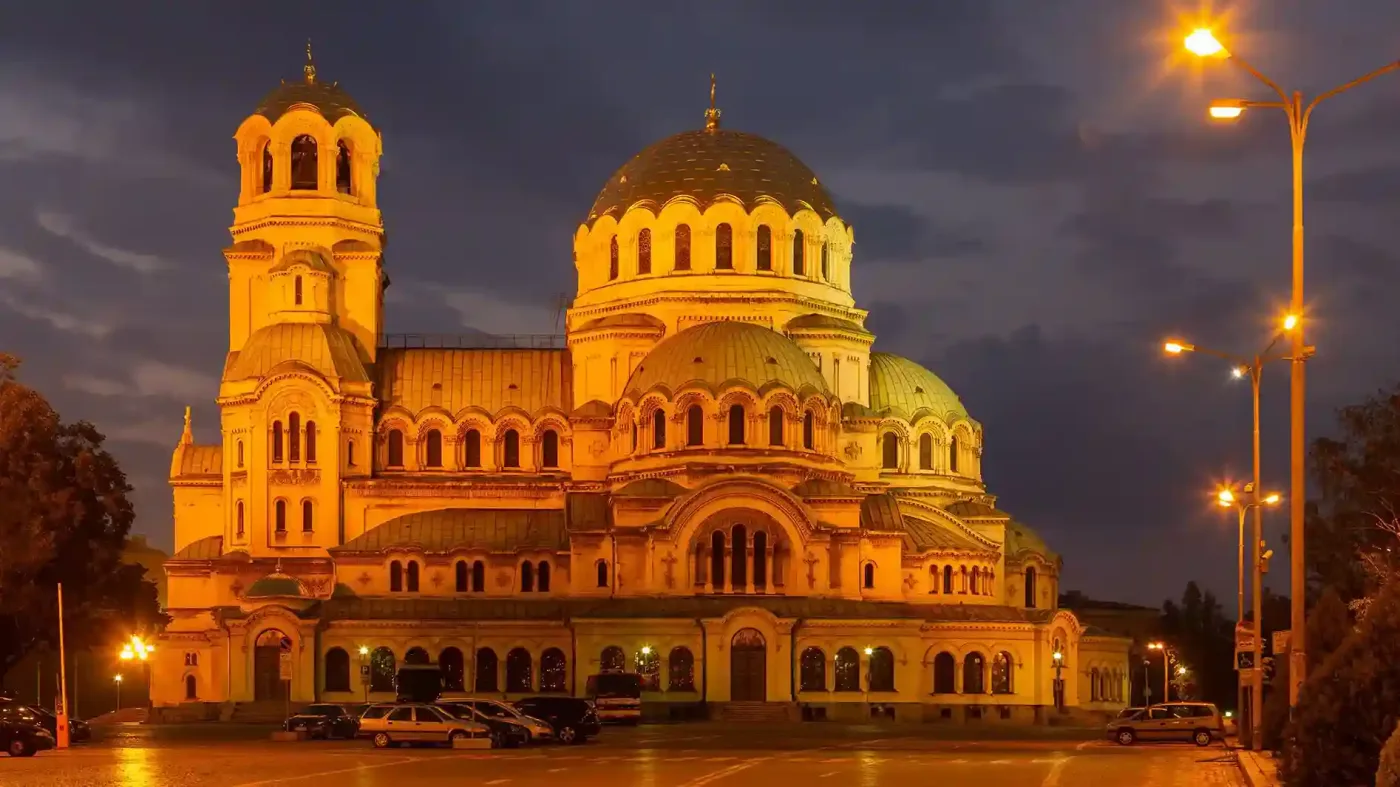
Sofia’s Alexander Nevsky Cathedral, Buzludzha communist monument, Veliko Tarnovo medieval fortress, Seven Rila Lakes and Varna’s Golden Sands are must-sees.
Best Tours & Experiences in Bulgaria
Rose Valley & Thracian tombs tour, wine tasting in Melnik, Rila Monastery & Boyana Church day trip, Black Sea dolphin cruise, ski/snowboard packages in Bansko.
Family-Friendly Activities to do in Bulgaria
Aquaparks in Sunny Beach, Varna Dolphinarium, Sofia Zoo, cable cars in mountains, interactive museums in Plovdiv.
Unique Cultural or Historical Sites to visit in Bulgaria
Buzludzha “UFO” communist monument, Madara Rider (UNESCO), Perperikon archaeological complex, Belogradchik Rocks, Devnya mineral springs.
Bulgarian Electrical System Information
Standard European system.
Plug Types & Voltage used in Bulgaria
Type C and F (Europlug), 230V, 50Hz.
Charging Tips
Standard EU adapters work. Power banks useful for mountain day trips.
Local Laws & Regulations of Bulgaria
Standard EU regulations with some local specifics.
Rules Travelers Need to Know when In Bulgaria
No smoking in enclosed public spaces. Zero tolerance for drink-driving (0.05% limit). Jaywalking heavily fined in cities.
Alcohol, Smoking & Substance Laws of Bulgaria
Drinking age 18. Cannabis illegal (decriminalized small amounts). Public drunkenness can lead to fines.
Restricted or Protected Areas in Bulgaria.
Military installations off-limits. Some caves and nature reserves require permits.
Final Travel Tips for Visitors in Bulgaria
Bulgaria offers incredible value, friendly people and diverse experiences. A few local insights make your trip smoother.
Common Mistakes to Avoid
Don’t confuse head nodding (means “no”). Don’t take unmarked taxis. Don’t visit Buzludzha without a tour (dangerous structure). Don’t miss trying Bulgarian yogurt and banitsa.
Tips to Save Money when Visiting Bulgaria
Travel in May or September. Eat at local “mehanas”. Use buses instead of taxis between cities. Buy wine directly from wineries.
Safety & Comfort Tips
Use licensed taxis or Bolt/Yandex Go. Keep valuables secure in crowds. Learn basic Cyrillic (it’s easier than it looks). Smile – Bulgarians are warm once you break the ice.
Frequently Asked Questions – Bulgaria Travel Guide 2026-2027
Our Tanzania Tours Products
While Bulgaria offers ancient Thracian treasures, Black Sea beaches and Balkan mountains, many travelers combine Europe with the ultimate wildlife experience in East Africa. Capable Africa Tours specializes in secure, guided safaris that maximize safety and wonder. Our expert local guides, armed rangers in parks, and vetted accommodations ensure peace of mind. From family-friendly lodges to luxury camps, we handle logistics so you focus on the magic. Tanzania ranks high for tourist safety with dedicated wildlife protection units and stable northern circuits.
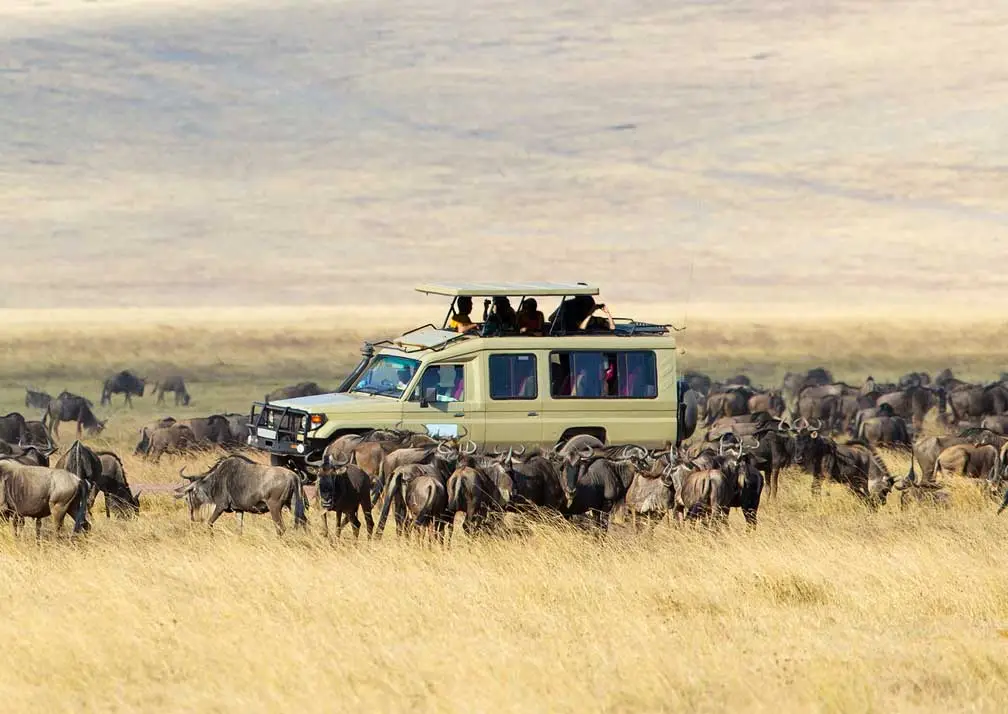
Great Migration Safaris
Experience one of nature's greatest spectacles with our Great Migration safari packages, timed for river crossings or calving.
View Package →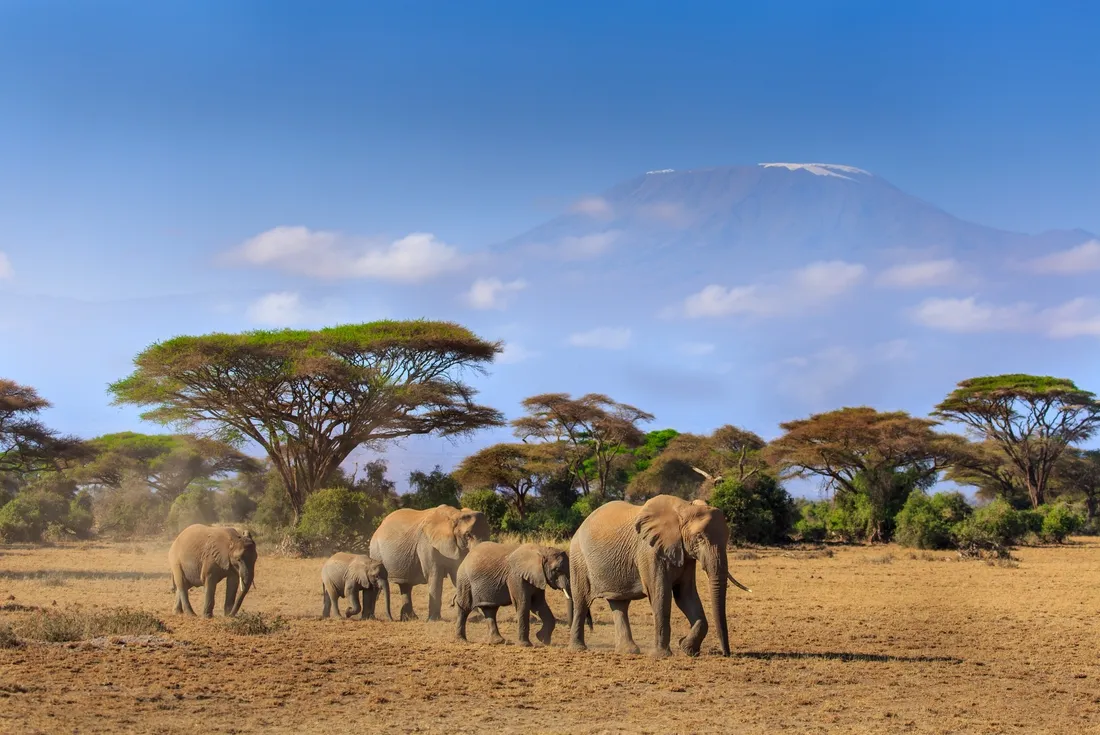
Serengeti & Kilimanjaro Trek
Combined safari and trekking tours offer wildlife adventures and Kilimanjaro climbs.
View Package →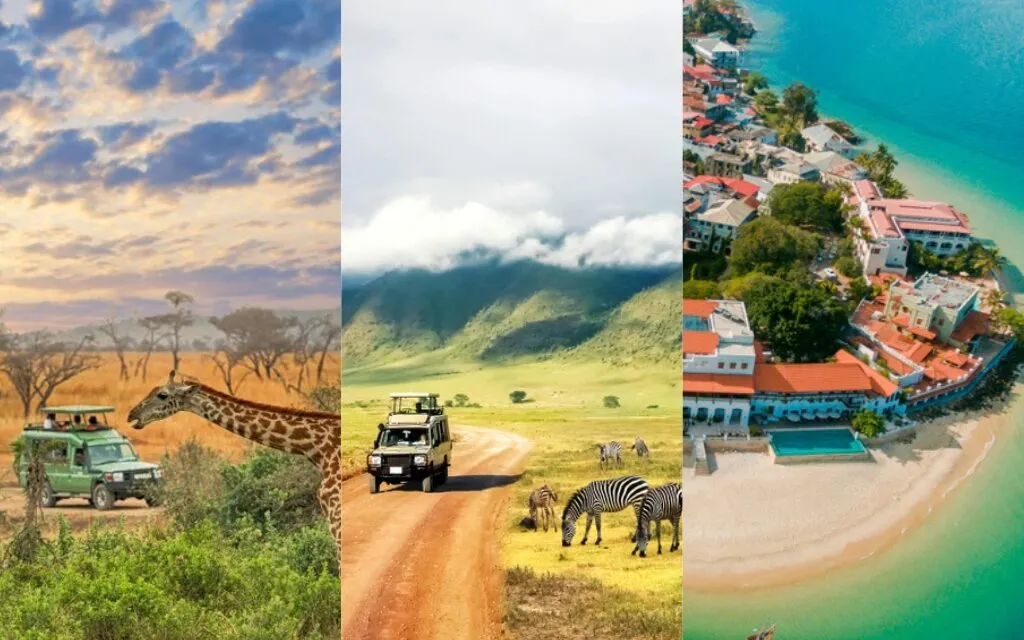
Serengeti & Zanzibar Tours
Luxury Tanzania safari & beach packages with the Great Migration and pristine beaches.
View Package →Related: Best Time to Visit Tanzania 2026 – Perfect safari extension after your Bulgaria adventure.