Most Complete Burkina Faso Travel Guide 2026-2027 – Everything You Need to Know Before Visiting
This Burkina Faso travel guide provides everything you need to plan your journey to the “Land of Upright People”. Burkina Faso offers an authentic West African experience with vibrant festivals, ancient mud-brick architecture, diverse wildlife reserves, and some of the friendliest people on the continent. Despite recent challenges, the core tourist areas remain welcoming and safe when proper precautions are taken. The country’s rich cultural tapestry, stunning landscapes from savannah to dramatic rock formations, and world-renowned festivals make it a rewarding destination for adventurous travelers.
Start Reading the Full Guide ↓Quick Facts About Burkina Faso
- Capital: Ouagadougou.
- Currency: West African CFA franc (XOF).
- Time Zone: Greenwich Mean Time (GMT, UTC+0).
- International Calling Code: +226.
- Driving Side: Right.
- Major Airports: Ouagadougou (OUA), Bobo-Dioulasso (BOY).
Burkina Faso Overview & Key Facts
Brief History of Burkina Faso
Burkina Faso’s history stretches back to powerful Mossi kingdoms that resisted colonization for centuries. The French eventually conquered the area in the late 19th century, naming it Upper Volta. Independence came in 1960, followed by several coups. In 1984, revolutionary leader Thomas Sankara renamed the country “Burkina Faso” – Land of Upright People – and launched bold social programs until his assassination in 1987. Recent years have seen security challenges, but core tourist areas remain functional.
Independence & National Identity
- Independence date: August 5, 1960.
- Former colonial power: France.
- National symbols & identity.
Burkina Faso gained independence from France in 1960. The red-gold-green flag with black star symbolizes the revolutionary ideals of Thomas Sankara. National pride centers on integrity, resilience and hospitality – values embodied in the country’s very name.
Government System & Current Leadership
- Type of government: Semi-presidential republic (currently under transitional military council).
- Current president: Captain Ibrahim Traoré (since 2022 coup).
- Notes on political stability
Burkina Faso has experienced multiple coups in recent years. The transitional government is working toward elections. Travelers should monitor developments and follow embassy guidance.
Population, Ethnic Groups & Languages
- Population: 24.2 million (2025 estimate).
- Major ethnic groups: Mossi (52%), Fulani, Lobi, Bobo, Mande, Gourounsi.
- Official language: French.
- Additional languages commonly spoken.
French is the official language, but Mooré, Dioula and dozens of local languages dominate daily life. English is rare outside international hotels and NGOs.
Main Religions & Cultural Identity
Roughly 63% Muslim, 20% Christian, 15% animist/traditional beliefs. Religious tolerance is generally strong. Islamic customs influence dress and behavior, especially in rural areas.
Geography & Natural Landscape
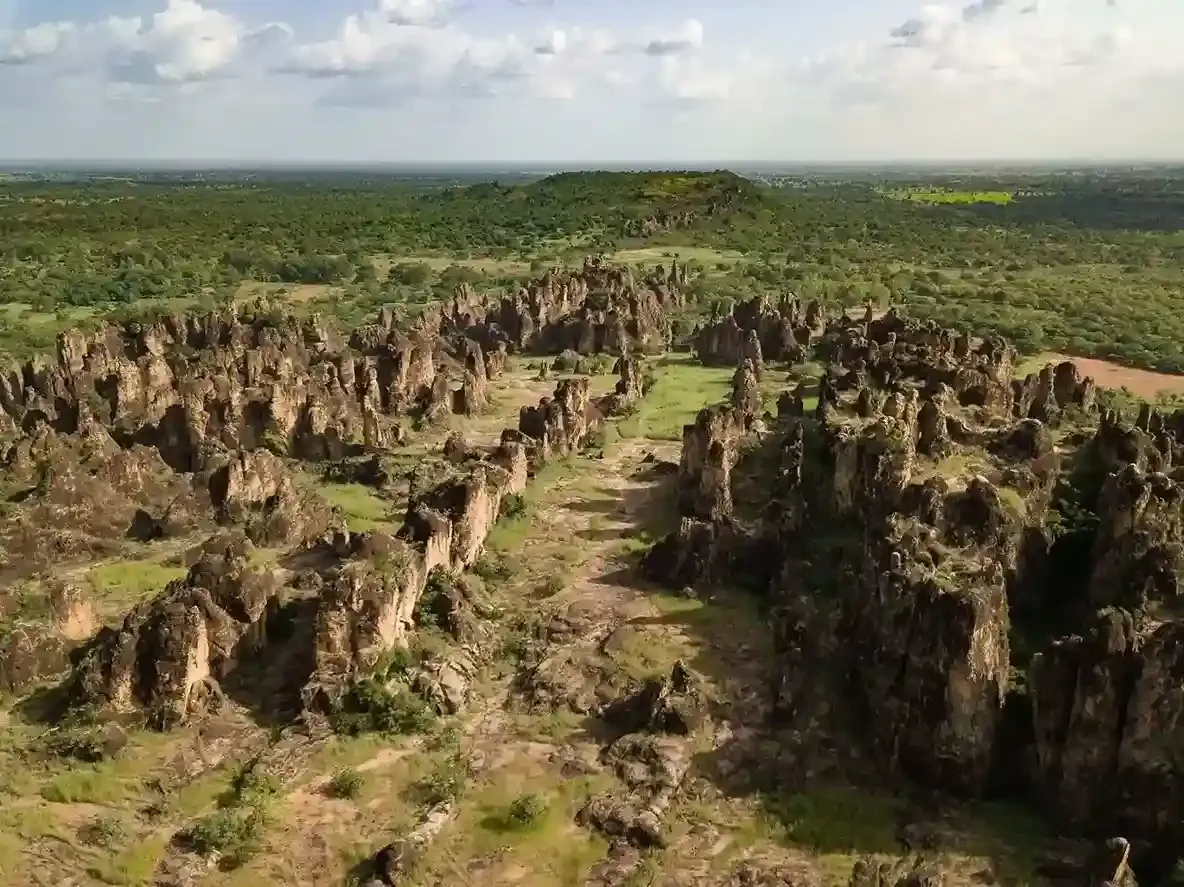
Burkina Faso is landlocked, with savannah in the north grading to semi-arid Sahel and greener south. Dramatic rock formations like Sindou Peaks and the Dome of Fabedougou, wildlife reserves, and seasonal waterfalls define the landscape.
Economy & Tourism Highlights
Gold and cotton dominate the economy. Tourism is underdeveloped but growing around cultural festivals (FESPACO, SIAO), wildlife parks, and unique architecture. Travelers seeking authentic, off-the-beaten-path West Africa find Burkina Faso extremely rewarding.
What Burkina Faso Is Known For
- FESPACO – Africa’s largest film festival
- SIAO – biggest African crafts fair
- Sindou Peaks & Ruins of Loropéni (UNESCO)
- Warm, genuine hospitality
Visa & Entry Requirements in Burkina Faso
Most nationalities can obtain a visa on arrival at Ouagadougou and Bobo-Dioulasso airports or use the e-Visa system. Requirements are straightforward compared to many African countries.
Do You Need a Visa?
ECOWAS citizens are visa-free. Most other nationalities qualify for visa on arrival (3 months) or e-Visa.
Visa Application Options in Burkina Faso
- Visa on arrival at airports
- e-Visa online (processed within 72 hours)
- Embassy visa (rarely needed)
Passport Validity & Entry Documents
Passport must be valid 6 months beyond entry with 2 blank pages. Yellow Fever certificate mandatory.
Customs Rules & Prohibited Items
Standard restrictions. Declare professional camera equipment. Plastic bags are banned.
Safety & Security Information in Burkina Faso
Northern and eastern regions face serious security threats. Major cities and southern/western tourist circuits remain relatively calm when using reputable operators.
Is Burkina Faso Safe for Tourists?
Yes in Ouagadougou, Bobo-Dioulasso, Banfora, Sindou, and wildlife parks in the south/west when traveling with experienced local guides.
Recommended Safety Tips when in Burkina Faso
Travel with registered operators, avoid northern/eastern regions, don’t travel after dark outside cities, keep embassy informed.
Safe Areas vs. Areas to Avoid in Burkina Faso
Safe: Ouaga, Bobo, Banfora, Sindou, Koro, wildlife parks (Arly, W, Nazinga). Avoid: Everything north of Dori and east of Fada N’gourma.
Emergency Numbers & Tourist Police in Burkina Faso
- Police: 17
- Fire: 18
- Medical Emergency: 10-10-10 (SOS Médecins)
Health Requirements & Vaccinations in Burkina Faso
Yellow Fever vaccination mandatory. Malaria prophylaxis strongly recommended.
Mandatory Vaccinations in Burkina Faso
Yellow Fever certificate required from all travelers over 9 months.
Recommended Vaccinations in Burkina Faso
Hepatitis A & B, Typhoid, Rabies, Meningitis, routine boosters.
Malaria & Other Risks
High malaria risk year-round. Use prophylactics, nets, repellent.
Travel Insurance Recommendations in Burkina Faso
Essential – include medical evacuation coverage.
Best Time to Visit in Burkina Faso
November–February offers the most comfortable temperatures (20–32°C) and coincides with major festivals.
Weather by Season
Cool dry season (Nov–Feb), hot dry season (Mar–May), rainy season (Jun–Oct).
When to Visit Burkina Faso for Best Experiences
- FESPACO film festival: February/March (odd years)
- SIAO crafts fair: October/November (even years)
- Wildlife viewing best Dec–April
Weather & Climate Overview in Burkina Faso
Hot and dry most of the year. Harmattan winds bring dust Dec–Feb.
Main Currency, Costs & Budgeting in Burkina Faso
West African CFA franc (XOF). Excellent value destination.
Average Travel Costs in Burkina Faso
Budget $50–90/day, mid-range $100–180/day.
Transportation & Getting Around in Burkina Faso
Bush taxis, domestic flights (Air Burkina), private drivers with guides recommended.
Accommodation Options available in Burkina Faso
From basic auberges to boutique eco-lodges in wildlife areas.
Essential Packing Guide when Visiting Burkina Faso
Light modest clothing, strong sunscreen, malaria prophylaxis, headlamp, dust mask for Harmattan.
Language & Communication in Burkina Faso
French essential outside high-end hotels. Local guides speak English.
Culture & Etiquette in Burkina Faso
Modest dress, greet elders first, remove shoes entering homes, use right hand only.
Food, Water & Dining in Burkina Faso
Riz gras, poulet bicyclette, bissap juice. Bottled water only.
Top Attractions & Things to Do in Burkina Faso
- Sindou Peaks & waterfalls (Banfora)
- Ruins of Loropéni (UNESCO)
- Bobo-Dioulasso Grand Mosque & old town
- Wildlife parks (Arly, W, Nazinga Ranch)
- FESPACO & SIAO festivals
Burkina Faso Electrical System Information
Type C & E plugs, 220V, 50Hz.
Local Laws & Regulations of Burkina Faso
Photography restrictions around military sites. Dress modestly. Alcohol widely available but public drunkenness frowned upon.
Final Travel Tips for Visitors in Burkina Faso
Travel with reputable local operators, stay flexible, embrace the warmth of Burkinabè hospitality.
Frequently Asked Questions – Burkina Faso Travel Guide 2026-2027
Our Tanzania Tours Products
While Burkina Faso offers incredible West African culture and landscapes, many travelers combine it with the ultimate East African wildlife experience. Capable Africa Tours specializes in secure, guided safaris that maximize safety and wonder...
Great Migration Safaris
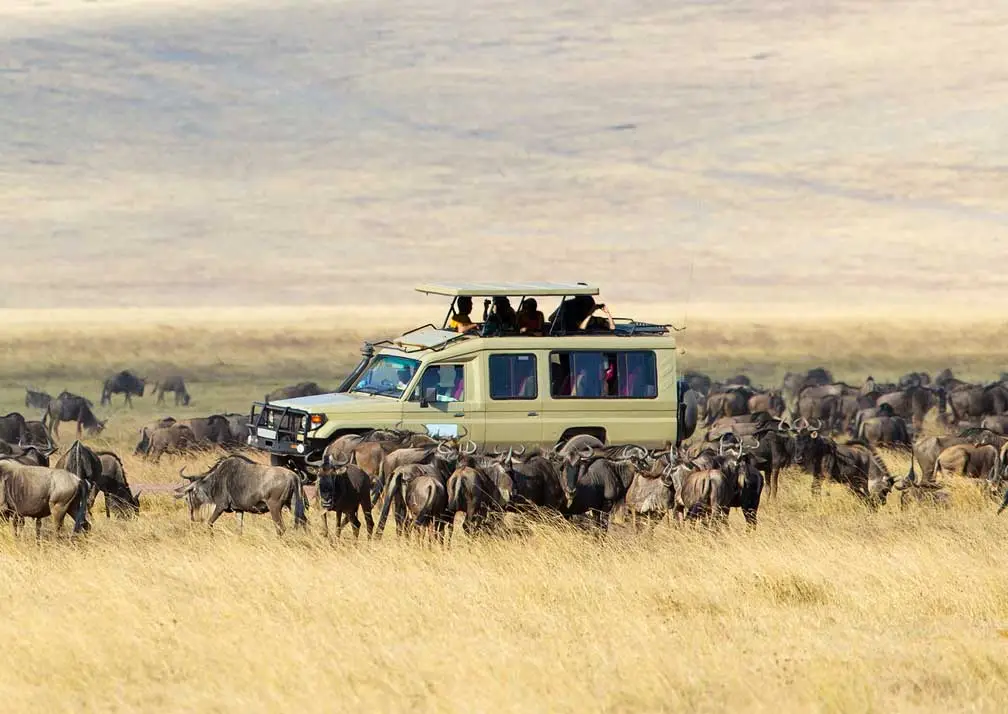
Experience one of nature's greatest spectacles with our Great Migration safari packages, timed for river crossings or calving.
View Package →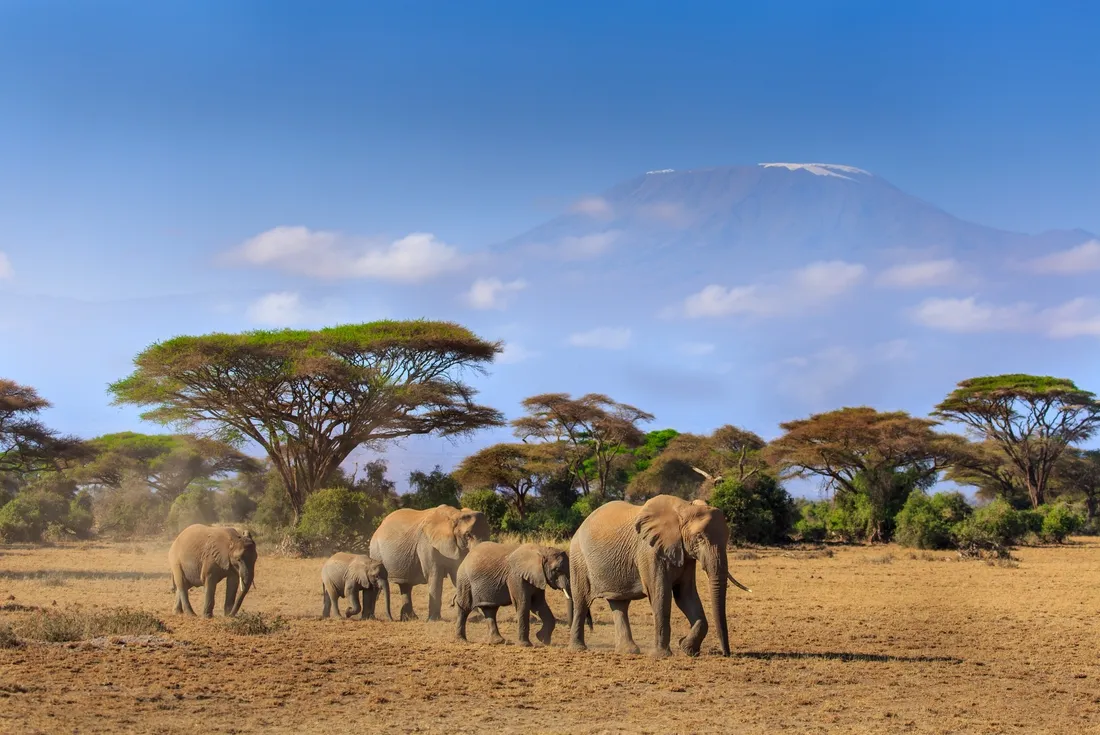
Serengeti & Kilimanjaro Trek
Combined safari and trekking tours offer wildlife adventures and Kilimanjaro climbs.
View Package →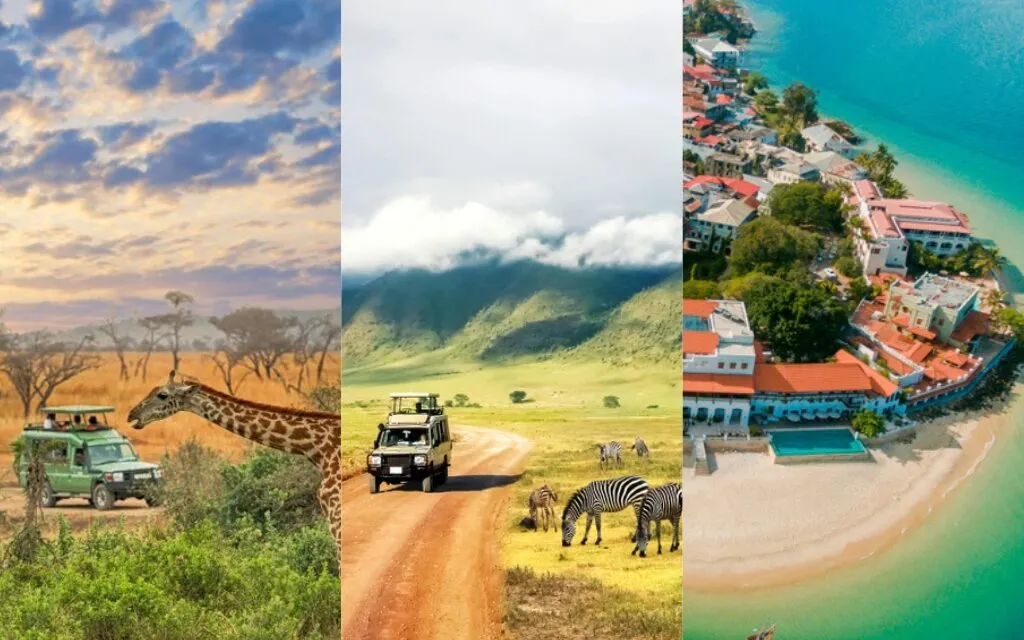
Serengeti & Zanzibar Tours
Luxury Tanzania safari & beach packages with the Great Migration and pristine beaches.
View Package →Related: Best Time to Visit Tanzania 2026 – Perfect safari extension after your Burkina Faso adventure.