
Most Complete Burundi Travel Guide 2026-2027 – Everything You Need to Know Before Visiting
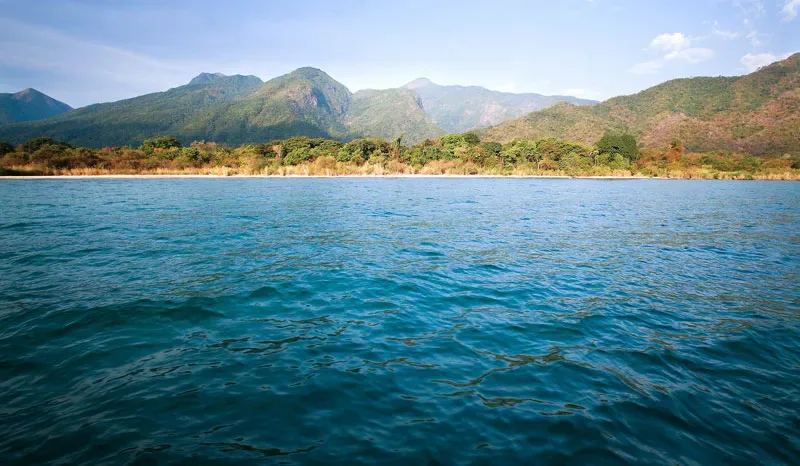
This Burundi travel guide provides everything you need to plan your journey to one of Africa's most underrated gems. Known as the “Heart of Africa”, Burundi offers stunning Lake Tanganyika beaches, mist-shrouded mountains, chimpanzee-filled rainforests, and warm hospitality that surprises every visitor. Despite its small size, the country delivers extraordinary natural beauty and cultural depth, from the drum sanctuaries of Gishora to the source of the Nile at Rutovu and the pristine Kibira National Park shared with Rwanda.
Start Reading the Full Guide ↓Quick Facts About Burundi
- Capital: Gitega (political), Bujumbura (economic).
- Currency: Burundian Franc (BIF).
- Time Zone: Central Africa Time (CAT, UTC+2).
- International Calling Code: +257.
- Driving Side: Right.
- Major Airports: Bujumbura International Airport (BJM).
Burundi Overview & Key Facts
Brief History of Burundi
Burundi's history traces back to powerful kingdoms established by the Ganwa dynasty from the 16th century. German and later Belgian colonial rule shaped the modern state, with independence achieved in 1962. The country experienced periods of ethnic tension between Hutu and Tutsi populations, but has achieved remarkable stability since 2020 under President Évariste Ndayishimiye, earning recognition as one of Africa's fastest-improving destinations.
Independence & National Identity
- Independence date: July 1, 1962.
- Former colonial power: Belgium.
- National symbols & identity.
Burundi gained independence from Belgium after being part of German East Africa and later Ruanda-Urundi. The national flag features red and green panels with a white saltire and central drum symbolizing unity. The country's identity celebrates its royal drumming tradition (UNESCO Intangible Heritage) and the shared cultural heritage of its people.
Government System & Current Leadership
- Type of government: Presidential Republic
- Current president: Évariste Ndayishimiye
- Notes on political stability
Burundi operates as a presidential republic with significant improvements in governance and security since 2020. President Ndayishimiye has implemented reforms that have led to the lifting of international sanctions and growing confidence among travelers and investors.
Population, Ethnic Groups & Languages
- Population: 13.2 million (2025 projection).
- Major ethnic groups: Hutu (85%), Tutsi (14%), Twa (1%).
- Official language(s): Kirundi, French, English (since 2014).
- Additional languages commonly spoken.
Kirundi is spoken by virtually the entire population, making communication remarkably easy. Swahili is widely used along Lake Tanganyika and in commercial areas. English has been promoted as the third official language and is increasingly common in tourism and education sectors.
Main Religions & Cultural Identity
Christianity dominates (primarily Catholic, ~90%), with small Muslim and traditional belief communities. Religious harmony is strong, and visitors will find churches playing a central role in community life. Traditional drumming, dance, and craft-making remain vibrant expressions of Burundian identity.
Geography & Natural Landscape
Burundi features dramatic highland plateaus (average 1,700m), the spectacular Lake Tanganyika shoreline (second-deepest lake in the world), and tropical rainforests. The country contains the southernmost source of the Nile River and shares Kibira National Park with Rwanda – one of the largest montane rainforests in East Africa.
Economy & Tourism Highlights
Burundi is investing heavily in tourism infrastructure, with new hotels, improved roads, and simplified visa procedures. The combination of pristine Lake Tanganyika beaches, chimpanzee tracking, cultural experiences, and proximity to Rwanda and Tanzania makes it an emerging hotspot for adventurous travelers.
What Burundi Is Known For
- UNESCO-listed Royal Drummers of Burundi
- Southernmost source of the Nile River
- Stunning Lake Tanganyika beaches and hippo-filled waters
- Chimpanzee tracking in Kibira National Park
Visa & Entry Requirements in Burundi
Burundi offers one of Africa's easiest entry processes with visa-on-arrival available to most nationalities and a reliable e-Visa system.
Do You Need a Visa?
Citizens of most countries can obtain a visa on arrival at Bujumbura airport or land borders, or apply online in advance. EAC citizens enter visa-free.
Visa Application Options in Burundi
- Visa on arrival (most common)
- e-Visa online (recommended)
- Embassy application
Passport Validity & Entry Documents
Passport must be valid for 6 months with 2 blank pages. Yellow Fever certificate mandatory if coming from endemic countries.
Customs Rules & Prohibited Items
Standard restrictions apply. Plastic bags are banned. Declare professional camera equipment and drones (permits required).
Safety & Security Information in Burundi
Burundi has made dramatic safety improvements since 2020. Most international advisories now rate tourist areas as Level 2 (exercise increased caution).
Is Burundi Safe for Tourists?
Yes – Bujumbura, Gitega, Lake Tanganyika beaches, and Kibira National Park are considered safe for tourists when using common sense precautions.
Recommended Safety Tips when in Burundi
Use registered taxis or hotel transfers after dark. Avoid border areas with DRC. Travel with reputable operators for primate tracking and rural visits.
Safe Areas vs. Areas to Avoid in Burundi
Safe: Bujumbura, Gitega, Rumonge, Kibira NP, Source du Nil. Avoid: Remote border areas with DRC after dark.
Emergency Numbers & Tourist Police in Burundi
- Police: 117
- Fire: 118
- Medical Emergency: 118
Health Requirements & Vaccinations in Burundi
Yellow Fever certificate mandatory. Malaria prophylaxis strongly recommended.
Mandatory Vaccinations in Burundi
Yellow Fever certificate required from all travelers aged 1+ arriving from risk countries.
Recommended Vaccinations in Burundi
Hepatitis A & B, Typhoid, Rabies (primate areas), Meningitis, routine vaccines.
Malaria & Other Risks
Malaria present throughout the country. Use prophylaxis, nets, and repellent.
Travel Insurance Recommendations in Burundi
Mandatory for most tour operators. Must cover medical evacuation.
Best Time to Visit in Burundi
June–September (dry season) offers the best weather and gorilla/chimp tracking conditions.
Weather by Season
Dry season (June–Sep): 20–28°C, perfect visibility. Rainy season (Oct–May): lush landscapes but muddy roads.
When to Visit Burundi for Best Experiences
- Chimpanzee tracking: June–September
- Lake Tanganyika beaches: Year-round
- Gishora drumming festivals: November–February
High Season vs. Low Season Travel
High season: June–September & December–February. Low season: March–May (rainy).
Weather & Climate Overview in Burundi
Tropical highland climate with moderate temperatures year-round due to elevation.
Temperature Ranges
Bujumbura: 23–31°C. Highlands: 17–25°C.
Rainy & Dry Seasons in Burundi
Long rains: March–May. Short rains: October–December. Dry: June–September.
What to Wear Based on the Weather
Light clothing for Bujumbura, layers for highlands. Rain jacket during wet season.
Main Currency, Costs & Budgeting in Burundi
One of Africa's most affordable destinations once you arrive.
Local Currency Information
Burundian Franc (BIF). USD widely accepted.
Average Travel Costs in Burundi
Budget: $60–100/day. Mid-range: $120–200/day.
Using ATMs, Cards & Mobile Money in Burundi
ATMs in Bujumbura accept Visa. Cash preferred elsewhere.
Tipping Guidelines in Burundi
10% in restaurants. $5–10/day for guides and drivers.
Transportation & Getting Around in Burundi
Road network improving rapidly. Private transfers recommended.
Airport Transfers
Official taxis or hotel transfers from Bujumbura airport.
Local Transport Options in Burundi
Minibus taxis (hiace), moto-taxis, boat services on Lake Tanganyika.
Burundi Domestic Flights
Limited. Road travel most common.
Car Rentals & Road Conditions in Burundi
4WD recommended outside Bujumbura. Drivers available.
Accommodation Options available in Burundi
Growing range from boutique hotels to eco-lodges.
Types of Accommodations in Burundi
Luxury lodges on Lake Tanganyika, boutique hotels in Bujumbura and Gitega, eco-camps in Kibira.
Budget vs. Mid-Range vs. Luxury
Budget: $30–60. Mid-range: $80–150. Luxury: $200+.
Best Areas to Stay in Burundi
Bujumbura (vibrant), Saga Beach (relaxed), Gitega (cultural).
Essential Packing Guide when Visiting Burundi
Pack for tropical climate with altitude variations.
Clothing Essentials
Light breathable clothes, rain jacket, warm layers for evenings.
Footwear & Gear
Good walking shoes, waterproof hiking boots for Kibira.
Electronics & Cameras
Type C/E plugs, 220V. Power banks essential.
Toiletries & Personal Items
High-DEET repellent, malaria prophylaxis, sunscreen.
Language & Communication in Burundi
Kirundi universal, French common, English growing fast in tourism.
Main Languages Spoken in Burundi
Kirundi (everyone), French (official), English (tourism), Swahili (lake region).
Useful Phrases for Tourists
“Amakuru?” (How are you?), “Murakoze” (Thank you), “Ego” (Yes), “Oya” (No).
SIM Cards & Mobile Data used in Burundi
Lumitel, Viettel, Econet. Good coverage.
Internet Availability & Wi-Fi in Burundi
Good in hotels and cafes in Bujumbura and Gitega.
Culture & Etiquette in Burundi
Deeply respectful society with strong community values.
Burundian Dress Code Expectations
Modest dress appreciated, especially in rural areas.
Social Etiquette & Respectful Behavior of Burundi
Greet everyone, accept offered drinks, remove shoes when entering homes.
Photography Rules in Burundi
Ask permission before photographing people.
Important Cultural Dos & Don’ts in Burundi
Do accept hospitality. Don’t refuse food/drink without good reason.
Food, Water & Dining in Burundi
Hearty, fresh, and surprisingly diverse cuisine.
Burundian Local Dishes to Try
Brochettes, beans & plantain, fresh Lake Tanganyika fish, ibiharage, urwagwa (banana beer).
Dietary Options in Burundi
Vegetarian options widely available. Fresh fish excellent.
Drinking Water Safety
Bottled water recommended.
Restaurant Etiquette
Tipping 10% appreciated.
Top Attractions & Things to Do in Burundi
Extraordinary natural and cultural experiences.
Major Tourist Attractions in Burundi
- Gishora Drum Sanctuary
- Kibira National Park (chimpanzees)
- Source of the Nile
- Lake Tanganyika beaches
Best Tours & Experiences in Burundi
Chimpanzee tracking, drumming performances, Nile source visits, Lake Tanganyika boat safaris.
Family-Friendly Activities to do in Burundi
Lake beaches, cultural villages, gentle hiking.
Unique Cultural or Historical Sites to visit in Burundi
Gishora drums, royal palace museums, Livingstone-Stanley monument.
Burundian Electrical System Information
Type C and E plugs, 230V, 50Hz.
Plug Types & Voltage used in Burundi
European standard (C/E). Universal adapter recommended.
Charging Tips
Power banks essential for rural areas.
Local Laws & Regulations of Burundi
Standard African travel regulations. Plastic bags banned.
Rules Travelers Need to Know when In Burundi
Yellow Fever certificate mandatory. Drone permits required.
Alcohol, Smoking & Substance Laws of Burundi
Alcohol widely available. All drugs strictly prohibited.
Restricted or Protected Areas in Burundi
National parks require permits and guides.
Final Travel Tips for Visitors in Burundi
Book chimpanzee permits early. Use registered operators. Bring USD cash.
Common Mistakes to Avoid
Underestimating travel times. Not booking primate permits in advance.
Tips to Save Money when Visiting Burundi
Travel in groups. Eat local food. Use shared minibuses.
Safety & Comfort Tips
Travel with reputable local operators. Stay hydrated at altitude.
Frequently Asked Questions – Burundi Travel Guide 2026-2027
Our Tanzania Tours Products
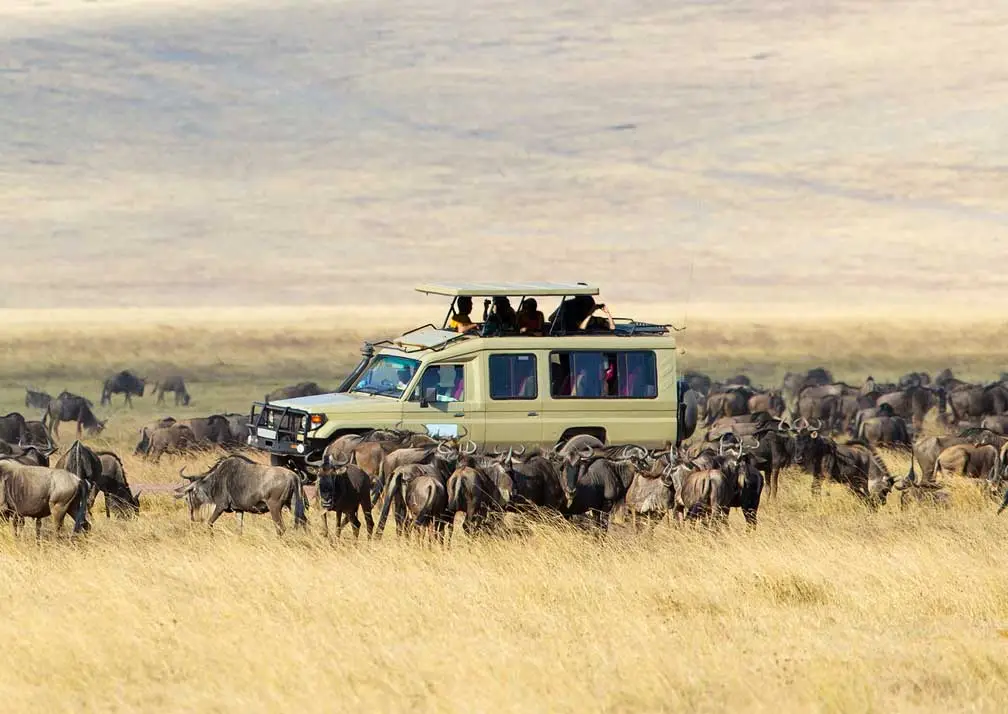
Many travelers combine emerging Burundi with the world-class wildlife experience of neighboring Tanzania. Capable Africa Tours offers seamless cross-border itineraries with chimpanzee tracking in Burundi’s Kibira followed by the Great Migration in Serengeti – all with the same trusted guides and vehicles.
Great Migration Safaris
Experience one of nature's greatest spectacles with our Great Migration safari packages, timed for river crossings or calving.
View Package →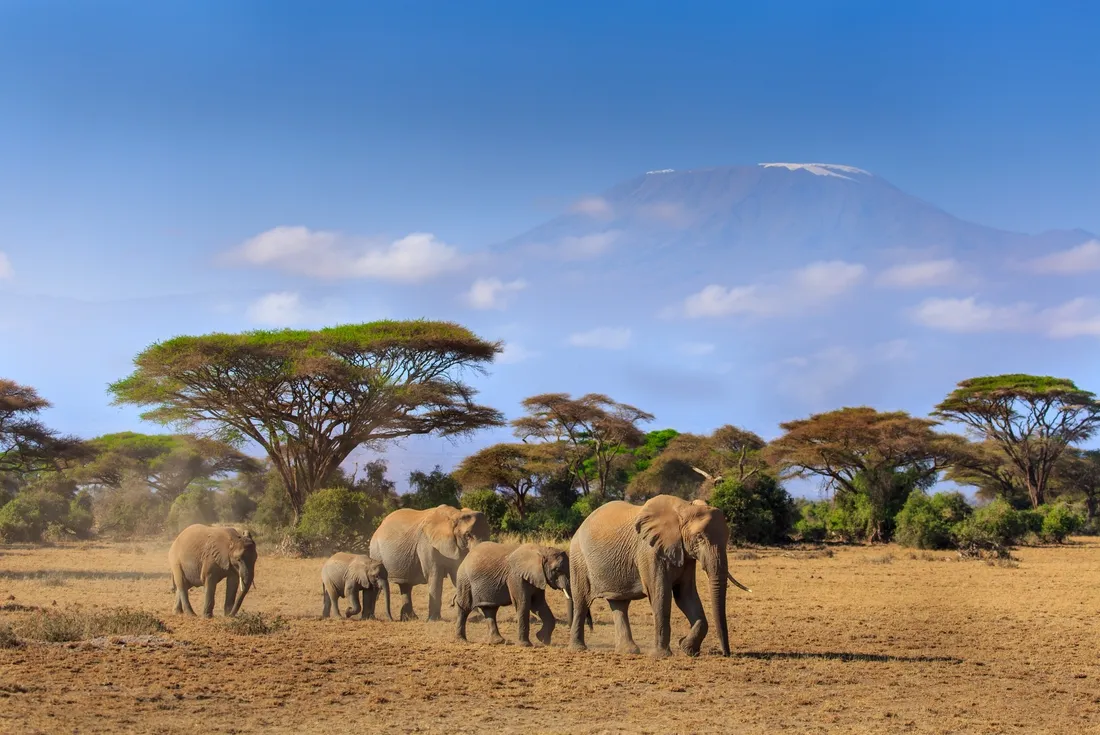
Serengeti & Kilimanjaro Trek
Combined safari and trekking tours offer wildlife adventures and Kilimanjaro climbs.
View Package →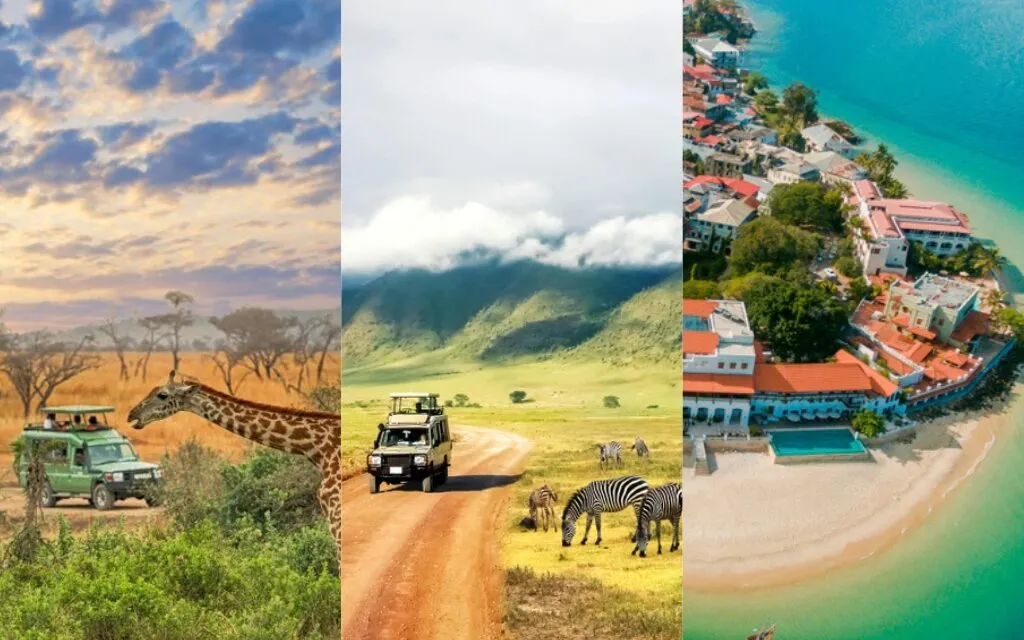
Serengeti & Zanzibar Tours
Luxury Tanzania safari & beach packages with the Great Migration and pristine beaches.
View Package →Related: Best Time to Visit Tanzania 2026 – Perfect safari extension after your Burundi adventure.