Most Complete Cambodia Travel Guide 2026-2027 – Everything You Need to Know Before Visiting
This Cambodia travel guide provides everything you need to plan your journey to one of Southeast Asia’s most captivating destinations. Cambodia offers an extraordinary blend of ancient temples, tragic modern history, tropical beaches, and vibrant culture that create one of the region’s most diverse travel experiences. Many travelers who want to travel to Cambodia are surprised by the country’s incredible warmth, resilience, and the sheer scale of Angkor Wat – the largest religious monument on earth – set against a backdrop of rice paddies, jungles, and the mighty Mekong River.
Start Reading the Full Guide ↓Quick Facts About Cambodia
- Capital: Phnom Penh.
- Currency: Cambodian Riel (KHR) + US Dollar (USD).
- Time Zone: Indochina Time (ICT, UTC+7).
- International Calling Code: +855.
- Driving Side: Right.
- Major Airports: Phnom Penh (PNH), Siem Reap–Angkor (SAI), Sihanoukville (KOS).
Cambodia Overview & Key Facts
Brief History of Cambodia
Cambodia’s history spans millennia, from the ancient Funan kingdom through the glorious Angkorian period (9th–15th centuries) when the Khmer Empire built Angkor Wat and dominated Southeast Asia. French colonial rule lasted from 1863 to 1953, followed by independence under King Norodom Sihanouk. The country endured the brutal Khmer Rouge regime (1975–1979), which caused the deaths of approximately 1.7–2 million people. Today’s Cambodia is a resilient nation rebuilding with remarkable warmth and optimism.
Independence & National Identity
- Independence date: November 9, 1953.
- Former colonial power: France.
- National symbols & identity.
Cambodia is a constitutional monarchy. The flag features Angkor Wat in blue and red stripes symbolising the nation, bravery, and the monarchy. Khmer culture, Theravada Buddhism, and the legacy of Angkor form the core of national identity.
Government System & Current Leadership
- Type of government: Constitutional Monarchy with Parliamentary system
- Current King: Norodom Sihamoni
- Prime Minister: Hun Manet (since August 2023)
The country enjoys relative political stability and steady economic growth, making it welcoming for tourism.
Population, Ethnic Groups & Languages
- Population: 17.2 million (2025 projection).
- Major ethnic groups: Khmer (97%), Vietnamese, Chinese, Cham.
- Official language(s): Khmer.
- Additional languages commonly spoken.
English is widely spoken in tourist areas; French among older generations. In Siem Reap and Phnom Penh, most tourism staff speak good English.
Main Religions & Cultural Identity
Theravada Buddhism is practiced by 97% of Cambodians and deeply influences daily life, festivals, and etiquette. Small Muslim Cham and Christian minorities exist. Visitors should respect temple dress codes and monk traditions.
Geography & Natural Landscape
Cambodia features lowland plains around the Tonlé Sap lake and Mekong River, cardamom mountains in the southwest, and tropical beaches along the Gulf of Thailand. The climate is tropical monsoon with distinct wet and dry seasons.
Economy & Tourism Highlights
Tourism is a major pillar alongside garments and agriculture. Angkor Wat alone attracts millions annually. The government actively promotes eco-tourism, beaches, and community-based experiences.
What Cambodia Is Known For
- Angkor Wat – largest religious monument in the world (UNESCO)
- Tragic Khmer Rouge history & resilience
- Pristine tropical islands (Koh Rong, Koh Rong Samloem)
Visa & Entry Requirements in Cambodia
Most nationalities receive a 30-day tourist visa on arrival or e-Visa online. The process is straightforward and tourist-friendly.
Do You Need a Visa?
ASEAN citizens are visa-exempt. Everyone else needs a visa – either e-Visa ($36 + $6 fee) or visa on arrival ($30). Business (E-class) visas are easily extendable.
Visa Application Options in Cambodia
- e-Visa online (recommended – avoids queues)
- Visa on arrival at airports and major land borders
- Embassy application (rarely needed)
Passport Validity & Entry Documents
Passport must have 6 months validity and at least one blank page. Return/onward ticket may be asked for (rarely enforced).
Customs Rules & Prohibited Items
Standard rules apply. Up to 1 litre of alcohol and 200 cigarettes duty-free. Drones require permission. No restrictions on USD import.
Safety & Security Information in Cambodia
Cambodia is one of Southeast Asia’s safest countries for tourists. Violent crime against foreigners is extremely rare.
Is Cambodia Safe for Tourists?
Yes – very safe in Siem Reap, Phnom Penh, coastal areas, Battambang, Kampot. Bag-snatching in Phnom Penh and occasional scams are the main concerns.
Recommended Safety Tips when in Cambodia
Use ride-hailing apps (Grab, PassApp), don’t flash valuables, drink bottled water, use mosquito repellent, wear helmets on motorbikes.
Safe Areas vs. Areas to Avoid in Cambodia
Safe: Siem Reap, Phnom Penh (tourist districts), Sihanoukville (islands), Kampot, Battambang. Exercise caution: Preah Vihear temple border area, remote northeast (landmine risk).
Emergency Numbers & Tourist Police in Cambodia
- Police: 117
- Tourist Police: 097 778 0007 (Siem Reap/Phnom Penh)
- Ambulance: 119
- Fire: 118
Health Requirements & Vaccinations in Cambodia
No mandatory vaccinations except yellow fever if arriving from endemic countries.
Mandatory Vaccinations in Cambodia
None except yellow fever certificate if applicable.
Recommended Vaccinations in Cambodia
Hepatitis A, Typhoid, Rabies (pre-exposure), Japanese Encephalitis (rural long stays), routine vaccines.
Malaria & Other Risks
Low malaria risk in Siem Reap/Angkor area. Higher risk in rural northeast and Cardamom Mountains. Dengue is present year-round – use repellent.
Travel Insurance Recommendations in Cambodia
Highly recommended – covers medical evacuation (expensive) and motorbike accidents (common).
Best Time to Visit in Cambodia
Cool & dry season (November–March) is peak season with perfect weather.
Weather by Season
Cool/dry: Nov–Mar (24–30°C). Hot: Mar–May (35–40°C). Wet: Jun–Oct (heavy afternoon rains).
When to Visit Cambodia for Best Experiences
- Angkor Wat sunrise: Nov–Feb (clear skies)
- Beaches: Nov–Apr
- Budget travel: May–Oct (lower prices, fewer crowds)
High Season vs. Low Season Travel
High season: Nov–Mar (higher prices, book ahead). Low season: Jun–Oct (great deals, lush green landscapes).
Weather & Climate Overview in Cambodia
Tropical monsoon climate – hot year-round with distinct wet and dry seasons.
Temperature Ranges
Daily averages 27–35°C year-round. Coolest months: Dec–Jan (24–30°C). Hottest: April (35–40°C).
Rainy & Dry Seasons in Cambodia
Dry season: November–April. Wet season: May–October (heaviest Sep–Oct).
What to Wear Based on the Weather
Light breathable clothing, flip-flops, rain jacket (wet season), modest attire for temples, hat/sunscreen.
Main Currency, Costs & Budgeting in Cambodia
Cambodia uses dual currency: US Dollar (preferred) + Cambodian Riel (small change).
Local Currency Information
ATMs dispense USD. Prices quoted in USD. Riel used for amounts under $1.
Average Travel Costs in Cambodia
Budget: $40–70/day. Mid-range: $80–150/day. Luxury: $200+/day.
Using ATMs, Cards & Mobile Money in Cambodia
ATMs widespread. Visa/Mastercard accepted in cities and tourist areas. ABA, Canadia, Acleda banks have lowest fees.
Tipping Guidelines in Cambodia
Not expected but appreciated. $1–2 for tuk-tuk drivers, 5–10% in restaurants if no service charge.
Transportation & Getting Around in Cambodia
Affordable and varied options from tuk-tuks to private taxis and speedboats.
Airport Transfers
Official taxi/metered Grab from airports. Pre-book private transfer for ease.
Local Transport Options in Cambodia
Tuk-tuks, PassApp/Grab rides, motorbike rental (with IDP), cyclo in Phnom Penh.
Cambodia Domestic Flights
Cambodia Angkor Air, Lanmei Airlines connect Phnom Penh–Siem Reap–Sihanoukville.
Car Rentals & Road Conditions in Cambodia
Self-drive rare. Private car + driver is common and affordable ($40–80/day).
Accommodation Options available in Cambodia
From $8 hostels to $500+ luxury resorts.
Types of Accommodations in Cambodia
Hostels, guesthouses, boutique hotels, riverside lodges, island bungalows, 5-star chains.
Budget vs. Mid-Range vs. Luxury
Budget: $10–30/night. Mid-range: $40–100. Luxury: $150–800+ (Aman, Rosewood, Six Senses).
Best Areas to Stay in Cambodia
Siem Reap: Pub Street area or riverside. Phnom Penh: BKK1 or riverside. Islands: Koh Rong Sanloem (Lazy Beach) or Koh Rong (4K Beach).
Essential Packing Guide when Visiting Cambodia
Pack light, modest temple clothes, rain protection, strong insect repellent.
Clothing Essentials
Light cotton clothes, long pants/light scarf for temples, swimwear, flip-flops, rain jacket.
Footwear & Gear
Comfortable sandals, walking shoes for temples, waterproof bag cover.
Electronics & Cameras
Universal adapter (Type A/C/G), power bank, waterproof phone case for islands.
Toiletries & Personal Items
Mosquito repellent with DEET, sunscreen, hand sanitizer, prescription meds, diarrhoea medication.
Language & Communication in Cambodia
English widely spoken in tourist areas.
Main Languages Spoken in Cambodia
Khmer official. English dominant in tourism; French among older generation.
Useful Phrases for Tourists
Susadei (hello), akun (thank you), som kit loy (ATM), bat/ot bat (yes/no).
SIM Cards & Mobile Data used in Cambodia
Cellcard, Smart, Metfone – $5 for 30-day tourist SIM with generous data.
Internet Availability & Wi-Fi in Cambodia
Excellent coverage and speed in cities and tourist areas. Free Wi-Fi almost everywhere.
Culture & Etiquette in Cambodia
Polite, Buddhist-influenced society. Smile and patience go far.
Cambodian Dress Code Expectations
Cover shoulders and knees at temples. Remove hats/shoes inside. No bikinis away from beaches.
Social Etiquette & Respectful Behavior of Cambodia
Don’t touch anyone’s head, point feet at people/Buddha images, or raise voice. Use both hands when giving/receiving.
Photography Rules in Cambodia
Ask permission before photographing people, especially monks. No photos at Killing Fields memorials when inappropriate.
Important Cultural Dos & Don’ts in Cambodia
Do: wai (som pas) greeting, remove shoes, support ethical elephant sanctuaries. Don’t: support orphanages, buy from child vendors, touch monks (women).
Food, Water & Dining in Cambodia
Delicious, affordable Khmer cuisine with French influences.
Cambodian Local Dishes to Try
Amok, lok lak, fish amok, kuy teav, num banh chok, pepper crab (Kep), fresh spring rolls.
Dietary Options in Cambodia
Vegetarian easy (ask “som ot phka” without fish sauce). Vegan possible in cities.
Drinking Water Safety
Drink only bottled or filtered water. Ice is generally safe in cities.
Restaurant Etiquette
Casual. Tipping not expected but appreciated.
Top Attractions & Things to Do in Cambodia
Angkor Wat, tragic history sites, paradise islands, and rural countryside.
Major Tourist Attractions in Cambodia
- Angkor Archaeological Park (UNESCO)
- Tuol Sleng & Killing Fields (Phnom Penh)
- Koh Rong & Koh Rong Samloem islands
- Battambang bamboo train & colonial architecture
Best Tours & Experiences in Cambodia
Angkor sunrise tour, village homestays, cooking classes, island hopping, ethical elephant sanctuaries.
Family-Friendly Activities to do in Cambodia
Phare Circus, Angkor mini-golf, island beaches, boat trips on Tonlé Sap.
Unique Cultural or Historical Sites to visit in Cambodia
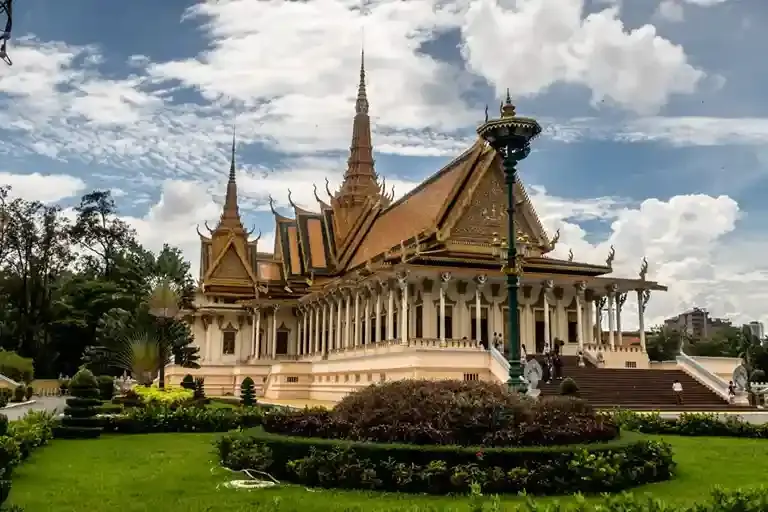
Banteay Srei temple, Beng Mealea jungle temple, Royal Palace Phnom Penh, floating villages.
Cambodian Electrical System Information
220V, 50Hz. Plugs A, C, G common.
Plug Types & Voltage used in Cambodia
Types A, C, G. Most guesthouses have universal sockets.
Charging Tips
Power banks essential for long temple days and islands with generator power.
Local Laws & Regulations of Cambodia
Respectful of monarchy and religion. Drug laws extremely strict.
Rules Travelers Need to Know when In Cambodia
No insulting monarchy, no nude sunbathing, no buying counterfeit money souvenirs.
Alcohol, Smoking & Substance Laws of Cambodia
Alcohol widely available. Cannabis technically illegal but tolerated in some places (Sihanoukville/Kampot). Hard drugs = life imprisonment.
Restricted or Protected Areas in Cambodia.
Some temples restrict access during ceremonies. Landmine areas in northwest still exist – stick to marked paths.
Final Travel Tips for Visitors in Cambodia
Be respectful, bargain politely, support ethical tourism, and embrace the warmth of Khmer hospitality.
Common Mistakes to Avoid
Don’t support elephant rides or orphanages, don’t pay police small bribes, don’t drink tap water.
Tips to Save Money when Visiting Cambodia
Travel by bus/minivan, eat street food, stay in guesthouses, visit temples with 3- or 7-day pass.
Safety & Comfort Tips
Use mosquito repellent, stay hydrated, wear helmet on scooters, book reputable tours.
Frequently Asked Questions – Cambodia Travel Guide 2026-2027
Our Tanzania Tours Products
While Cambodia offers ancient temples, tragic history and paradise islands, many travelers combine Southeast Asia with the ultimate African wildlife experience. Capable Africa Tours specializes in secure, guided safaris that maximize safety and wonder. From the Great Migration to Kilimanjaro climbs and Zanzibar beaches, we handle everything so you can focus on the magic.
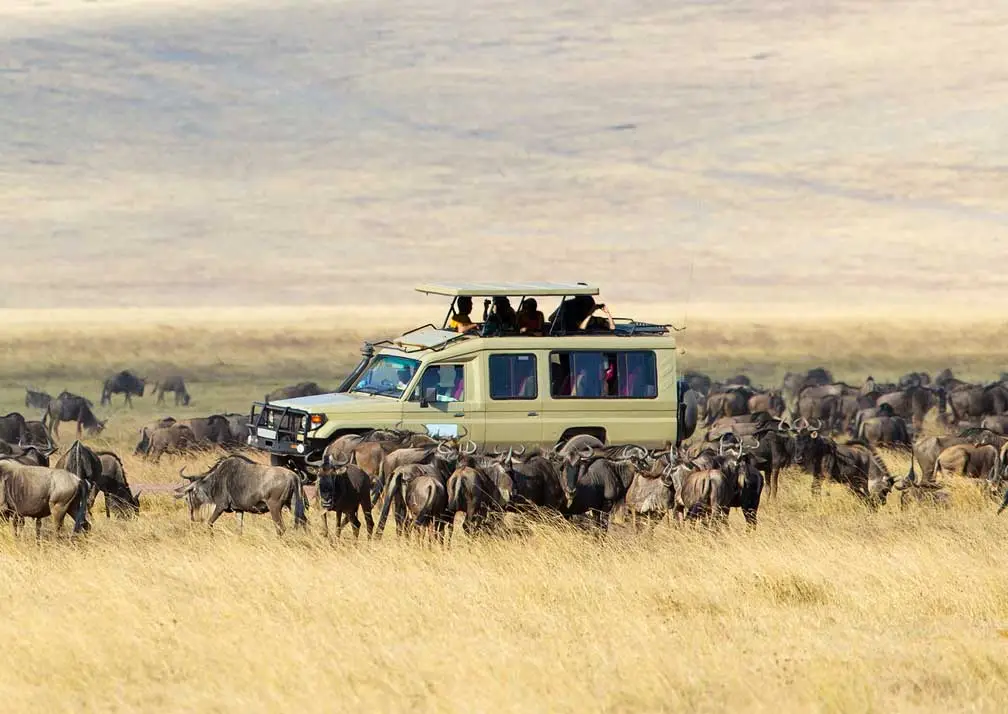
Great Migration Safaris
Experience one of nature's greatest spectacles with our Great Migration safari packages, timed for river crossings or calving.
View Package →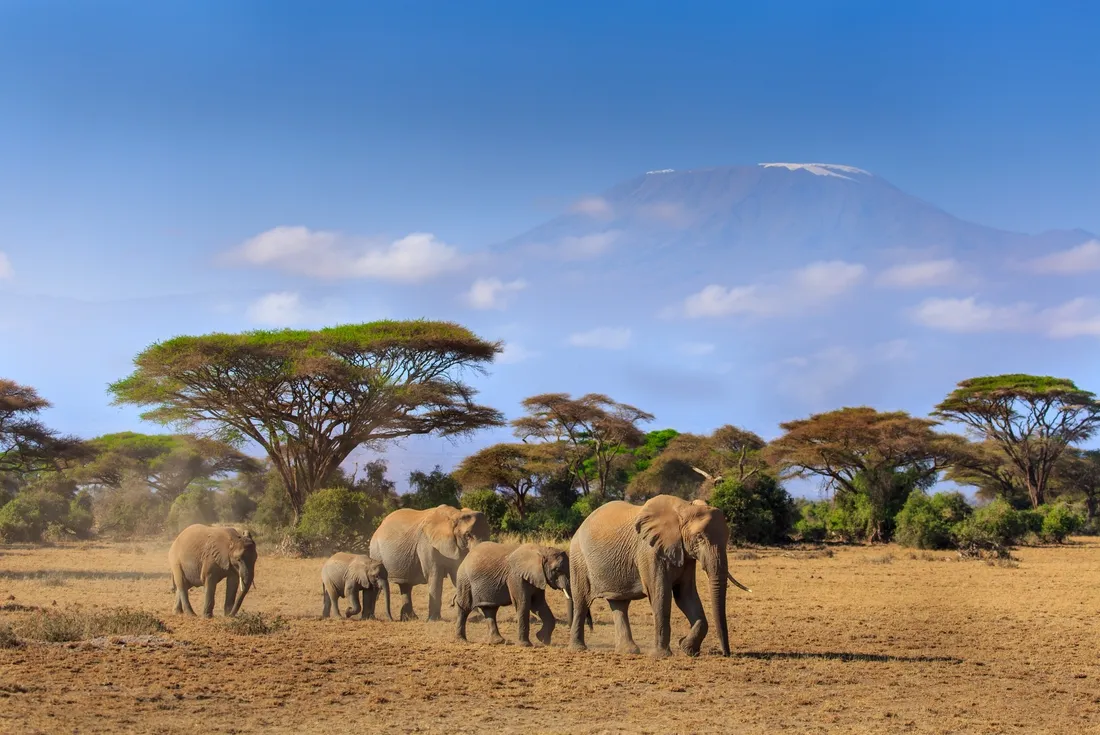
Serengeti & Kilimanjaro Trek
Combined safari and trekking tours offer wildlife adventures and Kilimanjaro climbs.
View Package →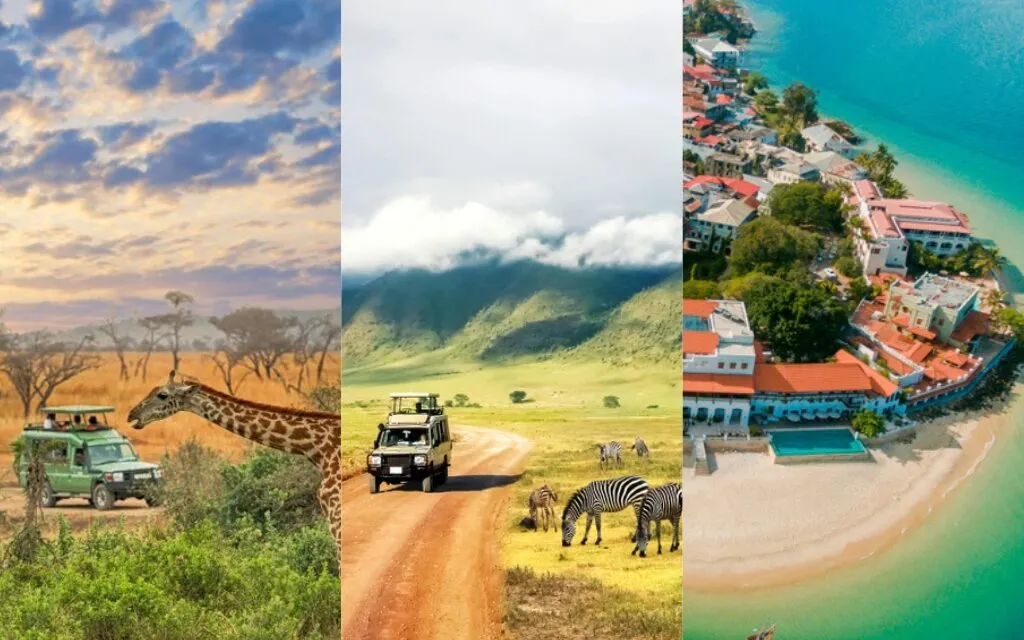
Serengeti & Zanzibar Tours
Luxury Tanzania safari & beach packages with the Great Migration and pristine beaches.
View Package →Related: Best Time to Visit Tanzania 2026 – Perfect safari extension after your Cambodia adventure.