Most Complete Canada Travel Guide 2026-2027 – Everything You Need to Know Before Visiting
This Canada travel guide provides everything you need to plan your journey to the world’s second-largest country. Canada offers an extraordinary blend of dramatic Rocky Mountain landscapes, vast boreal forests, pristine lakes, vibrant multicultural cities and Arctic tundra that create one of the planet's most diverse travel experiences. Many travelers who want to visit Canada are surprised by the country's incredible natural beauty and welcoming multicultural society spanning Indigenous, French, British and modern immigrant influences. The nation covers nearly 10 million square kilometers, offering visitors everything from glacier hiking to cosmopolitan cities and Northern Lights viewing.
Start Reading the Full Guide ↓Quick Facts About Canada
- Capital: Ottawa.
- Currency: Canadian Dollar (CAD).
- Time Zones: Six (Newfoundland to Pacific).
- International Calling Code: +1.
- Driving Side: Right.
- Major Airports: Toronto (YYZ), Vancouver (YVR), Montréal (YUL), Calgary (YYC).
Canada Overview & Key Facts
Brief History of Canada
Canada's history spans over 15,000 years of Indigenous habitation, followed by French and British colonization. European exploration began with Vikings around 1000 CE, followed by French settlement in 1604 and British control after 1763. Confederation in 1867 created the modern nation, with steady westward expansion and increasing autonomy from Britain, culminating in full sovereignty in 1982.
Independence & National Identity
- Confederation date: July 1, 1867.
- Former colonial powers: France & Britain.
- National symbols & identity.
Canada Day celebrates July 1, 1867, when four provinces united. The maple leaf flag was adopted in 1965. National identity emphasizes multiculturalism, bilingualism, peace-keeping, and love of nature.
Government System & Current Leadership
- Type of government: Parliamentary Democracy & Constitutional Monarchy
- Current prime minister: Justin Trudeau (as of 2025)
- Notes on political stability
Canada is a stable, highly developed democracy with peaceful transitions of power and strong rule of law.
Population, Ethnic Groups & Languages
- Population: 41.5 million (2025 projection).
- Major ethnic groups: Canadian (32%), English, French, Scottish, Irish, Indigenous, South Asian, Chinese.
- Official language(s): English and French.
- Additional languages commonly spoken.
French is dominant in Québec and parts of New Brunswick. Over 200 languages are spoken due to immigration; English is the working language almost everywhere except rural Québec.
Main Religions & Cultural Identity
Christianity remains the largest religion (55%), but “no religion” is growing fast (34%). Significant Muslim, Hindu, Sikh and Jewish communities exist. Canada officially promotes multiculturalism and inclusivity.
Geography & Natural Landscape
Canada features six time zones, the world’s longest coastline, and landscapes from Arctic tundra to temperate rainforests. The Rocky Mountains, Canadian Shield, prairies, and thousands of lakes define its geography.
Economy & Tourism Highlights
Canada has a highly developed mixed economy based on natural resources, services, and technology. Tourism is a major industry, especially nature-based and urban experiences.
What Canada Is Known For
- Rocky Mountains & Banff/Jasper National Parks
- Niagara Falls & Québec City (UNESCO)
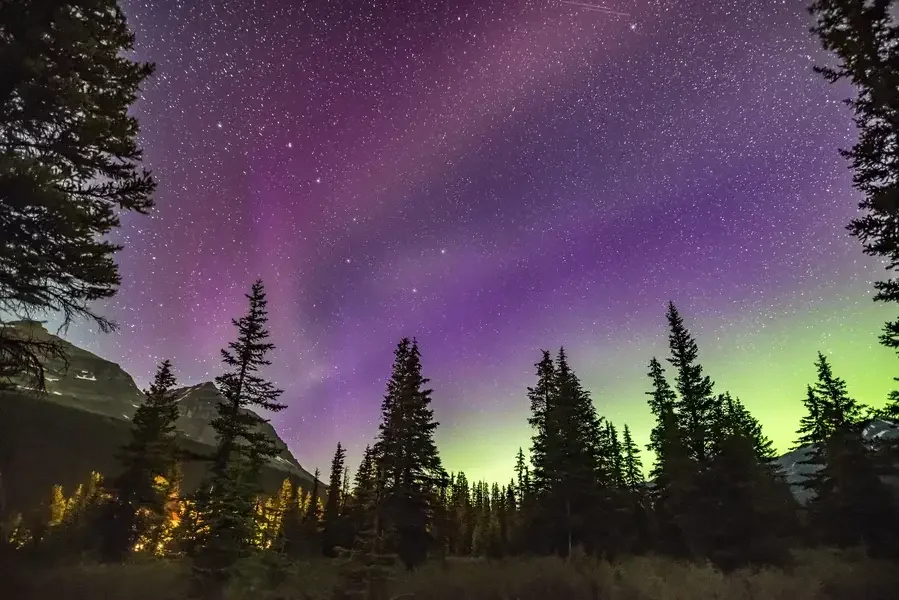
- Northern Lights viewing in Yukon, NWT, Nunavut
- Maple syrup, hockey, poutine & extreme politeness
Visa & Entry Requirements in Canada
Most visitors need either an eTA or a visitor visa. Requirements are straightforward and processed online for eligible nationalities.
Do You Need a Visa?
Citizens of 68 visa-exempt countries (EU, UK, Australia, Japan, etc.) only need an eTA ($7 CAD, valid 5 years). All others require a visitor visa. US citizens need neither for tourism.
Visa Application Options in Canada
- eTA (online, instant for most)
- Visitor visa (paper/online, 2–8 weeks)
- Transit Without Visa program for some flights
Passport Validity & Entry Documents
Passport must be valid for entire stay. Return/onward ticket and proof of funds often requested.
Customs Rules & Prohibited Items
Strict rules on food, plants, firearms, and cannabis (legal but heavily regulated). Declare everything.
Safety & Security Information in Canada
Canada is one of the safest countries in the world with very low violent crime rates.
Is Canada Safe for Tourists?
Extremely safe. Most, Level 1 by US, UK, Australia, etc. Normal urban precautions apply.
Recommended Safety Tips when in Canada
Watch for wildlife (bears, moose), obey park rules, secure belongings in cities, avoid leaving valuables in cars.
Safe Areas vs. Areas to Avoid in Canada
Almost everywhere is safe. Some downtown eastside areas in Vancouver or specific neighbourhoods in Winnipeg/Montréal have higher petty crime but are easily avoided.
Emergency Numbers & Tourist Police in Canada
- Emergency: 911 (nationwide).
- Non-emergency police: local 311 or 10-digit.
Health Requirements & Vaccinations in Canada
No mandatory vaccinations. Excellent healthcare system.
Mandatory Vaccinations in Canada
None.
Recommended Vaccinations in Canada
Routine vaccines only. Tick-borne diseases in some wooded areas.
Malaria & Other Risks
No malaria. Main risks: cold weather injuries, wildlife, road safety in winter.
Travel Insurance Recommendations in Canada
Strongly recommended – healthcare is free for emergencies but very expensive for non-residents otherwise.
Best Time to Visit in Canada
Varies dramatically by region and activity.
Weather by Season
Summer (Jun–Aug): warm to hot. Winter (Dec–Mar): cold to extremely cold. Shoulder seasons best for fewer crowds.
When to Visit Canada for Best Experiences
- Summer: festivals, hiking, national parks
- Winter: skiing, Northern Lights, Québec Winter Carnival
- Fall: stunning colours in Ontario/Québec
High Season vs. Low Season Travel
July–August and December–March (ski season) are high; shoulder seasons offer best value.
Weather & Climate Overview in Canada
Extremely varied – from temperate rainforest to Arctic.
Temperature Ranges
Vancouver: mild year-round; Prairies: -30°C to +35°C; Atlantic: maritime.
Rainy & Dry Seasons in Canada
West coast rainy Oct–Apr; Prairies dry; Québec/Ontario humid continental.
What to Wear Based on the Weather
Layering essential. Quality winter coat, boots, hat, gloves for winter; light clothing + jacket for summer.
Main Currency, Costs & Budgeting in Canada
Canadian Dollar (CAD). Cards accepted almost everywhere.
Local Currency Information
Coins: loonie ($1), toonie ($2). Contactless payment universal.
Average Travel Costs in Canada
Budget: $100–150/day; mid-range $200–350; luxury $500+.
Using ATMs, Cards & Mobile Money in Canada
Cards and Apple/Google Pay accepted everywhere. ATMs plentiful.
Tipping Guidelines in Canada
15–20% standard in restaurants, $2–5/drink for bartenders, $1–2/bag for hotel staff.
Transportation & Getting Around in Canada
Excellent infrastructure but vast distances.
Airport Transfers
UP Express (Toronto), SkyTrain (Vancouver), taxis/Uber everywhere.
Local Transport Options in Canada
Excellent public transit in cities; VIA Rail for intercity; regional buses.
Canada Domestic Flights
Air Canada, WestJet, Porter, Flair – frequent and competitive.
Car Rentals & Road Conditions in Canada
Best way to explore outside cities. Winter tires mandatory in Québec Dec–Mar.
Accommodation Options available in Canada
From hostels to 5-star hotels and wilderness lodges.
Types of Accommodations in Canada
Hotels, motels, B&Bs, Airbnbs, hostels, wilderness lodges, ice hotels (Québec).
Budget vs. Mid-Range vs. Luxury
Hostels $40–80; mid-range hotels $150–300; luxury $400+.
Best Areas to Stay in Canada
Downtown cores or near transit in cities; inside national parks for nature.
Essential Packing Guide when Visiting Canada
Depends heavily on season and region.
Clothing Essentials
Layering system, waterproof jacket, warm hat/gloves, sturdy hiking shoes, swimsuit for hot springs.
Footwear & Gear
Good walking/hiking shoes, winter boots if applicable, bear spray for hiking in bear country.
Electronics & Cameras
Universal adapter (Type A/B), power bank, drone registration required.
Toiletries & Personal Items
Everything available; bring prescription meds.
Language & Communication in Canada
English dominant except Québec (French).
Main Languages Spoken in Canada
English 56%, French 21%, bilingual in tourist areas.
Useful Phrases for Tourists
“Sorry”, “Thank you”, “Please”, “Poutine” pronunciation help.
SIM Cards & Mobile Data used in Canada
Rogers, Bell, Telus – excellent coverage except remote north.
Internet Availability & Wi-Fi in Canada
Free Wi-Fi almost everywhere (cafes, libraries, transit).
Culture & Etiquette in Canada
Famous for politeness and inclusivity.
Canadian Dress Code Expectations
Casual everywhere except fine-dining or business.
Social Etiquette & Respectful Behavior of Canada
Queue patiently, say please/thank you, tip appropriately, respect Indigenous lands.
Photography Rules in Canada
Generally allowed; ask permission for people.
Important Cultural Dos & Don’ts in Canada
Do apologize (even if not your fault), remove shoes indoors, recycle.
Food, Water & Dining in Canada
Multicultural cuisine + regional specialties.
Canadian Local Dishes to Try
Poutine, maple syrup everything, Nanaimo bars, butter tarts, Montréal smoked meat, Atlantic lobster, BC salmon.
Dietary Options in Canada
Excellent vegetarian/vegan/halal/kosher options everywhere.
Drinking Water Safety
Tap water safe and delicious across the country.
Restaurant Etiquette
Tip 15–20%. Reservations recommended in cities.
Top Attractions & Things to Do in Canada
From coast to coast to coast.
Major Tourist Attractions in Canada
- Banff & Jasper National Parks
- Niagara Falls
- Québec City Old Town (UNESCO)
- CN Tower & Toronto
- Vancouver & Vancouver Island
Best Tours & Experiences in Canada
Rocky Mountaineer train, Icefields Parkway drive, whale-watching, Northern Lights tours, Indigenous cultural experiences.
Family-Friendly Activities to do in Canada
Canada’s Wonderland, Calgary Stampede, science centres, national parks.
Unique Cultural or Historical Sites to visit in Canada
Vieux-Québec, Haida Gwaii, L’Anse aux Meadows (Viking site), Rideau Canal.
Canadian Electrical System Information
120V, 60Hz, Type A/B plugs (same as USA).
Plug Types & Voltage used in Canada
Type A (two flat pins) and Type B (with grounding pin).
Charging Tips
Universal adapters needed for European/Australian plugs.
Local Laws & Regulations of Canada
Very liberal and clear.
Rules Travelers Need to Know when In Canada
Cannabis legal (19+), strict no-smoking indoors, respect wildlife distances.
Alcohol, Smoking & Substance Laws of Canada
Drinking age 19 (18 in AB, MB, QC). Cannabis legal but no public consumption in many provinces.
Restricted or Protected Areas in Canada.
National parks have strict rules; some Indigenous lands require permission.
Final Travel Tips for Visitors in Canada
Be prepared for vast distances and weather changes.
Common Mistakes to Avoid
Underestimating distances, not booking parks/accommodation in advance, forgetting tax (13–15% added).
Tips to Save Money when Visiting Canada
Visit in shoulder seasons, use public transit, stay in hostels/Airbnb, buy grocery food.
Safety & Comfort Tips
Carry bear spray in national parks, dress in layers, download offline maps.
Frequently Asked Questions – Canada Travel Guide 2026-2027
Our Tanzania Tours Products
While Canada offers breathtaking Rockies, Niagara Falls and Northern Lights, many travelers combine North America with the ultimate African wildlife experience in Tanzania. Capable Africa Tours specializes in secure, guided safaris that maximize safety and wonder. Our expert local guides, armed rangers in parks, and vetted accommodations ensure peace of mind. From family-friendly lodges to luxury camps, we handle logistics so you focus on the magic. Tanzania ranks high for tourist safety with dedicated wildlife protection units and stable northern circuits.
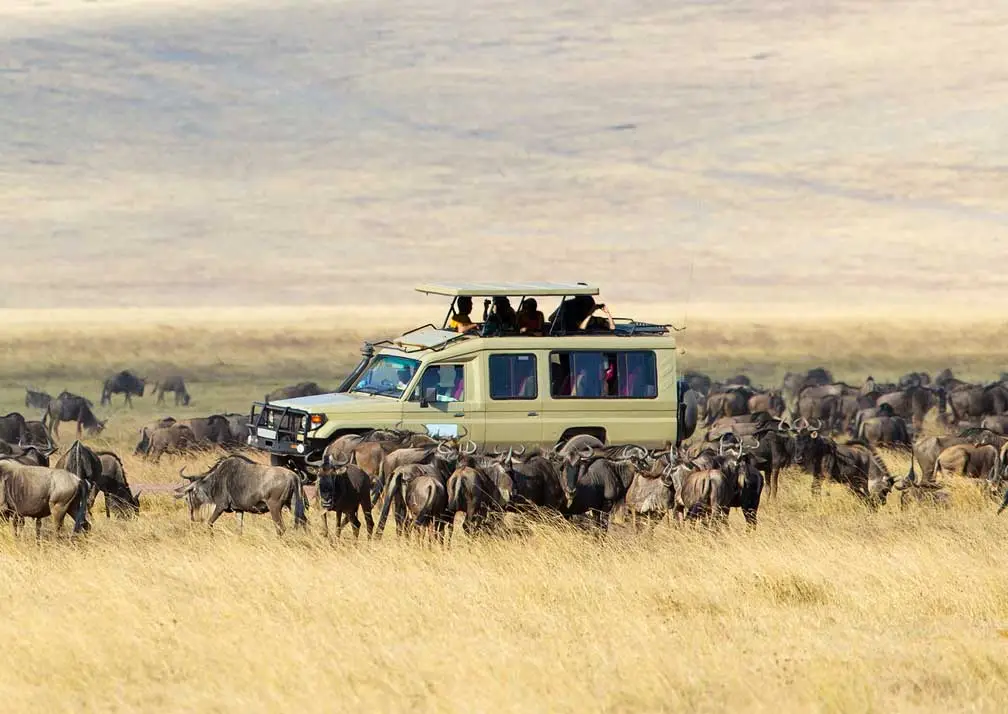
Great Migration Safaris
Experience one of nature's greatest spectacles with our Great Migration safari packages, timed for river crossings or calving.
View Package →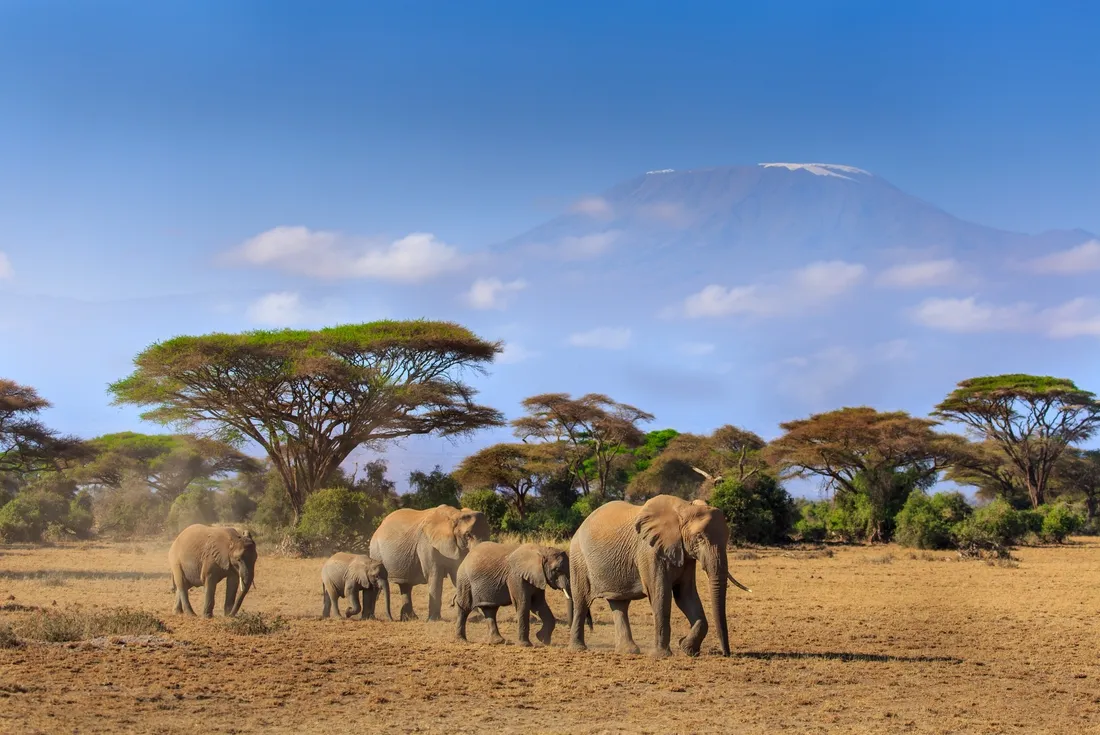
Serengeti & Kilimanjaro Trek
Combined safari and trekking tours offer wildlife adventures and Kilimanjaro climbs.
View Package →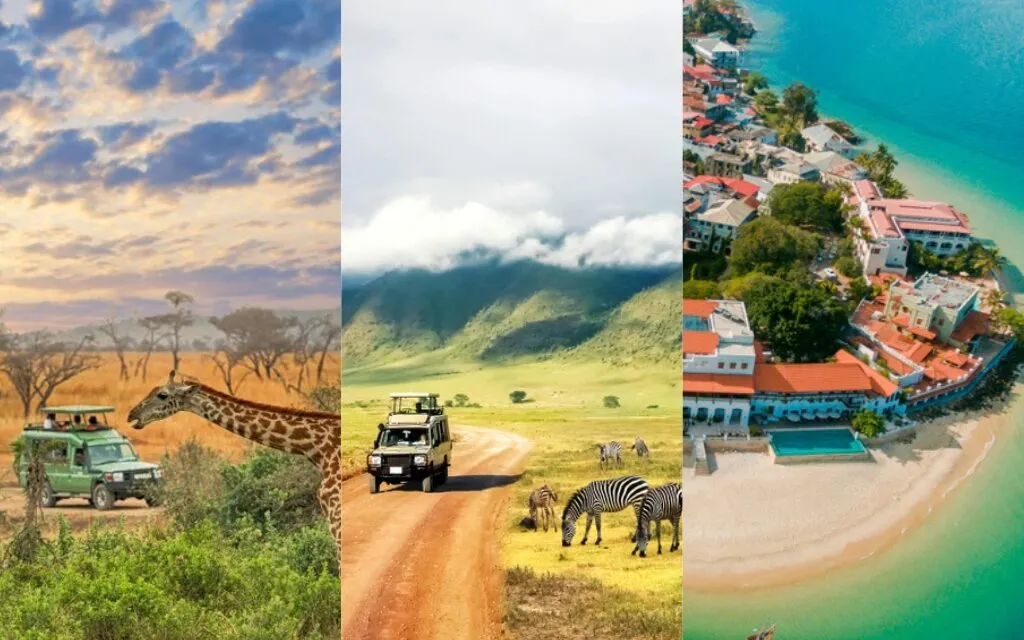
Serengeti & Zanzibar Tours
Luxury Tanzania safari & beach packages with the Great Migration and pristine beaches.
View Package →Related: Best Time to Visit Tanzania 2026 – Perfect safari extension after your Canada adventure.