
Most Complete Central African Republic (CAR) Travel Guide 2026-2027 – Everything You Need to Know Before Visiting
This Central African Republic travel guide provides everything you need to plan a journey to one of Africa’s most remote and biodiverse countries. Central African Republic is home to pristine equatorial rainforests, rare lowland gorillas, forest elephants, and the spectacular Dzanga-Sangha Special Reserve. Despite ongoing challenges, carefully planned trips to safe zones offer unforgettable wildlife encounters and cultural experiences found almost nowhere else on the continent.
Start Reading the Full Guide ↓Quick Facts About Central African Republic
- Capital: Bangui.
- Currency: Central African CFA Franc (XAF).
- Time Zone: West Africa Time (WAT, UTC+1).
- International Calling Code: +236.
- Driving Side: Right.
- Major Airport: Bangui M’Poko International Airport (BGF).
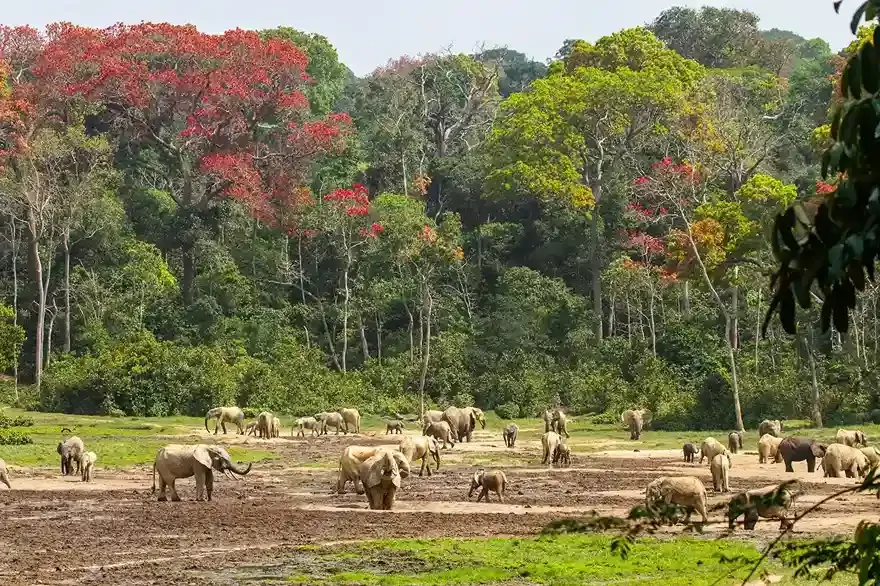
Central African Republic Overview & Key Facts
Brief History of Central African Republic
Central African Republic’s history includes powerful pre-colonial kingdoms, French colonisation as Ubangi-Shari, and independence in 1960. The country has experienced repeated coups and civil conflict since 2012, though the northwest (Dzanga-Sangha) and parts of Bangui have remained relatively stable for organised tourism with proper security.
Independence & National Identity
- Independence date: August 13, 1960.
- Former colonial power: France.
- National symbols & identity.
The flag’s colours represent sky, hope, peace (blue/white), sacrifice (red), and the people (yellow star). National identity is strongly tied to Sango language and music.
Government System & Current Leadership
- Type of government: Presidential Republic
- Current president: Faustin-Archange Touadéra (re-elected 2020)
- Notes on political stability
Peace agreements have reduced violence in tourist-accessible areas, but travellers must monitor the situation closely.
Population, Ethnic Groups & Languages
- Population: ~5.7 million (2025 est.).
- Major ethnic groups: Gbaya, Banda, Mandjia, Sara, Mboum, M’Baka.
- Official languages: French and Sango.
Sango is the national lingua franca; French is essential for official and tourism interactions.
Main Religions & Cultural Identity
Christianity (~80%), Islam (~10%), traditional beliefs. Religious coexistence is generally good.
Geography & Natural Landscape
Central African Republic features dense equatorial rainforest in the southwest, savannah-woodland plateau in the centre, and Sahelian zones in the north. Dzanga-Sangha is one of the last strongholds for lowland gorillas and forest elephants.
Economy & Tourism Highlights
Diamonds, timber and limited high-end eco-tourism. Tourism is slowly reopening with focus on Dzanga-Sangha and protected western areas.
What Central African Republic Is Known For
- Dzanga-Sangha – gorilla tracking & bai clearings
- One of the last intact Central African rainforests
- Boali Waterfalls & Chinko Nature Reserve
Visa & Entry Requirements in Central African Republic
Almost all visitors require a visa in advance. Visa on arrival is possible at Bangui airport but unreliable and not recommended.
Do You Need a Visa?
Yes – almost every nationality needs a visa issued in advance from a Central African Republic embassy (often in neighbouring countries or Brussels/Paris).
Visa Application Options in Central African Republic
- Embassy application (required for most)
- Visa on arrival occasionally granted but risky
Passport Validity & Entry Documents
Passport valid 6 months, Yellow Fever certificate mandatory, proof of onward travel, hotel booking or invitation letter.
Customs Rules & Prohibited Items
Strict controls on arms, ammunition, drones, military clothing. Declare professional camera equipment.
Safety & Security Information in Central African Republic
Most governments advise against all but essential travel to most of Central African Republic. The safe zones for organised tourism are Bangui (with precautions) and Dzanga-Sangha National Park (with armed escorts). Reputable operators provide security and real-time monitoring.
Is Central African Republic Safe for Tourists?
Only in limited areas with professional operators. Dzanga-Sangha has been continuously accessible to tourists with WWF and lodge security since 2018.
Recommended Safety Tips when in Central African Republic
Travel only with registered operators, never independently, follow guide instructions, avoid night travel, do not display valuables.
Safe Areas vs. Areas to Avoid in Central African Republic
Safe (with guides): Bangui city centre, Dzanga-Sangha, Boali Falls day trip. Avoid everything east of Bambari and north of Birao.
Emergency Numbers & Tourist Police in Central African Republic
- Police: 117
- Fire: 118
- Medical: 1220 (Bangui)
Health Requirements & Vaccinations in Central African Republic
Yellow Fever certificate mandatory. Malaria risk is very high year-round.
Mandatory Vaccinations in Central African Republic
Yellow Fever (checked at entry).
Recommended Vaccinations in Central African Republic
Hepatitis A&B, Typhoid, Rabies, Meningitis, routine boosters. Malaria prophylaxis essential.
Malaria & Other Risks
High malaria risk – take prophylaxis and use treated nets. Waterborne diseases common.
Travel Insurance Recommendations in Central African Republic
Comprehensive coverage with high-limit medical evacuation mandatory – standard policies often exclude Central African Republic.
Best Time to Visit in Central African Republic
December–February (main dry season) is best for gorilla tracking and easiest road conditions. June–August is also dry but hotter.
Weather by Season
Dry Dec–Feb & Jun–Aug; rainy Mar–May & Sep–Nov. Dzanga-Sangha is accessible year-round.
When to Visit Central African Republic for Best Experiences
- Gorilla tracking: Dec–Feb best visibility
- Forest elephant viewing: dry seasons
Weather & Climate Overview in Central African Republic
Equatorial climate – hot and humid year-round (26–32°C). Two dry and two wet seasons.
Main Currency, Costs & Budgeting in Central African Republic
CFA Franc (XAF). Euros widely accepted. Cash-based economy.
Average Travel Costs in Central African Republic
High due to logistics: $150–800/day depending on itinerary.
Transportation & Getting Around in Central African Republic
Almost exclusively by charter flight and 4×4 with driver/guide. No reliable public transport for tourists.
Accommodation Options available in Central African Republic
Limited: high-end eco-lodges (Dzanga-Sangha), basic hotels in Bangui, almost nothing elsewhere.
Essential Packing Guide when Visiting Central African Republic
Long-sleeved lightweight clothing, high-DEET repellent, rain jacket, binoculars, headlamp, water purification, first-aid kit.
Language & Communication in Central African Republic
French essential; Sango useful. Mobile coverage patchy outside Bangui.
Culture & Etiquette in Central African Republic
Modest dress, ask permission before photographing people, respect local chiefs.
Food, Water & Dining in Central African Republic
Simple local cuisine (gozo, palm butter sauce, bushmeat). Bottled water only.
Top Attractions & Things to Do in Central African Republic
- Dzanga-Sangha – gorilla tracking & bai viewing platforms
- Boali Waterfalls
- Chinko Nature Reserve (reopening slowly)
- Bangui – Notre Dame Cathedral, markets
Central African Republic Electrical System Information
220–240V, 50Hz, European plugs C/F. Power unreliable outside lodges.
Local Laws & Regulations of Central African Republic
Photography of military/police forbidden. Drones banned without permit. Armed escorts mandatory in parks.
Final Travel Tips for Visitors in Central African Republic
Book through specialist operators only, monitor security daily, be flexible, carry cash in euros.
Frequently Asked Questions – Central African Republic Travel Guide 2026-2027
Our Tanzania Tours Products
While Central African Republic offers rare rainforest gorilla experiences, many travellers continue to East Africa for classic savannah safaris. Capable Africa Tours specialises in secure, guided Tanzania safaris with expert local guides and vetted accommodations.
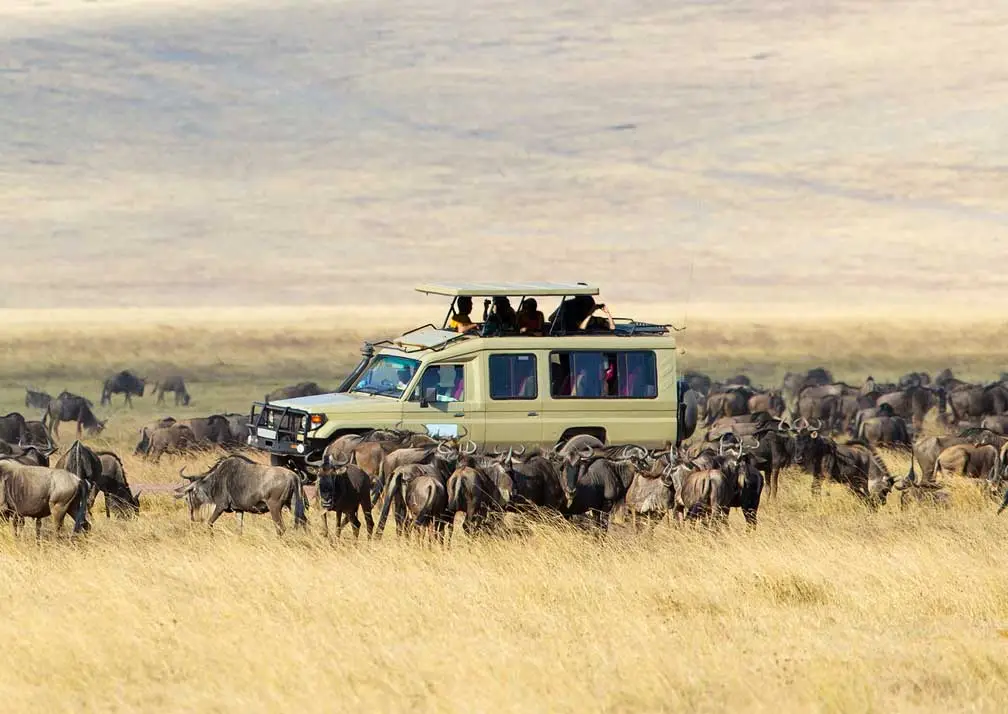
Great Migration Safaris
Experience one of nature's greatest spectacles with our Great Migration safari packages.
View Package →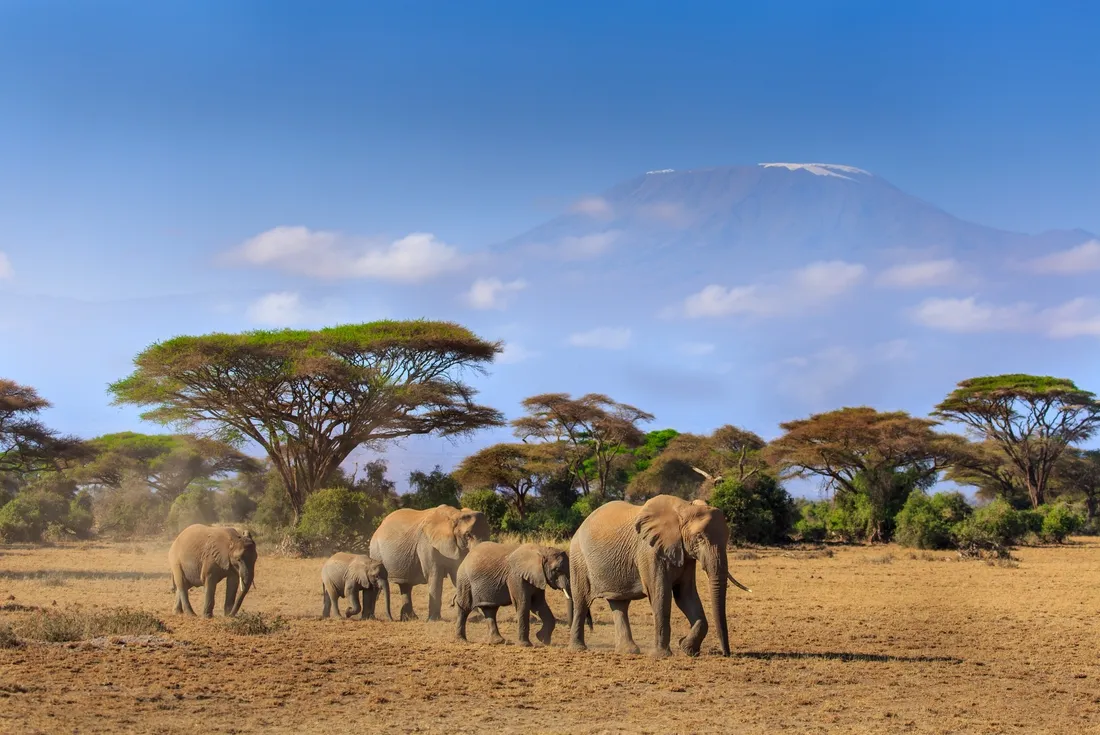
Serengeti & Kilimanjaro Trek
Combined safari and trekking tours offer wildlife adventures and Kilimanjaro climbs.
View Package →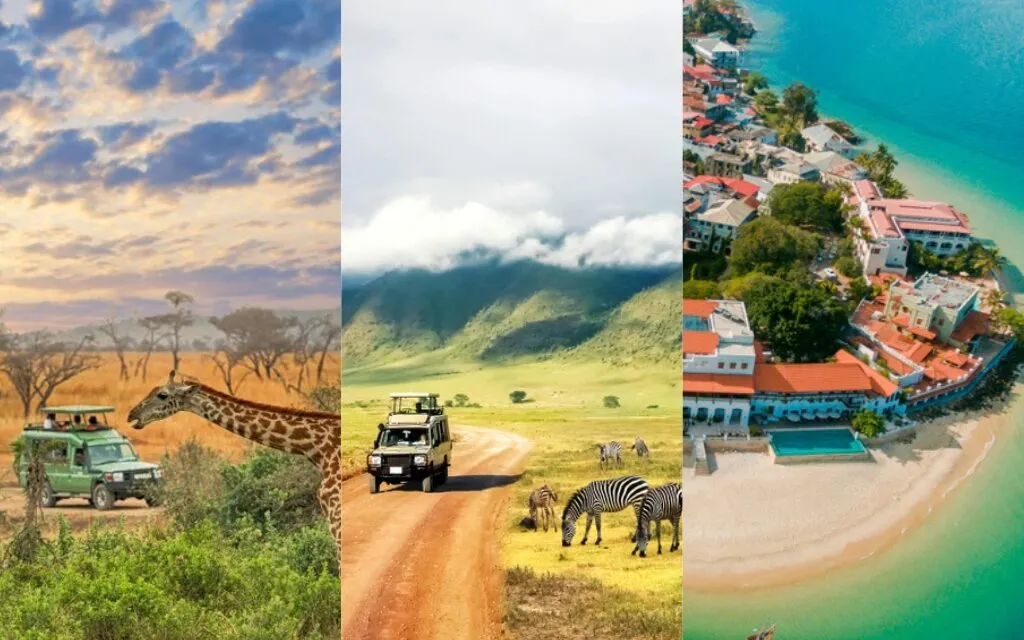
Serengeti & Zanzibar Tours
Luxury Tanzania safari & beach packages with the Great Migration and pristine beaches.
View Package →Related: Best Time to Visit Tanzania 2026 – Perfect safari extension after your Central African Republic adventure.