
Most Complete Chad Travel Guide 2026-2027 – Everything You Need to Know Before Visiting
This Chad travel guide provides everything you need to plan your journey to one of Africa’s most remote and rewarding destinations. Chad offers an extraordinary blend of epic Sahara landscapes, world-class wildlife in Zakouma National Park, and the surreal UNESCO-listed Lakes of Ounianga that create one of the continent’s most adventurous travel experiences. Many travelers who want to travel to Chad are surprised by the country’s incredible wildlife comeback, prehistoric rock art in Ennedi, and untouched natural beauty spanning ancient Sahelian kingdoms, Arab influences, and diverse ethnic traditions. The nation covers over 1.28 million square kilometers, making it the fifth-largest country in Africa, offering visitors everything from elephant-filled savannas to labyrinthine sandstone formations and colourful desert lakes.
Start Reading the Full Guide ↓Quick Facts About Chad
- Capital: N’Djamena.
- Currency: Central African CFA Franc (XAF).
- Time Zone: West Africa Time (WAT, UTC+1).
- International Calling Code: +235.
- Driving Side: Right.
- Major Airports: N’Djamena International Airport (NDJ).
Chad Overview & Key Facts
Brief History of Chad
Chad’s history spans millennia, from the ancient Sao civilization through the powerful Kanem-Bornu Empire to French colonial rule. The Kanem Empire (9th–19th centuries) was one of Africa’s longest-lasting states, while the Sao left impressive clay artifacts and terracotta figures. French colonization began in 1900, and independence was achieved in 1960. This rich historical tapestry creates fascinating cultural layers for modern travelers exploring archaeological sites and traditional communities.
Independence & National Identity
- Independence date: August 11, 1960.
- Former colonial power: France.
- National symbols & identity.
Chad gained independence from France in 1960. The flag features blue, yellow, and red vertical stripes symbolizing sky, sun, and sacrifice. National identity blends over 200 ethnic groups with strong Sara, Arab, Toubou, and Gorane influences. Islam (55%), Christianity (40%), and animist traditions coexist.
Government System & Current Leadership
- Type of government: Presidential Republic (transitional)
- Current leader: Mahamat Idriss Déby Itno
- Notes on political stability
Chad is under transitional military rule following the death of long-term president Idriss Déby Itno in 2021. Elections are scheduled for 2026. Travelers must monitor security advisories closely.
Population, Ethnic Groups & Languages
- Population: ~19 million (2025 estimate).
- Major ethnic groups: Sara (30%), Arab (12%), Mayo-Kebbi, Kanem-Bornu, Toubou, Gorane.
- Official languages: French and Arabic.
- Additional languages commonly spoken.
Over 120 languages are spoken; Chadian Arabic serves as lingua franca. French dominates administration and tourism. English is rare outside top guides.
Main Religions & Cultural Identity
Islam (55%), Christianity (40%), traditional beliefs. Religious tolerance is generally good, though conservative dress and behavior are expected in Muslim areas.
Geography & Natural Landscape
Chad features three distinct zones: the Sahara desert in the north, the Sahel belt in the centre, and Sudanian savanna in the south. Zakouma National Park, Ennedi Plateau, and Lakes of Ounianga are UNESCO World Heritage sites.
Economy & Tourism Highlights
Oil dominates exports, but tourism is growing rapidly thanks to African Parks’ management of Zakouma and new expedition routes to Ennedi and Ounianga.
What Chad Is Known For
- Zakouma National Park – Africa’s greatest elephant comeback story
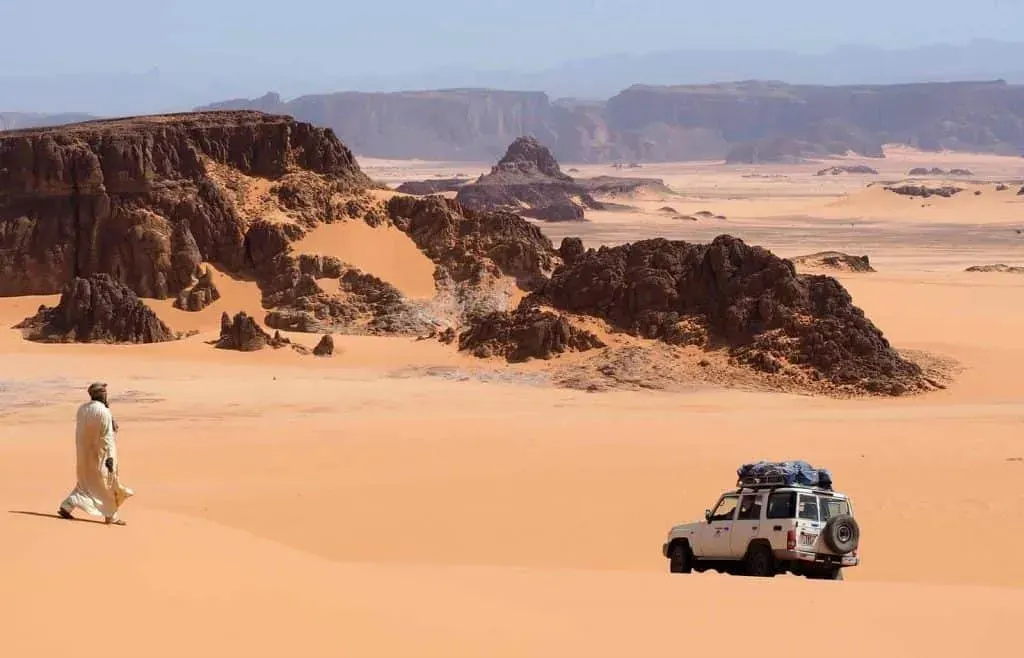
- Ennedi Desert – labyrinth of rock arches and prehistoric art
- Lakes of Ounianga – surreal coloured lakes in the Sahara (UNESCO)
Visa & Entry Requirements in Chad
Almost every nationality requires a visa in advance. The process is bureaucratic and requires an invitation letter from a registered Chadian tour operator. Processing can take 4–8 weeks. Yellow fever vaccination certificate is strictly enforced.
Do You Need a Visa?
Citizens of all countries except a handful of CEMAC nations need a visa. Tourist visas are not issued on arrival. Applications must be submitted at a Chadian embassy or consulate with an invitation letter.
Visa Application Options in Chad
- Embassy/consulate application with invitation letter (only realistic method)
- Registered Chadian tour operators can facilitate invitation letters
- No e-Visa or visa-on-arrival for tourism in 2026
Passport Validity & Entry Documents
Passport valid for 6 months beyond stay + 2 blank pages. Required: visa, invitation letter, yellow fever certificate, onward ticket, proof of accommodation.
Customs Rules & Prohibited Items
Strict rules on drones, professional camera equipment (permits needed), alcohol import limited, no pork products. Declare cash over 1 million XAF.
Safety & Security Information in Chad
Most Western governments rate Chad Level 3 or 4 (reconsider/do not travel). However, controlled tourist zones (Zakouma, Ennedi, Ounianga) are considered safe when travelling with reputable operators who provide armed escorts.
Is Chad Safe for Tourists?
Yes in organised tourist circuits with professional operators. Independent travel outside N’Djamena is not recommended. All major operators include security escorts.
Recommended Safety Tips when in Chad
Travel only with licensed operators, register with your embassy, share itinerary daily, avoid night travel, do not photograph military/police, keep low profile in N’Djamena.
Safe Areas vs. Areas to Avoid in Chad
Safe with operators: Zakouma, Ennedi, Ounianga. Avoid: all border areas (Libya, Sudan, CAR, Nigeria/Cameroon lake region), N’Djamena after dark in certain districts.
Emergency Numbers & Tourist Police in Chad
- Police: 17
- Fire: 18
- Medical: call your operator / hotel
Health Requirements & Vaccinations in Chad
Yellow fever vaccination certificate mandatory on entry. Malaria, meningitis, hepatitis, typhoid, rabies risks high. Medical facilities outside N’Djamena are extremely limited.
Mandatory Vaccinations in Chad
Yellow fever – strictly enforced at border.
Recommended Vaccinations in Chad
Hepatitis A & B, Typhoid, Meningitis, Rabies (pre-exposure), Tetanus, Polio booster.
Malaria & Other Risks
High malaria risk year-round. Use prophylaxis + repellents. Heat stroke, dehydration, dust-related issues common.
Travel Insurance Recommendations in Chad
Full medical evacuation cover mandatory – costs can exceed $100,000. Standard travel insurance often excludes Chad.
Best Time to Visit in Chad
November to March (dry season) offers the best weather and wildlife viewing.
Weather by Season
Dry season (Nov–Mar): 20–35°C, little rain. Hot season (Apr–Jun): 40–45°C. Rainy season (Jul–Oct): heavy rain, many tracks impassable.
When to Visit Chad for Best Experiences
- Wildlife in Zakouma: Jan–Apr (animals concentrate around water)
- Ennedi & Ounianga: Nov–Feb (cooler nights)
Weather & Climate Overview in Chad
Extreme continental climate. North: hyper-arid Sahara, centre: Sahel, south: savanna.
Temperature Ranges
N’Djamena: 20–42°C. Ennedi nights can drop to 5°C in January.
Rainy & Dry Seasons in Chad
Dry season Nov–May. Rainy season Jun–Oct (most roads impassable).
What to Wear Based on the Weather
Light long-sleeve cotton/linen clothes, wide-brim hat, sunglasses, closed shoes for sand, warm jacket for desert nights Nov–Feb.
Main Currency, Costs & Budgeting in Chad
CFA Franc (XAF). Cash society. ATMs rare outside N’Djamena.
Local Currency Information
Fixed to Euro (1€ ≈ 656 XAF). Bring pristine euro or USD cash.
Average Travel Costs in Chad
Organised expedition: $300–900/person/day (includes flights, camps, guides, security). Independent budget travel almost impossible.
Using ATMs, Cards & Mobile Money in Chad
ATMs unreliable. Cards rarely accepted outside top hotels. Bring all cash needed.
Tipping Guidelines in Chad
Guides & drivers: $10–20/day/person. Camp staff: $5–10/day/person.
Transportation & Getting Around in Chad
Tourism is almost exclusively fly-in/fly-out or overland expeditions with 4x4 convoys.
Airport Transfers
Private transfer from N’Djamena airport with your operator. No Uber/public transport.
Local Transport Options in Chad
Outside organised tours: moto-taxis in N’Djamena only.
Chad Domestic Flights
Charter flights to Zakouma, Ennedi, Ounianga included in most packages.
Car Rentals & Road Conditions in Chad
Self-drive not possible for tourists. All travel outside capital is with professional 4×4 convoy + armed escort.
Accommodation Options available in Chad
Basic hotels in N’Djamena; luxury tented camps in Zakouma; mobile desert camps in Ennedi/Ounianga.
Types of Accommodations in Chad
Luxury tented camps (Zakouma), mobile desert camps, basic hotels in N’Djamena.
Budget vs. Mid-Range vs. Luxury
All tourism is expedition-style; “budget” starts at $300/day.
Best Areas to Stay in Chad
Zakouma Camp Tinga or Camp Nomade, Ennedi mobile camps, Ounianga camps.
Essential Packing Guide when Visiting Chad
Long lightweight clothing, closed shoes, headscarf/hat, high-SPF sunscreen, malaria prophylaxis, water purification tablets, power bank, head torch.
Clothing Essentials
Modest long clothes, neutral colours for wildlife, warm layers for desert nights.
Footwear & Gear
Closed walking shoes, sandals, head torch, binoculars.
Electronics & Cameras
Power bank, European plug adapter, spare batteries.
Toiletries & Personal Items
All personal medication, malaria prophylaxis, high-factor sunscreen, wet wipes.
Language & Communication in Chad
French and Arabic official. Chadian Arabic lingua franca.
Main Languages Spoken in Chad
French (administration/tourism), Chadian Arabic daily.
Useful Phrases for Tourists
Bonjour, Merci, Salam alaikum, Inshallah, Shukran.
SIM Cards & Mobile Data used in Chad
Airtel or Moov SIM in N’Djamena. Coverage limited outside capital.
Internet Availability & Wi-Fi in Chad
Wi-Fi only in top N’Djamena hotels and camps.
Culture & Etiquette in Chad
Conservative Muslim-majority society in north, Christian/animist south.
Chadian Dress Code Expectations
Long trousers/skirts, covered shoulders. Women: headscarf recommended in rural areas.
Social Etiquette & Respectful Behavior of Chad
Greet with right hand, accept tea offers, remove shoes entering homes.
Photography Rules in Chad
Never photograph military/airport. Always ask permission for people.
Important Cultural Dos & Don’ts in Chad
Do accept tea, use right hand. Don’t show soles of feet, public affection.
Food, Water & Dining in Chad
Basic cuisine: millet, goat, fish from Lake Chad, peanut sauce.
Chadian Local Dishes to Try
Kisra (fermented pancake), boule (millet ball), brochettes, poisson braisé from Lake Chad.
Dietary Options in Chad
Halal standard. Vegetarian possible in camps. Vegan difficult.
Drinking Water Safety
Bottled water only. Camps provide filtered water.
Restaurant Etiquette
Eat with right hand in private homes. Tipping not expected but appreciated.
Top Attractions & Things to Do in Chad
- Zakouma National Park – best elephant viewing in Africa
- Ennedi Desert – rock arches, gueltas, rock art
- Lakes of Ounianga – coloured desert lakes (UNESCO)
- N’Djamena markets & National Museum
Chadian Electrical System Information
220–240V, 50Hz, European plugs C & F.
Local Laws & Regulations of Chad
Strict laws on photography of government/military, drone permits required, modest dress, alcohol restricted in north.
Final Travel Tips for Visitors in Chad
Book with reputable operator, bring all cash, take malaria prophylaxis, stay flexible, respect local customs.
Frequently Asked Questions – Chad Travel Guide 2026-2027
Our Tanzania Tours Products
While Chad offers incredible Zakouma wildlife, Ennedi desert and Sahara adventure, many travellers combine Central Africa with the ultimate wildlife experience in East Africa. Capable Africa Tours specializes in secure, guided safaris that maximize safety and wonder...
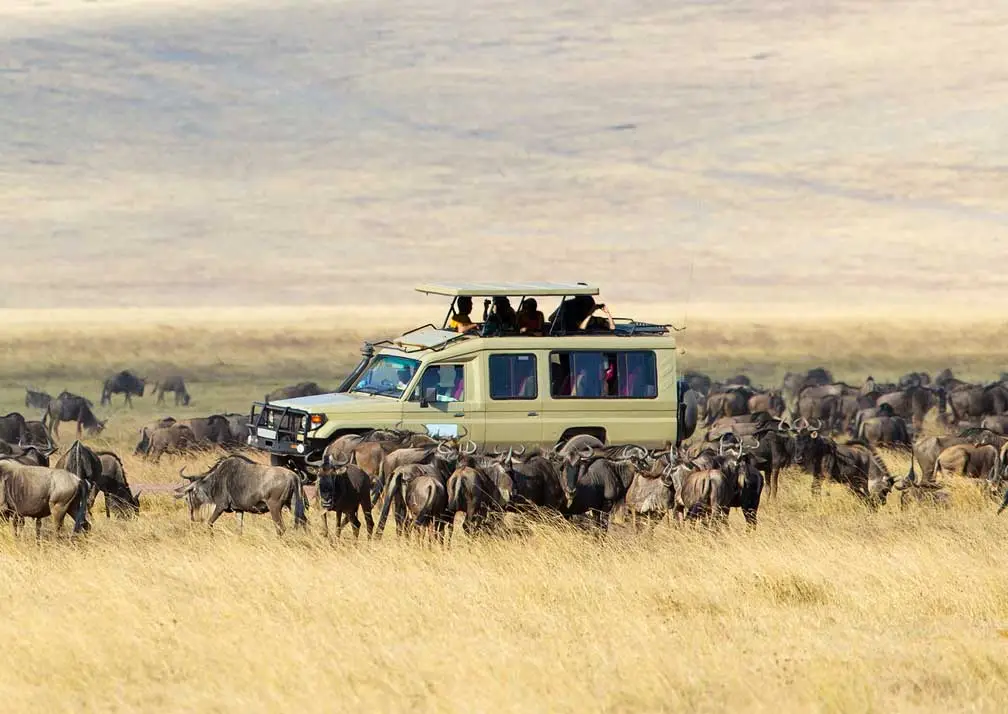
Great Migration Safaris
Experience one of nature's greatest spectacles with our Great Migration safari packages...
View Package →
Related: Best Time to Visit Tanzania 2026 – Perfect safari extension after your Chad expedition.