Most Complete Chile Travel Guide 2026-2027 – Everything You Need to Know Before Visiting
This Chile travel guide provides everything you need to plan your journey to South America's most geographically diverse country. Chile stretches over 4,300 km from the driest desert on Earth (Atacama) to Antarctic Patagonia, passing through Mediterranean valleys, towering Andes peaks, and remote Easter Island in the Pacific. Many travelers who want to travel to Chile are amazed by the extreme contrasts within one nation – stargazing in the clearest skies on the planet one week, trekking among glaciers and turquoise lakes the next.
Start Reading the Full Guide ↓Quick Facts About Chile
- Capital: Santiago.
- Currency: Chilean Peso (CLP).
- Time Zones: CLT (UTC-4) / Easter Island (UTC-6).
- International Calling Code: +56.
- Driving Side: Right.
- Major Airports: Arturo Merino Benítez (Santiago SCL), Mataveri (Easter Island IPC).
Chile Overview & Key Facts
Brief History of Chile
Chile's history begins with indigenous Mapuche, Aymara and Rapa Nui cultures, followed by Spanish conquest in the 16th century. Independence was declared in 1818 under Bernardo O'Higgins and José de San Martín. The country expanded northward after the War of the Pacific (1879-1883), gaining mineral-rich territories. The 1973 military coup led by Augusto Pinochet lasted until democracy was restored in 1990. Today Chile enjoys one of the most stable democracies and strongest economies in Latin America.
Independence & National Identity
- Independence date: February 12, 1818.
- Former colonial power: Spain.
- National symbols & identity.
The Chilean flag features blue for the sky and Pacific Ocean, white for the snow-capped Andes, and red for the blood of independence heroes. National identity blends European immigrant traditions with strong indigenous Mapuche influence in the south and Rapa Nui culture on Easter Island.
Government System & Current Leadership
- Type of government: Presidential Republic
- Current president: Gabriel Boric (since March 2022)
- Notes on political stability
Chile operates a stable presidential democracy with peaceful transfers of power. President Gabriel Boric represents the younger progressive generation. Occasional protests occur in Santiago but rarely affect tourist areas.
Population, Ethnic Groups & Languages
- Population: 19.8 million (2025 projection).
- Major ethnic groups: European/mestizo (88%), Mapuche (9%), Aymara, Rapa Nui.
- Official language(s): Spanish.
- Additional languages commonly spoken.
Spanish is universal, with distinctive Chilean accent and slang (chilenismo). English is widely spoken in tourism sectors, especially Patagonia and Santiago. Mapudungun is spoken by some Mapuche communities.
Main Religions & Cultural Identity
Approximately 60% Roman Catholic, 18% evangelical Protestant, 15% non-religious. Religious influence has declined significantly among younger generations. Cultural identity is proudly Latin American with strong outdoor and nature-oriented lifestyle.
Geography & Natural Landscape
Chile is the world's longest north-south country (4,300 km) but averages only 177 km wide. It contains the driest desert (Atacama), fertile Central Valley vineyards, Lake District volcanoes, Patagonia fjords, glaciers and Antarctica territory. The Andes form the eastern border while the Pacific Ocean borders the west.
Economy & Tourism Highlights
Chile has the highest GDP per capita in Latin America, driven by copper mining, wine, salmon and tourism. Tourism contributes significantly with over 6 million annual visitors (pre-pandemic) drawn to Patagonia, Atacama stargazing, Easter Island and world-class skiing.
What Chile Is Known For
- Torres del Paine National Park & Patagonia glaciers
- Atacama Desert – driest place on Earth & best stargazing
- Easter Island (Rapa Nui) moai statues
- World-class wines from Casablanca & Colchagua valleys
Visa & Entry Requirements in Chile
Chile has one of the most visitor-friendly entry policies in South America. Most nationalities receive 90-day tourist entry on arrival. Extensions are straightforward and e-Visa options exist for restricted nationalities.
Do You Need a Visa?
Citizens of USA, Canada, EU, UK, Australia, New Zealand, South Africa and most Latin American countries get 90 days visa-free. Only a few nationalities (mainly some African and Asian countries) require advance visas.
Visa Application Options in Chile
- Visa on arrival / visa-free stamp (most nationalities)
- e-Visa for restricted nationalities
- Consular tourist visa (rarely needed)
Entry is granted at immigration with passport valid 6+ months and proof of onward travel (sometimes checked).
Passport Validity & Entry Documents
Passport must be valid for duration of stay (minimum 6 months recommended). You receive a PDI tourist card on entry – keep it until departure.
Customs Rules & Prohibited Items
Strict agricultural controls: all fresh food, seeds, dairy and meat must be declared or face heavy fines. Drones require SAG permission for national parks.
Safety & Security Information in Chile
Chile is the safest country in South America according to most international rankings. Violent crime against tourists is extremely rare. Petty theft and occasional protests in Santiago are the main concerns.
Is Chile Safe for Tourists?
Yes – significantly safer than most Latin American countries. Patagonia, Atacama, Lake District and Easter Island have crime rates comparable to Europe. Santiago requires normal urban awareness.
Recommended Safety Tips when in Chile
Use registered taxis or Uber/Cabify in Santiago, avoid displaying expensive items, keep valuables in hotel safes, drink responsibly (pisco is strong!), and follow national park safety guidelines.
Safe Areas vs. Areas to Avoid in Chile
All tourist regions are safe. In Santiago, avoid downtown after dark during protests (rare). Some neighborhoods in Valparaíso have higher petty crime but main tourist areas are fine.
Emergency Numbers & Tourist Police in Chile
- Police/Emergency: 133
- Fire: 132
- Medical Emergency: 131
- Tourist Police: Available in major cities
Health Requirements & Vaccinations in Chile
No mandatory vaccinations except yellow fever certificate if arriving from endemic countries (mainly parts of Africa/South America).
Mandatory Vaccinations in Chile
Yellow fever certificate only if coming from risk countries.
Recommended Vaccinations in Chile
Hepatitis A, Typhoid, routine vaccines. Altitude medication recommended for San Pedro de Atacama (2,400m).
Malaria & Other Risks
No malaria risk. Main concerns: altitude sickness (Atacama, Andes), sun exposure, hydration in desert, cold exposure in Patagonia.
Travel Insurance Recommendations in Chile
Strongly recommended – medical evacuation from Patagonia or Easter Island is extremely expensive. Coverage for trekking, skiing and adventure activities essential.
Best Time to Visit in Chile
Chile's extreme length means different regions have opposite seasons. Summer (Dec–Feb) is peak for Patagonia; winter (Jun–Aug) best for Atacama and skiing.
Weather by Season
Spring (Sep–Nov) and autumn (Mar–May) offer excellent weather nationwide with fewer crowds. Summer brings long days in Patagonia; winter provides clear skies for Atacama stargazing.
When to Visit Chile for Best Experiences
- Patagonia & Torres del Paine: December–March
- Atacama Desert: April–November
- Wine valleys: September–April
- Skiing in Andes: June–September
High Season vs. Low Season Travel
High season: December–February (expensive in Patagonia). Shoulder seasons (Oct–Nov & Mar–Apr) offer best value and weather balance.
Weather & Climate Overview in Chile
Chile contains almost every climate zone on Earth – from the driest desert to temperate rainforests and sub-Antarctic conditions.
Temperature Ranges
Atacama: 20–30°C days, near 0°C nights. Santiago: 30°C summer, 8–15°C winter. Patagonia: 10–20°C summer, often below freezing in winter.
Rainy & Dry Seasons in Chile
Central Chile: Mediterranean climate (dry summers, wet winters). Patagonia: rain/snow possible year-round. Atacama: almost never rains.
What to Wear Based on the Weather
Layering is essential. Gore-Tex jacket, fleece, sun hat, sunglasses, good hiking boots, swimsuit (for hot springs), warm hat and gloves for Patagonia.
Main Currency, Costs & Budgeting in Chile
Chile uses the Chilean Peso (CLP). The country is more expensive than neighbors but excellent value for quality.
Local Currency Information
Banknotes: 1,000 / 2,000 / 5,000 / 10,000 / 20,000. Coins common. ATMs widespread.
Average Travel Costs in Chile
Budget: $80–130/day; mid-range $150–280; luxury Patagonia/Easter Island: $400–800/day.
Using ATMs, Cards & Mobile Money in Chile
Cards accepted almost everywhere except remote Patagonia. ATMs plentiful. No widespread mobile money but Redcompra debit system universal.
Tipping Guidelines in Chile
10% standard in restaurants (often included as “servicio”). Round up taxi fares. Tour guides $10–20/day, drivers $5–10/day.
Transportation & Getting Around in Chile
Excellent domestic flight network (LATAM, Sky Airline, JetSmart). Long-distance buses are comfortable and affordable. Car rental recommended for Atacama and Lake District.
Airport Transfers
Santiago SCL: official taxis, Transfer Delfines, Uber/Cabify. Easter Island: hotel transfers included.
Local Transport Options in Chile
Metro in Santiago (excellent), comfortable long-distance buses (Turbus, Pullman), colectivos (shared taxis), Uber/Cabify in cities.
Chile Domestic Flights
Frequent flights Santiago–Punta Arenas, Calama (Atacama), Puerto Montt, Balmaceda (Coyhaique), Easter Island (5–6 hours).
Car Rentals & Road Conditions in Chile
International companies at airports. Excellent highways in central Chile; gravel roads common in Patagonia (4WD recommended).
Accommodation Options available in Chile
Wide range from hostels to luxury lodges in Patagonia (Explora, Tierra Patagonia) and eco-camps in Torres del Paine.
Types of Accommodations in Chile
Hostels, boutique hotels, cabañas, luxury lodges, refugios (mountain huts), domos in Atacama, ruka Mapuche stays.
Budget vs. Mid-Range vs. Luxury
Budget $30–70, mid-range $80–200, luxury Patagonia $500–2,000+/night (all-inclusive).
Best Areas to Stay in Chile
Santiago: Providencia/Lastarria. Valparaíso: Cerro Alegre. San Pedro de Atacama: town center. Puerto Varas: lakefront. Torres del Paine: inside or near park entrances.
Essential Packing Guide when Visiting Chile
Layering system essential due to extreme temperature swings. Good quality gear recommended for Patagonia.
Clothing Essentials
Waterproof jacket, fleece mid-layer, quick-dry pants, sun hat, warm hat, gloves, hiking boots, sandals, swimsuit.
Footwear & Gear
Broken-in hiking boots, trekking poles for W-trek, headlamp, reusable water bottle, high-SPF sunscreen.
Electronics & Cameras
Type C/L plugs (220V). Power banks essential for multi-day treks.
Toiletries & Personal Items
High-altitude sunscreen, lip balm, hydration salts, blister plasters, personal medication.
Language & Communication in Chile
Spanish spoken everywhere with fast, distinctive Chilean accent. English widely spoken in tourism industry.
Main Languages Spoken in Chile
Spanish (official), Mapudungun, Rapa Nui language on Easter Island.
Useful Phrases for Tourists
“Hola” (hello), “Gracias” (thank you), “Cuánto cuesta?” (how much?), “Por favor” (please).
SIM Cards & Mobile Data used in Chile
Entel, Movistar, Claro, WOM. Excellent coverage except deep Patagonia. eSIM options available.
Internet Availability & Wi-Fi in Chile
Fast Wi-Fi in cities and most accommodations. Limited in remote Patagonia (Starlink arriving).
Culture & Etiquette in Chile
Chileans are reserved but warm once engaged. Punctuality appreciated except socially (“la hora chilena”).
Chilean Dress Code Expectations
Casual but neat. Jeans acceptable everywhere. Beachwear only at beaches.
Social Etiquette & Respectful Behavior of Chile
Handshake or kiss on right cheek. Use “usted” with elders. Remove sunglasses when talking to people.
Photography Rules in Chile
Ask permission for close-ups of people, especially indigenous communities. No restrictions in national parks.
Important Cultural Dos & Don’ts in Chile
Do accept once (tea/coffee) offered. Don’t discuss Pinochet era politics casually.
Food, Water & Dining in Chile
Excellent seafood, quality beef, world-class wines. Empanadas, completos (hot dogs), cazuela, pastel de choclo, curanto.
Chilean Local Dishes to Try
Empanada de pino, ceviche, pastel de jaiba, asado, curanto (Chiloé), caldillo de congrio.
Dietary Options in Chile
Vegetarian options improving in cities; challenging in rural areas. Gluten-free widely available.
Drinking Water Safety
Tap water safe throughout Chile (rare in South America).
Restaurant Etiquette
10% tip expected (often included). Dinner starts 8–10 pm.
Top Attractions & Things to Do in Chile
Torres del Paine, Atacama Desert, Easter Island, Valparaíso street art, Lake District volcanoes, marble caves, Elqui Valley stargazing.
Major Tourist Attractions in Chile
- Torres del Paine National Park
- Atacama Desert & San Pedro
- Easter Island (Rapa Nui)
- Valparaíso historic quarter (UNESCO)
Best Tours & Experiences in Chile
W-trek or O-circuit in Torres del Paine, astronomical tours in Atacama, moai visits on Easter Island, wine tasting in Colchagua.
Family-Friendly Activities to do in Chile
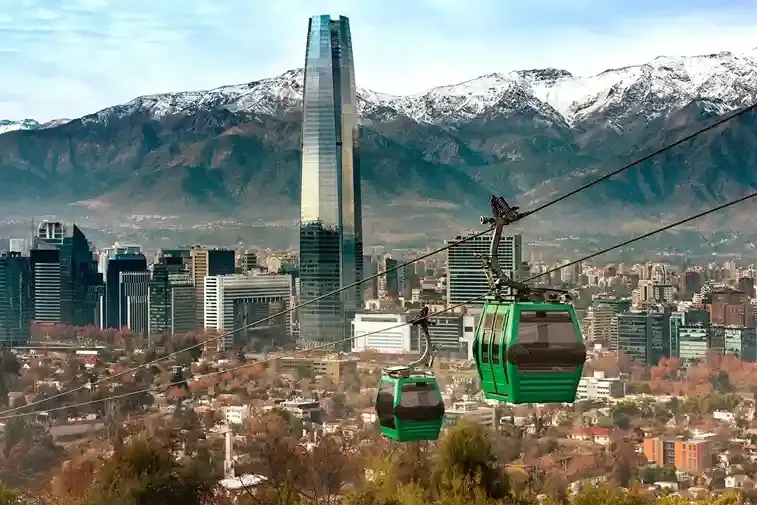
Termas Geométricas hot springs, penguin colonies in Chiloé, astronomical observatories, cable cars in Santiago.
Unique Cultural or Historical Sites to visit in Chile
Rapa Nui culture, Mapuche communities, Chiloé churches (UNESCO), Santiago’s Museo de la Memoria.
Chilean Electrical System Information
220V, 50Hz. Plug types C and L (European two-round-pin and three-round-pin).
Plug Types & Voltage used in Chile
Type C (Europlug) and Type L (Italian). Most modern chargers dual-voltage.
Charging Tips
Bring Type L adapter. Power banks essential for Patagonia treks.
Local Laws & Regulations of Chile
Strict national park regulations (CONAF permits required for Torres del Paine). No smoking in enclosed public spaces.
Rules Travelers Need to Know when In Chile
Register Torres del Paine trek with CONAF. No drones in national parks without permit. Respect indigenous sacred sites.
Alcohol, Smoking & Substance Laws of Chile
Drinking age 18. Cannabis decriminalized for personal use but illegal to buy/sell.
Restricted or Protected Areas in Chile.
Torres del Paine has strict trail and camping rules. Easter Island has limited daily visitors.
Final Travel Tips for Visitors in Chile
Book Patagonia accommodations 9–12 months in advance for high season. Reserve Torres del Paine refugios early. Use Skyscanner for domestic flights.
Common Mistakes to Avoid
Underestimating Patagonia weather, not booking refugios early, trying to see everything in one trip (country is huge).
Tips to Save Money when Visiting Chile
Travel in shoulder seasons, use buses instead of flights, stay in cabañas or hostels, eat menú del día.
Safety & Comfort Tips
Always carry photocopy of passport, register with your embassy, drink plenty of water at altitude, use reputable operators for adventure activities.
Frequently Asked Questions – Chile Travel Guide 2026-2027
Our Tanzania Tours Products
While Chile offers incredible deserts, glaciers and Pacific islands, many travelers combine South America with the ultimate African wildlife experience. Capable Africa Tours specializes in secure, guided safaris that maximize safety and wonder. From the Great Migration to gorilla trekking, we handle everything so you can focus on the magic.
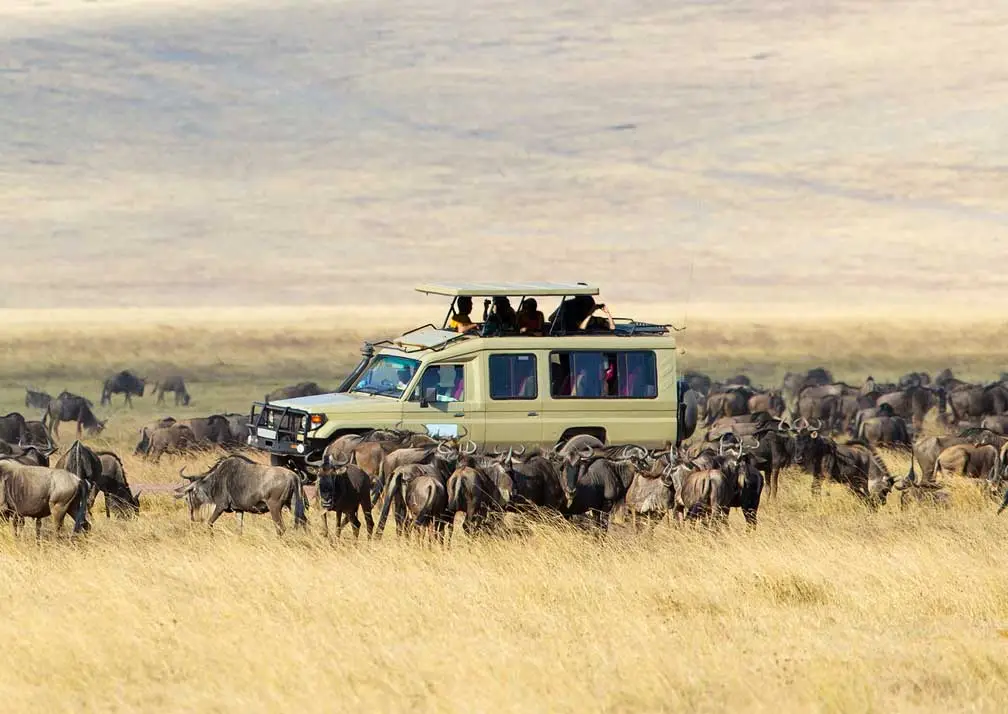
Great Migration Safaris
Experience one of nature's greatest spectacles with our Great Migration safari packages, timed for river crossings or calving.
View Package →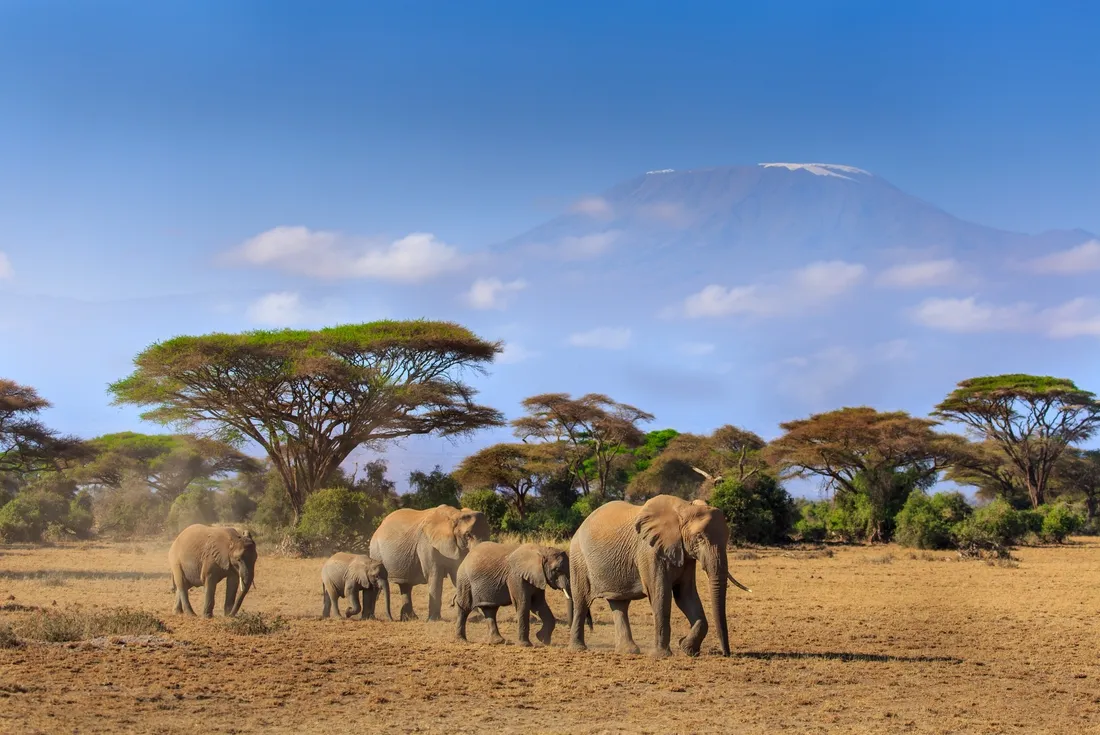
Serengeti & Kilimanjaro Trek
Combined safari and trekking tours offer wildlife adventures and Kilimanjaro climbs.
View Package →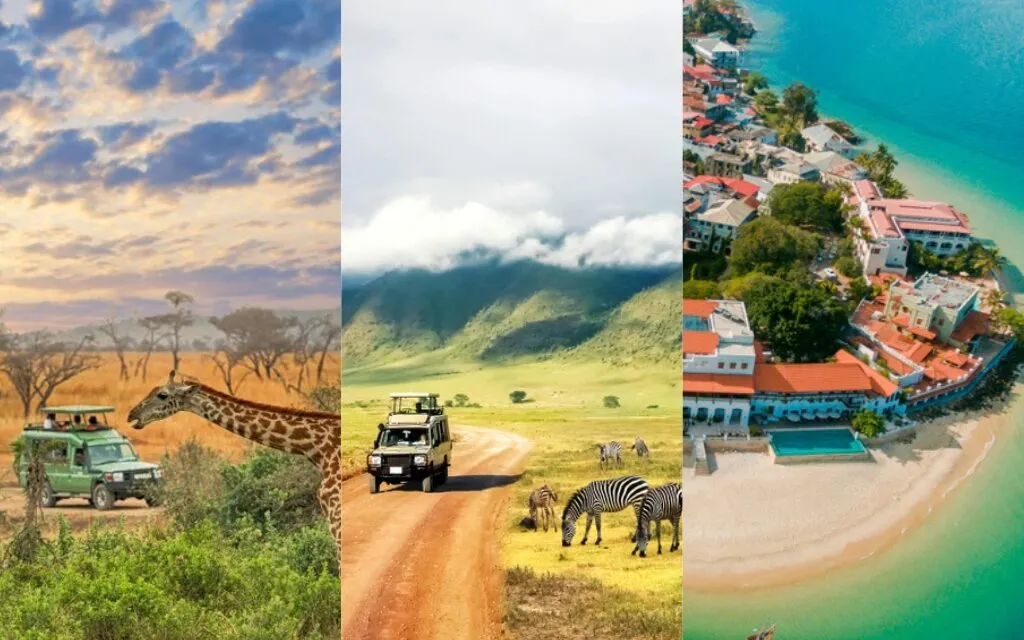
Serengeti & Zanzibar Tours
Luxury Tanzania safari & beach packages with the Great Migration and pristine beaches.
View Package →Related: Best Time to Visit Tanzania 2026 – Perfect safari extension after your Chile adventure.