
Most Complete China Travel Guide 2026-2027 – Everything You Need to Know Before Visiting
This China travel guide provides everything you need to plan your journey to the world’s most populous country and third-largest by area. China offers an extraordinary blend of 5,000 years of history, futuristic megacities, karst mountain landscapes, and diverse ethnic cultures that create one of the planet’s most varied travel experiences. Many travelers who want to visit China are surprised by the country’s incredible diversity and rich cultural heritage spanning ancient dynasties, revolutionary history, and cutting-edge modernity. The nation covers over 9.6 million square kilometers, offering visitors everything from the Great Wall to pandas in Chengdu, terraced rice fields to high-speed trains reaching 350 km/h.
Start Reading the Full Guide ↓Quick Facts About China
- Capital: Beijing.
- Currency: Chinese Yuan / Renminbi (CNY).
- Time Zone: China Standard Time (CST, UTC+8) – one time zone nationwide.
- International Calling Code: +86.
- Driving Side: Right.
- Major Airports: Beijing Capital (PEK), Shanghai Pudong (PVG), Guangzhou (CAN).
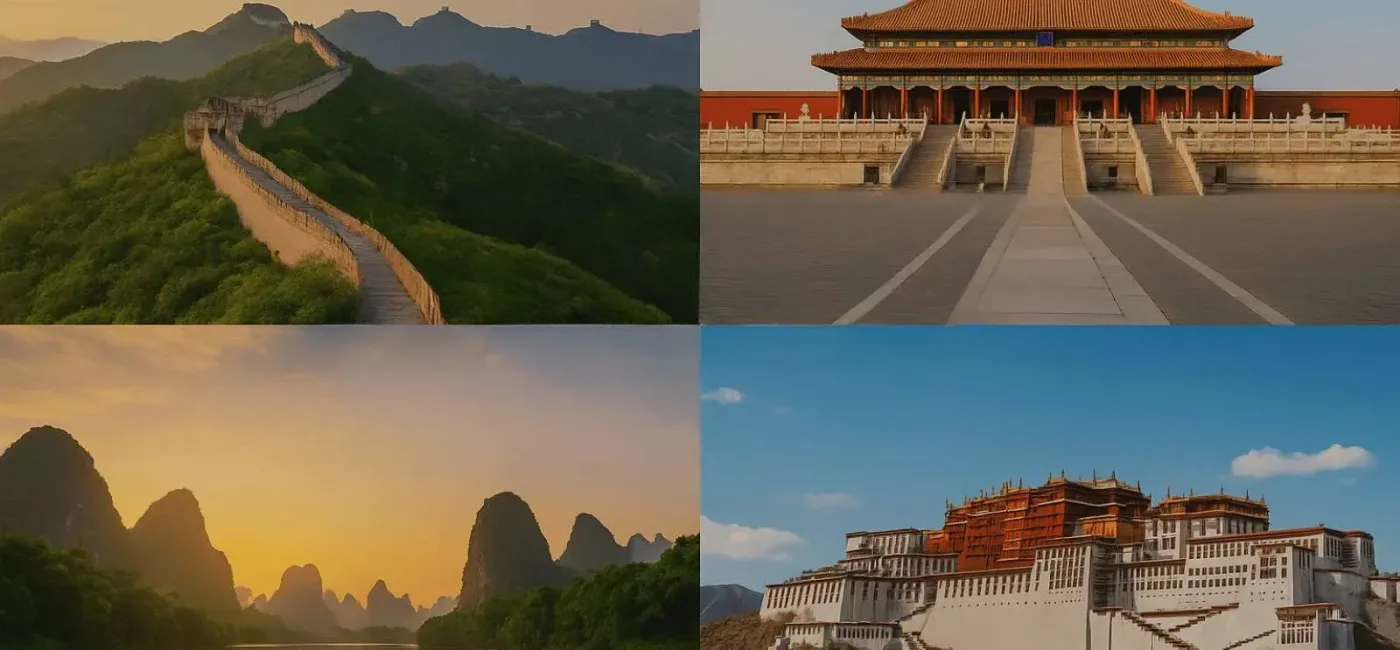
China Overview & Key Facts
Brief History of China
China’s history spans over 5,000 years, from the Xia dynasty through imperial rule of Qin, Han, Tang, Song, Ming and Qing dynasties to the Republic and modern People’s Republic founded in 1949. The country invented paper, gunpowder, printing and the compass, built the Great Wall and Grand Canal, and created cultural treasures that still astonish visitors today. This rich historical tapestry creates a fascinating backdrop for modern travelers exploring ancient capitals, temples and archaeological wonders.
Independence & National Identity
- Founding of PRC: October 1, 1949.
- Former status: Century of humiliation & civil war.
- National symbols & identity.
The founding of the People’s Republic of China in 1949 ended over a century of foreign invasions and civil war. Today, national identity centers on unity, rapid development, and pride in 5,000 years of civilization. The red flag with five stars symbolizes the Communist Party and unity of the people.
Government System & Current Leadership
- Type of government: Socialist republic under CCP leadership
- Current president: Xi Jinping
- Notes on political stability
China operates as a one-party socialist republic led by the Chinese Communist Party. President Xi Jinping has served since 2013. The country enjoys high political stability and rapid infrastructure development, making travel logistics remarkably smooth.
Population, Ethnic Groups & Languages
- Population: 1.41 billion (2025 estimate).
- Major ethnic group: Han Chinese (91.6%), 55 recognized minorities.
- Official language: Standard Mandarin (Putonghua).
- Additional languages commonly spoken.
Mandarin is the national language, but regional dialects (Cantonese, Shanghainese, Sichuanese) are widely spoken. English is common in tourism areas and among youth. Minority languages include Mongolian, Uyghur, Tibetan and Zhuang.
Main Religions & Cultural Identity
China is officially atheist but practices religious freedom. Traditional beliefs mix Confucianism, Taoism and Buddhism. About 20% identify as Buddhist, 5-6% Christian, 1-2% Muslim. Ancestor worship and folk religion remain strong. Chinese culture emphasizes harmony, family, education and respect for authority.
Geography & Natural Landscape
China features incredible diversity: Himalayas and Tibetan Plateau in the west, Gobi and Taklamakan deserts in the north, subtropical forests in the south, and fertile plains along the Yellow and Yangtze rivers. The country has every climate zone except polar.
Economy & Tourism Highlights
Second-largest economy globally with world-class high-speed rail, futuristic cities and UNESCO sites. Tourism is booming with simplified visa policies and 144-hour transit visa-free access in most major cities.
What China Is Known For
- Great Wall, Forbidden City, Terracotta Warriors
- Giant pandas and karst mountain landscapes (Guilin, Zhangjiajie)
- High-speed rail network and futuristic megacities
Visa & Entry Requirements in China
Most international visitors can now enter China visa-free for short stays or use simplified transit policies. The visa landscape has dramatically improved since 2024.
Do You Need a Visa?
30-day visa-free: Singapore, Malaysia, Thailand, several European countries (2026). 144-hour transit visa-free in most provinces. Most other nationalities need advance visa or can apply for 10-year tourist visa.
Visa Application Options in China
- 144/240-hour transit visa-free (most major cities)
- Regular tourist (L) visa – 30/60/90 days
- 10-year multiple-entry visa (US/Canada citizens)
Online applications and e-visas expanding rapidly in 2026.
Passport Validity & Entry Documents
Passport valid 6+ months. Return/onward ticket required for visa-free transit. Immigration card completed on arrival.
Customs Rules & Prohibited Items
Currency declaration over US$5,000 equivalent. Drones require registration. Strict rules on religious materials, political content and certain foods.
Safety & Security Information in China
China has one of the lowest violent crime rates globally. Pickpocketing in tourist areas is the main concern.
Is China Safe for Tourists?
Extremely safe. Violent crime against foreigners is rare. Police presence is strong. Most travel advisories are Level 2 due to arbitrary enforcement and exit ban risks (very rare for tourists).
Recommended Safety Tips when in China
Use official taxis or Didi app. Keep passport copy. Register with embassy if staying long-term. Avoid political discussions. Use VPN for internet access.
Safe Areas vs. Areas to Avoid in China
All major tourist destinations are very safe. Remote border areas (parts of Tibet, Xinjiang) may require permits.
Emergency Numbers & Tourist Police in China
- Police: 110.
- Fire: 119.
- Medical Emergency: 120.
- Tourist Police units in major cities.
Health Requirements & Vaccinations in China
No mandatory vaccinations except yellow fever if arriving from endemic countries.
Mandatory Vaccinations in China
None for most travelers. Yellow fever certificate if coming from affected countries.
Recommended Vaccinations in China
Hepatitis A, Typhoid, routine vaccines. Consider Japanese Encephalitis for rural summer travel.
Malaria & Other Risks
Low risk. Air pollution can be severe in northern cities during winter.
Travel Insurance Recommendations in China
Highly recommended – medical evacuation from remote areas is very expensive.
Best Time to Visit in China
Spring (April–May) and autumn (September–October) offer the best weather nationwide.
Weather by Season
Spring and autumn are ideal. Summers hot and humid in south, winters bitterly cold in north. Avoid Chinese New Year and October Golden Week for crowds.
When to Visit China for Best Experiences
- Great Wall without crowds: November–March (cold but clear)
- Guilin rice terraces: May–June (water-filled)
- Zhangjiajie: September–November
- Harbin Ice Festival: January–February
High Season vs. Low Season Travel
High season: April–October. Shoulder seasons best value and fewer crowds.
Weather & Climate Overview in China
China spans multiple climate zones – subtropical south, temperate center, continental north, high-altitude west.
Temperature Ranges
Beijing: -10°C winter to 35°C summer. Shanghai similar. Guangzhou rarely below 10°C. Huge regional variation.
Rainy & Dry Seasons in China
South China rainy May–September. North mostly dry with occasional summer storms.
What to Wear Based on the Weather
Layers essential. Comfortable walking shoes. Face mask for northern winter pollution. Sun protection for summer.
Main Currency, Costs & Budgeting in China
China is remarkably affordable for independent travelers once you arrive.
Local Currency Information
Chinese Yuan (CNY/RMB). Digital payments dominate – WeChat Pay and Alipay accepted everywhere, even street vendors.
Average Travel Costs in China
Budget travelers $60–100/day, mid-range $120–200, luxury $300+. High-speed rail and hostels keep costs low.
Using ATMs, Cards & Mobile Money in China
International cards now widely accepted. Link foreign card to Alipay for seamless payments. Cash rarely needed in cities.
Tipping Guidelines in China
Not expected or customary except at high-end international hotels.
Transportation & Getting Around in China
World’s best high-speed rail network (40,000+ km) and excellent metro systems in 50+ cities.
Airport Transfers
Airport express trains, metro, Didi ride-hailing (like Uber), high-speed rail from many airports.
Local Transport Options in China
Metro, buses, shared bikes, Didi, high-speed trains between cities.
China Domestic Flights & High-Speed Rail
High-speed rail preferred for distances under 1,000 km – faster door-to-door than flying.
Car Rentals & Road Conditions in China
Foreigners cannot drive on regular license – must obtain Chinese license or use driver services.
Accommodation Options available in China
Everything from $10 hostels to $1,000+ luxury hotels. Booking.com and Ctrip work well.
Types of Accommodations in China
International chains, boutique hotels, traditional courtyard siheyuan, youth hostels, homestays in rural areas.
Budget vs. Mid-Range vs. Luxury
Budget $15–50, mid-range $60–150, luxury $200+ per night.
Best Areas to Stay in China
Beijing: near metro lines. Shanghai: The Bund/Pudong. Xi’an: inside city walls. Guilin/Yangshuo: riverside.
Essential Packing Guide when Visiting China
VPN, power bank, portable translator, pollution mask (north winter), comfortable walking shoes.
Clothing Essentials
Layers, comfortable shoes, modest clothing for religious sites.
Footwear & Gear
Walking shoes essential. Universal adapter (types A, I, G).
Electronics & Cameras
220V/50Hz. VPN mandatory for Google/Facebook/etc.
Toiletries & Personal Items
Bring preferred brands – Western products expensive.
Language & Communication in China
Mandarin dominant. Translation apps (Baidu Translate, Pleco) essential.
Main Languages Spoken in China
Mandarin nationwide. Cantonese in Guangdong/Hong Kong. English common in tourism.
Useful Phrases for Tourists
Nihao (hello), Xiexie (thank you), Duoshao qian? (how much?).
SIM Cards & Mobile Data used in China
Buy at airport or convenience stores. Real-name registration required.
Internet Availability & Wi-Fi in China
Fast everywhere. Great Firewall blocks Google, Facebook, Instagram – VPN required.
Culture & Etiquette in China
Respect hierarchy, avoid confrontation, gift-giving culture, remove shoes indoors.
Chinese Dress Code Expectations
Casual accepted. Modest at temples/mosques.
Social Etiquette & Respectful Behavior of China
Don’t stick chopsticks upright in rice. Accept business cards with two hands. Queue patiently.
Photography Rules in China
Ask permission for people. No photos in museums (usually). Military sites prohibited.
Important Cultural Dos & Don’ts in China
Do give/receive with two hands. Don’t discuss politics. Do try local food. Don’t lose face.
Food, Water & Dining in China
Incredible regional diversity – Sichuan spicy, Cantonese delicate, Beijing roast duck, Xinjiang lamb.
Chinese Local Dishes to Try
Peking duck, xiaolongbao, hotpot, kung pao chicken, Lanzhou hand-pulled noodles, dim sum.
Dietary Options in China
Vegetarian possible but ask “su” (pure vegetarian). Muslim restaurants common.
Drinking Water Safety
Never drink tap water. Bottled water cheap and available everywhere.
Restaurant Etiquette
Host pays. Toasting common. Slurping noodles acceptable.
Top Attractions & Things to Do in China
Great Wall, Forbidden City, Terracotta Warriors, Li River cruise, Zhangjiajie, pandas in Chengdu.
Major Tourist Attractions in China
- Great Wall at Mutianyu/Jinshanling
- Forbidden City & Summer Palace (Beijing)
- Terracotta Warriors (Xi’an)
- Zhangjiajie National Park (Avatar mountains)
Best Tours & Experiences in China
High-speed rail journeys, food tours, kung fu classes, calligraphy workshops, Yangtze cruises.
Family-Friendly Activities to do in China
Disneyland Shanghai, panda bases, Beijing Zoo, ocean parks.
Unique Cultural or Historical Sites to visit in China
Pingyao ancient city, Longmen Grottoes, Leshan Giant Buddha, Lijiang old town.
Chinese Electrical System Information
220V/50Hz. Types A, I, and G plugs used.
Plug Types & Voltage used in China
Bring universal adapter. Most hotel bathrooms have 110V sockets for shavers.
Charging Tips
Power banks essential for long travel days.
Local Laws & Regulations of China
Strict drug laws, VPN use technically regulated but widely practiced, no chewing gum on Singapore-style MRT in some cities.
Rules Travelers Need to Know when In China
No VPN = no Google/Facebook. Real-name registration for trains/hotels. Respect national symbols.
Alcohol, Smoking & Substance Laws of China
Drinking age 18. Smoking banned in most indoor public places. Zero tolerance for drugs.
Restricted or Protected Areas in China.
Tibet Travel Permit required. Some Xinjiang areas need permits.
Final Travel Tips for Visitors in China
Download WeChat, get VPN before arrival, learn basic characters, use translation apps, be patient with crowds.
Common Mistakes to Avoid
Not having VPN, trying to use cash everywhere, visiting during Golden Week without planning.
Tips to Save Money when Visiting China
Use high-speed rail, stay in hostels/Hanting hotels, eat at local restaurants, use Didi instead of taxis.
Safety & Comfort Tips
Carry hotel card with Chinese address. Use official apps. Stay hydrated. Download offline maps.
Frequently Asked Questions – China Travel Guide 2026-2027
Our Tanzania Tours Products
While China offers ancient wonders and futuristic cities, many travelers combine Asia with the ultimate wildlife experience in East Africa. Capable Africa Tours specializes in secure, guided safaris that maximize safety and wonder. Our expert local guides, armed rangers in parks, and vetted accommodations ensure peace of mind. From family-friendly lodges to luxury camps, we handle logistics so you focus on the magic. Tanzania ranks high for tourist safety with dedicated wildlife protection units and stable northern circuits.
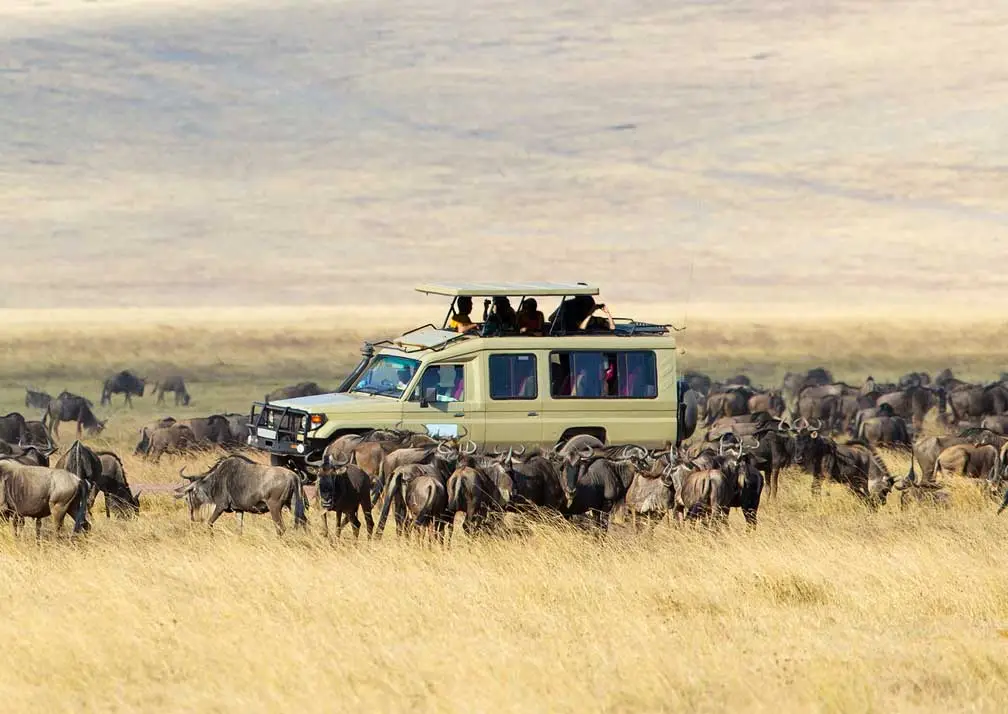
Great Migration Safaris
Experience one of nature's greatest spectacles with our Great Migration safari packages, timed for river crossings or calving.
View Package →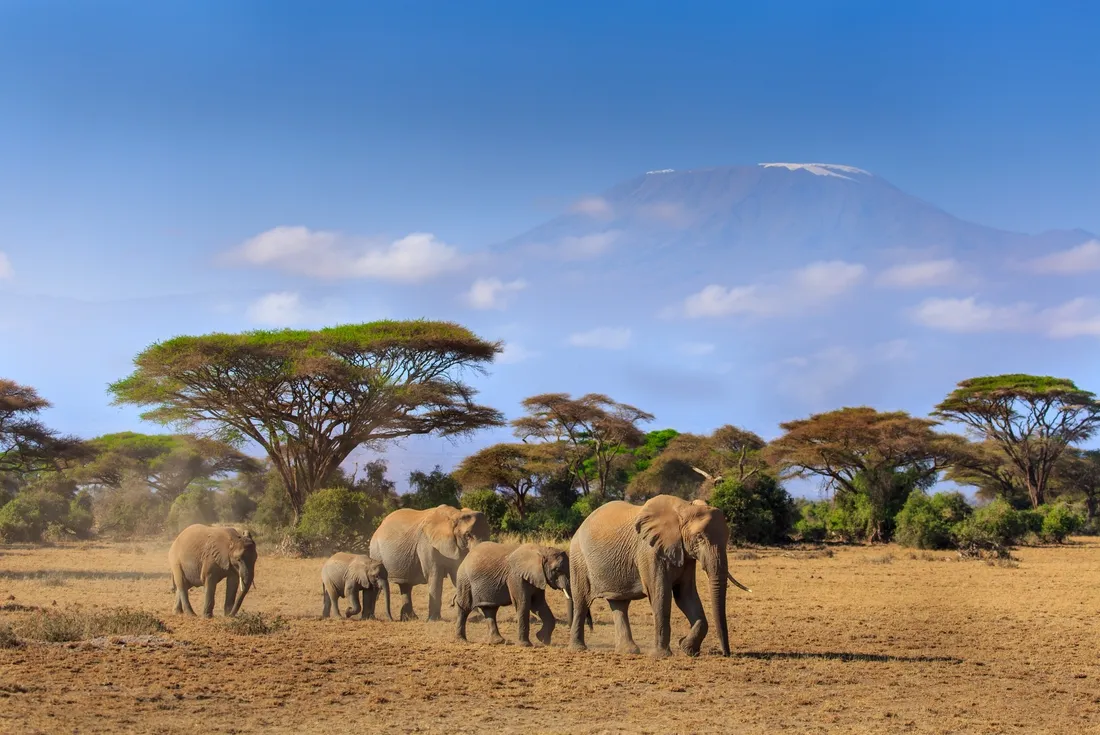
Serengeti & Kilimanjaro Trek
Combined safari and trekking tours offer wildlife adventures and Kilimanjaro climbs.
View Package →
Serengeti & Zanzibar Tours
Luxury Tanzania safari & beach packages with the Great Migration and pristine beaches.
View Package →Related: Best Time to Visit Tanzania 2026 – Perfect safari extension after your China adventure.