Most Complete Colombia Travel Guide 2026-2027 – Everything You Need to Know Before Visiting
This Colombia travel guide provides everything you need to plan your journey to South America's most diverse destination. Colombia offers an extraordinary blend of Caribbean beaches, Andean highlands, Amazon rainforest, and vibrant cities that create one of the continent's most exciting travel experiences. Many travelers who visit Colombia are surprised by the country's incredible diversity and warm hospitality after years of negative headlines. The nation covers over 1.14 million square kilometers, offering visitors everything from colonial gems to coffee plantations, lost cities, and modern metropolises.
Start Reading the Full Guide ↓Quick Facts About Colombia
- Capital: Bogotá.
- Currency: Colombian Peso (COP).
- Time Zone: Colombia Time (COT, UTC-5) – no daylight saving.
- International Calling Code: +57.
- Driving Side: Right.
- Major Airports: El Dorado (Bogotá), José María Córdova (Medellín), Rafael Núñez (Cartagena).
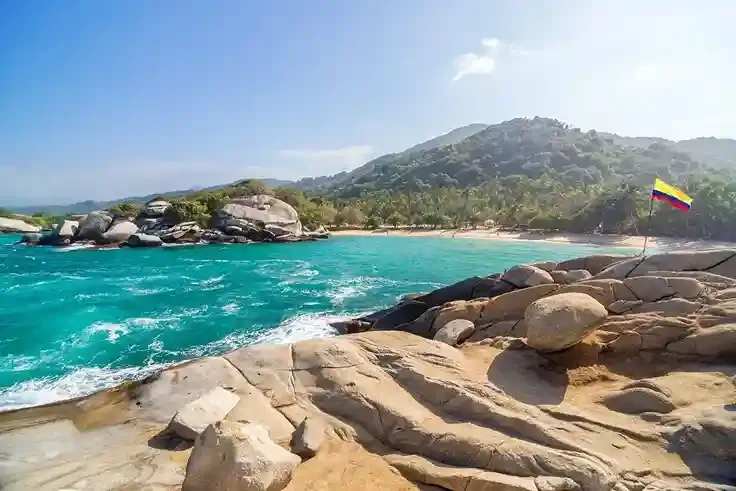
Colombia Overview & Key Facts
Brief History of Colombia
Colombia's history spans millennia, from sophisticated indigenous civilizations through Spanish conquest to modern transformation. Pre-Columbian cultures like the Muisca, Tayrona, and San Agustín left impressive archaeological sites. Spanish colonization began in 1499, with Cartagena becoming a major Caribbean port. Independence was declared in 1810 and finalized in 1819 under Simón Bolívar. The 20th century saw periods of conflict, but the 2016 peace agreement marked a turning point toward stability and tourism growth.
Independence & National Identity
- Independence date: July 20, 1810 (declared), August 7, 1819 (Battle of Boyacá).
- Former colonial power: Spain.
- National symbols & identity.
Colombian identity celebrates mestizo heritage blending indigenous, Spanish, and African roots. The flag's yellow, blue, and red stripes represent generosity, seas and skies, and the blood of independence heroes. Coffee, emeralds, music (cumbia, vallenato), and football are central to national pride.
Government System & Current Leadership
- Type of government: Presidential Republic
- Current president: Gustavo Petro (since August 2022)
- Notes on political stability
Colombia operates as a presidential republic with democratic elections. The country has made significant progress in security since the 2016 peace accord. Tourist areas remain largely unaffected by remaining regional conflicts.
Population, Ethnic Groups & Languages
- Population: 52.5 million (2025 estimate).
- Major ethnic groups: Mestizo (58%), White (20%), Afro-Colombian (10%), Indigenous (3.4%).
- Official language(s): Spanish.
- Additional languages commonly spoken.
Spanish is universal, with distinct coastal, highland, and regional accents. English is increasingly common in tourist areas and among younger generations. Over 70 indigenous languages exist, especially in Amazon and Pacific regions.
Main Religions & Cultural Identity
Roman Catholicism remains dominant (approximately 70%), though religious freedom is protected. Evangelical Christianity is growing. Indigenous and Afro-Colombian spiritual practices continue in rural areas. Festivals, music, and family gatherings form the heart of Colombian social life.
Geography & Natural Landscape
Colombia is the only South American country with coastlines on both the Pacific and Caribbean. Five natural regions exist: Andes mountains (where 80% of population lives), Caribbean coast, Pacific coast, Llanos plains, and Amazon rainforest. This creates incredible biodiversity – Colombia ranks second globally in species diversity.
Economy & Tourism Highlights
Tourism has grown rapidly since 2016, with over 5 million annual visitors pre-pandemic. Coffee, emeralds, flowers, and oil drive the economy. Government “Colombia – the country of beauty” campaigns have successfully repositioned the destination as safe and welcoming.
What Colombia Is Known For
- UNESCO sites: Cartagena, Coffee Cultural Landscape, San Agustín, Tierradentro
- World’s best coffee and emerald producer
- Exceptional biodiversity – more bird species than any other country
Visa & Entry Requirements in Colombia
Most international visitors enter Colombia visa-free for tourism. Rules are straightforward and regularly updated. Always verify current requirements before travel.
Do You Need a Visa?
Citizens of over 100 countries (EU, USA, Canada, UK, Australia, Japan, most Latin American nations) can enter visa-free for up to 90 days, extendable once for another 90 days (maximum 180 days per calendar year). Passport must be valid for at least 6 months with two blank pages.
Visa Application Options in Colombia
- Visa-free entry on arrival for eligible nationalities
- Online extension through Migración Colombia website
- Visitor visa (V) for nationalities requiring it
Visa-free travelers receive a stamp on arrival. Digital registration via Check-MIG is recommended 24–72 hours before arrival and departure.
Passport Validity & Entry Documents
Passport valid 6+ months, return/onward ticket (rarely checked), proof of funds if requested. Yellow fever certificate required if coming from risk countries or visiting Amazon regions.
Customs Rules & Prohibited Items
Standard international restrictions apply. Up to $10,000 USD cash must be declared. Fresh foods, plants, and animal products restricted. Archaeological artifacts cannot be exported.
Safety & Security Information in Colombia
Colombia has transformed dramatically since 2016. Tourist areas are heavily protected with dedicated tourist police. Exercise normal precautions in cities and increased caution in rural areas.
Is Colombia Safe for Tourists?
Yes – millions visit safely every year. Major cities and tourist zones have lower crime rates than many U.S. and European cities. Tourist police units operate in Cartagena, Medellín, Bogotá, and coffee region.
Recommended Safety Tips when in Colombia
Use registered taxis or ride-hailing apps (Uber, Didi, InDriver), avoid flashing valuables, don’t accept drinks from strangers, use hotel safes, and avoid walking alone late at night in unfamiliar areas.
Safe Areas vs. Areas to Avoid in Colombia
Safe: Cartagena, Medellín (El Poblado, Laureles), Bogotá (Zona T, Chapinero, Usaquén), coffee triangle, Caribbean islands, Tayrona (guided areas). Avoid: Venezuela/Ecuador border zones, remote Pacific coast (except Bahía Solano/Nuquí with reputable operators), some rural Putumayo/Caquetá areas.
Emergency Numbers & Tourist Police in Colombia
- Police/Emergency: 123
- Tourist Police Bogotá: +57 300 9126693
- Tourist Police Cartagena: +57 314 5619144
Health Requirements & Vaccinations in Colombia
No mandatory vaccines for most travelers, but several recommended depending on itinerary.
Mandatory Vaccinations in Colombia
Yellow fever certificate required if arriving from risk countries or visiting Amazon/Putumayo below 2,300 m.
Recommended Vaccinations in Colombia
Hepatitis A, Typhoid, Yellow Fever (even if not mandatory), routine vaccines. Malaria prophylaxis for Amazon, Pacific coast, and areas below 1,600 m outside Bogotá.
Malaria & Other Risks
Malaria risk in Amazon, Pacific, and some Caribbean zones. Dengue is present year-round – use repellent. Altitude sickness possible in Bogotá (2,640 m) and higher areas.
Travel Insurance Recommendations in Colombia
Strongly recommended covering medical evacuation (can exceed $100,000 from remote areas). Many policies now include adventure activities common in Colombia.
Best Time to Visit in Colombia
Colombia enjoys year-round travel due to micro-climates. Dry seasons vary by region.
Weather by Season
Caribbean coast: December–April & July–August dry. Andes: December–March & June–August dry. Amazon: June–November drier. Pacific coast (whale watching): July–October.
When to Visit Colombia for Best Experiences
- Carnival in Barranquilla: February/March
- Whale watching Chocó: July–October
- Flower Festival Medellín: August
- Christmas lights: December
High Season vs. Low Season Travel
High season: December–January and June–August (higher prices, more crowds). Shoulder seasons offer best value and weather.
Weather & Climate Overview in Colombia
Colombia has every climate except true desert and polar. Altitude determines temperature more than season.
Temperature Ranges
Caribbean coast: 28–34°C year-round. Bogotá (2,640 m): 8–20°C. Medellín (1,500 m): 18–28°C constant (“city of eternal spring”).
Rainy & Dry Seasons in Colombia
Andes: two dry seasons (Dec–Mar, Jun–Aug). Caribbean: one long dry season (Dec–Apr) plus July–Aug. Amazon: relatively drier Jun–Nov.
What to Wear Based on the Weather
Layering is key. Light clothing for coast, jeans and jackets for Bogotá, rain jacket year-round, comfortable walking shoes, flip-flops for beaches.
Main Currency, Costs & Budgeting in Colombia
Excellent value destination with costs significantly lower than North America or Europe.
Local Currency Information
Colombian Peso (COP). Bills: 2,000 to 100,000. Coins rarely used for transactions.
Average Travel Costs in Colombia
Budget: $50–90/day (hostels, street food, buses). Mid-range: $100–180 (nice hotels, restaurants, private transport). Luxury: $250+.
Using ATMs, Cards & Mobile Money in Colombia
ATMs everywhere (Bancolombia, Davivienda best for foreign cards). Cards widely accepted in cities. Cash needed for small towns and street food.
Tipping Guidelines in Colombia
10% standard in restaurants (often included as “servicio”). Taxi drivers no tip expected. Hotel staff 5,000–10,000 COP per bag/service.
Transportation & Getting Around in Colombia
Excellent domestic flight network plus improving roads and modern bus companies.
Airport Transfers
Official taxis, Uber/Didi/InDriver, private transfers, and TransMilenio (Bogotá) or metro (Medellín).
Local Transport Options in Colombia
Modern metros in Medellín and Bogotá (construction). Excellent intercity buses (Expreso Brasilia, Bolivariano). Ride-hailing apps widely available.
Colombia Domestic Flights
Avianca, LATAM, low-cost carriers (Viva Air, Wingo, EasyFly). Book early for best prices.
Car Rentals & Road Conditions in Colombia
Possible but not necessary for most itineraries. International license required. Mountain roads challenging.
Accommodation Options available in Colombia
From world-class luxury to charming boutique hostels.
Types of Accommodations in Colombia
Luxury boutique hotels in Cartagena, eco-lodges in coffee region and Amazon, modern apartments in cities, beach resorts, fincas (coffee farms).
Budget vs. Mid-Range vs. Luxury
Budget: $15–40/night. Mid-range: $60–150. Luxury: $200–800+ (Cartagena walled city, private Amazon lodges).
Best Areas to Stay in Colombia
Bogotá: Chapinero/Zona T. Medellín: El Poblado/Laureles. Cartagena: Walled City or Bocagrande. Coffee region: Salento or fincas near Manizales/Pereira.
Essential Packing Guide when Visiting Colombia
Pack for multiple climates in one trip.
Clothing Essentials
Light clothing, rain jacket, warm layers for Bogotá, swimwear, comfortable walking shoes, sun protection.
Footwear & Gear
Walking shoes, flip-flops, hiking shoes if doing treks (Ciudad Perdida, Valle de Cocora).
Electronics & Cameras
Universal adapter (Type A/B), power bank, waterproof phone case for Pacific coast.
Toiletries & Personal Items
Mosquito repellent (30–50% DEET), sunscreen, altitude sickness medication if sensitive, Spanish phrasebook.
Language & Communication in Colombia
Spanish dominates but English is common in tourism.
Main Languages Spoken in Colombia
Spanish (official). English widely spoken in tourist areas and business. Indigenous languages in remote regions.
Useful Phrases for Tourists
“Hola” (hello), “Gracias” (thank you), “¿Cuánto cuesta?” (how much?), “La cuenta, por favor” (the bill, please).
SIM Cards & Mobile Data used in Colombia
Claro, Movistar, Tigo – available at airports and malls. eSIM options increasing.
Internet Availability & Wi-Fi in Colombia
Excellent 4G/5G coverage in cities. Free Wi-Fi in most cafes, hotels, and many public spaces.
Culture & Etiquette in Colombia
Warm, family-oriented culture with strong regional differences.
Colombian Dress Code Expectations
Casual but neat. Colombians dress well when going out. Beachwear only at beaches. Conservative dress in churches and rural areas.
Social Etiquette & Respectful Behavior of Colombia
Greet with handshake or cheek kiss (one, right cheek). Punctuality flexible (“Colombian time”). Family and friendships highly valued.
Photography Rules in Colombia
Ask permission before photographing people, especially indigenous communities (some charge small fee).
Important Cultural Dos & Don’ts in Colombia
Do accept coffee when offered. Don’t refer to everyone as “Latin” – Colombians are proud of their distinct identity. Do learn a few Spanish phrases – hugely appreciated.
Food, Water & Dining in Colombia
One of South America’s most exciting culinary scenes.
Colombian Local Dishes to Try
Bandeja paisa, ajiaco, arepas, empanadas, fresh tropical fruits, Caribbean seafood, lechona, chocolate completo.
Dietary Options in Colombia
Excellent vegetarian/vegan options in cities. Gluten-free arepas naturally available.
Drinking Water Safety
Tap water safe in Bogotá and major cities. Bottled water recommended elsewhere.
Restaurant Etiquette
10% tip usual (often included). Lunch is main meal. Dinner served late (8–10 pm).
Top Attractions & Things to Do in Colombia
Incredible variety from Caribbean beaches to Amazon jungle.
Major Tourist Attractions in Colombia
- Cartagena’s walled city (UNESCO)
- Coffee Cultural Landscape (UNESCO)
- Tayrona National Park
- Ciudad Perdida (Lost City) trek
Best Tours & Experiences in Colombia
Coffee farm stays, salsa classes in Cali, street food tours, Amazon lodges, whale watching (Jul–Oct), Caribbean island hopping.
Family-Friendly Activities to do in Colombia
Caribbean beaches, coffee farm experiences, Bogotá’s Gold Museum, Medellín’s metro cable and Parque Arví.
Unique Cultural or Historical Sites to visit in Colombia
San Agustín archaeological park, Salt Cathedral of Zipaquirá, Museo del Oro (Bogotá), Comuna 13 street art (Medellín).
Colombian Electrical System Information
110V, 60Hz – same as USA/Canada.
Plug Types & Voltage used in Colombia
Type A and B (American flat pins). Most modern devices dual-voltage.
Charging Tips
Power stable in cities. Bring power bank for rural travel.
Local Laws & Regulations of Colombia
Standard international norms with some specifics.
Rules Travelers Need to Know when In Colombia
Drugs strictly illegal despite stereotypes. No photography of military/police. Respect indigenous territories.
Alcohol, Smoking & Substance Laws of Colombia
Legal drinking age 18. Public consumption restricted in some cities. Small amounts of marijuana decriminalized for personal use (up to 20 g) but public consumption illegal.
Restricted or Protected Areas in Colombia.
Some national parks require permits/guides. Border regions restricted.
Final Travel Tips for Visitors in Colombia
Embrace the warmth, stay flexible, and enjoy one of the world’s friendliest destinations.
Common Mistakes to Avoid
Trying to see everything in one trip, using unofficial taxis, carrying large amounts of cash, underestimating altitude in Bogotá.
Tips to Save Money when Visiting Colombia
Travel by bus between cities, eat menu del día, stay in boutique hostels, book domestic flights early.
Safety & Comfort Tips
Learn basic Spanish, use ride-hailing apps, don’t resist if mugged (rare), buy local SIM on arrival.
Frequently Asked Questions – Colombia Travel Guide 2026-2027
Our Tanzania Tours Products
While Colombia offers incredible Caribbean beaches, coffee culture and Amazon adventures, many travelers combine South America with the ultimate African wildlife experience. Capable Africa Tours specializes in secure, guided safaris that maximize safety and wonder. Our expert local guides, armed rangers in parks, and vetted accommodations ensure peace of mind. Tanzania ranks high for tourist safety with dedicated wildlife protection units and stable northern circuits.
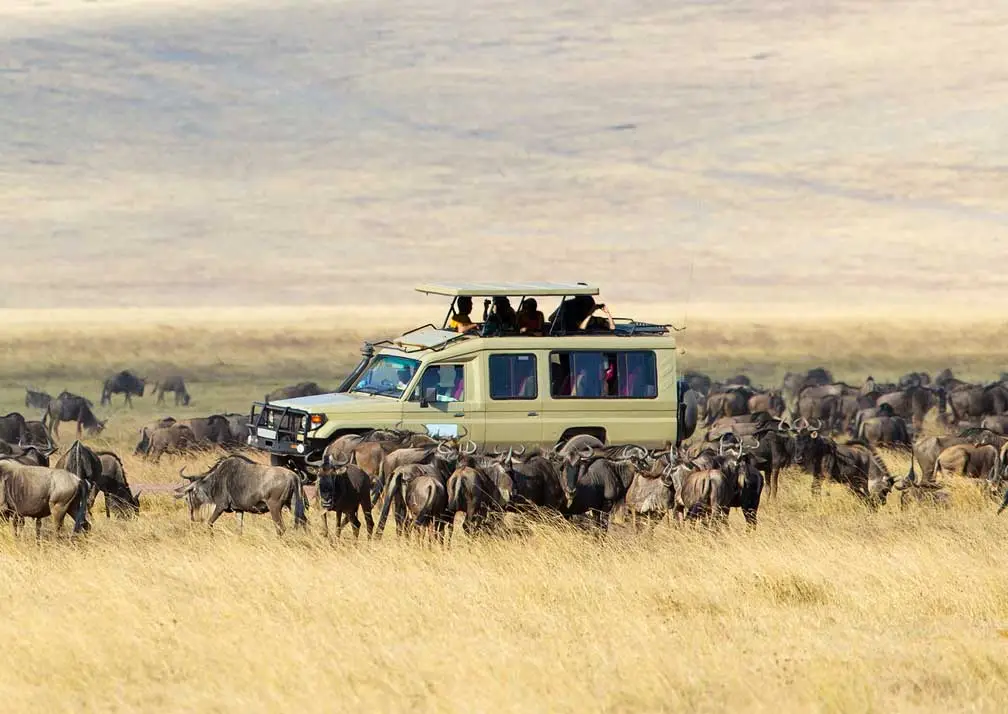
Great Migration Safaris
Experience one of nature's greatest spectacles with our Great Migration safari packages, timed for river crossings or calving.
View Package →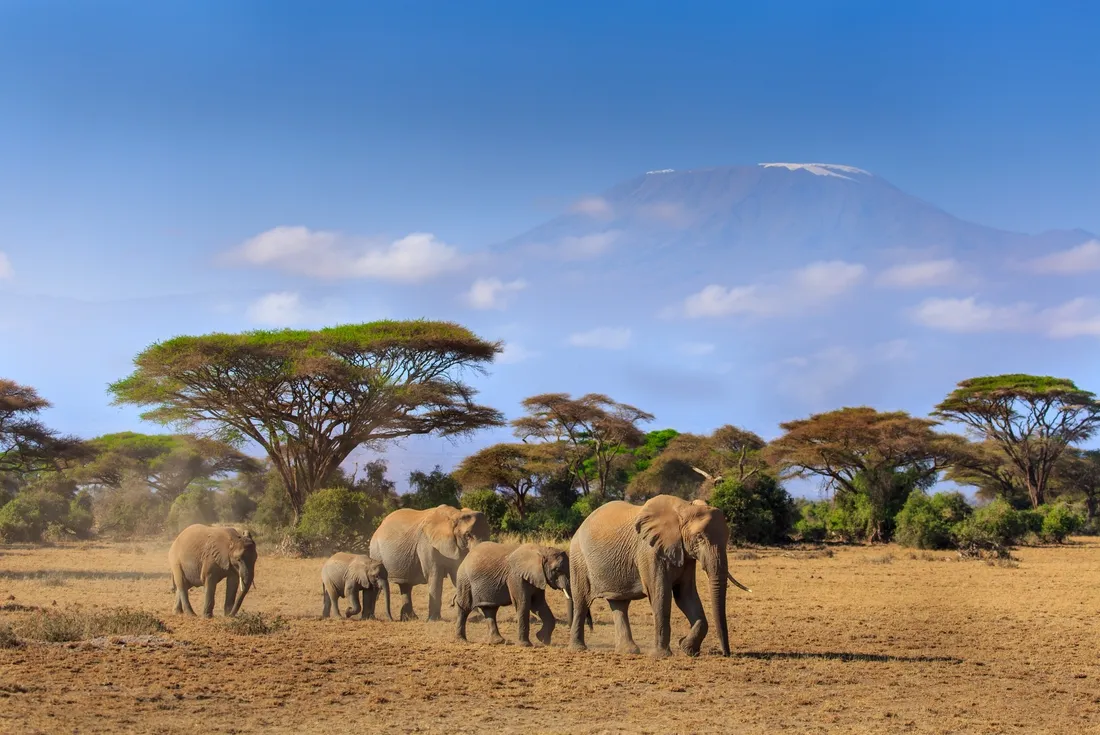
Serengeti & Kilimanjaro Trek
Combined safari and trekking tours offer wildlife adventures and Kilimanjaro climbs.
View Package →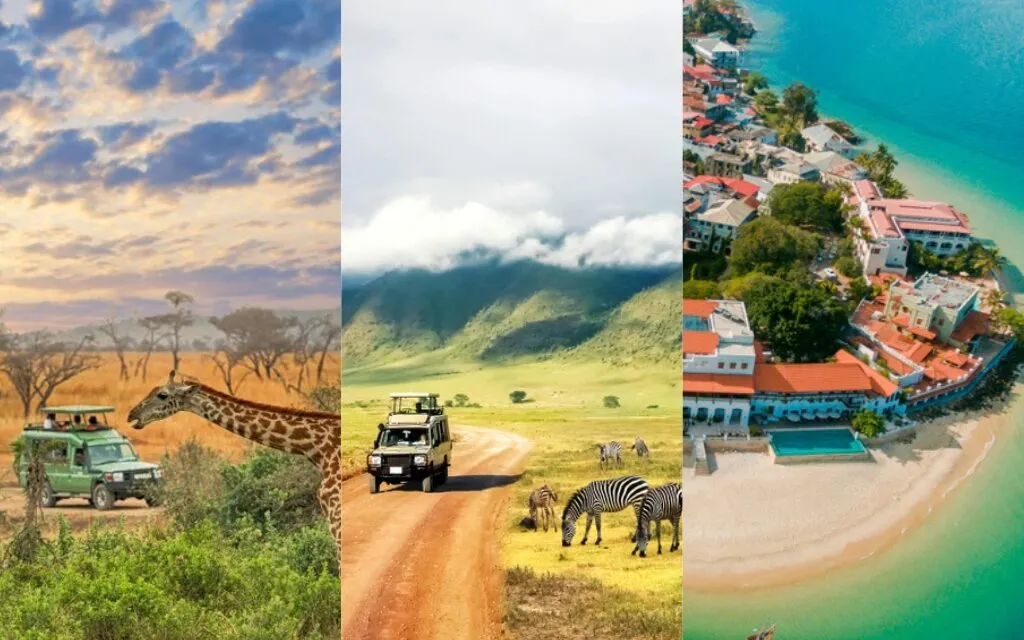
Serengeti & Zanzibar Tours
Luxury Tanzania safari & beach packages with the Great Migration and pristine beaches.
View Package →Related: Best Time to Visit Tanzania 2026 – Perfect safari extension after your Colombia adventure.